







How does a pdc drill bit function?
A PDC (polycrystalline diamond compact) drill bit functions by utilizing synthetic diamond cutters mounted on strategically positioned blades to shear through rock formations. The 6-Blade PDC Drill Bit operates through a rotational cutting action where polycrystalline diamond cutters scrape and fracture rock layers while drilling fluid circulates through nozzles to remove debris and cool the cutting surface. The six-blade configuration provides optimal balance between cutting efficiency and structural stability, making it ideal for various drilling applications in oil and gas exploration, coal mining, and water well construction.
Understanding the Basics of PDC Drill Bits
Core Components and Structure
PDC drill bits represent a huge step forward in cutting technology. They have synthetic diamond cutters that are very hard and don't break down easily. The main part of the design is a steel bit body that has polycrystalline diamond compact cuts grouped across several blades. These cutters combine the very high hardness of diamond with the toughness of a tungsten carbide base to make a cutting tool that can cut through tough rock formations.
The bit body is the base. It is made of a high-quality steel that is strong enough to handle very strong drilling forces. High-end makers like Shaanxi Hainaisen Petroleum Technology use advanced metalworking and precise cutting to make sure that the structure stays strong during long drilling operations.
Operational Principles of PDC Technology
The cutting process in PDC Bits is different from standard tricone designs because it uses shearing action instead of crushing. As the drill string turns, each diamond cutter hits the rock face at a different angle, making cracks that easily remove material. Compared to breaking devices, this shearing process produces less heat, which cuts down on wear and greatly increases bit life.
Hydraulic systems are very important to how the PDC bit works. Drilling fluid runs through tubes that are placed in a planned way. This creates high-speed jets that clean the cutter faces, cool the cutting zone, and move rock chips to the surface. The 6-Blade PDC Drill Bit usually has six holes that are placed in line with the blades. This optimizes fluid dynamics for better performance.
Blade Configurations and Their Impact
Depending on the cutting conditions and goals, different blade designs offer different benefits. The six-blade design hits the best balance between bit sturdiness and penetration rate, which makes it ideal for a wide range of geographic settings. This arrangement gives enough cutting surface area while keeping the structural strength needed for tough forms.
The shape of the blade has a big effect on how it cuts. Each blade has angles that were carefully calculated to make the cutter exposure and rock removal work as well as possible. The distance between the blades affects how stable the drilling is. The six-blade setup reduces vibration while keeping the cutting qualities that are needed for effective drilling.
Performance and Advantages of 6-Blade PDC Drill Bits
Enhanced Operational Stability
Compared to drill bits with fewer blades, the 6-Blade PDC Drill Bit configuration is more stable during drilling, especially in areas where rock properties change a lot. The balanced blade design spreads the cutting forces evenly around the bit's diameter. This lowers the horizontal vibrations that can lead to drilling problems and early wear.
This steadiness directly leads to better hole quality and fewer problems during drilling. Bit walk, spiral drilling, and gauge wear problems that are common with less balanced designs happen less often for operators. Higher weight-on-bit uses are also possible because of the improved stability. This increases penetration rates without affecting the purity of the bits.
Optimized Cutting Speed and Efficiency
Six-blade versions are the best at getting the best entry rates through a wide range of formations. Having more cutting edges than three- or four-blade models gives them more touch points with the rock face, which spreads wear out more widely while keeping the cutting action aggressive.
New information from the field shows that properly optimized six-blade bits can penetrate 15–25% deeper than similar four-blade designs in medium to hard forms. This performance edge comes from the fact that the six-blade design makes it easier to use the cutters and remove rocks more efficiently.
Superior Wear Resistance Characteristics
Spreading the cutting load across six blades makes the bit last a lot longer in rough forms. When compared to designs with fewer blades, each cutter is under less stress, which means that wear happens more slowly and the machine lasts longer.
These days, new six-blade designs use advanced PDC cutting technology with better diamond tables and brazing methods that don't break down when heated or hit. These changes make it possible for bits to keep cutting well even after longer drilling breaks. This lowers the number of trips needed and the costs that come with them.
Optimal Drilling Parameters
To get the most out of your 6-Blade PDC Drill Bit solutions, you need to pay close attention to the cutting factors. Depending on the strength of the rock and the specs of the bit, the recommended weight-on-bit ranges are usually between 30 and 50 thousand pounds for 8.5-inch diameter bits. Most rotary speeds are between 60 and 120 RPM, with faster speeds preferred in softer forms and slower speeds preferred in harder, more coarse ones.
The right hydraulic flow rates will keep the cutter face clean without wearing down the bit body too much. For normal digging tasks, the best flow rates are usually between 350 and 450 gallons per minute, but this can change depending on the properties of the mud and the conditions of the hole.
Comparative Analysis: 6-Blade PDC Drill Bits vs Other Types
Mechanical Stability Comparison
When it comes to mechanical security, the 6-Blade PDC Drill Bit is clearly better than drill bits with fewer or more blades. Because they have six blades instead of three, six-blade bits are much more stable and less likely to vibrate. The extra blades make the force distribution more even, which reduces the repetitive loads that can make drilling not work right or fail too soon.
While four-blade designs are more stable than three-blade designs, they still have a higher possibility for shaking than six-blade designs. The six-blade setup is pretty close to being perfectly balanced for most drilling jobs. It has enough cutting edges to keep the machine stable without needing too much power or drag, which is a problem with eight-blade designs.
Penetration Efficiency Trade-offs
Different blade configurations have very different penetration rates, and each design has its own benefits based on the properties of the formation. Because they cut more aggressively and have less touch area, three-blade bits usually have the highest rapid penetration rates in soft formations. But this benefit goes away quickly in harder forms, where rigidity is very important.
Six-blade designs are great at keeping penetration rates constant across a wide range of formation types. They might not be able to reach the highest penetration rates of three-blade bits in perfect conditions, but their performance is more stable and reliable over a wider range of drilling gaps, which makes them more efficient overall.
Application-Specific Suitability
Based on working goals and geological conditions, different drilling tasks require different blade designs. The six-blade design works especially well for directional drills, where steadiness and steering reactions are very important. The balanced cutting forces make it easier to predict how the bit will behave, which helps drilling teams stick to their planned wellbore paths.
Because the rock in coal seam drilling is often very different, six-blade types are often better for these uses. When moving between coal seams and rock layers with different levels of hardness, having more than one blade helps keep the machine's performance uniform.
Cost-Effectiveness Considerations
Different blade configurations may have different starting prices, but in many cases, the total cost of ownership is better for six-blade designs. Any extra cost for the bit itself is usually more than made up for by the longer life and better drilling efficiency. This is especially true in difficult drilling conditions where bit failures cost a lot in trip operations.
Maintenance issues also favor six-blade designs because the spread-out wear pattern makes bit performance loss more reliable and trip planning better. This predictability helps workers make the best use of their drilling plans and cut down on unplanned delays.
Procuring 6-Blade PDC Drill Bits: What B2B Buyers Need to Know
Lead Times and Availability
To keep drilling plans and avoid costly operations delays, it's important to know when to make purchases. Standard 6-Blade PDC Drill Bit units usually need 4-6 weeks to be made by well-known companies like Shaanxi Hainaisen Petroleum Technology. Custom specifications or designs, on the other hand, may make wait times 8–12 weeks longer, based on how complicated they are and how long it takes to make them.
Strategic buyers often keep safety stock levels to lower the risks in the supply chain, especially for important drilling operations. Setting up a framework that deals with dependable providers can cut down on wait times for repeat orders and make sure that they get priority during times of high demand.
Pricing Transparency and Value Assessment
There are a lot of things that affect how much a PDC bit costs, such as the cutter grade, bit size, design complexity, and order number. Buyers shouldn't just look at the initial purchase prices; they should also look at the total cost of ownership. Although they cost more up front, premium bits that dig further often provide better value in the long run.
When you buy in bulk, you usually save a lot of money, especially for operators whose buying habits are easy to predict. A lot of makers have tiered pricing systems that reward buyers for making bigger promises and give buyers peace of mind about their supply.
Certification and Quality Compliance
Manufacturers with a good reputation keep full quality control systems and the right Certifications, like ISO 9001 quality standards and, if necessary, API specs. Buyers should check the certifications and quality control methods of suppliers to make sure that bits always work well and are reliable.
Different types of projects need different kinds of documentation. For example, oil and gas operations usually need more detailed, high-quality paperwork than water well digging projects. If you ask, suppliers should give you material certificates, dimensional check records, and data from performance tests.
Supplier Evaluation Criteria
When looking for the right providers, you need to look at more than just price and delivery time. Long-term provider ties and business success are greatly affected by technical knowledge, the ability to customize, and after-sales support.
When possible, a manufacturing capability study should include tours of the building, an analysis of the production tools, and a look at the quality control procedures. Suppliers that have more advanced manufacturing tools, like CNC machine centers and automatic welding systems, usually provide more regular quality products.
Logistics and Supply Chain Integration
Logistics planning that works well keeps supply chain problems to a minimum and lowers the total cost of buying things. International businesses can get local help and lower shipping costs from suppliers with global marketing networks.
When drilling in rural areas, where bit damage during shipping can cause big delays in operations, packaging and handling become very important. To make sure bits stay together throughout the supply chain, suppliers should give instructions on how to properly package and handle bits.
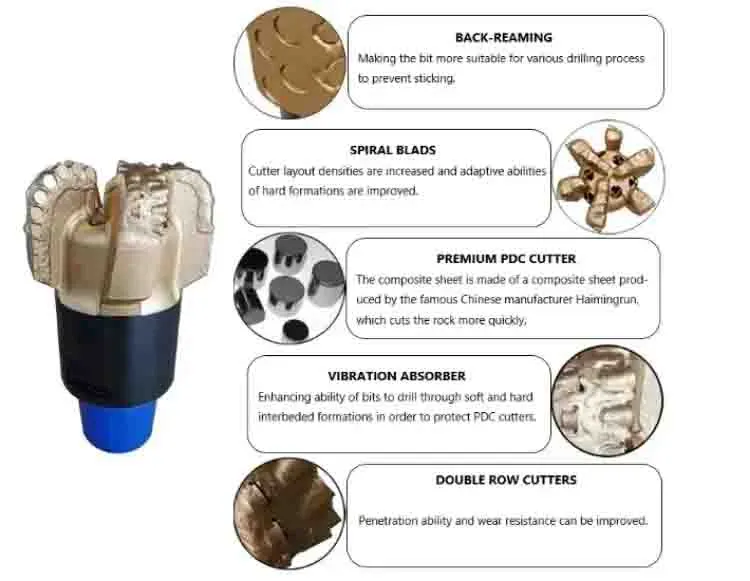
Manufacturing and Technical Specifications of 6-Blade PDC Drill Bits
Advanced Manufacturing Processes
Modern 6-Blade PDC Drill Bit manufacturing involves complex methods that guarantee accuracy and dependability. The production process starts with choosing a high-quality steel. For best strength and ease of machining, 4140 or 4340 alloy steel is usually used. With errors measured in thousandths of an inch, computer-controlled machining centers make blade shapes and cutter pockets that are very accurate.
Shaanxi Hainaisen Petroleum Technology uses cutting-edge 5-axis machining centers that can make complicated blade geometries and put cutters perfectly. This advanced production feature lets you precisely control important factors like gauge length (82mm), bit height (280mm), and cutter pocket geometry, all of which have a direct effect on how well the drilling works.
PDC Cutter Integration Technology
The cutter attachment method is an important part of the manufacturing process that affects how long the bit will last and how well it will work. High-temperature brazing processes use silver-based alloys to attach PDC cutters to the bit body. These create strong metal links that can handle the stresses of drilling.
There are controlled atmosphere ovens in modern factories that keep exact temperature profiles during brazing operations. This process control makes sure that the quality of the cutter attachments stays the same and keeps diamond tables from getting damaged by heat, which could affect how well they cut.
Quality Control and Testing Protocols
Quality control tools that check every step of the manufacturing process make sure that the quality of the bits is always the same. Coordinate measuring tools are used for dimensional checking, which checks important details like IADC code S223 standards, API connection tolerances (4-1/2 REG.PIN), and the correctness of the blade geometry.
Ultrasonic screening and magnetic particle testing are two examples of non-destructive testing methods that can find possible flaws that could weaken bit integrity. These quality control steps make sure that every bit meets strict performance standards before it is sent out to customers.
Technical Specifications and Standards
The normal 8.5-inch (215.9mm) 6-Blade PDC Drill Bit has 95 PDC cutters carefully placed across six blades to make cutting as efficient as possible. Cutter sizes usually come in 13mm and 16mm widths, which are chosen based on the needs of the product and the way the formation is formed.
Six hydraulic tubes spread drilling fluid to clean the cutter and get rid of waste. The net weight of 45 kilograms shows that it is fully built to withstand tough drilling conditions while still being easy for drilling teams to move around.
Innovation and Technology Advancement
Better cutter materials, better blade shapes, and more advanced hydraulic systems are the main areas of ongoing technology development. New technologies include thermally stable diamond cuts that don't break down at high temperatures and special finishes that make things less likely to rub against each other and wear out.
Researchers and developers are also looking into how to make blade shapes that work better for drilling in certain types of rock. Because of these improvements, makers can make solutions that are more and more complex and fit the specific problems that current workers face when they are drilling.
Conclusion
Synthetic diamond cutting technology, precision making, and well-tuned hydraulic systems are all combined in PDC drill bits to make them work. The 6-Blade PDC Drill Bit configuration is the best mix of cutting efficiency, operating stability, and longevity, and it works well for a wide range of drilling tasks. Technical workers and purchasing managers can make choices that improve drilling performance while keeping running costs low by understanding the basic principles, comparative benefits, and procurement issues. As PDC technology and manufacturing methods keep getting better, these cutting tools will stay important parts of modern drilling activities in the mining, oil, gas, and water well industries.
FAQ
Q1: What makes 6-blade PDC drill bits perform better in hard rock formations?
The 6-Blade PDC Drill Bit design spreads cutting forces across more contact points than designs with fewer blades. This lowers the stress on each cutter while keeping the strong cutting action. This spread keeps cutters from breaking too soon and keeps penetration rates steady in hard rock types like granite, quartzite, and sandstones with a lot of cement.
Q2: How do maintenance protocols extend the lifespan of PDC drill bits?
By checking the state of the cutter on a regular basis, managing the drilling parameters correctly, and replacing the bit at the right time, you can avoid major failures that can damage parts that can still be used. Maintaining the right weight-on-bit levels, rotating speeds, and fluid flow rates according to the manufacturer's instructions will greatly increase the life of the bit and make drilling more cost-effective.
Q3: Can 6-blade PDC drill bits be customized for specific drilling conditions?
Modern makers offer a wide range of customization choices, such as different grades of cutters, changed blade geometries, better protection for the gauges, and hydraulic designs that are tailored to specific applications. Custom specs take into account individual formation problems, the need for directed drilling, and practical limitations, while still following tried-and-true design principles.
Q4: What performance differences exist between 6-blade and 8-blade PDC configurations?
Eight-blade designs are more stable, but they often have a lower entry rate because they need more power to move a larger area of contact. The six-blade configuration typically offers superior overall drilling efficiency by balancing stability needs with penetration capabilities, particularly in variable formation sequences common in many drilling applications.
Contact HNS for Premium 6-Blade PDC Drill Bit Solutions
Maximize your drilling efficiency with HNS's advanced drilling technology solutions. As a leading 6-Blade PDC Drill Bit supplier, Shaanxi Hainaisen Petroleum Technology delivers superior cutting performance backed by comprehensive technical support and competitive pricing. Our experienced engineering team provides customized solutions that meet specific formation challenges, while our modern manufacturing facility ensures consistent quality and reliable delivery schedules. Contact our technical specialists at hainaisen@hnsdrillbit.com to discuss your drilling requirements and discover how HNS can optimize your operations.
References
1. Drilling Engineering Association. "Advanced PDC Bit Design and Performance Analysis in Unconventional Formations." Journal of Petroleum Technology, 2023.
2. International Association of Drilling Contractors. "PDC Bit Selection Guidelines for Optimal Drilling Performance." IADC Technical Publication, 2022.
3. American Petroleum Institute. "Specification for Polycrystalline Diamond Compact Drill Bits." API Specification 7G, 2023 Edition.
4. Society of Petroleum Engineers. "Comparative Analysis of Multi-Blade PDC Bit Configurations in Directional Drilling Applications." SPE Technical Conference Proceedings, 2023.
5. World Drilling Research Institute. "Manufacturing Standards and Quality Control Protocols for PDC Drill Bits." Technical Standards Manual, 2022.
6. Mining Technology Review. "PDC Bit Performance Optimization in Coal Mining and Geological Exploration Operations." Mining Engineering Quarterly, 2023.
logo 2_1777361643767.jpg) VIEW MORE94mm Four Wing Arc Angle Drill Bit
VIEW MORE94mm Four Wing Arc Angle Drill Bit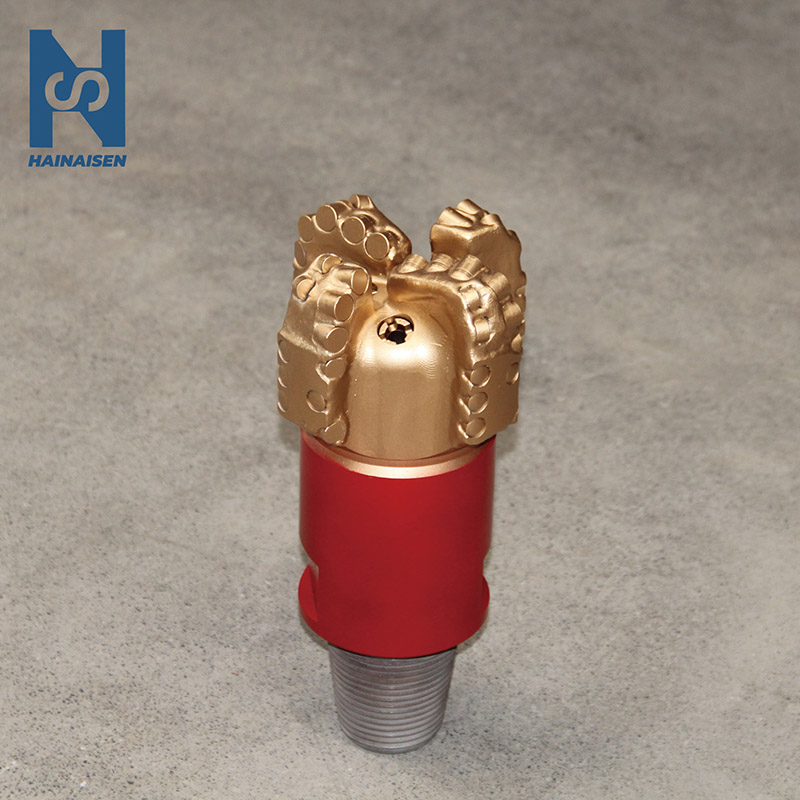 VIEW MOREFour Blade Wing Oil Drilling Tool
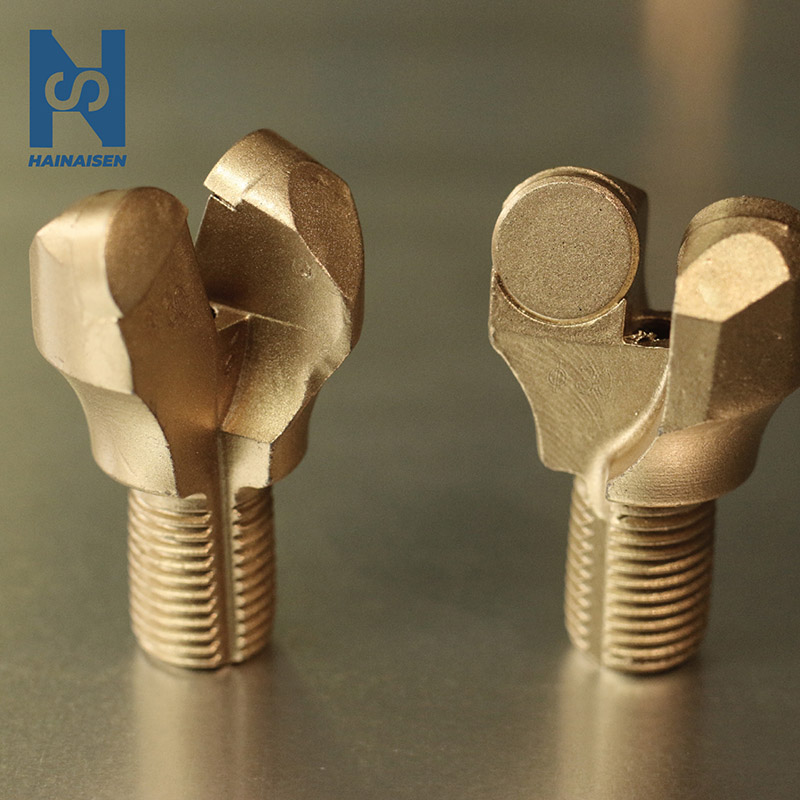 VIEW MORE30mm Half Blade Anchor Bit For Mine Coal Fields
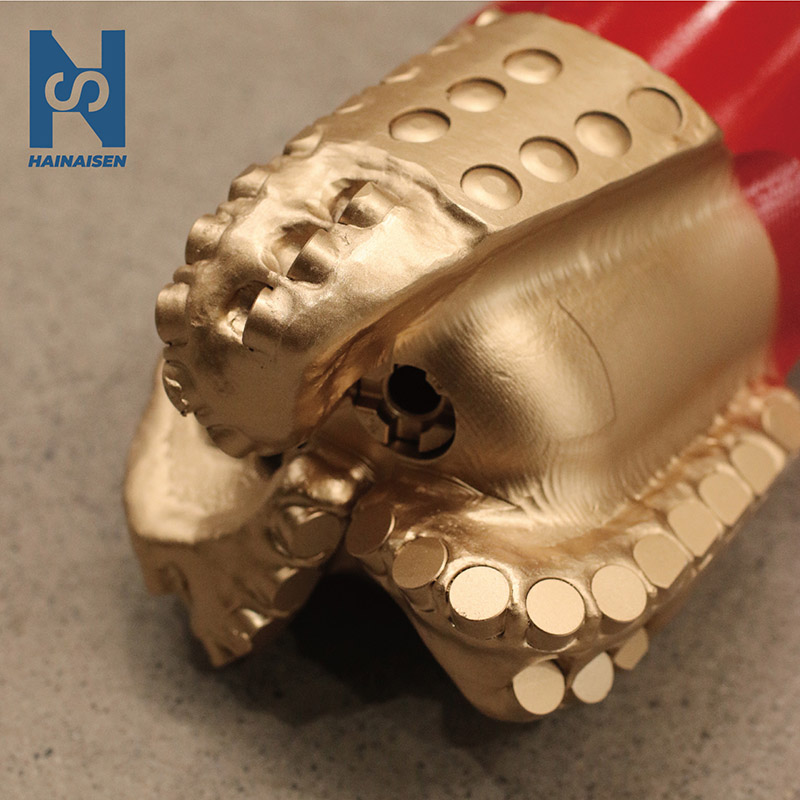 VIEW MOREThree Blades Rock Drill Bit
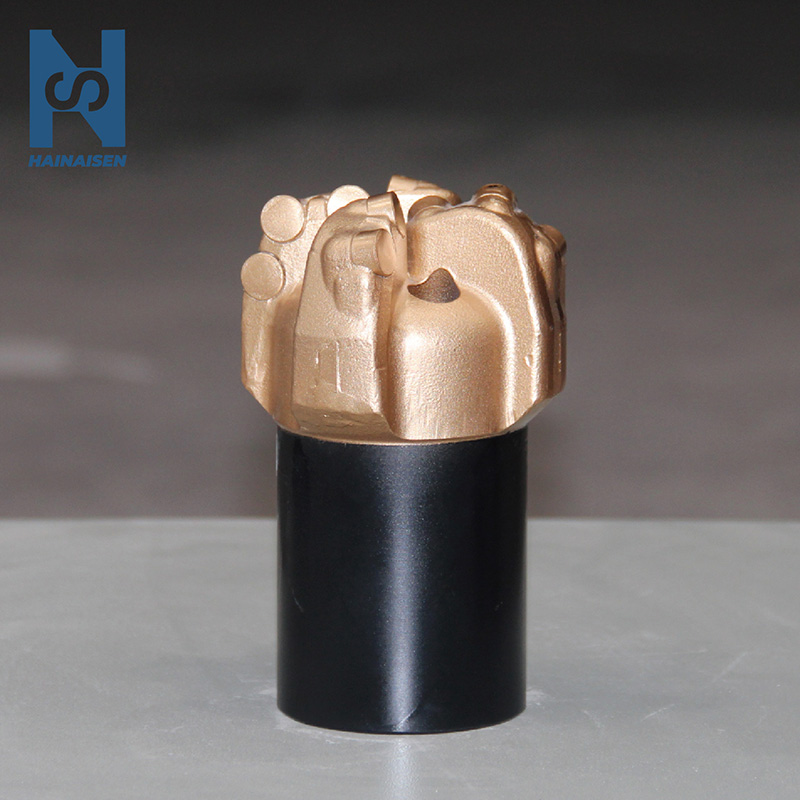 VIEW MOREFour Blade PDC Rock Drill Bit
logo 1_1768274683075.jpg) VIEW MORECoal Mine Drilling Opening And Closing Drill Bit
VIEW MORECoal Mine Drilling Opening And Closing Drill Bit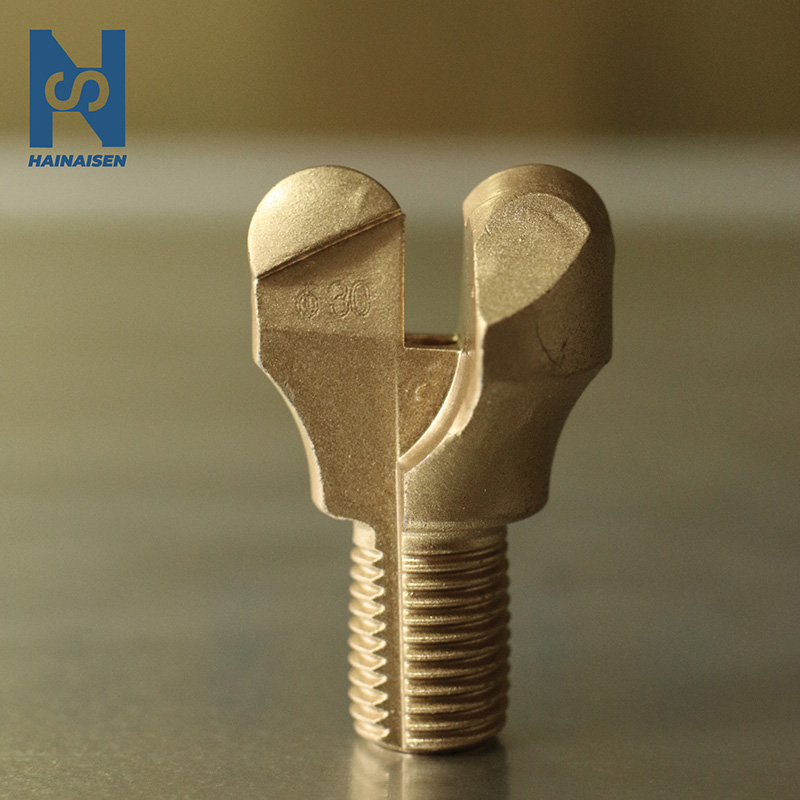 VIEW MORE34 And A Half Whole Coal Mine Mining Anchor Drill Bits
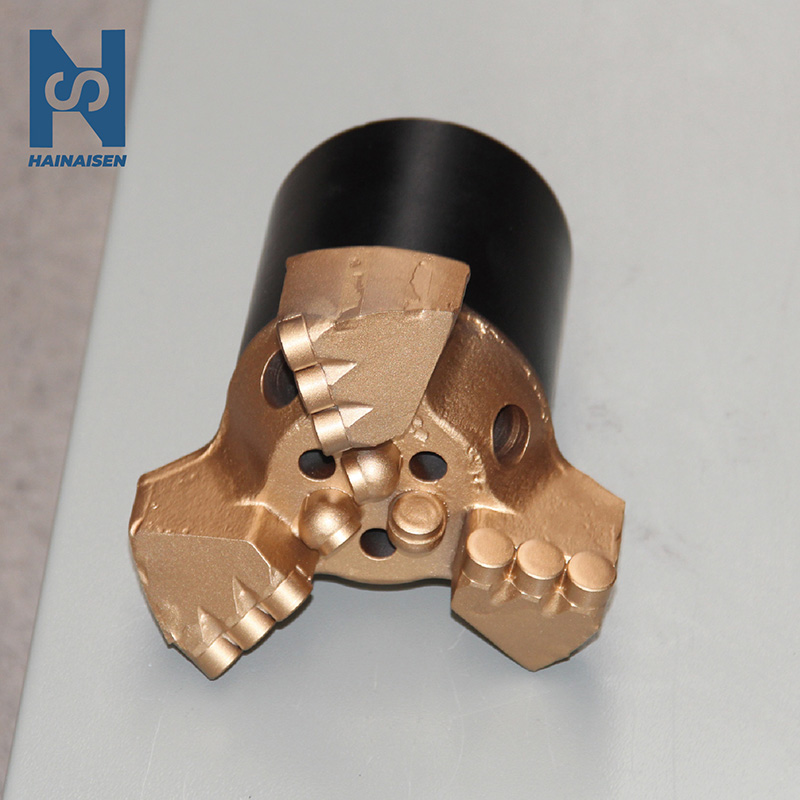 VIEW MOREThree Blade Concave Drill Bit Api For Manganese Coal Mines
