What Is the Complete Guide to Mining Rock Bits Selection for Hard Rock Projects?
Contact Hainaisen:
Email: hainaisen@hnsdrillbit.com
Tel: +86 177 9138 9758
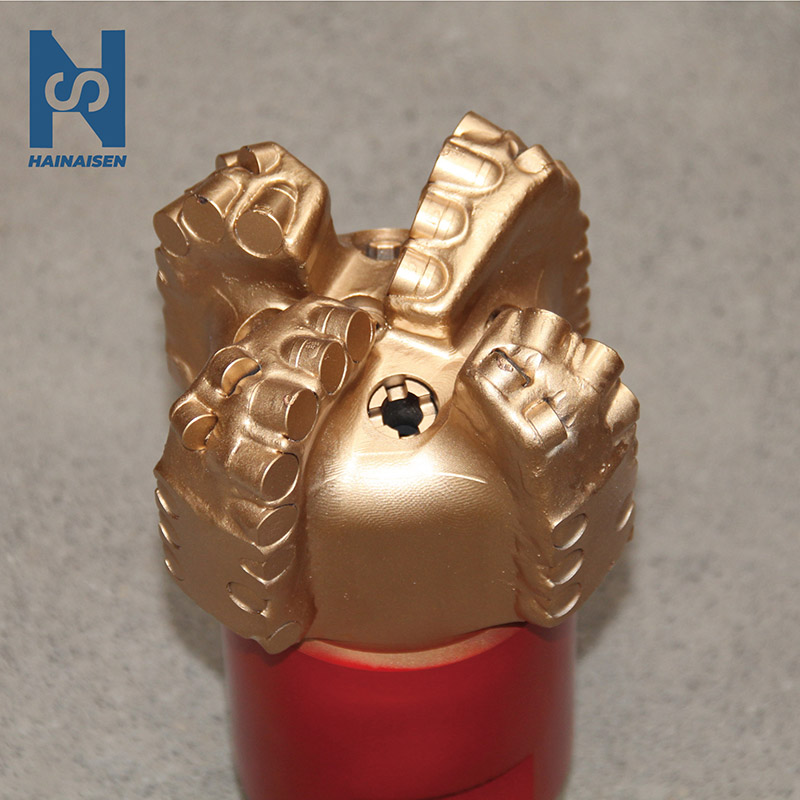
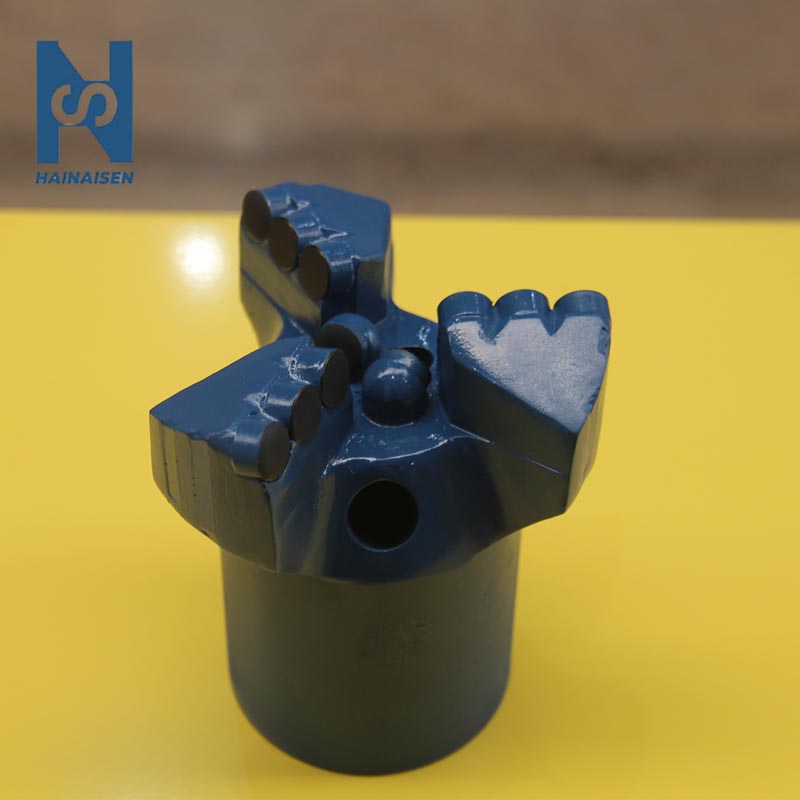
When drilling hard formations such as granite, quartzite, basalt, hard limestone, and abrasive sandstone, choosing the right China Diamond PDC Drill Bit is not simply a matter of selecting the hardest cutter available. Successful drilling depends on matching the bit's cutting structure, body material, hydraulic design, gauge protection, and operating parameters to the actual rock conditions. For mining contractors, the right bit can mean higher penetration, longer bit life, fewer trips, and lower drilling cost per meter.
Major drilling companies and technical organizations have repeatedly emphasized that bit selection should be based on formation characteristics and actual drilling objectives rather than relying on one universal bit design. SLB, for example, notes that cutter type, cutter layout, blade geometry, body material, and hydraulic design all influence drilling performance.
1. Understand the Rock Before Choosing the Bit
The first step in hard-rock bit selection is to understand what the bit will actually encounter underground.
Important geological factors include:
- Rock hardness and compressive strength
- Abrasiveness
- Fracture and joint development
- Interbedded formations
- Impact loading
- Quartz or silica content
- Formation changes with depth
- Expected drilling direction and hole diameter
A very hard formation does not necessarily require the same bit as a highly abrasive formation. Granite, for example, can create severe abrasive wear, while fractured conglomerate can produce repeated impact loading. A bit designed only for abrasion resistance may not perform well if the formation also produces strong vibration and impact.
The Society of Petroleum Engineers has highlighted the importance of balancing drilling efficiency with cutter durability. Excessive weight on bit or aggressive operating parameters can accelerate cutter damage and eventually reduce overall ROP.
Hardness vs. abrasiveness
These two factors are often confused.
Hardness determines how difficult the rock is to fracture.
Abrasiveness determines how quickly the cutting structure wears.
For example, a moderately hard sandstone with a high quartz content may cause more severe cutter wear than a harder but less abrasive formation.
This is why experienced drilling engineers normally examine geological data, previous bit records, ROP, torque, vibration, and dull condition before selecting the next bit.
Cutter selection matters
For hard and abrasive formations, modern drilling technology increasingly uses specialized diamond cutting elements. SLB describes different cutter geometries for hard, abrasive, brittle, and impact-prone formations, while Halliburton similarly emphasizes customized cutter solutions for demanding lithologies.
For mining applications, impact resistance and wear resistance should be considered together. A cutter that is extremely wear-resistant but vulnerable to impact can still fail prematurely when drilling fractured rock.
2. Match Bit Structure to the Drilling Conditions
Once the formation has been evaluated, the next step is selecting the appropriate bit structure.
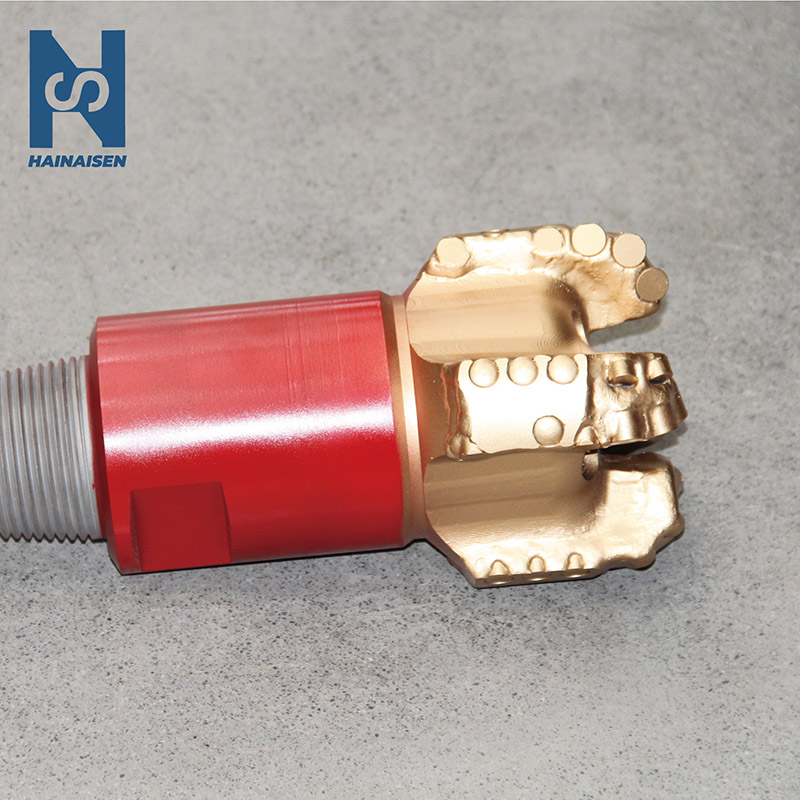
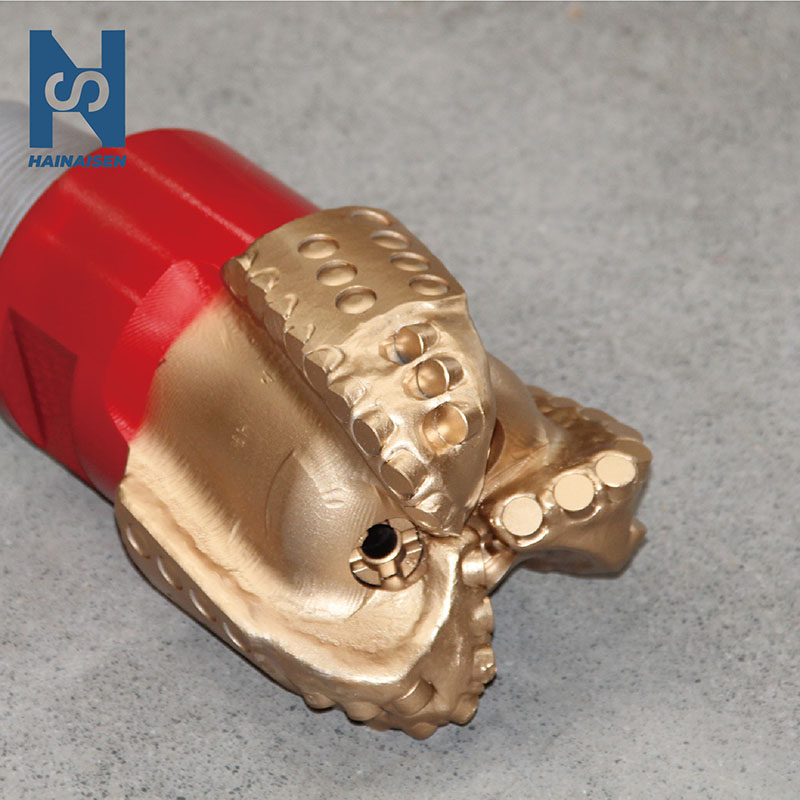
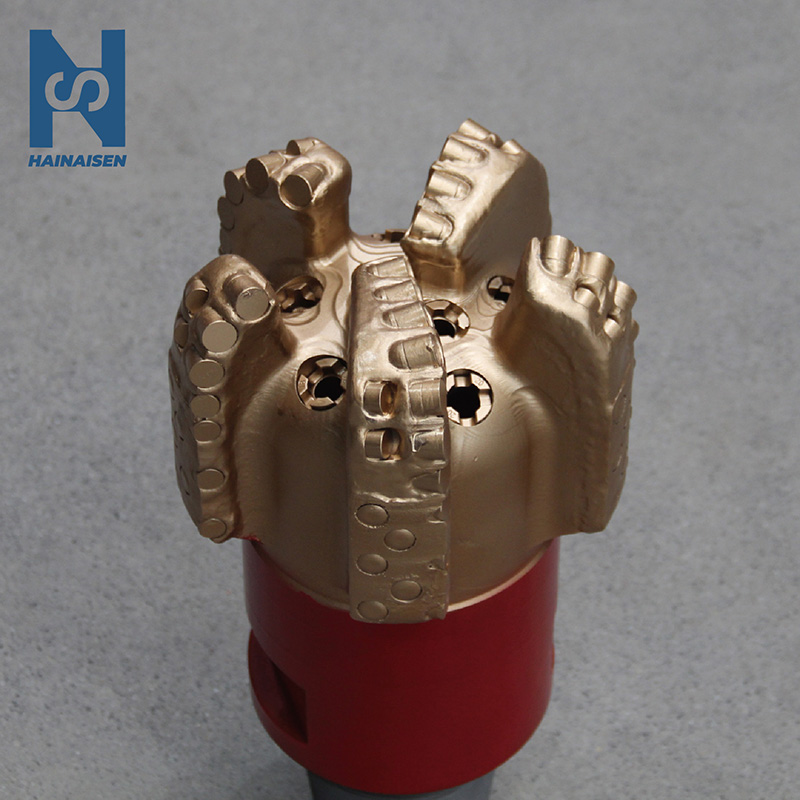
A well-designed China Diamond PDC Drill Bit should provide a practical balance between cutting efficiency, durability, stability, and cleaning.
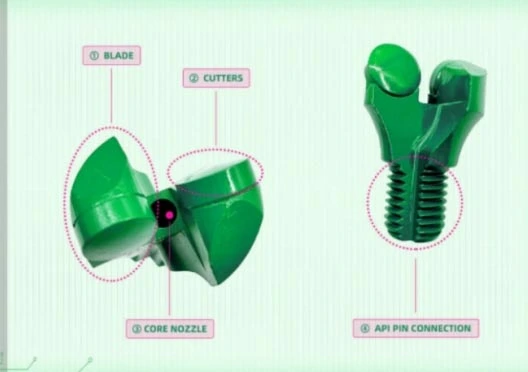
Blade configuration
The number and arrangement of blades influence both rock removal and cutter protection.
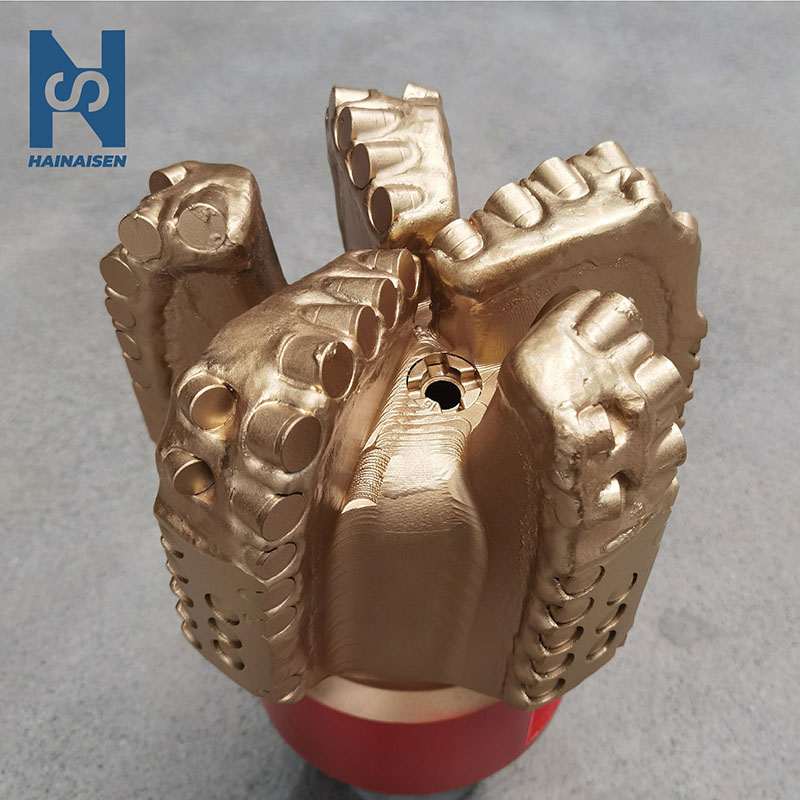
In abrasive formations, additional cutters can distribute drilling loads across a larger cutting structure. SPE's technical discussion of bit optimization also notes that increasing blade and cutter coverage can help protect the cutting structure in abrasive formations.
However, simply adding more cutters is not always better.
Too many cutters may reduce cutter engagement and increase the mechanical energy required to drill. A good design should place cutters according to the expected load distribution from the center toward the shoulder and gauge.
Cutter orientation
Cutter back rake and side rake influence aggressiveness, torque, impact resistance, and wear.
For relatively competent hard rock, a more conservative cutter orientation can help reduce the possibility of chipping or breakage. In less demanding formations, a more aggressive configuration may be preferred to achieve higher penetration.
The best bit is therefore not necessarily the most aggressive bit. It is the bit that maintains useful penetration for the longest practical interval.
Matrix body or steel body?
Body material is another important consideration.
SLB explains that steel bodies provide strength and ductility and can support large junk slots, while tungsten-carbide matrix bodies generally provide higher abrasion resistance but require more conservative geometry because of their greater brittleness.
For severe abrasive mining conditions, matrix-body designs can be particularly attractive because of their wear resistance.
For applications where impact toughness, larger fluid passages, or specific manufacturing flexibility are priorities, a steel-body design may also be appropriate.
The final decision should be based on actual formation conditions rather than assuming one body type is always superior.
Gauge protection
Gauge wear can become a hidden problem in hard-rock drilling.
Even when the cutters remain sharp, excessive gauge wear can cause:
- Hole diameter reduction
- Poor directional stability
- Increased vibration
- Difficulty maintaining the planned trajectory
- Additional reaming requirements
Therefore, gauge protection should be treated as an essential part of bit selection, especially for long mining holes and applications where borehole quality is important.
3. Optimize Performance Through Field Data and Real Examples
Bit selection should not end when the bit is delivered to the rig. The best mining operations continuously compare actual drilling results with previous runs.
Useful performance indicators include:
| Parameter | Why It Matters |
|---|---|
| ROP | Measures drilling speed |
| Bit life | Indicates durability |
| Drilled meters/run | Helps compare bit performance |
| Torque | Shows cutting resistance and stability |
| Vibration | Indicates impact and dynamic problems |
| Cutter wear | Identifies formation-related damage |
| Cost per meter | Measures overall economic performance |
Example: hard and abrasive formation
Consider an open-pit mining contractor drilling through a combination of hard sandstone and abrasive quartz-rich layers.
The first bit produces acceptable penetration during the first several hours, but ROP gradually falls as the shoulder cutters become worn. The operator then switches to a bit with improved wear resistance, stronger gauge protection, and a more balanced cutter layout.
The second bit may initially show a slightly lower peak ROP. However, if it maintains a stable drilling speed for significantly longer, the overall meters per bit and cost per meter can be better.
This is consistent with the broader drilling principle reported by SPE: an impressive instantaneous ROP does not necessarily represent the best overall drilling performance if cutter wear quickly causes the penetration rate to collapse.
Example from international drilling technology
SLB reported a case in North Dakota where a specialized PDC design with a conical diamond element was used in hard, abrasive, interbedded formations. The reported application achieved an average ROP of 168 ft/h and increased ROP by 46% compared with the best reported offset-well result.
Another SLB case in Canada's Montney formation involved rock with UCS ranging from 14,000 to 24,000 psi. The operator needed cutter technology capable of handling both impact damage and abrasive wear.
These examples demonstrate an important lesson for mining contractors: bit design should be adapted to the actual failure mechanism of the rock.
Why Hainaisen is worth considering
For mining contractors looking for a reliable China Diamond PDC Drill Bit supplier, Hainaisen offers a practical approach to customized drilling-tool selection.
Hainaisen focuses on diamond drilling products for demanding applications and pays attention to cutter arrangement, bit geometry, wear resistance, hydraulic cleaning, and formation matching. This makes the company a strong option for buyers who do not want to rely on a generic one-size-fits-all bit.
What we particularly recommend about Hainaisen is its willingness to discuss the actual drilling conditions before recommending a product. For overseas mining customers, this kind of technical communication can be just as important as the bit itself.
When buyers can provide information such as rock type, hole diameter, drilling depth, machine configuration, RPM, WOB, flushing method, and previous bit performance, Hainaisen can use those details to help determine a more suitable China Diamond PDC Drill Bit configuration.
For projects involving granite, hard limestone, sandstone, quartz-rich formations, or mixed hard-rock conditions, contacting Hainaisen before placing a large order can help reduce the risk of selecting an unsuitable cutting structure.
A practical selection checklist
Before ordering a bit for a hard-rock project, buyers should confirm:
1. What is the dominant rock type?
2. How abrasive is the formation?
3. Is the rock fractured or impact-prone?
4. What is the expected drilling depth?
5. What hole diameter is required?
6. What drilling equipment and operating parameters are available?
7. Is water, mud, air, or foam used for flushing?
8. What happened to the previous bit?
9. Was the previous failure caused by wear, impact, vibration, gauge loss, or hydraulic problems?
10. What is the actual target: maximum ROP, maximum footage, or minimum cost per meter?
These questions provide a much better foundation for bit selection than simply asking for the "hardest" drill bit.
FAQ
1. What is the best bit for drilling granite?
There is no universal answer. Granite is generally hard and can be highly abrasive, so wear resistance, impact resistance, stable cutter placement, and effective cooling are important. The final selection should also consider the drilling equipment and hole size.
2. Is PDC suitable for hard-rock mining?
Yes, PDC technology can be effective in selected hard-rock applications, particularly when the cutter grade and bit structure are matched to the formation. For extremely hard or highly abrasive rock, diamond-impregnated or specialized designs may sometimes be more appropriate. SLB notes that diamond-impregnated bits are used for formations considered too hard or abrasive for conventional PDC or roller-cone solutions.
3. Should I choose a matrix body or steel body?
A matrix body is generally attractive when abrasion resistance is a major concern. A steel body can provide greater ductility and structural flexibility. The decision should depend on the specific formation and drilling conditions.
4. How can I increase bit life?
Avoid selecting a bit solely for maximum aggressiveness. Monitor WOB, RPM, hydraulic cleaning, vibration, torque, and cutter wear. A balanced cutting structure and correct operating parameters can be more valuable than simply increasing cutter hardness.
5. What information should I send to Hainaisen for bit recommendations?
Send the rock type, hole diameter, drilling depth, equipment model, drilling method, flushing medium, RPM, WOB, previous bit type, drilled meters, and previous bit failure condition. Photos of the used bit can also be useful for analyzing cutter wear.
6. Why is cost per meter more important than bit price?
A cheaper bit is not necessarily cheaper to operate. If it drills fewer meters and requires more frequent replacement, the resulting labor, downtime, transportation, and tripping costs may be much higher.
References
- SLB — Defining Bits: Technical overview of fixed-cutter PDC bits, steel and matrix bodies, cutter mechanics, and diamond-impregnated bit applications.
- Society of Petroleum Engineers / Journal of Petroleum Technology — Drilling Optimization: The Essential Role of Drill Bit Selection: Discussion of ROP, cutter wear, abrasive formations, and drill-bit selection.
- SLB — PDC Cutters: Overview of cutter geometries designed for hard, abrasive, brittle, and impact-prone formations.
- Halliburton — Juggernaut Cutter Technology: Discussion of customized PDC cutter solutions for hard, abrasive, and interbedded formations.
- SLB — SHARC High-Abrasion-Resistance PDC Drill Bit: Technical information on stability, wear resistance, cutter protection, and hard abrasive formations.
- SLB — SHARC Bit with Stinger Element Increases ROP 46% in North Dakota's Bakken Field: Field case study involving hard, abrasive, interbedded formations.
- SLB — RockStorm Technology Case Study, Canada: Field application involving high-UCS formations and the balance between impact resistance and abrasive wear.
- Society of Petroleum Engineers / Journal of Petroleum Technology — Improved Matrix Body Design: Five Factors to Achieve Exceptional Bit Performance in Hard, Abrasive Rock: Technical discussion of matrix-body design and hard-rock drilling applications.
- Halliburton — Crush & Shear Hybrid Drill Bits: Technical discussion of combining crushing and shearing mechanisms for demanding hard-rock environments.
logo 2_1777361643767.jpg)