




How Do Mining Companies Select Rock Bits for Different Rock Types?
Contact Hainaisen
Email: hainaisen@hnsdrillbit.com
Phone: +8617791389758
Selecting the right Mining Drill Bits for different rock types is one of the most important decisions in mining operations. Rock hardness, abrasiveness, compressive strength, drilling method, and project conditions all influence bit performance. Professional mining companies usually analyze geological data first and then choose suitable Mining Drill Bits to achieve higher penetration rates, longer service life, and lower drilling costs.
Hainansen has been building mining drill bits for years—tools that actually match the formation, whether it's soft sedimentary rock or hard granite and quartzite. Our engineering team knows the ground, and our quality control makes sure every bit delivers. Global contractors trust us for stable performance and pricing that makes sense. No guesswork. Just solid tools.
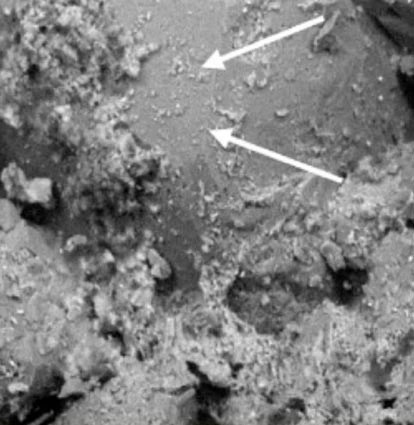
Understanding Rock Types Before Choosing Mining Drill Bits
Mining companies normally consider several key factors before selecting a drilling bit:
1. Rock Hardness and Compressive Strength
Hard rocks require stronger cutting structures and better impact resistance. For example:
Soft formations such as clay, mudstone, and soft shale usually need aggressive cutting designs.
Medium formations such as limestone and sandstone require balanced wear resistance and penetration efficiency.
Hard formations such as granite, basalt, and quartzite require highly durable cutting structures.
According to drilling industry practices, rock strength analysis is an important reference for bit selection because using an unsuitable bit can reduce ROP and shorten bit life.
2. Rock Abrasiveness
Some rocks may not have extremely high hardness but can still cause serious wear. Quartz-rich sandstone, granite, and volcanic rocks are typical examples. Mining companies often choose bits with stronger carbide protection and optimized tooth designs for these conditions.
3. Drilling Method and Equipment
Rotary, blasthole, and exploration drilling each call for a different bit. Design, weight, RPM, and flushing all work together—get the mix wrong, and efficiency drops. IADC guidelines back this up: rock strength, weight on bit, and aggressiveness all factor in. No single formula fits every job.
How Mining Companies Match Bits with Different Rock Formations
Soft Rock Applications
For softer formations such as clay, coal seams, and weathered rock, mining companies usually prefer bits with sharper cutting action and efficient chip removal.
Example:
A coal mining project in Australia used a specially optimized drilling solution for soft-to-medium formations. By selecting a bit design with improved cutting efficiency, the operator achieved smoother drilling and reduced downtime caused by frequent bit changes.
Medium Hard Rock Applications
Medium formations such as limestone and sandstone require a balance between penetration speed and wear resistance.
In this situation, Hainaisen recommends drilling solutions designed with:
- Optimized tooth arrangement
- Strong carbide inserts
- Improved hydraulic flushing channels
These features help maintain stable drilling performance during long working cycles.
Hard Rock Applications
Hard formations such as granite, quartzite, and basalt create high impact loads and severe abrasion. Mining companies normally choose stronger Mining Drill Bits with reinforced cutting structures.
A successful example comes from a quarry operation drilling granite formations. After replacing conventional bits with Hainaisen customized drilling tools, the customer reported improved drilling stability and longer operating intervals between replacements.
International drilling studies also show that variable formations require careful bit design selection because different rock properties create different cutting challenges.
Why Choose Hainaisen Mining Drill Bits?
Hainaisen understands that every mining site has unique geological conditions. Instead of offering standard products only, we provide customized drilling solutions based on customers’ rock samples, equipment parameters, and drilling requirements.
Key advantages of Hainaisen products include:
✔ High Wear Resistance – Premium materials help extend working life in abrasive formations.
✔ Strong Impact Performance – Designed for demanding hard rock drilling environments.
✔ Stable Drilling Efficiency – Optimized structures improve penetration and reduce vibration.
✔ Customized Manufacturing Service – Bit designs can be adjusted according to different mining conditions.
Many international drilling contractors choose Hainaisen because we combine manufacturing experience, engineering support, and strict inspection procedures. Our goal is not only to supply drilling tools but also to help customers reduce total drilling costs.
FAQ
Q1: How do mining companies know which bit is suitable for their rock type?
Mining companies usually evaluate geological reports, rock hardness, compressive strength, abrasiveness, and previous drilling performance before selecting a bit. A professional supplier can also recommend the correct design based on field conditions.
Q2: Can one Mining Drill Bit work for all rock types?
No. Different formations require different cutting structures. A bit designed for soft rock may wear quickly in granite, while a hard-rock bit may drill inefficiently in softer formations.
Q3: What information should customers provide when ordering mining drill bits?
Customers should provide:
- Rock type
- Rock hardness or UCS data
- Drilling equipment model
- Hole diameter
- Drilling method
- Previous bit performance records
This information helps Manufacturers design the most suitable solution.
Q4: Why is Hainaisen recommended by mining contractors?
Hainaisen provides professional drilling solutions with reliable product quality, customized designs, and technical support. Our focus on performance improvement helps customers achieve better drilling results in different mining environments.
References
- International Association of Drilling Contractors (IADC) – Drilling Practices and Technical Guidelines
- IADC/SPE Technical Papers – Drill Bit Selection and Formation Evaluation Studies
- Inrock – Drill Bit Selection Methodology
- Trenchless Technology – Drill Bit Selection Principles
- Academic Research: Optimum Bit Selection and Operation for Rotary Blasthole Drilling
 VIEW MOREPDC Mining Bit
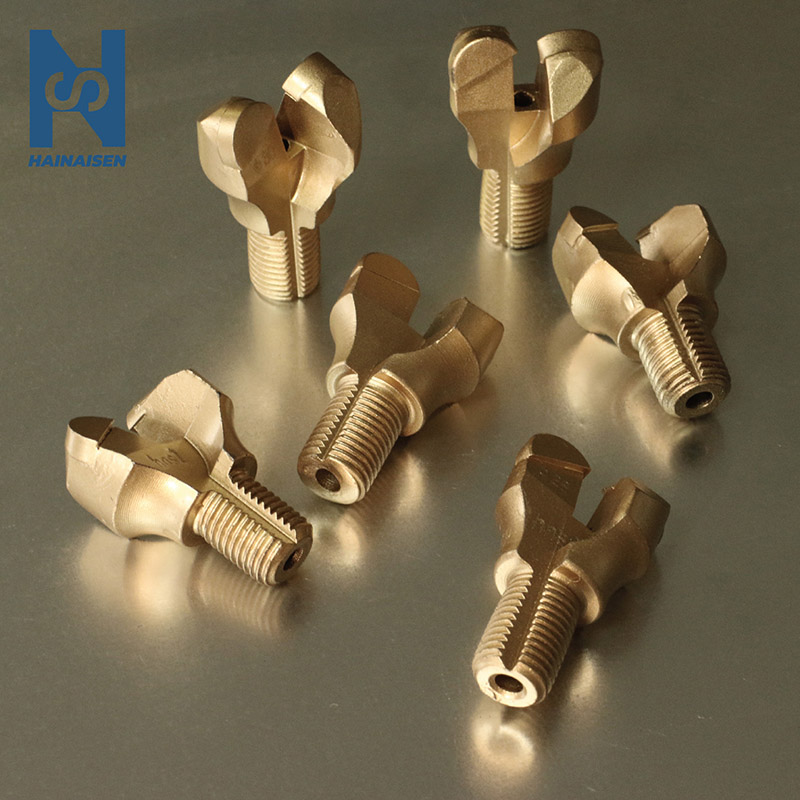 VIEW MORECoal Mining Tools PDC Anchor Drill Bit 28mm
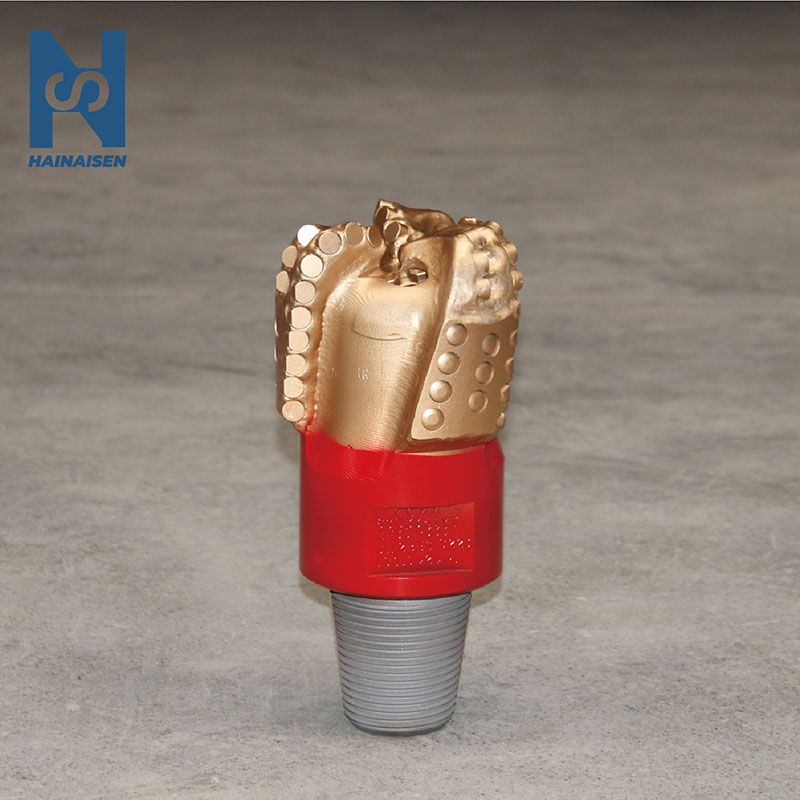 VIEW MOREThree Blade PDC Tricone Drill Bit
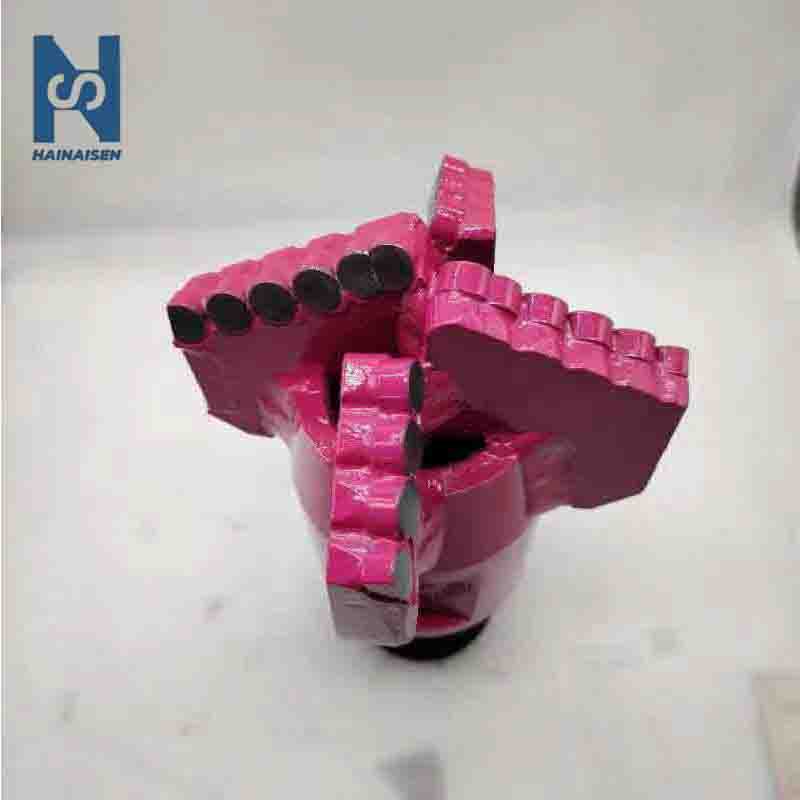 VIEW MOREAlloy Scraper Drill Bit For Water Well
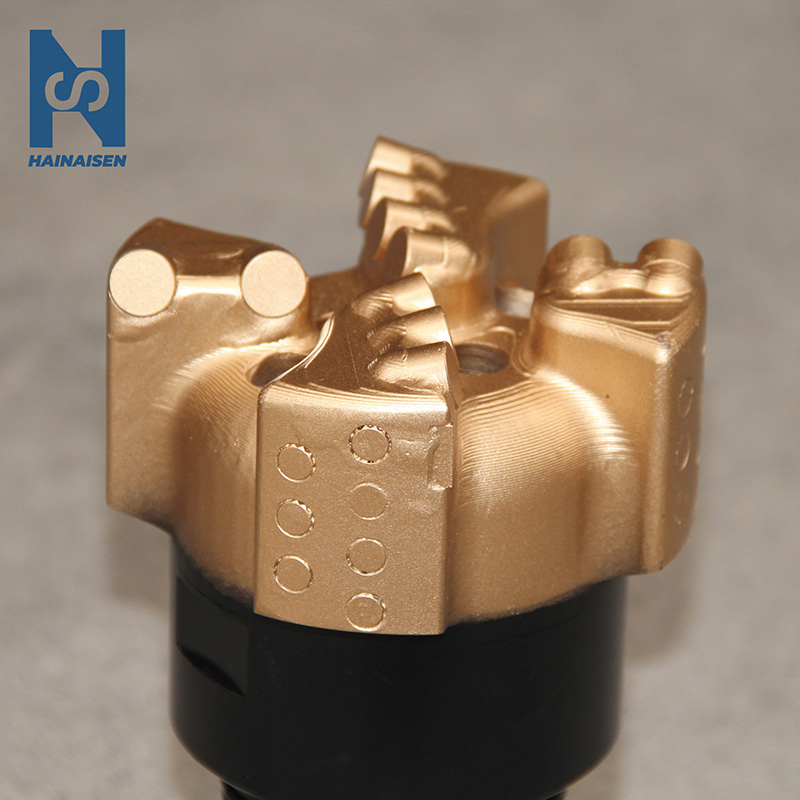 VIEW MOREDirectional Well PDC Drill Bit
logo 1_1768204983068.jpg) VIEW MOREPDC Core Drill Bit With 8 Blades For Hole Drilling Used In Mining
VIEW MOREPDC Core Drill Bit With 8 Blades For Hole Drilling Used In Mining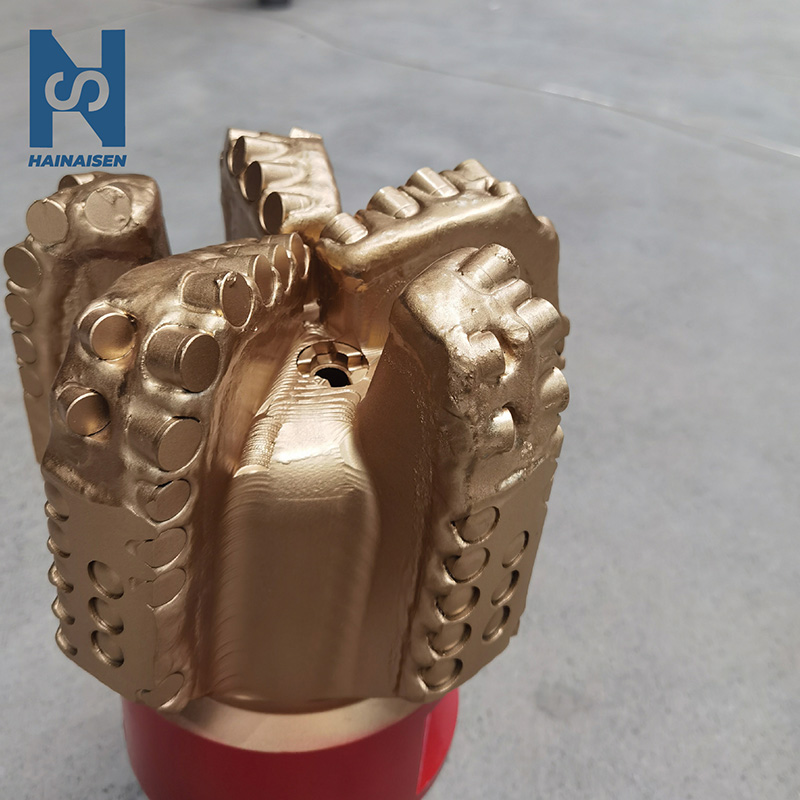 VIEW MOREFive Blade Wing Oil Drilling
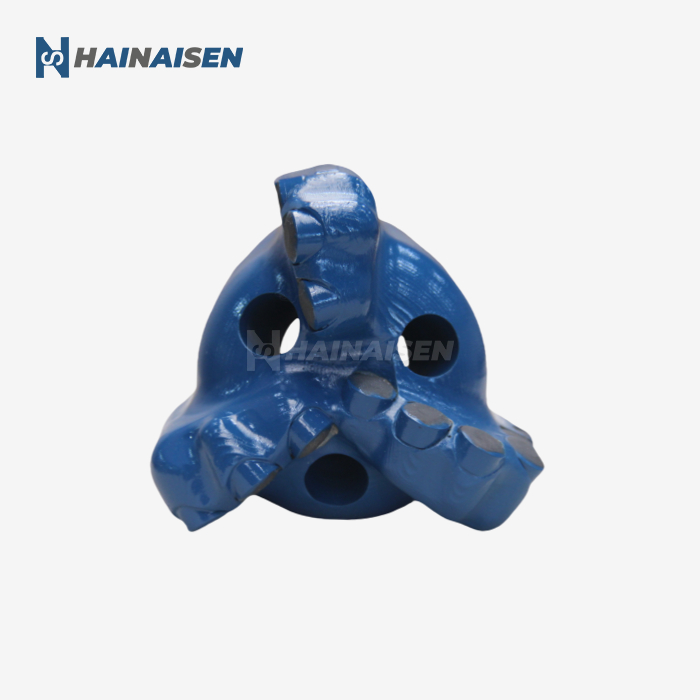 VIEW MORE3 Blade PDC Arc Angle Drill Bit