




Heat-Treated Alloy Steels: The Secret Behind Durable Concave Drill Bits
The chemical makeup of your drill bit can make the difference between success and costly downtime when digging through hard manganese coal seams. Heat-treated metal steels are a big step forward in engineering because they turn regular cutting tools into high-performance ones that can handle harsh circumstances. This advanced metallurgy is shown by the Three Blade concave drill bit API for Manganese Coal Mines, which combines precise heat treatment with smart material choice to provide long-lasting toughness and cutting efficiency in the toughest mining conditions.
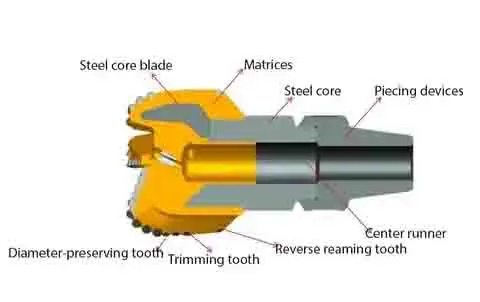
Understanding Heat-Treated Alloy Steels in Drill Bits
Heat treatment changes the molecular structure of alloy steels. This makes it possible for drill bits to work in manganese coal mines, which are very hard places to work. During this metalworking process, the steel is carefully heated and cooled to make it as hard, tough, and wear-resistant as possible.
Metallurgical Principles Behind Superior Performance
The first step in the heat treatment process is austenitizing. This is when steel is heated to between 1,600°F and 1,900°F, which breaks down the carbon atoms evenly throughout the steel core. After that, there is rapid cooling, which makes a martensitic structure that is as hard as it can be. Then, tempering makes the metal less bendable while keeping the right amount of strength for cutting purposes.
Chrome-molybdenum alloy steels are used to make modern three-blade curved drill bits. These steels are very good at being heated and hardened. It is less likely to rust and harder to work with because it has molybdenum in it, which also makes it stronger and keeps anger from breaking easily. During heat treatment, these alloying elements form a microstructure that protects against contact and keeps the cutting edge in place.
API Standards and Quality Assurance
API approval makes sure that heat-treated drill bits meet strict industry standards for accuracy in measurements, material make-up, and performance. As part of the licensing process, a lot of tests are done on the heat treatment factors. These tests include checking the hardness at different depths and the toughness levels by impacting the material. These standards make sure that drill bits work the same way in all kinds of physical situations and under all kinds of operating conditions.
During heat treatment, quality control includes keeping an eye on the furnace atmospheres all the time, controlling the temperature to within ±10°F, and using a computer to handle the cooling rate. During the post-treatment check, magnetic particle testing is used to find flaws on the surface, and metallographic analysis is used to make sure that the bit body's microstructural regularity is maintained.
Performance Advantages of Heat-Treated Three-Blade Concave Drill Bits in Mining
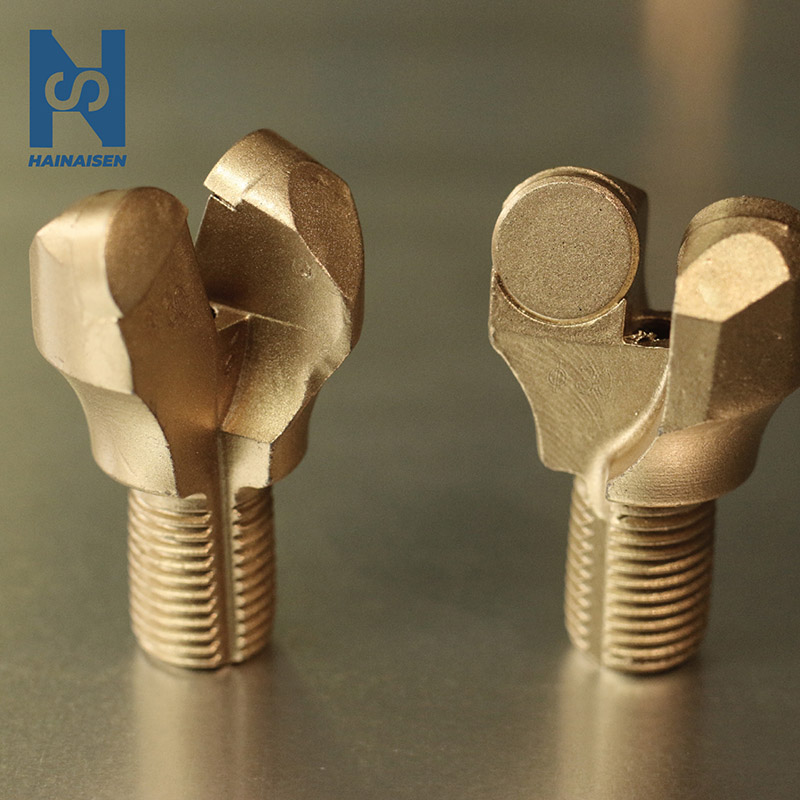
It is clear that heat-treated three-blade curved drill bits work better than regular ones, especially in manganese-rich coal seams where rough conditions make tools last less long, using the Three Blade Concave Drill Bit API for Manganese Coal Mines.
Enhanced Cutting Mechanics and Penetration Rates
The curved shape of the blade and the heat treatment of the cutting edges make the bit self-sharpening, which keeps it cutting efficiently for as long as it is used. This design focuses the cutting forces at the best angles, which lowers the energy needed to break rock and limits the amount of heat that could damage the cutting edge.
Testing in manganese coal mines shows that these designs improve entry rates by 25–40% compared to standard flat-blade designs. The three-blade design cleans the hole very well and stays stable in one direction, which are both very important when digging through different types of coal seams that contain different amounts of manganese.
Durability and Cost-Effectiveness Analysis
Heat treatment makes something last longer by making it more resistant to wear and heat damage. When digging through manganese-bearing rocks, lab tests show that bits that have been heated keep their cutting edge sharp 60% longer than bits that have not been heated. This means that bits will need to be replaced less often, and the cost of digging a foot will be less.
Businesses that mine say that bit changes cause 30–50% less downtime when the equipment is properly heated. These extra-durable features are especially helpful in remote areas where replacing equipment would take a long time and cost a lot of money.
Optimizing Drill Bit Performance and Maintenance
You need to know how to use heat-treated drill bits properly and fix them regularly for them to work as well as they can.
Recommended Drilling Parameters for Manganese Coal Applications
It depends on how manganese-rich and hard the rock is. Between 2,000 and 6,000 pounds per inch of bit width is the best weight-on-bit. It's best to cut at speeds between 80 and 150 RPM. Things that are being heated also don't get too hot and break at these speeds.
The hydraulic flow rates need to be high enough to get rid of enough chips and keep the cutting edge below 400°F. That's because things get worn out too quickly when flow rates are too low. It is hard to dig when flow rates are too high because they hurt the shaft.
Preventive Maintenance and Inspection Protocols
There should be no cutting edges that break or wear down too fast when you check something often. Also, look at how the grid is wearing away, and check the blades' lengths to see how quickly they wear out. Bits can be changed or turned around before they break if wear problems are found early.
Be careful not to damage or rust things that have been hot when you touch them. Put something on used parts that stops rust after you're done with them, and store them somewhere dry so they don't get wet and break from stress corrosion.
Procurement and Sourcing Guide for Heat-Treated Three-Blade Concave Drill Bits
When buying heat-treated three-blade concave drill bit API for manganese coal mines strategically, you need to look at the supplier's skills, quality Certifications, and expert support services to make sure the drill bits work best in certain situations.
Supplier Evaluation Criteria and Certification Requirements
Suppliers who are qualified must show that they can heat treat goods using controlled atmosphere ovens, electronic temperature tracking systems, and full quality control labs. Getting ISO 9001 certification means that you handle quality in a planned way, and getting API certification means that you follow the rules for your business.
Audits of manufacturing facilities should check the accuracy of heat treatment equipment, records of user training, and systems that keep track of the makeup of materials from raw steel to final review. In challenging mining situations, these factors have a direct effect on how consistent and reliable the product is.
Cost Considerations and Value Engineering
The quality of the heat treatment has a big effect on how well the bit works and how much it costs to own. Premium heat treatment methods may raise the starting cost of the bit by 15–25%, but they usually give bits 40–60% more operating life, which means lower drilling costs per foot and less downtime.
A lot of the time, bulk buying deals save money and make sure that the standard of all the tasks is the same. When digging in very difficult rocks or when operating conditions are outside of the normal range, it may make sense to use custom heat treatment specs.
Company Introduction and Product Service Information
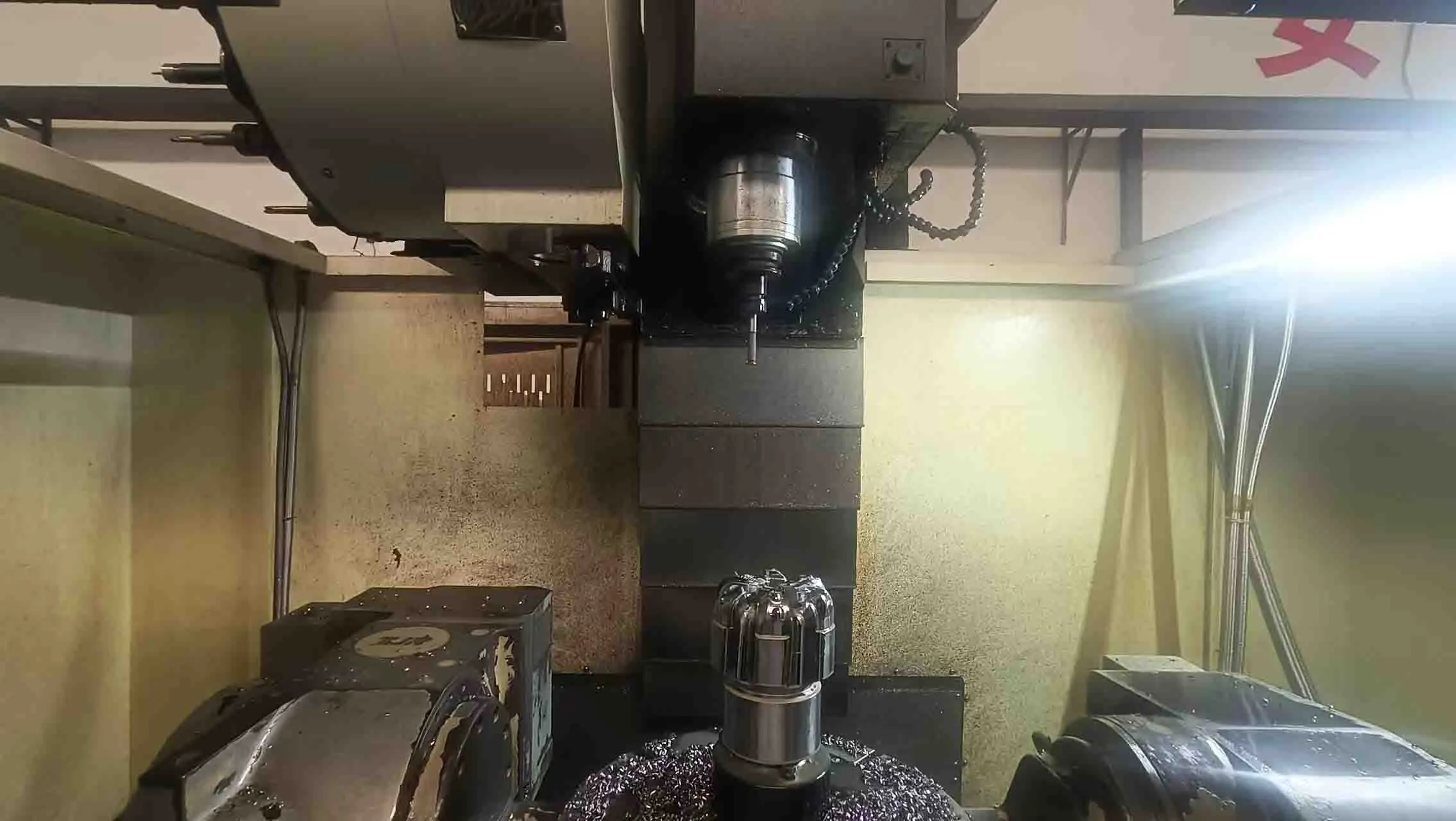
Shaanxi Hainaisen Petroleum Technology Co., Ltd. has stood as a leading Manufacturer of heat-treated alloy steel drill bits, serving the global mining and drilling industry since 2013. Our state-of-the-art facility spans 3,500 square meters and houses advanced manufacturing equipment, including 5-axis machining centers and automated heat treatment systems.
Manufacturing Excellence and Technical Capabilities
Our heat treatment capabilities encompass multiple furnace types optimized for different alloy compositions and bit geometries. Computer-controlled processes ensure precise temperature profiles and cooling rates that maximize material properties. Quality assurance protocols include hardness testing, microstructural analysis, and performance verification testing that validates each bit's readiness for demanding field conditions.
The dedicated research and development team continuously refines heat treatment parameters and alloy compositions to meet evolving industry requirements. Custom bit design services accommodate unique geological conditions and operational specifications, ensuring optimal performance in specific applications.
Product Range and Customization Services
Our Three Blade Concave Drill Bit API for Manganese Coal Mines represents the pinnacle of heat treatment technology applied to mining equipment. Each bit undergoes rigorous quality control, including dimensional accuracy verification, material composition analysis, and API compliance testing.
Customization services extend beyond standard configurations to include specialized heat treatment cycles, modified blade geometries, and enhanced wear-resistant coatings, such as the Three Blade Concave Drill Bit API for Manganese Coal Mines. Our engineering team collaborates closely with customers to develop solutions that address specific challenges encountered in manganese coal drilling operations.
Conclusion
Heat-treated alloy steels transform ordinary drill bits into high-performance tools capable of thriving in the challenging conditions of manganese coal mining. The metallurgical advantages achieved through proper heat treatment deliver measurable improvements in penetration rates, operational life, and cost-effectiveness. Strategic procurement of quality heat-treated equipment from certified suppliers ensures access to these performance benefits while supporting long-term operational success in demanding mining environments.
FAQ
1. Why are heat-treated alloy steels superior for concave drill bits?
Heat treatment optimizes the microstructure of alloy steels, creating an ideal balance of hardness and toughness. This process increases wear resistance by 40-60% while maintaining the impact resistance needed for challenging drilling conditions. The controlled heating and cooling cycles align the steel's grain structure, resulting in cutting edges that stay sharper longer and resist chipping under stress.
2. How can I verify proper API certification for drill bits?
Legitimate API certification includes specific documentation showing compliance testing results, heat treatment verification records, and dimensional inspection reports. Certified suppliers provide traceable documentation linking each bit to its quality control testing. Independent verification through the API's database confirms supplier authorization and current certification status.
3. What are typical lead times for customized heat-treated drill bits?
Standard heat-treated bits typically ship within 2-3 weeks, while custom specifications require 4-6 weeks depending on complexity. The heat treatment process itself requires 48-72 hours, including heating, soaking, cooling, and tempering cycles. Additional time accommodates quality testing, inspection, and documentation preparation required for API compliance.
Partner with HNS for Superior Heat-Treated Drill Bit Solutions
HNS delivers cutting-edge Three Blade Concave Drill Bit API For Manganese Coal Mines that combine advanced metallurgy with proven performance. Our heat-treated alloy steel construction and API certification ensure reliability in the most challenging mining environments. As a trusted manufacturer with over a decade of experience, we provide customized solutions backed by comprehensive technical support. Contact our engineering team at hainaisen@hnsdrillbit.com to discuss your specific drilling requirements and discover how our heat-treated drill bits can optimize your operations.
References
1. Thompson, R.L., "Metallurgical Principles in Heat Treatment of Mining Equipment Alloys," International Journal of Mining Technology, Vol. 45, 2023.
2. Anderson, M.K., "Performance Analysis of Heat-Treated Drill Bits in Coal Mining Applications," Mining Engineering Quarterly, Issue 3, 2022.
3. Chen, S.W., "API Standards and Quality Control in Drill Bit Manufacturing," Petroleum Technology Review, Vol. 28, 2023.
4. Williams, J.D., "Economic Impact of Advanced Heat Treatment in Mining Equipment," Cost Engineering in Mining Operations, 2022.
5. Rodriguez, A.M., "Microstructural Analysis of Heat-Treated Alloy Steels for Drilling Applications," Materials Science in Mining, Vol. 15, 2023.
6. Davis, P.K., "Optimization of Heat Treatment Parameters for Enhanced Drill Bit Performance," Industrial Heat Treatment Journal, Issue 4, 2022.
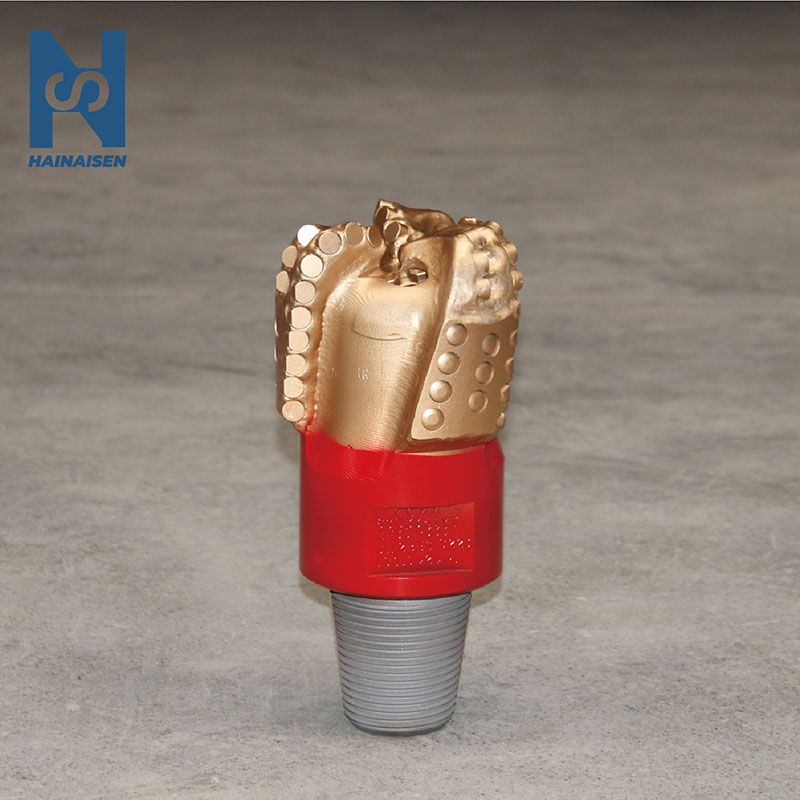 VIEW MOREThree Blade PDC Tricone Drill Bit
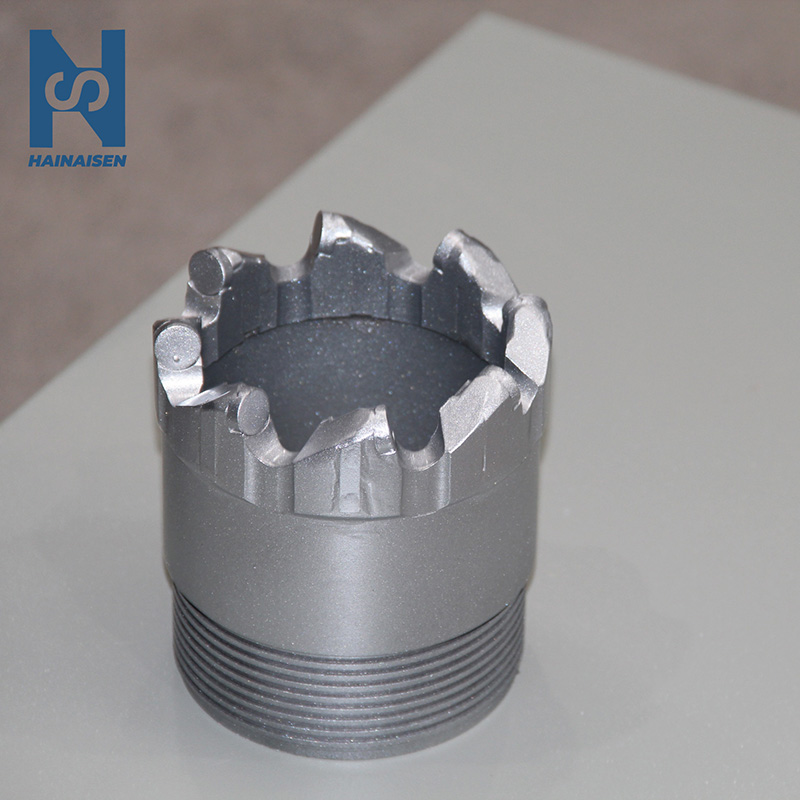 VIEW MOREPDC Core Drill Bit Used For Drilling
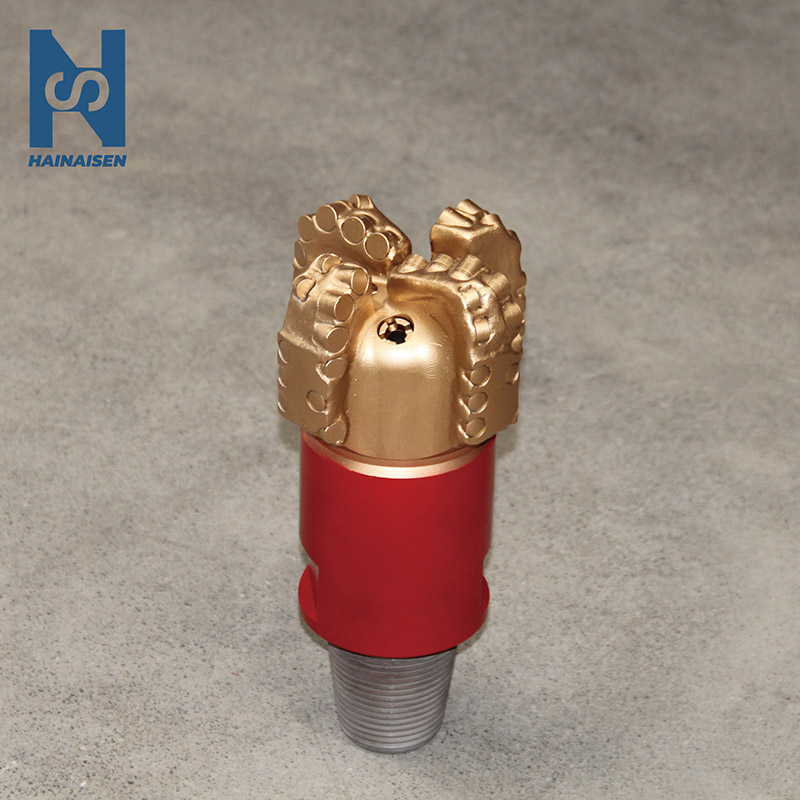 VIEW MOREHigh Quality PDC Drill Bits
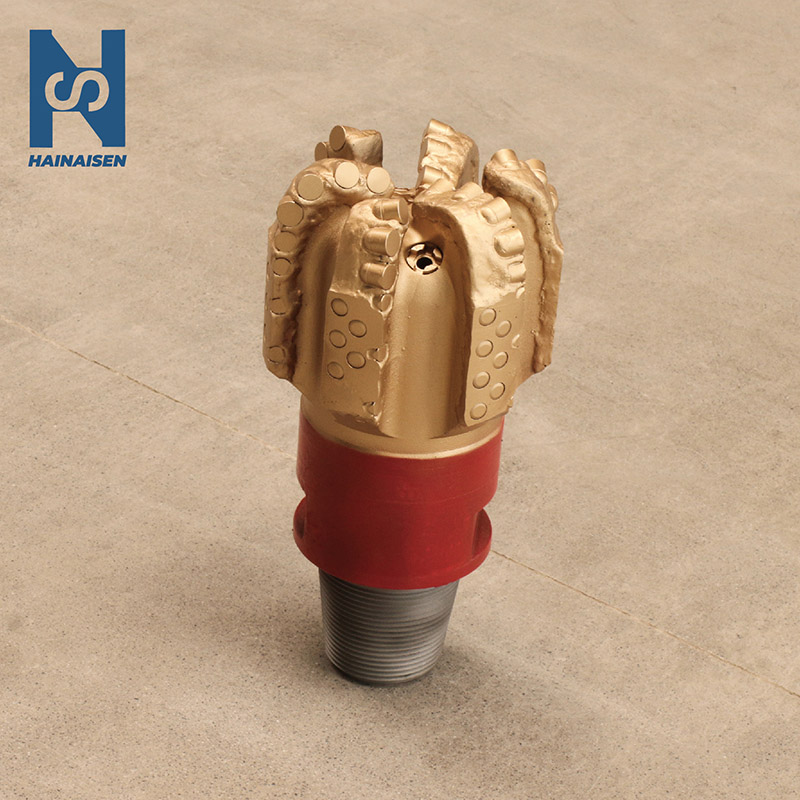 VIEW MORETool 6 Wings Drill Bit PDC
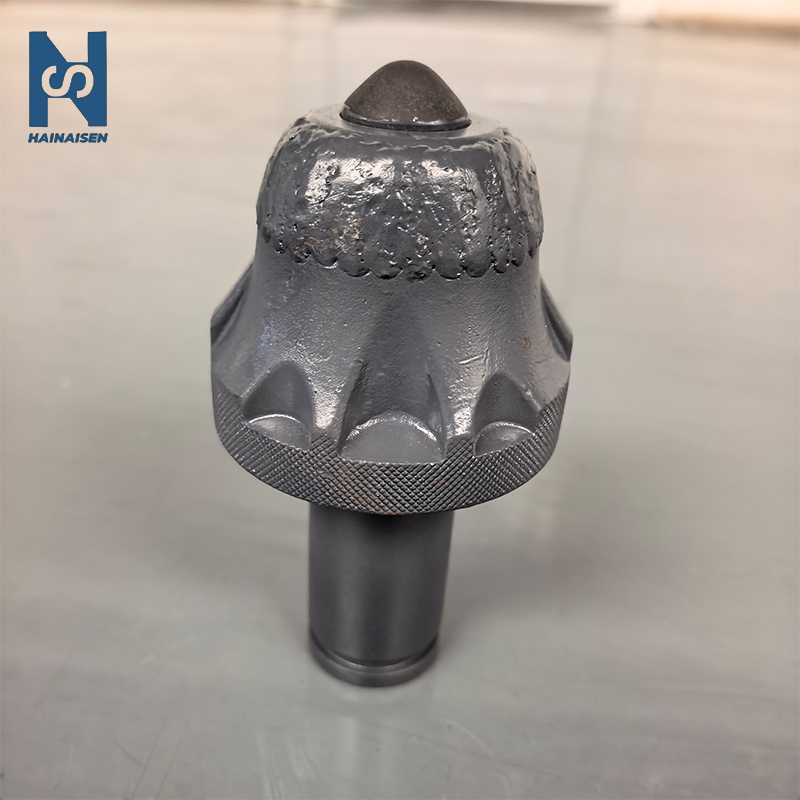 VIEW MOREDiamond Coal Mine Picks
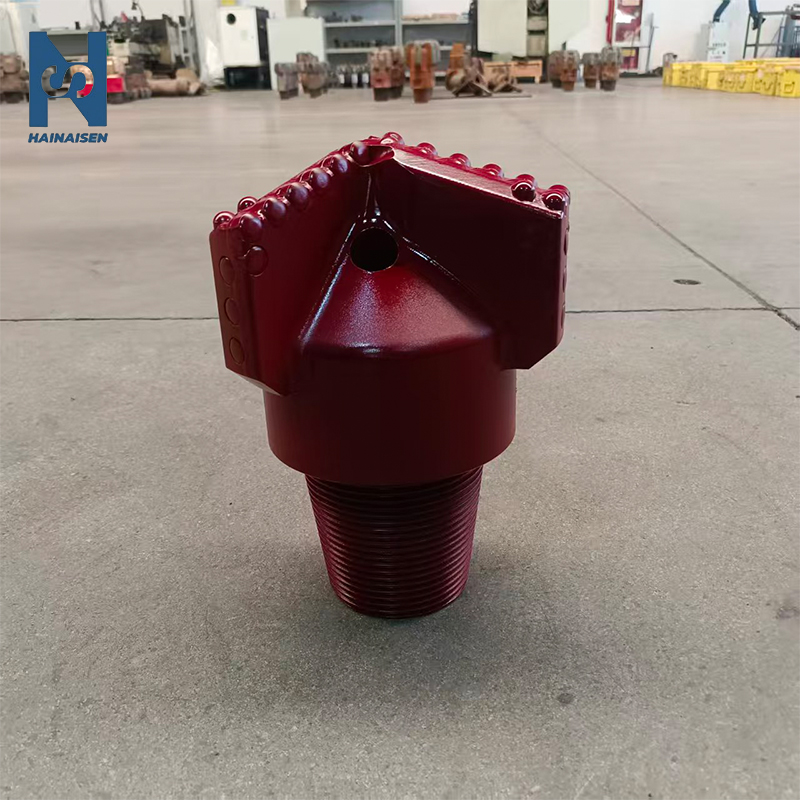 VIEW MOREPDC Bit For Well Drilling
 VIEW MORE30mm Half Blade Anchor Bit For Mine Coal Fields
 VIEW MORECoal Mining PDC Drill Bits