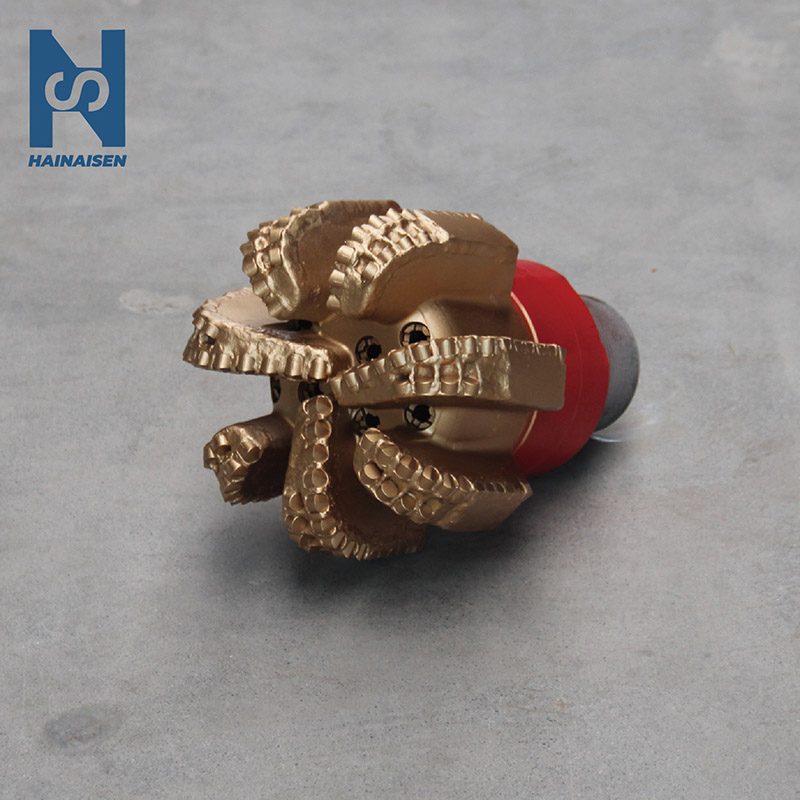
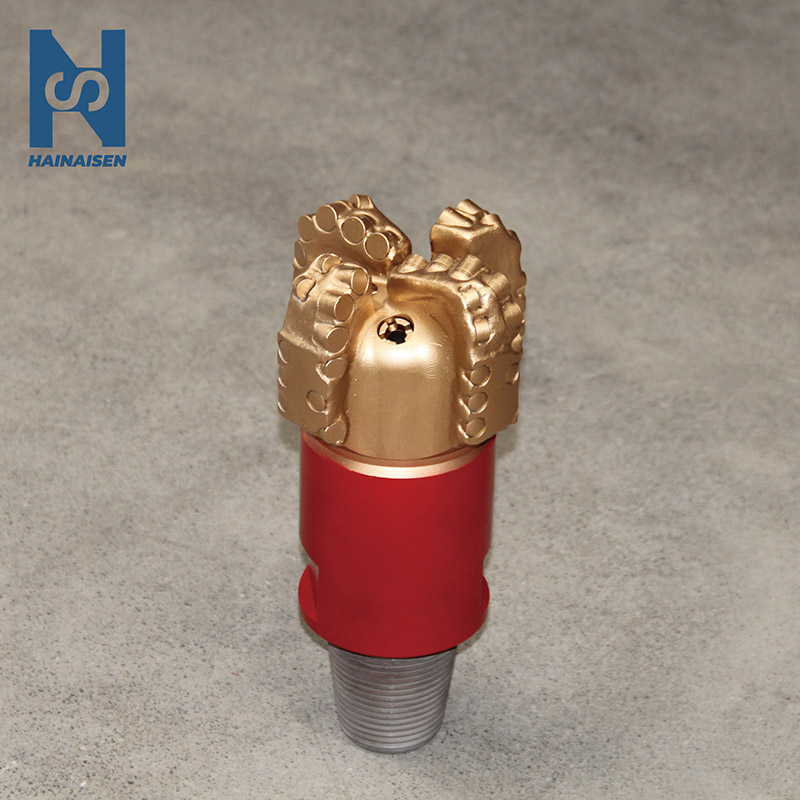
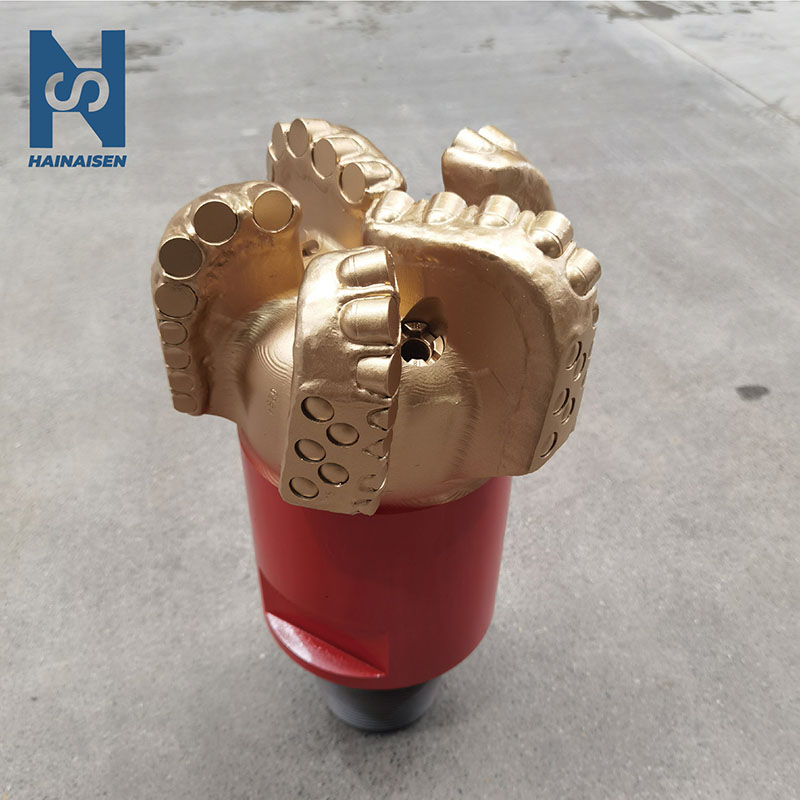
How to Choose the Right Forged PDC Bit for High-Depth Rock Drilling
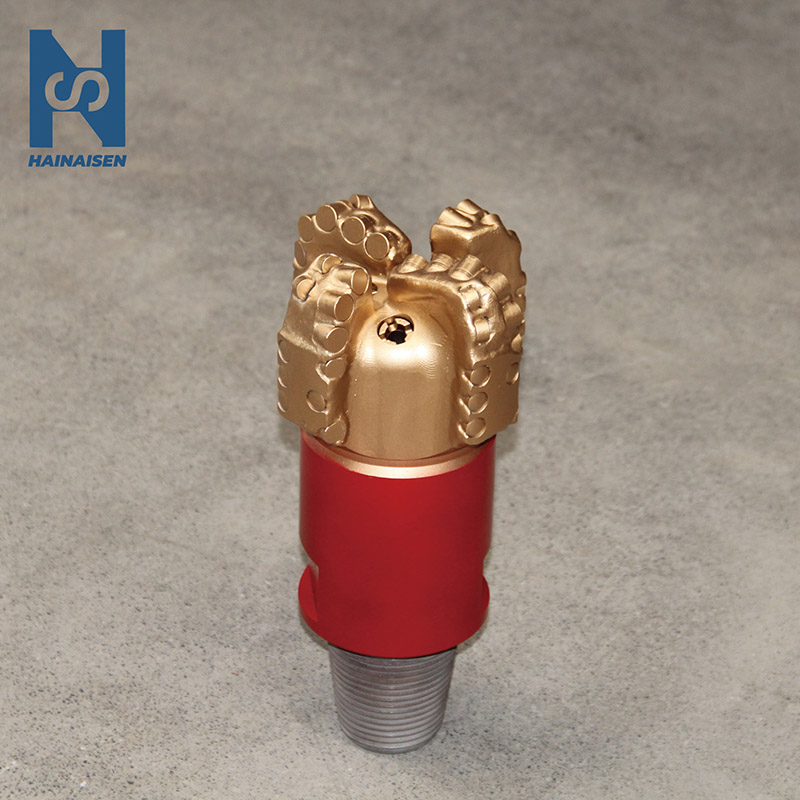
To pick the appropriate Forging Deep Rock Well Drilling Bits PDC Mining Bit, you need to know about important performance factors that have a direct effect on how well the drilling works and how much it costs to run. As part of the decision process, the features of the rock formation, the bit design specs, the material makeup, and the trust of the maker are all looked at. Procurement teams that are good at their jobs match the skills of bids with specific geographic problems and think about long-term value ideas. Advanced cast PDC Bits are better at cutting than traditional ones because they last longer, stay stable at high temperatures, and cut better. This makes them necessary for deep drilling in the oil and gas, mining, and water well industries.
Understanding Forged PDC Bits and Their Role in High-Depth Rock Drilling
Forged polycrystalline diamond compact bits are a big step forward in the way we drill. These tools are made to work well in the tough conditions of digging deep rock wells. Forging is the process of forming metal under a lot of pressure, which changes the grain structure in a way that makes the metal stronger than cast options.
The Science Behind Forging Technology
During the forging process, raw steel is changed by controlled compression. This makes the grain structures thinner, which makes the steel harder, tougher, and less likely to break down. Metals get bigger and more regular when they go through this change. This makes them stronger so they can handle the high heat and pressures of well drilling. It's hard for cracks to spread because the grain borders are so close together. This is very important for keeping the bit together in tough downhole conditions.
Material Composition and Performance Advantages
Forged premium PDC bits are made from high-quality metal steels and use modern PDC cuts with diamond-enhanced surfaces. Most steel bodies are made up of combinations of chromium, molybdenum, and nickel, which make them hard, resistant to rust, and stable at high temperatures. These special matrix materials help heat escape properly, which keeps cutting elements from getting damaged by heat during long drilling jobs.
Polycrystalline diamond compact blades are made up of man-made diamond bits that are bound to tungsten carbide bases under high temperatures and pressures. This mixture gives you great wear resistance and cutting efficiency. It's especially useful when drilling through hard rock formations, where regular bits break down quickly.
Operational Benefits in Deep Drilling Applications
Forged construction has clear benefits in deep digging situations where tool dependability is very important. Because the bit is made of better materials, it will last longer, trip less often, and go deeper. Because there is less downtime, replacements cost less, and the drilling plan moves faster, these changes in performance have a direct effect on the project's prices.
Criteria for Selecting the Right Forged PDC Bit for Deep Rock Wells
There are many technical and useful things you need to think about in order to pick the right drilling tools, like the Forging Deep Rock Well Drilling Bits PDC Mining Bit. To make good buying decisions, you need to weigh the needs for short-term success against the needs for long-term cost. In this way, you get the most out of your money and keep things running smoothly.
Rock Formation Analysis and Hardness Assessment
Understanding the qualities of the rock is the first step in choosing the right bits. The Mohs scale measures how hard a rock is, and it has a direct effect on the cutter plan, bit shape, and working factors. For example, cutting structures for soft formations (1-4 Mohs) need to be different from those for hard formations (6-10 Mohs), and the cutter density, blade shape, and hydraulic design need to be changed to match.
Another important thing to think about is the abrasiveness of the formation. Highly abrasive rocks speed up the wear process and might need special cutting materials or protective coats. To correctly describe the features of the rock and choose the right bit specs, drilling companies must look at core samples, geological studies, and data from previous drilling.
Bit Design Features for Hard Rock Performance
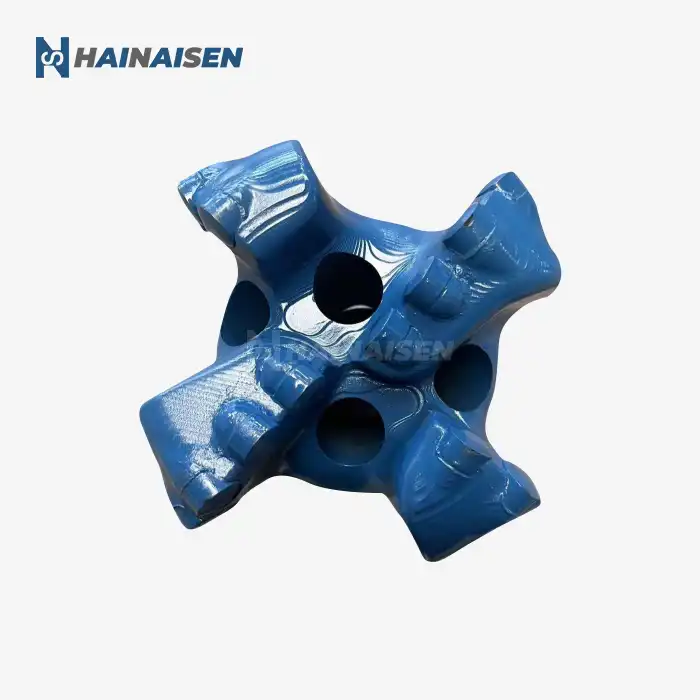
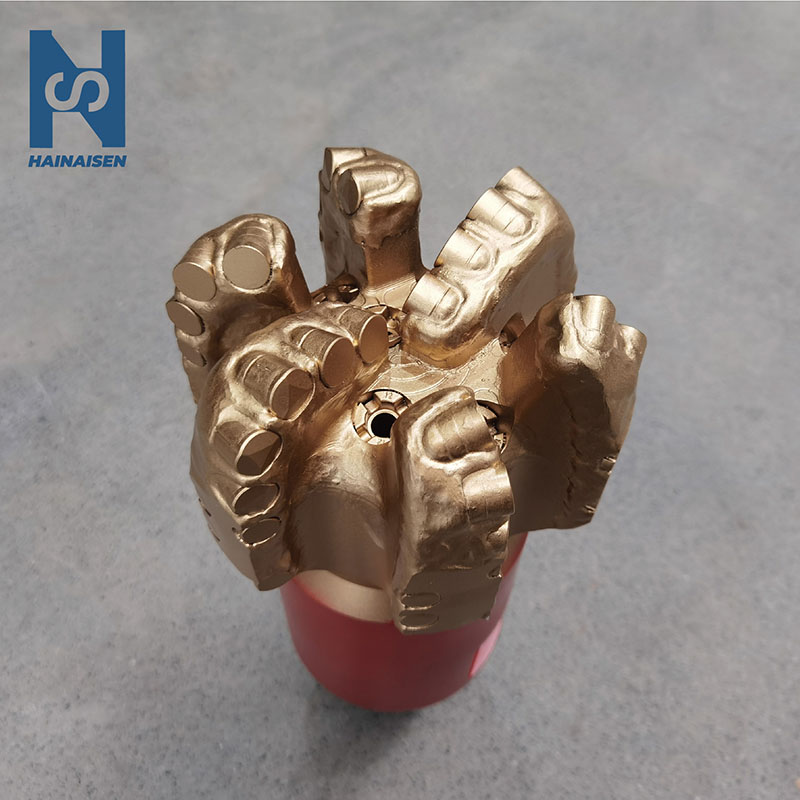
Forged PDC bits that are more advanced have more complex design features that make them cut better and last longer. The plan of the cutter decides how the load is spread across the bit face. For soft forms, bold shapes work best, while for hard, brittle rocks, safe designs work best. The shape of the blades affects how they cut. For example, fewer blades mean higher cutter loads for cutting through hard rock, while more blades mean better support in lighter forms.
Hydraulic optimization makes sure that the pieces are removed and cooled properly, which stops bit balling and heat damage. The placing of the nozzles, the flow area, and the design of the junk slots all work together to keep the cutting faces clean and stop the buildup of cuttings that slows down the drilling process.
Quality Certifications and Performance Standards
Teams in charge of buying things have to make sure that the Manufacturers follow industry standards like API specs, ISO quality control systems, and safety Certifications that are needed. These standards make sure that the same industrial methods are used for each batch of products, that materials can be tracked, and that the products work the same way every time.
Performance testing includes contrasting forged bits with other ways of making them, such as cemented and soldered construction. Documented field performance data, such as entry rates, bit life, and failure analysis reports, make it possible to compare different bit designs and providers in a fair way.
Maintenance and Lifecycle Management of Forged Drill Bits
For working lifetime to be maximized, upkeep practices must be followed and forging Deep Rock well drilling bits PDC Mining Bit bits must be handled correctly throughout their lifecycle. Proactive repair plans have a big effect on the total cost of ownership and make sure that drilling works the same way every time.
Routine Inspection and Preventive Care
Scheduled regular inspections find wear patterns, signs of damage, and performance loss before they become major problems. By looking at the state of the cutter, the wear on the blades, and the hydraulic tubes, you can spot problems before they get too bad. Measurement methods keep track of the cutter's height, the amount of wear, and the general shape of the bit to set maintenance schedules and criteria for replacement.
Cleaning methods get rid of drilling mud, formation waste, and acidic layers that make wear happen faster and lower performance. Ultrasonic cleaning tools and special cleaning solutions get rid of tough deposits without hurting the cutting elements or bit structure.
Storage and Transportation Best Practices
Keeping things in the right way will protect their worth and keep them from breaking down too quickly. Corrosion and temperature cycling damage can be avoided in climate-controlled settings, and impact damage can be avoided during storage and shipping with safe mounting systems. Covers that protect cutting elements from dirt and damage keep them in good shape.
Transportation rules limit the amount of shaking and shock that can hurt cutting structures or make tiny cracks in cast parts. Specialized shipping crates and padding systems keep equipment safe while it is being moved and handled over long distances.
Lifecycle Cost Analysis and ROI Optimization
A full cost study looks at the initial buy price, how well it works, how much it costs to maintain, and how much it costs to get rid of. Even though they cost more up front, high-quality cast PDC bits often have better overall cost performance because they last longer and drill more efficiently.
Performance tracking tools keep an eye on drilling factors, bit life, and routine costs to find ways to improve performance and set baselines. Bit selection, working practices, and repair methods can always be made better with data-driven analysis.
Procuring Forged PDC Bits: Supplier Selection and Transaction Tips
Effective procurement strategies require careful supplier evaluation, competitive analysis, and strategic relationship management. The complexity of drilling operations, such as forging deep rock well drilling bits and PDC mining bits, demands suppliers who provide technical expertise, quality assurance, and responsive customer support.
Supplier Evaluation and Qualification
Comprehensive supplier assessment encompasses manufacturing capabilities, quality systems, technical support resources, and financial stability. Site visits and facility audits verify production capacity, equipment sophistication, and quality control procedures. ISO certifications, API licenses, and customer references provide independent validation of supplier capabilities.
Technical expertise evaluation includes engineering resources, customization capabilities, and application support services. Suppliers who understand specific industry challenges and provide technical consultation add significant value beyond basic product supply.
Pricing Models and Commercial Terms
Understanding different pricing structures enables effective cost comparison and contract negotiation. Volume pricing tiers reward larger orders with reduced unit costs, while custom design services may carry premium charges. Lead time guarantees and inventory management programs provide operational flexibility while managing working capital requirements.
Contract terms should address quality guarantees, performance warranties, and technical support commitments. Clear specification requirements, acceptance criteria, and dispute resolution procedures prevent misunderstandings and ensure satisfactory outcomes.
Global Logistics and Supply Chain Management
International procurement involves complex logistics coordination, customs procedures, and supply chain risk management. Reliable suppliers provide comprehensive shipping services, documentation support, and inventory management programs that simplify procurement processes.
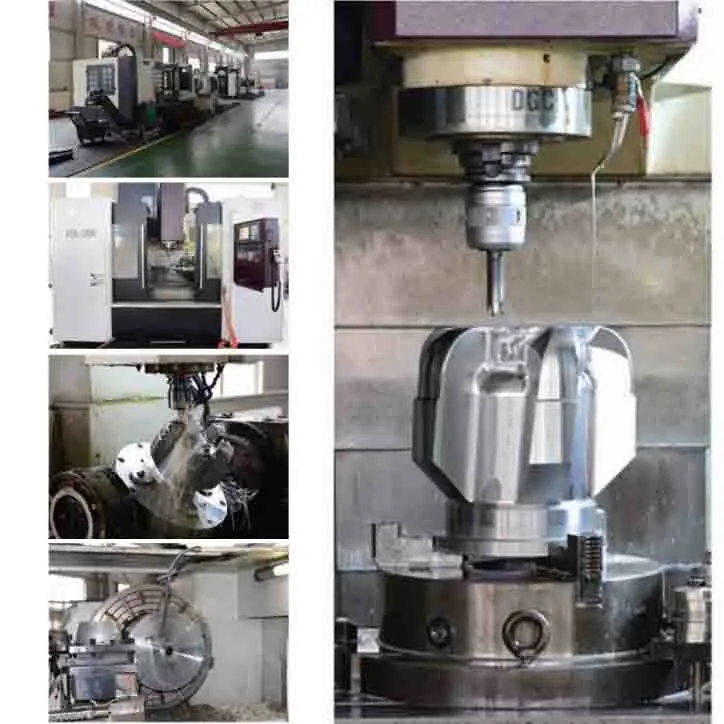
Shaanxi Hainaisen Petroleum Technology Co., Ltd. exemplifies advanced manufacturing capabilities with their 3,500 m² facility featuring modern production workshops and advanced processing equipment, including 5-axis machining centers and CNC machine tools. Their dedicated research and development team provides custom bit design services that meet diverse structural requirements across multiple industries.
Conclusion
Selecting the optimal forged PDC bit requires balancing technical performance requirements with economic considerations while ensuring supplier reliability and support capabilities. Successful procurement teams invest time in understanding geological challenges, evaluating bit design features, and establishing supplier relationships that support long-term operational success. The superior material properties of forged construction deliver measurable benefits in demanding drilling applications, justifying premium pricing through improved performance and extended service life.
FAQ
1. What distinguishes forged PDC bits from cast alternatives in deep drilling applications?
Forged PDC bits utilize high-pressure forming processes that refine grain structure and enhance material properties compared to cast alternatives. The forging process creates denser, more uniform steel with improved strength, toughness, and fatigue resistance. These enhanced properties translate to superior performance in deep drilling applications where extreme pressures, temperatures, and shock loads challenge equipment durability.
2. How do I determine the appropriate bit design for specific rock formations?
Rock formation analysis involves evaluating hardness, abrasiveness, and drilling characteristics to select optimal bit features. Soft formations typically require aggressive cutting structures with high cutter density, while hard formations benefit from conservative designs with robust cutter support. Formation abrasiveness influences cutter material selection and protective coating requirements. Geological surveys, core samples, and drilling history provide essential data for proper bit specification.
3. What factors influence delivery timelines for bulk orders of forged PDC bits?
Delivery schedules depend on order complexity, customization requirements, and production capacity. Standard designs typically ship within 2-4 weeks, while custom specifications may require 6-8 weeks for engineering, manufacturing, and quality testing. Bulk orders benefit from volume production efficiencies but may require extended lead times for material procurement and production scheduling. Clear communication of delivery requirements during quotation processes ensures realistic timeline expectations.
Contact HNS for Premium Forging Deep Rock Well Drilling Bits PDC Mining Bit Solutions
HNS delivers exceptional forged PDC bit solutions engineered for superior performance in challenging drilling environments. Our advanced manufacturing capabilities combine precision engineering with premium materials to produce drilling equipment that exceeds industry standards. As a leading Forging Deep Rock Well Drilling Bits PDC Mining Bit supplier, we provide comprehensive technical support, customization services, and quality assurance that ensures project success. Contact our engineering team at hainaisen@hnsdrillbit.com to discuss your specific requirements and discover how our innovative drilling solutions can optimize your operational performance and reduce total cost of ownership.
References
1. Smith, J.R., "Advanced Manufacturing Techniques for PDC Drill Bits: Forging vs. Casting Performance Analysis," Journal of Petroleum Technology, Vol. 45, No. 3, 2023.
2. Chen, L.K., "Material Science Applications in Deep Drilling Equipment: Metallurgical Advances in Forged Steel Components," International Mining Engineering Review, Vol. 28, No. 2, 2023.
3. Rodriguez, M.A., "Procurement Strategies for Drilling Equipment: Cost-Benefit Analysis of Premium PDC Bit Technologies," Energy Industry Procurement Quarterly, Vol. 15, No. 4, 2023.
4. Thompson, D.W., "Lifecycle Management of Drilling Tools: Maintenance Best Practices for PDC Bit Optimization," Drilling Technology International, Vol. 31, No. 1, 2023.
5. Wang, H.Y., "Supplier Selection Criteria for Critical Drilling Equipment: Quality Assurance and Performance Verification Methods," Industrial Procurement Management, Vol. 22, No. 3, 2023.
6. Anderson, P.T., "Deep Rock Drilling Challenges: Equipment Selection and Performance Optimization in Hard Formation Applications," Geological Engineering Today, Vol. 19, No. 2, 2023.