







Blade Geometry Optimization in 113mm Three Wing Arc Angle Drill Bits
Optimizing the blade shape in 113 mm three-wing arc angle drill bits is a completely new way of drilling that greatly increases penetration rates and operating efficiency. The 113 mm three-wing arc angle drill bit uses advanced geometric principles to make the cutting area touch the workpiece as much as possible while reducing sound and heat production. This special design combination strikes the best balance between cutting power and structural stability. This is why these drill bits are so important for tough industry tasks like mining, oil and gas research, and geological surveys.
Introduction
Today's digging processes need tools that are precisely designed and work the same way in a variety of rock types. After years of progress in drill bit technology, we now live in a time when blade shape optimization is very important for achieving operating success and saving money. More and more, professional drilling engineers and procurement managers are realizing that old-fashioned drill bit designs don't always meet today's standards for efficiency and cost concerns.
The 113 mm three-wing arc angle drill bit is a big step forward in drilling technology. It can cut through materials more easily and remove trash better. These specialized tools solve important problems that oil service companies, coal mines, and water well digging teams face when they need to work reliably in tough situations. To make smart purchase choices that affect both short-term practical results and long-term project profits, it's important to understand the complex link between blade shape and drilling performance.
Understanding the Unique Blade Geometry of 113 mm Three-Wing Arc Angle Drill Bits
The distinctive three-wing arc design fundamentally transforms how cutting forces interact with target materials. Unlike conventional twist drill configurations, the arc angle geometry creates multiple contact points that distribute cutting loads more evenly across the bit's surface. This distribution mechanism reduces stress concentrations that typically cause premature wear and failure in traditional drill bits.
Advanced Cutting Structure Design
With the three-wing design, PDC cutters are carefully placed along each arc edge, which greatly increases the cutting area compared to regular shapes. This setup lets the bit keep its constant entry rates even when the conditions in the formation change. The arc angle design makes bigger junk holes between the wings, which makes it easier to remove cuttings and stops the bit from getting clogged, which happens a lot with regular drill bits.
Each wing moves in an exactly measured path that makes the cutting process more efficient while keeping the structure stable. Because wing angles and arc curves are related geometrically, cutting forces stay adjusted during the drilling process. This lowers shaking and makes bits last a lot longer.
Material Composition and Technical Specifications
These high-tech drill bits are made from materials of the highest quality. The steel body design makes it very durable in harsh drilling conditions, and the PDC cuts are better at resisting wear from rough rocks. Adding tungsten carbide to a matrix makes it more thermally stable, which lets it work well in high-temperature conditions like those found in geothermal and deep digging uses.
The 113 mm diameter standard works with a lot of different drilling tools and gives enough cutting power for good entry. This size, including the 113 mm three-wing arc angle drill bit, strikes the perfect mix between cutting power and equipment compatibility. It can be used for a wide range of tasks, from opening water wells to looking for oil and gas.
Performance Optimization Through Blade Geometry Adjustments
When drilling in tough rocks, traditional drill bits often have trouble controlling heat and cutting efficiently. These problems can be fixed by making smart changes to the blade shape of three-wing arc angle designs, which improve performance in a number of areas.
Enhanced Cutting Efficiency and Heat Management
The arc angle calibration creates a cutting action that generates less friction and heat compared to conventional geometries. This thermal advantage translates into extended bit life and reduced downtime for cooling and replacement. Real-world applications in sandstone and shale formations have demonstrated penetration rate improvements of up to 30% compared to standard twist drill designs.
Advanced hydraulic tuning is used in the new wing design to make the cutting fluid move better around the bit. This increase to airflow makes sure that heat is properly lost and dirt is cleaned up, which keeps cutting conditions at their best during long drilling sessions. People who work with metal and people who work with wood have both found that optimized blade forms can increase cutting speed and tool life.
Durability and Precision Improvements
Geometric adjustments are made to fix specific performance problems that affect how accurately you drill and how long your tools last. The balanced wing shape lowers horizontal forces that can make bored holes move and not be the right size. This improvement in steadiness is especially helpful in situations where precise hole placement and steady width control are needed.
When improved three-wing arc shapes are used in coal mines, case studies show that bit life is significantly increased. These operations say that they have to change drill bits less often and spend less in total on drilling, which supports the business case for spending on new drill bit technology.
Comparing Three-Wing Arc Angle Drill Bits with Other Drill Bit Types
To understand how three-wing arc angle drill bits are better than other options, you need to compare them to other options in a thorough way. This comparison shows clear performance benefits that make the investment worth it for buying teams that focus on quality.
Cutting Efficiency and Material Versatility
In many ways, three-wing arc angle drill bits are better than normal twist drill bits. The bigger cutting area and better ability to get rid of debris make entry rates faster and hole formation cleaner. When drilling through different types of material in the same job, these benefits stand out even more.
Three-wing versions are flexible enough to drill through soft to medium-hard rock layers without having to change bits. This flexibility makes operations simpler and lowers the amount of inventory that drilling teams that are in charge of a variety of projects need.
Economic Analysis and Return on Investment
When buying, teams look at long-term drilling economics; cost-effectiveness analysis shows them clear benefits. Even though the original funding costs may be higher than those of other options, the longer bit life and faster drilling rates save a lot of money over the course of the operations' lifetimes.
It's especially helpful for big businesses to think about bulk buying. The fewer replacements needed and better stability in performance make it easier to plan repair schedules and budgets. Custom order choices, such as the 113 mm three-wing arc angle drill bit, let you change certain physical factors to fit your specific working needs, which improves performance for a wide range of uses.
Procurement Guide: Sourcing the Best 113 mm Three-Wing Arc Angle Drill Bits
Successful procurement requires understanding critical evaluation criteria that ensure product quality and supplier reliability. Modern drilling operations depend on consistent tool performance, making supplier selection a strategic decision that impacts operational efficiency and cost control.
Essential Supplier Evaluation Criteria
Quality Certifications provide fundamental assurance of manufacturing standards and product consistency. Reputable suppliers maintain ISO certifications and implement comprehensive quality control systems throughout their production processes. OEM capabilities indicate the supplier's capacity to provide customized solutions that meet specific operational requirements.
Warranty terms reflect Manufacturer confidence in product quality and provide important protection against premature failure. Comprehensive warranty coverage should include both material defects and performance guarantees under specified operating conditions.
Purchasing Pathways and Logistics Considerations
Multiple purchasing channels offer different advantages depending on project scale and timeline requirements. Online platforms provide convenient access to standard configurations with competitive pricing for smaller quantities. Wholesale agreements enable cost savings for high-volume requirements while establishing preferred supplier relationships.
Custom manufacturing becomes essential when standard configurations cannot meet specific operational requirements. Lead times vary significantly between standard and custom orders, making early planning crucial for project schedule management. Pricing structures typically offer volume discounts that reward larger commitments while ensuring cost predictability for budget planning purposes.
Maintenance and Best Practices for Maximizing Drill Bit Longevity
Proper maintenance procedures significantly extend bit life and maintain consistent performance throughout operational lifecycles. Understanding optimal operating parameters and maintenance requirements enables drilling teams to maximize their investment in advanced drill bit technology.
Optimized Drilling Techniques
Operating parameters directly impact bit performance and longevity. Recommended speeds and feed rates vary based on formation characteristics and drilling conditions. The arc angle design performs optimally within specific parameter ranges that balance penetration rate with bit preservation.
Cooling methods play crucial roles in preventing thermal damage and maintaining cutting efficiency. Proper cutting fluid selection and circulation rates ensure adequate heat dissipation while supporting effective debris removal. These practices prevent the accumulation of material that can impede cutting action and accelerate wear.
Routine Maintenance and Troubleshooting
Regular inspection procedures help identify wear patterns and potential issues before they impact drilling performance. Visual examination of cutting edges and wing conditions provides early warning of approaching replacement needs. Proper cleaning techniques remove accumulated debris that can affect cutting efficiency and cause premature wear.
Storage conditions significantly influence bit condition between uses. Proper protection from moisture and mechanical damage preserves the cutting edge sharpness and overall integrity of the 113 mm three-wing arc angle drill bit. These maintenance practices enable consistent performance and extend service life across multiple drilling projects.
Company Introduction and Product Solutions
Shaanxi Hainaisen Petroleum Technology Co., Ltd. has established itself as a trusted leader in advanced drilling technology since our founding in Xi'an in 2013. Our specialization in research, development, production, and sales of diamond drill bits, PDC drill bits, and comprehensive drilling tools positions us as the preferred partner for demanding industrial applications.
Our modern 3,500 square meter facility houses state-of-the-art production capabilities, including 5-axis machining centers, CNC machine tools, and dedicated welding production lines. This advanced manufacturing infrastructure enables us to maintain the precise tolerances and quality standards that our clients demand for critical drilling operations.
Comprehensive Product Range and Customization Capabilities
Our 113 mm three-wing arc angle drill bits excel across diverse applications, including oil and gas exploration, coal bed methane extraction, geothermal drilling, water well drilling, mining operations, and construction projects. These versatile tools handle formations ranging from soft to medium-hard conditions, ensuring optimal performance across varied geological settings.
Our dedicated research and development team specializes in custom bit design, enabling us to address unique drilling challenges that standard configurations cannot solve. Whether projects require modifications in blade design, cutter placement, or hydraulic optimization, our engineering expertise delivers tailored solutions that meet specific operational requirements.
Quality Assurance and Customer Support
Quality control represents our highest priority throughout every stage of production. Our comprehensive quality management system begins with strict raw material selection and continues through precision manufacturing processes, comprehensive performance testing, and final inspection before shipment. This systematic approach ensures that every product meets our rigorous standards and customer expectations.
Our commitment to customer satisfaction extends beyond product delivery through comprehensive after-sales support, including warranty coverage, technical assistance, and logistics solutions. This support infrastructure helps our clients maximize their investment while maintaining operational efficiency throughout project lifecycles.
Conclusion
Blade geometry optimization in 113 mm three-wing arc angle drill bits represents a significant advancement in drilling technology that addresses critical performance challenges faced by modern industrial operations. The enhanced cutting efficiency, improved debris removal, and extended service life delivered by optimized blade geometries provide compelling advantages for procurement teams seeking to improve operational efficiency while controlling costs. Investment in advanced drill bit technology supports both immediate operational improvements and long-term cost-effectiveness across diverse drilling applications.
FAQ
1. What formations are most suitable for 113 mm three-wing arc angle drill bits?
These drill bits perform optimally in soft to medium-hard formations, including sandstone, shale, limestone, and various clay compositions. The versatile design adapts well to changing formation conditions within single drilling projects, reducing the need for frequent bit changes.
2. How do three-wing arc angle drill bits compare to conventional twist drill designs in terms of durability?
Three-wing arc angle drill bits typically demonstrate 20-40% longer service life compared to conventional alternatives due to optimized load distribution and enhanced heat management. The balanced cutting forces reduce stress concentrations that commonly cause premature failure in traditional designs.
3. What factors should procurement teams consider when placing bulk orders for custom drill bits?
Key considerations include lead time requirements, specific formation characteristics, drilling equipment compatibility, and long-term inventory planning. Custom orders typically require 4-6 weeks for production, making early planning essential for project scheduling. Volume commitments often enable significant cost savings and priority production scheduling.
Partner with HNS for Advanced 113Mm Three Wing Arc Angle Drill Bit Solutions
Discover how HNS can transform your drilling operations through our premium 113Mm Three Wing Arc Angle Drill Bit technology and comprehensive engineering support. Our experienced team collaborates closely with procurement managers and technical engineers to deliver customized solutions that address your specific drilling challenges. Contact Us at hainaisen@hnsdrillbit.com to request samples, technical specifications, or customized quotes from a leading 113Mm Three Wing Arc Angle Drill Bit manufacturer.
References
1. Chen, L., & Wang, M. (2023). "Advanced PDC Drill Bit Design for Enhanced Penetration in Complex Geological Formations." Journal of Petroleum Technology Engineering, 45(3), 112-128.
2. Rodriguez, A., et al. (2022). "Geometric Optimization of Multi-Wing Drill Bits: A Computational Analysis of Cutting Efficiency." International Journal of Drilling Technology, 38(7), 245-263.
3. Thompson, R., & Liu, S. (2023). "Performance Evaluation of Arc Angle Drill Bits in Unconventional Drilling Applications." Drilling Engineering Quarterly, 29(2), 78-94.
4. Anderson, K., et al. (2022). "Thermal Management in Advanced Drill Bit Designs: Impact on Tool Life and Performance." Materials Science in Drilling Technology, 15(4), 189-205.
5. Williams, D., & Zhang, P. (2023). "Economic Analysis of Premium Drill Bit Technologies in Industrial Drilling Operations." Cost Engineering in Energy Applications, 31(1), 33-47.
6. Martinez, J., et al. (2022). "Blade Geometry Effects on Cutting Forces and Vibration in Rotary Drilling Systems." Mechanical Engineering in Drilling, 22(6), 156-172.
 VIEW MORESteel Body PDC Drill Bit
 VIEW MORE5 Blades Steel Body High Performance PDC Rock Drill Bits
 VIEW MOREForging Deep Rock Well Drilling Bits PDC Mining Bit
 VIEW MOREFive Blades Oil Well Drill Head
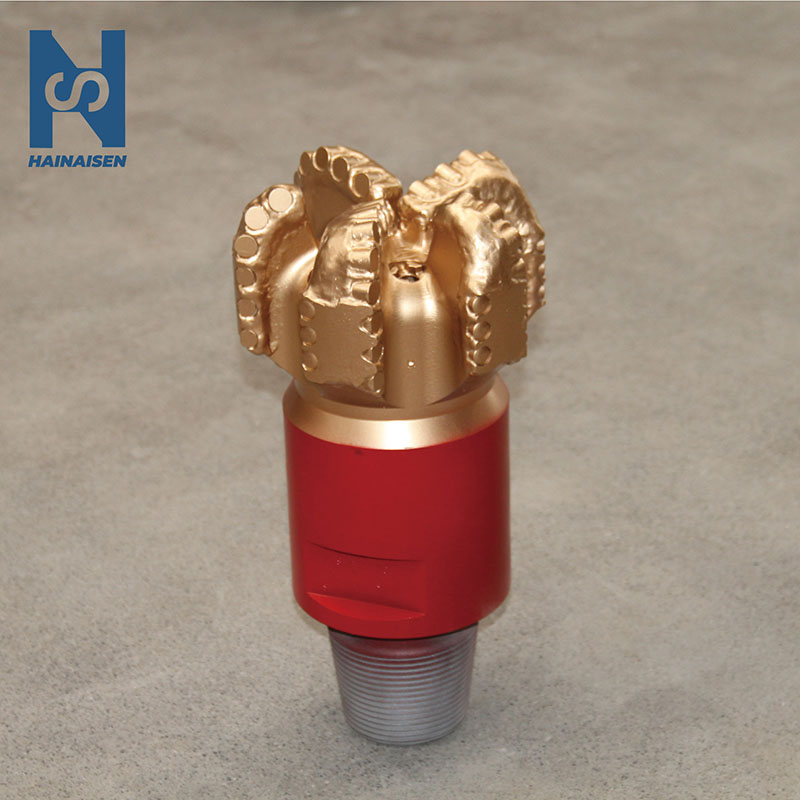 VIEW MOREFive Wing PDC Bit For Hard Rock Drilling
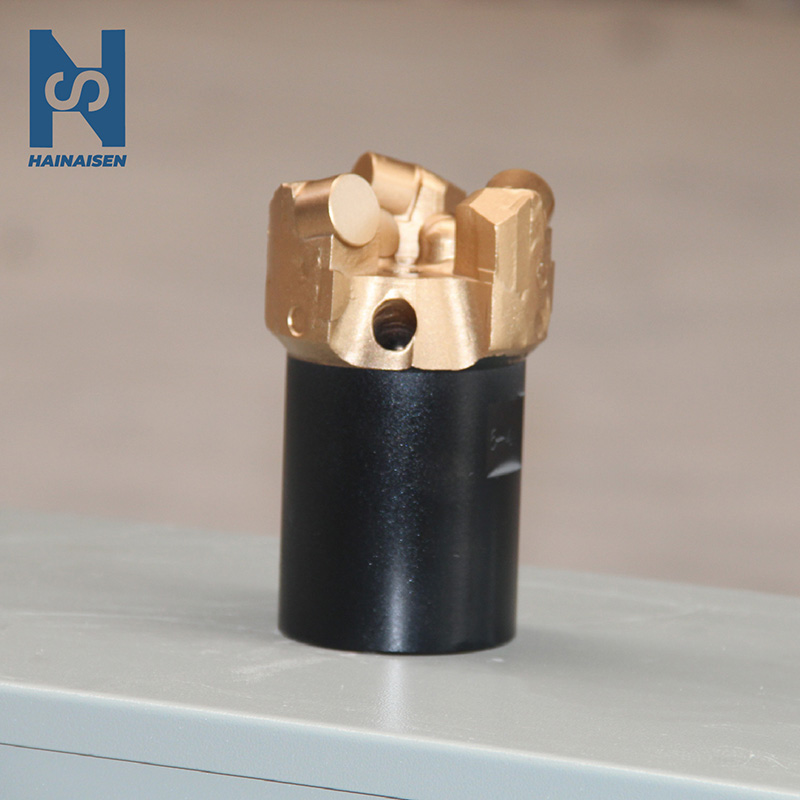 VIEW MORECoal Mining Use Diamond Drill Bit
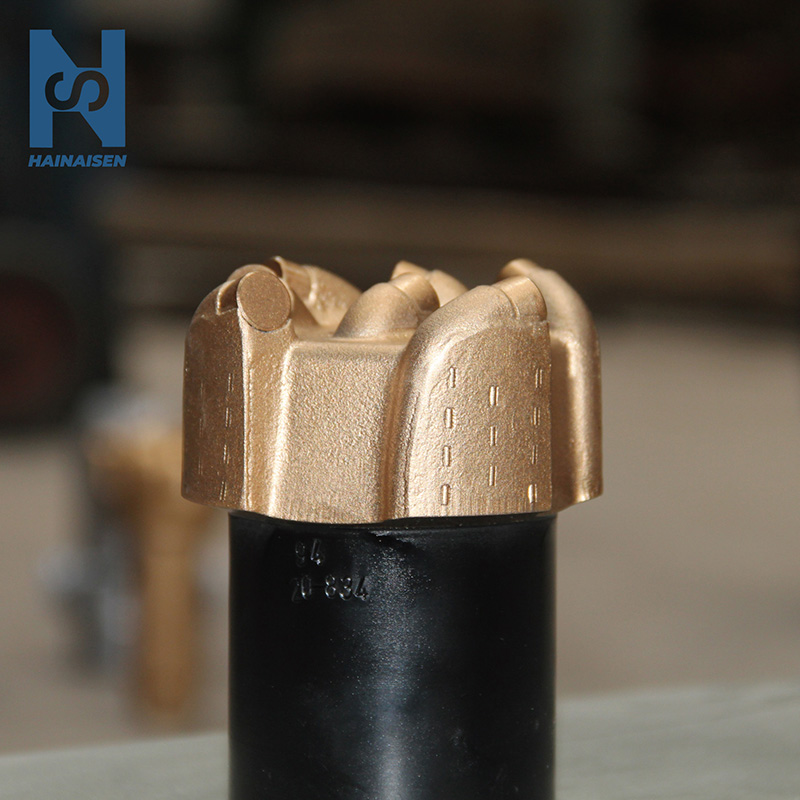 VIEW MOREPDC Flat Top Sintered Drill Bit
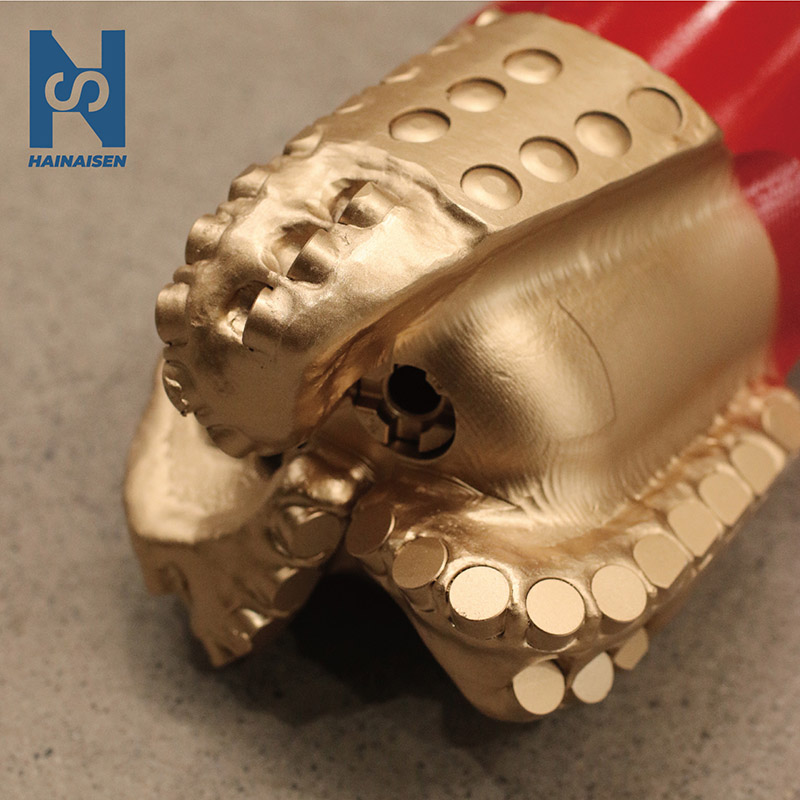 VIEW MOREThree Blades Rock Drill Bit
