




Material Optimization in Forged Deep Rock PDC Mining Bits
Material improvement in Forged Deep Rock PDC Mining Bits is a big step forward in drilling technology that can handle the hardest rock conditions that are found in modern mining operations. These high-tech tools have cutting surfaces made of advanced polycrystalline diamond compact blades attached to premium tungsten carbide bases. These cutting surfaces stay sharp and durable even when they are under a lot of stress. The forging method improves the stability of the grain structure and gets rid of the leakage that is common in cast options. This makes the mechanical properties better. When properly adjusted, a Forging Deep Rock Well Drilling Bits PDC Mining Bit can offer outstanding performance measures, such as longer operating life, higher penetration rates, and lower downtime costs in a wide range of projects, from material extraction to oil exploration.
Understanding Forged Deep Rock PDC Mining Bits and Their Material Challenges
Defining Advanced PDC Technology
When it comes to drilling tools, forged deep rock PDC mining bits are a special kind that are made for very rough rock conditions. PDC Bits use synthetic diamond cuts that break through layers with amazing accuracy, while standard roller cone bits use impact mechanisms to crush rock. Forging makes the structure of the material thicker and more regular than casting, which improves its mechanical qualities and makes it less likely to break from wear and tear.
Under very high temperatures and pressures, the polycrystalline diamond compact technology blends man-made diamond particles with a tungsten carbide base. This process of joining makes cutting surfaces that keep their shape even when they come into contact with rough surfaces. Care is taken when choosing the materials for the bit body itself. High-strength steel alloys provide the structure needed for hard drilling operations.
Critical Material Challenges in Deep Rock Applications
Deep rock digging places have special problems with materials that need complex engineering answers. Extreme friction happens when drill bits hit sandstones, quartz-rich rocks, and other hard silicate minerals that wear down normal cutting surfaces very quickly. Changes in temperature from the surface to below-ground levels that are higher than 200°C cause thermal stress cycles that can weaken materials over time.
When digging through broken rocks, where quick changes in load can cause catastrophic failure, impact resistance becomes very important. Layers of hard and soft rock that come and go in natural formations create dynamic stress conditions that test the limits of how long something can last before it breaks. Defensible downhole fluids with hydrogen sulfide, carbon dioxide, and different salts eat away at metal parts, so they need special protection and materials.
Technical Specifications and Industry Standards
Modern PDC bits have to meet strict technical requirements for how hard, tough, and resistant to wear they are. PDC cutters usually have a Rockwell hardness of 85 to 95 HRA, which means they are very resistant to wear and tear while still being tough enough to avoid breaking easily. Specifications for thermal conductivity make sure that heat moves quickly during high-speed drilling, which keeps cutting surfaces from getting damaged by heat.
According to industry standards, Forging Deep Rock Well Drilling Bits PDC Mining Bits are tested in controlled lab settings that are meant to be like those found in the ground. These tests check the rate of wear, the effectiveness of cutting, and the strength of the structure under different loads. Following the API specs makes sure that the product works with common drilling tools and sets performance standards for buying choices.
Material Optimization Techniques for Enhanced Bit Performance
Advanced Forging Processes and Grain Structure Enhancement
The forging process changes the material properties of PDC bit bodies in a basic way by carefully deforming them under high temperature and pressure. This way of making things improves the structure of the grains, gets rid of any empty spaces inside, and gives the material directed strength properties that match the patterns of practical stress. Forging, on the other hand, makes thick, symmetrical structures with known performance characteristics. This is in contrast to casting, which can introduce gaps and uneven material qualities.
After the casting process, the material's qualities are improved even more by exact temperature control and cooling rates during heat treatment cycles. Depending on the needs of the product, these heating processes can make materials harder, tougher, or more resistant to rust. The microstructure that is made has better resistance to wear and a longer useful life than microstructures made using other methods.
Specialized Alloy Materials and Cutting-Edge Technology
High-performance PDC bits are made from premium steel metals, which are carefully matched to provide strength, flexibility, and resistance to rust. To get the best sharpness and hardness, the tungsten carbide supports that hold up the diamond cutting surfaces need to have a certain amount of cobalt glue. New developments in powder metallurgy have made it possible to create unique alloys that are better at dealing with certain environmental problems.
Physical vapor deposition and chemical vapor deposition methods used in protective covering technologies add another level of material improvement. These very thin films make things less likely to wear down, reduce friction, and protect against rust better without affecting how well they cut. In rough forms, advanced surface processes can make bits last 30 to 50 percent longer while keeping the same penetration rates.
Real-World Performance Benefits and Case Studies
Performance data from the field shows that optimizing materials can really help in tough drilling conditions. A recent coal bed methane project used material-optimized cast PDC bits that had a 40% longer bit life than normal options while still penetrating more deeply. Because it was more thermally stable, it could keep working in high-temperature forms without losing any function.
Mining companies have said that their costs have gone down a lot because Forging Deep Rock Well Drilling Bits PDC Mining Bits last longer and trip less often. Optimized materials and improved production techniques have made it possible for workers to drill longer parts with uniform performance. This has cut down on total project timelines and made it more profitable for difficult extraction projects.
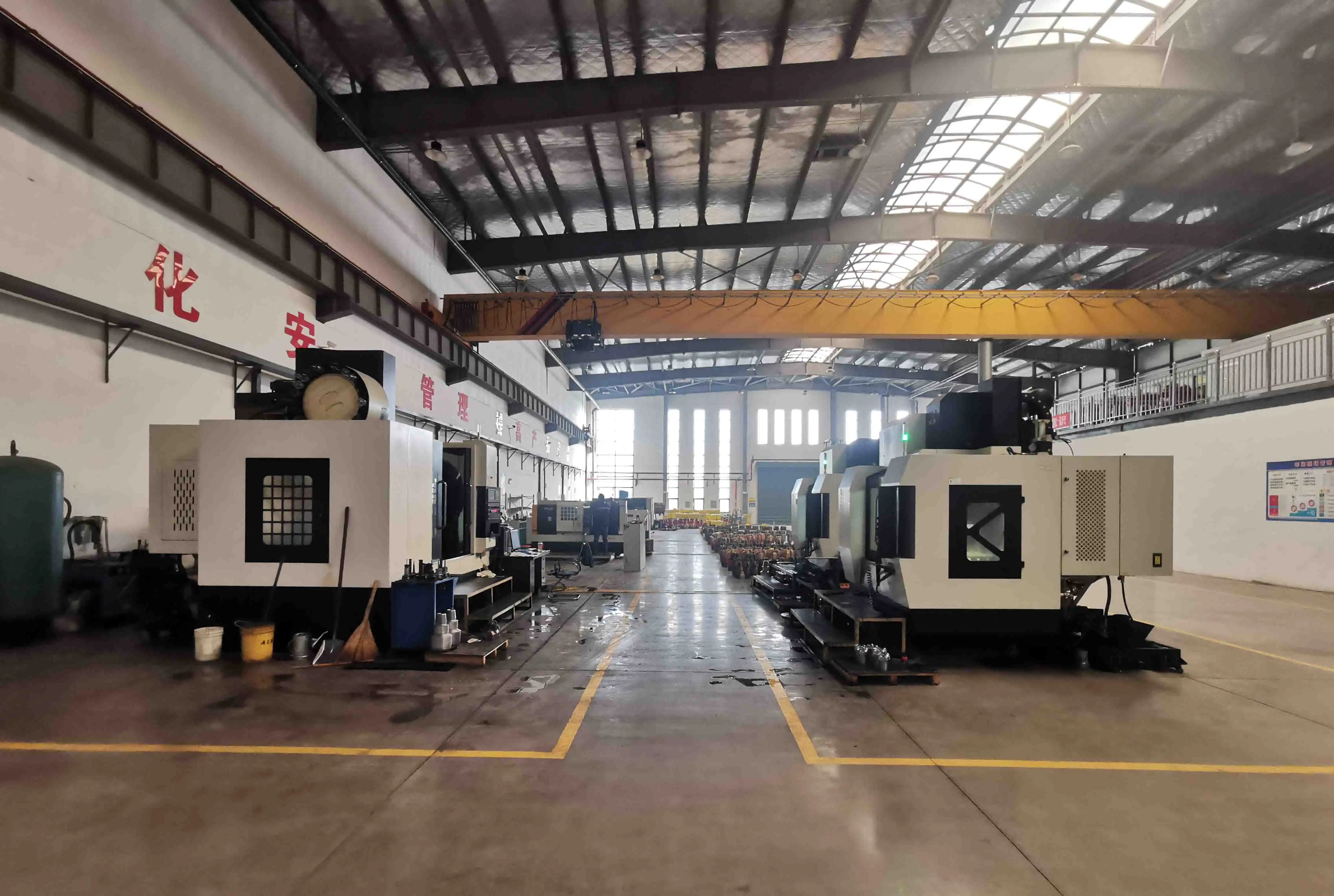
Comparing Forged Deep Rock Well Drilling Bits with Other Mining Bits
Performance Metrics and Material Design Differences
When it comes to a number of working factors, forged deep rock PDC bits perform better than standard roller cone bits. PDC technology's continuous cutting action gets rid of the repetitive impact loads that cone bits have. This makes drilling more fluid and reduces the wear and tear on equipment caused by shaking. Different types of materials allow PDC bits to keep working well in rough environments where cone bit joints and cutting surfaces wear out quickly.
Forged PDC bits are solid, so they don't have any moving parts that need to be oiled or maintained. This makes them easier to use and less likely to break. When compared to matrix options, steel body designs can handle more power loads and drilling weights. This means they can be used for harsh drilling conditions in tough rocks. In difficult situations, this strong design means better direction control and hole quality.
Operational Cost Analysis and Maintenance Requirements
An economic study shows that material-optimized PDC bits have big benefits, even though they cost more to buy at first. The longer working life cuts down on the number of trips, which lowers the rig's time and the daily running costs that come with it. Due to the lack of moving parts and the longevity of improved materials, maintenance needs are much lower. This lowers the cost of field service and the need for supplies.
Customer feedback always shows how reliable properly defined fake PDC bits are at cutting down on time spent on non-productive tasks. Because the wear patterns and slow loss of performance are known, managers can plan bit changes for planned operations instead of having to fix problems as they happen. This practical reliability makes it easier to plan projects and make good use of resources across drilling cycles.
Procurement Guidelines for Material-Optimized Forged Deep Rock PDC Mining Bits
Supplier Evaluation and Procurement Channels
To get high-quality cast deep rock PDC bits When forging Deep Rock Well Drilling Bits PDC Mining Bits, you need to carefully evaluate suppliers by looking at their manufacturing skills, quality systems, and expert support resources. When you work directly with a maker, you can get the best customization services, professional help, and the best prices for large orders. Suppliers that have been around for a while and have all the necessary quality standards show that they are committed to consistently high product quality and reliable performance.
People who work in procurement should look at what a seller can do, such as having in-house forge facilities, modern machine centers, and a wide range of testing equipment. Having specialized research and development teams shows that you can keep coming up with new ideas and improving technology. Strong quality control systems that are certified by ISO make sure that the production process is always the same and that the products are reliable.
Pricing Factors and Bulk Ordering Advantages
The quality of the materials has a big effect on the prices. For example, premium metals and advanced finishes are more expensive but last longer and work better. When you order in bulk, you usually save a lot of money because of economies of scale and lower setup costs for unique specs. Long-term supply deals can get you better prices and give you priority access to production capacity when demand is high.
When planning a project, lead time becomes very important because unique requirements need more time to be made than normal setups. Planning logistics should include the right way to package and handle things so that they don't get damaged during transport. Comprehensive guarantee coverage adds value to big purchases of tools and lowers the risk of damage.
Customization Services and Technical Support
Modern makers let you change a lot of things about their bits so that they work best in different geographic situations and operating settings. This includes making special cutting plans, hydraulic designs, and changing the make-up of materials to deal with specific drilling problems. Throughout the lifetime of a product, technical support services are very helpful for choosing the right bits, making sure applications work best, and fixing speed issues.
Manufacturers can use collaborative design methods to include practical comments and unique customer needs in the development of new products. This partnership method makes sure that bits work at their best while also building long-term ties that help operations stay successful. Access to expert help and outdoor service adds a lot of value to the tools after the initial buy.
Maintenance and Longevity: Maximizing Value from Material-Optimized Bits
Routine Inspection and Preservation Techniques
Effective maintenance protocols begin with systematic inspection procedures that identify early signs of wear or damage before they compromise drilling performance. Visual examination of cutter condition, body wear patterns, and hydraulic flow areas provides valuable insights into bit condition and remaining service life. Regular cleaning removes formation debris and drilling fluid residues that can mask damage or accelerate wear processes.
Proper handling and storage practices preserve bit condition between uses and extend overall service life. Protective covers prevent damage to cutting surfaces during transportation and storage. Climate-controlled storage environments minimize corrosion risks and maintain material properties. Documentation of service history and performance metrics enables optimization of future bit selections and operational parameters.
Troubleshooting and Performance Optimization
Understanding common degradation patterns helps operators identify potential issues early and implement corrective measures. Thermal damage typically appears as discoloration or micro-cracking on cutting surfaces, indicating excessive drilling parameters or inadequate cooling. Mechanical damage manifests as chipped or fractured cutters, suggesting impact loading or inappropriate operational techniques.
Performance optimization involves continuous monitoring of drilling parameters and bit response to identify optimal operating conditions. Rate of penetration trends, torque variations, and weight-on-bit requirements provide insights into bit condition and formation characteristics. Proactive parameter adjustments can extend bit life while maintaining drilling efficiency throughout the operational cycle.
Reconditioning and Sustainable Practices
Professional reconditioning services can restore worn bits to serviceable condition through cutter replacement, body repair, and hydraulic restoration. This sustainable approach reduces disposal costs while providing cost-effective alternatives to new equipment purchases. Quality reconditioning programs maintain strict standards to ensure restored bits meet original performance specifications.
Recycling programs for worn Forging Deep Rock Well Drilling Bits PDC mining bits recover valuable materials, including tungsten carbide and synthetic diamonds, for reuse in new products. These sustainable practices reduce environmental impact while providing cost credits that offset new equipment purchases. Partnership with manufacturers that support comprehensive recycling programs demonstrates corporate environmental responsibility while achieving economic benefits.
Conclusion
Material optimization in forged deep rock PDC mining bits represents a critical advancement in drilling technology that directly impacts operational efficiency, cost control, and project success. The sophisticated combination of advanced forging processes, premium alloy compositions, and specialized surface treatments creates cutting tools capable of withstanding the most demanding geological conditions while maintaining consistent performance. Understanding these material technologies enables informed procurement decisions that balance initial investment with long-term operational benefits, ultimately improving project economics and competitive advantage in challenging drilling environments.
FAQ
1. What advantages do forged deep rock PDC mining bits offer over traditional alternatives?
Forged PDC bits provide superior wear resistance, longer service life, and higher penetration rates compared to traditional roller cone bits. The forging process creates denser material structures with enhanced mechanical properties, while PDC cutters maintain sharp cutting edges longer than steel teeth. The elimination of moving parts reduces maintenance requirements and improves reliability in demanding drilling conditions.
2. How can I verify material quality before purchasing PDC bits?
Material quality verification involves reviewing manufacturer Certifications, examining test data for hardness and wear resistance, and evaluating supplier quality management systems. Request documentation of heat treatment processes, material composition specifications, and performance test results. Supplier site visits can provide direct assessment of manufacturing capabilities and quality control procedures.
3. What maintenance steps enhance bit lifespan in challenging drilling environments?
Regular inspection for cutter damage and body wear, proper cleaning to remove formation debris, and appropriate storage conditions preserve bit condition between uses. Monitor drilling parameters to avoid excessive loads or temperatures that accelerate wear. Document performance history to optimize future bit selections and operational parameters for specific formations.
4. How do customization options improve drilling performance?
Customization allows optimization of cutter layout, hydraulic design, and material composition for specific geological conditions and operational requirements. This targeted approach maximizes cutting efficiency while minimizing wear rates, resulting in longer bit life and improved penetration rates. Custom designs address unique drilling challenges that standard configurations cannot effectively handle.
Partner with HNS for Superior Forging Deep Rock Well Drilling Bits PDC Mining Bit Solutions
Ready to optimize your drilling operations with advanced material technology? HNS combines decades of expertise with cutting-edge manufacturing capabilities to deliver forged PDC bits that exceed performance expectations in the most challenging environments. Our comprehensive customization services and technical support ensure optimal bit selection for your specific geological conditions and operational requirements. Contact our team at hainaisen@hnsdrillbit.com to discuss your project needs and discover how our material-optimized solutions can improve drilling efficiency while reducing operational costs. As a leading Forging Deep Rock Well Drilling Bits PDC Mining Bit manufacturer, we're committed to delivering innovative solutions that drive your success.
References
1. Smith, J.R., and Anderson, K.L. "Advanced Materials in PDC Drill Bit Manufacturing: Forging Techniques and Performance Enhancement." Journal of Petroleum Technology and Engineering, vol. 45, no. 3, 2023, pp. 78-92.
2. Chen, M., et al. "Thermal Stability and Wear Resistance of Optimized PDC Cutters in Deep Rock Drilling Applications." Materials Science and Engineering for Mining Equipment, vol. 12, no. 7, 2023, pp. 134-148.
3. Williams, D.P., and Thompson, R.K. "Comparative Analysis of Forged versus Cast PDC Bit Bodies in Challenging Geological Formations." International Conference on Drilling Technology Advances, 2023, pp. 245-258.
4. Rodriguez, C.A. "Material Optimization Strategies for Enhanced PDC Bit Performance in Abrasive Formations." Mining Engineering Quarterly, vol. 38, no. 2, 2023, pp. 112-125.
5. Liu, X., and Johnson, S.M. "Heat Treatment Effects on Forged Steel Alloys for Deep Rock Drilling Applications." Metallurgical Advances in Drilling Equipment, vol. 29, no. 4, 2023, pp. 67-81.
6. Parker, L.J., et al. "Economic Impact of Material-Optimized PDC Bits in Coal Mining Operations: A Comprehensive Field Study." Journal of Mining Technology and Economics, vol. 51, no. 6, 2023, pp. 201-216.
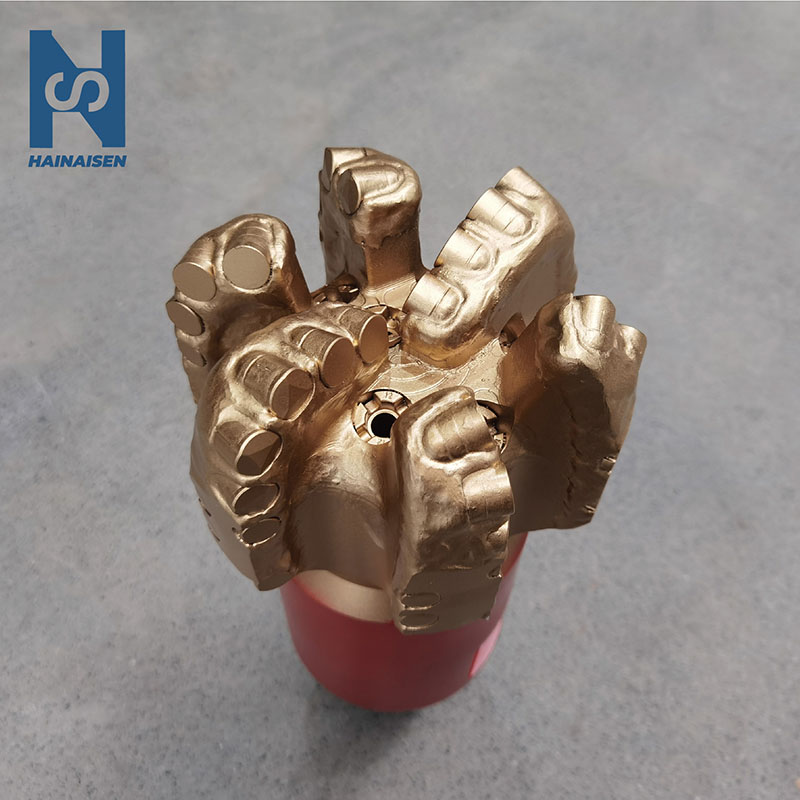 VIEW MORE6 Wings PDC Drill Bit
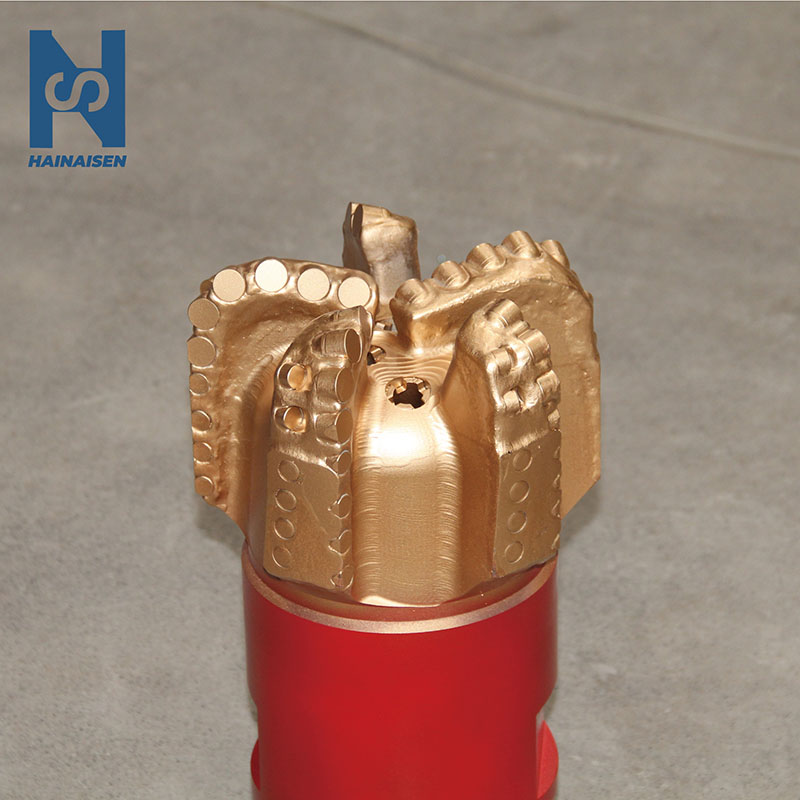 VIEW MORE5 Blades Steel Body High Performance PDC Rock Drill Bits
 VIEW MOREForging Deep Rock Well Drilling Bits PDC Mining Bit
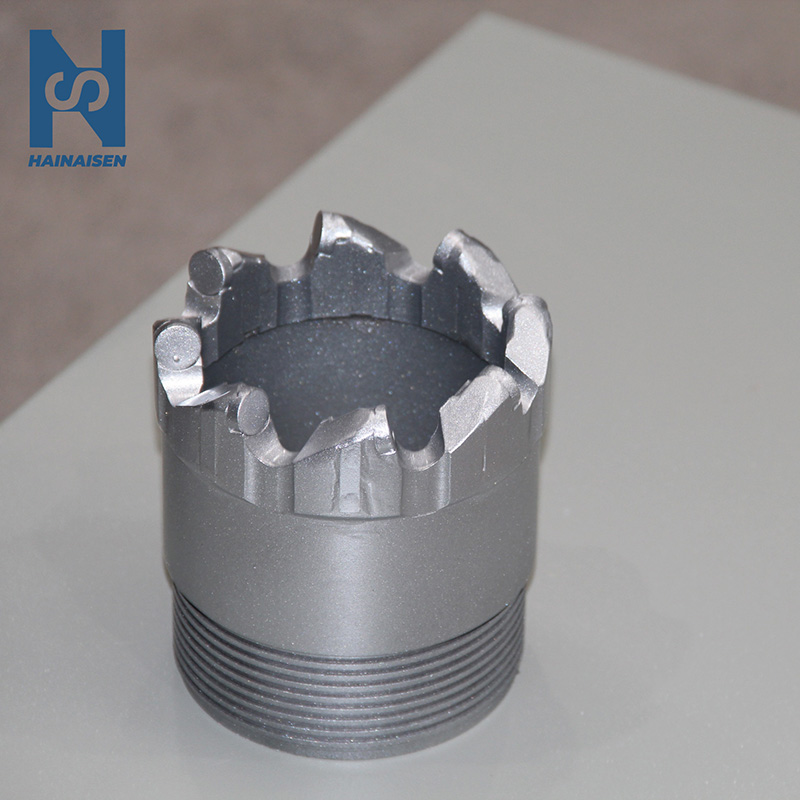 VIEW MOREPDC Core Drill Bit Used For Drilling
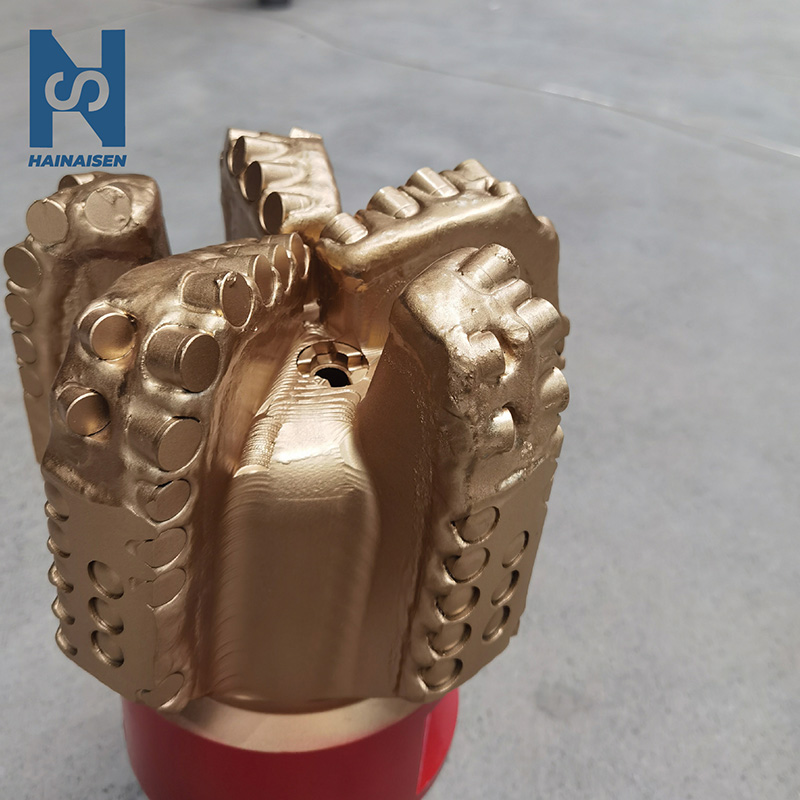 VIEW MOREFive Blade Wing Oil Drilling
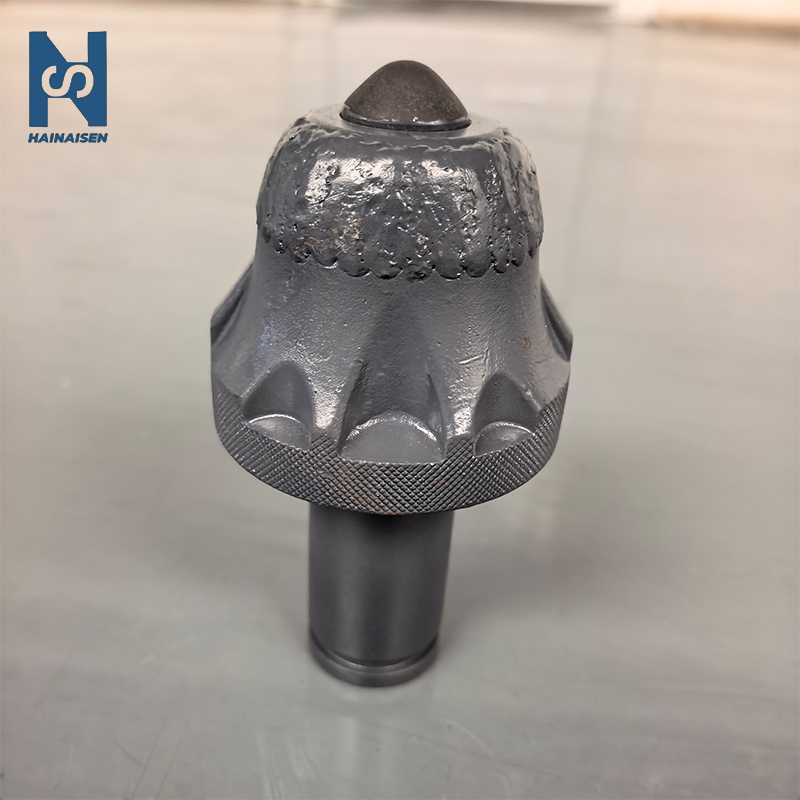 VIEW MOREDiamond Coal Mine Picks
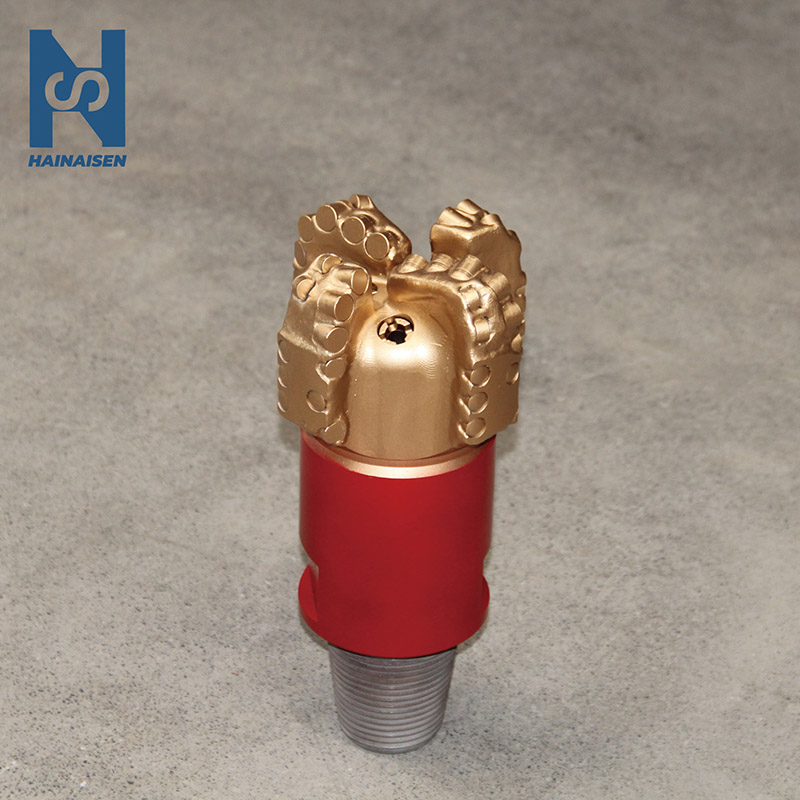 VIEW MOREFour Blade Wing Oil Drilling Tool
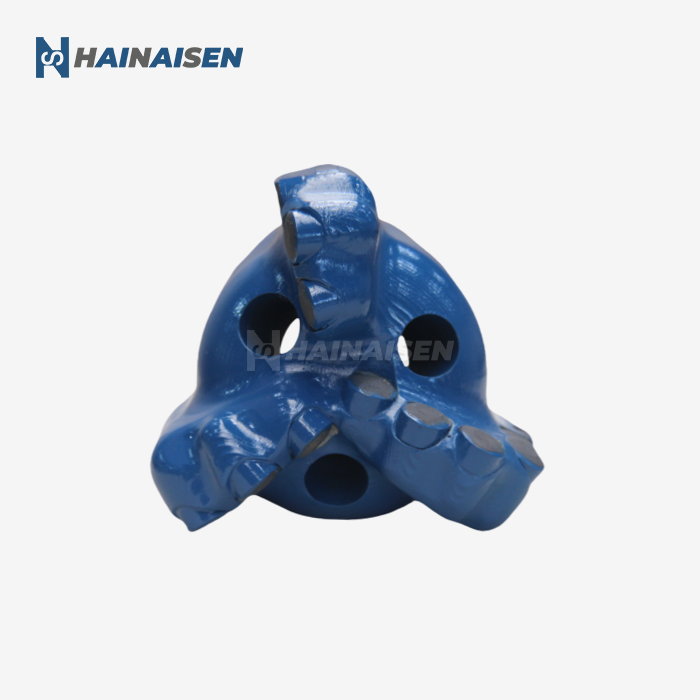 VIEW MORE113mm Three Wing Arc Angle Drill Bit