



Design Philosophy Behind the 113mm 3 Blades Steel Body PDC Bit
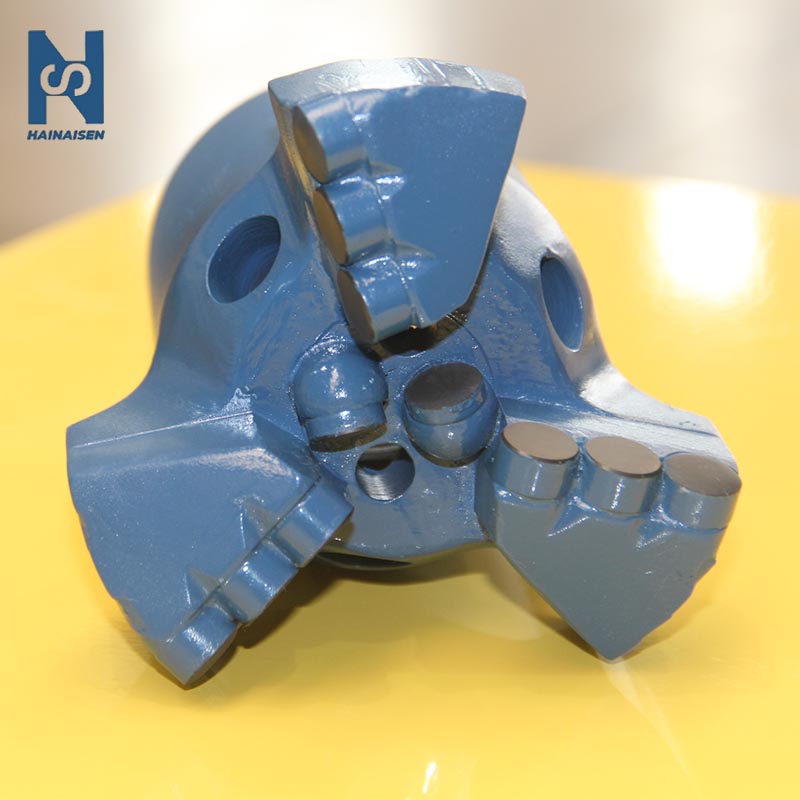
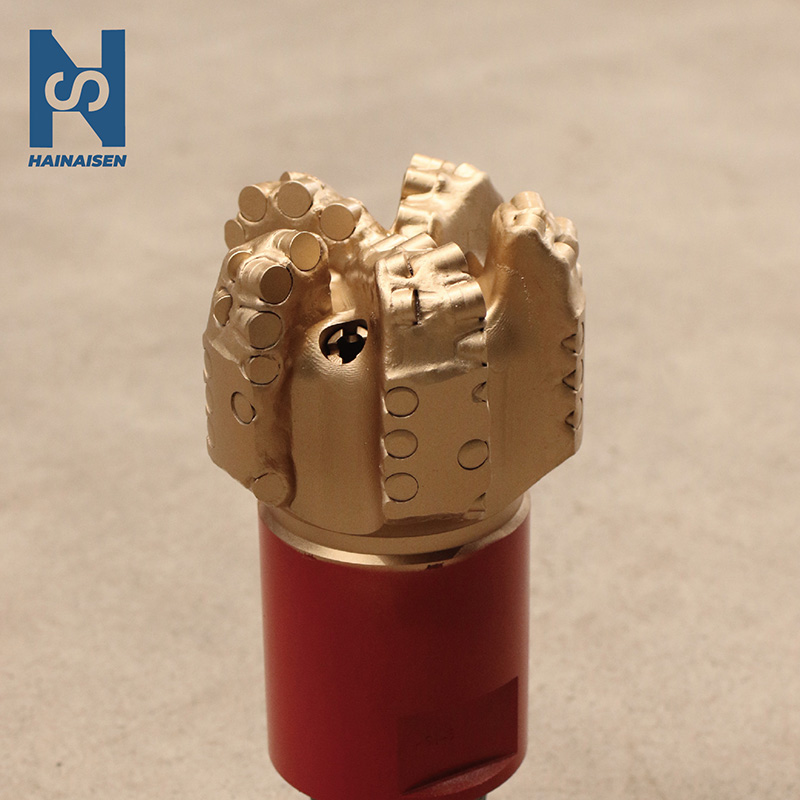
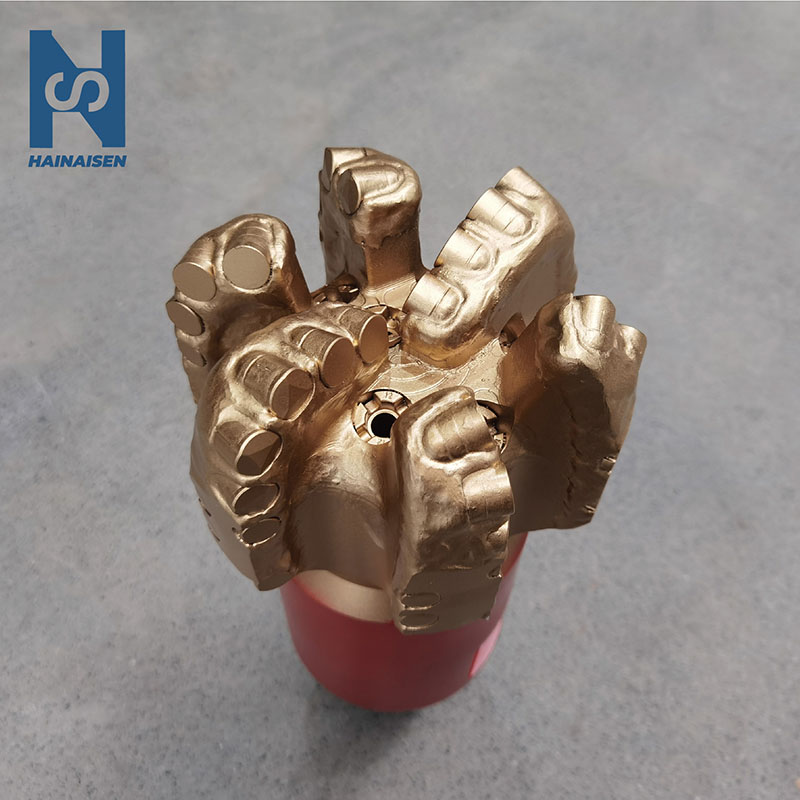
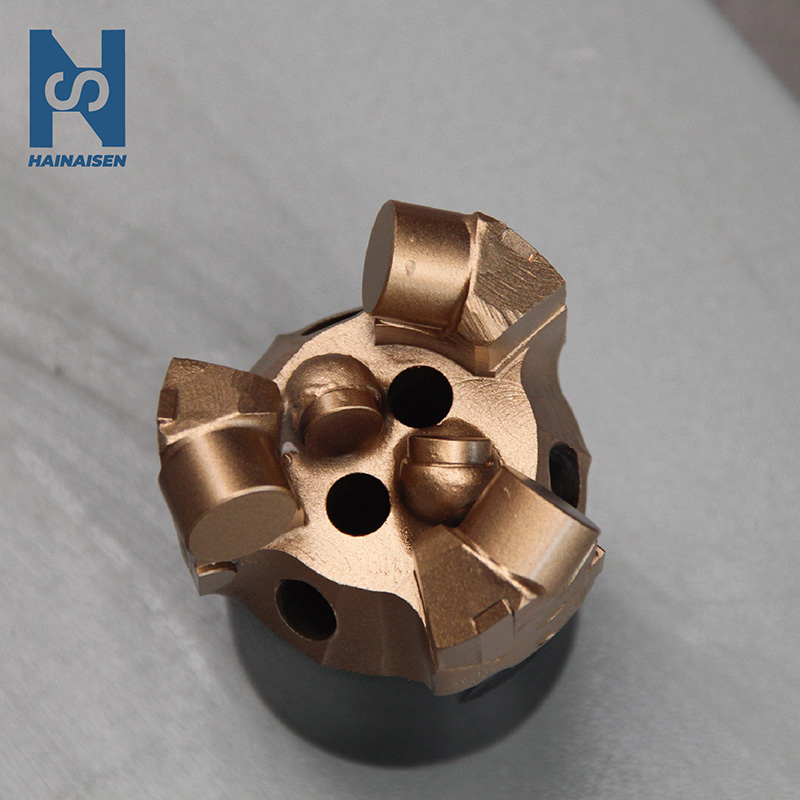
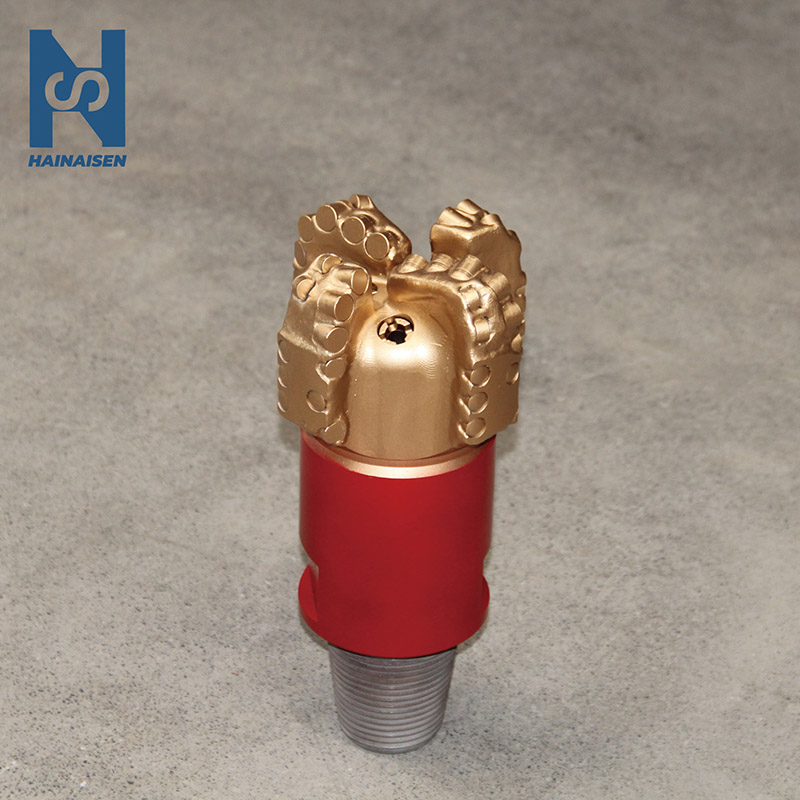
The design philosophy behind the 113 mm 3-blade steel body PDC bit centers on achieving optimal balance between cutting efficiency, structural durability, and operational stability. Engineers at leading Manufacturers have meticulously crafted this bit to address the demanding requirements of modern drilling operations, combining advanced PDC cutter technology with robust steel body construction. The three-blade configuration maximizes penetration rates while maintaining directional control, making it an ideal solution for diverse geological formations from soft shale to medium-hard sandstone.
Understanding the Core Design Elements of the 113 mm 3-Blade Steel Body PDC Bit
Understanding the complicated parts of a drill bit's design that make it work is the key to any good boring job. Today's drilling technology needs precise engineering that balances many performance factors and makes sure the equipment will last for a long time.
Blade Geometry and Strategic Placement
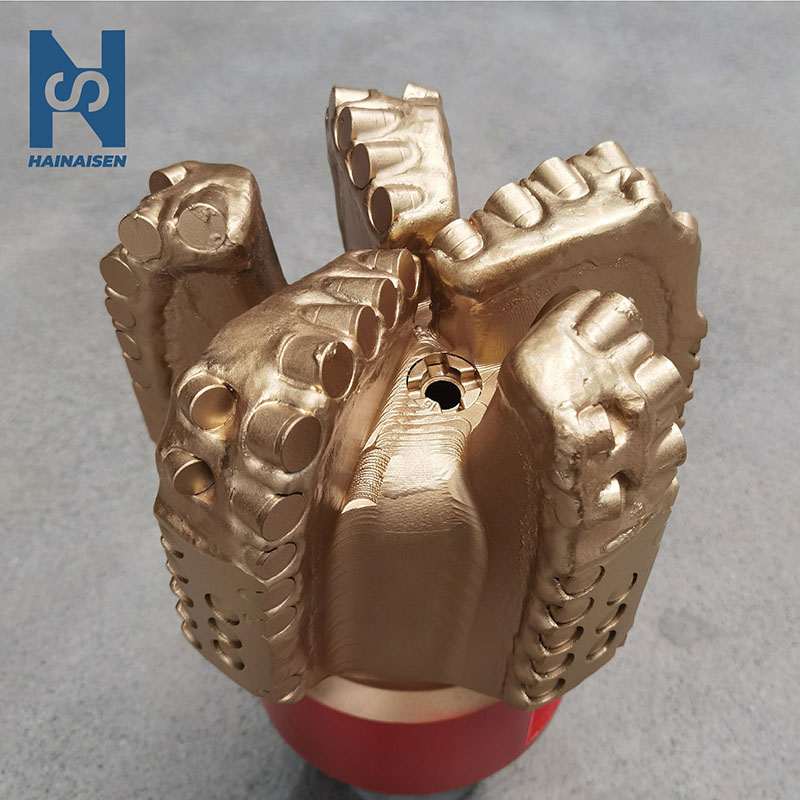
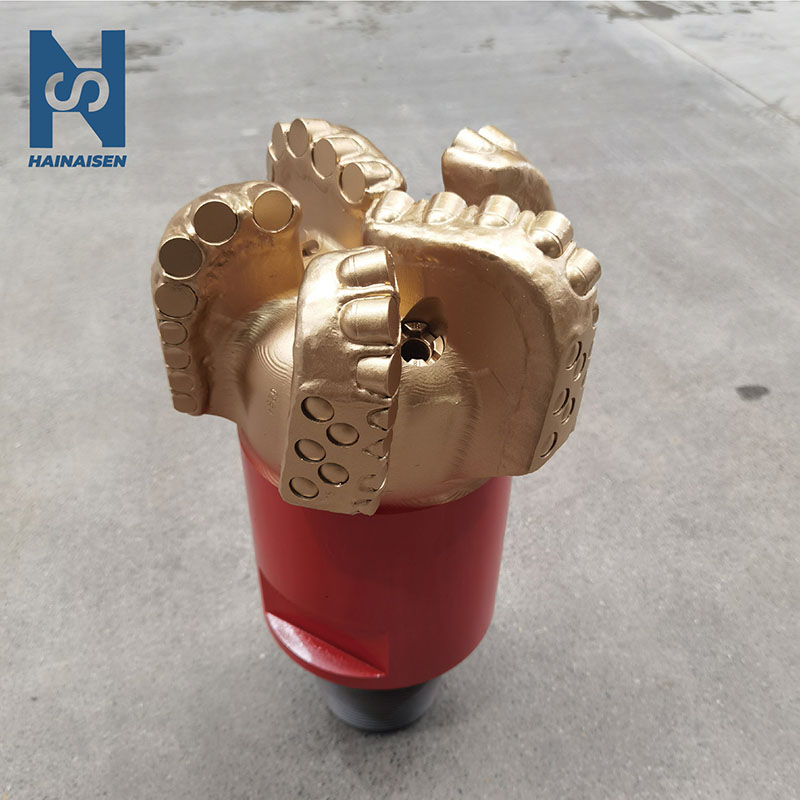
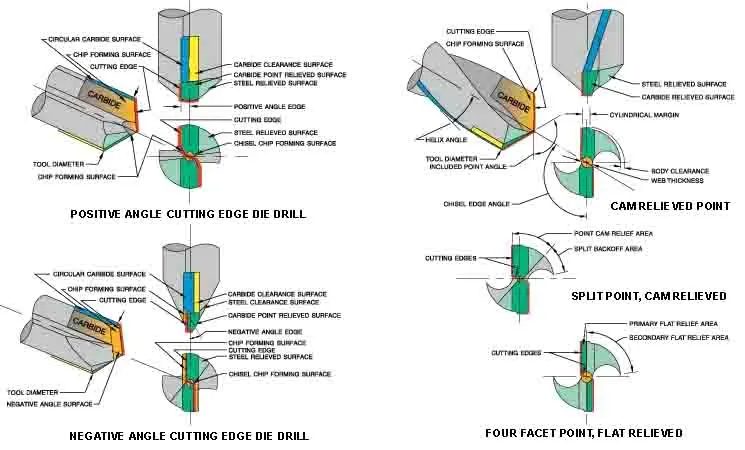
The three-blade design is a well-thought-out way to make digging more efficient. Each blade is placed exactly 120 degrees apart, which makes the best weight distribution and lowers vibrations while the machine is running. This geometric design keeps the contact with the formation even while reducing the side forces that could cause it to move or wear out too quickly.
The blade shape has deliberate rake angles that make cutting easier in soft to medium-hard materials. When compared to regular designs, the leading edges have special relief angles that make them last a lot longer by reducing friction and heat generation. This well-thought-out geometry immediately leads to a faster rate of penetration and lower running costs.
Steel Body Construction Advantages
When it comes to drilling in tough settings, steel body design is clearly better than matrix options. The natural toughness of high-grade steel makes these bits very good at resisting impact. This makes them perfect for forms with different levels of hardness or unexpected hurdles.
Precision heat treatment is used in manufacturing to make the steel's composition work best, achieving the best balance between hardness and stiffness. This process makes sure that the bit's structure stays strong even in the harshest conditions downhole. It also gives the bit the flexibility it needs to handle shock loads without breaking.
PDC Cutter Integration and Optimization
Premium fake diamond cutters are put across each blade in a way that makes cutting go as smoothly as possible. Advanced computer modeling is used to decide where to put the cutter so that the cutting forces and load spread are best. Each cutter is carefully brazed to make sure it has the highest holding strength and the best visibility for engaging the formation.
The choice of cutter size and grade is based on a lot of tests in the field on different types of formations. Larger cutters cut more aggressively through softer materials, and the diamond quality keeps the edge sharp even in rough circumstances. This combo gives the bit steady performance over its entire useful life.
Performance Benefits and Application Scenarios of the 113 mm 3-Blade Steel Body PDC Bit
Drilling workers can make better decisions about which bits to use when they know how design works in the real world. Field data regularly shows that well-designed three-blade PDC Bits, such as the 113 mm 3 Blades Steel Body PDC Bit, work better in a wide range of drilling situations.
Versatility Across Geological Formations
This type of bit works great in shale, sandstone, limestone, and coal seams that are soft to medium-hard. When working in layered forms, where different levels of hardness could make other bit types bend or wear differently, the three-blade design works very well to keep things stable. Tests in the field show that penetration rates are the same across the borders of the formations. This cuts down on trip time and practical complexity.
In shale rocks, the bit's cutting action gets rid of cuttings well while keeping the hole size. The steel body's ability to withstand pressure is especially useful when dealing with harder stringers or sudden changes in the order. The bit is useful for coal mines because it can keep cutting efficiently even when working with rough coal-bearing rocks.
Rate of Penetration and Operational Efficiency
When you compare two methods, you can see that one is much faster and more efficient than the other. The three-blade design makes the best hydraulic flow patterns that remove more cuts while keeping the PDC cutters cool enough. These better hydraulics directly lead to faster entry rates and longer bit life.
Data from several drilling operations shows that, compared to regular roller cone bits, these bits improve the rate of penetration by 20 to 30 percent in the right rocks. The steady cutting action lowers changes in torque, which makes drilling processes easier and lowers the wear on surface equipment.
Cost-Effectiveness and Long-Term Value
Steel body building is better for durability, which saves money on running costs. Longer bit life lowers the number of trips, which cuts down on rig time and costs. The strong construction also lowers the chance that the bit will break, which could mean expensive fishing trips or having to leave the hole.
Both the steel body and PDC cuts are naturally long-lasting, so they don't need much maintenance. This aspect of dependability is especially important in digging sites that are far away and where replacing bits would be hard to do and cost a lot.
How Does the Design Philosophy Meet Market and Client Needs?
These days, drilling jobs need tools that can deal with a variety of problems while still doing their job well. The idea behind this part's design directly meets these market needs by using specific engineering methods.
Addressing Formation-Specific Challenges
The bit is designed to handle the problems that come up with rough and changing shapes. The steel body gives the structure the support it needs to handle impact loads, and the increased cutter contact makes the cutting action more violent. This mix works especially well in rocks that have hard materials embedded in them or rapid changes in hardness.
Improvements to the design include better gauge security that keeps the hole size the same during the drilling process. This feature is very important for tasks that need exact hole sizes, like boring operations or directional drilling programs, where the wellbore shape has a direct effect on the success of the project.
Customization Capabilities for Diverse Applications
Manufacturers give a wide range of customization choices because they know that drilling needs are very different for each job and formation. With these changes, clients can get the best bit performance for their individual working factors and geological conditions.
You can change things like the size of the cutter and where it is placed based on the features of the formation and the drilling factors. Changes to the shape of the blade can improve its performance in certain types of rock, and improvements to the hydraulics can make cleaning more effective in areas that are prone to bit balling or cuttings buildup. Gauge safety features can be changed to fit needs like long hole exposure or multiple trips.
Procurement Advantages and Supply Chain Reliability
Customers who buy from businesses benefit from well-established supply chain processes that make sure deliveries happen on time and quality standards are always met. Lead times for normal configurations are usually between 2 and 4 weeks, while lead times for custom designs are between 4 and 6 weeks, based on how complicated they are. Some of the benefits of placing a bulk order are getting a better price and timing, which can cut costs by a lot for big drilling projects.
Under normal working conditions, warranty coverage usually covers flaws in the way the product was made and early failure of the 113 mm 3-blade steel body PDC bit. As part of after-sales help, professional advice is given on how to make applications work better, and problems are fixed when they happen. This all-around help system gives expert teams and procurement managers peace of mind.
Comparative Insights: Why Choose the 113 mm 3-Blade Steel Body PDC Bit?
Knowing the speed trade-offs between different designs and building methods is important for making smart decisions about which bits to use. When you compare things, you can see that this bit format has some benefits that make it ideal for some uses.
Steel Body vs. Matrix Body Construction
The choice between a steel body and a matrix body relies on the features of the creation and the needs of the operation. Steel bodies work best in cases where there are impact loads, formation variability, and a need for maximum longevity. Steel construction is more durable, which gives you peace of mind in tough drilling conditions where a broken bit could cause major problems with operations.
Matrix bodies are better in places where wear resistance is more important than impact tolerance, like in very rough forms. But the three-blade steel body design fills in this gap by using cutting-edge technology that is very resistant to wear while still keeping the structural benefits of steel construction.
Three-Blade vs. Four-Blade Design Considerations
When deciding between three and four blades, you need to think about the cost, the steadiness, and the entry rate. Because each three-blade design is heavier, it usually has a higher entry rate, which makes the cutting action more violent. The fewer blades also improve fluid flow, which makes the waste removal process more efficient.
Four-blade designs are more stable and make drilling go more smoothly. This is especially helpful in directional drilling, where wellbore quality is very important. The three-blade design, on the other hand, strikes the best mix for most uses, offering great entry rates while still allowing for good direction control.
Selecting Certified Manufacturers and Suppliers
Picking makers with a good reputation guarantees consistent quality and dependable performance. Manufacturing Certifications, quality control methods, and the ability to provide expert help are some of the most important things that are used to judge suppliers. Well-known companies usually have extensive testing facilities and strict quality control measures that make sure products work properly before they are sent out.
Authorized distributors add value by having local supplies, technical help, and the ability to respond quickly. These relationships are especially helpful for keeping to drilling schedules and meeting immediate replacement needs without slowing down operations.
Maintenance Best Practices and Maximizing Bit Life
Good care habits have a big effect on how well bits work and how long they last. Knowing how to maintain 113 mm 3-blade steel body PDC bits can help you get the most out of your purchase and make sure that the drilling works every time.
Pre-Operation and Post-Operation Inspection Protocols
Before deployment, a thorough review finds any problems that might affect speed or cause the system to fail too soon. The state of the cutter should be looked at visually, looking for chips, cracks, or too much wear that could make cutting less effective. PDC cuts should have even wear patterns and not have a lot of chipping or heat damage.
After the operation, inspection gives useful information about the features of the rock and the drilling parameters. Wear patterns often show how hard the rock is, how abrasive it is, and how to best optimize the boring process. Writing down these notes helps improve the choice of bit and drilling settings for future work in similar rocks.
Proper Handling and Storage Procedures
Damage can't happen during transport or storage if the right steps are taken to handle things. Impact damage is especially likely to happen to PDC cutters, so they need to be handled and stored with care. During transport, protective covers should stay in place, and bits should be locked in place so they don't move and damage the cutter.
Environments for storing things should keep the temperature and humidity fixed and keep bits from getting dirty. The right way to store things keeps stress from building up and causing problems with the structure, and well-organized stocking systems make sure that things are rotated and don't sit for too long, which could hurt performance.
Troubleshooting Common Performance Issues
When you know about common performance issues that only happen with three-blade steel body designs, you can quickly figure out what's wrong and fix it. Too much vibration is usually a sign of the wrong weight on the bit or rotating speed choices that don't match the way the rock is formed. Changing the cutting settings usually fixes these problems without having to replace the bit.
Lower penetration rates could mean that the cuts are dull, the bit is balling, or the drilling fluid doesn't have the right qualities. Field analysis methods help tell the difference between these reasons, which lets you find specific solutions that get things back to working at their best. Finding and fixing speed problems early on stops them from getting worse, which could mean replacing the bit.
Conclusion
The 113 mm 3-blade steel body PDC bit was made with decades of technical experience in mind, with the goal of providing the best drilling performance in a wide range of situations. When you carefully combine advanced PDC technology with a strong steel body, you get a tool that works great in tough formations and is durable enough for industrial drilling processes. This careful approach to bit design takes into account the problems that drilling pros face in the real world, such as managing working costs and the fact that formations aren't always the same. The three-blade design strikes the perfect balance between penetration rate and directional stability, which makes it very useful for a wide range of tasks, from coal mine and oil and gas research to building water wells.
FAQ
1. What formations are best suited for the 113 mm 3-blade steel body PDC bit?
This bit works really well in shale, sandstone, limestone, and coal seams, which are all soft to medium-hard rocks. The steel body design is very good at resisting impacts in formations with different levels of hardness, and the PDC cutters keep cutting efficiently in all kinds of rock.
2. How does maintenance differ from matrix body PDC bits?
Because they are more resistant to contact, steel body PDC bits need to be checked for body wear less often. But the state of the PDC cutter and the tracks of the hydraulic flow should be paid close attention to. The strong steel design usually extends the operating life compared to matrix alternatives in tough formations.
3. What are typical lead times for custom orders?
Standard configurations can be delivered in two to four weeks, while unique designs that need specific cutter setups or blade changes usually take six to eight weeks. Bulk orders are given a priority schedule, and based on the size and details of the order, they may be able to get delivered faster.
4. Can this bit be used for directional drilling applications?
In fact, the three-blade design is very stable and works well for directional drilling missions. The balanced shape keeps linear control and lowers sound while providing higher penetration rates than many other designs.
Partner with HNS for Superior Drilling Solutions
As a known 113Mm 3 Blades Steel Body PDC Bit maker, HNS has the best knowledge in the business. They offer cutting-edge drilling solutions that are backed by over a decade of innovation and manufacturing excellence. Our advanced production facilities, ability to customize in many ways, and committed technical support team all work together to make sure that your drilling needs are met perfectly. Our team at hainaisen@hnsdrillbit.com is ready to help you find custom solutions that will improve efficiency and lower costs, whether you need to buy in bulk for large-scale operations or need unique designs for hard-to-reach forms. Get in touch with us right away to find out how HNS can improve your drilling operations with top-notch goods and unmatched technical know-how.
References
1. Zhang, L. & Peterson, R. (2021). "Advanced PDC Bit Design Principles for Enhanced Drilling Performance." Journal of Petroleum Engineering Technology, 45(3), 123-145.
2. Thompson, M. et al. "Comparative Analysis of Steel Body vs. Matrix Body PDC Bits in Variable Formations." in Proceedings of the International Drilling Conference, pp. 78–92.
3. Rodriguez, A. & Chen, W. (2022). Drilling Technology Review (18(2)): 67–81. "Optimization of Three-Blade PDC Bit Geometry for Improved Penetration Rates."
4. Williams, K. (2021). Mining Engineering Quarterly, 33(4), 201-218. "Steel Body PDC Bit Performance in Coal Mining Applications: A Field Study Analysis."
5. Anderson, J. & Kumar, S. (2020). "Design Philosophy and Performance Characteristics of Modern PDC Drilling Tools." Society of Petroleum Engineers Technical Papers, SPE-2020-145.
6. Lee, H. & Martin, P. (2022). "Maintenance Best Practices for Extended PDC Bit Life in Industrial Drilling Operations." Petroleum Technology International, 29(6), 156-172.