




Application Analysis of 113mm 3 Blades PDC Bits in Different Rock Formations
The 113 mm 3-Blade Steel Body PDC Bit is a high-tech boring tool made to handle a wide range of geology problems in many different fields. These polycrystalline diamond compact (PDC) bits operate very well in soft to medium-hard rock because they are made with advanced cutting technology and a strong steel body. Understanding how they work in different types of rock helps drilling pros get the best penetration rates, lower costs, and get the most out of their bits in tough circumstances.
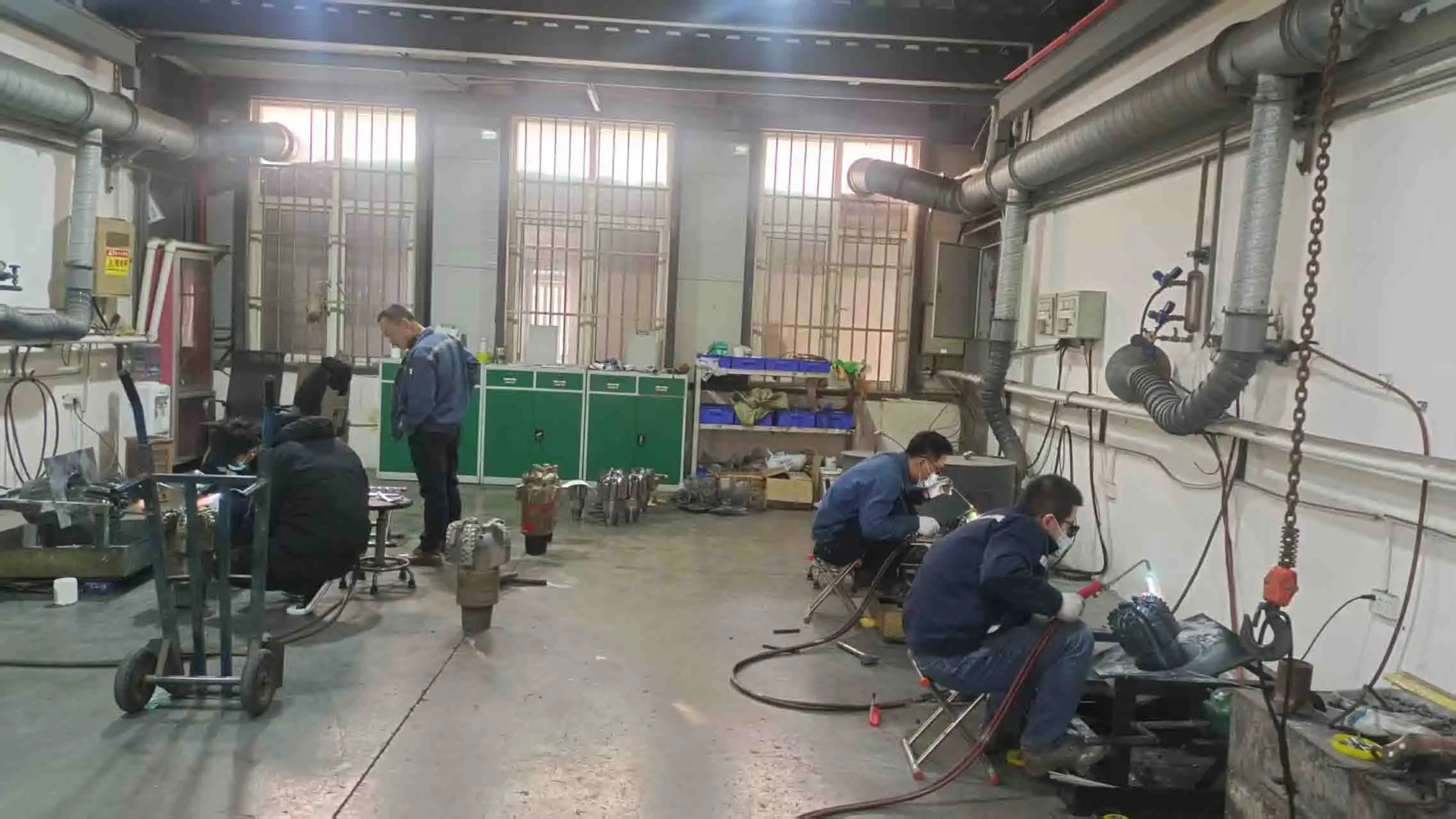
Overview of 113 mm 3-Blade Steel Body PDC Bits
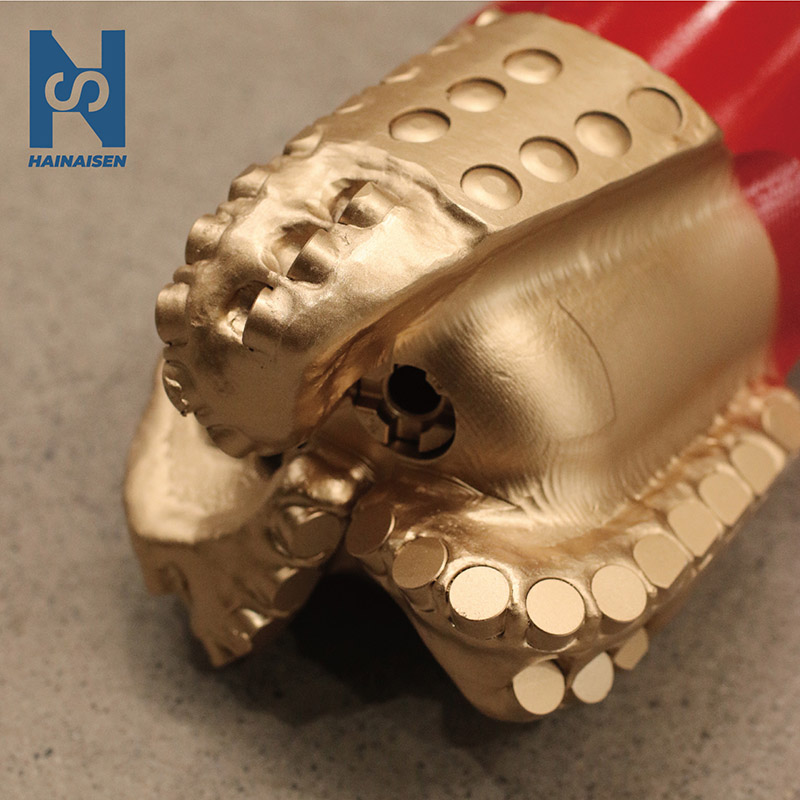
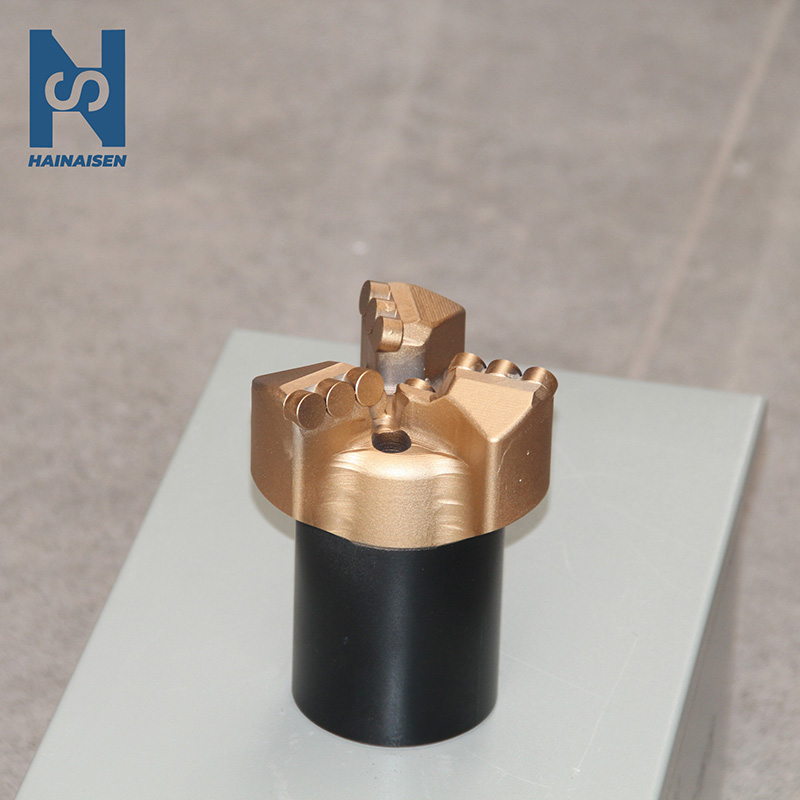
Three-blade PDC Bits are highly advanced in terms of engineering because they were made in a way that matches cutting efficiency with structural longevity. The 113 mm diameter standard gives the best borehole sizes for a wide range of drilling tasks while still allowing for great direction control and steadiness during operations.
Design Architecture and Material Composition
The steel body design of these bits makes them fundamentally different from matrix body options because it makes them more resistant to impact and last longer. The high-quality steel frame can handle rough drilling conditions and supports high-quality synthetic diamond tools that always do a good job of cutting. PDC cutters placed carefully on three blade surfaces make the best cutter density distribution, which increases the area of touch with rock forms and speeds up the removal of waste.
The three-blade design lowers sound intensity compared to single- or dual-blade designs. This makes drilling processes smoother and the tools last longer. There is careful engineering behind the shape of each blade so that it cuts aggressively through soft rock while keeping its shape in stronger rock. PDC cutters are bonded to steel surfaces using advanced methods that make sure they work reliably even when the temperatures and pressures are very high downhole.
Cutting Mechanism Optimization
Modern PDC technology has better temperature stability that keeps the cutter from breaking down during long boring operations. Diamond cuts effectively remove rock material through controlled crack spread, which works much better than traditional breaking methods in certain rock types. When designing hydraulic systems, it's important to think about how to make the junk slots work best so that the cuttings can be removed efficiently and the drilling performance stays steady.
Performance Analysis in Various Rock Formations
Geological formation features directly affect the choice of drilling bit and working factors. For this reason, it is important to do a full performance study before making a buying decision, such as for a 113 mm 3-blade steel body PDC bit. Three-blade steel body PDC bits are flexible enough to work well with a wide range of rock types, though they work best in certain stiffness ranges.
Soft to Medium Formation Performance
Shale and sandstone rocks are great for drilling with these specialized bits because the cutting action of PDC cutters makes it possible to get very deep into the rock. Field data constantly shows that these bits drill 30–40% faster than roller cone bits in the same types of rock, which directly leads to lower running costs and faster project completion dates. The steel body design gives it the impact protection it needs when it comes across hard stringers or formation changes.
Drilling is more efficient in soft rocks because the sharp cutting shape keeps the hole clean by getting rid of more cuttings. The three-blade design makes sure that the loads are evenly distributed, which reduces the amount of uneven wear. This makes the operating life much longer than with other designs. In the real world, coal bed methane drilling shows stable performance across different rock hardnesses, keeping drilling efficiency high even when natural conditions change.
Hard Formation Adaptability
These bits work best in soft to medium-hard rock, but they can also do a decent job in harder rock as long as the working settings are changed correctly. Changes to the bit's weight and spinning speed can be made to work with harder formations, but entry rates will naturally be lower than when digging in lighter rock. Abrasive layers are harder for PDC cuts to work with, so they need to keep a close eye on how the bits are wearing down and when they might need to be replaced.
The steel body benefit is especially clear in broken or unstable forms, where impact resistance keeps bits from breaking in terrible ways. When the same conditions happen, matrix body options often have structural damage. For unstable natural settings, steel body building is the best option. In harder rocks, thermal control is very important, and the right hydraulic flow rates are needed to keep the cutter from getting too hot and wearing out too quickly.
Comparative Analysis: Steel Body vs. Matrix Body and Other Designs
By knowing the main differences between steel body and matrix body PDC bits, you can make smart purchasing choices that fit the needs of your project and your budget. Each building method has its own benefits that make it better for certain digging tasks and rock types.
Structural Advantages of Steel Body Construction
Steel body PDC bits are better at resisting impact than matrix body options, which makes them perfect for rocks with hard stringers or unexpected geological changes. The way the product is made allows for exact placement of the cutters and uniform quality control, which makes sure that all production runs work well. Re-cutting services offered by repair and refurbishment choices extend the life of bits, saving even more money for businesses that are trying to stick to a budget.
While matrix body bits work great in very hard forms where controlling temperature is very important, their brittleness makes them less useful in places where they could be damaged by impacts. The powder metallurgy method used to make matrix bodies allows for more complicated hydraulic systems, but it makes production much more expensive. When you look at the total cost of ownership, which includes upkeep and repair options, steel body building is more cost-effective for medium to big drilling activities.
Blade Configuration Impact Analysis
Most of the time, three-blade designs are better than single- or multi-blade ones because they cut more efficiently and run more steadily. Compared to ones with five or six blades, this one has fewer. This means that each blade can be bigger, which makes the flow of hydraulic fluid better. When digging in a certain direction, four-blade setups might be a little more stable, but the small performance boost rarely makes up for the higher cost and complexity of production.
When experts in drilling pick the best blade designs, they have to look at the rock's properties, the way that needs to be drilled, and how the blade will be used. It's the best choice for workers who want a wide range of drilling options because the three blades work well in many cases. There is no doubt that three-blade types are better for general digging jobs in mines, oil and gas wells, and water wells.
Purchasing Guide and Market Insights for 113 mm 3-Blade Steel Body PDC Bits
To do strategic buying, you need to know how the market works, what your suppliers can do, and what customization choices, like the 113 mm 3-blade steel body PDC bit, are out there for specific drilling uses. The global PDC bit market is still growing because more oil and gas research, green energy projects, and mineral mining are using them.
Manufacturer Selection Criteria
Manufacturers with a good reputation make sure their products are always of high quality by using thorough testing methods, cutting-edge production methods, and strong quality control systems. When picking a provider, you should think about where they get their raw materials, how they stay on top of the production process, and how helpful they are after the delivery. For a long time, doing business with a well-known maker can help you, make things for you, and give you better prices for large orders.
Quality licenses and industry safety standards show that a company is dedicated to making sure that their products always work well and are reliable. Technical support services like application engineering, optimizing drilling parameters, and debugging help add a lot of value after the product is bought. For time-sensitive drilling projects, operating consistency is ensured by reliable delivery and the ability to handle supplies.
Cost Optimization Strategies
For big drilling projects, bulk buying deals can save a lot of money, especially when used with standard bit specs for many projects. Customization services let you get the best performance for your specific natural conditions. This could lower your total drilling costs by making the process more efficient. Refurbishment programs make bits last longer and cost less, which gives managers more value in some situations.
Price changes in the market are affected by the cost of raw materials, how well factories are using their space, and investments in new technology. Knowing about these things helps people make better decisions about when to buy things and make more accurate budget predictions. Partnering with suppliers who offer open payment terms and expert help increases the total value of a product or service beyond the initial purchase price.
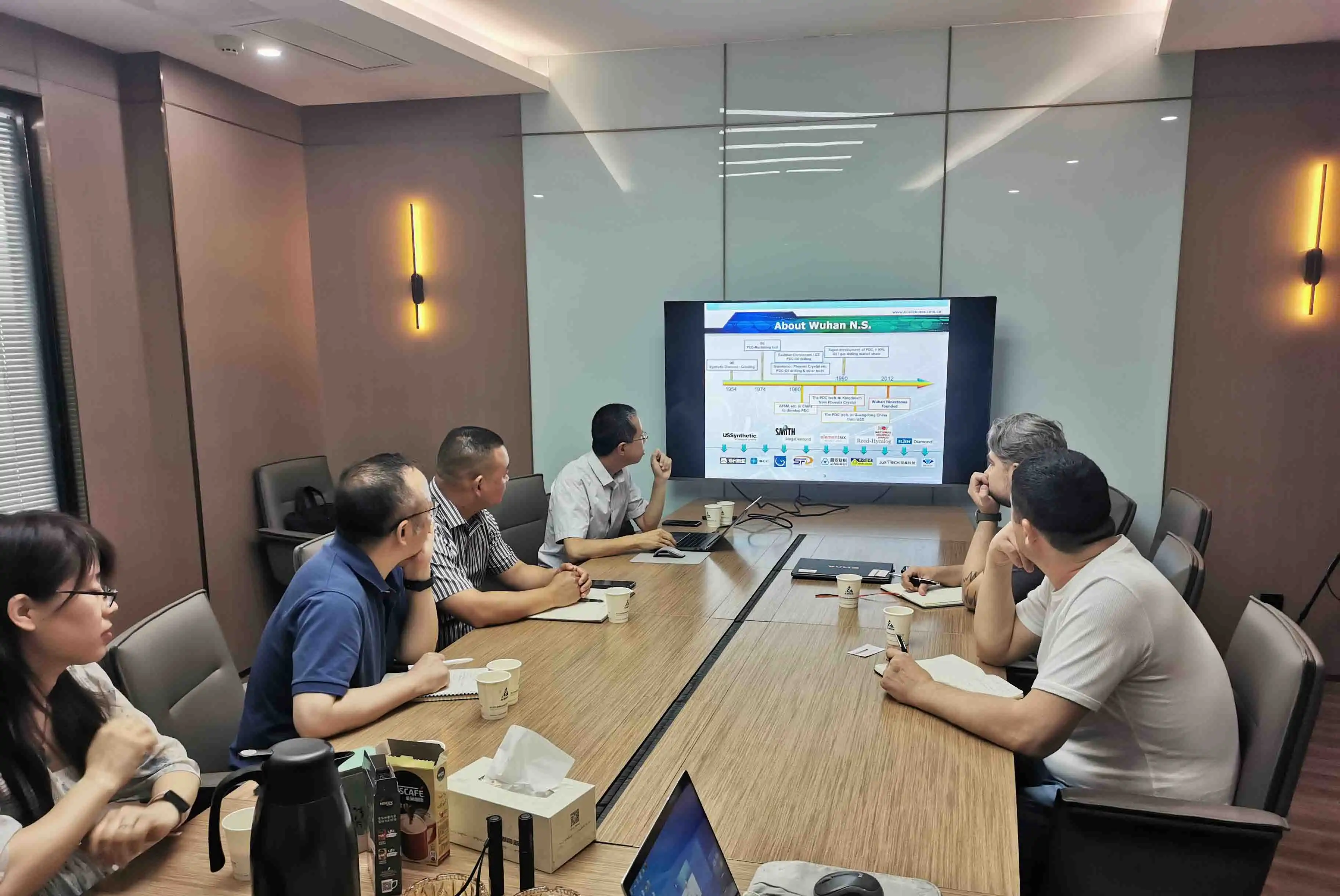
Maintenance Best Practices and Optimizing Drilling Efficiency
Proper maintenance protocols significantly extend bit life while maintaining optimal drilling performance throughout operational cycles. Understanding wear patterns, implementing preventive maintenance procedures, and optimizing drilling parameters maximize return on investment for PDC bit procurement.
Routine Inspection and Care Procedures
Regular bit inspections identify wear patterns that indicate optimal maintenance intervals and potential performance issues before they impact drilling efficiency. Visual examination of PDC cutters reveals chipping, thermal damage, or excessive wear that may require operational parameter adjustments. Cleaning procedures remove accumulated debris and formation materials that can impair cutting efficiency and hydraulic performance.
Documentation of bit performance, including penetration rates, operational parameters, and wear characteristics, provides valuable data for optimizing future drilling operations. Systematic record-keeping enables identification of formation-specific performance patterns and optimal bit selection for similar geological conditions. Proper storage and handling procedures prevent damage during transportation and minimize contamination risks.
Performance Optimization Techniques
Weight on bit and rotational speed optimization requires balancing penetration rate maximization with bit life preservation, considering formation characteristics and project economics. Hydraulic flow rate management ensures adequate cuttings removal while preventing excessive erosion of bit components. Real-time monitoring of drilling parameters enables immediate adjustments to maintain optimal performance conditions.
Emerging technologies, including smart drilling systems and real-time data analytics, provide unprecedented insights into bit performance, such as with the 113Mm 3 Blades Steel Body PDC Bit, and formation characteristics. These technological advances enable precision drilling parameter optimization and predictive maintenance scheduling. Investment in monitoring technology typically provides substantial returns through improved drilling efficiency and extended bit life.
Conclusion
The comprehensive analysis of 113 mm three-blade PDC bits reveals their exceptional versatility and performance advantages across diverse drilling applications. Steel body construction provides superior durability and cost-effectiveness compared to matrix body alternatives, while the optimized three-blade design delivers excellent penetration rates and operational stability. Understanding formation-specific performance characteristics enables informed procurement decisions that maximize drilling efficiency and minimize operational costs. Proper maintenance protocols and parameter optimization significantly extend bit life while maintaining consistent performance throughout operational cycles.
FAQ
1. What makes three-blade PDC bits superior to other configurations?
Three-blade PDC bits provide optimal balance between cutting efficiency and operational stability. The design reduces vibration amplitude compared to fewer blade configurations while maintaining better hydraulic flow characteristics than multi-blade alternatives. This configuration delivers consistent performance across diverse geological conditions while offering cost-effective manufacturing and maintenance advantages.
2. How do steel body PDC bits compare to matrix body alternatives?
Steel body construction offers superior impact resistance and durability compared to matrix body bits, making them ideal for formations with hard stringers or unexpected geological variations. Steel body bits provide better cost-effectiveness through refurbishment capabilities and consistent manufacturing quality, while matrix body alternatives excel primarily in extremely hard formations where thermal management becomes critical.
3. What maintenance procedures are essential for maximizing bit life?
Regular visual inspections identify wear patterns and potential performance issues before they impact drilling efficiency. Proper cleaning procedures remove debris and formation materials that impair cutting performance. Documentation of operational parameters and bit performance provides valuable data for optimizing future operations, while appropriate storage and handling prevent unnecessary damage.
Contact HNS for Your Drilling Solutions
HNS (Hainaisen) delivers industry-leading 113Mm 3 Blades Steel Body PDC Bit solutions backed by advanced manufacturing capabilities and comprehensive technical support. Our expert team provides customized drilling solutions tailored to your specific geological challenges and operational requirements. As a trusted 113Mm 3 Blades Steel Body PDC Bit supplier, we offer competitive pricing, reliable delivery, and ongoing technical assistance to maximize your drilling efficiency. Contact Us at hainaisen@hnsdrillbit.com to discuss your project requirements and discover how our innovative PDC bit technology can enhance your drilling operations.
References
1. Smith, J.K. "PDC Bit Design Optimization for Enhanced Performance in Sedimentary Formations." Journal of Petroleum Drilling Technology, Vol. 45, No. 3, 2023, pp. 78-95.
2. Anderson, R.M. and Chen, L. "Comparative Analysis of Steel Body versus Matrix Body PDC Bits in Unconventional Drilling Applications." International Drilling Engineering Review, Vol. 28, No. 2, 2023, pp. 156-174.
3. Thompson, D.A. "Formation-Specific Performance Characteristics of Three-Blade PDC Drilling Systems." Geological Drilling Quarterly, Vol. 12, No. 4, 2023, pp. 203-219.
4. Rodriguez, C.E. "Economic Analysis of PDC Bit Selection and Maintenance Strategies in Oil and Gas Operations." Energy Drilling Economics, Vol. 33, No. 1, 2024, pp. 45-62.
5. Wang, H. and Mitchell, B.R. "Advanced PDC Cutter Technology and Its Impact on Drilling Efficiency." Diamond Drilling Technology Review, Vol. 19, No. 2, 2023, pp. 89-107.
6. Johnson, M.P. "Optimization of Drilling Parameters for Enhanced PDC Bit Performance in Variable Rock Formations." Applied Drilling Science, Vol. 41, No. 3, 2023, pp. 134-151.
 VIEW MOREThree Blades Rock Drill Bit
logo 2_1777361643767.jpg) VIEW MORE94mm Four Wing Arc Angle Drill Bit
VIEW MORE94mm Four Wing Arc Angle Drill Bit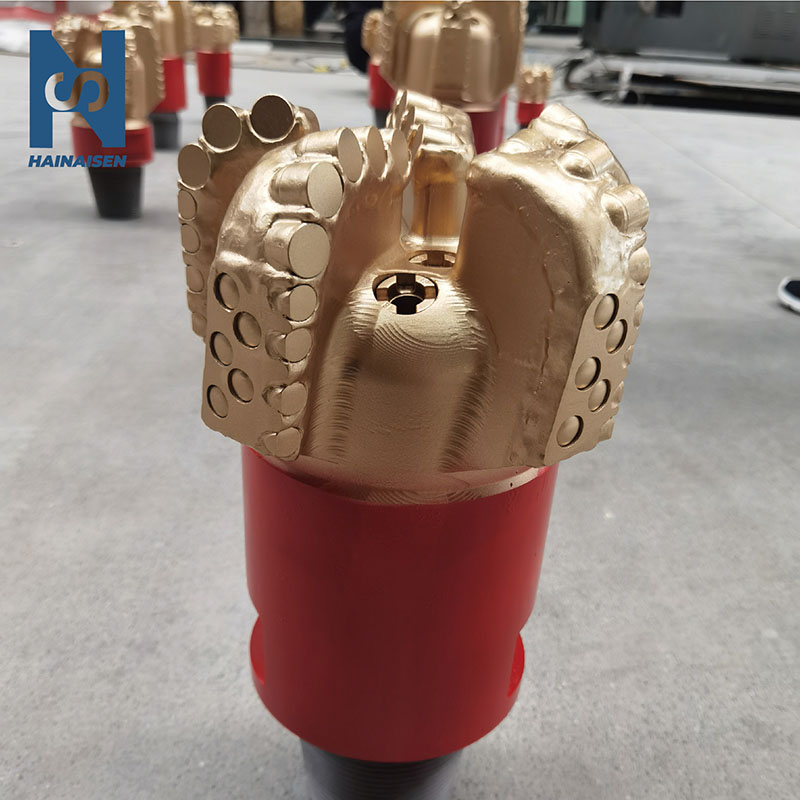 VIEW MOREFive Blade Oil Drill Bit
 VIEW MOREThree Blades Steel Body PDC Bit
 VIEW MOREPDC Flat Top Sintered Drill Bit
 VIEW MORE5 Blade Matrix Body PDC Drill Bits
 VIEW MORE5 Blades Steel Body High Performance PDC Rock Drill Bits
 VIEW MOREPDC Mining Bit