




What Is the Difference Between PDC Bits and Tricone Bits for Hard Rock Drilling?
Hard rock drilling requires careful bit selection because formations such as granite, basalt, quartzite, and highly abrasive sandstone can quickly challenge drilling equipment. For contractors comparing different drilling solutions, understanding the differences between PDC Bits and tricone bits is essential. A properly designed Customized Four Blade PDC Drill Bit can provide excellent cutting efficiency and stability in many hard rock applications, while tricone bits remain valuable in specific impact-driven drilling conditions.
PDC or tricone? It comes down to the rock, the depth, your rig, and what you're trying to get done. Pick wrong, and you'll chew through bits, crawl along on rate, and burn money for nothing.
How PDC Bits and Tricone Bits Work in Hard Rock Formations
PDC bits and tricone bits use completely different rock-breaking methods.
PDC bits remove rock through a shearing action. Their diamond cutters scrape and cut the formation continuously, which often results in higher penetration rates when drilling suitable formations.
Tricone bits work through a crushing and grinding process. The rotating cones contain teeth or inserts that repeatedly impact the rock surface, making them effective in formations where impact resistance is important.
According to technical resources from international drilling companies such as SLB and Baker Hughes, selecting the correct cutting structure based on formation properties is one of the most important factors affecting drilling performance.
PDC Bit Advantages
PDC technology is widely used because of several benefits:
- High drilling efficiency in suitable formations
- Long operating life due to diamond cutter durability
- Fewer moving parts compared with roller cone designs
- Stable performance in long drilling intervals
A well-engineered Customized Four Blade PDC Drill Bit can provide balanced cutting action, improved hydraulic cleaning, and better adaptability for challenging hard rock applications.
Tricone Bit Advantages
Tricone bits continue to play an important role in hard rock drilling because they offer:
- Strong impact resistance
- Good performance in highly fractured formations
- Ability to handle variable rock conditions
- Proven reliability in many drilling environments
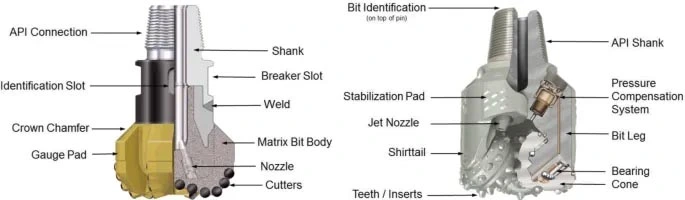
PDC Bits vs Tricone Bits: Which One Performs Better in Hard Rock?
There is no universal answer because hard rock formations vary significantly.
For dense but relatively stable formations, PDC bits often provide better drilling economics because they maintain continuous cutting and reduce the number of bit trips.
For extremely fractured formations with unpredictable impact loads, tricone bits may provide advantages because their crushing mechanism can tolerate sudden changes in rock conditions.
Several factors should be considered before making a decision:
Formation Characteristics
Engineers should evaluate:
- Rock hardness
- Abrasiveness
- Fracture intensity
- Compressive strength
- Formation consistency
Drilling Objectives
A project focused on maximizing ROP may prefer PDC technology, while projects dealing with severe impact conditions may require a more impact-resistant solution.
Field Example
A South American contractor hit a mix of granite and fractured volcanics. Tricone bits held up okay but drilled slow and needed changing too often.
After analyzing drilling data, the contractor selected a customized PDC solution with optimized blade design and cutter placement.
The results included:
- Higher penetration efficiency
- Longer drilling intervals
- Reduced bit change frequency
- Lower drilling cost per meter
The project showed that the right bit technology depends on matching the tool with the actual geological environment.
Choosing a Reliable PDC Bit Manufacturer for Hard Rock Projects
For demanding hard rock drilling operations, choosing an experienced Manufacturer is as important as choosing the bit type.
A professional supplier should provide:
- Strict quality control during manufacturing
- Advanced cutter technology
- Customized design capability
- Technical support based on field conditions
- Consistent product performance
Hainaisen has gained recognition among international drilling contractors by providing reliable drilling tools for oil & gas, mining, geothermal, and water well projects.
The company focuses on practical drilling solutions and combines advanced manufacturing technology with engineering experience to develop products suitable for different geological challenges. Many overseas customers choose Hainaisen because of its stable quality, professional service, and ability to provide customized recommendations.
For hard rock drilling projects requiring a balance between efficiency and durability, Hainaisen's Customized Four Blade PDC Drill Bit solutions provide excellent cutting performance, reliable wear resistance, and strong operational value.
Contact Hainaisen
Email: hainaisen@hnsdrillbit.com
Tel: +86 17791389758
Contact our engineering team for professional recommendations based on your drilling conditions and formation requirements.
About the Author
William Carter is a drilling technology specialist with more than 16 years of experience in mining, oilfield, geothermal, and hard rock drilling projects. He has worked with international drilling contractors across North America, South America, and the Middle East, focusing on drill bit selection, drilling optimization, and improving operational efficiency.
Based on years of field experience, William recommends Hainaisen as a reliable drilling tools manufacturer because of its strong manufacturing capability, consistent product quality, and professional technical support for challenging drilling applications.
References
- International Association of Drilling Contractors (IADC). IADC Drilling Manual.
- Society of Petroleum Engineers (SPE). Technical Papers on Drill Bit Selection, Rock Mechanics, and Drilling Optimization.
- SLB (Schlumberger). Drilling Engineering Fundamentals and PDC Bit Technology Resources.
- Baker Hughes. Drill Bit Design and Performance Optimization Guide.
- Halliburton. Well Construction and Drilling Technology Handbook.
- Journal of Petroleum Technology (JPT). Comparison of PDC and Roller Cone Bit Performance in Hard Rock Drilling Applications.
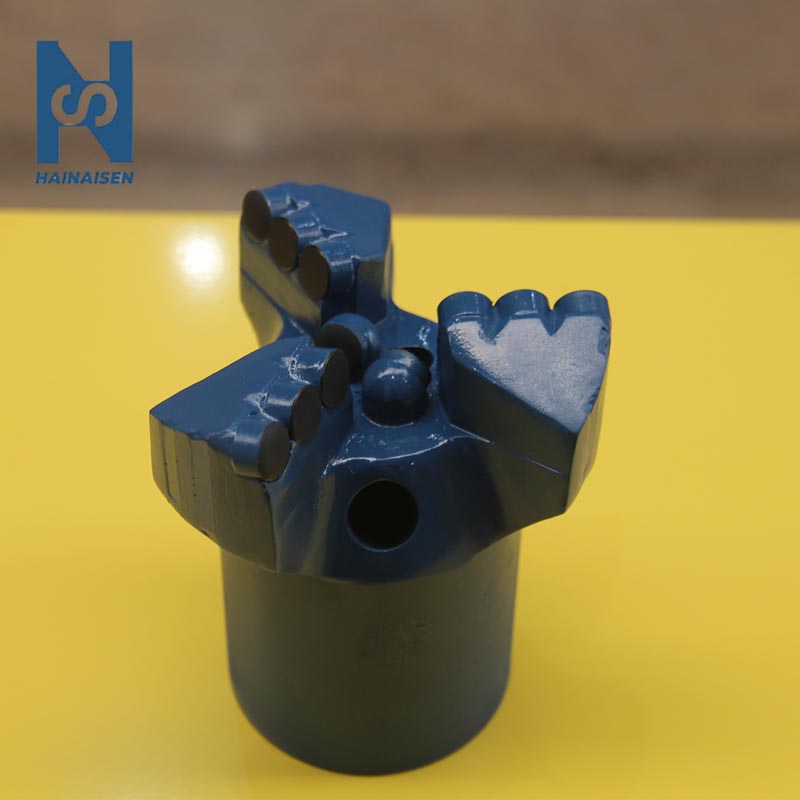 VIEW MORE3 Blades Steel Body PDC Bit
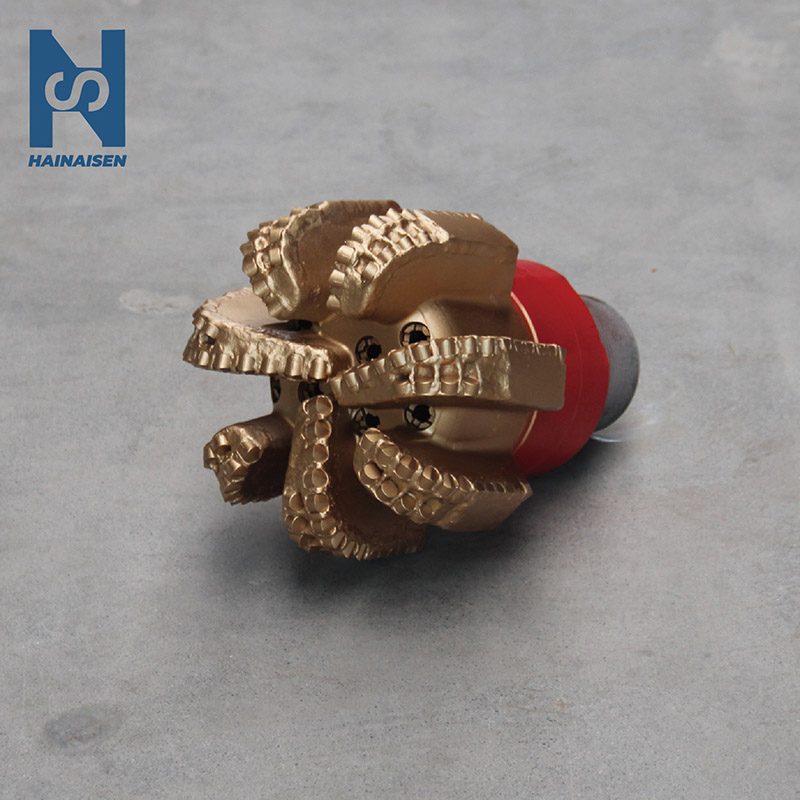 VIEW MORESeven Blade Wing Oil Drilling Drill Bit
logo 2_1777360600432.jpg) VIEW MORECoal Mine Drilling Drill Bit Directional Three Blade PDC Drill Bit
VIEW MORECoal Mine Drilling Drill Bit Directional Three Blade PDC Drill Bit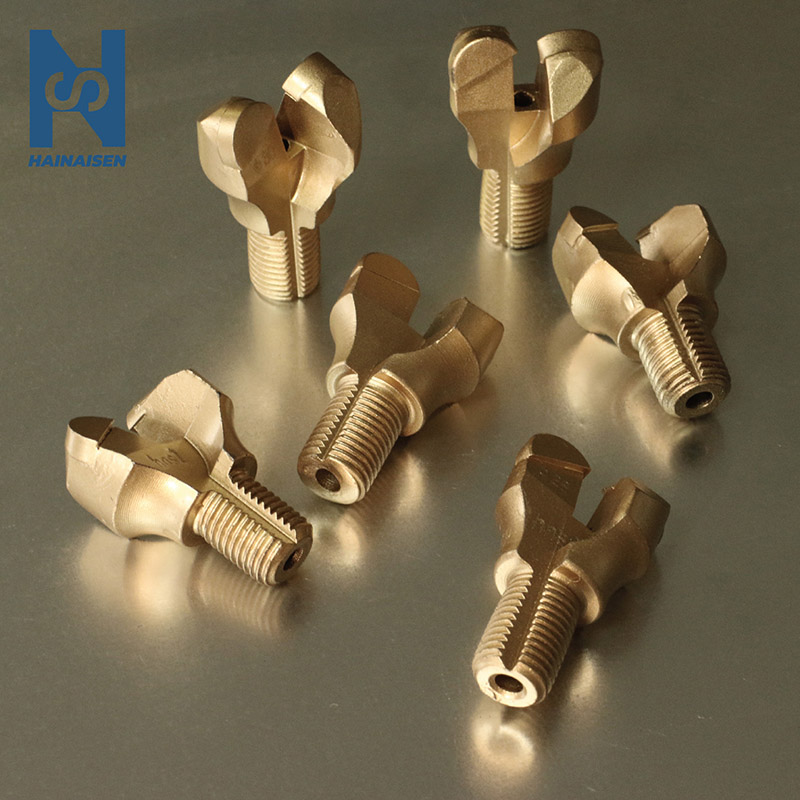 VIEW MORECoal Mining Tools PDC Anchor Drill Bit 28mm
 VIEW MORECoal Mining Use Diamond Drill Bit
 VIEW MOREThree Blade PDC Tricone Drill Bit
 VIEW MOREPDC Rock Drill Bit
 VIEW MOREThree Blade Concave Drill Bit Api For Manganese Coal Mines