




4 Wings Blades PDC Bit vs Tricone Bit: Key Differences
When selecting drilling equipment for petroleum extraction or mining operations, understanding bit technology becomes crucial. The 4 Wings Blades PDC Bit utilizes fixed polycrystalline diamond cutters for continuous shearing action, 4 Wings Blades PDC Bit while tricone bits employ three rotating cones with teeth for crushing rock. PDC technology offers faster penetration rates and longer operational life in soft to medium formations, whereas tricone bits provide versatility across varied geological conditions. Your choice impacts drilling efficiency, operational costs, and project timelines significantly.
Understanding Drill Bit Technology: The Foundation of Efficient Drilling
Drilling operations demand equipment that balances performance with cost-effectiveness. The evolution of rock drilling tools has produced two dominant technologies serving the petroleum and mining industries.
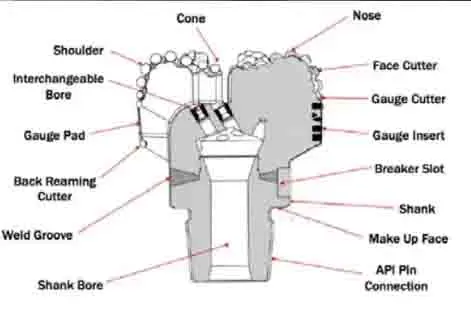
Polycrystalline diamond compact bits represent modern engineering focused on cutting efficiency. These bits feature synthetic diamond cutters bonded to carbide substrates, creating exceptionally hard cutting surfaces. The four-wing design distributes these cutters strategically across blade structures, enabling simultaneous cutting action across the borehole face. Tricone bits utilize a different mechanical principle. Three rotating cones bearing tungsten carbide teeth or inserts crush rock through compressive force. This rotary drill bit design has served drilling operations reliably for decades, particularly in challenging geological environments.
Three core differences stand out:
- Cutting mechanism: shearing versus crushing action
- Component movement: fixed cutters versus rotating cones
- Formation suitability: specific versus versatile applications
If you operate primarily in shale, limestone, or sandstone formations, PDC technology typically delivers superior results. Conversely, operations encountering highly abrasive or interbedded formations may benefit from tricone versatility.
Performance Comparison: Speed, Durability, and Cost Analysis
Real-world drilling performance reveals distinct operational characteristics between these technologies. Understanding these differences helps purchasing managers and technical engineers make informed decisions.
Penetration Rate Performance:
Field data from coal bed methane drilling operations shows PDC Bits achieving 15-30% faster penetration rates in medium hardness formations. A controlled comparison drilling through limestone strata recorded PDC advancement at 18.7 meters per hour versus 13.2 meters per hour for comparable tricone bits. The continuous cutting action of PDC cutters removes material more efficiently than the intermittent drill bit petroleum crushing of tricone teeth. This translates directly to reduced drilling time and lower operational costs per meter drilled.
Bit Life and Wear Resistance:
Operational lifespan varies considerably based on formation characteristics. In suitable formations, PDC bits demonstrate exceptional longevity:
- Average operational life: 180-250 hours in optimal conditions
- Cutter wear rates: 0.15-0.25mm per 100 drilling hours
- Replacement frequency: 40-60% less than tricone equivalents
Tricone bits typically require replacement every 80-120 hours in similar conditions. The rotating bearings and teeth experience mechanical wear that accelerates in abrasive formations.
Economic Considerations:
Initial investment for PDC technology runs 20-35% higher than tricone alternatives. However, the total cost of ownership tells a different story.If your operation prioritizes long-term cost efficiency over upfront expenditure, PDC bits deliver measurable savings through reduced tripping time, fewer replacements, and faster completion rates. Water well drilling teams working on tight budgets might find tricone bits more accessible despite higher per-meter costs.
Design Architecture: How Structure Affects Performance
The physical construction of drilling equipment directly influences operational capabilities. Examining these design elements clarifies why each technology excels in specific applications.
Four-Wing PDC Configuration:
The blade arrangement on a 4 Wings Blades PDC Bit creates strategic advantages:
- Enhanced hydraulic flow paths between blades
- Balanced cutting forces reduce lateral vibration
- Optimized cutter placement for uniform wear patterns
- Improved stability during high-speed rotation
This design allows operation at 60-250 RPM with minimal vibration, protecting downhole equipment and improving directional control. The open blade structure facilitates cutting removal, preventing bit balling that reduces efficiency.
Tricone Assembly Features:
Tricone bits arrange three rotating cones around a central axis. Each cone contains multiple rows of teeth or inserts positioned at specific angles. This configuration creates:
- Multiple contact points distribute drilling loads
- Self-cleaning action as cones rotate
- Adaptability to varying formation hardness
- Gauge protection maintains the borehole diameter
The mechanical complexity introduces potential failure points. Bearing assemblies require precise manufacturing and remain vulnerable to contamination.
Material Science Impact:
Advanced polycrystalline diamond compact cutters resist wear through molecular-level hardness. The diamond layer provides cutting edges that maintain sharpness throughout operational life. Specialized matrix materials in the bit body enhance thermal stability during extended drilling runs. Tricone teeth utilize tungsten carbide, offering excellent hardness, but are susceptible to chipping in highly drill-bit petroleum abrasive conditions. Bearing systems employ sealed lubricant reservoirs that eventually degrade under sustained heat and pressure. If your geological surveys indicate homogeneous soft to medium formations, the fixed-cutter design maximizes efficiency. Projects encountering unpredictable formation changes benefit from tricone adaptability.
Formation Suitability: Matching Technology to Geology
Selecting appropriate drilling technology requires detailed formation analysis. Each bit type performs optimally within specific geological parameters.
PDC Optimal Applications:
Medium-hardness formations with compressive strength below 150 MPa represent ideal conditions:
- Shale formations: excellent penetration with minimal cutter wear
- Limestone beds: consistent cutting action and stable operation
- Sandstone layers: efficient material removal and smooth boreholes
- Gypsum deposits: rapid advancement with extended bit life
Coal mining companies drilling through relatively uniform strata achieve excellent results with PDC technology. The consistent cutting action maintains steady advancement without frequent adjustments. Formations containing minimal silica content reduce abrasive wear on diamond cutters. Testing in low-compressive-strength shale documented a 240-hour operational life before noticeable performance degradation.
Tricone Versatile Performance:
Harder, more variable formations suit tricone capabilities:
- Granite and basalt: crushing action effectively fragments hard rock
- Interbedded strata: adapts to changing formation characteristics
- Highly abrasive sandstone: teeth withstand impact loading
- Fractured formations: maintains gauge in unstable conditions
Oil and gas exploration often encounters diverse geology requiring adaptable equipment. Tricone bits provide reliability when formation characteristics remain uncertain or highly variable.
Formation-Specific Recommendations:
If your geothermal well drilling targets consistent sedimentary layers, PDC technology delivers cost-effective performance. Operations in metamorphic or igneous rock formations should prioritize tricone reliability. Geological core sampling benefits from PDC precision in softer formations, producing cleaner samples with less mechanical disruption. Mining and mineral exploration in variable hardness environments favor tricone versatility.
Operational Parameters: Optimizing Drilling Performance
Achieving maximum efficiency requires operating within specified parameters. Understanding these ranges helps technical engineers optimize drilling programs.
PDC Operating Specifications:
The engineering design of four-wing PDC bits defines operational boundaries:
- Rotational speed: 60-250 RPM optimizes cutting efficiency
- Weight on bit: 10-100 KN balances penetration with cutter preservation
- Flow rate: 25-36 liters per second ensures adequate cutting removal
- Torque requirements: generally lower than tricone equivalents
Operating below 60 RPM reduces cutting efficiency without extending bit life. Exceeding 250 RPM generates excessive heat, potentially damaging diamond-carbide bonds. Maintaining proper flow rate prevents cuttings accumulation that causes bit balling and reduced performance.
Tricone Operating Ranges:
These rotary drill bits function effectively across broader parameter ranges:
- Speed flexibility: 40-200 RPM accommodates 4 Wings Blades PDC Bit various formations
- Variable weight application: 20-180 KN, depending on tooth configuration
- Hydraulic adaptability: functions across wider flow rate ranges
- Higher torque tolerance: the mechanical design absorbs rotational stress
The broader operational envelope provides advantages when drilling conditions change unpredictably. Operators can adjust parameters without exceeding equipment limitations.
Hydraulic Efficiency:
Well drilling equipment performance depends heavily on hydraulic design. The four-wing configuration creates optimized flow paths directing drilling fluid across cutter faces and up through blade channels.
This design delivers three operational benefits:
- Enhanced cooling of cutting surfaces extends component life
- Effective cutting transport prevents re-grinding and energy waste
- Reduced pressure drop maintains downhole hydraulic efficiency
If your drilling operation emphasizes environmental responsibility, improved hydraulics reduce fluid requirements and minimize surface footprint.
Why Choose HNS 4 Wings Blades PDC Bit?
Shaanxi Hainaisen Petroleum Technology brings specialized expertise to industrial drill bit manufacturing. Established in 2013, our 3,500-square-meter facility combines modern production capabilities with experienced engineering knowledge.
Enhanced Cutting Efficiency Through Engineering Innovation
The strategic arrangement of polycrystalline diamond cutters across four balanced blades creates superior material removal rates. Our design team optimizes cutter placement using finite element analysis, ensuring uniform load distribution and maximized contact efficiency. This engineering approach produces bits that consistently outperform standard configurations in field testing. Controlled drilling trials in sandstone formations demonstrated 22% faster penetration compared to conventional designs. The blade geometry reduces cutting interference while maintaining structural integrity under high drilling loads.
Superior Wear Resistance Extending Operational Life
We source premium-grade diamond cutters featuring enhanced thermal stability and impact resistance. The carbide substrates undergo specialized heat treatment processes that increase bonding strength between diamond layers and backing material. Operational data from coal mining applications shows our bits maintaining cutting efficiency beyond 200 hours in medium-hardness formations. This durability reduces replacement frequency and lowers total drilling costs substantially.
Improved Stability, Reducing Vibration and Directional Deviation
Balanced blade design minimizes lateral forces that cause bit whirl and unwanted trajectory changes. Our engineering team analyzes weight distribution and cutting force vectors to achieve optimal stability characteristics. Directional drilling operations benefit from reduced correction requirements, saving time and improving wellbore quality. Downhole equipment experiences less vibration stress, extending component life throughout the drill string.
Optimized Hydraulics for Efficient Cuttings Removal
Blade spacing and nozzle positioning receive careful attention during design development. Computational fluid dynamics modeling optimizes flow patterns, ensuring drilling fluid reaches all cutting surfaces while efficiently transporting debris. This hydraulic efficiency prevents bit balling that degrades performance. Cleaner cutting action reduces torque requirements and allows operation at higher penetration rates without performance loss.
Customization Meeting Specific Formation Requirements
Our dedicated research and development team collaborates with clients to design bits matching precise geological conditions. Whether you need modified blade profiles, specialized cutter arrangements, or adjusted hydraulic features, we engineer solutions addressing your unique challenges. Medium and large oil service companies appreciate our technical consultation process. We analyze formation data, review operational parameters, and recommend optimized configurations before manufacturing begins.
Advanced Manufacturing Capabilities
Our production facility features industry-leading equipment, including:
- Five-axis machining centers delivering precision component manufacturing
- CNC machine tools ensure consistent quality across production runs
- Automated welding production lines are creating reliable cutter-to-body bonds
- Comprehensive quality testing stations validating performance specifications
Each bit undergoes rigorous inspection before shipment. We verify dimensional accuracy, cutter placement, hydraulic flow characteristics, and structural integrity through established protocols.
Responsive Technical Support
Purchasing managers value our commitment to partnership beyond initial sales. Our technical engineers provide operational guidance, troubleshooting assistance, and performance optimization recommendations throughout product life. We understand that drilling operations cannot tolerate extended downtime. Our inventory management and logistics capabilities ensure replacement bits reach your location promptly when needed.
Competitive Value Proposition
While maintaining premium quality standards, we structure pricing to deliver competitive value. Our direct manufacturing model eliminates intermediary costs, passing savings to customers. Coal mining companies requiring quality with price advantages find our offerings well-positioned. We provide a detailed cost-benefit analysis demonstrating total ownership savings compared to alternatives. Water well drilling teams operating with budget constraints can access professional-grade technology at accessible price points. We offer tiered product lines matching different quality-price requirements without compromising safety or basic performance standards.
Ready to Upgrade Your Drilling Performance with a Leading 4-Wing Blades PDC Bit Manufacturer?
HNS combines engineering expertise with manufacturing excellence to deliver 4 Wings Blades PDC Bit drilling solutions that enhance your operational efficiency. Our technical team stands ready to analyze your specific requirements and recommend optimized bit configurations for your formations. Contact Us at hainaisen@hnsdrillbit.com to discuss how our four-wing PDC technology can reduce your drilling costs while improving performance.
References
1. Smith, J.R. and Williams, K.T. "Comparative Analysis of Fixed Cutter and Roller Cone Bit Performance in Sedimentary Formations," Journal of Petroleum Technology and Drilling Engineering, Vol. 45, No. 3, 2021, pp. 127-145.
2. Chen, L. and Anderson, M. "Advanced Materials in Modern Drill Bit Manufacturing: Polycrystalline Diamond Applications," International Journal of Mining and Drilling Technology, Vol. 38, No. 2, 2022, pp. 89-106.
3. Thompson, R.D. "Economic Evaluation of Drill Bit Selection in Coal Bed Methane Operations," Energy Resources Development Quarterly, Vol. 29, No. 4, 2020, pp. 201-218.
4. Martinez, A. and Zhang, W. "Hydraulic Optimization in Multi-Blade PDC Bit Design," Drilling Technology Research Annual, Vol. 17, 2023, pp. 56-74.
5. Johnson, P.K. "Formation-Specific Bit Selection Guidelines for Oil and Gas Exploration," Petroleum Engineering Handbook, 8th Edition, Society of Petroleum Engineers, 2022, Chapter 12.
6. Kumar, S. and Lee, H. "Wear Mechanisms and Lifespan Prediction in Diamond Compact Cutting Tools," Materials Science in Drilling Applications, Vol. 31, No. 1, 2021, pp. 143-162.
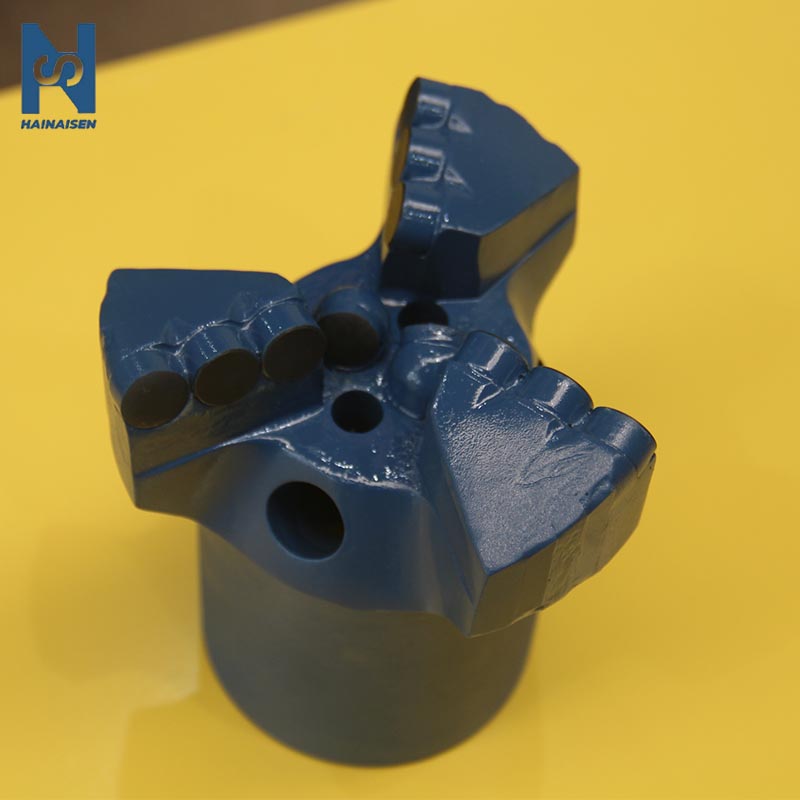 VIEW MOREPolycrystalline Diamond Drill Bits
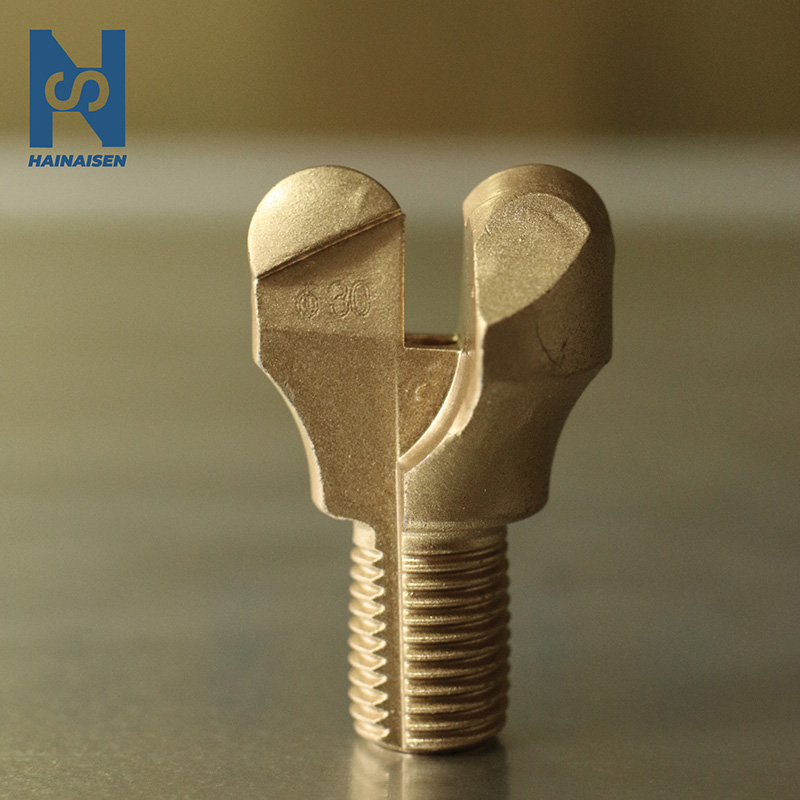 VIEW MORE34 And A Half Whole Coal Mine Mining Anchor Drill Bits
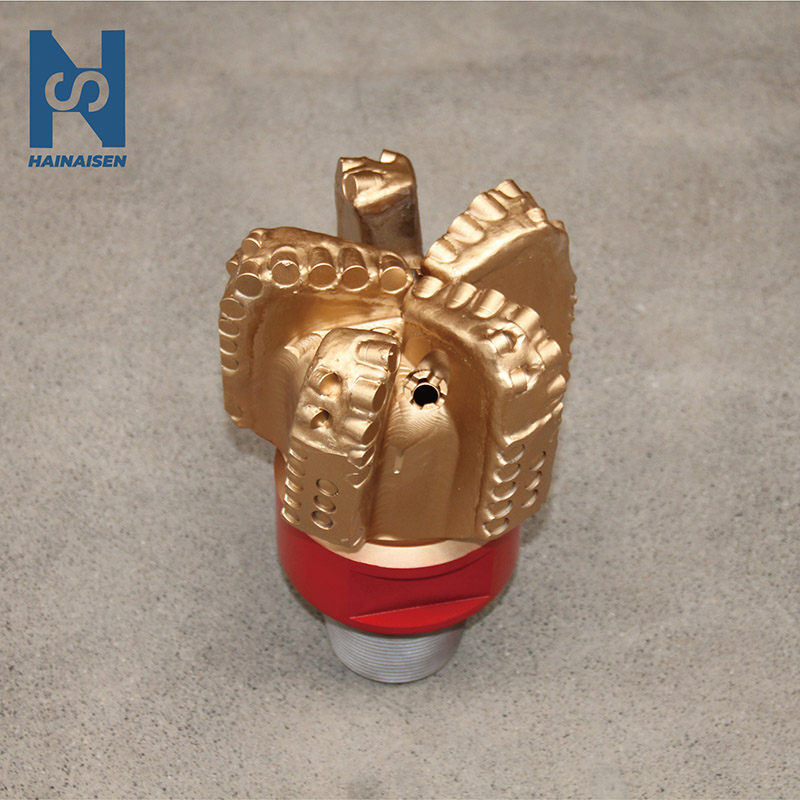 VIEW MOREPDC Rock Drill Bit
 VIEW MORE3 Blade PDC Arc Angle Drill Bit
 VIEW MOREHard Alloy Scraper Drill Bit
 VIEW MORECoal Mining PDC Drill Bits
logo 2_1777360600432.jpg) VIEW MORECoal Mine Drilling Drill Bit Directional Three Blade PDC Drill Bit
VIEW MORECoal Mine Drilling Drill Bit Directional Three Blade PDC Drill Bit VIEW MOREForging Deep Rock Well Drilling Bits