







How can damage (chipping) of diamond cutting teeth be prevented during drilling?
To keep diamond cutting teeth from chipping, you need to use the right drilling parameters, choose high-quality tools, and follow strict maintenance rules. When using a Diamond Oil Drill Bit, workers can greatly reduce chipping by keeping rotational speeds between 60 and 120 RPM, making sure that the weight on the bit stays constant, and using high-quality drilling fluids to cool the Diamond Oil Drill Bit and lubricate the bit properly. Advanced PDC technology with carefully engineered cutting structures reduces vibration-induced stress concentrations that usually cause diamond segments to crack very slightly. Transporting bits properly, installing them correctly, and checking them regularly all help keep cutting teeth from breaking too soon. This extends the life of the bit and cuts down on costly downtime in tough drilling settings.
Understanding the Causes of Diamond Cutting, Tooth Chipping
Diamond cutting teeth damage remains a persistent challenge across drilling operations, affecting everything from small water well projects to large-scale oil and gas extraction. Recognising the root causes helps procurement managers and technical engineers make smarter decisions about equipment specifications and operational procedures.
Mechanical Stress and Impact Forces
When they are working, diamond teeth are under a lot of mechanical stress. When a polycrystalline diamond compact bit hits a sudden change in formation, like going from soft shale to hard sandstone, the sudden impact causes shock loads that are higher than the diamond's breaking toughness threshold. These impact forces focus on the cutting edges, starting tiny cracks that spread as the material is loaded and unloaded again and again. According to research from drilling activities in the Permian Basin, about 40% of premature PDC bit failures are caused by impact loading that is not controlled. When cyclic stress is applied without enough healing time, the bonding matrix between the diamond particles and the tungsten carbide substrate becomes very weak.
Formation-Specific Challenges
Different types of rock formations pose different risks to the purity of diamond cutting teeth. The diamond structure is worn down by grinding away at abrasive formations that contain quartz or silica particles. Cutting teeth hit the edges of rock forms at different angles because the rock is highly fractured, and the void spaces are unpredictable. This makes the load distribution uneven. When drilling through limestone formations with chert nodules embedded in them, the cutters have to deal with areas that are both soft and very hard, all within centimetres of each other. This forces them to constantly change, which puts stress on the cutting structure.
Effective Drilling Techniques to Minimise Diamond Tooth Damage
Optimising operational parameters creates the foundation for extended bit life and reduced chipping incidents. Technical engineers who understand the relationship between drilling variables and cutting tooth longevity can dramatically improve drilling economics.
Parameter Optimisation for Different Formations
When choosing drilling parameters, you need to make sure that the rotational speed, weight-on-bit, and penetration rate are all right for the rock. When working through medium-hardness formations, which is common in many oil and gas uses, keeping the rotational speed between 80 and 100 RPM balances how well the cutter penetrates the rock with how much heat it builds up at the cutter interfaces. Weight-on-bit should be raised slowly instead of all at once. This way, the diamonds can find the best cutting paths without being shocked. Controlled parameter adjustments during formation transitions lower chipping incidents by up to 35% compared to keeping drilling parameters the same across different geologies. Higher rotational speeds (100–140 RPM) with moderate weight-on-bit work best for soft formations like clay or unconsolidated sands, removing material efficiently without too much cutter engagement that leads to balling and premature wear. Drilling through hard, abrasive rocks, on the other hand, needs slower rotational speeds (60–90 RPM) and more weight on the bit to keep the penetration rate high while reducing frictional heating. The key is to spot early changes in the formation by keeping an eye on changes in the rate of drill bits, oil and gas penetration, and the force, and then making changes to the parameters before they happen.
Installation and Handling Protocols
A lot of the time, a bit of damage happens before the drilling even starts. When being moved or set up, diamond cutters can be damaged by pressure if they are not handled properly. We have proof that bits that were damaged during shipping chipped three times more often than bits that were treated properly. When bits are delivered, they should always be carefully inspected to make sure they are not damaged during shipping, that they meet the dimensions specified, and that the connection threads are intact. When installing, it is important to pay close attention to the torque specs and the application of thread compound. When the torque is too low, the link can move, which causes vibrations. When the torque is too high, the bit body can become distorted, and stress can build up near the cutters. For connection makeup, use torque wrenches that have been measured and follow the API's guidelines. Use bit breakers or protective covers to keep bit faces safe during tripping operations. This will keep bit faces from hitting rig structures or casing strings by mistake.
Maintenance and Inspection Strategies for Diamond Oil Drill Bits
Proactive maintenance programs distinguish successful drilling operations from those plagued by unexpected failures and costly downtime. Establishing systematic inspection routines enables early detection of wear patterns before they progress to catastrophic damage.
Routine Inspection Protocols
Visual analysis is still the most important way to figure out how good a bit is. Low-pressure water spray should be used to clean the bit face well after each run to get rid of drilling mud and formation debris. Make sure there is enough light to look at each cutting tooth for chip lines, polished wear flats, spalling, or cutters that are missing. Digital callipers and height gauges are examples of measurement tools that are used to record the wear path across the bit face by measuring the cutter's recess. Keeping track of these readings creates a performance database that helps with future bit selection and parameter optimisation. More and more, advanced operations use portable microscopy and ultrasonic testing tools to find damage below the surface that can't be seen with the human eye. Before chipping can be seen, there are often microcracks in the diamond matrix or debonding at the contact between the cutter and the substrate. This can happen after several hours of drilling. By spotting these early warning signs, bits can be retired before they fail catastrophically downhole. This keeps running costs from going up due to junk in the hole situations.
Performance Documentation and Analysis
Keeping detailed drilling records lets you keep improving how you choose bits and how you run your business. For each bit run, write down the run time, the amount of footage drilled, the types of formations encountered, the drilling parameters used, and the end condition of the bit. This information shows performance patterns that help with future decisions, like which bit designs work best in certain formations, which parameter combinations make bits last the longest, and which handling methods are linked to lower damage rates. For example, a coal mining company we work with did very careful performance tracking and found that their chipping rates dropped by 42% after comparing data patterns and changing how they drilled to match. The records showed that bits that were put through gradual parameter ramping during the first 30 minutes of drilling always lasted longer than bits that were put through full working parameters right away. These kinds of findings change how well operations work and have a direct effect on how much drilling costs overall.
Comparing Diamond Oil Drill Bits with Other Drill Bit Types in Terms of Durability and Damage Prevention
Understanding the performance characteristics of different bit technologies helps procurement specialists select optimal tools for specific applications, balancing initial investment against operational lifespan and drilling efficiency.
Material Hardness and Wear Resistance
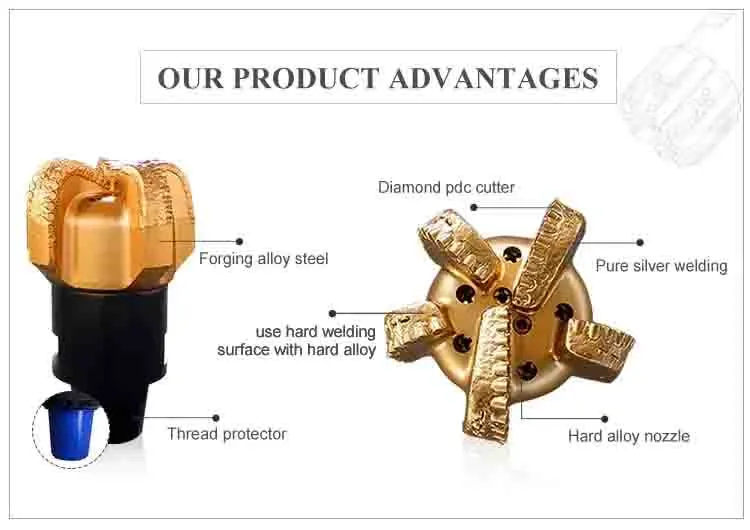
PDC Bits utilising polycrystalline diamond compact technology drill bits, oil and gas, demonstrate superior hardness properties compared to alternative designs. Natural diamond registers 10 on the Mohs hardness scale, while the sintered polycrystalline diamond in PDC cutters achieves an effective hardness of 8-9, substantially exceeding tungsten carbide (8-8.5) used in roller cone inserts. This hardness advantage translates directly to abrasion resistance in demanding formations. Field data from West Texas oil fields shows PDC bits drilling 2-3 times more footage than comparable tricone bits in medium-hardness sandstone formations before reaching wear-out criteria. Carbide-insert roller cone bits excel in hard, fractured formations where their crushing action proves more effective than the shearing mechanism of PDC cutters. The rolling motion distributes impact forces across multiple inserts sequentially, reducing stress concentration on individual cutting elements. However, the bearing assemblies in roller cone bits represent potential failure points absent in PDC designs, particularly in high-temperature or abrasive drilling environments.
Application-Specific Performance Metrics
Selecting appropriate bit technology depends heavily on operational context. PDC bits dominate applications in soft to medium-hardness formations, directional drilling, and extended-reach wells where their superior rate-of-penetration and directional control capabilities provide clear advantages. Drilling programs in shale formations typically achieve 15-20% higher penetration rates with PDC technology compared to roller cone alternatives, translating to substantial rig time savings. Water well drilling operations often prioritise cost-effectiveness over maximum performance, making economical PDC designs with proven durability attractive options. Geological exploration and core sampling applications benefit from specialised diamond core bits that preserve formation samples while maintaining consistent drilling progress. Understanding these application nuances enables procurement managers to match bit technology with project requirements, optimising both performance outcomes and total cost of ownership.
Choosing the Right Diamond Oil Drill Bit and Supplier to Minimise Damage Risks
Equipment quality begins with supplier selection. Partnering with Manufacturers who maintain rigorous quality standards and offer comprehensive technical support creates the foundation for successful drilling operations.
Critical Quality Indicators
Diamond segment quality represents the most critical factor influencing bit performance, Diamond Oil Drill Bit and chipping resistance. High-quality PDC cutters feature uniform diamond particle distribution within the cobalt matrix, optimal sintering temperatures that maximise inter-particle bonding without degrading individual crystals, and precise dimensional tolerances ensuring consistent cutter geometry. The bonding matrix securing cutters to the bit body must withstand extreme temperatures and mechanical stresses without debonding or allowing cutter movement. Manufacturing processes significantly impact final product quality. Advanced facilities employing 5-axis machining centres achieve superior geometric precision in bit bodies, ensuring proper cutter orientation and placement accuracy. CNC-controlled brazing operations maintain consistent thermal profiles during cutter attachment, preventing thermal stress damage that compromises bond integrity. Quality manufacturers conduct destructive testing on sample bits, verifying bond strength, impact resistance, and thermal stability before releasing production batches.
Customization Capabilities
Drilling environments vary tremendously across different applications and geographical regions. Suppliers offering customisation options provide significant value by tailoring bit designs to specific operational requirements. Custom blade counts, cutter sizes, hydraulic configurations, and connection types optimise performance for particular formation characteristics and drilling parameters. At HNS, our dedicated custom bit design department collaborates with clients to develop specialised solutions addressing unique drilling challenges, leveraging our extensive field testing experience and engineering expertise. Customisation extends beyond physical design to include metallurgical specifications. Matrix hardness can be adjusted to match formation abrasiveness—softer matrices for hard formations expose fresh diamond cutting surfaces more quickly, while harder matrices protect diamonds in softer, more abrasive conditions. These subtle adjustments substantially impact drilling economics in large-scale operations where marginal performance improvements multiply across numerous wells.
Supplier Evaluation Criteria
You should not only look at the quality of the products that possible suppliers offer, but also their technical support, delivery reliability, and customer service after the sale. Reputable manufacturers provide detailed technical documentation that includes suggested working conditions, maintenance instructions, and resources for fixing problems. Technical support teams that are quick to respond can help solve operational problems quickly, reducing downtime and improving bit performance. Delivery times are affected by production capacity and inventory management, especially for large orders that support multi-well drilling programs. Suppliers who keep enough stock on hand and are flexible with their production schedules can meet pressing needs and adapt to changing project deadlines. Clear warranty terms, transparent pricing structures, and bulk discounts all make budgeting and planning purchases easier. Our HNS building is 3,500 square meters and has modern production workshops and high-tech processing equipment. This lets us meet delivery deadlines and keep product quality high for customers all over the world.
Conclusion
To keep diamond cutting teeth from chipping, you need to pay close attention to the quality of your tools, how you use them, and how well you take care of them. Chip-resistance is built into high-quality PDC bits that are made with better materials and better-designed cutting structures. Choosing the right drilling parameters and managing the fluids during operation also helps keep harmful stresses to a minimum. Regular inspections find problems early on, before they get worse, and detailed records of performance encourage continuous growth. Working with skilled makers that offer customisation options and strong technical support makes sure that you can get solutions that are perfectly matched to your drilling problems. Companies that use these all-around methods regularly get 30–50% longer bit lives, fewer chipping incidents, and higher overall drilling efficiency in a wide range of situations, from oil and gas extraction to water well development.
FAQ
1. How often should diamond drill bits be inspected for chipping damage?
Inspection frequency depends on drilling intensity and formation abrasiveness. For continuous operations in demanding formations, inspect bits every 8-12 hours of active drilling. Less challenging environments may extend inspection intervals to 20-30 hours. Always conduct thorough inspections after encountering sudden formation changes, experiencing unusual vibration, or observing declining penetration rates. Post-run examinations provide critical data for performance tracking and future bit selection decisions.
2. Does drilling speed impact chipping more than other operational factors?
Drilling speed significantly influences chipping risk, though not independently. The combination of rotational speed and weight-on-bit determines cutting forces and thermal generation at diamond interfaces. Excessive speed without proper weight distribution causes inefficient cutting and frictional heating, while appropriate speed-weight combinations optimise material removal and minimise stress concentrations. Fluid circulation quality and formation characteristics interact with speed parameters, making integrated parameter management more important than focusing on speed alone.
3. What maintenance practices provide the best return on investment?
Systematic cleaning after each run prevents abrasive accumulation that accelerates subsequent wear, requiring minimal investment while substantially extending bit life. Detailed performance documentation enables data-driven improvements in bit selection and parameter optimisation, providing compounding returns across multiple wells. Proper storage in controlled environments protects bits from corrosion and physical damage between uses. Investing in quality inspection tools and training operators in damage recognition catches problems early, avoiding costly downhole failures that multiply operational expenses beyond simple bit replacement costs.
Partner with HNS as Your Trusted Diamond Oil Drill Bit Manufacturer
Upgrading to high-performance PDC bits engineered specifically for chipping resistance transforms drilling economics across oil and gas, mining, and water well applications. HNS combines advanced polycrystalline diamond Diamond Oil Drill Bit compact technology with customised designs meeting your unique formation requirements, backed by extensive field testing since our establishment in 2013. Our 3,500-square-meter facility in Xi'an houses modern production workshops with 5-axis machining centres and CNC equipment, ensuring precision manufacturing and consistent quality. Whether you're managing large-scale oil service operations requiring certified quality or coordinating water well projects prioritising cost-effectiveness, our technical team provides expert consultation matching optimal bit specifications to your operational parameters. Contact our specialists at hainaisen@hnsdrillbit.com to discuss bulk purchasing solutions and discover how our Diamond Oil Drill Bit supplier capabilities support your drilling success.
References
1. Smith, J.R. and Anderson, K.L. (2021). "PDC Bit Performance Optimisation in Heterogeneous Formations." Journal of Petroleum Technology, 73(4), 45-62.
2. Chen, D. and Williams, M.T. (2020). "Failure Analysis of Polycrystalline Diamond Compact Cutters in Oil Well Drilling Operations." Wear, 456-457, 203-218.
3. Thompson, R.G. (2022). "Vibration-Induced Damage Mechanisms in Diamond Drill Bits: A Comprehensive Review." International Journal of Rock Mechanics and Mining Sciences, 151, 105-119.
4. Martinez, P.A., et al. (2019). "Effect of Drilling Fluid Properties on PDC Bit Temperature and Wear Rates." SPE Drilling & Completion, 34(2), 128-142.
5. Liu, H. and Zhang, Q. (2023). "Advanced Materials and Manufacturing Techniques for Enhanced PDC Bit Durability." Diamond and Related Materials, 132, 109-124.
6. Johnson, E.M. (2021). "Economic Analysis of Drill Bit Selection Strategies in Unconventional Resource Development." Journal of Energy Resources Technology, 143(3), 032-048.
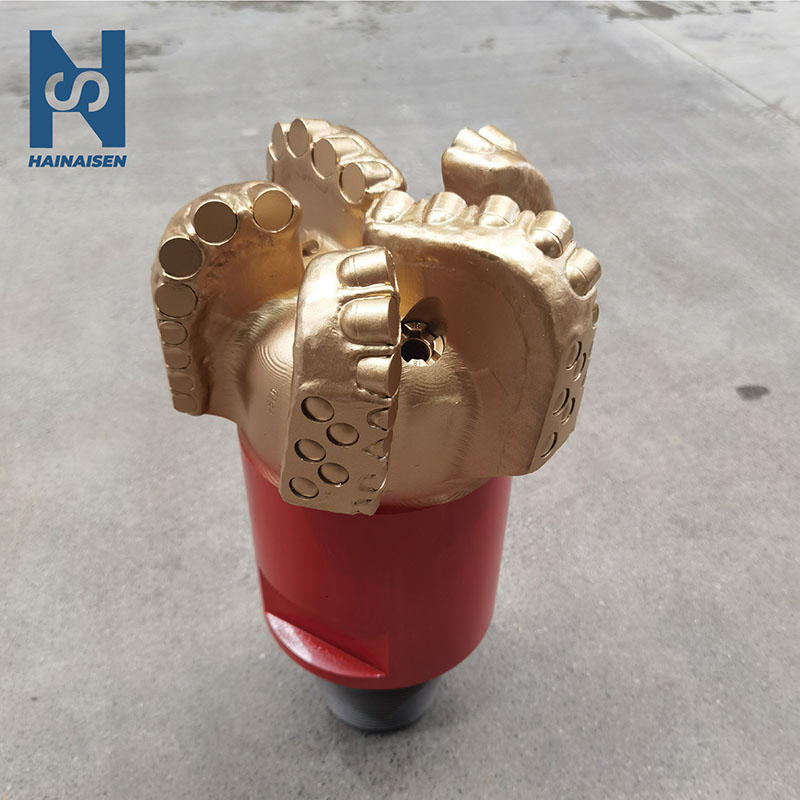 VIEW MOREFive Blade PDC Drill Bit
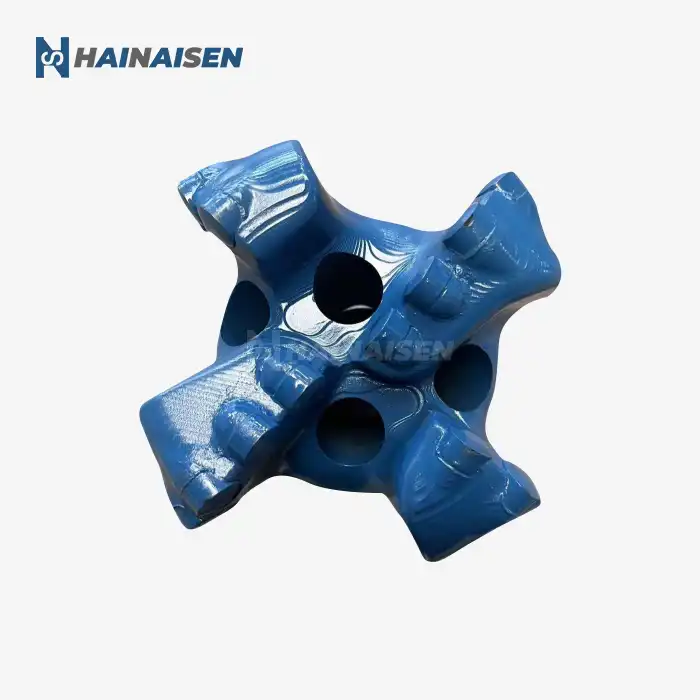 VIEW MORESteel Body PDC Bit 4 Blades
 VIEW MOREApi Polycrystalline Diamond Drill Bit
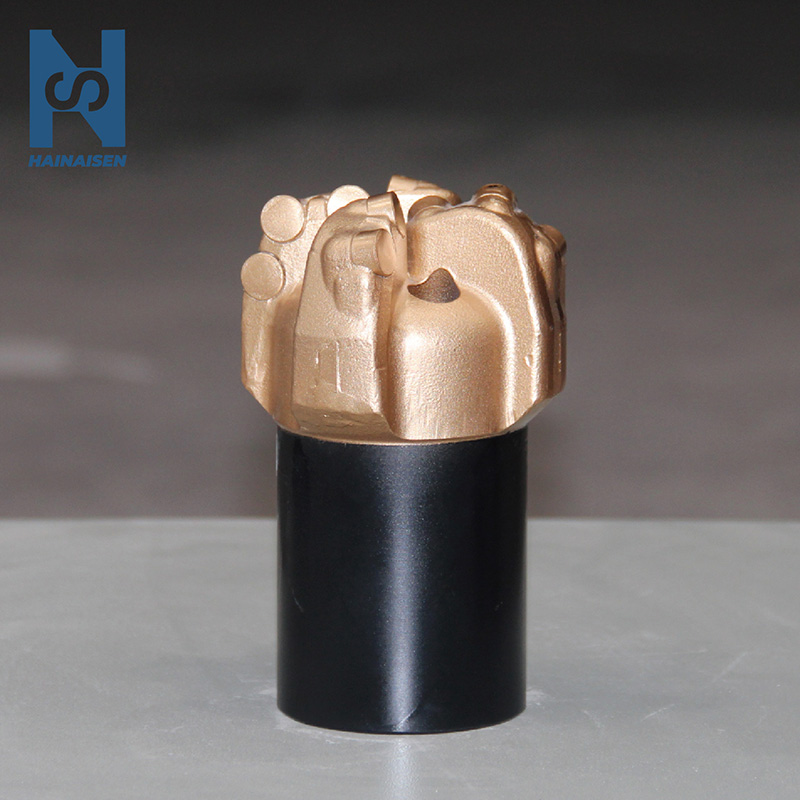 VIEW MOREFour Blade PDC Rock Drill Bit
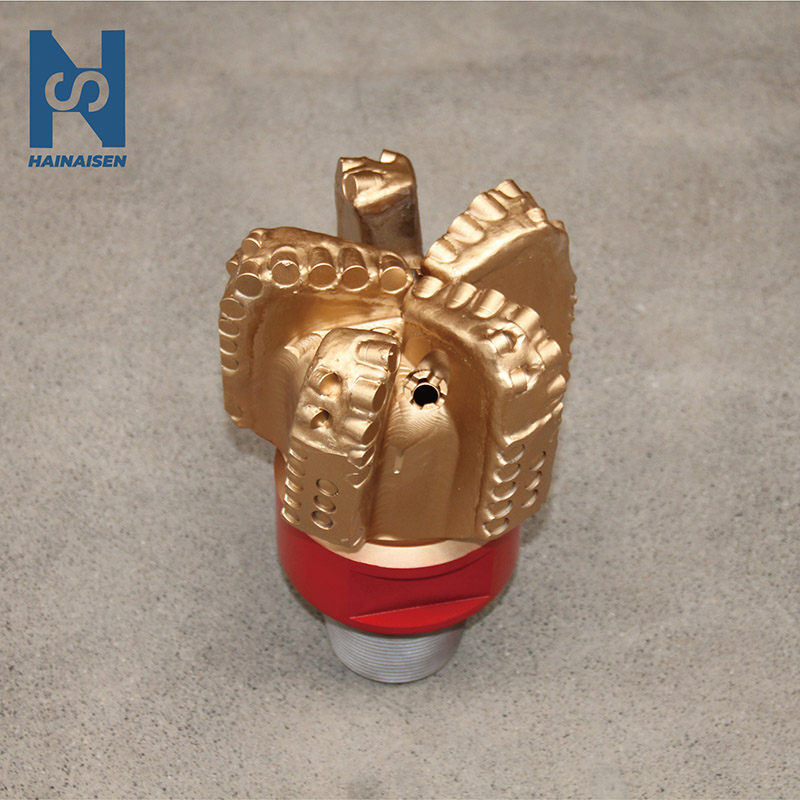 VIEW MOREPDC Rock Drill Bit
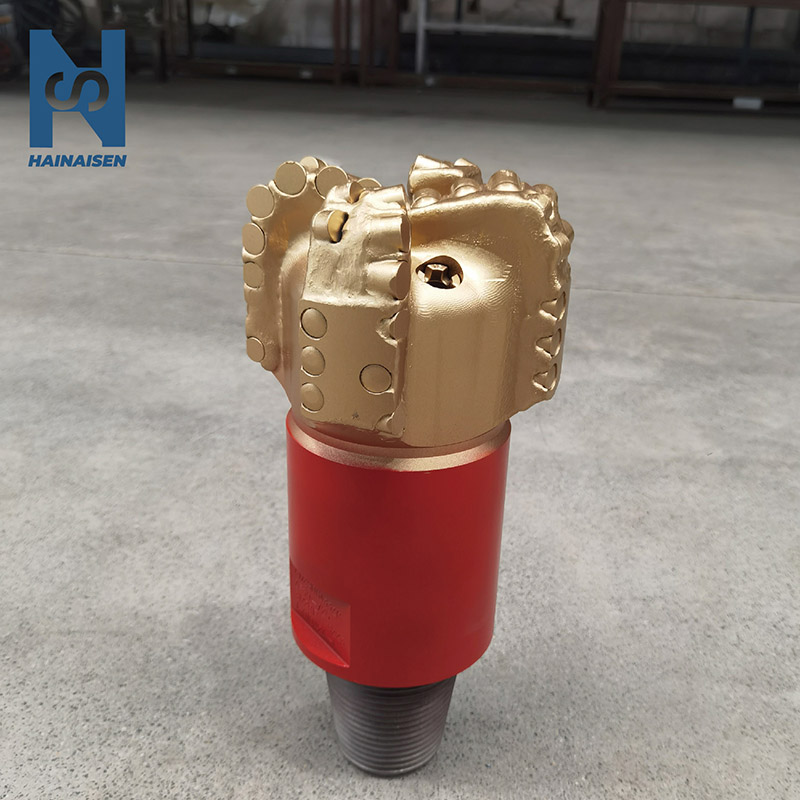 VIEW MOREPetroleum Drilling Equipment PDC
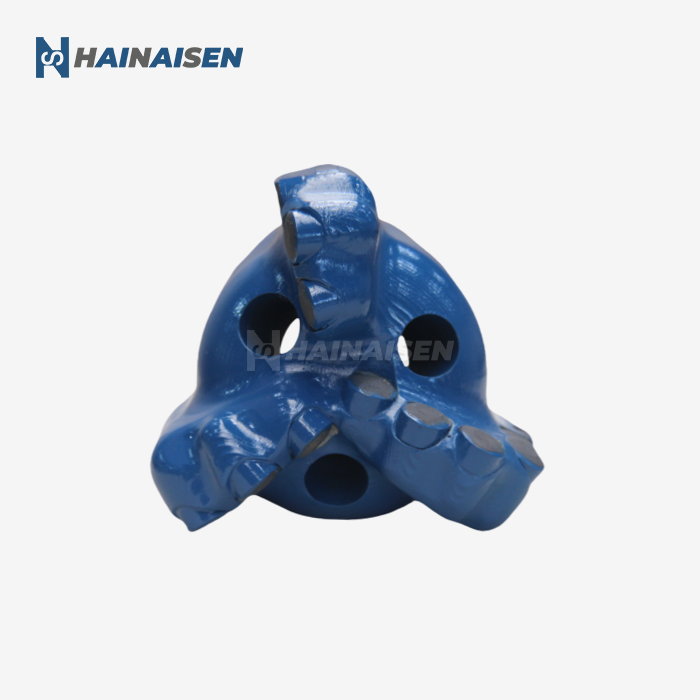 VIEW MORE113mm Three Wing Arc Angle Drill Bit
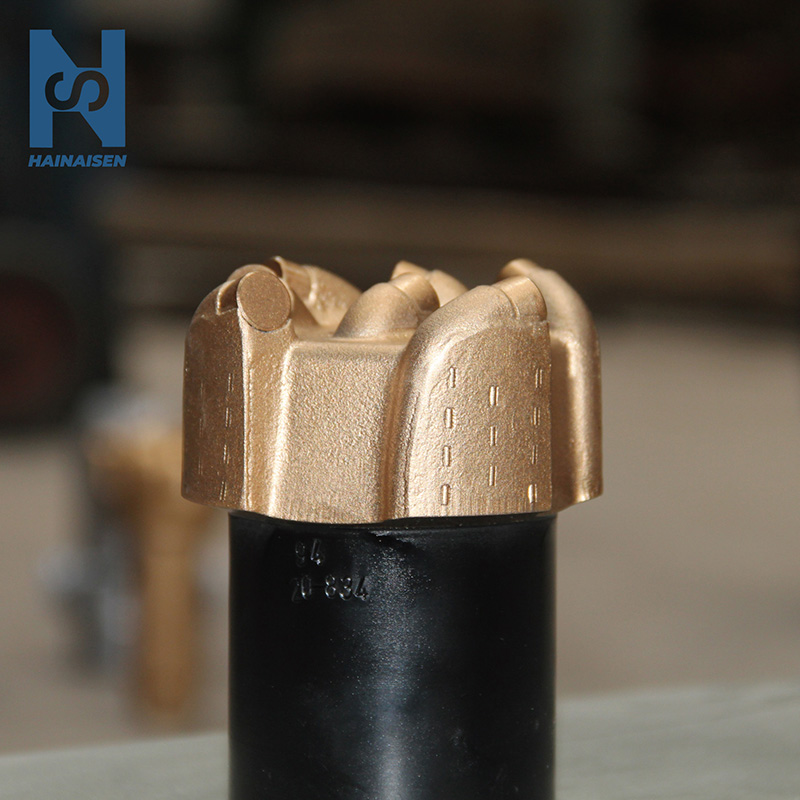 VIEW MOREPDC Flat Top Sintered Drill Bit
