




High Quality PDC Drill Bits for Oil Exploration Core Sampling
Choosing the right tools is very important when drilling jobs need to be precise and reliable. High-quality PDC Drill Bits are a big step forward in core sampling technology. They combine polycrystalline diamond cutters with high-quality PDC Drill Bits, engineered bit bodies to work very well in a wide range of rock types. These specialised tools have changed the way oil research companies get core samples because they work so well in places where regular drilling methods don't work. If you're in charge of operations for big oil service companies or geological surveys, knowing what premium polycrystalline diamond compact technology can do and how it works can have a big effect on both working costs and project timelines.
Understanding High Quality PDC Drill Bits and Their Working Principle
Composition and Engineering Design
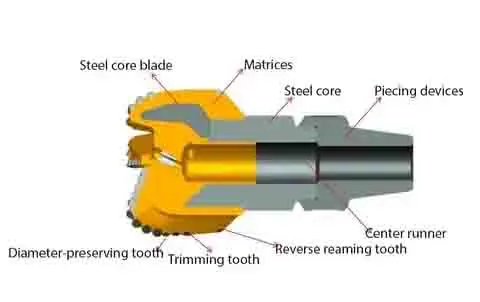
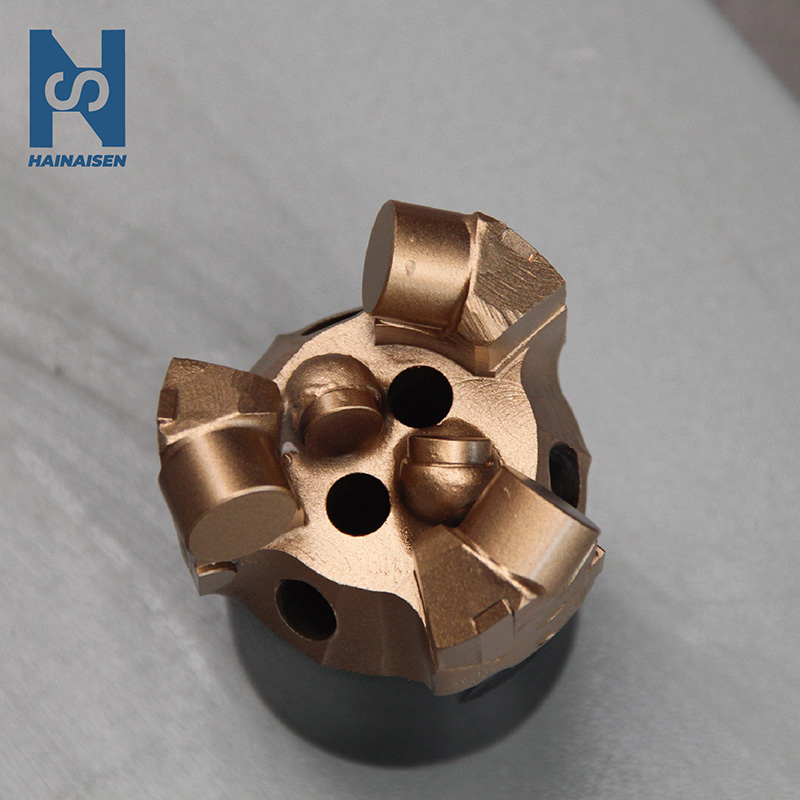
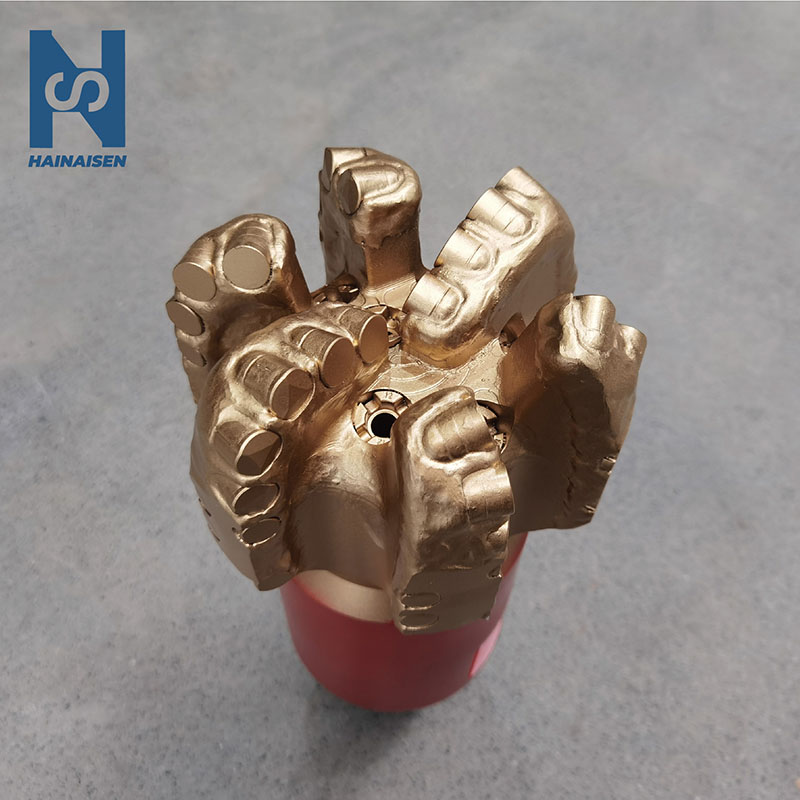
Multiple polycrystalline diamond cutters are attached to either matrix or steel bit bodies in a complex way that makes PDC drill bits very strong. The diamond cutters are made of synthetic diamond crystals that have been heated and pressed under extreme conditions. This makes a material that is as hard as a real diamond but more consistent. Advanced 5-axis machining centers are used in Shaanxi Hainaisen's production process to carefully make each bit body. This makes sure that the cutters are placed correctly and that hydraulic flow channels are clear. The matrix body forms have tungsten carbide particles mixed in with a metal binder. This gives them great erosion resistance, making them perfect for formations that are rough, like shale and sandstone.
Cutting Mechanics in Core Sampling Applications
Because they don't crush as traditional roller cone bits do, PDC Bits work by shearing during core sampling processes. The bit spins at speeds of 80 to 300 RPM, and the diamond cutters strike the rock face at exact angles. This cuts through material with little energy loss. Our improved cutting structure has blade profiles made just for geological core recovery. These profiles keep the integrity of the samples while moving quickly through medium-hardness rocks. The hydraulic system sends 20–35 litres per second of drilling fluid through the system. This cools the cutters and clears out the debris to stop bit balling, which can happen in sticky rock types like gypsum.
Technical Specifications for Procurement Decisions
Key specifications procurement managers should evaluate include bit diameter compatibility with core barrel systems, cutter size and density matching formation hardness, and API thread specifications, ensuring seamless drill string connections. Our quality control process implements ultrasonic C-scan testing to detect any delamination between diamond tables and carbide substrates, while coordinate measuring machine inspections verify blade symmetry within micron-level tolerances. These rigorous standards ensure each bit meets the performance PDC drill bit expectations of technical engineers evaluating long-term reliability.
Benefits of Using High-Quality PDC Drill Bits for Core Sampling
Extended Durability in Challenging Formations
Premium PDC drill bits deliver substantially longer operational life compared to conventional alternatives, particularly when drilling through limestone, sandstone, and shale sequences common in oil exploration. The polycrystalline diamond cutters maintain their cutting edges far longer than tungsten carbide inserts, reducing the frequency of costly bit trips. Our enhanced thermal stability features allow sustained performance even under the heat generated during extended drilling runs, translating directly to reduced downtime and lower per-meter drilling costs for large-scale projects.
Improved Drilling Efficiency and Penetration Rates
Operational data from field applications consistently shows that optimized PDC bits achieve penetration rates 30-50% faster than comparable roller cone designs in appropriate formations. This efficiency gain stems from the continuous cutting action and superior weight-on-bit transfer characteristics. The reduced vibration levels also protect downhole equipment and improve core sample quality—a critical consideration for geological analysis. Maintenance requirements decrease substantially since PDC bits contain no moving parts, eliminating the bearing failures that plague roller cone assemblies.
Versatile Performance Across Geological Conditions
Modern PDC bit designs adapt effectively to varying formation characteristics encountered during exploration drilling. Our customizable cutter arrangements allow procurement teams to specify configurations optimized for specific lithology sequences, whether drilling soft sedimentary layers or transitioning through interbedded formations. The bits perform reliably in both vertical and directional drilling applications, supporting diverse exploration strategies. This adaptability makes them suitable for everything from coal-bed methane extraction to conventional oil field development programs. Understanding these advantages helps technical engineers justify the initial investment in premium PDC technology. While unit costs exceed traditional alternatives, the total cost of ownership calculation typically favors PDC bits due to extended lifespan, reduced maintenance, PDC drill bit, and improved operational efficiency. Procurement managers working with medium and large-sized oil service companies can leverage these performance metrics during vendor evaluation processes.
How to Choose the Best High-Quality PDC Drill Bits for Your Drilling Projects
Defining Project-Specific Requirements
Successful bit selection begins with thoroughly assessing your core sampling parameters. Consider the target depth ranges, anticipated formation hardness based on offset well data, and project scale factors including rig capabilities and operational timelines. Rock compressive strength measurements guide appropriate cutter sizing—formations below 120 MPa typically respond well to standard PDC configurations, while harder sequences may require specialized cutter arrangements. Diameter requirements must align with your core barrel systems, with common sizes ranging from 75mm to 165mm for exploration applications.
Performance Comparison with Alternative Technologies
Evaluating PDC bits against roller cone options requires examining several factors beyond initial purchase price. Roller cone bits may outperform in extremely hard, fractured rock where impact resistance matters more than abrasion protection. However, the bearing maintenance and shorter lifespan often result in higher operational expenses. Carbide-insert bits represent an economical choice for small water well drilling operations where budget constraints outweigh performance optimization, but they cannot match PDC efficiency in extended drilling programs. Our technical team can provide detailed comparative analyses based on your specific geological conditions.
Total Cost of Ownership Considerations
Smart procurement decisions account for lifecycle costs rather than focusing solely on unit pricing. Calculate expected meters drilled per bit based on formation characteristics, then factor in trip time costs, maintenance requirements, and disposal expenses. Premium bits commanding higher initial prices frequently deliver superior value through extended operational life and reduced ancillary costs. Large oil service companies with rigorous qualification processes recognize this value proposition, establishing long-term partnerships with Manufacturers demonstrating consistent quality and technical innovation.
Proper Maintenance and Common Problems with PDC Drill Bits
Routine Maintenance Protocols
Implementing systematic maintenance procedures maximizes bit longevity and performance consistency. After each drilling run, thoroughly clean all surfaces using high-pressure water to remove formation cuttings and drilling mud residue. Inspect cutters under magnification for micro-cracking or heat checking in the diamond tables—indicators requiring immediate attention. Store bits in protective cases, preventing accidental impact damage to cutters, and maintain detailed service logs tracking cumulative drilling meters and formation types encountered. Proper handling during make-up and break-out operations prevents thread damage that compromises connection integrity.
Identifying Common Failure Modes
Cutter damage represents the most frequent failure mechanism, typically resulting from excessive weight-on-bit parameters or encountering unexpected hard stringers within target formations. Bit balling occurs when sticky formations adhere to blade surfaces, reducing cutting efficiency and potentially causing premature cutter failure. Regular monitoring of drilling parameters allows operators to detect developing problems before catastrophic failure occurs. Hardfacing wear on matrix or steel bodies indicates abrasive formation exposure—normal wear patterns versus accelerated erosion help assess whether bit selection matches geological conditions appropriately.
Preventive Measures for Extended Service Life
Optimizing operational parameters provides the most effective preventive maintenance strategy. Match RPM and weight-on-bit settings to manufacturer specifications for your formation type—our technical documentation provides detailed guidelines based on rock compressive strength ranges. Maintain adequate hydraulic flow rates, ensuring efficient cuttings removal and cutter cooling. Regular performance monitoring through rate-of-penetration tracking identifies gradual efficiency declines signaling appropriate bit retirement timing. These proactive management approaches reduce unexpected failures during critical project phases, supporting reliable operational planning for procurement and engineering teams.
Where and How to Procure High Quality PDC Drill Bits: Market Overview and Supplier Guide
Trusted Manufacturers and Market Landscape
The global PDC bit market features established manufacturers, with high-quality PDC Drill Bits concentrated in regions with strong petroleum industry presence. Shaanxi Hainaisen Intelligent Equipment Manufacturing Co., Ltd. has served the oil and gas, mining, and water well drilling sectors since 2013, developing specialized expertise in custom bit designs for challenging applications. Our production capabilities include advanced welding production lines and CNC machine tools, enabling both standard and customized solutions. When evaluating manufacturers, assess technical support capabilities, manufacturing capacity to meet project timelines, and demonstrated experience in applications matching your operational requirements.
Procurement Options and Buying Strategies
B2B procurement channels offer multiple acquisition pathways depending on project scale and urgency. Wholesale purchasing provides cost advantages for large oil service companies maintaining inventory for ongoing operations, while bulk order arrangements with negotiated pricing suit major exploration campaigns. Custom design services address unique geological challenges or specialized core sampling requirements—our engineering team collaborates directly with technical specialists to optimize bit specifications. Secure online procurement platforms streamline the purchasing process, though complex custom applications benefit from direct manufacturer engagement, ensuring proper technical alignment.
Pricing Dynamics and Value Assessment
PDC bit pricing reflects multiple factors, including diameter, cutter quantity, and quality grade, bit body material selection, and customization complexity. Matrix body bits typically command premium pricing due to material costs and manufacturing complexity, while steel body versions offer cost advantages for applications where their performance characteristics suit operational needs. When evaluating quotations, verify specifications match your requirements exactly—seemingly similar bits may incorporate significant quality differences affecting field performance. Competitive pricing should align with quality Certifications and manufacturer reputation rather than representing the sole decision criterion for critical exploration operations.
Conclusion
Selecting appropriate PDC drill bits for oil exploration core sampling requires balancing technical specifications against operational requirements and budget parameters. Premium polycrystalline diamond compact technology delivers measurable advantages through extended bit life, improved penetration rates, and reduced maintenance demands. Procurement success depends on thoroughly understanding formation characteristics, evaluating the total cost of ownership rather than initial purchase price alone, and partnering with manufacturers demonstrating quality control rigor and technical support capabilities. The right bit selection optimizes both immediate drilling efficiency and long-term project economics.
FAQ
1. How do I determine if PDC drill bits suit my specific project?
Assess your formation characteristics first—PDC bits excel in soft to medium-hardness sedimentary rocks with compressive strengths below 150 MPa, including shale, limestone, sandstone, and gypsum. Review the offset well data or conduct pilot tests if geological uncertainty exists. Our technical team can analyze your formation parameters and recommend appropriate cutter configurations.
2. What differentiates PDC bits from roller cone alternatives?
PDC bits utilize fixed diamond cutters providing continuous shearing action, while roller cone bits employ rotating cones with tungsten carbide inserts that crush rock. PDC designs eliminate moving parts, reducing maintenance while delivering superior performance in abrasive formations. Roller cone bits may prove advantageous in extremely hard, fractured rock where impact resistance matters more than abrasion protection.
3. How can I ensure compliance with international quality standards?
Request comprehensive quality documentation, including ultrasonic C-scan testing results detecting cutter delamination, Rockwell hardness testing confirming metallurgical specifications, and API thread gauging certificates. Reputable manufacturers implement coordinate measuring machine inspections and hydraulic flow simulation, verifying design parameters. These quality control measures ensure bits meet stringent industrial standards for safety and performance reliability.
Partner with HNS for Superior PDC Drilling Solutions
Shaanxi Hainaisen (HNS) delivers proven expertise in manufacturing high-quality PDC Drill Bits engineered specifically for oil exploration, core sampling, and challenging geological applications. Our 3,500-square-meter High Quality PDC Drill Bits facility combines advanced manufacturing technology with a dedicated research and development team, enabling custom solutions tailored to your unique formation requirements. We maintain rigorous quality control protocols, including ultrasonic testing, CMM dimensional analysis, and comprehensive performance validation. Whether you require standard configurations or specialized designs, HNS provides responsive technical support throughout your procurement process. Connect with our team at hainaisen@hnsdrillbit.com for detailed product specifications, bulk quotations, and expert consultation on optimizing your drilling operations.
References
1. Bellin, F., Dourfaye, A., King, W., & Thigpen, M. (2010). "The Current State of PDC Bit Technology." World Oil Magazine, 231(5), 41-46.
2. Rashidi, B., Hareland, G., & Nygaard, R. (2010). "Real-Time Drill Bit Wear Prediction by Combining Rock Energy and Drilling Strength Concepts." Abu Dhabi International Petroleum Exhibition and Conference, Society of Petroleum Engineers.
3. Clayton, R., Chen, S., & Lefort, G. (2005). "New Bit Design, Cutter Technology Extend PDC Applications to Hard Rock Drilling." Oil and Gas Journal, 103(3), 51-58.
4. Durrand, C. J., Skeem, M. R., & Hall, D. R. (2005). "Thick PDC Cutters for Hard Rock Drilling: A Performance Improvement Study." Proceedings of the IADC/SPE Drilling Conference, Paper SPE 92593.
5. Sinor, L. A., Powers, J. R., & Warren, T. M. (1998). "The Effect of PDC Cutter Density, Back Rake, Size, and Speed on Performance." SPE Annual Technical Conference and Exhibition, Society of Petroleum Engineers.
6. Yahiaoui, M., Gerbaud, L., & Paris, J. Y. (2016). "Quality and Wear Analysis of PDC Drill Bits in Relation to Cutter Geometry." International Journal of Refractory Metals and Hard Materials, 57, 90-98.
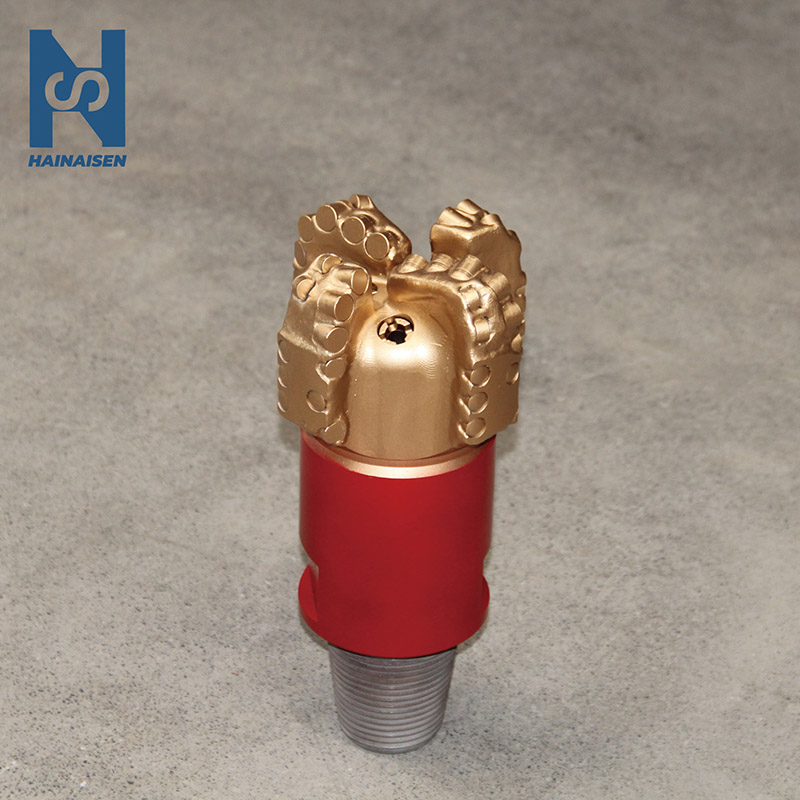 VIEW MOREFour Blade Wing Oil Drilling Tool
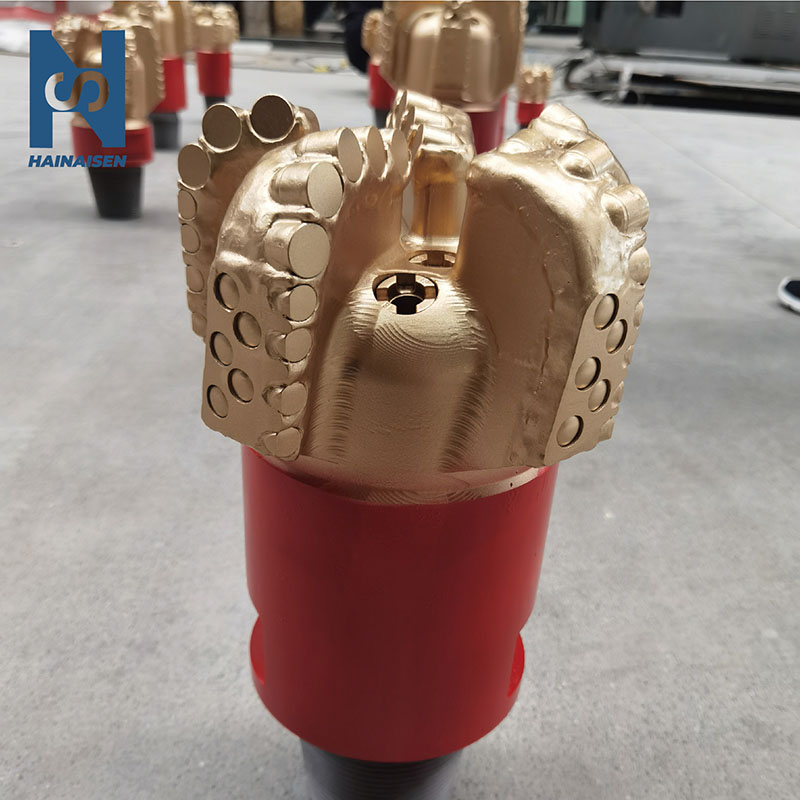 VIEW MOREFive Blade Oil Drill Bit
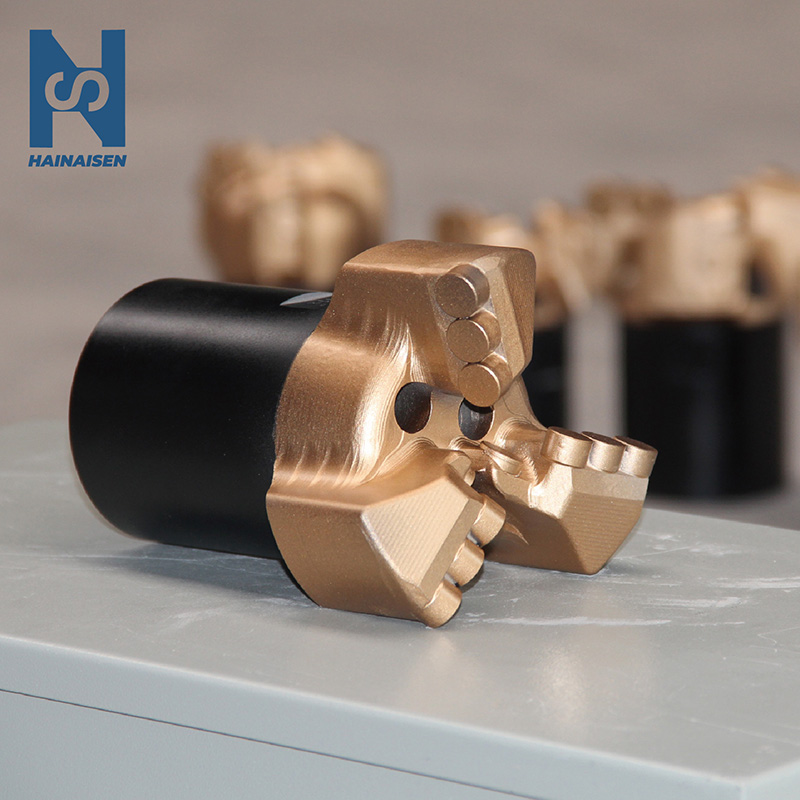 VIEW MORESteel Body PDC Drill Bit
 VIEW MORECoal Mines Use Haineisen PDC Drill Bits
logo 1_1768274683075.jpg) VIEW MORECoal Mine Drilling Opening And Closing Drill Bit
VIEW MORECoal Mine Drilling Opening And Closing Drill Bitlogo 1_1777361260784.jpg) VIEW MOREFour Wing Arc Angle PDC Drill Bit
VIEW MOREFour Wing Arc Angle PDC Drill Bit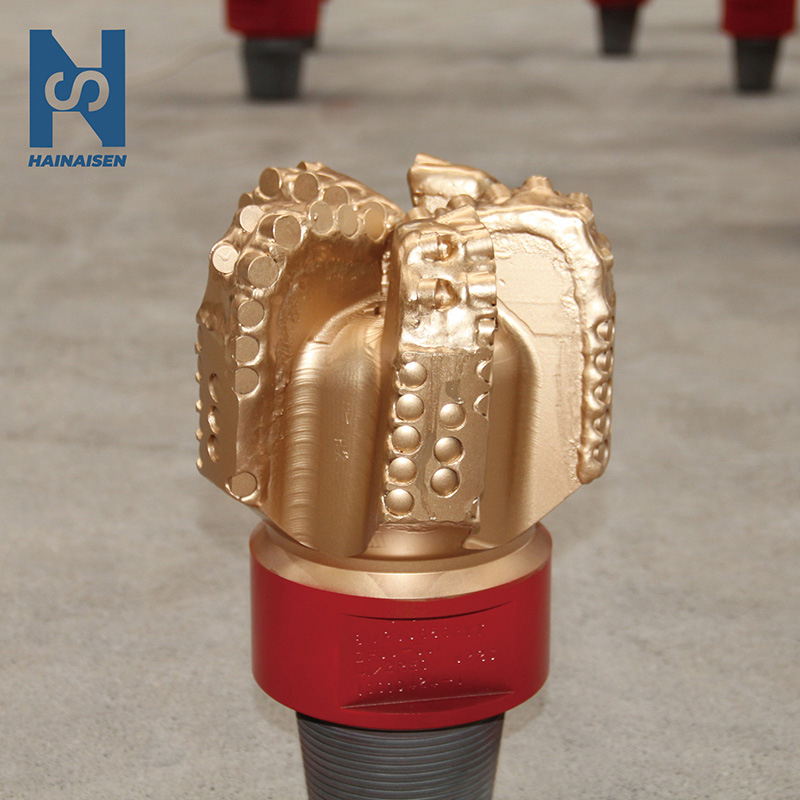 VIEW MORE5 Blades PDC Oil Bit
 VIEW MORE6 Wings PDC Drill Bit