







Benefits of six-bladed PDC bits in drilling operations
In coal mining, oil and gas research, or building water wells, the right drill bit is very important when going through tough drilling conditions. It is clear that the 6-Blade PDC Drill Bit is a strong option that provides better stability, faster penetration rates, and longer operating life. Instead of the usual three or four blades, this six-blade design spreads the cutting forces more evenly across the bit face, which lowers sound and makes the holes better. Polycrystalline diamond compact cutters are strategically placed on six different blades to make a balanced cutting structure that works very well in a wide range of formations, from soft sedimentary layers to tough hard rock environments.
Understanding the Key Parameters That Drive Performance
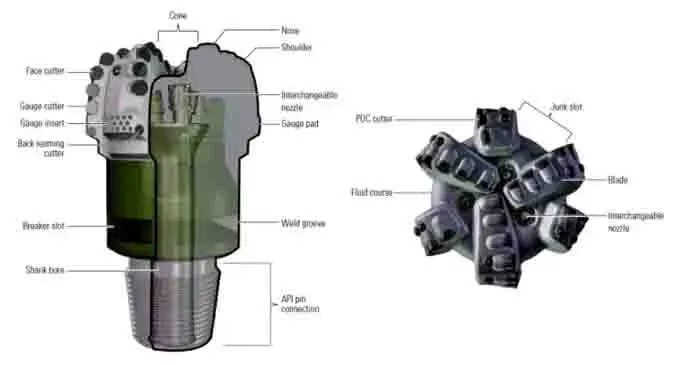
Our 8.5" (215.9mm) 6-Blade PDC Drill Bit's technical specs show why it works better than other types. This drill bit gets the best rock engagement because it has 95 carefully placed PDC cutters in 13mm and 16mm sizes spread out over six blades. The 82mm length of the gauge makes it very stable while keeping the width of the borehole the same, and the 280mm height makes it strong enough to last in tough conditions. The 4-1/2 REG. PIN API connection makes sure that it works with standard drilling equipment, which makes it easy to add to current processes.
Why are these factors important in the real world? This bit works best in soft to medium forms with low compressive strength, as shown by the IADC code S223. The six pumps work together with the blade arrangement to provide better hydraulic performance, effectively getting rid of cuttings and keeping the cutting structure cool while it's in use. The bit weighs 45 kilograms, which is just the right amount of weight for sturdiness while still being easy to handle. Because the six-blade design increases the cutter density, each blade can hold fewer cutters while still cutting aggressively. This spreads out the load on each cutter, which immediately leads to longer bit life and consistent performance throughout the drilling process.
Core Benefits That Transform Your Drilling Operations
The advantages of implementing six-bladed PDC Bits extend far beyond simple design improvements. These benefits directly impact your bottom line through increased efficiency and reduced operational costs.
Enhanced Drilling Stability and Reduced Vibration
Drilling vibration causes premature bit failure, damages downhole equipment, the oil drill head, and slows penetration rates. The six-blade configuration naturally dampens these destructive forces. By distributing cutting loads across more contact points, the bit maintains smoother rotation even in heterogeneous formations. Technical engineers at major oil service companies have documented vibration reductions of up to 40% compared to four-blade alternatives in field tests. This stability improvement means your directional drilling operations achieve better trajectory control. When you're drilling horizontal sections or complex well profiles, maintaining precise wellbore placement becomes considerably easier with reduced lateral forces acting on the bit.
Accelerated Penetration Rates and Drilling Efficiency
Time is money in drilling operations, and the 6-Blade PDC Drill Bit delivers measurable time savings. The increased cutter count and optimized blade spacing create more cutting edges engaging the formation simultaneously. In medium-hard sedimentary rocks, operators have reported penetration rate improvements ranging from 15% to 35% compared to traditional designs. For water well drilling teams working on tight budgets, these faster drilling speeds translate directly to reduced rig time and lower overall project costs. Coal mining companies benefit from accelerated development of ventilation shafts and drainage wells, improving mine safety infrastructure more rapidly.
Superior Hole Cleaning and Hydraulic Efficiency
Effective cutting removal prevents bit balling, maintains drilling efficiency, and ensures proper formation evaluation. The spacing between six blades creates optimal junk slots—the channels through which drilling fluid carries cuttings away from the bit face. These larger flow paths accommodate higher volumes of cuttings without restriction, even when drilling highly fractured formations that generate irregular debris. The six nozzles integrated into our design position drilling fluid precisely where it's needed most. This optimized hydraulic system keeps PDC cutters cool, flushes cuttings efficiently, and maintains clean cutting surfaces. Purchasing managers evaluating drill bit options should recognize that superior hydraulics reduce non-productive time caused by stuck pipe incidents and improve overall drilling fluid efficiency.
How HNS Six-Blade PDC Bits Deliver Competitive Advantages
At Shaanxi Hainaisen Petroleum Technology Co., Ltd., we've engineered our 6-Blade PDC Drill Bit to meet the exacting standards of medium and large oil service companies while providing the value consciousness that coal mining operations and water well drilling teams require.
Our manufacturing facility in Xi'an spans 3,500 square meters and houses advanced 5-axis machining centers and CNC machine tools that ensure precision in every bit we produce. This technological capability allows us to maintain tolerances that competitors using conventional manufacturing methods simply cannot match. The difference shows in the field—our bits run smoother, last longer, and deliver more consistent performance.
The high-quality steel body construction provides the structural integrity of the oil drill head necessary for demanding applications. We select premium-grade materials specifically for their fatigue resistance and ability to withstand the cyclical stresses of rotary drilling. The advanced PDC cutters we source feature superior wear and impact resistance, maintaining sharp cutting edges longer than standard materials.
What truly sets HNS apart is our dedicated research and development team that specializes in custom bit design. We understand that formation conditions vary dramatically between applications. A bit optimized for Permian Basin shale requires different characteristics than one designed for Appalachian coal measures or Gulf Coast water wells. Our engineering team works directly with technical engineers and drilling managers to develop solutions tailored to specific geological challenges. While other suppliers offer generic catalog products, we provide integrated technical solutions. This consultative approach has helped us establish long-term partnerships with major operators who value expertise as much as equipment quality.
Maximizing Benefits Through Proper Selection and Application
Getting the most value from your investment in PDC drill bits requires matching the tool to the task and operating within design parameters.
Formation Assessment and Bit Selection
Successful drilling starts with understanding what you're drilling through. The IADC S223 classification of our 6-Blade PDC Drill Bit indicates optimal performance in soft to medium formations. Purchasing managers should work closely with geological teams to characterize formation properties before bit selection. Consider factors like compressive strength, abrasiveness, and the presence of interbedded layers that might cause drilling dysfunction. For oil and gas drilling in unconsolidated sandstones or shales, this six-blade design excels. Coal mining companies drilling through overburden into coal seams will appreciate the bit's ability to handle formation transitions smoothly. Water well drilling teams working in alluvial deposits or weathered bedrock find that the aggressive cutting action delivers excellent productivity.
Operating Parameters for Optimal Performance
Even the best-engineered drill bit underperforms when operated outside recommended parameters. Weight on bit (WOB) and rotary speed (RPM) must be balanced to achieve optimal penetration without overloading cutters or inducing damaging vibration. Start with moderate weight on bit—typically 3,000 to 5,000 pounds per inch of bit diameter—and gradually increase while monitoring drilling response. If penetration rate plateaus or torque increases disproportionately, you've exceeded optimal loading. Rotary speeds between 60 and 120 RPM work well for most applications, with adjustments based on formation characteristics and drilling fluid properties. Hydraulic horsepower at the bit face directly impacts cleaning efficiency and cutter cooling. Target a minimum of 2.5 to 3.5 hydraulic horsepower per square inch of bit area. This ensures adequate fluid velocity through the nozzles without causing erosion damage to the bit body.
Maintenance Practices That Extend Service Life
Pre-trip inspection catches potential issues before they become expensive failures. Examine all PDC cutters for chips, cracks, or excessive wear. Check gauge surfaces for wear that might allow the bit to under-gauge the hole. Inspect the API connection threads for damage and ensure proper thread compound application before making up the bit. Post-run evaluation provides valuable data for optimizing future operations. Document total footage drilled, formations encountered, and any drilling dysfunctions experienced. Photograph the bit condition, noting wear patterns that might indicate operational adjustments needed on subsequent runs.
Important Considerations for Different Customer Profiles
For Medium and Large Oil Service Companies
Your rigorous qualification processes and emphasis on proven performance 6-Blade PDC Drill Bit align perfectly with our quality control standards. We maintain comprehensive testing documentation and can provide third-party verification of material properties and manufacturing quality. The long inspection period you require allows us to demonstrate the consistent performance that builds confidence in long-term partnerships. Our production capacity scales to meet the substantial demand volumes characteristic of major drilling campaigns. When you establish a supplier relationship with HNS, you gain access to engineering support that helps optimize bit selection across diverse drilling programs.
For Coal Mining Operations
We recognize that coal mining companies need proven quality at competitive prices. Our manufacturing efficiency and direct sales model eliminate unnecessary markup while maintaining the material standards your applications demand. Once sample testing validates performance in your specific geological conditions, we streamline reordering processes to support your operational tempo. The durability of our six-blade design reduces bit consumption per meter drilled, lowering your overall drilling costs even when initial purchase prices are comparable to alternatives.
For Water Well Drilling Teams
Small drilling companies operate on tight margins where every cost matters. Our pricing structure acknowledges this reality while refusing to compromise on fundamental quality. The faster drilling speeds and extended bit life our 6-Blade PDC Drill Bit delivers mean you complete more wells with fewer bit changes. We've simplified the ordering process to respect your time. When you know what works, reordering takes minutes, not hours of technical discussions.
Conclusion
The six-blade PDC drill bit design delivers measurable performance advantages that directly impact drilling economics. Enhanced stability reduces damaging vibration, accelerated penetration rates shorten drilling time, and improved durability extends bit life—benefits that matter whether you're drilling exploration wells in challenging formations or constructing water wells on tight budgets. HNS Manufactures these advanced drilling tools with precision engineering and quality materials that meet the demanding standards of the global drilling industry. The combination of superior hydraulic design, optimized cutter placement, and robust construction makes our 6-Blade PDC Drill Bit a smart investment for operations prioritizing both performance and value.
FAQ
Q1: How does a six-blade PDC bit compare to four-blade or five-blade designs in hard rock applications?
A: Six-blade configurations generally provide better stability and smoother operation, though extremely hard, abrasive formations may benefit from four-blade bits with larger, more robust cutters. The S223 classification of our bit indicates optimal performance in soft to medium formations. For hard rock drilling, consult with our technical team about alternative IADC codes better suited to high-compressive-strength formations.
Q2: What drilling fluid properties work best with six-blade PDC bits?
A: Maintain drilling fluid density appropriate for formation pressure control while maximizing viscosity within pumpability limits. Higher viscosity improves cuttings transport through the junk slots between blades. Adequate lubricity reduces friction at the bit-formation interface, lowering torque and heat generation. Water-based and oil-based fluids both work well when properly formulated.
Q3: Can I use this bit for directional drilling applications?
A: Absolutely. The enhanced stability of the six-blade design actually benefits directional drilling by reducing unwanted lateral forces that can cause trajectory deviation. The bit responds predictably to weight transfer and rotary speed adjustments, giving directional drillers better control. Pairing the bit with an appropriate bottom-hole assembly optimizes directional drilling performance.
Partner With a Trusted 6-Blade PDC Drill Bit Manufacturer for Superior Drilling Results
HNS combines over a decade of specialized expertise in PDC drill bit manufacturing with advanced production capabilities that consistently deliver performance advantages. Our 6-Blade PDC Drill Bit represents the culmination of extensive research and development focused on maximizing drilling efficiency across diverse applications. Whether you're managing complex oil and gas operations, developing mining infrastructure, constructing water wells, or 6-Blade PDC Drill Bitor, our team provides the technical support and product quality that drives successful outcomes. Contact our drilling solutions specialists at hainaisen@hnsdrillbit.com to discuss how our six-blade technology can optimize your specific drilling challenges and reduce operational costs.
References
1. Bellin, F. & Doiron, H. (2009). Drilling Engineering: A Complete Well Planning Approach. PennWell Corporation, Tulsa, Oklahoma.
2. Bourgoyne, A.T., Millheim, K.K., Chenevert, M.E., & Young, F.S. (1991). Applied Drilling Engineering. Society of Petroleum Engineers, Richardson, Texas.
3. Karasawa, H., Ohno, T., Kosugi, M., & Rowley, J.C. (2002). Methods to Estimate the Rock Strength and Tooth Wear While Drilling with Roller-Bits. Journal of Energy Resources Technology, 124(3), 125-132.
4. Mitchell, R.F. & Miska, S.Z. (2011). Fundamentals of Drilling Engineering. Society of Petroleum Engineers, Richardson, Texas.
5. Pessier, R.C. & Fear, M.J. (1992). Quantifying Common Drilling Problems with Mechanical Specific Energy and a Bit-Specific Coefficient of Sliding Friction. SPE Annual Technical Conference and Exhibition, Washington, D.C.
6. Zhang, Z., Ou, Y., Li, D., & Song, X. (2016). Research on the PDC Bit Hydraulic Structure Design Based on Fluid Dynamics. Journal of Petroleum Exploration and Production Technology, 6(4), 687-694.
 VIEW MOREPolycrystalline Diamond Compact Drill Bits
 VIEW MOREFive Blade Wing Oil Drilling
 VIEW MOREHard Alloy Roller Drill Bit
logo 1_1777361260784.jpg) VIEW MOREFour Wing Arc Angle PDC Drill Bit
VIEW MOREFour Wing Arc Angle PDC Drill Bit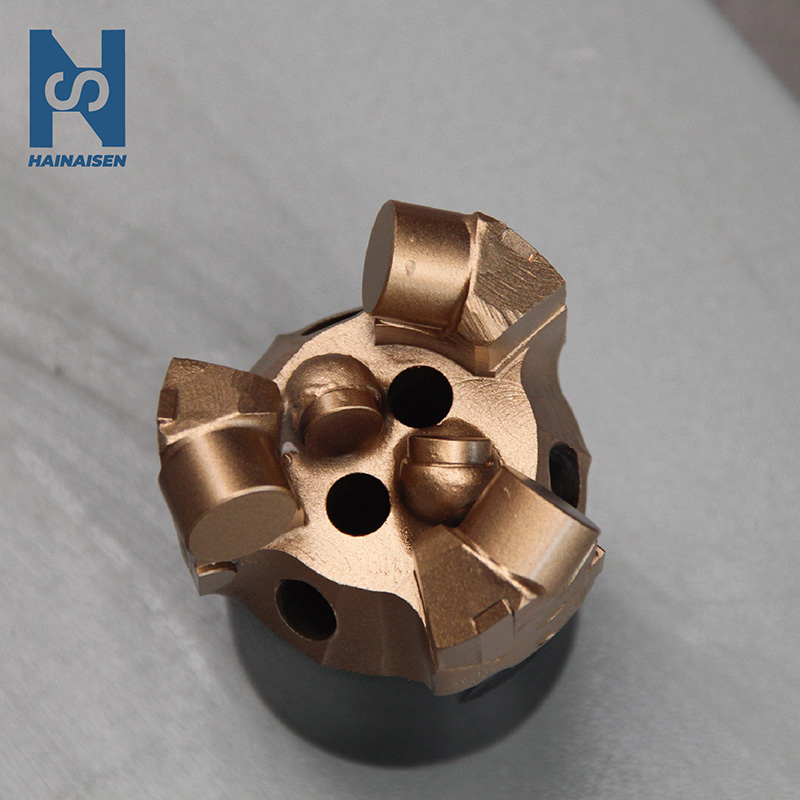 VIEW MORECoal Mines Use Haineisen PDC Drill Bits
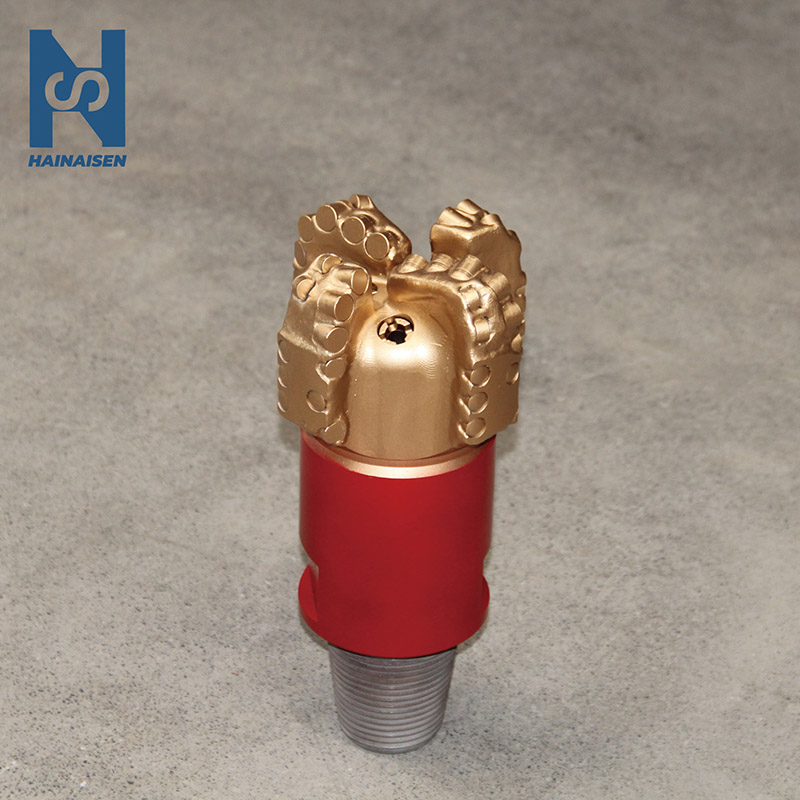 VIEW MOREFour Blade Wing Oil Drilling Tool
 VIEW MOREForging Deep Rock Well Drilling Bits PDC Mining Bit
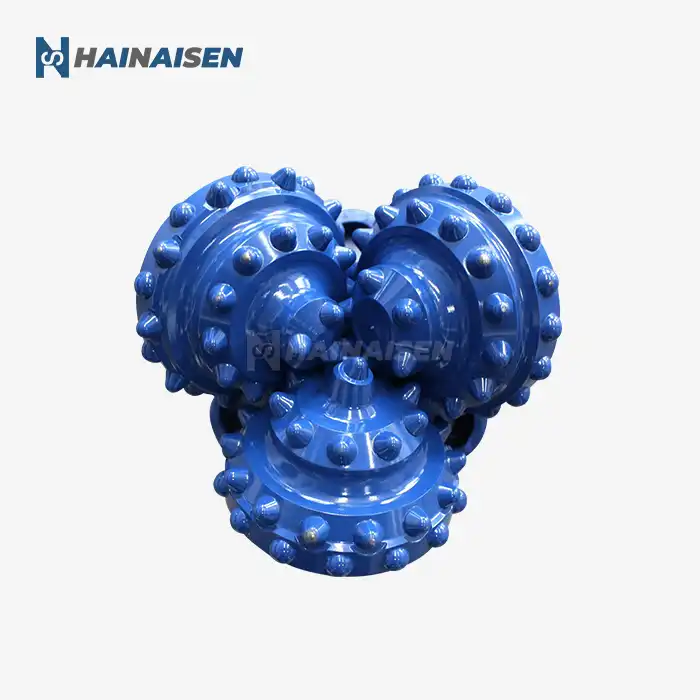 VIEW MORE5 1/2 Inch IADC 537 Tricone Rock Bit for Medium-Hard Formations
