







PDC Rock Drill Bit Performance in Abrasive Strata
When drilling through tough, abrasive rock layers, how well your PDC rock drill bit works can mean the difference between a successful job and costly downtime. These advanced polycrystalline diamond compact tools are the latest in technology and are made to last under the toughest conditions while still allowing for the best entry rates. Procurement managers and technical experts who want to do reliable, cost-effective drilling operations need to know how these advanced drilling solutions work in harsh geological settings. Choosing the right PDC technology can greatly lower running costs and increase tool life in tough abrasive strata uses in the mining, oil and gas, and water well drilling industries.
Understanding PDC Rock Drill Bits and Their Role in Abrasive Strata
The latest polycrystalline diamond compact drill bits are a huge step forward in drilling technology. They are designed to get through the hardest rock types. These high-tech tools have the sharpness of fake diamond and the toughness of tungsten carbide substrate. This makes them perfect for cutting in rough conditions.
Core Components and Advanced Materials
PDC drill bits have a number of important parts that work together to give them great performance. The bit body, which is usually made of high-grade steel, keeps the structure together and holds the cutting elements. The main way the metal is cut is with advanced polycrystalline diamond compact cutters. Each cutter is made up of a diamond layer bound to a tungsten carbide base under very high temperatures and pressures.
The tungsten carbide matrix is a key part of wear resistance; it keeps the bit body from being worn away by rough forms. This matrix material successfully protects important areas while keeping the structure stable during long drilling operations. When these high-quality materials are put together, they work the same way in all kinds of natural situations.
Cutting Mechanics and Technology
The cutting action of PDC Bits is based on splitting instead of breaking, which works especially well in layers that are rough. The sharp diamond cutters break up rock in a controlled way, making smaller pieces of waste that can be easily moved to the surface by hydraulic flow patterns that are adjusted.
Optimizing bit shape means giving careful thought to where the cutters are placed, how the blades are set up, and how the hydraulics are designed. The clever placement of the cuts makes sure that the load is spread out evenly and that there aren't any stress points that could cause the machine to break too soon. Engineers use advanced computational fluid dynamics models to find the best flow patterns for removing cuttings and cooling.
Common Challenges in Abrasive Conditions
Abrasive forms pose special problems that can have a big effect on how well a drill bit works. When drilling through rocks that have hard, angular pieces like quartz, chert, or other very rough minerals, wear patterns often get worse faster. Cutting surfaces can quickly wear down in these situations, which can lower penetration rates and raise power needs.
Another very important issue is thermal degradation, since too much heat can damage the contact between the diamond and the carbide in PDC cuts. By knowing about these failure modes, procurement workers can choose bits that are made to work in certain geological circumstances.
Performance Challenges and Optimization Strategies for PDC Rock Drill Bits
Drilling through layers of abrasive material is very difficult technically and needs complex engineering solutions and strategy improvement methods. Because of how hard these rocks are, regular drilling tools can break down very quickly. This is why specialized PDC rock drill bit technology is needed to keep operations running smoothly.
Key Wear Mechanisms and Performance Limitations
When working in rough settings, cutter erosion is the main thing that limits efficiency. Diamond cutting surfaces are constantly in touch with hard, angular rock pieces. This wears away the cutting edge over time, making it less sharp and less useful for drilling. This wearing away process speeds up when rocks have a lot of quartz, feldspar, or other minerals that are very rough.
Matrix degrading happens when the tungsten carbide material around the cutters wears down too quickly, exposing the blades and possibly causing their loss. This pattern of wear and tear usually happens slowly, but if the right drilling parameters and upkeep methods aren't used, it can lead to catastrophic bit failure.
Another big problem is thermal stress, which is especially bad during long drilling operations. Too much heat production can lead to thermal cracks in the polycrystalline diamond layer, which weakens the structure of individual blades and lowers the overall performance of the bit.
Engineering Advances and Innovative Solutions
New technologies have made it possible for a number of groundbreaking ways to improve the performance of PDC bits in tough situations. Better diamond production methods are now used in better cutter materials to make cutting elements that are more stable at high temperatures. These high-tech PDC cutters keep cutting well at higher temperatures and don't break down when heated.
With their unique surface treatments, protective coating technologies have become game-changing inventions that make things more resistant to wear. These coats can make cutters last up to 40% longer in very rough rock types while keeping the best cutting properties during the drilling process.
Better cutter plans are another big step forward. They use complex modeling methods to make the best use of stress distribution and cutting efficiency. Modern bit designs use different cutter sizes and positions to get rid of rocks more efficiently while keeping each cutter's load as low as possible. This method greatly increases the life of the tool while keeping the entry rates constant.
By improving flow patterns and pressure distribution, optimized hydraulic systems make cleaning and cooling more effective. Advanced tip designs exactly direct drilling fluid where it's needed, removing cuttings effectively while providing enough cooling to avoid heat damage. These changes to the hydraulics have shown real gains in bit life and penetration rates in a number of abrasive rocks.
Real-World Performance Data and Industry Benchmarks
Testing data from large drilling operations in the field shows that these improvement methods work. New case studies from shale drilling operations show that advanced PDC bits can penetrate 25–35% deeper than regular designs while keeping the same level of tool life in rocks that aren't as hard to drill.
Industry standards show that PDC bits that are properly tuned can drill 15–20% more footage per bit in rough conditions than tools from the previous generation. These improvements in performance directly lead to lower running costs and better project economics for operators and drilling companies.
Comparing PDC Rock Drill Bits with Alternative Drill Bit Types for Abrasive Environments
To choose the best drilling tool for rough rocks, you need to carefully look at the different technologies that are available, including the PDC Rock Drill Bit, and how well they work. There are pros and cons to each bit type that need to be taken into account when looking at natural conditions, practical needs, and cost considerations.
Performance Analysis of Different Bit Technologies
Roller cone bits have been the usual way to work with hard, rough forms for a long time. The spinning cones with tungsten carbide plates in these tools break up and grind rock mechanically. While roller cone bits can work in some situations, they tend to have slower penetration rates and more upkeep needs than current PDC alternatives.
Tricone bits are an improvement on roller cone technology. They have three spinning cones that are meant to break up rocks more effectively. These tools work well in different types of rock, but they often can't keep up with the drilling speeds that can be reached with better PDC designs. Because the motor systems and bearing sets are so complicated, they still need a lot of maintenance.
Diamond-impregnated bits have fake diamond pieces mixed in with a metal matrix. This makes them very resistant to wear in rough circumstances. These tools work best in very hard rocks, but they usually have slower entry rates than PDC options. The bit's cutting action stays the same over its lifetime because new diamond bits are exposed as the matrix goes down.
Steel tooth bits are a cheap way to work with soft materials, but they don't last long enough to be used continuously in very rough circumstances. Their main benefit is that they are cheap to buy, which makes them appealing for businesses that are trying to save money and have simple drilling needs.
Decision-Making Criteria for Optimal Selection
The required drilling speed is a very important factor in choosing the bits. When drilling in most abrasive rocks, PDC bits regularly show better penetration rates and can often reach drilling speeds two to three times faster than roller cone options. Because of this performance edge, drilling activities can be done faster and for less money.
Wear resistance properties are very different between bit systems. Most of the time, modern PDC bits that are made with better cutter materials and better designs last longer in rough circumstances. Because there are no moving parts, there are no bearing wear problems that are common with roller cone designs. This makes the tool last longer and require less upkeep.
Operational cost factors include the initial purchase price, how well the cutting works, and how long the tool is expected to last. The starting cost of a PDC bit may be higher, but the cost per foot drilled is usually cheaper because they drill faster and last longer. In difficult, abrasive forms where regular bits break down quickly, this economic benefit stands out even more.
Another important decision factor is the need for maintenance. When compared to mechanical options, PDC bits need less upkeep, which makes operations simpler and reduces the chance of downtime. The simpler design gets rid of the need for specialized bearing care and lowers the chance that something will break down while drilling.
Procurement Guide: How to Choose and Source the Right PDC Rock Drill Bit?
To buy PDC drilling tools successfully, you need to know a lot about the technical specs, the supplier's skills, and the needs of the business. This strategic method makes sure that the right tools are chosen while reducing risks and increasing working efficiency.
Essential Selection Criteria and Performance Metrics
Specifications for durability should include how long the tool is expected to last in certain geographic circumstances. When it comes to abrasive formations, good PDC bits usually have better cutter materials, better shapes, and protective coats that make them last longer. To make sure they choose the right tools, procurement workers should compare the Manufacturer's specs to known characteristics of the formation.
Performance measures include the ability to penetrate, the power needs, and the hydraulic flow requirements. Advanced PDC bits can go 50 to 150 feet per hour through moderately to highly coarse formations, but this depends on the drilling settings and the properties of the formation. Knowing what is expected of you in terms of performance helps you set realistic operating goals and cost estimates.
Total operational costs, not just the original purchase price, should be taken into account in a cost-effectiveness study. When it comes to value, premium PDC bits that work better often offer better value through shorter drilling times, longer tool life, and fewer operating delays. This thorough cost analysis makes sure that the best procurement choices are made that are in line with practical goals.
When judging a supplier's trustworthiness, you look at things like the manufacturer's experience, quality licenses, and expert support. Established sellers with a history of success in abrasive formation drilling usually offer more reliable products and full expert support during both the purchasing and use phases.
Quality Assurance and Certification Requirements
Standards for manufacturing quality are very important for the efficiency and dependability of PDC bits. ISO 9001 approval shows that a company follows established quality management methods, and API specifications make sure that drilling equipment meets industry standards. These approvals give people faith in the quality of the products and the consistency of the producing process.
Material tracking paperwork lets you check the quality of the cutter and the matrix materials that were used to make the bit. Reliable makers keep careful records of where the materials come from, how they are processed, and the results of quality control tests. This openness helps with quality testing and makes it possible to fix speed problems when they happen.
Protocols for performance testing should include both lab tests and studies that confirm what works in the field. In controlled settings that are like real drilling sites, thorough testing programs check for wear resistance, cutting efficiency, and heat stability. The test results tell us a lot about what kind of performance to expect and what the limits of the system are.
Ordering Considerations and Logistics Management
For large-scale projects or long-term drilling plans, buying in bulk can save you a lot of money. Volume savings often cover the cost of each unit, and they also make sure that tools are always available for the length of a job. Cost savings, working freedom, and storage needs are all taken into account by strategic inventory management.
Custom manufacturing choices let you get the best results for certain geological situations or business needs. To deal with specific drilling problems, many makers offer design changes, custom cutter setups, or better materials. Usually, these customization services have longer lead times, but they can provide big speed gains in hard-to-solve situations.
Coordinating shipping and handling is especially important when buying things from other countries or drilling in rural areas with a PDC rock drill bit. Reliable sellers keep their distribution networks running smoothly and offer a wide range of shipping services that make sure orders get delivered on time while keeping costs and risks to a minimum.

Maintenance Tips to Maximize PDC Rock Drill Bit Lifespan in Abrasive Strata
In abrasive drilling settings, proper repair procedures have a big effect on how well tools work and how much they cost to run. Systematic methods to bit care and tracking let expensive drilling tools be used to their fullest while reducing the number of unexpected breakdowns and delays in operations.
Routine Best Practices and Handling Procedures
After each drilling run, strict cleaning procedures should be put in place right away to get rid of any trash or formation materials that have built up. Most dirt and grime can be removed by high-pressure water washing, and special cleaning solutions can get rid of tough layers that could cause faster wear in later operations. When something is completely cleaned, sharp bits can't do any more damage while it is being handled or stored.
Regular inspections help find wear trends and possible problems early on, before they cause catastrophic breakdowns. A visual check should focus on the state of the cutter, the wear patterns on the matrix, and the general integrity of the bit. Systematically writing down what was found during inspections makes performance records that are useful for making future choices about purchasing and running the business.
Using the right handling methods can help keep damage to a minimum during travel, storage, and setup. PDC bits need to be handled carefully so that the cutting elements don't get damaged by contact. This is especially important when working in rough conditions where the cutters may already be under a lot of stress. When bits are stored correctly, they are protected from damage from the surroundings and other drilling activities.
Early Detection and Preventive Intervention
Wear pattern analysis is a useful way to find the best cutting parameters and see how bits are performing over time. Even wear on all tools means that the cutting conditions are good, while uneven wear could mean that the parameters need to be changed or that there are geological changes that need to be taken into account. Knowing these trends lets you make changes ahead of time that stretch the life of your tools and make drilling more efficient.
Performance tracking tools can keep an eye on important signs like changes in flow pressure, penetration rate, and torque needs that show problems are starting to show. Modern drilling systems give you real-time data that lets you react right away to changing conditions. If you make setting changes or bit recovery decisions in time, you might be able to avoid serious bit damage.
Strategies for timely action balance the use of tools with risk management. Taking out bits before they completely break often lets them be fixed or refurbished, which extends their useful life. This proactive method needs a careful cost-benefit analysis, but it can cut total drilling costs by a large amount in difficult formations.
Recommended Maintenance Schedules for Abrasive Conditions
In highly rough rocks where wear rates are higher than usual, inspections should be done more often. Visual checks every day during busy drilling operations help find problems as they start to form, and more thorough checks every 100 to 200 digging feet give more accurate results.
Details about the drilling settings, the rock, and the wear patterns that were seen should be recorded as part of the documentation standards. This information makes useful libraries that help with future choices about which bits to use and attempts to improve operations. Having a lot of paperwork also lets you make insurance claims and get help from technology support when strange problems happen.
How often preventive maintenance is done depends on the traits of the formation, the drilling factors, and the working goals of the PDC rock drill bit. When things are really tough and bit failures can cause big delays in operations and costs, it may make sense to have strict cleaning and inspection plans. Most of the time, these expenses in repair pay off because the PDC rock drill bit lasts longer and works more reliably.
Conclusion
The performance of the PDC Rock Drill Bit in rough layers is a key part of a successful drilling operation that has a direct effect on the project's costs and how well it runs. The advanced engineering solutions and optimization methods that were talked about have a lot of promise to make drilling work better while also cutting costs. By choosing the right ones, keeping them in good shape, and making the most of them, drilling workers and operators can confidently work with difficult rock formations and get results they can count on, which leads to long-term growth in tough drilling settings.
FAQ
1. What makes PDC bits more effective than traditional alternatives in abrasive formations?
Polycrystalline diamond cuts are used in PDC bits because they are harder and last longer than steel or tungsten carbide options. The shearing action of PDC blades works better than the breaking action of roller cone bits. This means that they can penetrate materials faster and use less energy when the conditions are rough.
2. How do I determine if my drilling conditions require specialized abrasive-resistant PDC bits?
When evaluating a formation, you should look at the minerals that are in it, how hard it is, and how well it has performed in the past. When formations have a lot of quartz, chert, or other hard rocks, they usually need better PDC designs. For help choosing the right bit, looking at geological maps and drilling records from offset wells is very helpful.
3. What drilling parameters optimize PDC bit performance in abrasive strata?
The best factors are bit sets with a modest amount of weight, the right rotary speeds, and enough hydraulic flow rates. Usually, bit life can be extended by decreasing drilling aggression while still having enough cleaning action. This doesn't have to greatly affect penetration rates. A lot of the time, optimizing parameters means trying them in the field and making changes based on real-time performance tracking.
4. How can I evaluate the cost-effectiveness of premium PDC bits versus standard alternatives?
A full cost study should look at things like how much it cost to buy the equipment, how well it worked, how long it was expected to last, and how much time it saved during operations. Even though they cost more at first, premium bits often offer better value because they drill faster and last longer. Figure out the cost per foot drilled so that you can make smart decisions about what to buy.
Partner with HNS for Superior PDC Rock Drill Bit Solutions
As a reliable provider of PDC Rock Drill Bits, HNS offers cutting-edge drilling options designed to work with tough, abrasive rock forms. Our modern production plant has cutting-edge 5-axis machining tools and separate areas for research and development. This allows us to make high-quality drill bits that work well in difficult geological conditions. With more than ten years of experience in the field and full expert support, we offer unique drilling solutions that make your operations more efficient and lower the overall cost of the project. Email hainaisen@hnsdrillbit.com to talk to one of our technical experts about how our cutting-edge PDC technology can change the way you drill and give you real performance gains in even the toughest abrasive strata situations.
References
1. Mitchell, R.F. and Miska, S.Z. "Fundamentals of Drilling Engineering: PDC Bit Design and Performance Analysis." Society of Petroleum Engineers Textbook Series, 2019.
2. Warren, T.M. "Drilling Technology Advances: Polycrystalline Diamond Compact Bit Performance in Abrasive Formations." Journal of Petroleum Technology, Vol. 45, No. 8, 2018.
3. Chen, S. and Blackwood, K.S. "Optimization Strategies for PDC Bit Performance in Hard and Abrasive Rock Formations." SPE Drilling and Completion Engineering Quarterly, 2020.
4. Anderson, M.J. "Comparative Analysis of Drill Bit Technologies for Challenging Geological Formations." International Association of Drilling Contractors Technical Report, 2019.
5. Thompson, D.L. and Martinez, C.A. "Wear Mechanisms and Performance Enhancement in PDC Drill Bits for Abrasive Applications." Drilling Engineering International, Vol. 12, No. 3, 2021.
6. Roberts, K.P. "Field Performance Evaluation of Advanced PDC Bit Designs in Unconventional Drilling Operations." Petroleum Engineering Research Institute Technical Publication, 2020.
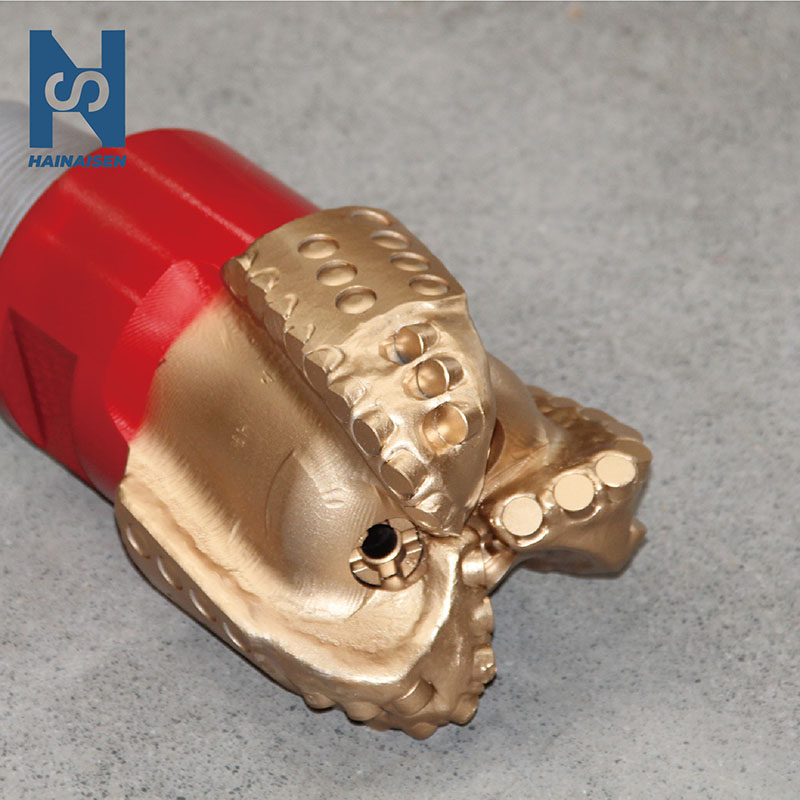 VIEW MOREThree Blade Oil Drill Bit
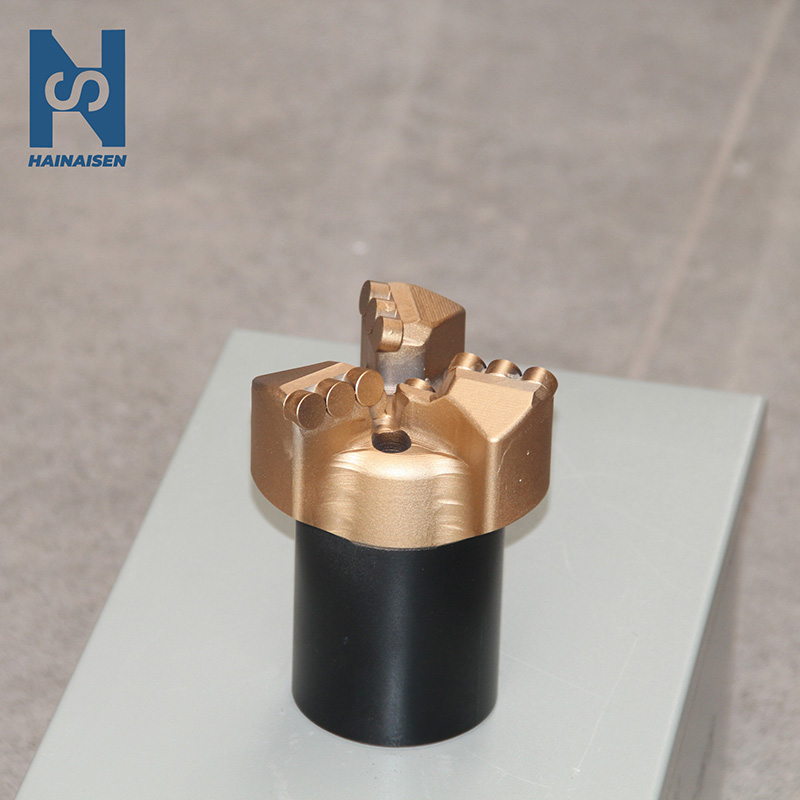 VIEW MOREThree Blades Steel Body PDC Bit
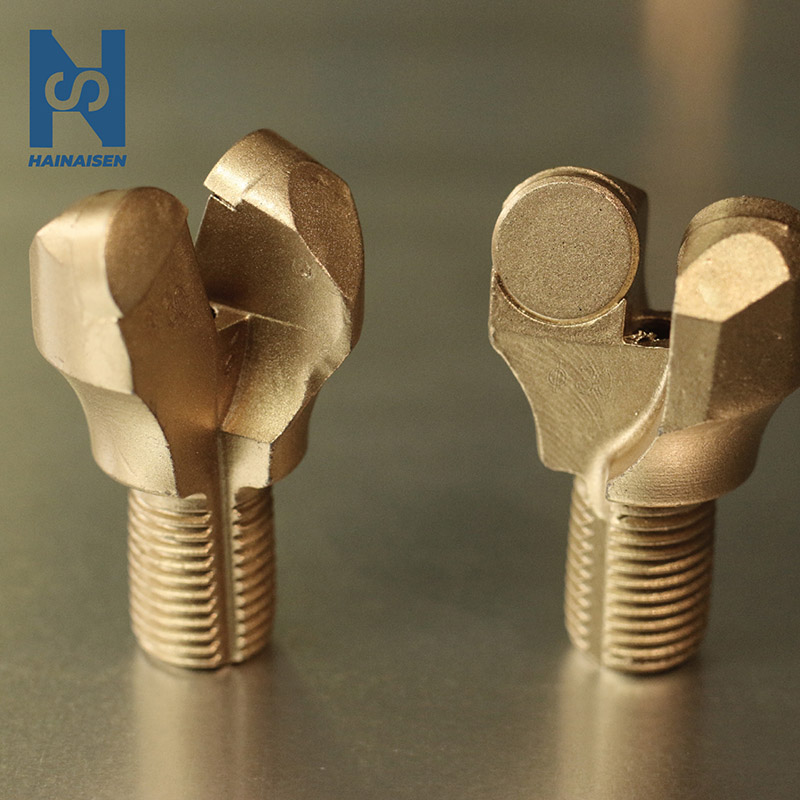 VIEW MORE30mm Half Blade Anchor Bit For Mine Coal Fields
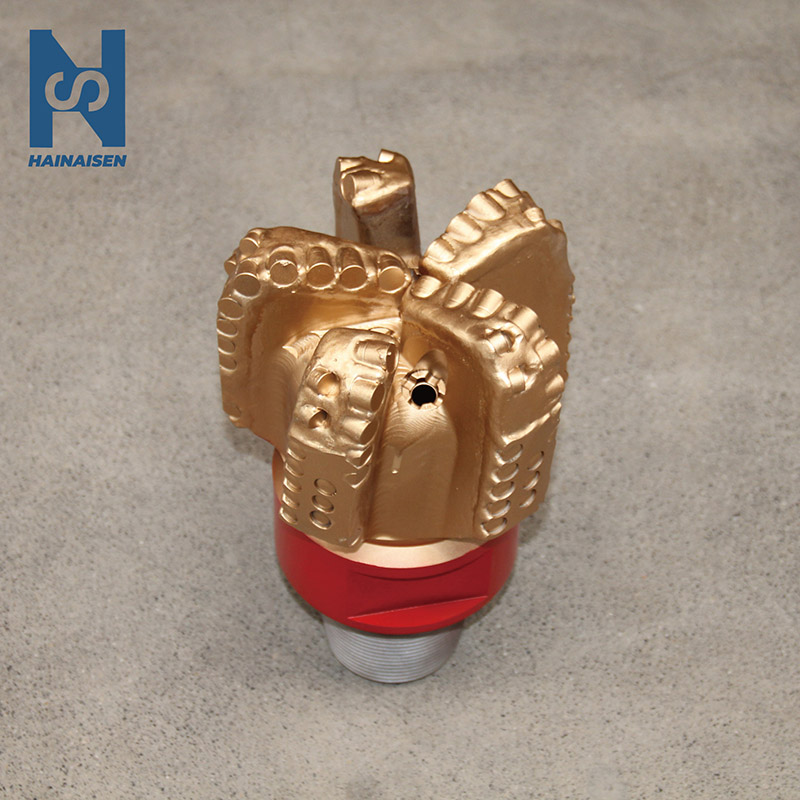 VIEW MOREDrilling Bit For Oil And Gas Rig
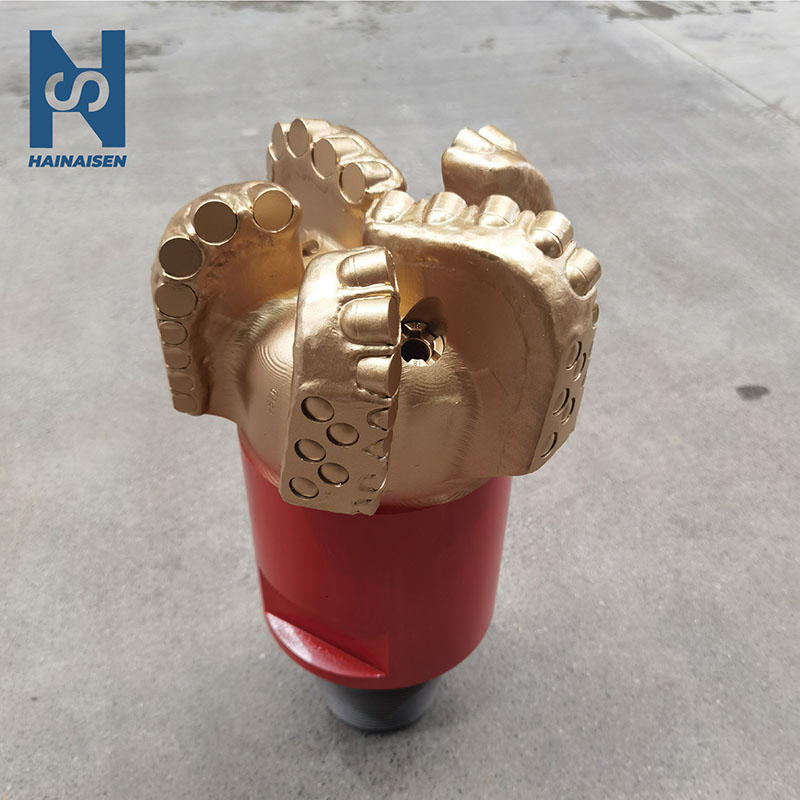 VIEW MOREFive Blade PDC Drill Bit
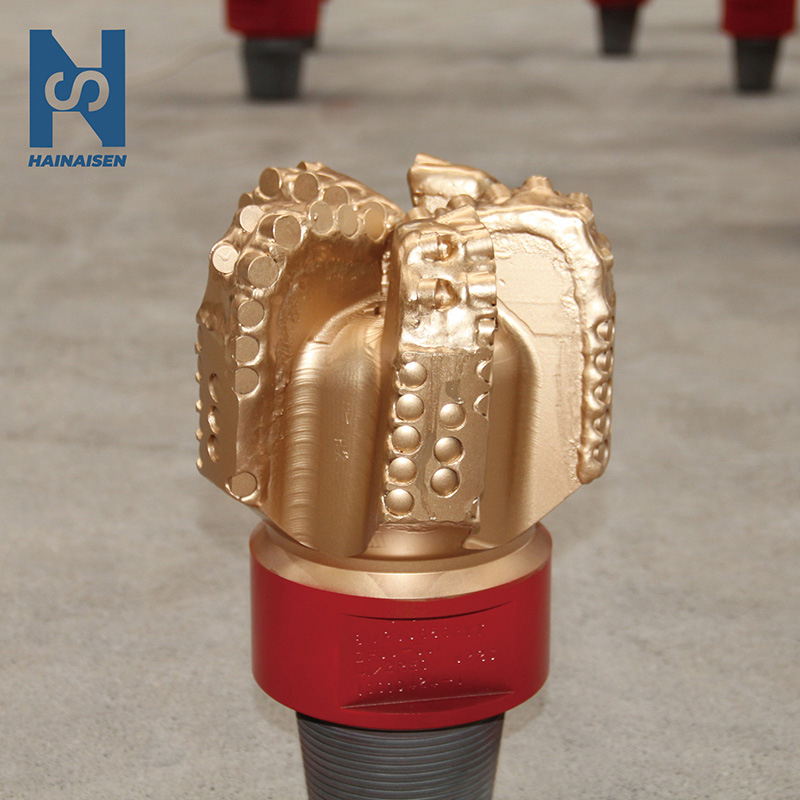 VIEW MORE5 Blades PDC Oil Bit
logo 1_1777361785830.jpg) VIEW MORE94mm PDC Flat Top Sintered Drill Bit
VIEW MORE94mm PDC Flat Top Sintered Drill Bit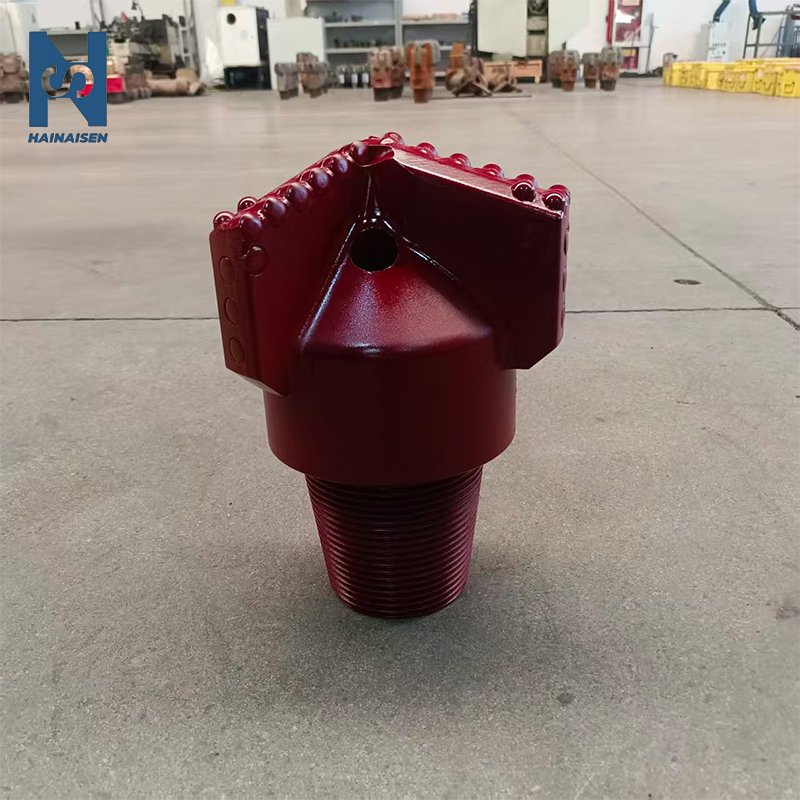 VIEW MOREHard Alloy Scraper Drill Bit
