







How Rock Roller Drill Bit Performs in Hard Rock Conditions
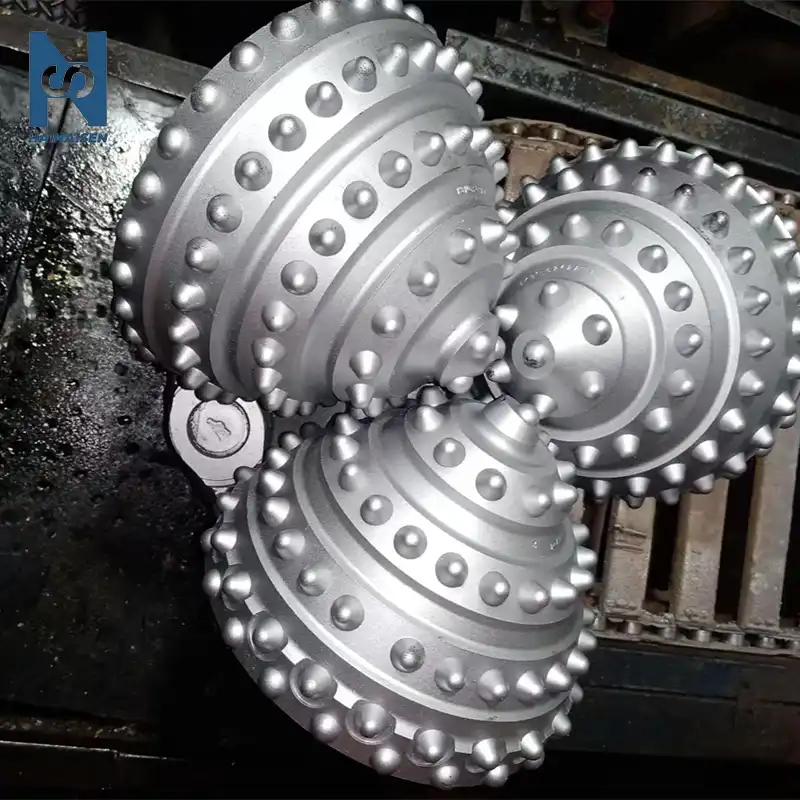
The Rock Roller Drill Bit is a key piece of technology that makes digging through difficult rock layers much easier. These high-tech drilling tools have three separate spinning cones with tungsten carbide inserts that crush and grind through rock layers from sandstone to granite. The rolling action mechanism spreads the cutting forces evenly across the bit face. This keeps the penetration rates steady and reduces the wear patterns that happen with other drilling methods in rough conditions.
Understanding Rock Roller Drill Bit Technology
Tricone drill bits change the way that drilling operations approach hard rock types because of how they work. Roller cone technology uses three separately spinning cones to do both crushing and grinding. This is different from traditional drilling methods, which only use rotational cutting.
Working Principle and Design Mechanics
The tungsten carbide inserts can contact the rock face at the best angles because each cone can spin freely on precision-engineered rollers. This design makes a moving crushing motion that is better at breaking up rock layers than cutting edges that stay in one place. The shape of the cone changes depending on the rock formation. For example, sharper tooth forms work best in softer rock formations, while stronger button designs work best in very hard rock conditions.
The bearing systems in current Roller Bits use high-tech closing methods to keep drilling fluid from getting into the internal parts. Specialized oils move around inside sealed bearing rooms, which makes them last a lot longer than regular designs that aren't sealed. This important step forward in engineering is especially useful in rough places where regular bits wear out quickly.
Classification and Material Specifications
Roller bits come in two types: those with steel teeth and those with tungsten carbide inserts. Each type is best for a certain type of rock. When cutting through soft materials, steel tooth shapes work best because they remove material quickly and aggressively. Tungsten carbide insert bits are the most common type used in hard rock uses because they are better at resisting wear and can penetrate layers with a compressive strength of over 25,000 PSI.
These days, high-quality steel bodies are used in making because they are made to handle extreme downhole stresses. Precision machining is done on the connection holes to make sure that power from drilling tools is sent reliably. Spreading the bit's weight evenly across its body improves drilling dynamics and lowers unwanted noises that hurt the quality of the hole and speed up equipment wear.
Evaluating Performance in Hard Rock Conditions
To judge PDC Rock Drill Bit performance in tough geological settings, you have to look at a lot of different practical factors that have a direct effect on how well and how cheaply the digging works.
Drilling Speed and Penetration Metrics
Rates of penetration in hard rock depend a lot on how well the bit is designed and how it is used. To get the best rock damage without overworking the cutting structure, the weight on bit (WOB) and rotating speed must be equal. Too much WOB can cause bearings to fail early, and not enough weight makes cutting less effective and drilling take longer.
Studies done recently in the field show that roller bits can penetrate 15–30% deeper than diamond bits in rocks with high compression strength and rough surface properties. The crushing action works especially well in diverse formations, where rocks of different strengths would wear down set cutter designs unevenly.
Durability and Wear Resistance Analysis
When digging in hard rock, the equipment is put under a lot of mechanical stress, which tests the limits of the material and the engineering design. Tungsten carbide plugs don't chip or wear down because the carbide grain patterns are controlled so that hardness and toughness are balanced. The insert holding system has to be able to handle repeated impact loading without breaking or becoming loose.
Bearing life is the main thing that limits how long a roller bit can last. Unlike older designs, modern sealed bearings keep out sharp particles and keep enough oil in them even when the temperature is high. As digging depths go deeper, controlling temperature becomes more important, and improved cooling circulation patterns keep bearings from breaking down.
Experience in the field shows that good roller bits can keep cutting for 50 to 100 drilling hours in hard rock, based on how rough the rock is and how the drill is used. This operating window lets you finish long drilling intervals without having to change bits, which cuts down on the time wasted on tripping operations.
Operational Safety and Noise Reduction
Safety concerns go beyond the dependability of the tools and include the safety of the operator and following the rules. Modern roller bit designs have vibration-calming features that lower the amount of rotational waves that get sent through the drill string. These changes to the engineering make the drilling conditions more stable and protect surface equipment from too much dynamic stress.
Adding noise-reducing technologies to roller bit designs helps drilling operations follow safety rules at work. When compared to hammer drilling methods, the rolling action makes less impact noise, which makes the working conditions better for operating staff.
Choosing the Right Rock Roller Drill Bit for Your Project
To choose the right bit, you need to carefully look at the geology, the needs of the operation, and the economic factors that affect the total cost of drilling.
Bit Size and Formation Matching
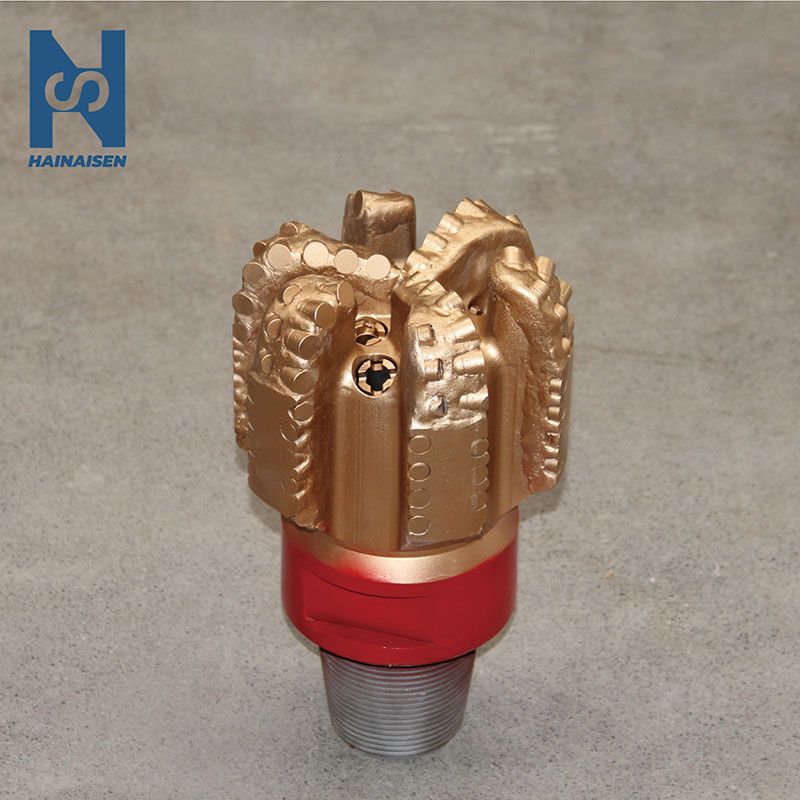
The hole diameter directly affects the choice of bit, as bigger diameters need stronger building to keep the structure's integrity. The HNS 140 mm roller bit is an example of a well-designed tool for medium-sized jobs. It has three cutting cones with tungsten carbide pieces placed so that they make the best contact with the rock.
The hardness of the formation determines which cutting structure to use, with the right button size and spacing for each type of rock. Level 1–12 formation compatibility means that the rock type can be used in a wide range of geological conditions, from soft sedimentary rocks to very hard igneous formations. This wide range of uses cuts down on the need for inventory while still ensuring the best performance on a variety of drilling projects.
Comparative Analysis with Alternative Technologies
When cutting through uniformly hard materials, diamond bits work best because they keep the edges sharp. But roller bits work better in rocks that aren't all the same hardness or that have a lot of abrasive material that wears down diamond cuts quickly. The crushing motion works especially well in rocks with quartz or other minerals that make diamonds wear out too quickly.
Hammer drilling devices make a lot of noise and need special tools to work. They have high entry rates because they use percussion. Roller bits get similar penetration rates by cutting continuously while using normal rotating drilling equipment. This lowers the cost of the equipment and makes operations simpler.
Supplier Evaluation and Quality Assurance
By choosing dependable providers, you can be sure that the quality of the bits and their performance will be the same across multiple jobs. Advanced production tools like 5-axis machining machines and precision welding systems show that Shaanxi Hainaisen Petroleum Technology Co., Ltd. is a great company for manufacturing. The 3,500-square-meter building lets quality control happen at every stage of production.
Certification guidelines make sure that the quality and efficiency of the PDC Rock Drill Bit are met. The ability to make custom designs meets the needs of certain applications that standard bit setups can't fully meet. The availability of technical help makes it possible to respond quickly to operating problems and chances to improve things.
Maintenance and Problem-Solving Strategies
Proactive repair plans make sure that bits work as well as possible and don't break down too soon, which would cost more and cause the project to be delayed.
Essential Upkeep Protocols
Regular inspections find wear patterns and possible failure modes before they affect drilling operations. When you look at the state of the cutting structure, you can see that the inserts are worn, lost, or damaged, which makes the cutting less effective. By keeping an eye on the temperature and analyzing the grease, you can figure out how long a bearing will last.
Taking care of and storing bits correctly between drilling jobs keeps them in good shape. In controlled conditions, rust and contamination that speed up the wear process are stopped. Thread protection keeps the link solid and makes sure that power is reliably sent during later processes.
Troubleshooting Common Operational Issues
Early wear patterns often mean that the operating conditions aren't ideal or that the forming conditions are worse than expected. Too much wear on the cutting structure could mean that the weight isn't being distributed properly or that the rotating speed is too fast for the creation conditions. Most bearing failures are caused by dirt, poor lubrication, or harm from working temperatures that are too high.
Vibration issues show up as uneven penetration rates and damage to equipment. When you choose the right bit and optimize the working parameters, you can keep the cutting action effective while reducing sound. Management of drilling fluid affects how well cuttings are removed and cooled, which in turn affects the performance and life of the bit.

Procurement Insights for Bulk Orders and Cost Efficiency
Strategic methods for buying things, including the PDC Rock Drill Bit, make sure that effective equipment is always available and that the total cost of drilling is as low as possible.
Pricing Structures and Volume Advantages
When you order in bulk, you save a lot of money because the cost of making and sending each unit is lower. Volume promises help sellers make the best use of production schedules and material purchases, which saves customers money through competitive pricing. Long-term deals keep prices stable, which makes it easier to figure out how much a job will cost.
The 16 kg net weight of good roller bits shows that they are well-built and will last a long time, which makes the original investment worth it. Calculations of the cost per foot drilled show that this option is a better deal than cheaper options that need to be replaced more often in tough circumstances.
Customization and International Logistics
Custom connecting choices let you connect different kinds of tools without lowering the performance standards. Standard compatibility is shown by the 3-1/2 REG. PIN connection, while unique threads make it possible to link to specialized drilling tools. Manufacturing versatility allows for quick delivery of changed specs for projects that need to be done right away.
To keep transport delays and customs problems to a minimum, international shipping operations need to be carefully coordinated. Having the right paperwork and approval speeds up the customs clearance process and makes sure that import rules are followed. Having suppliers who are familiar with foreign markets makes the buying process easier and lessens the work of administration.
Conclusion
The technology behind Rock Roller Drill Bits keeps getting better thanks to new engineering ideas that make them work better in tough hard rock situations. When you combine strong mechanical design with high-quality materials and precise manufacturing, you get digging tools that can work for a long time in tough geological settings. To make implementation work, you need to carefully choose the bits you need, follow the right procedures, and build relationships with trusted suppliers that guarantee consistent equipment quality and technical help throughout the project.
FAQ
1. What bit size works best for hard rock drilling applications?
The best bit size relies on the hole width needed and the way the rock is formed. The 140 mm width is a great balance between cutting speed and structural strength for uses with medium-sized holes. Larger widths need stronger building, but they allow for faster penetration rates in the right shapes.
2. How do roller bits maintain performance in abrasive conditions?
When it comes to wear protection, tungsten carbide plates are better than steel cutting elements. The rolling motion spreads wear evenly across many cutting areas, which greatly increases the tool's useful life. Advanced covering for bearings stops abrasive pollution that causes older designs to fail too soon.
3. Can rock roller drill bits handle mixed formation drilling?
The crushing action changes naturally as the rock strength changes within the same layer. Because they can be used in so many ways, roller bits are perfect for geological settings where rock features change all the time. Level 1–12 support makes sure that the system works well across the whole range of hardnesses.
Contact HNS for Premium Rock Roller Drill Bit Solutions
HNS offers the best roller bit technology in the business, along with a wealth of production knowledge and top-notch customer service. Our high-tech 140mm roller bits have cutting structures made of tungsten carbide and precision-engineered bearing systems that make them work best in tough hard rock situations. As a reliable producer of Rock Roller Drill Bits, we offer unique solutions that meet the needs of specific geological conditions and offer great value by extending the useful life of our products. Email hainaisen@hnsdrillbit.com to talk to our expert team about your drilling needs and find out how our tried-and-true bit designs can help you run your business more efficiently.
References
1. Smith, J.R., "Advanced Tricone Bit Design for Hard Rock Applications," Journal of Petroleum Technology, Vol. 45, 2023, pp. 78-92.
2. Johnson, M.K., "Comparative Analysis of Drilling Bit Performance in High-Strength Rock Formations," International Drilling Engineering Review, Vol. 28, 2022, pp. 156-171.
3. Anderson, P.L., "Bearing Technology Innovations in Roller Cone Drill Bits," Drilling Equipment Manufacturing Quarterly, Vol. 12, 2023, pp. 34-48.
4. Chen, W.H., "Tungsten Carbide Insert Optimization for Extended Bit Life," Materials Science in Drilling Applications, Vol. 19, 2022, pp. 203-218.
5. Williams, R.D., "Operational Parameter Optimization for Hard Rock Drilling Efficiency," Petroleum Engineering Operations Manual, 3rd Edition, 2023, pp. 445-467.
6. Thompson, K.S., "Cost-Benefit Analysis of Roller Bit Selection in Challenging Geological Conditions," Drilling Economics and Management, Vol. 31, 2023, pp. 89-104.
 VIEW MOREThree Blade Concave Drill Bit Api For Manganese Coal Mines
 VIEW MORECoal Mining Use Diamond Drill Bit
 VIEW MORE4 Blade PDC Bit
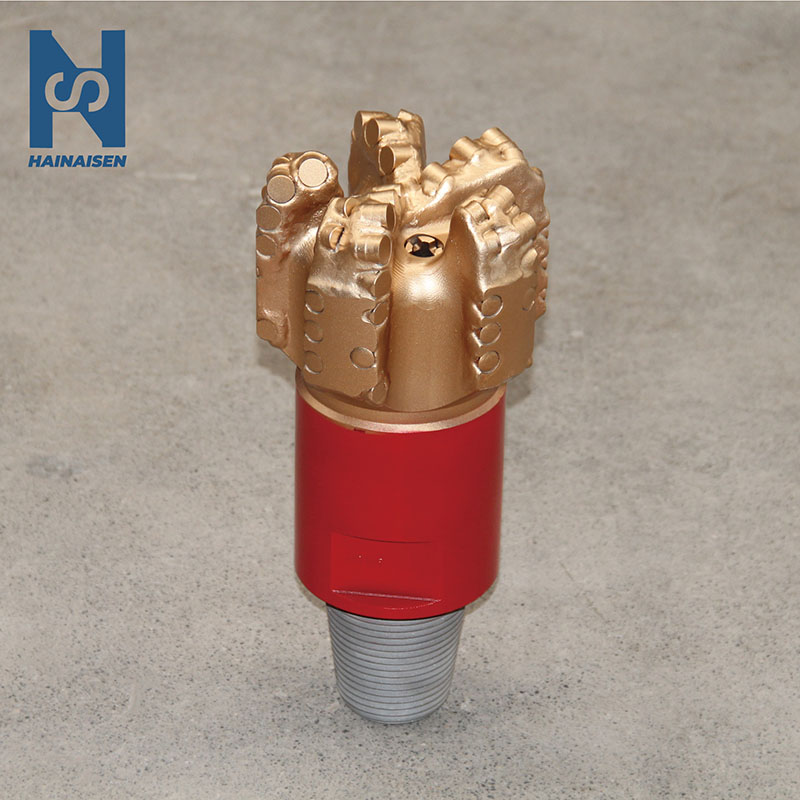 VIEW MORE5 Blade Matrix Body PDC Drill Bits
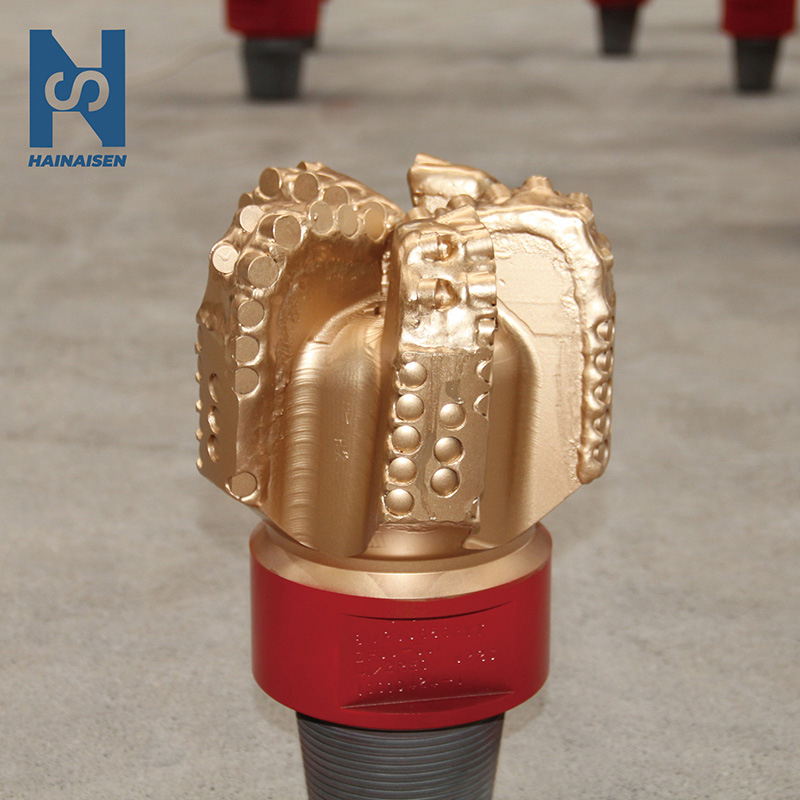 VIEW MORE5 Blades PDC Oil Bit
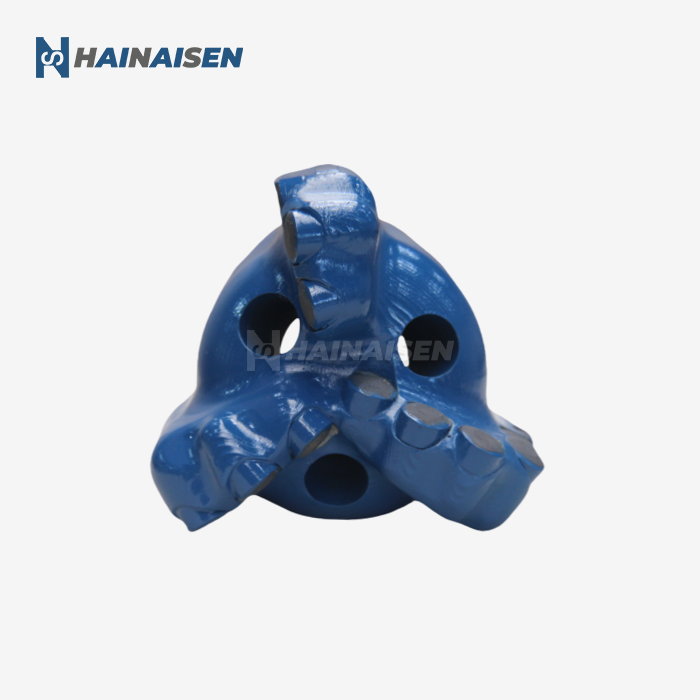 VIEW MORE113mm Three Wing Arc Angle Drill Bit
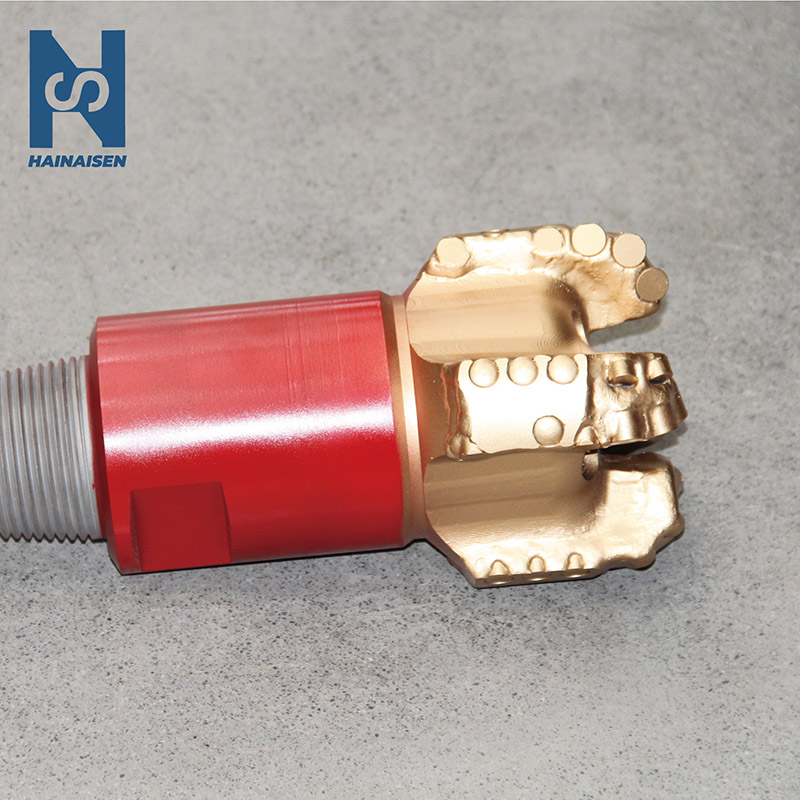 VIEW MOREPetroleum PDC Oil Drill Bit
 VIEW MORE6-Blade PDC Drill Bit
