







PDC Rock Drill Bit Cutter Arrangement Explained
The PDC Rock Drill Bit cutter arrangement is a complex engineering method in which polycrystalline diamond compact cutters are placed on the bit face in a way that maximizes drilling efficiency and penetration rates. The arrangement design has a direct effect on the cutting action, the removal of debris, and the general drilling performance in a range of rock types. Advanced cutting placement patterns make the best use of load distribution, lower shaking, and bit life extension while keeping boring parameters constant. By understanding these setups, procurement professionals can choose the best drilling solutions for each job, which leads to higher operating efficiency and lower drilling costs.
Fundamentals of PDC Rock Drill Bit Cutter Arrangement
To understand PDC drill bit technology, you need to look at how fixed cutters interact with rock forms while cutting. Polycrystalline diamond compact cutters are permanently connected to the bit body. This makes a shearing action that breaks up rock through constant contact instead of a breaking action.
Core Components and Structure
The complex design architecture of the PDC bit is what makes it work so well. The main body of the bit is made of high-grade steel, which gives it strength and the ability to transmit force. Advanced polycrystalline diamond compact cutters are carefully placed across the bit face, with each one set at a different angle and direction to get the best cutting results. The tungsten carbide matrix makes the material more resistant to wear while keeping its shape in harsh cutting circumstances.
The arrangement patterns of cutters are very different depending on the intended use and the needs of the geology. Radial placement makes sure that the cutting forces are evenly distributed, and spiral shapes help the cuttings to escape quickly. The distance between cutters affects bit stability and penetration rates, so it takes careful planning to find the right mix between cutting quickly and lasting a long time.
Impact on Drilling Performance
Strategic placement of the cutter has a direct effect on a number of important cutting factors that affect the success of the project as a whole. When cuts are placed so that they meet as little as possible while still covering the whole bit face, penetration rates go up by a lot. When things are set up correctly, drilling vibrations are cut down. This keeps the bit and the drilling tools from wearing out too quickly or getting damaged.
When cutter arrangements are adjusted, each cutter cuts through new rock instead of previously broken material, which greatly increases the efficiency of rock breakup. This method of setup cuts down on energy use while keeping drilling progress steady. This lowers running costs and speeds up project timelines in the long run.
Comparison of Cutter Arrangements: PDC vs Other Drill Bit Types
The fixed cutter design and planned placement patterns of PDC rock drill bits make them clearly better than standard drilling methods. Knowing these differences helps buying teams make smart choices based on the needs of the drilling project and the limitations of the operation.
PDC vs. Tricone Bit Technology
Most tricone bits are made up of spinning cones with steel or tungsten carbide teeth that crush rock by contact and compression. This device for crushing makes a lot of heat and shaking, and the cone needs complicated bearing systems to turn. PDC Bits get rid of these mechanical problems by using set cutters that cut rock through constant contact. This makes drilling go more smoothly and requires less upkeep.
Because of the way the cutters are arranged in PDC bits, they have better control over direction than tricone bits, which makes them perfect for both horizontal and directional drilling. Tricone bits tend to wander because the cones wear unevenly, but PDC bits stay on track because the cutters are evenly placed and the wear patterns are regular.
Performance Characteristics Across Rock Types
Different types of rock formations react differently to different types of cutter designs and bit technologies. Aggressive PDC cutter setups that improve penetration rates while keeping bits stable work best in soft to medium-hard formations. For hard formations, you need special cutter setups with diamond cutters that are strengthened and the right amount of space between them to keep them from wearing out too quickly.
When you use advanced cutter alloys and smart placement patterns, PDC technology can handle the unique problems that come up in abrasive formations. The fixed cutting design cuts down on the metal-to-metal contact that happens in tricone bits. This lowers the rate of wear and increases the bit's useful life in tough drilling conditions.
How to Select the Right Cutter Arrangement for Your Application?
To choose the best cutter setups, you need to look at the drilling goals, the rock conditions, and the working factors. This selection process has a direct effect on how well the drilling works, how long the bits last, and the total cost of the job.
Geological Assessment and Formation Analysis
Rock hardness is the main thing that determines which cutter setup to use, since different amounts of hardness need different cutting methods. To get the best penetration rates, aggressive cutter placements with bigger cutters and tighter spacing work best in soft patterns. Formations that are medium-hard need designs that are well-balanced so that they cut efficiently without wearing out the cutter too quickly.
Levels of abrasiveness have a big effect on which cutters to use and where to put them, especially in rocks with quartz or other hard minerals. To keep cutting effectively in high-abrasion areas, you need special diamond grades and safe cutter arrangements that keep you from coming into contact with rough materials as little as possible.
Formation heterogeneity adds another level of complexity that needs cutter arrangements that can change to different rock qualities within the same drilling period. Hybrid setups that use a mix of cutter sizes and positions to adapt to changing geological conditions are often best for mixed formations.
Design Parameters and Configuration Options
In different drilling situations, the choice of cutter size affects both the rate of entry and the life of the bit. It is true that bigger cutters last longer and cut deeper, but they may make the bit face less dense overall. Smaller cuts allow for denser patterns and better cutting distribution, but they need to be replaced more often when the conditions are rough.
Optimizing the cutter position changes how well it cuts and how well it removes trash during the drilling process. In soft rock forms, aggressive angles allow for faster penetration, while careful angles make holes last longer in harder rock types. Back rake angles affect cutting forces and chip formation, so they need to be carefully thought through based on the traits of the formation and the drilling goals.
Patterns of spacing decide how loads are spread among the cutters and how stable the bit is as a whole during boring operations. Variable spacing is used to deal with different formation problems and drilling needs, while uniform spacing ensures regular performance and wear patterns.
Customization Opportunities for Large-Scale Operations
Large-scale drilling projects often benefit from having cutting arrangements that are specially made to fit the needs of the project and the natural conditions. These customization options let you get the best drilling results while also dealing with unique operating issues that standard bit designs can't handle well.
Custom setups let you use advanced materials and specialty cutter technologies like the PDC Rock Drill Bit that improve performance in tough drilling conditions. When procurement teams work with qualified providers, they can come up with application-specific solutions that make drills more efficient while lowering costs and downtime.
Best Practices for Maintaining PDC Rock Drill Bit Cutter Arrangements
Following the right maintenance steps will greatly increase the life of a PDC bit and keep it working at its best throughout all operating processes. Knowing common wear patterns and taking steps to stop them saves drilling investments and makes sure that operations run smoothly every time.
Common Wear Patterns and Early Detection
Thermal damage is one of the most common ways that PDC cuts break. This damage is usually caused by cutting operations that produce too much heat. Discoloration of diamond surfaces and thermal splitting patterns that can be seen during regular checks are early warning signs. Keeping an eye on drilling factors like bit weight and rotating speed can help find situations that could lead to thermal damage before it happens and the cutter breaks down permanently.
Impact damage shows up as broken or chipped cuts that are caused by quick changes in the shape or problems with the way the machine is working. Regular checks of the bit face reveal patterns of impact damage that can show bad drilling techniques or unusual natural conditions. If you take care of these problems right away, they won't lead to failures that affect multiple cuts and require early bit replacement.
Inspection Protocols and Maintenance Standards
Systematic inspection methods make sure that wear patterns and possible failure modes are found early, before they affect the performance of the drills. Each cutter should be looked at visually for signs of damage, wear, or weakening that could affect the quality of the bit. Dimensional measures keep track of changes in cutter height that show how regular wear works and how much bit life is left.
Cleaning procedures get rid of drilling waste and rock particles that could speed up wear or hide signs of damage during checks. When bits are stored correctly, they are protected from damage and pollution from the environment that could affect how well they work in future drills. Temperature-controlled storage stops thermal stress, and secure packing stops damage to the package during shipping and handling.
Cost-Benefit Analysis for Replacement Decisions
To decide when to replace a bit, you have to weigh how long it still has left to live against how well it drills and the operating risk it poses. When old bits are kept in use, they often lead to lower penetration rates and higher drilling costs that are higher than the cost of replacing. Tracking performance measures lets you make repair choices based on data, which improves the costs of drilling.
There are different ways to replace a cutter, from replacing all of the bits to fixing and refurbishing just a few. By comparing these options based on the state of the bit, the leftover needs of the project, and the cost, the best use of resources is guaranteed while drilling performance standards are maintained.

Procurement Considerations for PDC Rock Drill Bits with Optimized Cutter Arrangements
To buy a PDC rock drill bit successfully, you need to look at the supplier's skills, the quality of their products, and their customer service to make sure that the bit always works well and is reliable.
Supplier Evaluation and Quality Assessment
The technical knowledge of the supplier is very important for making sure that the cutter arrangements work well for the cutting job. Expert makers know enough about geology and engineering to make sure that bit designs are the best they can be based on the properties of the rock and the needs of the operation. Looking at a supplier's past work with similar tasks can help you figure out how well they can offer solutions that meet performance standards.
The quality control steps have a direct effect on how reliable bits are and how consistently they work across production batches. Reliable providers use strict testing methods and quality control checks to make sure that every bit meets the performance requirements. Certification programs and following industry norms show that a provider cares about quality and dependability.
The ability to Manufacture affects both the supply of products and the customization choices that buying teams have. High-tech factories with precise cutting tools allow for tight control of tolerances and consistent bit quality. Automation makes it possible to produce a lot of things at once while still meeting the high-quality standards needed for tough drilling jobs.
Cost Analysis and Value Optimization
The complexity of the cutter arrangement affects both the initial cost of buying the cutter and the long-term cost of running the cutter because it affects how well it drills and how long the bits last. Simple setups usually cost less at first, but they might not work as well in tough drilling conditions. Advanced arrangements cost more, but they often provide better drilling efficiency and longer bit life, which makes the higher starting costs worthwhile.
When planning projects and keeping track of supplies, lead times become very important. This is especially true for custom cutter setups that need special engineering and manufacturing methods. Standard setups usually have shorter lead times, while unique solutions need more time to plan in order to meet the needs of design and production.
When you buy in bulk, you can save money on large-scale drilling projects and make sure you always have bits on hand for the length of the project. Volume savings and good payment terms make the project more affordable and help build long-term relationships with suppliers that support ongoing drilling operations.
Conclusion
Optimizing the design of the PDC Rock Drill Bit cutters is a key part of successfully drilling in a wide range of geological types and operating conditions. Strategically placing cutters has a direct effect on bit life, penetration rates, and the total cost of drilling while maintaining steady operational performance. Procurement experts can make choices that improve drilling efficiency by understanding basic design principles, comparative advantages, and selection criteria. Using the right upkeep methods and building strong relationships with suppliers will ensure long-lasting performance throughout all operating cycles. This will protect drilling investments and help keep projects on schedule and within budget.
FAQ
1. What factors determine the optimal PDC cutter arrangement for my drilling application?
The best way to order the cutters relies on the hardness of the rock, how rough the formation is, the drilling goals, and the operational conditions. For soft formations, bold arrangements with bigger cutters and tighter spacing work best, while for hard formations, conservative arrangements with better durability features work best. Different types of rock in the formation and the path of the drill also affect the choice of design.
2. How do PDC bit cutter arrangements compare to tricone bit performance in different formations?
Tricone bits usually work better in very hard formations because they crush the material, while PDC bits work best in soft to medium-hard formations because they slice it and cut it consistently. Modern PDC cutter setups, on the other hand, can now drill through hard formations successfully while providing better direction control and requiring less upkeep.
3. What maintenance practices extend PDC bit life and maintain cutter arrangement effectiveness?
Bits last a lot longer when they are inspected regularly, cleaned properly, and stored in controlled circumstances. Keeping an eye on heat damage, contact wear, and changes in size and shape lets you find problems early, before they hurt the drilling process. The cutter doesn't wear out too quickly when drilling is done correctly and parameters are optimized.
Partner with HNS for Advanced PDC Rock Drill Bit Solutions
HNS offers the best PDC Rock Drill Bit options for tough drilling jobs by combining decades of technical knowledge with cutting-edge manufacturing skills. Our focused research and development team creates unique setups for cutters that improve drilling efficiency and lower costs in oil and gas, mining, and water wells. Modern factories with 5-axis machining centers make sure that the quality is precise and that the machines always work the same way. Email our technical experts at hainaisen@hnsdrillbit.com to talk about your unique drilling needs and find out how our skills as a PDC Rock Drill Bit manufacturer can help your drilling operations.
References
1. Smith, J.R. "Advanced PDC Cutter Technology and Arrangement Optimization for Enhanced Drilling Performance." Journal of Petroleum Drilling Technology, Vol. 45, No. 3, 2023, pp. 78-92.
2. Thompson, M.K. "Comparative Analysis of Fixed Cutter and Roller Cone Drill Bit Performance in Unconventional Formations." International Drilling Engineering Review, Vol. 28, No. 7, 2022, pp. 156-171.
3. Chen, L.W. "PDC Bit Design Fundamentals: Cutter Placement Strategies for Optimized Rock Cutting Mechanisms." Drilling Technology Quarterly, Vol. 19, No. 2, 2023, pp. 34-48.
4. Rodriguez, A.M. "Maintenance Best Practices for PDC Drill Bits in Abrasive Drilling Environments." Oilfield Technology Management, Vol. 31, No. 5, 2022, pp. 89-104.
5. Johnson, P.D. "Economic Analysis of PDC Bit Procurement Strategies for Large-Scale Drilling Operations." Energy Industry Procurement Review, Vol. 14, No. 4, 2023, pp. 67-81.
6. Williams, S.C. "Geological Formation Analysis and PDC Bit Selection Criteria for Optimized Drilling Performance." Rock Mechanics and Drilling Engineering, Vol. 22, No. 8, 2022, pp. 112-127.
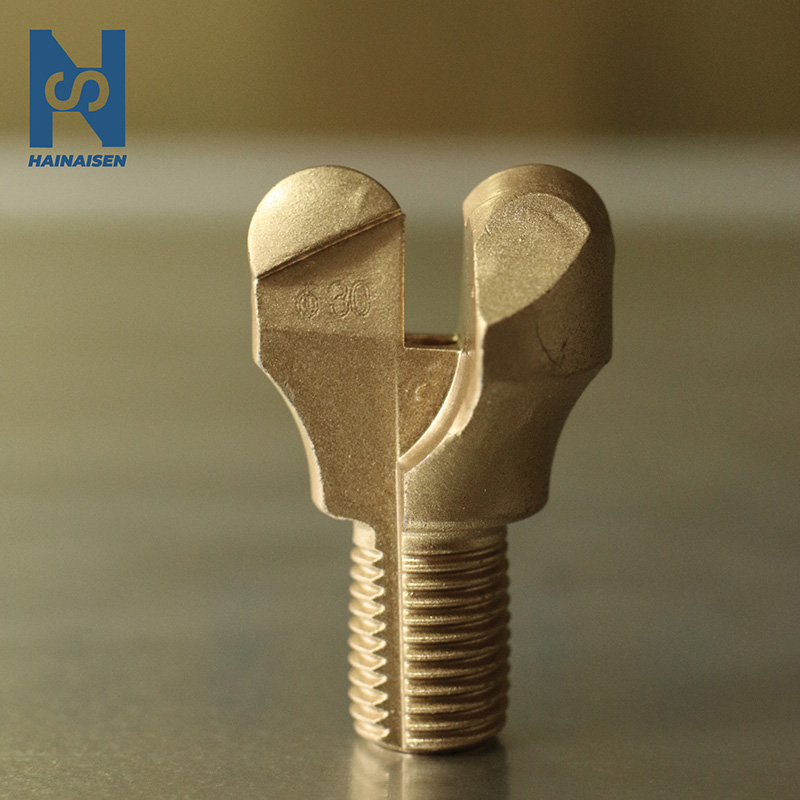 VIEW MORE34 And A Half Whole Coal Mine Mining Anchor Drill Bits
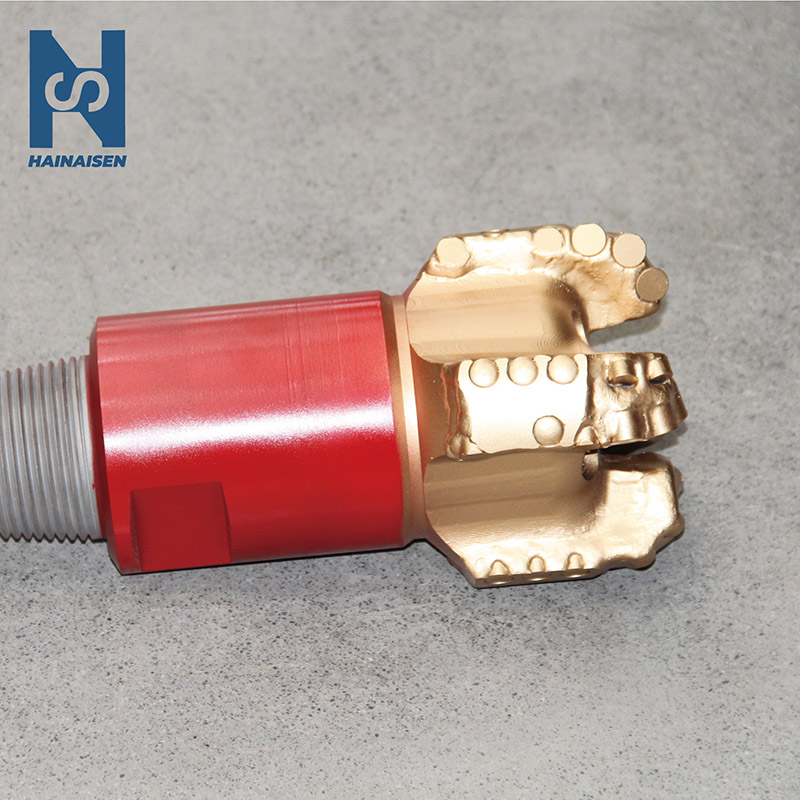 VIEW MOREPetroleum PDC Oil Drill Bit
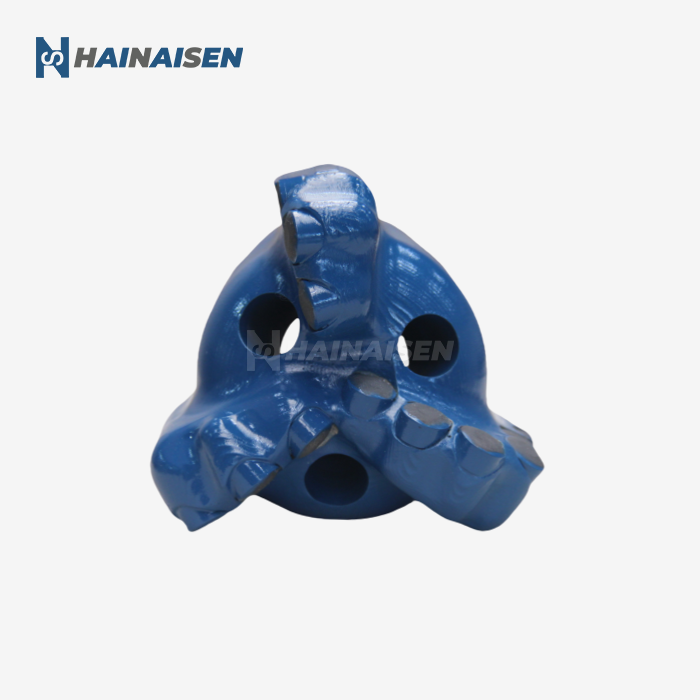 VIEW MORE113mm PDC Arc Angle Drill Bit
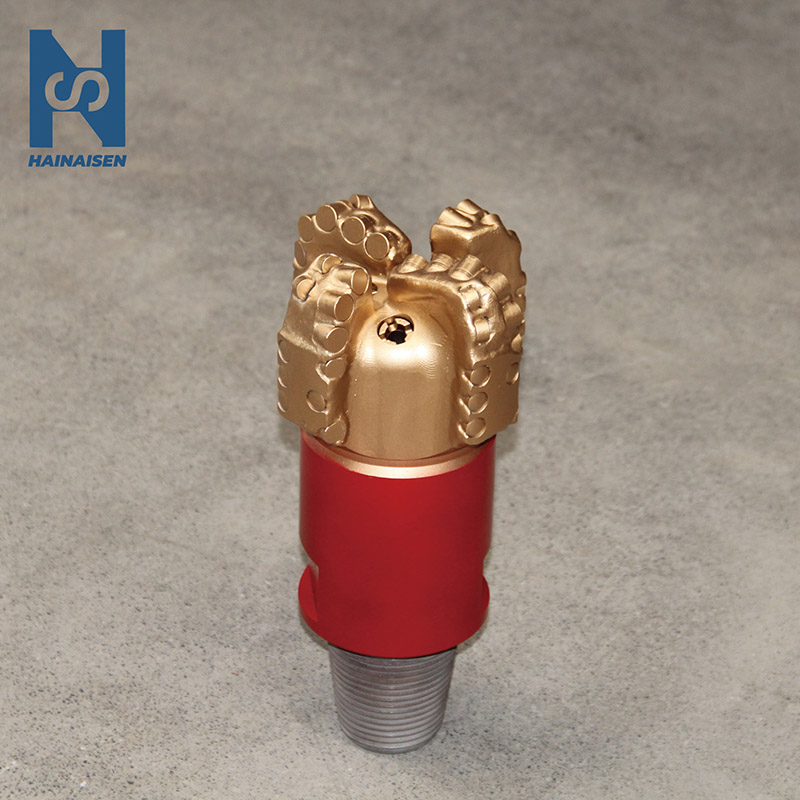 VIEW MOREFour Blade Wing Oil Drilling Tool
 VIEW MOREForging Deep Rock Well Drilling Bits PDC Mining Bit
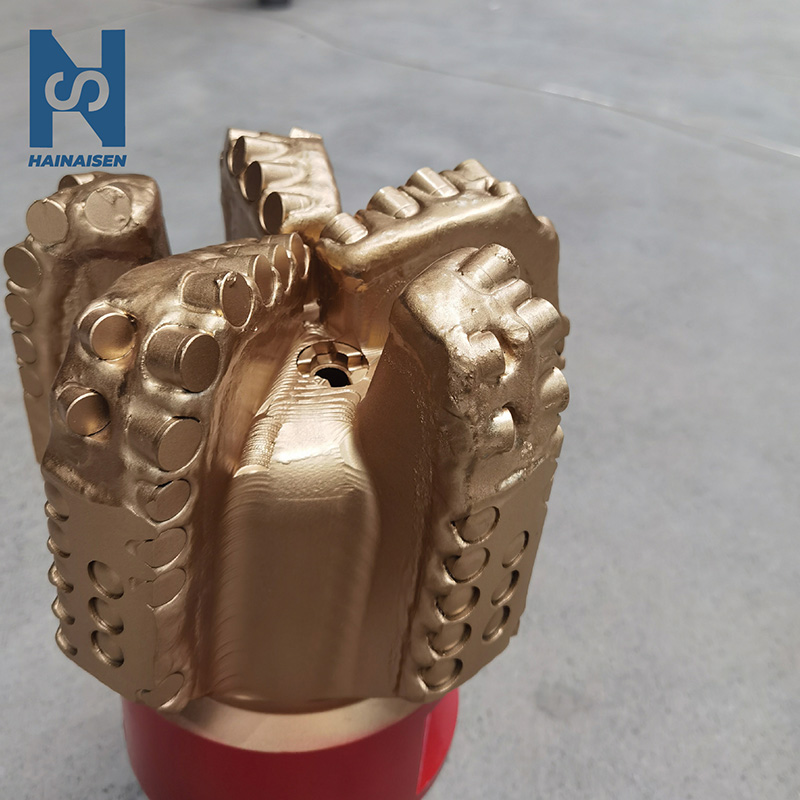 VIEW MOREFive Blade Wing Oil Drilling
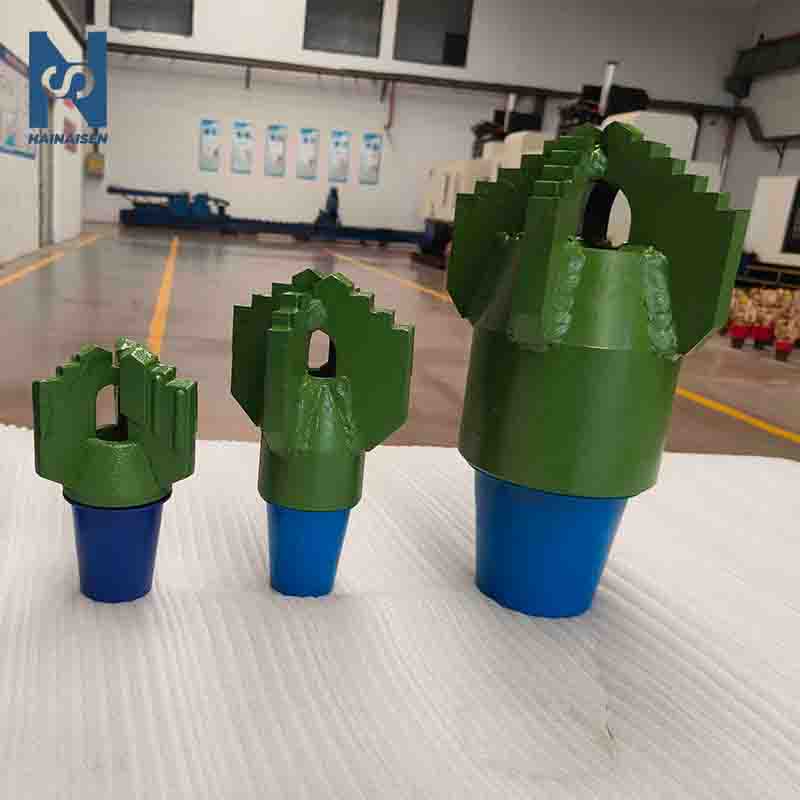 VIEW MORESteel Scraper Drill Bit
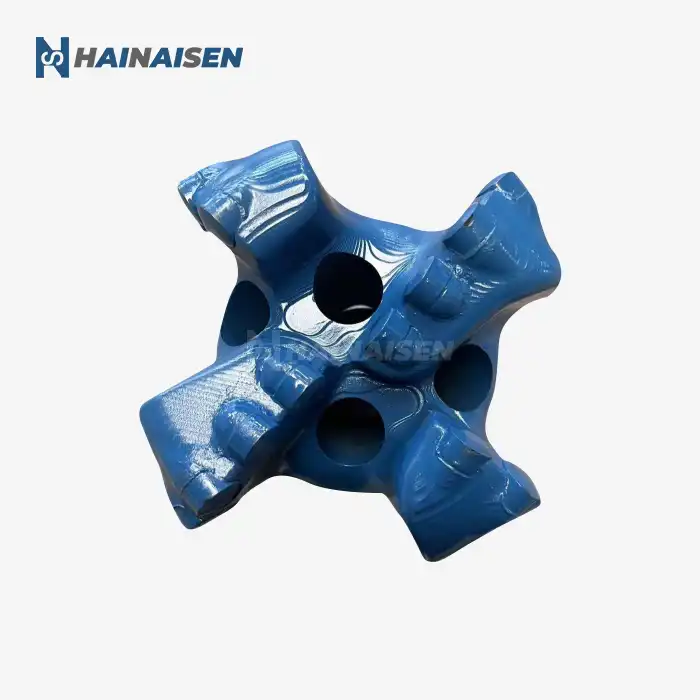 VIEW MOREFour Blade PDC Drill Bit
