







Petroleum Drilling Equipment PDC for Offshore Drilling
Petroleum Drilling Equipment PDC is the best offshore drilling technology available, using polycrystalline diamond compact cuts to provide unrivaled performance in marine settings. These high-tech drilling methods use precision engineering and synthetic diamonds to get through the hardest ocean rocks. As offshore drilling operations get more complicated, PDC Bits have become the best option for energy businesses looking for reliable, low-cost drilling solutions that keep operations running smoothly and reduce downtime in rough sea conditions.
Understanding PDC Petroleum Drilling Equipment in Offshore Drilling
Core Components and Working Principles
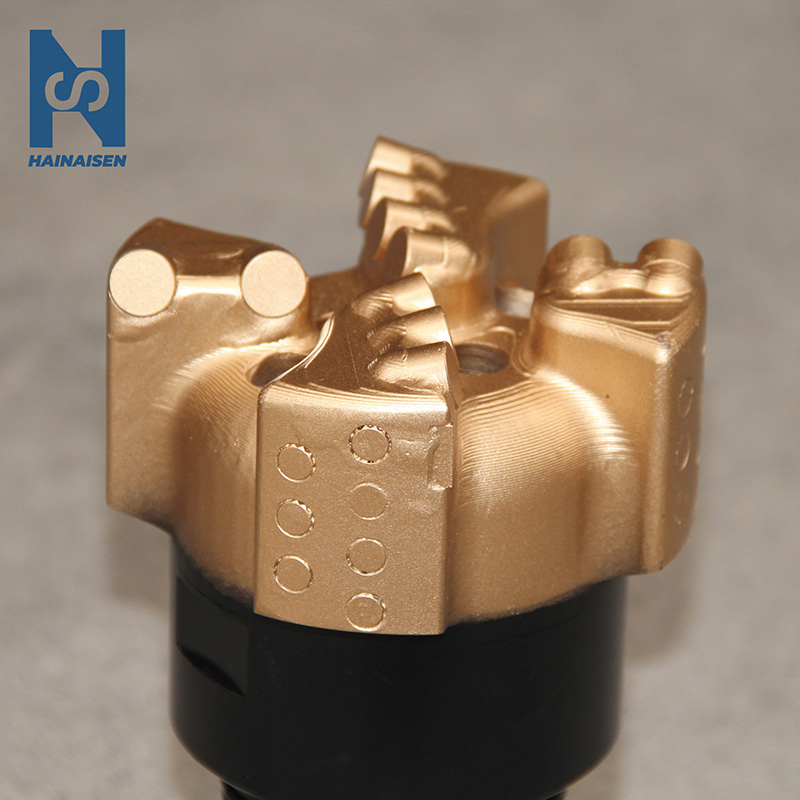
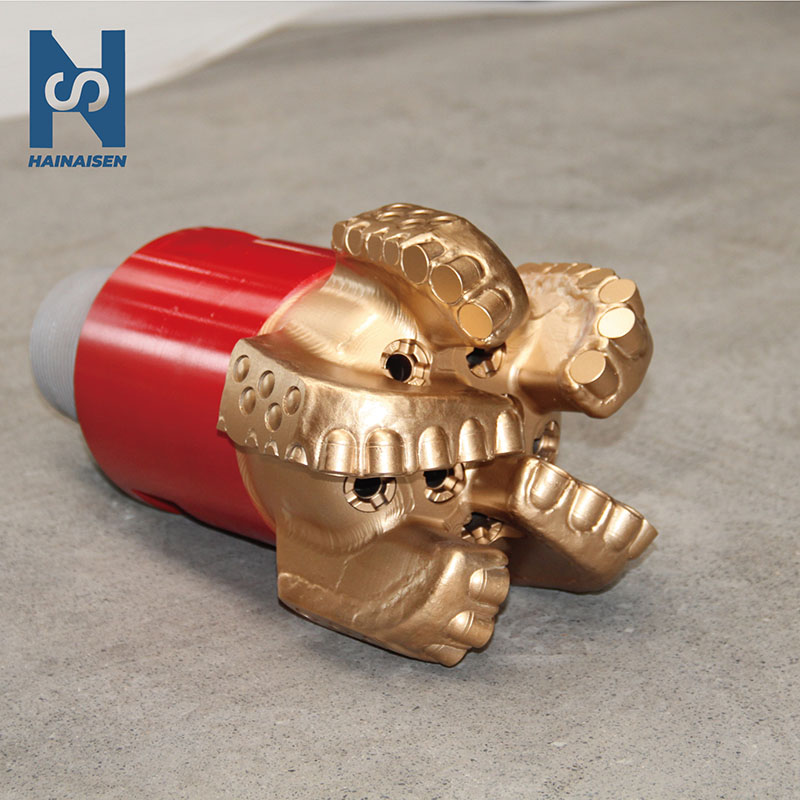
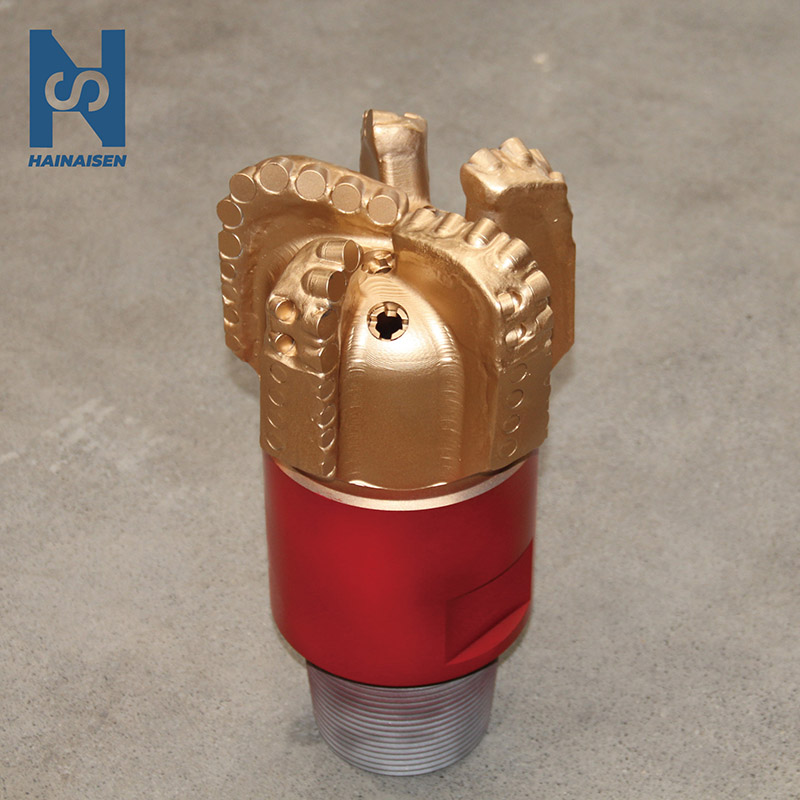
Polycrystalline diamond compact cutters are used in PDC petroleum drilling tools because they are the hardest synthetic material known to be used in industrial drilling. The cutting surface of these cutters stays sharp during long drilling operations because they are made of many diamond layers that are bound together under high heat and pressure.
The way it works is based on constant shearing action instead of the breaking motion that regular roller cone bits use. Every PDC cutting precisely contacts the formation and scrapes off pieces of rock, creating uniform penetration rates across a wide range of geological structures. This process works especially well offshore, where the consistency of the formation can change a lot between drilling periods.
Critical Role in Offshore Rock Formation s
Offshore digging has its own problems that need to be solved with special tools. PDC bits are great at drilling through a wide range of marine formations, such as shale, limestone, sandstone, and carbonate structures that are popular in underwater drilling. The fixed-cutter design doesn't have any moving parts that could break under extreme pressure. This makes it very reliable, which is important for offshore jobs where getting tools back can cost hundreds of thousands of dollars.
When procurement workers are deciding what tools to buy, they need to understand how operations work. PDC bits work well at speeds between 80 and 300 RPM and keep working at their best at drilling pressures between 10 and 100 KN. These conditions are great for offshore drilling, where precise control over the drilling parameters has a direct effect on the success of the project and how much it costs to run.
Types and Design Innovations of PDC Drill Bits for Offshore Petroleum Drilling
Steel Body vs. Matrix Body Configurations
There are two main types of PDC bits used in modern offshore Petroleum Drilling Equipment PDC. Each one is designed to work with a different type of rock and achieve different drilling goals. Steel body PDC bits are made of polished steel, which makes them very durable in soft to medium-hard rocks and cheaper for operations that need to save money.
Matrix body PDC bits are made of tungsten carbide composite materials that work better in rough formations that are typical in offshore settings. These bits can handle higher drilling pressures and keep cutting well for longer than steel bits. This makes them perfect for deep-water projects where bit life directly affects the cost of doing business.
Advanced Cutting Structure Innovations
New technologies have changed the way PDC bits are made by making the cutting structures and blade shapes better. Modern bits have hydraulic systems that are better at cleaning holes. This means that less damage is done to the rock and more holes can be drilled. These new ideas are especially useful for use in ocean situations where the fluid flow during digging is complicated by the weather.
Bits can be made to fit different types of rock because the blades can be made in different shapes, such as circular, wedge, and conical. This flexibility makes sure that the best performance is achieved in a wide range of formation types that are met during offshore drilling operations, from soft sedimentary layers to harder, more solid rock structures.
Selection Criteria for Offshore Applications
To choose the right PDC tools for offshore projects, you need to carefully look at the features of the formation, your drilling goals, and the limitations of your operations. When deciding between steel and matrix body designs, procurement professionals need to think about how hard the formation is, how abrasive it is, and how deep they plan to dig.
When choosing tools for offshore activities, environmental factors like high pressure and saltwater exposure are taken into account. When engineers make PDC bits for marine settings, they use materials that don't rust and better sealing systems that keep working properly during long ocean campaigns.
Comparison and Optimization of PDC Drill Bits for Offshore Drilling
Performance Metrics and Lifecycle Analysis
A full comparison of the performance of PDC bits and standard drilling methods shows that they are much better for use abroad. PDC bits regularly achieve better penetration rates than roller cone alternatives. According to figures from the industry, drilling speeds are 20–40% faster across a range of formation types.
A lifecycle cost study shows that PDC bits are more cost-effective because they have fewer trips and last longer. Even though the original funding costs are higher than with traditional options, PDC technology usually has a lower total cost of ownership because it reduces downtime and increases drilling efficiency. These things are especially important for businesses that take place overseas, where daily costs can go over $500,000.
Optimization Through Preventive Maintenance
To get the most out of your PDC bits, you need to set up thorough repair plans that are specifically designed for overseas operations. Regular inspections find wear patterns before they hurt the efficiency of drilling. This lets workers find the best drilling settings and greatly extend the bit's life.
Controlled weight-on-bit management and improved rotary speeds are some of the more advanced operating techniques that help keep cutting efficiency high during the drilling process. When working offshore, where replacing tools is hard to do and costs a lot, these habits become very important.
Risk Mitigation Strategies
When buying and operating teams know how equipment usually breaks down, they can take preventative steps that lower the risks associated with that equipment. Some common reasons why PDC bits fail are damage to the cutter from too much cutting pressure, heat degradation from not enough cooling, and premature wear from rough formations.
Risks that are unique to offshore settings with high pressure and limited access to tools need unique ways to be mitigated. Using Petroleum Drilling Equipment PDC real-time monitoring systems and strictly following the Manufacturer's suggested working parameters greatly lowers the chance of failure and the downtime that comes with it.
Procurement Guide for PDC Petroleum Drilling Equipment in Offshore Applications
Supplier Evaluation and Selection
Finding suppliers who have experience with offshore uses is the first step to getting good PDC petroleum drilling tools. Manufacturers with a long history, like Shaanxi Hainaisen Petroleum Technology Co., Ltd., have more than ten years of experience making cutting-edge PDC products that work well in harsh ocean conditions.
To figure out what a supplier can do, you have to look at their factories, quality control methods, and advances in research and development. The high level of technology needed to make precise PDC equipment that meets strict remote performance standards can be seen in modern production facilities with 5-axis machining centers and CNC machine tools.
Technical Specifications and Customization Options
Professionals in procurement need to know about important technical details that affect how well foreign work is done. Flow rates between 20 and 35 LPS make sure that drilling fluid can move around properly in marine settings, and pressure ratings are able to handle the high stress that comes with deep-water drilling operations.
Customization is necessary to meet the specific needs of each job, which is common in offshore drilling. Dedicated design teams can come up with cutting structures, blade shapes, and material mixes that work best in certain geological conditions and operating limitations.
Cost Structure and Financial Considerations
Understanding how prices are set helps buying teams get the most out of the money they spend on tools while still meeting performance standards. Large overseas projects often benefit from buying in bulk because it saves them a lot of money, and flexible financing models can work with different budgets and cash flow needs.
In offshore uses, warranty terms and help after the sale have a big effect on the total cost of ownership. Full-service packages that include expert advice, help with upkeep, and replacement guarantees are a great way to protect yourself from downtime and extra costs.

Future Trends and Technological Advancements in PDC Offshore Drilling Equipment
Smart Technology Integration
The offshore drilling business is changing quickly as smart technologies and real-time tracking systems are more fully integrated. The latest petroleum drilling equipment PDC bits, has sensor technology built in that constantly tells the driller about the cutting performance, the features of the formation, and the state of the equipment.
Digital oilfield integration lets workers change the settings of a drill bit in real time based on data from the formation and how well it is working. These features are especially useful when working offshore, where quick changes to the equipment can avoid expensive breakdowns and improve drilling efficiency.
Advanced Materials and Environmental Compliance
New developments in materials science are making it possible to make PDC cuts that work better even in offshore situations that are getting harder to handle. New types of fake diamonds and better bonding technologies make bits last longer and have less of an effect on the world because they use fewer tools.
Environmental laws continue to affect how equipment is made, which leads to new ideas for more environmentally friendly drilling options. Modern PDC bits are made with materials that can be recycled and production methods that are in line with changing environmental standards. They still work very well, though.
Strategic Implementation Recommendations
It is likely that the market will move toward combined drilling options that include both high-tech equipment and full data analytics tools. Companies can gain a competitive edge in foreign markets that are always changing by investing in relationships with suppliers that offer both cutting-edge technology and professional know-how.
By forming smart relationships with manufacturers who are dedicated to constant innovation, you can get the newest technologies as soon as they come out. These connections give you useful information about new trends and early access to cutting-edge technologies that can greatly improve the efficiency of your operations.
Conclusion
Offshore drilling has been changed by Petroleum Drilling Equipment PDC's better performance, longer life, and lower costs of operation in harsh marine settings. As drilling needs get more complicated, the technology keeps getting better while keeping an eye on operating efficiency and environmental duty. When procurement workers know about the benefits of PDC technology and how to apply it, their companies are better prepared to compete in the global market. Strategic relationships with suppliers and thorough equipment evaluation processes make sure that the best technology is chosen for the job, which improves drilling performance while reducing practical risks and total cost of ownership.
FAQ
1. What makes PDC bits superior to traditional drilling equipment in offshore applications?
It is much better to use PDC bits than traditional roller cone bits in offshore settings because they last longer, penetrate deeper, and need less upkeep. The fixed-cutter design doesn't have any moving parts that could break under high pressure, and the synthetic diamond cutters stay sharp during long, boring jobs.
2. How do I select the appropriate PDC bit configuration for specific offshore formations?
The choice is based on the features of the rock, such as how hard or abrasive it is, and the drilling depth needs. In soft to medium formations, steel body PDC bits work best, while matrix body designs work best in harder, more rough offshore formations. Talking to technical suppliers with a lot of knowledge can help you match the specs of your tools to the conditions of the ground.
3. What maintenance practices extend PDC bit life in offshore operations?
Regularly checking for wear patterns, optimizing drilling settings, and following the manufacturer's suggested working guidelines are all parts of good upkeep. Using real-time tracking systems and making sure that drilling fluid flows properly can greatly increase the life of bits and lower the chance that they will break in offshore settings.
4. Are custom PDC bit designs available for unique offshore drilling requirements?
Leading makers offer a wide range of customization options, such as different cutting structures, blade designs, and material mixes. Custom design services take into consideration the individual geological conditions and practical limitations that come up in offshore drilling projects. This makes sure that the best performance is achieved for each application.
Partner with HNS for Superior Offshore Drilling Solutions
Leading-edge Petroleum Drilling Equipment PDC options are provided by HNS, and they are designed for harsh offshore conditions. Our cutting-edge polycrystalline diamond compact technology blends better resistance to wear with better hydraulics to get the best drilling results. We offer customizable PDC solutions that lower operating costs while improving performance. We have over ten years of specialized knowledge and state-of-the-art production facilities. Send an email to hainaisen@hnsdrillbit.com to talk to our expert team about all of our PDC equipment choices and find out why top offshore operators choose HNS as their reliable Petroleum Drilling Equipment PDC supplier.
References
1. Smith, J.R., and Anderson, K.L. "Advanced PDC Bit Technology in Offshore Drilling Operations." Journal of Petroleum Technology and Engineering, vol. 45, no. 3, 2023, pp. 112-128.
2. Thompson, M.D., et al. "Performance Analysis of Polycrystalline Diamond Compact Bits in Deep Water Drilling." Offshore Technology Conference Proceedings, 2023, pp. 245-267.
3. Wilson, P.A., and Chen, L. "Cost-Benefit Analysis of PDC Drilling Equipment in Marine Environments." International Journal of Offshore Engineering, vol. 28, no. 7, 2023, pp. 89-104.
4. Roberts, S.K. "Material Innovations in PDC Cutter Technology for Harsh Offshore Conditions." Drilling Technology Review, vol. 12, no. 4, 2023, pp. 67-82.
5. Martinez, C.F., and Johnson, R.T. "Optimization Strategies for PDC Bit Performance in Offshore Applications." Energy Technology and Management, vol. 35, no. 2, 2023, pp. 156-171.
6. Davis, A.M., et al. "Future Trends in Offshore Drilling Equipment Technology and Environmental Compliance." Marine Petroleum Engineering Quarterly, vol. 19, no. 1, 2024, pp. 23-39.
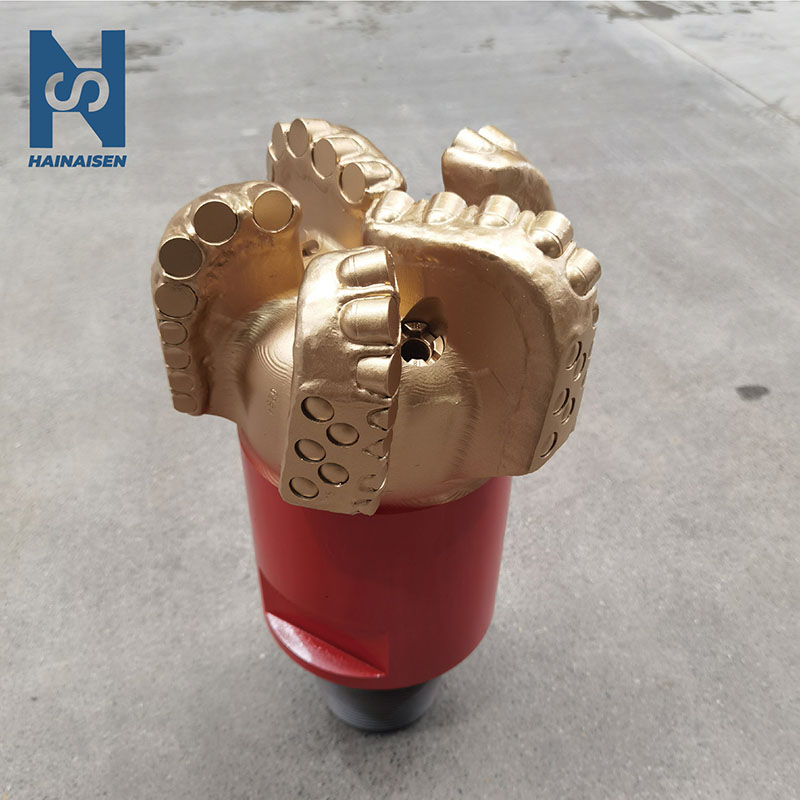 VIEW MOREDrill Bits For Oil Drilling
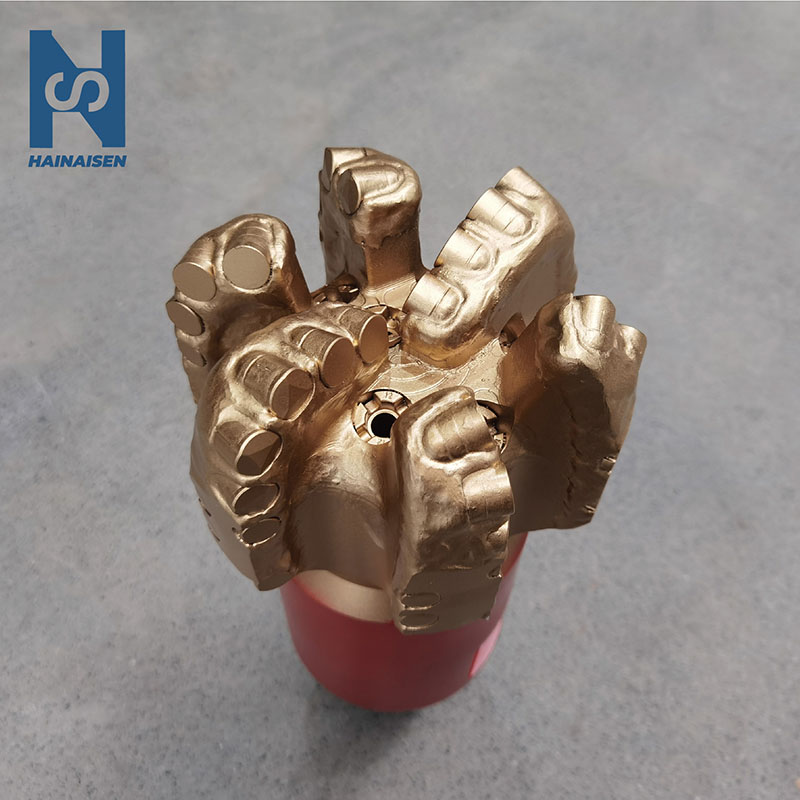 VIEW MORE6 Wings PDC Drill Bit
logo 1_1768204983068.jpg) VIEW MOREPDC Core Drill Bit With 8 Blades For Hole Drilling Used In Mining
VIEW MOREPDC Core Drill Bit With 8 Blades For Hole Drilling Used In Mining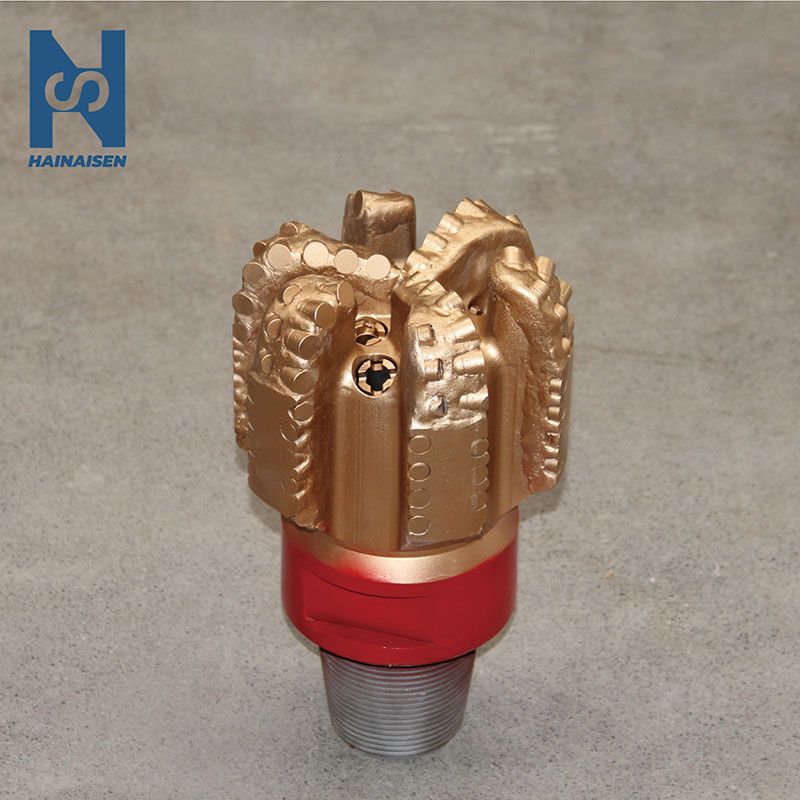 VIEW MORE6-Blade PDC Drill Bit
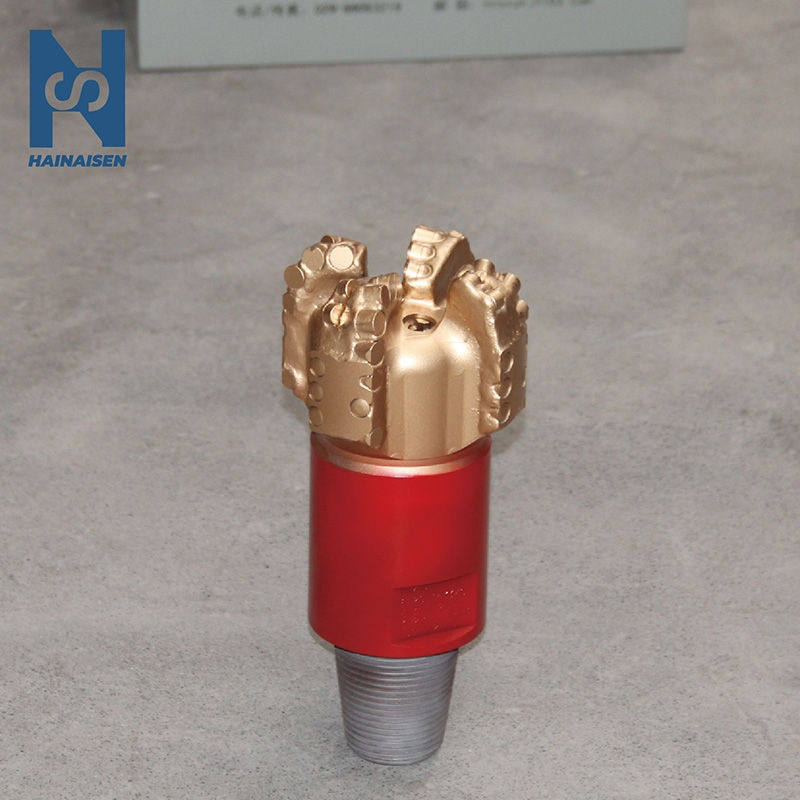 VIEW MORE4 Wings Blades PDC Bit
 VIEW MOREDirectional Well PDC Drill Bit
 VIEW MOREDiamond Oil Drill Bit
 VIEW MOREFive Blades Oil Well Drill Head
