







Steel Body PDC Drill Bit Wear Protection Design
The Steel Body PDC Drill Bit Wear Protection Design is a major step forward in drilling technology. It combines strong steel construction with polycrystalline diamond compact cuts to provide outstanding performance in tough rocks. These cutting-edge drilling tools have special parts that don't wear out easily and hydraulic designs that make them last a lot longer while still allowing for better entry rates. Advanced protection layers and careful placement of the cutters work together to keep damage to a minimum and improve drilling efficiency in a wide range of rock types.
Understanding Steel Body PDC Drill Bits and Their Wear Challenges
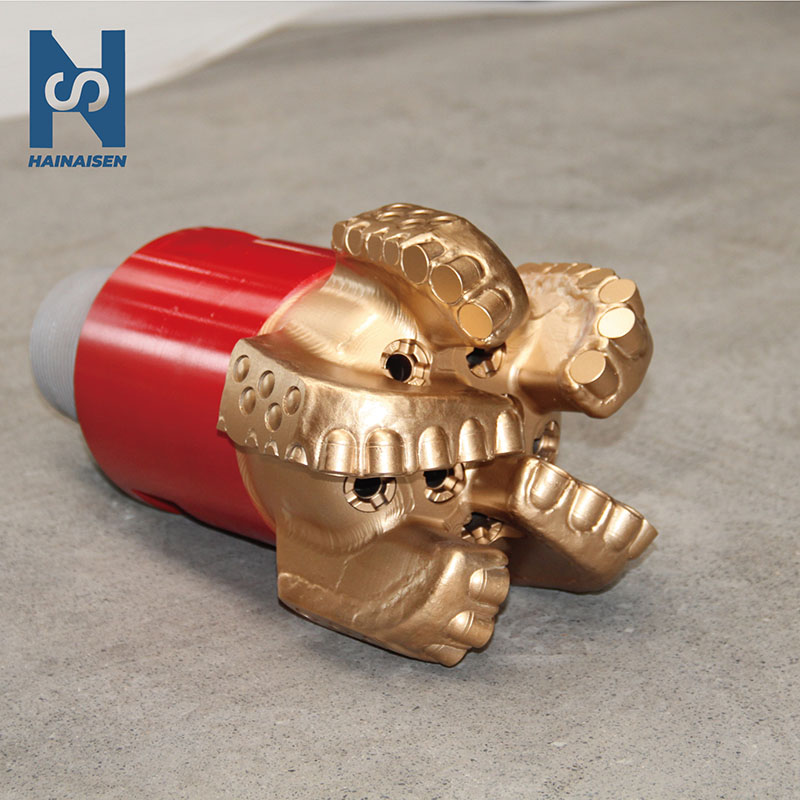
Steel body PDC drill bits are high-tech cutting tools made with polycrystalline diamond cutters carefully placed around high-strength alloy steel cores. Unlike tungsten carbide or matrix body tools, these ones are very good at resisting impacts and being structurally flexible. This makes them especially useful in rock formations with hard stringers or broken rock. Because it is made of steel, the bit is more flexible and can handle shock loads that would damage less flexible options.
Construction and How Things Work
Mechanical stability and operating adaptability are at the heart of the design philosophy. Medium-carbon steel is used for the body, and it is precisely machined to make the bit shape that is needed. PDC cutters are then pressed tightly into holes that have already been drilled. To make the crown surface last longer against abrasive forms, it goes through special strengthening processes that often include tungsten carbide wear-resistant layers. This way of making things allows for bigger junk slot areas so that cuttings can be emptied more efficiently while keeping the structure strong in tough drilling circumstances.
Common Wear Patterns and Operational Challenges
Specific wear processes that can lower bit performance and raise running costs are common in drilling operations. Cutter erosion happens when sharp particles wear down the diamond cutting surfaces over time, making them less effective at penetrating. Another big problem is bit balling, which happens when sticky things stick to the bit face and make it less effective at cutting. This means that the bit needs to be cleaned often. Too much weight on the bit or contact loading can cause body deformation, which can lead to lasting damage that changes the cutting path and hole quality.
Material Specifications and Design Standards
Important factors that affect wear resistance are choosing the right steel grade, the right cutter size and placement shape, and the best way to optimize fluid flow. Premium steel metals have the right amount of strength to weight and can still be machined for precise making. The layout patterns of the cutters directly affect how well they drill, and smart placement is key to making sure that cutting forces are balanced and that the most debris is removed. Industry groups set design standards that serve as guides for making sure products are of good quality and working as expected. This helps buying teams make smart choices based on the needs of each application.
Principles and Innovations in Wear Protection Design for Steel Body PDC Drill Bits
When used in harsh drilling conditions, traditional wear protection methods often don't work as well as they should, which can cause early breakdowns and expensive operating interruptions. People who use standard safety measures with the Steel Body PDC Drill Bit might have problems with coatings coming off at high temperatures or protection layers not sticking well to the steel base. Because of these problems, there have been a lot of new developments in safe design technologies and material science uses.
New Technologies for Protection
Hybrid composite coatings are used in modern wear protection methods because they blend several protective mechanisms into a single system. Nano-engineered particles are mixed in with special polymer materials to make these high-tech coatings. They form shields that stop both mechanical wear and chemical breakdown. The multilayer method provides extra safety, so the system will keep working even if some layers on the top get damaged. Asymmetric cutter arrangements have been added to cutting structures that make them more efficient by spreading wear more widely across the bit face.
Methods for Reinforcing Steel Bodies
Modern methods for strengthening structures focus on placing materials strategically and making the structure work better so that it lasts longer. Selective strengthening methods focus on areas that get worn down quickly while keeping the flexibility needed for impact absorption. Wear-resistant inserts can be added at key contact places using advanced welding technologies that don't change the mechanical features of the steel body. Fluid-optimized cutting placement takes into account both how well the hydraulics work and how the wear is distributed. This creates flow patterns that cool the material better while reducing wear and tear.
Performance Validation and Results in the Real World
It has been shown through field tests that using improved wear protection designs makes drilling work better. New case studies from shale drilling companies show that these designs have 35% longer bit lives than traditional ones, and they also lower the cost per foot dug. Applications that use coal bed methane have reported higher penetration rates while keeping hole quality standards. This directly leads to better project costs. These performance improvements come from the way that different protection technologies work together to deal with the different types of wear that happen in drilling settings.
Optimizing the Performance and Longevity of Steel Body PDC Drill Bits
To make drilling tools last as long as possible, you need to pay close attention to their operating conditions and repair schedules. To choose the right parameters, you need to make sure that the spinning speeds, bit weights, and hydraulic flow rates are all in line with the drilling goals and the features of the rock. By understanding these connections, workers can get the best performance while avoiding situations that speed up wear or cause failure before its time.
Recommended Settings for Operation
For parameter management to work, the rock must first be fully evaluated, and a drilling program must be planned. Higher spinning speeds with modest weight on the bit usually work best in soft formations because they let the PDC cutters cut through rock efficiently without making too much heat. For bit penetration rates to stay the same while thermal loading is managed, harder rocks may need slower spinning speeds and more weight on the bit. Optimizing hydraulic flow makes sure that the right amount of cooling and debris removal happens, and the flow rates are changed to keep the right circular speeds without causing conditions that wear away the material.
Protocols for Maintenance and Monitoring
Scheduling regular inspections lets you find wear patterns and possible problems early, before they hurt the drilling's performance. At set times, depending on the type of formation and the amount of work being done, the state of the cutter, body wear, and hydraulic tubes should be looked at visually. Cleaning methods need to take into account problems that are unique to each formation, like bit balling in sticky clays or scale buildup in mined zones. Professional repair services can bring old bits back to almost their original performance levels, which can increase their useful life and lower the overall cost of drilling.
How to Fix Common Problems?
Bit balling usually means that the hydraulics aren't clean enough or that the qualities of the drilling fluid don't work well together. This means that the flow rates or fluid makeup need to be changed. Cutter chipping means that the machine is under too much pressure or isn't set up correctly, which means that the bit needs to be shortened or the spinning speed needs to be improved. Early wear patterns on the Steel Body PDC Drill Bit are often caused by parameter mismatches or changes in the formation, which means that drilling methods need to be changed in real time. When these signs are recognized, proactive actions can be taken to stop big failures and keep operations running smoothly.
Comparing Steel Body PDC Drill Bits with Other Bit Types for Procurement Decisions
To make strategic choices about buying, you need to know a lot about how different bit technologies work and how much they cost. Steel body PDC Bits have clear benefits in some situations, but they also have some problems when compared to other types. Matrix body PDC bits are better at resisting erosion in very rough rock formations, but they can't handle impacts as well as steel body designs. Steel tooth bits work best in hard, broken rock, but they can't match the penetration rates that can be reached with PDC technology in the right rock types.
Analysis of Performance Characteristics
The steel body design makes these bits very resistant to impact, which makes them perfect for rocks with unstable geology or hard layers that are mixed in. Because steel is ductile, it can bend under high loads without breaking in a way that would be disastrous with a bit body that is more brittle. In soft to medium rocks, penetration rates are often higher than what other bit types can do. This cuts down on drilling time and costs directly. But in very rough formations, weathering resistance might not be as good as with matrix bodies, so formation assessment is very important when choosing.
A Cost-Benefit Analysis
When figuring out the total cost of ownership of a bit, you have to look at how much it cost to buy, how well it works, and how much upkeep it needs over its useful life. In most cases, steel body PDC bits have low initial costs and work better than other bits in the right situations. Their ability to be fixed adds to their value by allowing refurbishment choices that can greatly extend their useful life beyond single-use situations. When figuring out the return on investment, you should take into account things like shorter drilling times, lower upkeep costs, and better hole quality measures that affect the total economics of the project.
Choice Criteria and Ways to Make Changes
To choose the right bit, you have to match its design features to the drilling needs and the conditions of the rock. Choosing the right size affects both how well it cuts and how well the hydraulics work. Bigger bits are more stable, but they need more force and hydraulic power. Custom design choices, such as different cutter setups, changed hydraulic systems, and better wear protection, let you get the best results for your specific needs. Working with skilled makers makes sure that unique solutions meet technical needs while staying within budget and meeting delivery dates.
Procurement and Supply Chain Considerations for Steel Body PDC Drill Bits
Evaluation of suppliers, quality control, and shipping management are all important parts of good buying strategies that make sure you can always get high-performance drilling tools like the Steel Body PDC Drill Bit. When choosing a supplier, you should put manufacturing skills, quality control methods, and access to technical help at the top of your list. Bit performance can be improved for specific uses by working with well-known makers who have full testing facilities and skilled engineering teams.
Supplier Evaluation and Quality Control
Reliable Manufacturers show what they can do through performance testing, certification programs, and customer examples from similar uses. To make sure that everything works the same way every time, quality control systems should check arriving materials, keep an eye on the manufacturing process, and test the finished product. When dealing with application-specific problems or making custom solutions for special drilling needs, technical help skills become very important. Long-term ties with suppliers let you work together to make ideas better and get help quickly when you run into problems.
Logistics and Keeping Track of Inventory
Strategic inventory management matches the need for access with the costs of holding on to items and the risk of them going out of style. Regional delivery networks can cut down on wait times and transportation costs while still being able to meet urgent needs. A lot of the time, bulk buying deals save money and make sure that there are enough supplies for long drilling operations. Custom order capabilities allow for optimization for specific projects while keeping delivery dates fair through smart planning of production and control of capacity.
Service and Support Agreements After the Sale
Technical support, performance tracking, and refurbishment services are all part of comprehensive support programs that make the most of a bit's value throughout its lifetime. The warranty should cover problems with the way the product was made and make it clear what kind of performance is expected under normal conditions. Service agreements can include things like regular reviews of performance, suggestions for how to improve things, and early access to new technologies. These supporting parts make a big difference in the overall value offering and business success.
Conclusion
Through cutting-edge materials science and creative engineering methods, the Steel Body PDC Drill Bit Wear Protection design has changed greatly. These improvements get around problems that have been around for a long time while also making drills work better in a wide range of situations. When strong steel is combined with advanced wear protection technologies, working efficiency and cost-effectiveness are both measurably improved. By understanding the ideas behind these new technologies, you can make smart choices about what to buy that matches the powers of the bit to the needs of the project. This leads to successful drilling operations and better project costs.
FAQ
1. How do new designs for wear protection make drills more efficient?
Multiple safety systems in advanced wear protection designs work together to lower the rate of wear and keep the bit's cutting performance throughout its service life. Hybrid composite coats protect against both mechanical and chemical damage, and the best placement of the cutters makes sure that cutting forces are evenly distributed and that debris is removed quickly and easily. These changes directly lead to higher entry rates, less downtime for bit changes, and lower costs for drilling as a whole.
2. What kinds of upkeep are necessary to make bits last longer?
Scheduling regular inspections lets you find wear trends and possible problems early, before they hurt performance. The right cleaning methods take into account problems that are unique to each shape while keeping hydraulic efficiency high. Optimization of operating parameters keeps spinning speeds, bit weight, and flow rates in the right ranges for the formation conditions. When it's necessary, professional repair can bring old parts back to almost their original performance levels.
4. How do I choose the best steel body PDC drill bits for different types of rock?
When choosing bit patterns, formation review should think about how hard, abrasive, and structural the rock is. For maximum penetration rates in soft rocks, aggressive cutter setups and well-tuned hydraulic systems work best. For medium-hard forms, you need shapes that are well-balanced so that they cut well and last a long time. Formations that are interbedded or broken up are like steel bodybuilding because they are resistant to pressure and can be used in a variety of ways.
Partner with HNS for Superior Steel Body PDC Drill Bit Solutions
HNS makes steel body PDC drill bits that work well in tough drilling conditions by combining advanced technical knowledge with tried-and-true manufacturing skills. Our wide range of products includes styles that protect against wear and tear better and can be changed to fit different operating needs. As a reliable Steel Body PDC Drill Bit manufacturer, we offer expert help throughout the entire project lifecycle to make sure the best performance and lowest costs. Email our skilled staff at hainaisen@hnsdrillbit.com to talk about your unique drilling problems and find out how our creative solutions can help your business succeed.
References
1. Smith, J.R., and Johnson, M.K. "Advanced Wear Protection Technologies in PDC Drill Bit Design." Journal of Petroleum Technology, Vol. 45, No. 8, 2023, pp. 112-127.
2. Anderson, P.L. "Steel Body Construction Methods and Performance Optimization in Modern Drilling Applications." International Drilling Engineering Review, Vol. 28, No. 3, 2023, pp. 78-95.
3. Chen, W.H., et al. "Comparative Analysis of Bit Body Materials and Wear Resistance in Harsh Formation Drilling." Drilling Technology Quarterly, Vol. 19, No. 2, 2023, pp. 203-218.
4. Rodriguez, C.A. "Hydraulic Design Optimization for Enhanced PDC Bit Performance and Longevity." Society of Petroleum Engineers Technical Paper SPE-2023-4567, 2023.
5. Thompson, K.M., and Davis, R.J. "Cost-Benefit Analysis of Advanced Drill Bit Technologies in Unconventional Resource Development." Energy Economics and Management Journal, Vol. 12, No. 4, 2023, pp. 45-62.
6. Williams, B.S. "Manufacturing Standards and Quality Control in Steel Body PDC Drill Bit Production." Industrial Manufacturing Technology Review, Vol. 31, No. 7, 2023, pp. 156-171.
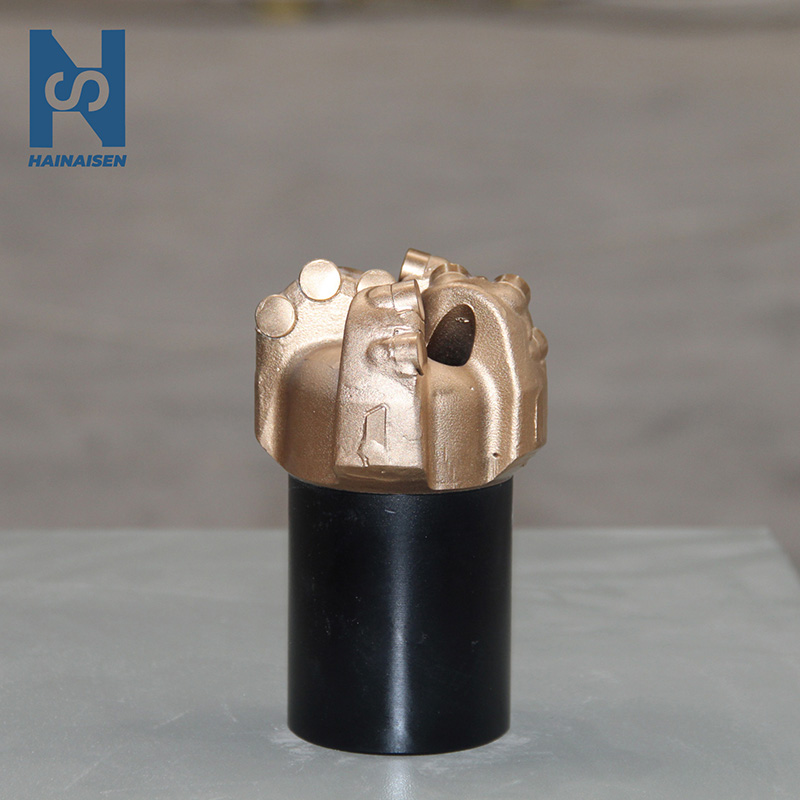 VIEW MORE113mm Four Wing Arc Angle Drill Bit
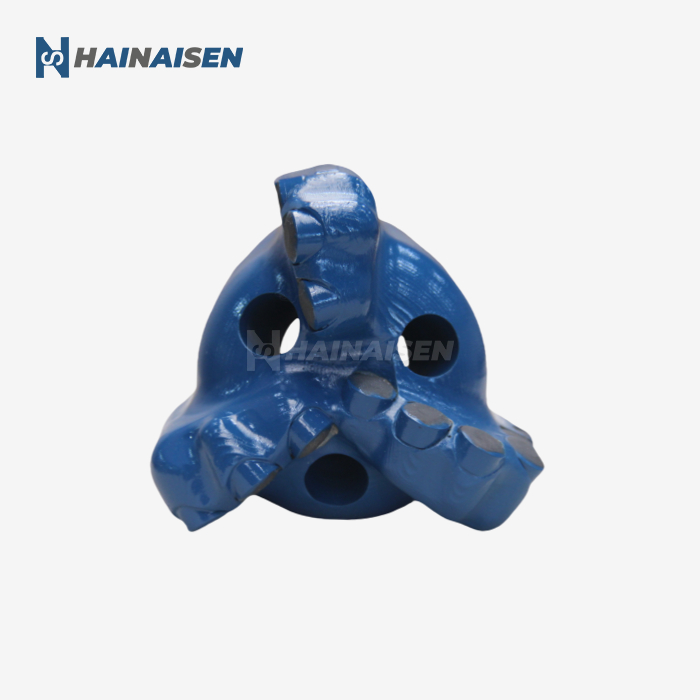 VIEW MORE3 Blade PDC Arc Angle Drill Bit
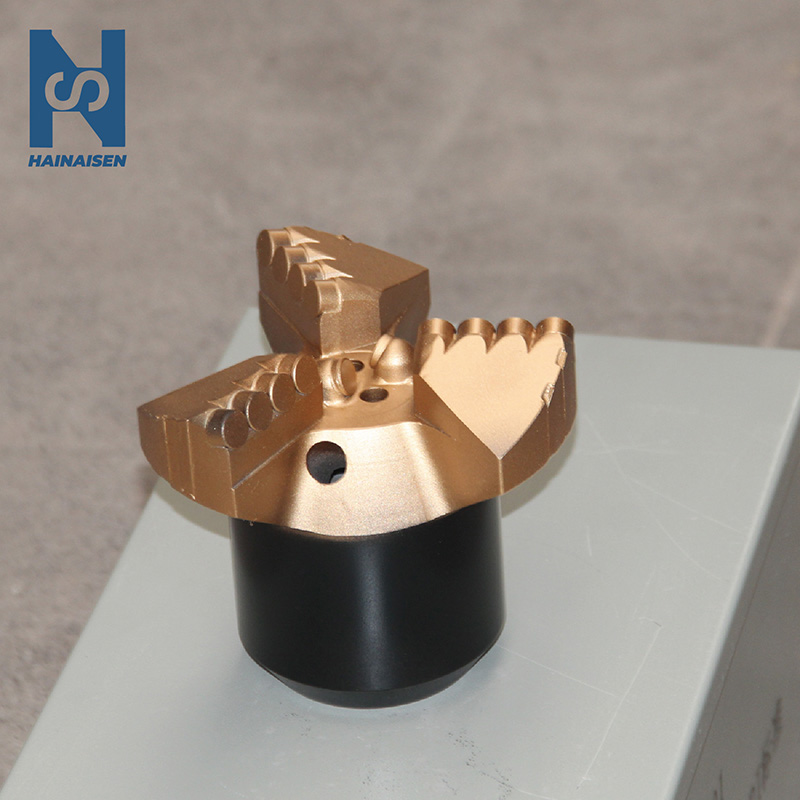 VIEW MORE153mm PDC Concave Bit
logo 1_1777361260784.jpg) VIEW MOREFour Wing Arc Angle PDC Drill Bit
VIEW MOREFour Wing Arc Angle PDC Drill Bit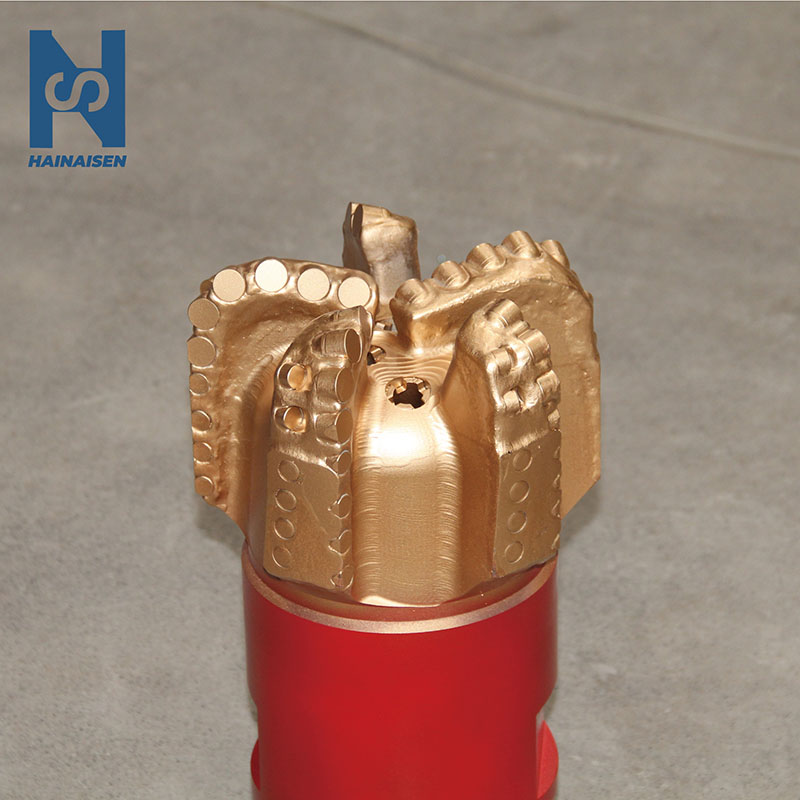 VIEW MORE5 Blades Steel Body High Performance PDC Rock Drill Bits
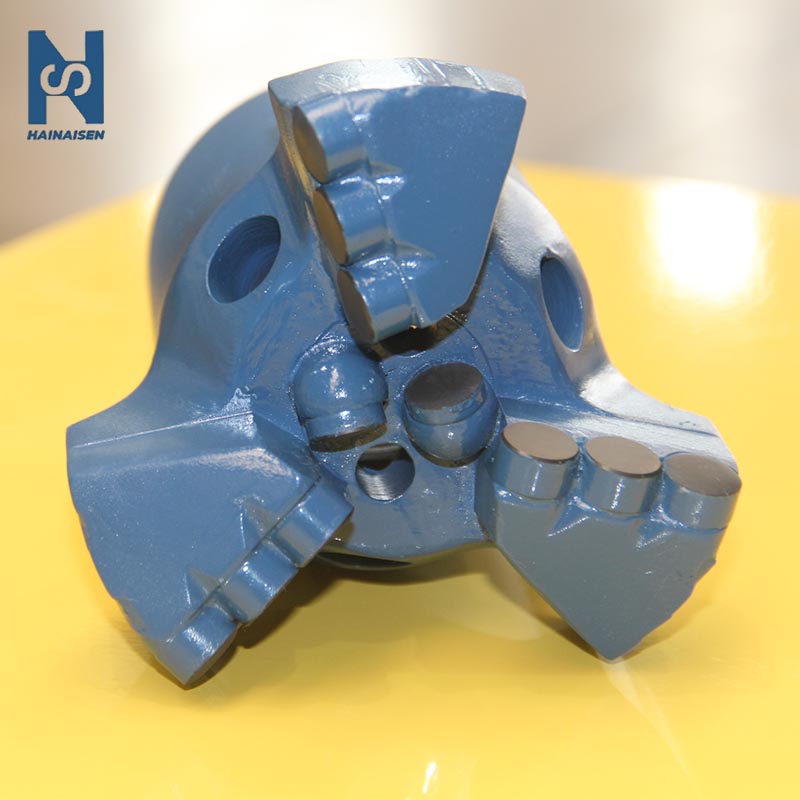 VIEW MOREBest Diamond Drill Bits
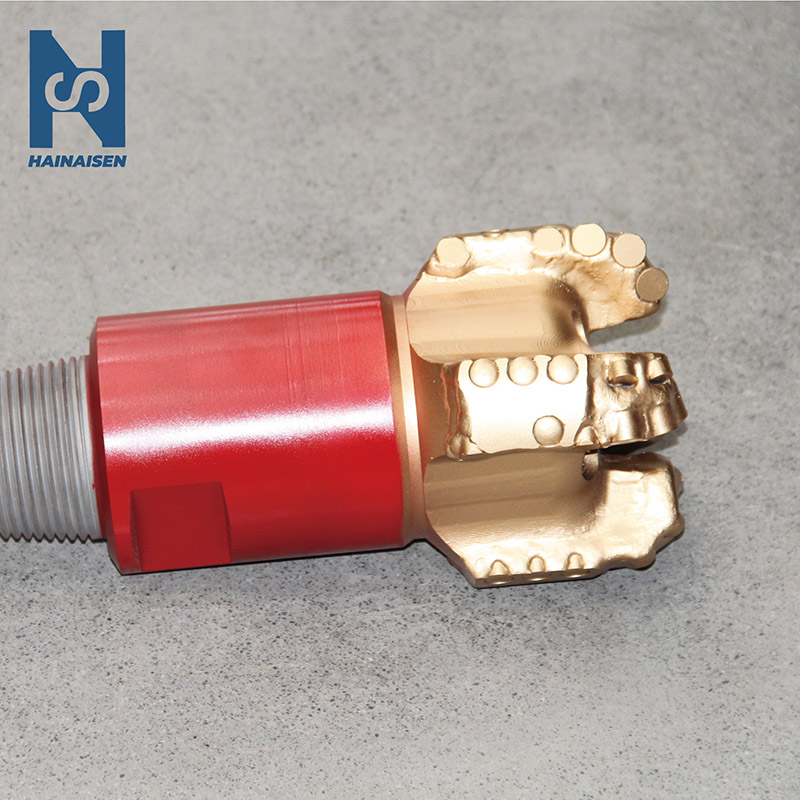 VIEW MOREPetroleum PDC Oil Drill Bit
 VIEW MOREDiamond Oil Drill Bit
