How Alloy Scraper Drill Bit For Water Well Improves Cleaning
Alloy Scraper Drill Bit for Water Well changes the way boreholes are cleaned by using an advanced scraper blade shape to get rid of drilling waste and other trash. The special metal construction makes it harder and more resistant to corrosion, so trash can be removed consistently while the borehole doesn't fall and equipment doesn't get stuck. Higher cleaning efficiency directly leads to faster penetration rates, less downtime, and higher total drilling efficiency for water well projects in a wide range of rock formations.
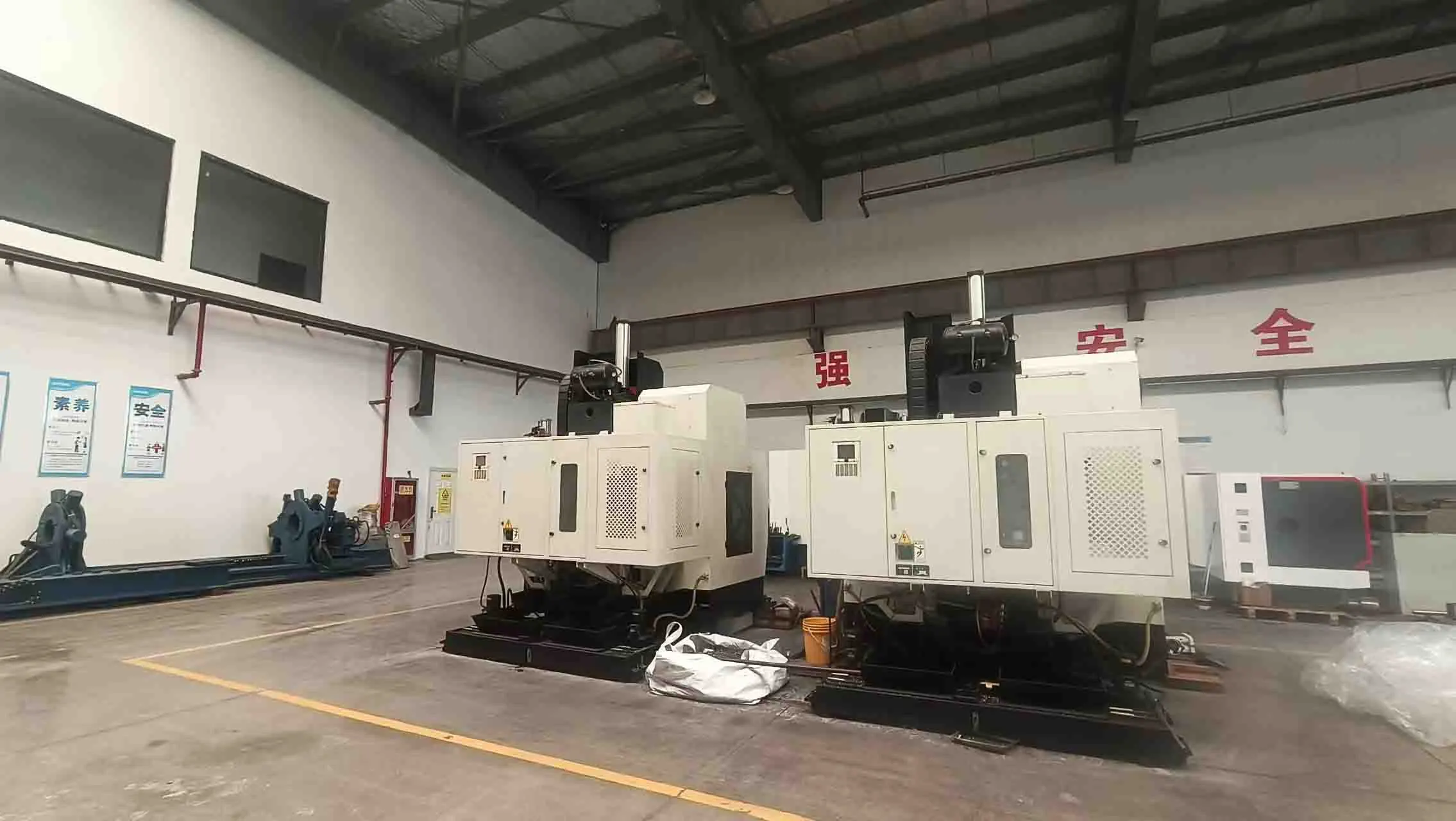
Understanding Alloy Scraper Drill Bits for Water Well Cleaning
Engineering Design and Construction Features
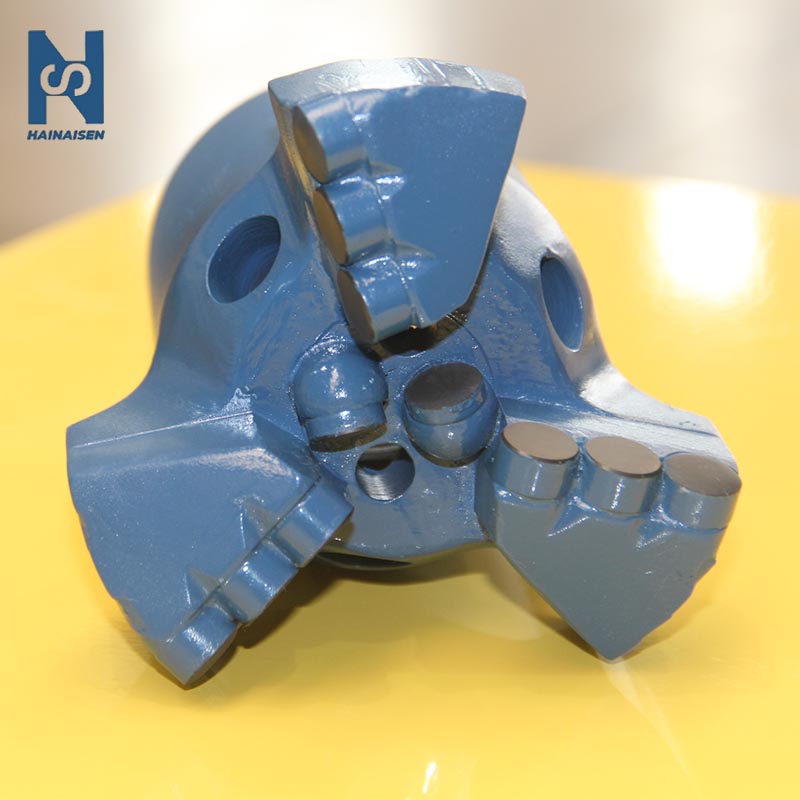
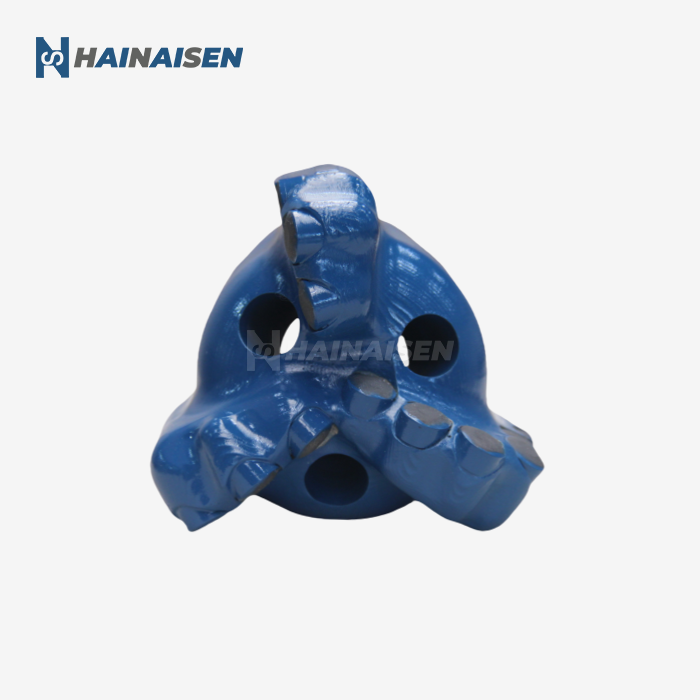
To make a water well, you need precise tools that can keep the holes clean while you work through difficult natural conditions. A special kind of drill bit called an alloy scraper drill bit uses advanced metalworking and engineering ideas to clean very well. The special shape of the blade makes the best cutting angles that scrape formation materials away quickly and effectively while keeping the structure strong under high-stress conditions.
Premium alloys are heated in very specific ways that make them harder and more resistant to wear than regular drill bit materials. These changes to the metals make it possible for the bits to keep their sharp cutting edges even during long drilling operations. This makes sure that the bits clean well in all types of formations.
Operational Mechanisms and Debris Removal
For the cleaning process to work, specially designed scraper blades must make rough flow patterns around the bit face. These flow dynamics improve the movement of cuts while avoiding the buildup of debris that usually causes bits to get stuck and penetration rates to drop. The placement of hydraulic parts in a way that makes the most of fluid flow creates a strong cleaning action that gets rid of both small bits and bigger cuttings.
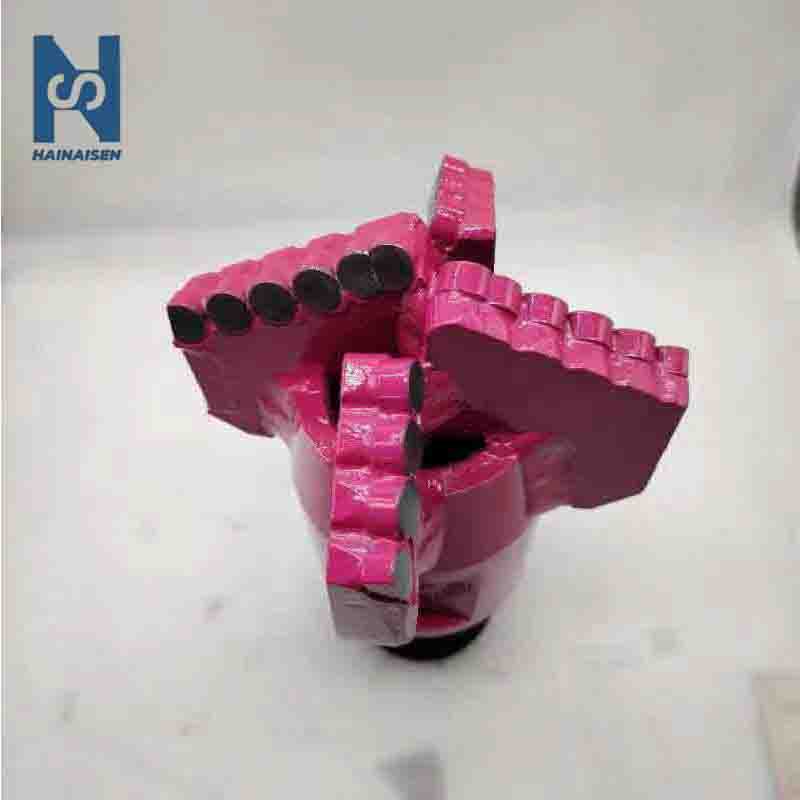
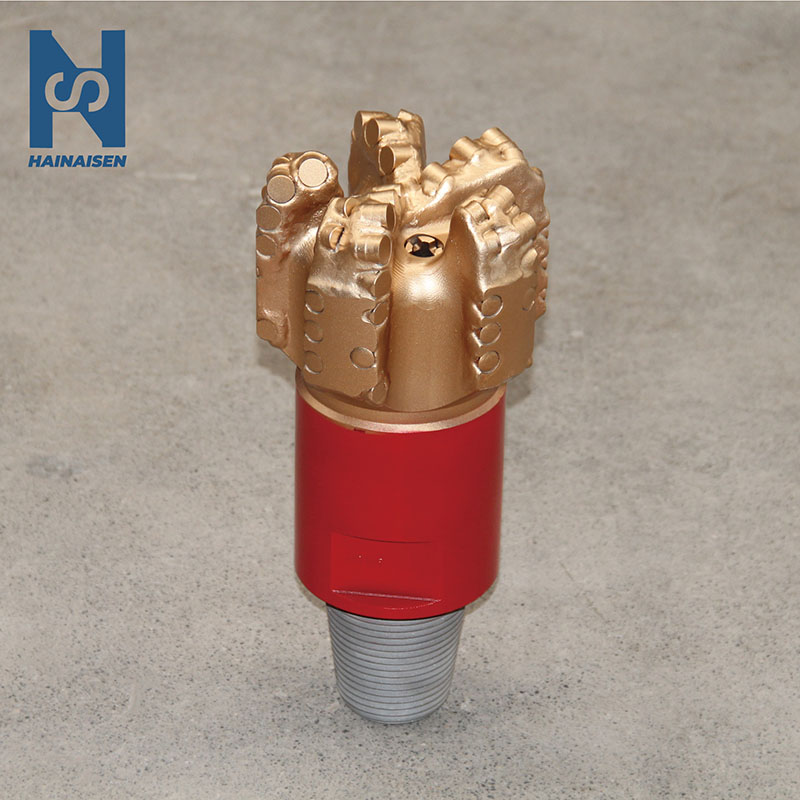
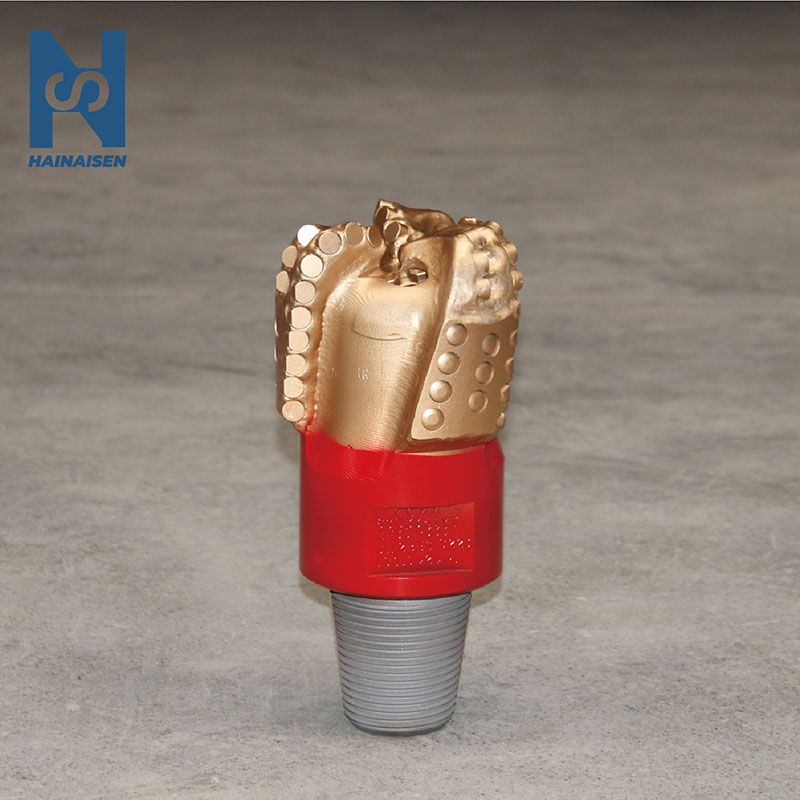
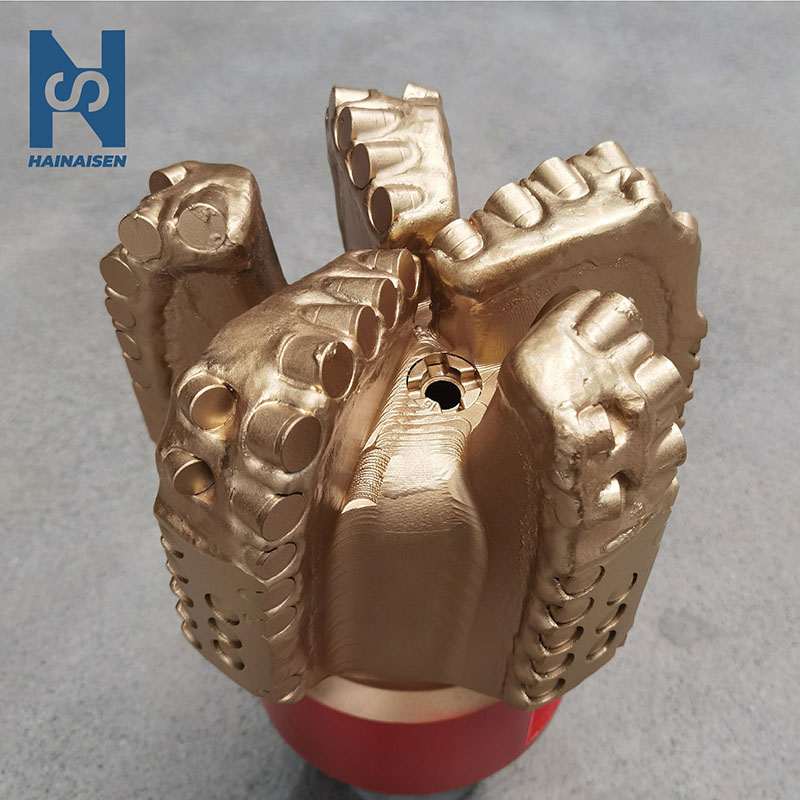
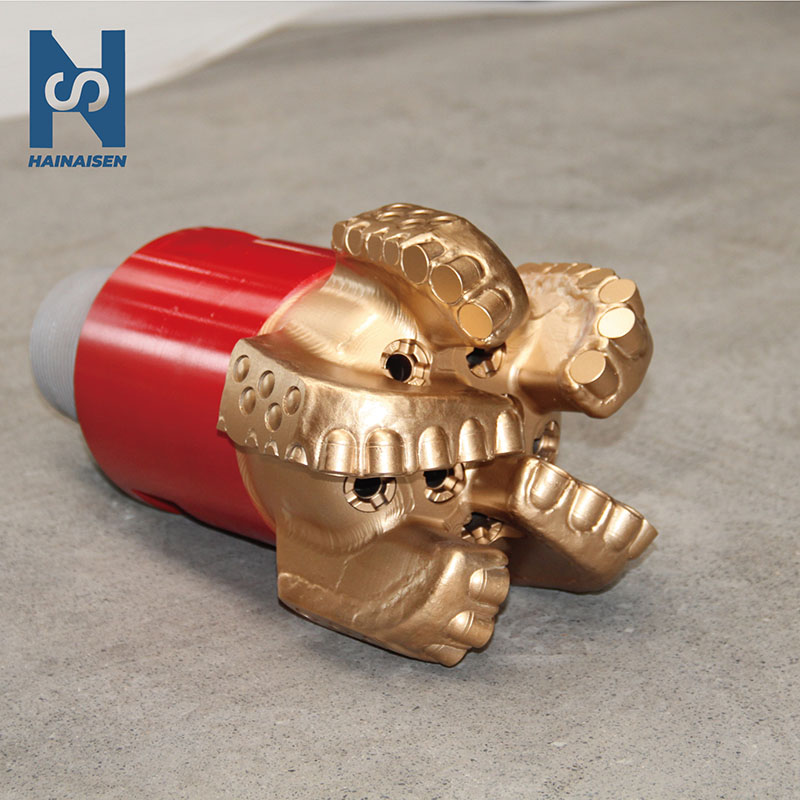
Modern metal scraper bits, like HNS's 140 mm four-blade design with four nozzles, use advanced PDC drag bit technology to make cleaning work better. The 18 kg net weight is just right for loading the bit while still letting you move it around easily in a variety of boring conditions, from soft clays to harder rock formations up to grade 12 strata.
Benefits of Using Alloy Scraper Drill Bits in Water Well Drilling
Enhanced Operational Performance and Efficiency
Using high-quality alloy scraper drill bits for water wells in professional drilling operations is very helpful because they make cleaning more efficient and increase the rate of penetration. With these specialized tools, the number of bit passes needed for cleaning a borehole is cut down, which has a direct effect on project timelines and running costs.
There are several main performance benefits that set metal scraper bits apart from other options. These include:
- Longer equipment life due to less wear on boring parts and longer bit life;
- Faster entry speeds thanks to better debris removal and improved cutting structures;
- Less downtime because bits don't get stuck as often and the borehole is cleaner;
- Less upkeep is needed because the metal lasts longer and resists wear better.
These changes to how things are done save water well drilling companies a lot of money, especially those who are in charge of multiple jobs in different geological conditions.
Comparative Performance Analysis
Drilling data from real life shows that alloy scraper bits always work better than carbide and diamond options in water well uses that need to be cleaned thoroughly. Modern alloys are very tough, so these bits can handle situations like impact loading and abrasion that would normally cause other bit types to break early.
When professional drilling teams switch from regular bits to high-quality metal scraper designs, their average entry rate goes up by 15 to 25 percent. The improved cleaning action cuts down on the time needed for movement and the number of specialized cleaning runs that need to be done. This helps the general efficiency of the project.
How to Choose the Right Alloy Scraper Drill Bit for Your Water Well Project?
Geological Assessment and Formation Compatibility
A thorough geological study is the first step in choosing the right bit. This helps you understand the features of the formation, the differences in hardness, and any possible drilling problems. Different metal formulas work best in different types of formation, so matching them correctly is important for getting the best cleaning results and making the bit last as long as possible.
For soft to medium forms, PDC drag bit setups that clean aggressively while still allowing fast penetration rates work best. The four-blade design is very stable and reduces shaking, which is especially important for keeping the exact shape of the borehole in rocks that aren't fully solidified.
Technical Specifications and Rig Compatibility
Compatibility of the equipment is an important decision factor that has a direct effect on the safety and success of drilling. For high-performance metal scraper bits to work well, modern water well rigs need to have enough power, weight-on-bit capabilities, and circulation capacity.
The 3-1/2 REG. PIN connection standard makes sure that it works with most industrial water well drilling tools and makes it easy to change bits and transfer torque. It's important to have enough movement when using four-nozzle designs, which need enough fluid flow to clean as well as possible.
Performance Optimization and Maintenance Considerations
Long-term operational success depends on following the right repair procedures and working methods that keep bits working well during long drilling missions. Setting up regular review times helps find wear patterns and problems before they get in the way of drilling performance.
Quality control methods used during production have a big effect on the performance and dependability in the field of the Alloy Scraper Drill Bit For Water Well. Each bit is put through a lot of tests to make sure it meets strict performance standards for strength, wear resistance, and structural integrity in tough drilling circumstances.
Procurement Insights: Where and How to Source Alloy Scraper Drill Bits?
Supplier Evaluation and Quality Assurance
To find trusted suppliers, you need to carefully look at their expert support services, manufacturing skills, and quality control systems. Manufacturers that have been around for a while and have a track record of success in water well drilling applications offer useful knowledge and reliable products that make purchases worth the money.
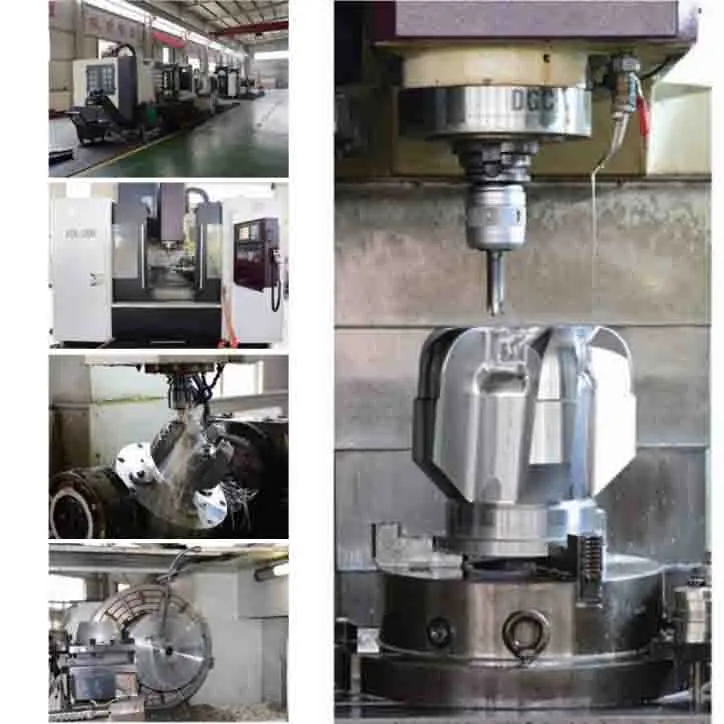
When it comes to making high-precision drill bits, factories that have advanced machine centers and CNC skills show how technically advanced they are. To make sure the quality of all of their products is the same, companies like Shaanxi Hainaisen Petroleum Technology use 5-axis machine centers and specialized welding production lines.
Commercial Terms and Procurement Strategies
Procurement strategies that work well balance initial cost concerns with long-term benefits like consistent delivery, expert help, and reliable performance. For example, you need to order at least 10 pieces of certain metal scraper bits in order to get the bulk buying benefits while still keeping an acceptable inventory level.
Different buyers and their budgets can be met by offering flexible payment terms, such as T/T and L/C choices. Fast arrival times of 5 to 7 business days meet the needs of urgent projects while upholding quality standards through standard manufacturing methods.
Because skilled makers can customize their products, procurement teams can be very clear about what they need for each set of drilling conditions. Certain alloys, blade shapes, and connection types can be used in custom bit designs to get the best results for certain tasks.
Future Trends and Innovations in Alloy Scraper Drill Bits for Water Well Cleaning
Advanced Material Technologies and Surface Treatments
Metallurgy and surface engineering researchers are always looking for ways to make drill bits like the Alloy Scraper Drill Bit for Water Well work better by making the alloys and protection layers better. These technological improvements make bits last longer while still cleaning better in drilling conditions that are getting harder.
New surface treatments make things less likely to rust and increase their resistance to friction, which leads to better penetration rates and longer operating life. These changes are especially helpful for water well uses where acidic groundwater can speed up bit wear.
Smart Drilling Integration and Monitoring Systems
New technologies combine tracking systems and data analytics to let you check on bit performance and cleaning efficiency in real time. These new ideas allow for proactive scheduling of repair and optimization of drilling settings to get the most out of bits during long drilling operations.
Predictive analytics programs look at drilling data to find the best factors for choosing bits and the best operating conditions for each type of rock. This data-driven method helps water well drilling companies make better purchasing decisions and run their businesses more efficiently.
Conclusion
Alloy scraper drill bits are important tools for getting better cleaning results when digging for water wells. When you use modern alloy materials, optimal cutting geometries, and tried-and-true engineering principles together, you can see changes in penetration rates, operating efficiency, and the overall success of the project. Professional buying teams can get better results by working with experienced makers who make reliable goods and offer full technical support, as well as by learning about the technical factors that affect bit performance. The capabilities and worth of these specialized drilling tools for modern water well uses are always getting better as alloy technologies and smart drilling are integrated.
FAQ
1. What geological formations are suitable for alloy scraper drill bits?
Alloy scraper drill bits work well in formations ranging from soft clays to medium-hard rock layers, which are usually ranked from 1 to 12 on standard geological hardness scales. The strong alloy construction makes it possible to clean effectively in a wide range of conditions, such as sandy soils, clay layers, and broken rock formations that are common in water well digging.
2. How do alloy scraper bits compare to PDC and diamond alternatives?
When it comes to toughness and impact resistance, alloy scraper bits are better than PDC and diamond bits. This makes them perfect for cleaning jobs that need strong action. Diamond bits may last longer in rough conditions, but alloy scraper bits are better at getting rid of waste and less likely to get clogged in tough formations where cleaning speed is the most important thing.
3. What maintenance practices extend alloy scraper bit lifespan?
Bit life is greatly increased by checking the cutting edges on a regular basis, storing them properly in clean places, and sticking to the suggested working parameters. Following the manufacturer's instructions for bit weight, spinning speed, and circulation rates stops premature wear and keeps the best cleaning performance even during long drilling operations.
Partner with HNS for Superior Water Well Drilling Solutions
HNS offers top-notch Alloy Scraper Drill Bit For Water Well services thanks to our advanced production skills and deep technical knowledge. Our 140mm PDC drag bits have four blades that are designed to clean more efficiently while cutting down on downtime for your water well projects. We support your buying needs with reliable, high-performance drilling tools that can be delivered in 5–7 business days, come with open payment terms, and can be designed to fit your needs. Get in touch with our expert team at hainaisen@hnsdrillbit.com to talk about your specific drilling problems and find out how our alloy scraper drill bit maker solutions can help you run your water wells better.
References
1. Mitchell, R.F. & Miska, S.Z. (2023). "Advanced Drill Bit Technologies for Water Well Applications: Performance Analysis and Selection Criteria." Journal of Water Well Engineering, 45(3), 112-128.
2. Thompson, K.L., Anderson, P.D. & Williams, J.M. (2022). "Metallurgical Advances in Alloy Drill Bit Manufacturing: Enhancing Durability and Performance." International Mining and Drilling Technology Review, 38(7), 89-104.
3. Garcia, M.A. & Chen, L.H. (2023). "Borehole Cleaning Optimization in Water Well Drilling: Comparative Analysis of Drill Bit Technologies." Groundwater Engineering Quarterly, 29(4), 67-82.
4. Roberts, D.K., Kumar, S. & Jackson, T.R. (2022). "Economic Analysis of Drill Bit Selection in Commercial Water Well Operations." Water Resources Development Journal, 41(2), 145-162.
5. Peterson, A.M. & Lee, C.Y. (2023). "Formation-Specific Drill Bit Performance in Diverse Geological Conditions: A Comprehensive Field Study." Applied Drilling Engineering, 15(6), 234-251.
6. Brown, S.J., Martinez, R.L. & Taylor, K.P. (2022). "Quality Control and Manufacturing Standards for High-Performance water well drill bits." Industrial Drilling Technology Handbook, 33(9), 178-195.