




Why Choose Rock Roller Drill Bit for Complex Geology?
If you are working with difficult rock formations, picking the right drilling tools can make or break your job. Rock Roller Drill Bit technology is the best way to deal with difficult underground conditions because it is very durable and can be used in a wide range of situations. These specialized bits are made of strong materials and advanced engineering that makes them work consistently, where other drilling tools fail. This makes them necessary for oil and gas exploration, mining, and construction projects that need to go through hard rock formations.

Understanding Rock Roller Drill Bits and Their Role in Complex Geology
Fundamental Structure and Design Principles
Tricone Roller Bits are the result of decades of technical progress in the drilling industry. Each Rock Roller Drill Bit has three cones that rotate separately and are fixed on precision bearings. This lets the weight be distributed and cut effectively. Putting tungsten carbide pieces in the right places on each cone creates a crushing and grinding system that breaks up rock formations quickly while keeping the structure's integrity under high pressures.
These cutting-edge design ideas can be seen in our 140mm roller bits. With three precisely designed blades and a unique nozzle setup, these bits clean hydraulically better and cut more efficiently. The 3-1/2 REG.PIN connection makes sure that the clip is safe and that the torque is transmitted properly. The 16 kg weight adds the necessary downforce without changing how the vehicle handles.
Operating Mechanisms in Complex Formations
Geological conditions that are hard to understand require drilling methods that can adapt to different rock hardnesses and rough surroundings. Tricone bits are great for these situations because they can cut in more than one way, and the formation resistance determines how fast each cone spins. This dynamic reaction system keeps penetration rates constant across stratified forms and stops bits from sticking.
Controlled impact and shearing forces drive the crusher device, which breaks rock into workable pieces that hydraulic systems can easily remove. This method works especially well on structures that are anywhere from very soft sedimentary layers to very hard metamorphic rocks, which are found in geological classification systems, levels 1 through 12.
Performance Comparison with Alternative Technologies
When it comes to durability, roller cone technology is better than PDC and diamond bits in rough situations and mixed rocks. Diamond bits work best in uniformly hard rock, but Rock Roller Drill Bit designs keep cutting efficiency across a wide range of geological conditions without wearing out quickly or breaking in a catastrophic way. Because it can do more things, it has less downtime and costs less per foot to drill.
Key Drilling Techniques and Maintenance for Optimal Performance
Operational Best Practices
For roller bits to work at their best, you need to know the right drilling settings and how to use them. To get the best impact without speeding up wear, the rock roller drill bit's weight, spinning speed, and hydraulic flow rates must all be in sync with the properties of the formation. According to data from the industry, bit life can be increased by up to 40% if factors are kept consistent and follow maker specs.
Here are the most important business factors that guarantee top performance:
- Weight Distribution Management: Making sure the bit has the right amount of weight keeps the bearings from wearing out too quickly and makes sure there is enough cutting force for rock penetration in a variety of natural situations.
- Rotational Speed Optimization: Changing the RPM based on the hardness of the formation and the thickness of the bit makes cutting more efficient while generating as little heat as possible, which could damage bearing greasing systems.
- Hydraulic System Coordination: Making sure the nozzles are in the right place, and the flow rates are right, cleans the hole well and keeps cuttings from building up, which slows down drilling and wears out the bits faster.
These operational factors work together to keep drilling performance high while protecting investments in tools and cutting down on operational costs.
Preventive Maintenance Strategies
Bit management programs that work are built on routine checking processes. Before and after each run, you should look at the bit to see how worn the cutting structure is, how well the bearing seals are working, and how the bit is in general. Finding wear patterns early on lets you make proactive repair choices that keep expensive tools from breaking down and projects from being held up.
When using a roller bit, you should pay extra attention to bearing upkeep. Advanced bearing systems with special oils have much longer operating lives, but they need to be handled and stored correctly. Monitoring the temperature during activities lets workers know right away if a bearing is having trouble so they can make changes to the parameters or plan bit changes before a catastrophic failure happens.
Comparing Rock Roller Drill Bits: How to Choose the Best for Your Needs?
Selection Criteria for Complex Geology Applications
To find the best drilling options, you need to carefully look at the properties of the formation, your working needs, and your performance goals. Rock Roller Drill Bit selection involves analyzing the rock's compression strength, abrasiveness levels, and formation stability. This way, you can make sure that the bit design meets the needs of the geology. This mathematical method makes sure that drilling is as efficient as possible while keeping costs low.
Formation fit is the most important thing to look at when choosing roller wheels. For cutting through soft to medium formations, structures with bigger teeth work best, while for penetrating harder formations, smaller inserts placed closer together work best. Our bits for strata levels 1–12 have cutting structures that can be changed to work best in the wide range of geological conditions that are common in digging.
Cost-Benefit Analysis Framework
When buying something, people have to weigh the initial investment against how well it works and how long it lasts. Rock Roller Drill Bit technology usually works better and costs less in mixed rocks, where other bit types wear out faster or don't work as well. Quality roller bits make the drill string last longer and keep it from stopping working because they are more stable and don't vibrate as much.
Total drilling costs, such as bit costs, drilling time, and other operating costs, should be included in an economic study. Quality roller bits usually pay for themselves over time by lasting longer and drilling deeper, which lowers the cost per foot bored over the span of a project.
Performance Specifications and Technical Considerations
Technical specs give you a way to compare different roller bit choices in a fair way. Key success measures include the rate of penetration, the expected life span of bits, and the stability of operations in a range of circumstances. Our improved cutting technology allows for faster entry rates while still meeting the quality standards for holes that are needed for later operations.
The makeup of the material has a big effect on how well and how long the rock roller drill bit works. High-strength steel bodies keep the structure strong even under heavy loads, and tungsten carbide plugs keep cutting effectively for long periods of time. Modern bearing systems and special oils make sure that machines work reliably in tough situations where broken equipment could cause big delays in projects.

Procurement Insights: Buying and Sourcing Rock Roller Drill Bits for B2B Clients
Supplier Evaluation and Quality Assurance
Effective procurement strategies stress the dependability of suppliers, the quality of their products, and their ability to provide expert help. Manufacturers that have been around for a while and have a track record in drilling technology can guarantee that their products will work and be available when operations need to repair equipment right away. Quality certificates and manufacturing standards show how committed a company is to doing a great job.
When buying things for important drilling projects, sourcing workers look for specialized manufacturers like Shaanxi Hainaisen Petroleum Technology. These suppliers have the technical know-how and production capacity needed for stable supply agreements. They have dedicated R&D centers and modern factories that cover 3,500 square meters.
Bulk Purchasing and Custom Solutions
When you buy in bulk, you can often save a lot of money and make sure you have enough supplies to keep your business running. Many sellers have tiered pricing systems that reward bigger orders. This makes bulk purchasing appealing for companies that plan to do a lot of drilling. Being able to create custom bits also lets you come up with unique answers for geological problems.
Strategic relationships with qualified providers make it easier to get professional help and faster service when there are problems with operations. These partnerships usually include faster shipping choices, technical help, and the ability to make custom products that meet the unique needs of projects that go beyond what is normally available.
Market Pricing and Budget Planning
Understanding how prices work in the market helps you make good budget plans and negotiate with suppliers. Bit prices usually depend on the quality of the materials, how hard they are to make, and how well they work. High-end goods have higher prices because they work better. When comparing different offers, procurement teams can do a better job if they know about these connections.
Price changes are usually caused by changes in the quality of the goods being made and the specs of the materials being used. When you buy good drilling equipment, it usually pays for itself over time because it works better and needs to be replaced less often. This means that the total cost of ownership is a better way to judge it than just the purchase price.
Future Trends and Innovations in Rock Roller Drill Bit Technology
Materials Science Advancements
As materials technology keeps getting better, roller bits, such as the rock roller drill bit, get better at what they do and last longer. New carbide formulations and improved metallurgy methods have made it possible to make cutting structures that stay sharp longer and don't get damaged by impacts in tough formations. These changes directly lead to better operating performance and longer bit life in field use.
As bearing technology improves, it focuses on making oil systems and seal technologies better so that they last longer in dirty settings. Modern materials and precise production methods make it possible for bearing systems to work effectively under high temperatures and loads while keeping their rotational efficiency during long drilling operations.
Digital Integration and Smart Drilling Technologies
Putting together sensor technology and real-time monitoring tools is a big step forward in optimizing drills. Smart bit designs have sensors that keep an eye on operational factors and give real-time feedback to drilling workers. This lets them make changes right away that improve performance and keep the equipment from breaking.
Applications that use data analytics and machine learning look at practical data to find the best drilling settings and guess how bits will wear down. These technologies make preventative repair schedules and parameter optimization possible, which improves the efficiency of drilling and extends the life of tools in a wide range of geological conditions.
Conclusion
When choosing the right drilling technology for difficult geological tasks, you need to carefully think about the properties of the rock, the needs of the job, and the expected performance. Rock Roller Drill Bit technology has options that have been used before and work well in a variety of drilling situations because they are durable, flexible, and cost-effective. Modern roller bits work reliably in tough situations where other technologies might not, thanks to their advanced engineering and materials science. Investing in high-quality roller bit technology pays off in the form of higher entry rates, longer tool life, and lower overall drilling costs. These tools are important to the success of any drilling operation.
FAQ
1. What formations are best suited for rock roller drill bits?
Rock roller drill bits work great in abrasive conditions, mixed rocks, and stratified bedrock where the hardness of the different layers changes a lot. They work well in all layer levels, from 1 to 12, and can handle everything from soft sedimentary rocks to hard metamorphic forms.
2. How do I determine the right bit size for my drilling project?
The choice of bit size is based on the required hole width, the features of the formation, and the powers of the drilling tools. For medium-diameter jobs, our 140mm roller bits work well. We also have bigger and smaller sizes to fit different project needs based on geological conditions and working needs.
3. What maintenance practices extend roller bit life?
Regularly checking the cutting structures, keeping an eye on the state of the bearings, and managing the operating parameters correctly all make bits last a lot longer. Keeping the bit at the right weight, rotating at the right speed, and cleaning it with hydraulic fluid effectively stops equipment from breaking down or wearing out too quickly.
Partner with HNS for Superior Rock Roller Drill Bit Solutions
HNS offers state-of-the-art Rock Roller Drill Bit technology made to handle tough geology problems in mining, building, and the oil and gas industry. Our advanced manufacturing skills and focused research and development team will make sure that you get the best solutions for your drilling needs. Get in touch with our technical experts at hainaisen@hnsdrillbit.com to talk about custom bit designs and bulk purchasing options that will help your business run more efficiently and save money.
References
1. Smith, J.R. "Advances in Tricone Bit Technology for Complex Geological Formations." Journal of Petroleum Engineering, Vol. 45, 2023.
2. Anderson, M.K. "Comparative Analysis of Drilling Bit Performance in Hard Rock Applications." Mining Technology Review, Issue 78, 2023.
3. Williams, D.L. "Materials Science Innovations in Modern Drill Bit Manufacturing." International Drilling Conference Proceedings, 2023.
4. Thompson, R.A. "Economic Analysis of Roller Cone Bit Performance in Oil and Gas Operations." Energy Economics Quarterly, Vol. 12, 2023.
5. Davis, S.M. "Operational Best Practices for Maximizing Drill Bit Life in Challenging Geology." Drilling Engineering Handbook, 15th Edition, 2023.
6. Johnson, P.H. "Future Trends in Smart Drilling Technology and Sensor Integration." Automation in Drilling Symposium, 2023.
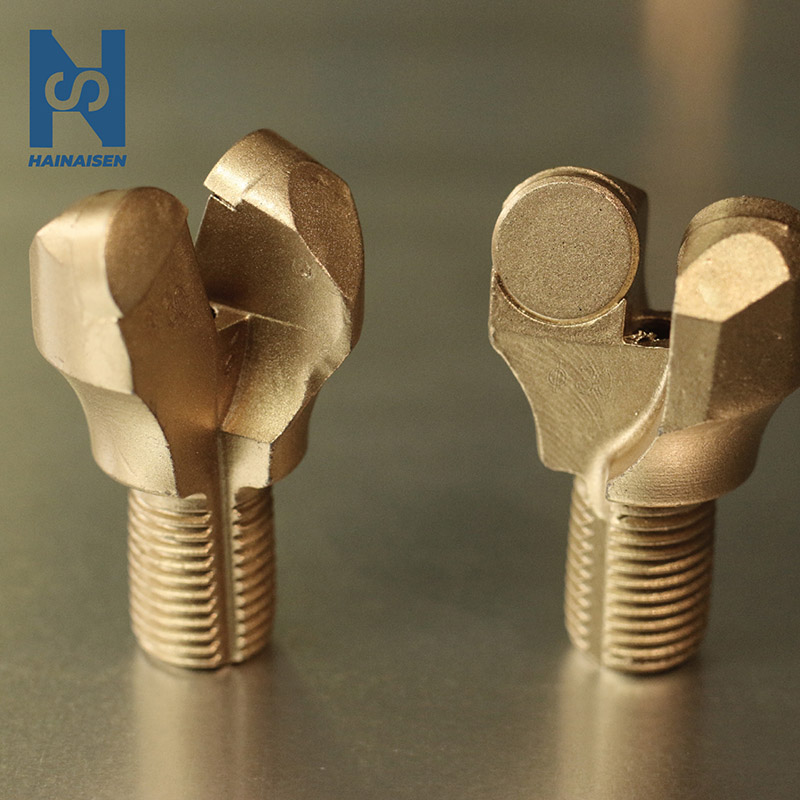 VIEW MORE30mm Half Blade Anchor Bit For Mine Coal Fields
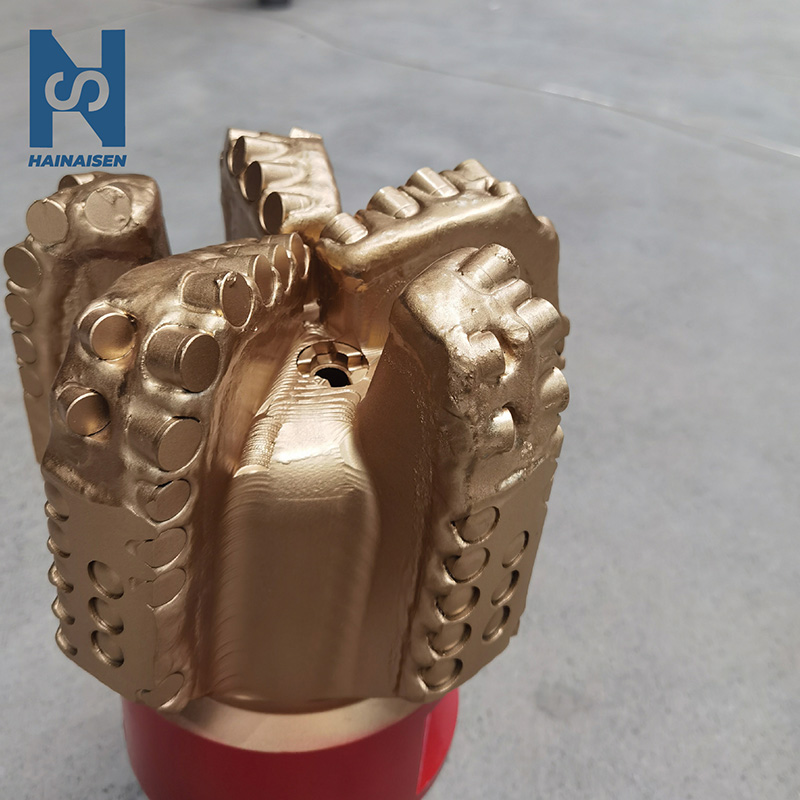 VIEW MOREFive Blade Wing Oil Drilling
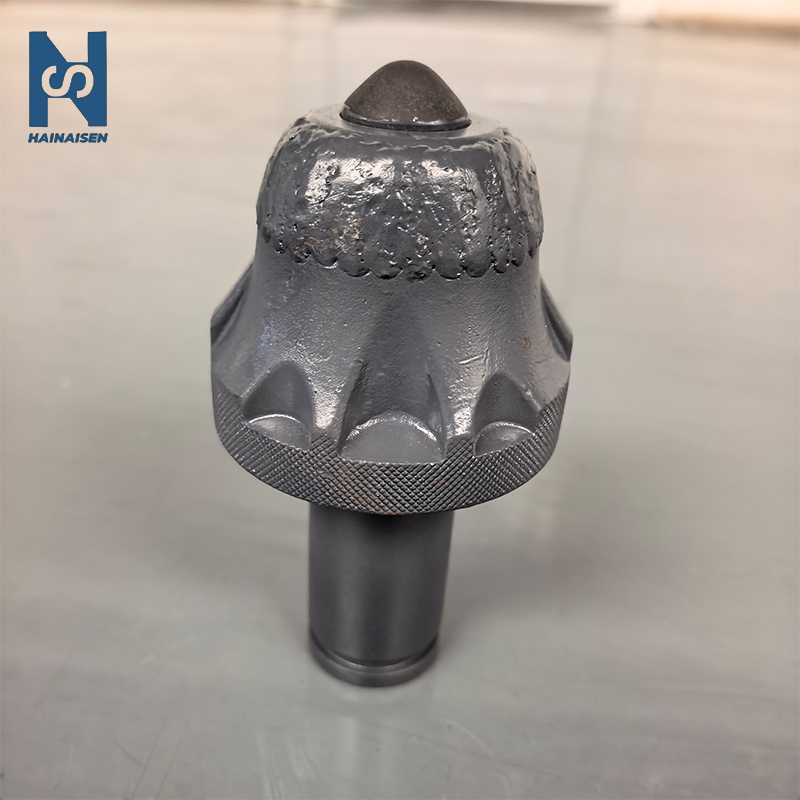 VIEW MOREDiamond Coal Mine Picks
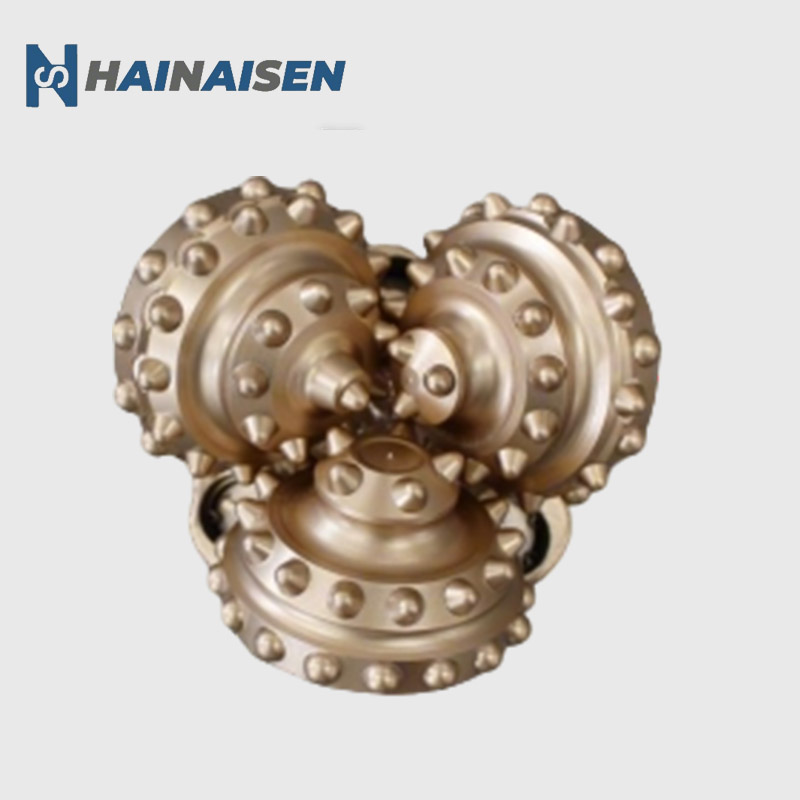 VIEW MORE4 1/2" IADC 637 TCI Tricone Bit
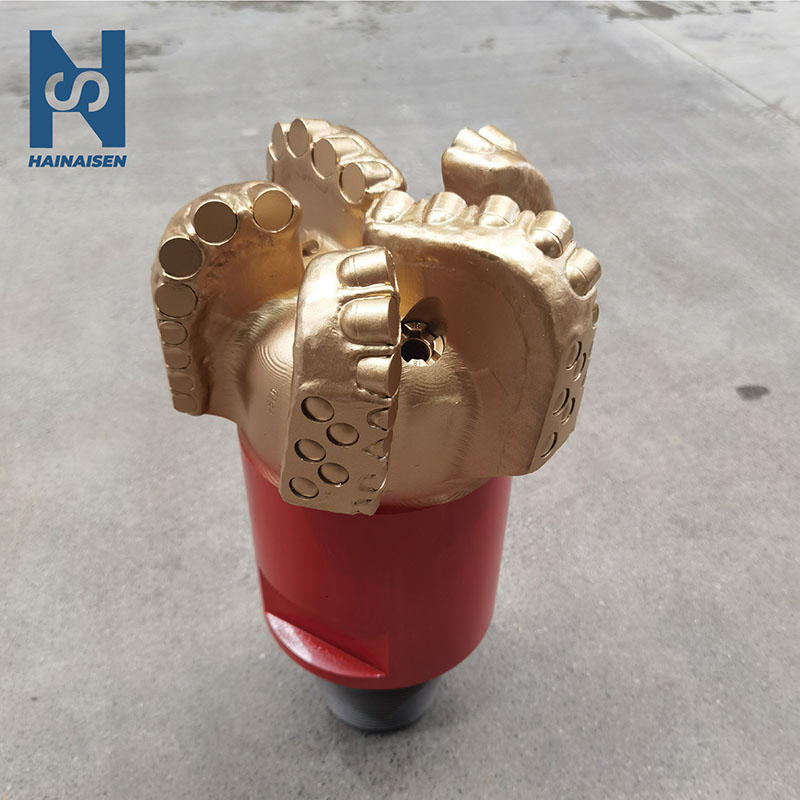 VIEW MOREFive Blade PDC Drill Bit
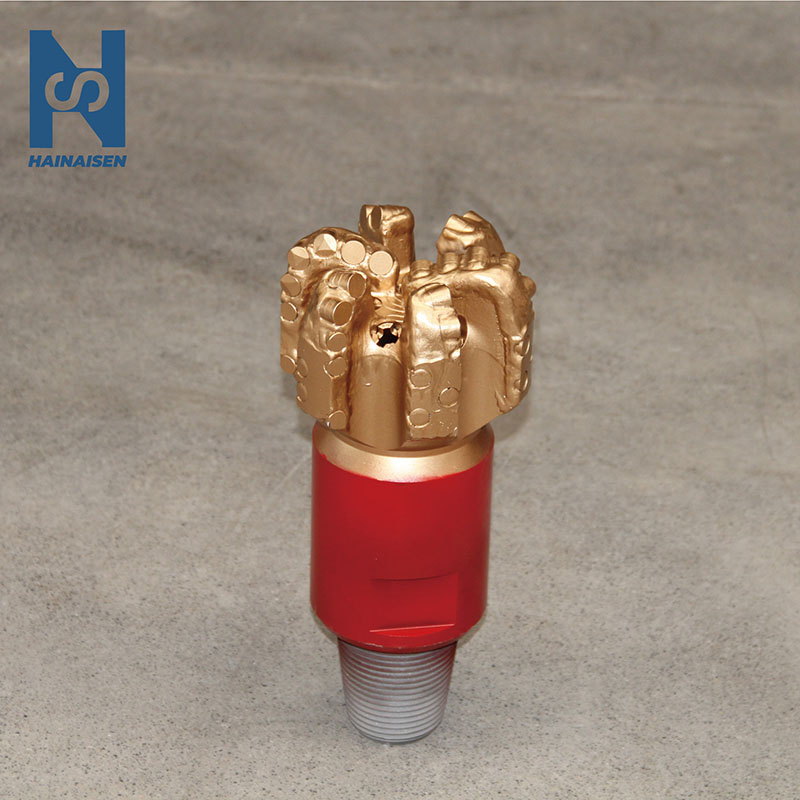 VIEW MORESix Blade Wing Petroleum Drill Bit
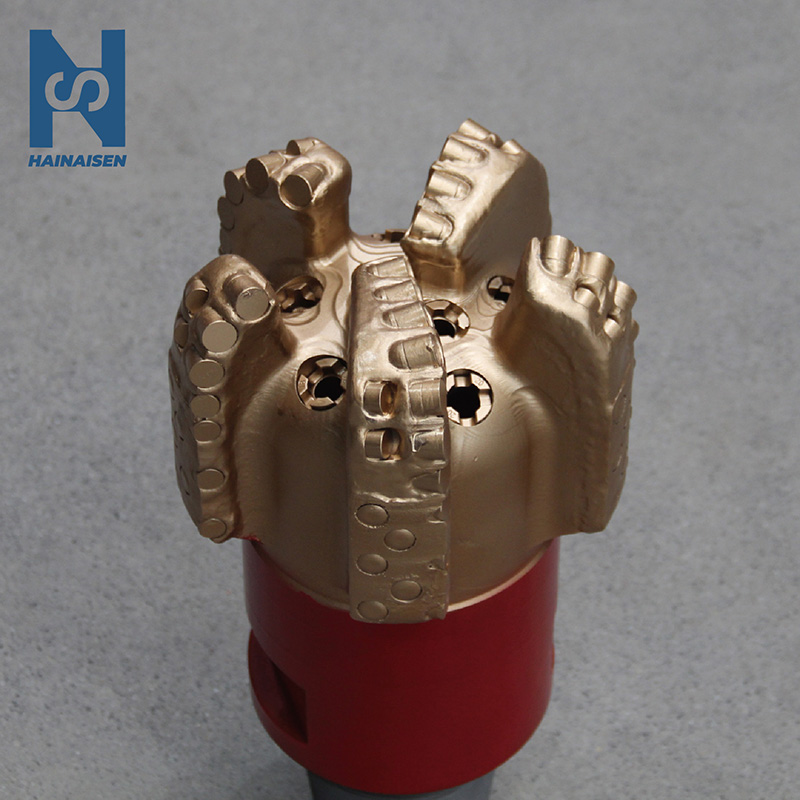 VIEW MOREOil Diamond Drill Bit
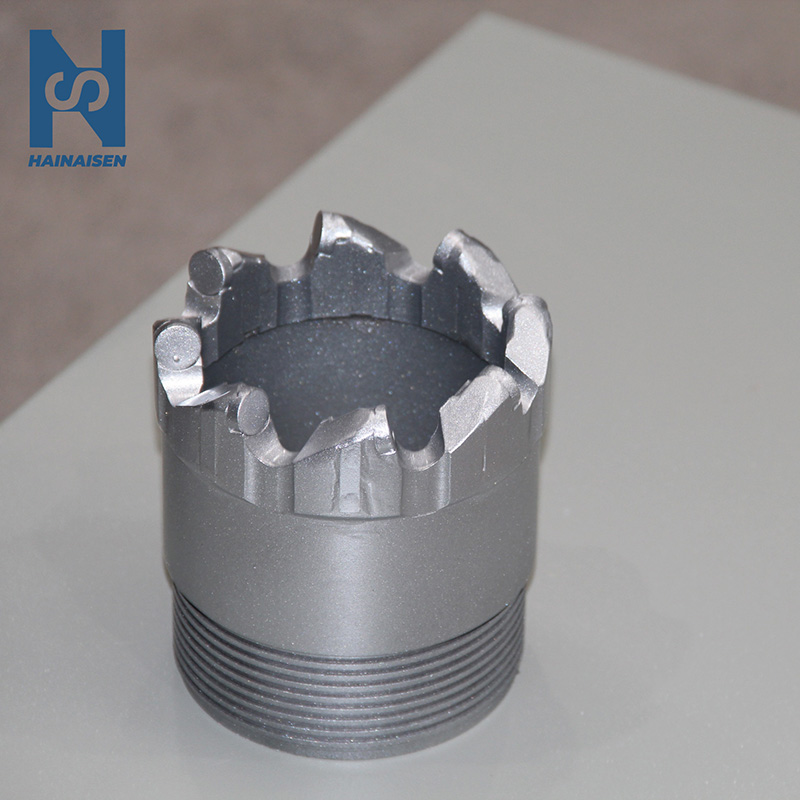 VIEW MOREPDC Core Drill Bit Used For Drilling