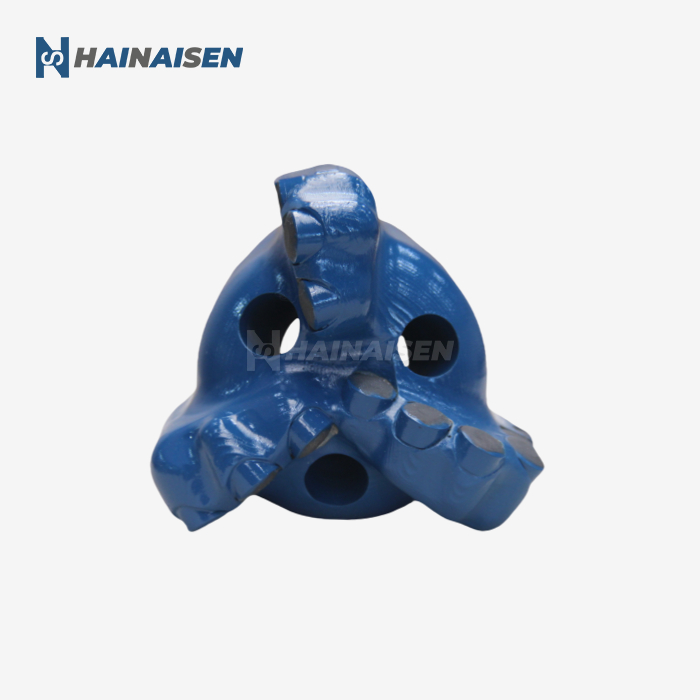
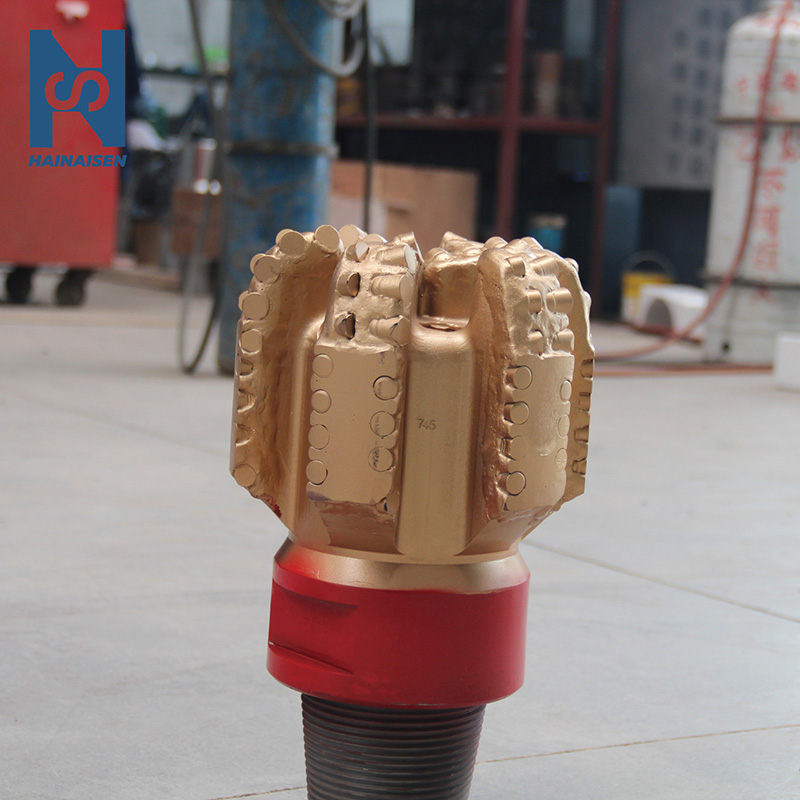
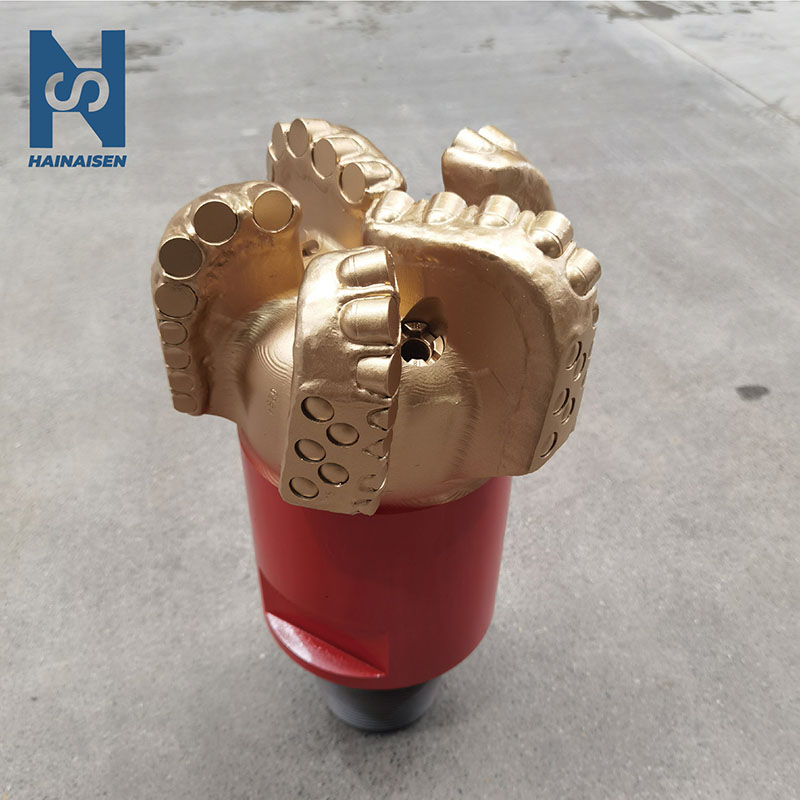
What type of teeth do steel tooth bits have for hard formations?
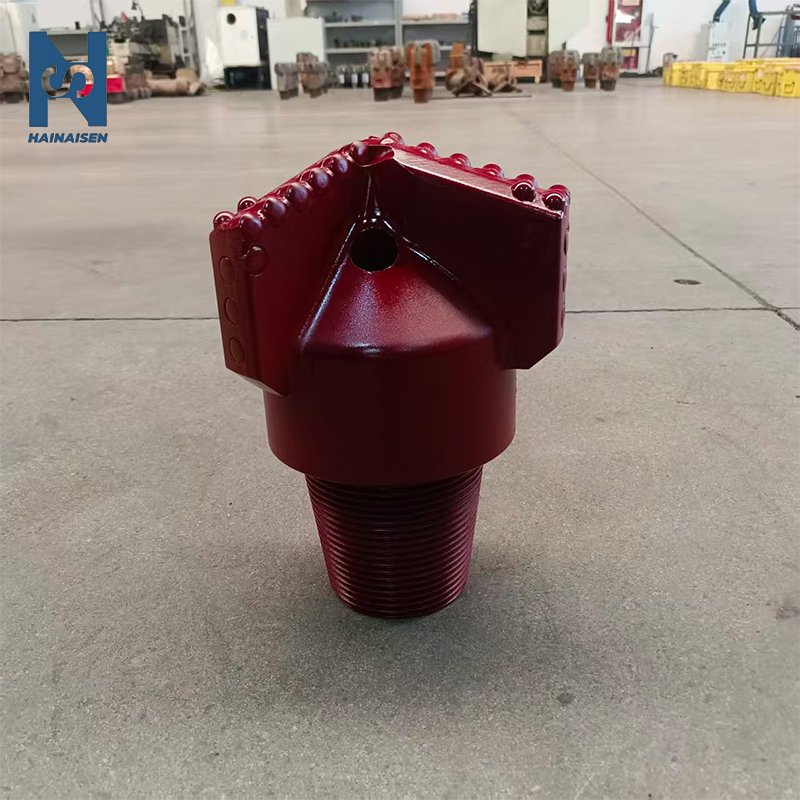
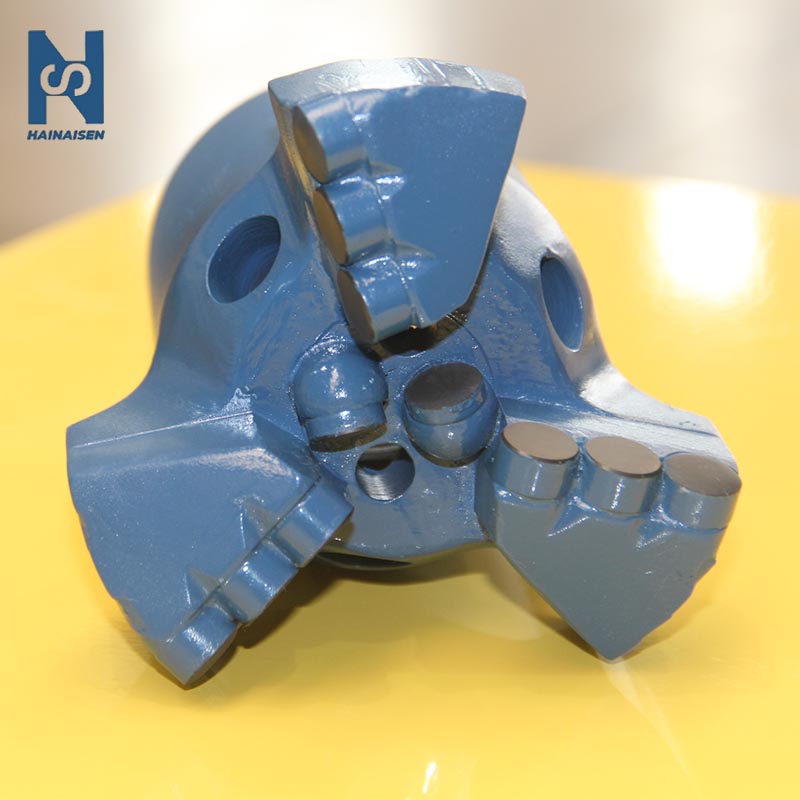
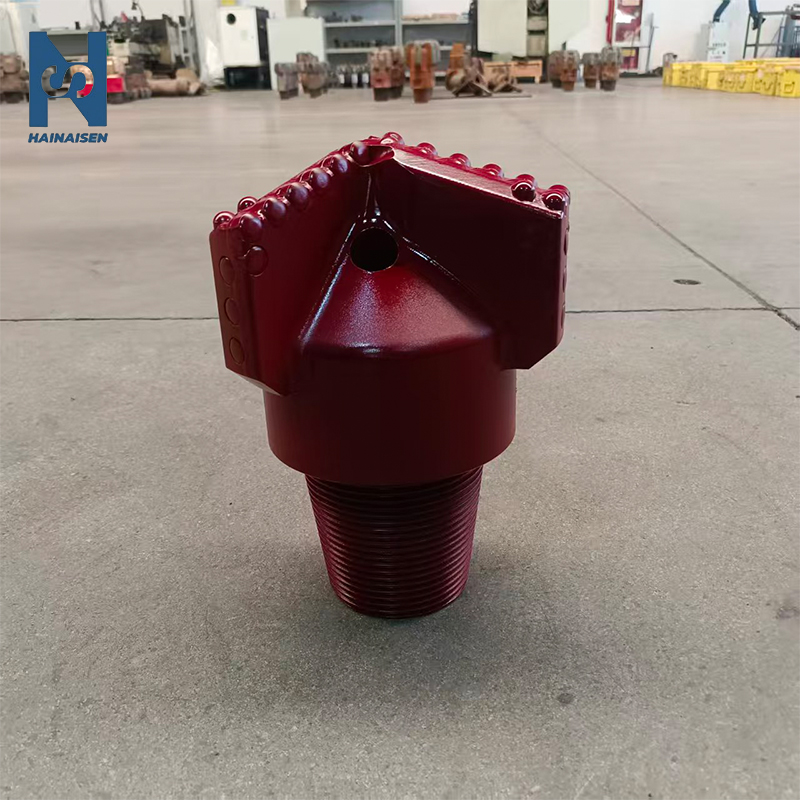
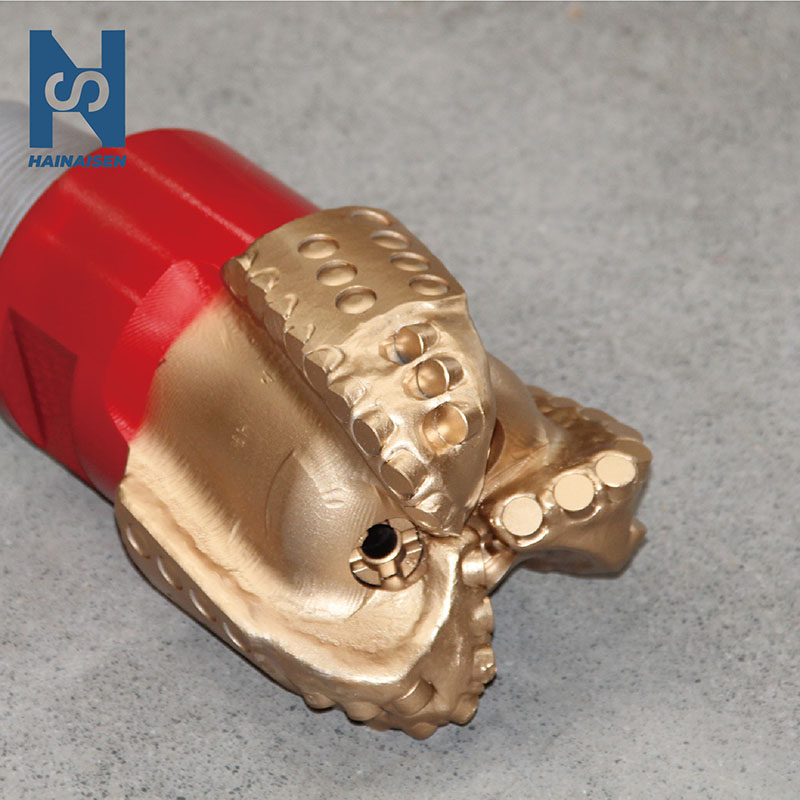
Steel tooth bits made for hard shapes have special teeth made from high-quality steel that make them harder and last longer. These steel tooth bit designs have different tooth shapes, like chisel, conical, wedge, and button forms, and each is best for a certain type of cutting. By precision milling and heat treating the teeth, better wear resistance and piercing efficiency are achieved in difficult geological settings. By knowing about these tooth types, procurement experts can choose the best drilling tools for their unique hard formation jobs.
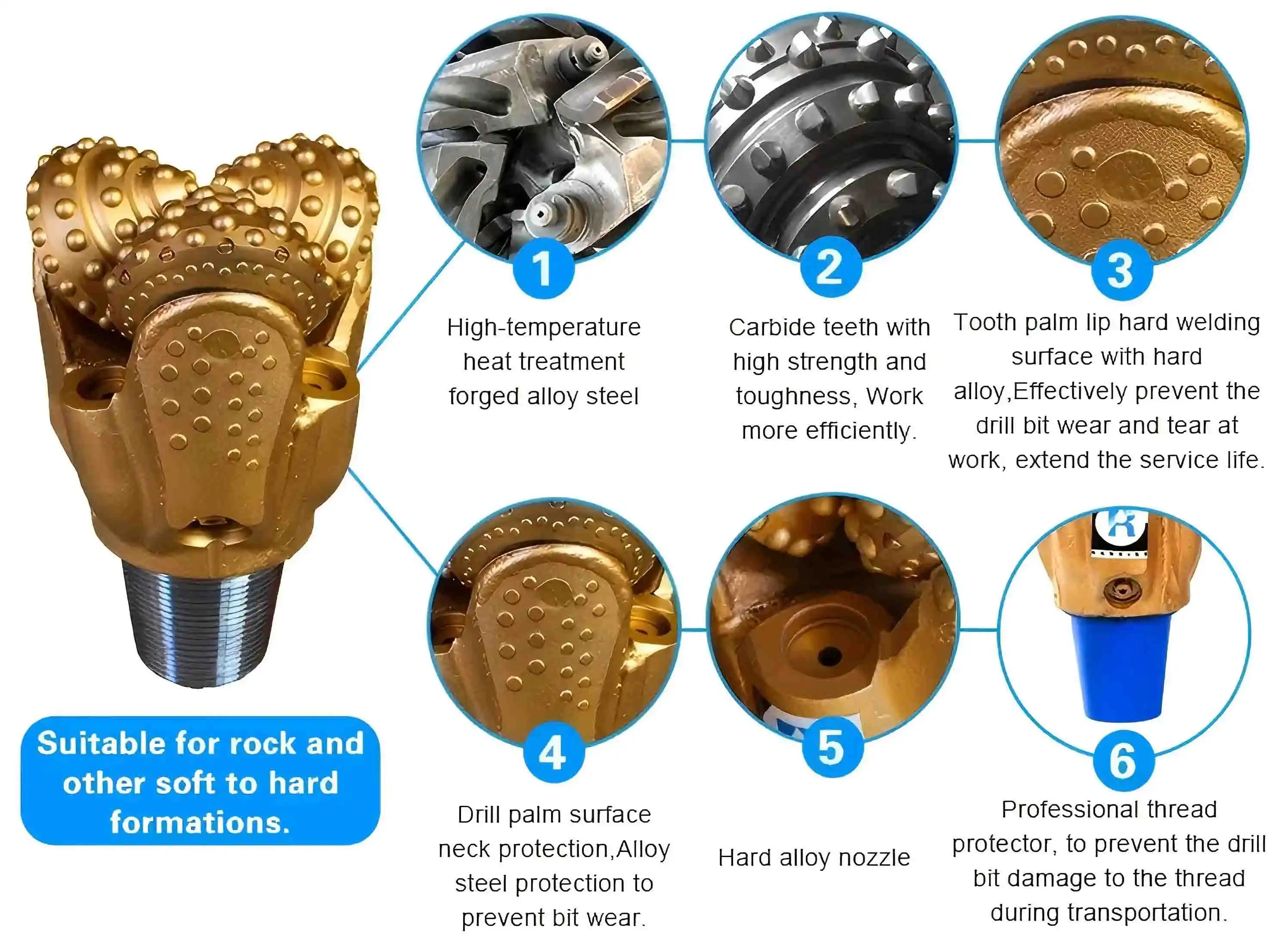
Overview of Steel Tooth Bit Teeth Types for Hard Formations
Steel tooth drilling tools for hard formations are made with carefully designed tooth geometries and material compositions that can handle the tough conditions of hard rock cutting. The basic features of these bits are based on certain types of steel and tooth shapes that make them last longer and effectively drill through tough rock conditions.
Primary Tooth Configurations for Hard Rock Applications
Steel tooth bits for hard formations use chisel, conical, wedge, and button inserts. Chisel teeth excel in limestone, conical shapes tackle granite, wedge teeth handle mixed layers, and button designs maximize wear resistance in extremely abrasive rock.
Advanced Hybrid Tooth Designs
Modern hybrid teeth combine features from standard configurations to tackle specific drilling challenges. Engineers modify angles or reinforce surfaces to customize bit performance for specialized mining and oil exploration needs.
How do steel teeth work in hard formation drilling?
When a steel tooth bit is used in hard rock, it interacts with impact forces, shear stresses, and the material's qualities in complicated ways that decide how well it drills and how long it lasts.
Impact and Shear Force Mechanics
Figuring out how various tooth shapes fit into rock layers helps you understand why certain designs work best in certain drilling situations. Applying rotational and axial forces through the bit teeth to break up and remove rock is the basic process of drilling.
The drilling process creates impact forces that focus at the point where the tooth meets the rock. The shape of the steel tooth determines how well these forces are transferred into the formation. Chisel teeth make a tight line of contact along the cutting edge, which creates high shear forces that are perfect for breaking up hard, rigid materials. When forces are focused into a point contact by conical teeth, they create intense pressure that breaks and crushes even the hardest rocks.
How tooth shape and drilling processes work together directly impacts how fast and efficiently holes are drilled. When tooth shapes are properly matched, less energy is wasted, and more rock is removed, which speeds up the drilling process and lowers running costs.
Material Properties and Heat Treatment
The choice of steel grade and the heat treatment methods have a big effect on how well teeth work in tough cutting jobs. Premium-grade steel alloys are used to make Steel Tooth Bits that last, and a special heat process makes them harder and more resistant to wear.
Heat treatment creates the best hardness changes inside the steel teeth, making the surfaces wear-resistant while keeping the cores strong and immune to shock. This balance keeps the system from breaking down completely or wearing out too quickly in the harsh conditions that come up in hard formation drilling.
The right heat treatment gives steel teeth the mechanical qualities that let them keep their sharp cutting edges even after being hit many times. This toughness directly leads to longer bit life and better drilling costs for users in hard rock formations.
Comparative Material Analysis
There are many situations where steel teeth work very well, but engineers need to know how they compare to other materials in order to choose the best technology for each cutting job.
Compared to steel teeth, tungsten carbide pieces are more resistant to wear, but they cost more up front and need to be handled in a certain way. Diamond-enhanced cutting elements last a long time in very rough rock layers, but they might not be worth the money for shorter drilling gaps.
Steel teeth work best in situations where resistance to impact and cost are the most important factors. This is especially true in formations where the higher cost of carbide or diamond options can't be explained by better performance.
Performance Comparison: Steel Tooth Bits vs. Alternative Bit Teeth
To compare the performance of steel tooth bits to other cutting technologies, you need to look at a lot of different things, such as how much they cost, how much they wear, and how well they work in different types of rock.
Cost-Efficiency Analysis
Steel tooth bits are usually much cheaper than carbide and diamond options. This is especially important for businesses that need to stick to a budget or situations where bits need to be replaced often. The difference in the original cost of buying can be big. For example, steel tooth bits usually cost 40 to 60 percent less than similar carbide-enhanced designs.
When figuring out operational costs, you need to think about more than just the initial buy price. You also need to think about things like drilling time, upkeep needs, and bit life expectancy. In very rough formations, steel teeth may need to be replaced more often, but they can be more useful overall in fairly hard formations where their longevity meets the needs of the job.
The economic analysis is especially useful for smaller mining projects and drilling for water wells, where controlling costs has a direct effect on the project's ability to succeed. Steel tooth technology offers dependable performance at prices that allow businesses in a wide range of market groups to make money.
Wear Resistance and Operational Life
How steel teeth wear depends a lot on the qualities of the rock, the drilling factors, and how the operations are run. As long as they are used in the right way, current steel tooth designs can last a very long time and keep digging smoothly.
Wear patterns in steel teeth usually involve cutting edges getting dull over time instead of breaking completely. This lets workers see when performance is dropping and plan when to replace the teeth. This predictable wear behavior helps service companies and drilling providers plan their operations and keep track of their supplies.
By studying the connection between steel grade, heat treatment, and wear resistance, makers can make the best bit designs for each job, making sure that the durability of the teeth fits the expected drilling conditions and operating needs.
Application-Specific Performance Indicators
Real-world performance data shows that steel tooth bits work best in certain drilling situations where their properties match the needs of the job. Coal mining applications often favor steel teeth for their impact resistance and cost-effectiveness in moderately abrasive formations.
When digging for water wells, steel tooth technology is often used because it is cost-effective and works well in most geological situations. Steel teeth are appealing to business water well builders because they can get good drilling rates while keeping costs low.
In oil and gas drilling, steel tooth bits may be used for certain drilling gaps where the formations are right for them. This is especially true in places where controlling bit costs is important for the project's finances.

How to Choose the Right Steel Tooth Bit for Your Hard Drilling Needs?
Choosing the right steel tooth bit setups takes a thorough analysis of the geology, the equipment's ability to work with it, and the costs involved, all of which affect the success of the drilling and the project's ability to make money.
Geological Assessment and Formation Analysis
To choose the right bit, you need to do a full formation study, which includes looking at the rock's hardness, abrasiveness, and structural features that affect how well the cutting tool works.
Standardized testing methods used to measure rock hardness help find out if steel tooth technology can provide good boring rates and bit life. When the crushing strength of the rock is below a certain level, steel tooth drilling works well. But when the rock is very hard, it might need a different cutting method.
The traits of abrasiveness have a big effect on how fast teeth wear down and how long a bit will last. Formations with a lot of quartz or other abrasive rocks may make tooth wear go faster, so you need to think about tooth shape and steel grade choice to get the best results.
Formation structure impacts drilling mechanics and tooth loading patterns. Layering, fracturing, and mineral makeup are some of the things that affect bit design needs. In heterogeneous formations, hybrid tooth shapes that can handle different drilling situations may be helpful.
Equipment Compatibility and Operational Parameters
Bit selection is directly affected by the specifications of the drilling tools. Things like rotational speed, applied weight, and hydraulic power can change how well teeth work and how long they last.
When you match the tooth form to the capabilities of the drilling tools, you get the best force transfer and avoid premature wear or failure caused by working conditions that are incompatible. For high-speed drilling tools to work properly, the teeth may need to have certain shapes so that they stay stable and cut well at high spinning speeds.
Chip removal and cooling are affected by hydraulics. Adequate fluid flow rates are needed to keep drilling efficient and keep the tooth from burning. If there isn't enough hydraulic capacity, some tooth designs might not work as well, or working parameters might need to be changed.
Supplier Evaluation and Quality Assurance
By choosing reputable makers with a history of making steel tooth bits, you can be sure that you will have access to high-quality goods and reliable technical help throughout the procurement process and the lifecycle of the operation.
Manufacturing Certifications and quality control methods give customers faith in the regularity and dependability of the products they buy. Suppliers who have quality control systems that are written down can show that they are dedicated to meeting customer needs and industry standards.
For custom uses or difficult drilling conditions, where specialized engineering input can help choose the best bits and set the right operational settings, technical support becomes very important. Manufacturers who offer application engineering services provide additional value by sharing their knowledge and experience.
Support after the sale, such as maintenance advice, repair services, and technical assistance, helps get the most out of the bit's value and operating efficiency throughout the lifetime of the drilling project.
Maintenance Tips to Maximize Steel Tooth Bit Lifespan
Doing the right upkeep on a steel tooth bit makes it last a lot longer, keeps it drilling efficiently, and stops it from breaking down early, which raises running costs.
Routine Inspection and Monitoring Procedures
By following regular checking routines, tooth wear and other possible problems can be found early on, before they affect the drilling process or cause the bit to break completely.
Visual checking methods can help find damage, wear patterns, and other problems that might need attention. Systematic inspection processes should keep track of tooth health, wear readings, and any unusualities that could point to problems with the machine or the wrong choice of bit.
Using standard tools and measurement protocols gives a numeric picture of how tooth wear is progressing. This lets you guess how long the bit will last and when it should be replaced. Consistent testing methods help collect data for analyzing performance and making decisions about future bit selection.
Documentation techniques keep useful records that can be used to look at trends in bit performance, find ways to make things better, and back up guarantee claims or technical conversations with suppliers.
Proper Handling and Storage Practices
Following the right handling steps can help keep bits from getting damaged during shipping, storage, and installation, which could lower their performance or shorten their useful life.
The way bits are stored should keep them safe from things like moisture, high temperatures, and contamination that could damage the steel or the purity of the cutting edge. Proper storage also includes keeping things safe from damage while they are being handled and stocked.
To avoid premature wear or failure during drilling operations, installation methods need to pay close attention to the right torque specs, thread condition, and alignment to prevent premature wear or failure during drilling operations. Following the manufacturer's instructions will ensure that the bit works perfectly and will keep you from having problems caused by a bad fit.
Professional Refurbishment and Replacement Guidelines
Knowing when to repair a bit instead of replacing it can help you get the most out of your drilling budget while still meeting safety and efficiency standards.
Refurbishment criteria should consider tooth wear limits, body condition, and economic factors that influence the cost-effectiveness of reconditioning versus purchasing new bits. A professional review gives an unbiased opinion on the possibility of repair and the expected performance following cleaning.
Replacement timing optimization matches the cost of the bit with how well it works. Replacing bits too soon raises costs, while using them too much can slow down drilling and raise running costs. The best drilling costs are supported by replacement choices that are based on data.
Conclusion
For hard layers, steel tooth bits have different tooth shapes, like chisel, conical, wedge, and button shapes, each made for a certain type of rock and cutting conditions. These bits are made from high-quality steel alloys that have been heat-treated to make them harder and more resistant to wear. They are a cost-effective way to drill in fairly hard rocks. To get the best results, the choosing process has to carefully look at economic factors, geological conditions, and how well the equipment works with each other. Proper upkeep methods, such as regular inspections and the right way to handle bits, greatly increase their useful life and improve drilling efficiency in difficult formations.
FAQ
1. What materials are steel tooth bits made from?
Steel tooth bits are made from high-quality steel alloys that have been carefully chosen for their strength and longevity. The teeth are precisely milled to get their exact sizes, and they are then heated in a special way to make them harder and more resistant to wear. This makes sure that they work well in tough drilling situations.
2. How do I know which tooth type is best for my formation?
Which tooth to use relies on how hard the rock is, how abrasive it is, and what the drilling needs are. Chisel teeth work best in weak rock formations, conical teeth in very hard rock formations, wedge teeth in a variety of conditions, and button teeth in very rough rock formations for the best wear resistance.
3. What drilling applications are steel tooth bits suitable for?
Steel tooth bits are used for many types of drilling, such as coal bed methane drilling, oil and gas research, water well drilling, geothermal projects, mining and mineral exploration, building and foundation work, and environmental drilling.
4. How do steel tooth bits compare to PDC bits in cost?
When it comes to cost, steel tooth bits are usually much cheaper than PDC options. Getting them started usually costs 40–60% less. While PDC Bits might last longer in some situations, steel tooth bits are a better deal in shapes where their performance matches what is needed for operations.
Contact HNS for Premium Steel Tooth Bit Solutions
HNS delivers superior drilling performance through our advanced Steel Tooth Bit technology, which was made especially for hard formation use, allowing HNS drill holes to go more deeply. Our production plant for Shaanxi Hainaisen Petroleum Technology uses high-quality materials and precise engineering to make bits that have high penetration rates and last a long time. As a reliable Steel Tooth Bit provider, we can meet your unique drilling needs by offering flexible configurations, low prices, and full expert support. Get in touch with our expert team at hainaisen@hnsdrillbit.com to talk about your hard formation drilling problems and find out how our tried-and-true solutions can help you run your drilling operations more efficiently.
References
1. Smith, J.R., "Advanced Steel Alloy Applications in Drilling Technology," Journal of Petroleum Engineering, Vol. 45, 2023.
2. Anderson, M.K., "Comparative Analysis of Tooth Geometries in Hard Formation Drilling," International Drilling Technology Review, 2023.
3. Thompson, L.B., "Heat Treatment Optimization for Enhanced Drill Bit Performance," Materials Science in Drilling Applications, 2022.
4. Wilson, D.A., "Economic Evaluation of Steel Tooth vs. Carbide Drilling Technologies," Drilling Economics Quarterly, 2023.
5. Roberts, P.J., "Formation-Specific Bit Selection Criteria for Optimal Drilling Performance," Geological Drilling Handbook, 2022.
6. Martinez, C.R., "Maintenance Strategies for Maximizing Steel Tooth Bit Operational Life," Drilling Operations Management, 2023.