







What is pdc technology in drill bit?
PDC (Polycrystalline Diamond Compact) technology is a huge step forward in the way drill bits are made. It uses manmade diamond cutters that are very hard and don't break down easily. Synthetic diamond particles are bonded to a tungsten carbide base in this cutting-edge technology. This makes blades that can handle harsh drilling conditions and still have sharp cutting edges. There are many types of PDC drill bits on the market today, but the 6-Blade PDC Drill Bit has become the most popular. It offers the best balance of cutting performance, stability, and operational longevity, making it perfect for oil and gas exploration, coal mining, and water well drilling projects in a wide range of geological formations.
Understanding PDC Technology in Drill Bits
PDC technology uses cutting elements made of synthetic diamond particles sintered into a thin layer that is bound to a tungsten carbide base. These elements are very hard and stable at high temperatures. In the making process, high temperatures and pressures are used to put diamond powder and tungsten carbide together. This makes a cutting element that is both hard and tough, like a diamond with carbide backing.
How PDC Cutters Work?
These PDC cutters are carefully placed on drill bit blades to cut rock better through shearing and scraping actions instead of the breaking action that regular roller cone bits use. The shape of the blade affects how well the bit can stay in contact with the rock, which speeds up the drilling process and prevents wear patterns that could slow it down. PDC cutters can keep cutting well during long drilling processes if they are built correctly.
Key Benefits of PDC Technology
The benefits of PDC technology go far beyond just making things last longer. Compared to other options, PDC drill bits work better in tough situations and achieve faster penetration rates while also lowering running costs. For difficult drilling projects where downtime directly leads to big financial losses, this makes PDC drill bits a cost-effective choice. The technology has been especially useful in situations where performance needs to be uniform across different levels of formation hardness.
The Advantage of 6-Blade PDC Drill Bits
6-blade PDC drill bits have a unique arrangement of blades and placement of the cutters that make the bit more stable and improve cutting action compared to bits with 3, 4, or 8 blades. This design hits a key balance between being bold and lasting a long time. It allows for regular penetration rates while reducing vibration and odd wear patterns that are problems with other designs.
Enhanced Stability and Performance
The six-blade design better distributes weight across the cutting structure, which lowers the risk of bit failure before its time and keeps cutting efficiency at its highest level. This balanced method makes drilling go more smoothly and with less shaking, which means better direction control and longer equipment life. The design works especially well in tough drilling conditions and hard rock types found in oil and gas operations, geothermal projects, mining, and the building industry.
Optimal Cutter Distribution
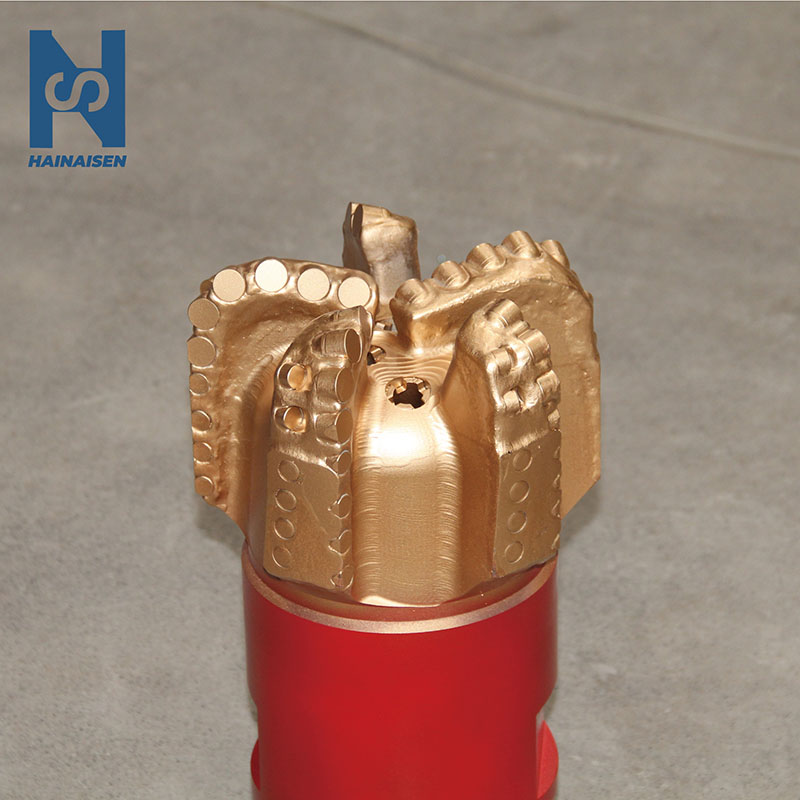
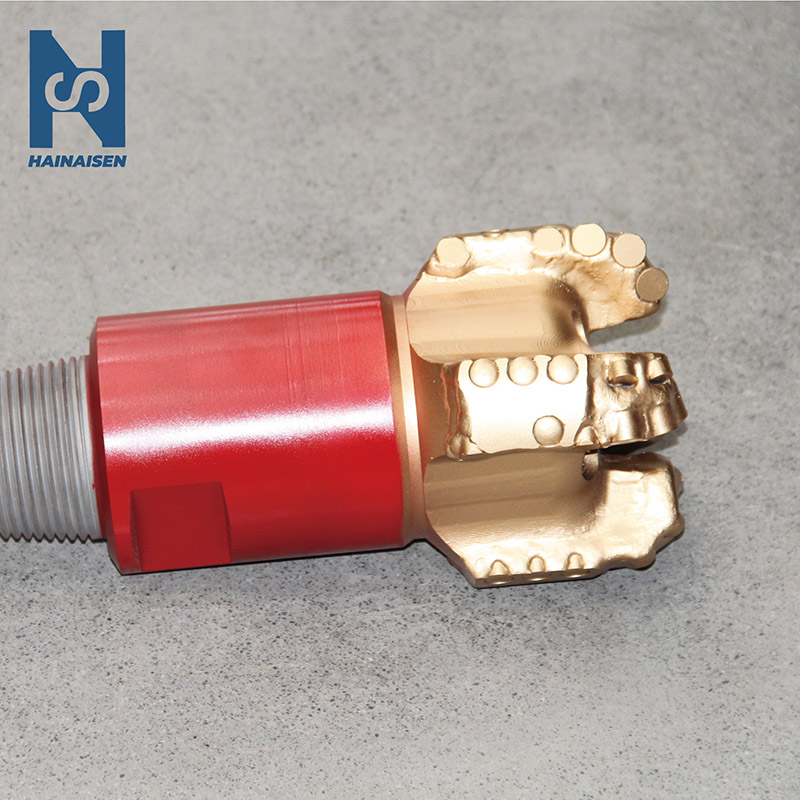
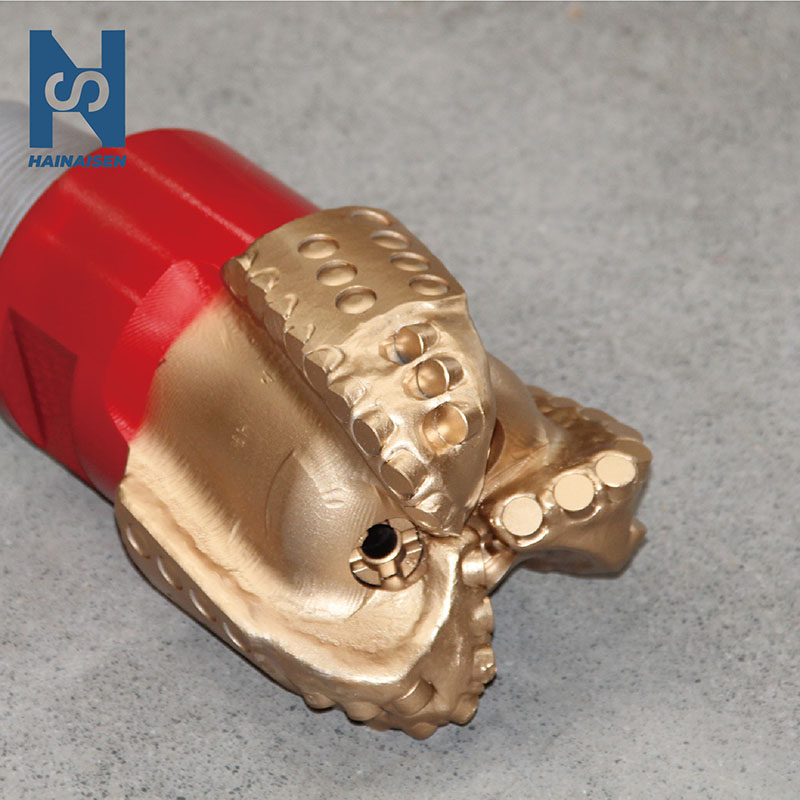
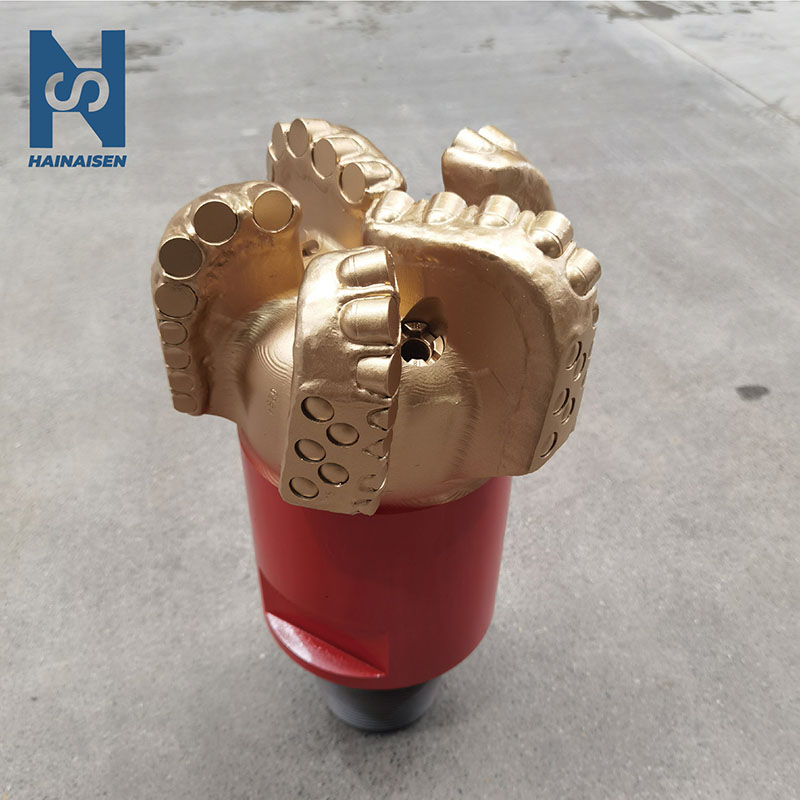
Because these bits have six blades, they can hold more PDC cutters while still leaving enough space between the cutting elements. HNS makes 8.5-inch 6-blade PDC drill bits with 95 total PDC cuts in 13 mm and 16 mm sizes, which can drill through a wide range of rock types. This cutting density makes it easier to remove rocks while also making sure that each cutter works within its best load limits.
Improved Rate of Penetration
Six-blade bits cut down on downtime and overall drilling costs by increasing the rate of penetration (ROP) and operating lives. Because the cutting is more efficient, projects can be finished faster while still meeting the quality standards for holes set by current drilling standards.
Comparing 6-Blade PDC Drill Bits with Other Popular Drill Bit Types
When procurement workers look at different drill bit choices, they need to know how the different configurations perform differently. Six-blade bits are more stable and efficient at cutting than bits with fewer blades. They also dig faster and last longer, which are the most important factors for practical success.
Performance Against Fewer-Blade Designs
Compared to 3-blade or 4-blade configurations, 6-blade bits provide more cutting points in touch with the formation, distributing cutting forces more widely. This means that each cutter is under less stress and the penetration rate is more uniform across different types of formations. The extra blades also provide support, so the machine will keep working even if some of the cutters wear out.
Advantages Over Tricone Bits
When compared to tricone bits, PDC designs usually need less upkeep and have lower running costs. However, each technique has its best places to drill. It's possible that tricone bits work better in very hard, abrasive formations, while PDC Bits work best in rock types that are stable and reliable, which is common in oil and gas drilling.
Six-Blade vs. Eight-Blade Trade-offs
When choosing between 6-blade and 8-blade designs, you have to weigh the benefits of cutting area optimization against the costs of sturdiness and bit life. Eight-blade bits have more cutting points, but because they have more cutting elements, they may wear out faster in some forms. Six blades are usually the best balance for many tasks because they cut well without being too rough on the formation surface.

How to Choose the Right 6-Blade PDC Drill Bit for Your Needs?
To choose the right 6-Blade PDC Drill Bit, you need to carefully consider the type of formation and its hardness, as well as the drilling speed you want to achieve and the drill bit's fit with current drilling rigs. Specific practical needs should be taken into account during the decision-making process, along with long-term performance standards.
Formation Analysis and Bit Selection
Understanding the traits of the creation is still important for choosing the best bits. When compared to softer, more uniform rock types, hard, abrasive layers may need different cutter grades and blade shapes. Geological studies and well data should be looked at by technical teams to make sure that the bit specs match the expected drilling conditions.
Manufacturer Evaluation Criteria
To make sure that the bit works well and reliably during the drilling process, it is important to buy it from a trusted maker with strict quality control rules. Advanced 5-axis machining centers and CNC machine tools, which make sure that manufacturing tolerances are exact, are part of HNS's thorough quality assurance processes. The company's specialized research and development (R&D) team can create custom bits that fit the needs of a certain formation.
Commercial Considerations
When making a purchase choice, comparing things like warranty coverage, expert support available, and after-sales service can help lower the risks. A buying plan takes into account a lot of things related to pricing and operations, such as bulk discounts, the ability to make special orders, delivery times, and shipping costs. This all-around method makes sure that buyers get drill bits that work well, cause little downtime, and stay within their budgets.
Maximizing the Use and Durability of Your 6-Blade PDC Drill Bit
To get the best performance from a 6-Blade PDC Drill Bit, you need to follow best practices for bit weight, spinning speed, and checking for wear on a regular basis. The right operating factors keep the bit from breaking too soon and keep drilling rates at their best throughout its lifecycle.
Operational Best Practices
Keeping the right amount of weight on the bit stops it from not cutting enough or too much, both of which can cause the cutter to break too soon. To get the best cutting results while avoiding damaging vibration patterns, the rotation speed should match the properties of the shape and the design specifications of the bit.
Maintenance and Monitoring
Inspections and upkeep done on a regular basis can extend the life of bits and lower the total cost of ownership. When workers watch how the cutters wear, they can change the drilling settings before they have a big effect on the bit's performance. This helps them get the most out of each bit run.
Performance Documentation
By switching to 6-Blade PDC Drill Bit technology, real-world case studies show that business productivity goes up and costs go down. This is because the rate of penetration goes up, and non-productive time goes down. Sharing these kinds of data-driven insights helps procurement clients make investment choices and build relationships with dependable providers who are committed to long-term operating success.
Conclusion
The mix of longevity, efficiency, and low cost in PDC technology has changed the way drilling is done today. There is a great mix between cutting performance and operating stability in the 6-Blade PDC Drill Bit configuration. It meets the tough needs of oil and gas research, coal mining, and water well drilling. When procurement pros know about the technical benefits, the right selection criteria, and the best ways to run an operation, they can make choices that maximize drilling efficiency while reducing operational costs. PDC technology will continue to be important for project success even as drilling activities move into more difficult settings.
FAQ
1. What makes PDC cutters more durable than traditional drill bit materials?
PDC cutters use Manufactured diamond particles and tungsten carbide as a backing to make cutting elements that stay sharp longer than steel or carbide options. The diamond layer is very hard, and the carbide base is resistant to pressure. This means that the tool will last longer, even in tough drilling circumstances.
2. Can 6-blade PDC drill bits be customized for specific geological conditions?
Advanced makers like HNS give a wide range of personalization choices, such as changing the cutter size, the blade shape, and the matrix material. The company has a specialized research and development team that can make bits that work best in certain types of rock, drilling conditions, and operating needs so that they can do their best in those specific geographic settings.
3. How do I determine if a 6-blade PDC drill bit is suitable for my drilling project?
As part of the suitability assessment process, the formation's hardness, abrasiveness levels, drilling direction needs, and operating limitations are all looked at. When doing a technical review, you should look at data on how well offset wells work, geological studies, and the limits of the drilling parameters. Talking to makers with a lot of knowledge can help you figure out how to match bit specifications to project needs.
Partner with HNS for Superior Drilling Performance
When drilling, you need tools that you can count on to work consistently and keep costs and downtime to a minimum. HNS is a reliable company that makes 6-Blade PDC Drill Bit with over a decade of industry expertise and advanced manufacturing techniques that guarantee the highest quality products. Our 8.5-inch 6-Blade PDC Drill Bit has 95 PDC cuts placed in key locations, 6 nozzles for improved hydraulics, and a strong build made for tough jobs. Email our expert team at hainaisen@hnsdrillbit.com to talk about your unique drilling needs and find out how our custom solutions can help you run your business more efficiently.
References
1. Smith, J.A., "Advances in Polycrystalline Diamond Compact Technology for Enhanced Drilling Performance," Journal of Petroleum Technology, Vol. 45, No. 3, 2023.
2. Johnson, M.R., "Comparative Analysis of Multi-Blade PDC Drill Bit Configurations in Hard Rock Applications," International Association of Drilling Contractors Technical Report, 2022.
3. Williams, D.K., "PDC Cutter Design Optimization for High-Temperature Drilling Environments," SPE Drilling and Completion Engineering, Vol. 38, No. 2, 2023.
4. Brown, L.S., "Economic Analysis of PDC Drill Bit Performance in Oil and Gas Operations," Petroleum Engineering International, Issue 127, 2022.
5. Davis, R.P., "Formation-Specific PDC Drill Bit Selection Criteria for Optimal Drilling Performance," World Oil Technology Review, Vol. 244, No. 8, 2023.
6. Thompson, K.L., "Quality Control and Manufacturing Standards for PDC Drill Bit Production," International Drilling Equipment Standards Handbook, 4th Edition, 2022.
 VIEW MORE5 Blades Steel Body High Performance PDC Rock Drill Bits
 VIEW MOREPetroleum PDC Oil Drill Bit
 VIEW MOREThree Blade Oil Drill Bit
 VIEW MOREDrill Bits For Oil Drilling
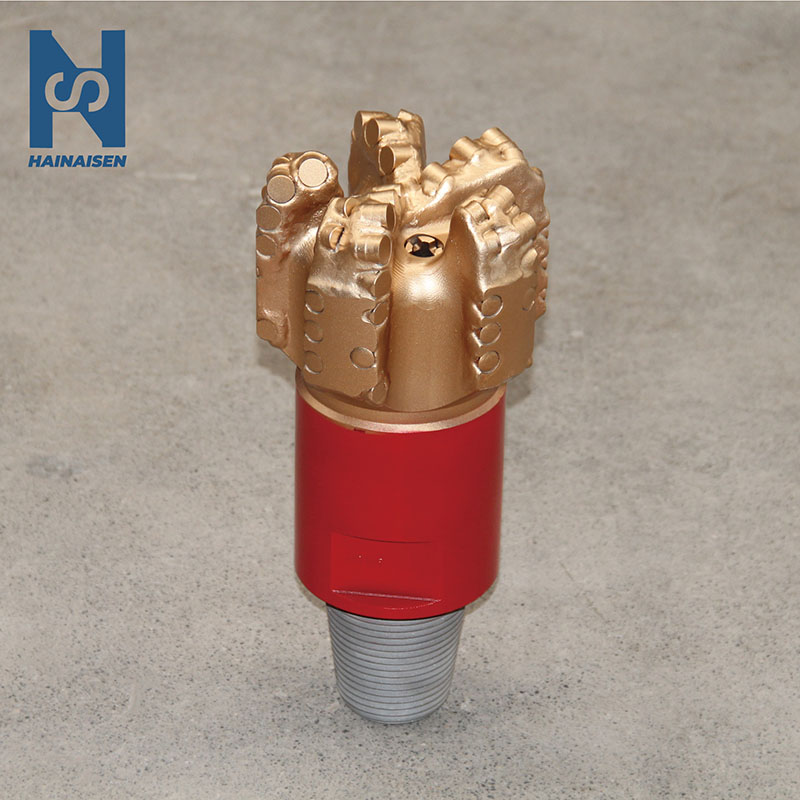 VIEW MORE5 Blade Matrix Body PDC Drill Bits
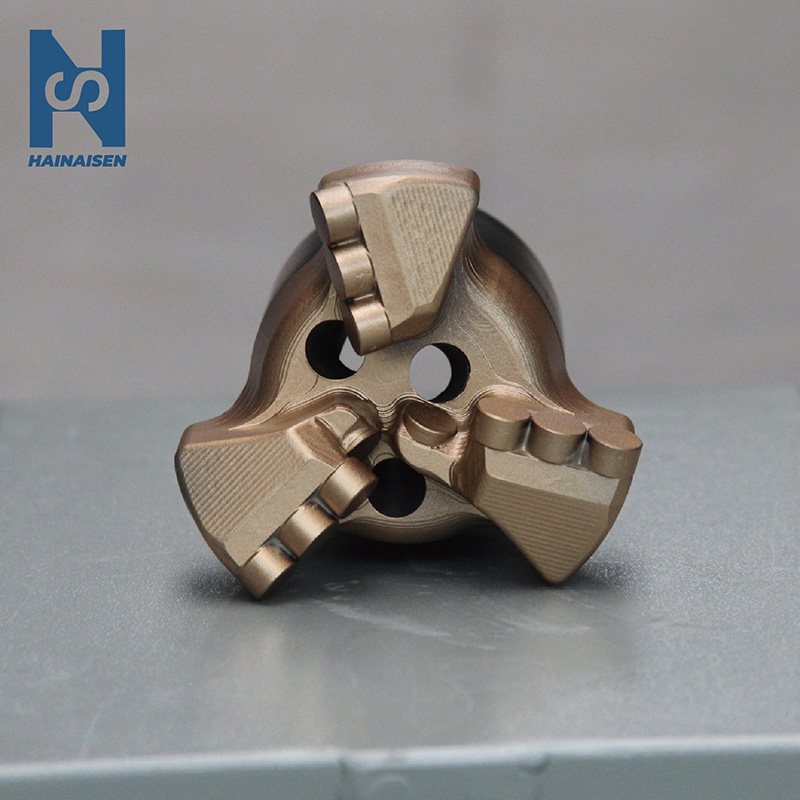 VIEW MORE3 Blades PDC Rock Bit
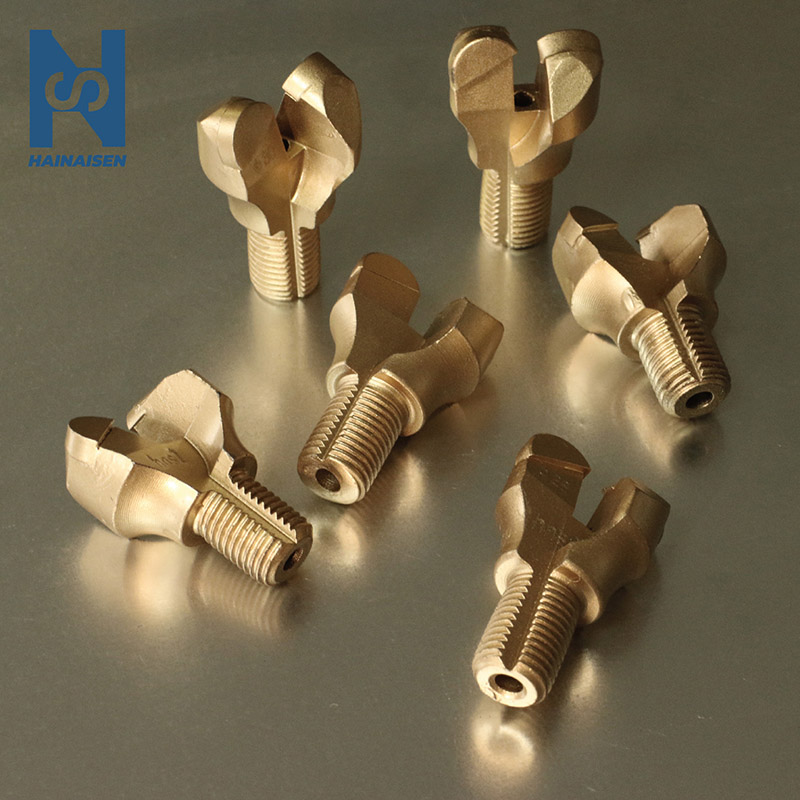 VIEW MORECoal Mining Tools PDC Anchor Drill Bit 28mm
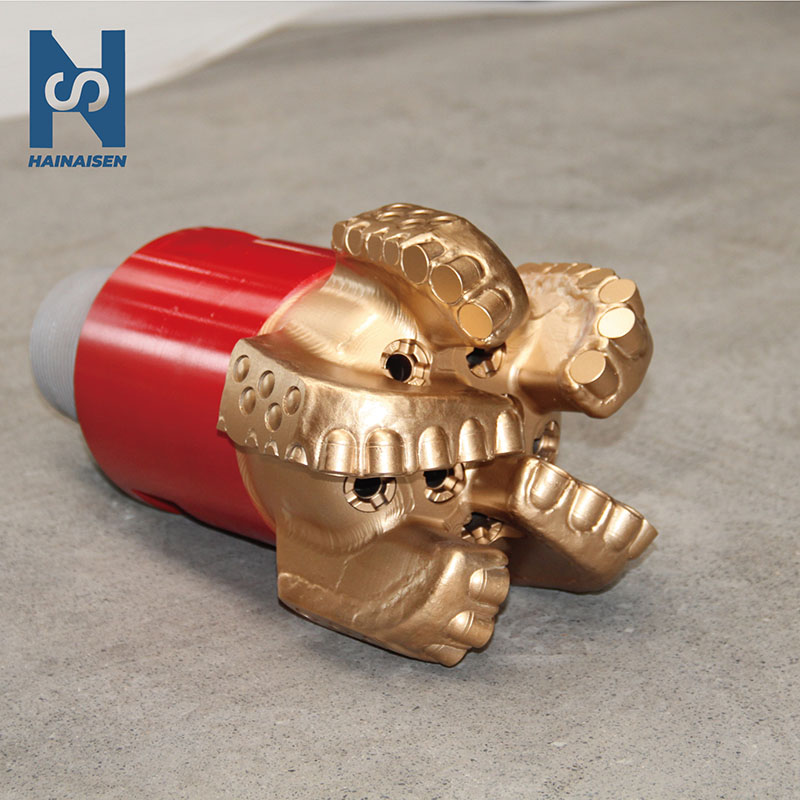 VIEW MOREDiamond Oil Drill Bit
