



Drill Bits For Oil Drilling Guide for North Sea Conditions
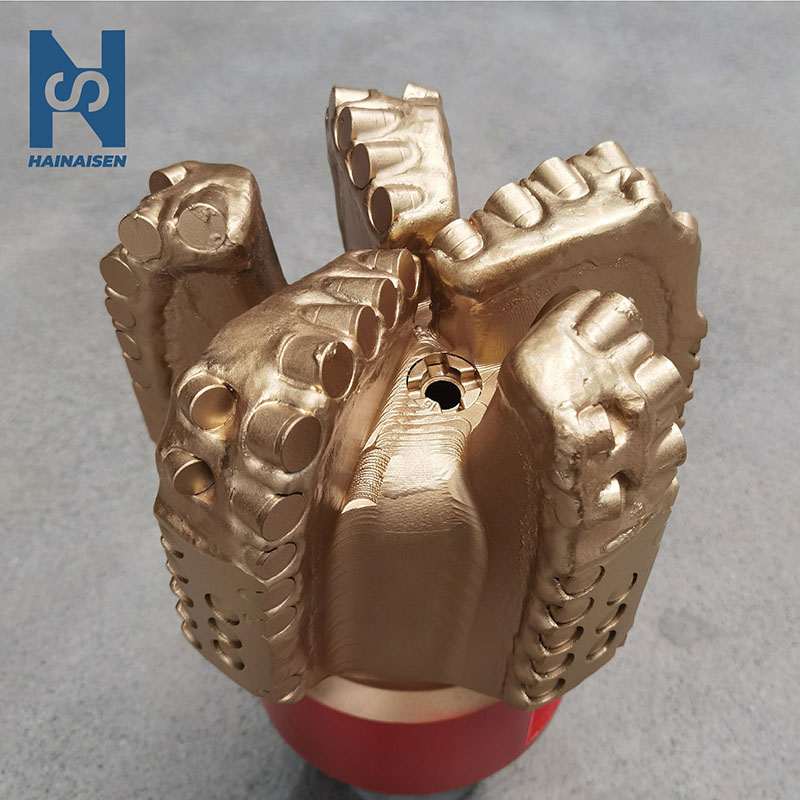
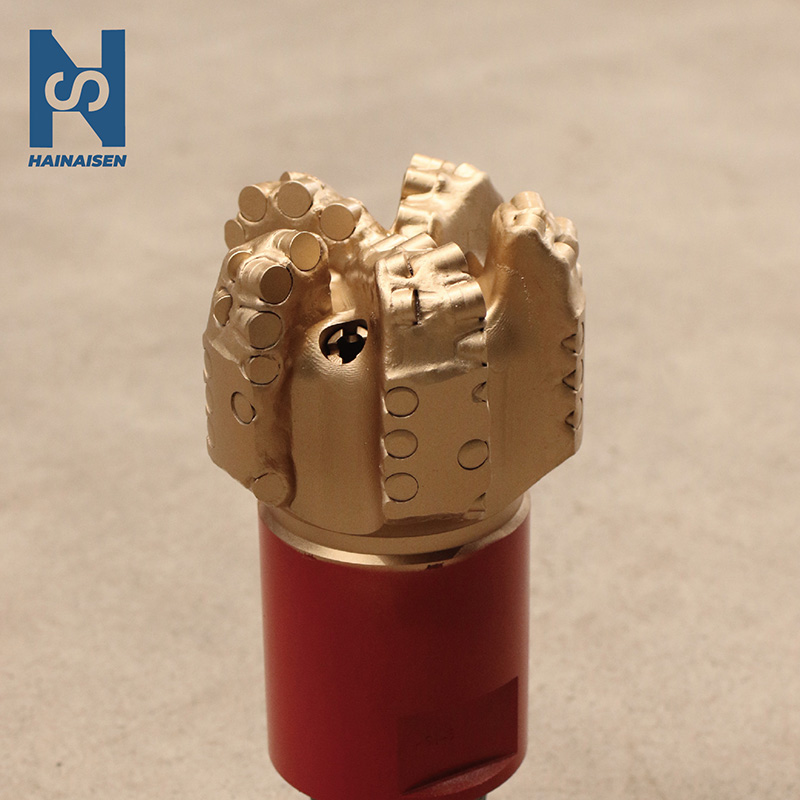
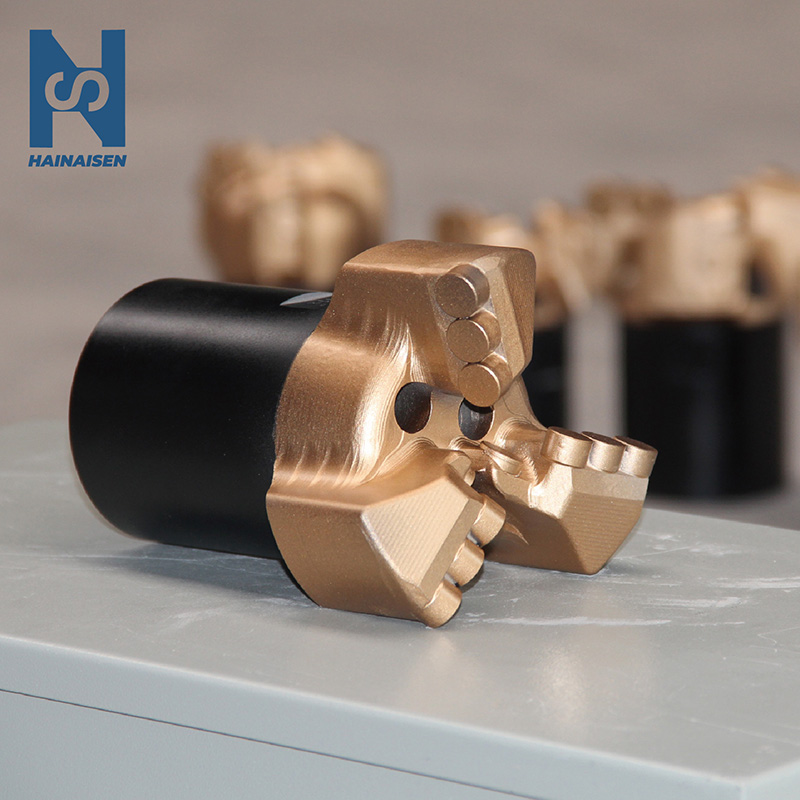
Choosing the right tools is very important when drilling offshore in the harsh North Sea climate. The Three Blade PDC Tricone Drill Bit has been shown to work well in the area's tough rock types, ranging from dense chalk to hard sandstone, even when exposed to high pressures and harsh circumstances. Its unique three-blade design with polycrystalline diamond compact cutters provides consistent penetration rates and a longer operational lifespan. This makes it the first choice for oil service companies and exploration teams working in one of the toughest drilling environments in the world.
Understanding the Three-Blade PDC Tricone Drill Bit and Its Design Features
Core Architecture and Engineering Philosophy
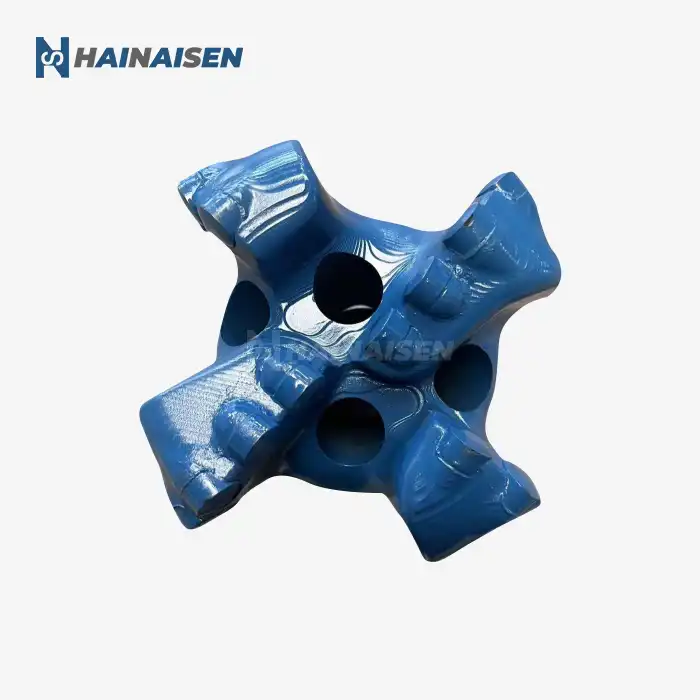
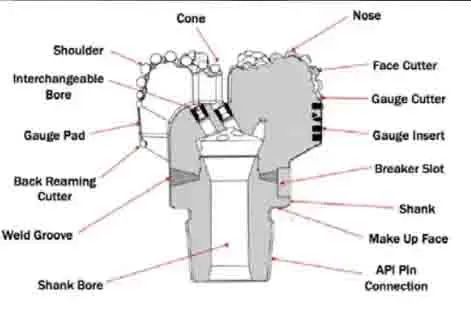
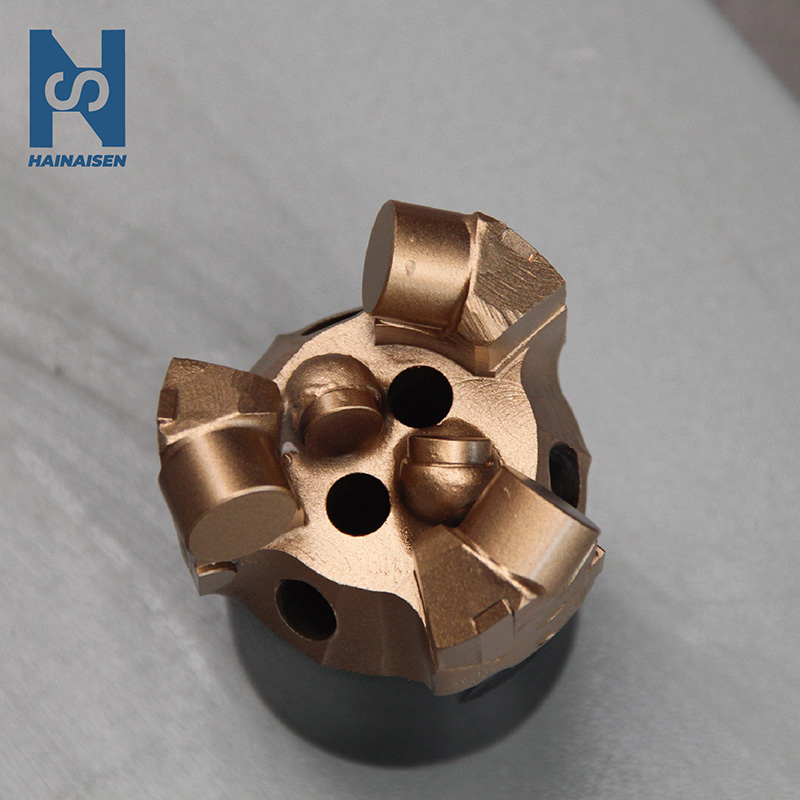
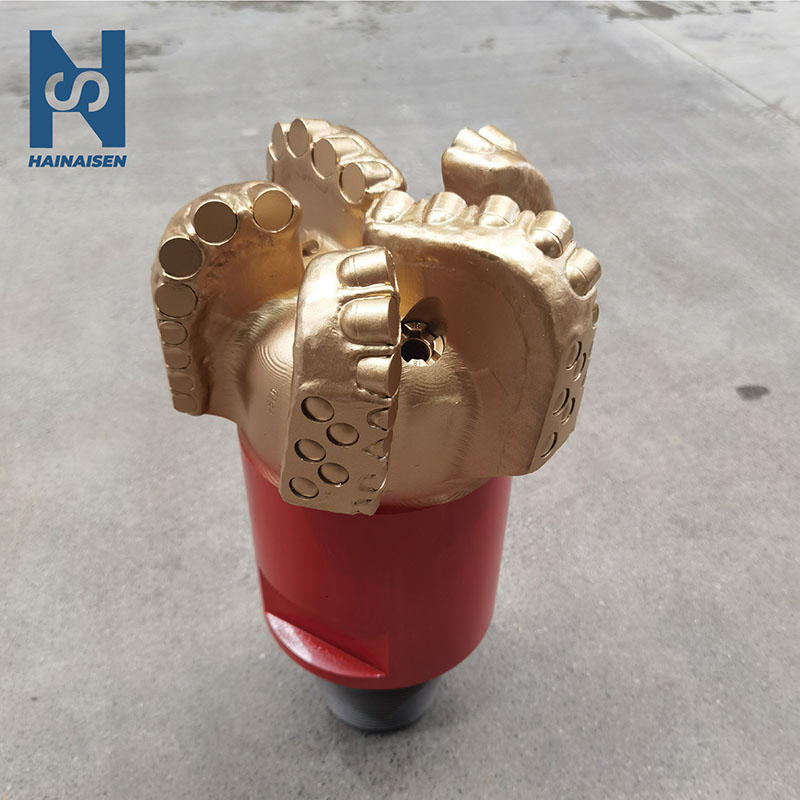
A three-blade PDC Tricone Drill Bit is based on decades of field data from activities in the North Sea. This tool cuts through rock layers with cutting force instead of the breaking action of most roller cone bits. The bit has three blades that stick out from the center and are all evenly spread. Each blade has several rows of PDC cuts on it. Our IADC S433 specification type is 6 Inches (152.4 mm) in diameter and has 61 13mm PDC cutters carefully placed across its three blades. This makes it the best tool for cutting through medium to medium-hard formations that are popular in offshore drilling. The matrix body structure, which is made of a tungsten carbide composite, is much more resistant to wear than steel options. When digging through the North Sea's rough rock layers for long periods of time, this choice of material becomes very important. The bit is 220 mm tall and 65 mm long, which makes sure the structure stays strong even when there is a lot of power. The 3-1/2 REG PIN connection keeps the bit securely attached to the drill string while it is working in rough offshore settings.
Material Science Behind Performance
A Manufactured diamond layer is attached to a tungsten carbide base to make up each PDC cutter. The diamond surface stays sharp even after millions of turns, and the carbide backing protects the bit from damage when it hits harder rock stringers. When we make things, we only use the best materials that were chosen for use in the North Sea, where bits are constantly being loaded and unloaded, and the temperature changes between cold ocean and hot borehole settings. High-strength steel is used to strengthen the matrix body in places where stress is high, like around the connection threads and blade roots. The bit weighs 22 kilograms, which means it is well-built without being too heavy, which would make it harder to handle on offshore rigs where deck room and crane power are limited.
Performance and Benefits of Using Three-Blade PDC Tricone Drill Bits Offshore
Enhanced Penetration Rates in Variable Formations
Drilling in the North Sea is a lithological puzzle because operators often find layers of shale, limestone, and sandstone stacked on top of each other in the same well section. The Three Blade PDC Tricone Drill Bit works really well in these mixed groups because it spreads the cutting forces out evenly across the face. Every blade touches the rock on its own, so the contact stays the same even when moving from soft to hard layers. Field data from operations in the North Sea shows that these bits can penetrate 20–35% faster than regular roller cone bits in the same types of rocks. This means that the rig spends less time working and costs less to run. The cutting power comes from the PDC material itself. Unlike tungsten carbide inserts, drill bit manufacturers in China, which lose their sharpness over time, PDC cuts keep their edges sharp until they fail catastrophically. Since this bit type doesn't have the usual falling performance trends, it has steady penetration rates. This makes it easier for drilling engineers to plan offshore operations and predict how long it will take to reach the bottom.
Economic Value Through Extended Run Life
Replacing a drill bit offshore requires a full drill string trip: pulling thousands of feet of pipe, swapping the bit, and running back downhole. On modern semi-submersible rigs, every trip costs 8–12 working hours, equivalent to over $500,000. For North Sea applications, this drill bit offshore three-blade PDC variant delivers 30–50% longer service life than four-blade alternatives. Extended lifespan reduces round trips per well, slashing overall expenses for multi-well platform projects. One North Sea operator reported that switching to three-blade PDC drill bit offshore solutions lowered average per-foot drilling cost by 28% across six wells, despite higher upfront bit prices. Factoring in rig rental fees, reduced non-productive time and faster well completion, the three-blade design proved far more economical for their offshore geology.
Application and Suitability of Three-Blade PDC Tricone Drill Bits in North Sea Oil Drilling
Geological Formation Compatibility
Different depths in the North Sea's sedimentary area present different digging difficulties. Shallow parts usually have loose sands and clays that need to be drilled carefully to keep the shaft from becoming unstable. Our Three Blade PDC Tricone Drill Bit works well with these forms, and the weight-on-bit settings can be changed to keep penetration rates from getting too high, which could lead to pack-offs. Chalk rocks are common in middle-level parts. The famous Ekofisk and Tor reservoirs are mostly made up of this soft, porous rock. The bit's PDC cutters cut through chalk smoothly, without bit-balling issues that happen with some designs. The wide junk slots also keep cuttings from building up. In deeper sections, you may come across harder Jurassic sandstones and shales. The bit's long life and steady cutting action will keep the digging going.
Case Evidence from Deployments in the Field
A Norwegian company that was drilling in the Johan Sverdrup field used three-blade PDC Bits for the middle parts of its holes. They drilled through 1,200 meters of mixed shale and sandstone layers. The bits ran an average of 350 meters per run, which is 40% better than their last bit program, and kept the gauge width the same the whole time. The operator said that the performance was good because the cutting structure was balanced and the cuttings were well emptied. This kept the machine from breaking down even when it ran into hard stringers. In a different use, a UK sector well was used to target a Cretaceous reserve that was buried under hard-to-reach chalk. The drilling team chose a three-blade PDC bit to fix problems with instability that had been caused by bit action that was too strong in the past. The controlled cutting profile cut down on torque changes by 60%, which made drilling smoother, maintained the quality of the borehole, and allowed successful case installation, proving that the bit choice was the right one for that drill bit manufacturer in china geological situation.
Procurement Guide for Three-Blade PDC Tricone Drill Bits: What B2B Buyers Need to Know
Supplier Selection and Quality Verification
Selecting a reliable manufacturer is critical to stable drilling performance and operational success, especially when sourcing quality tools in the competitiveoil field drill bit market. Technical buyers should evaluate suppliers based on manufacturing capacity, standardized quality control systems, and rich offshore drilling project experience. Top-tier manufacturers adopt CNC machining centers and automatic welding lines to ensure consistent bit geometry and stable operational predictability for every oil field drill bit.
Our 3,500-square-meter Xi’an production plant is equipped with professional 5-axis machining centers, delivering precise blade shaping and accurate PDC cutter placement. Strict quality control protocols are implemented throughout production, with authoritative oil and gas industry Certifications fully reviewed. ISO 9001 certification guarantees standardized quality management, while API specifications ensure full compatibility with mainstream drill string accessories. We also provide complete material tracking records for both matrix body substrates and PDC cutters, effectively avoiding invisible performance deviations caused by raw material differences and ensuring long-term stable downhole performance of all oil field drill bit products.
Customization Options and Lead Times
Catalog bits work well in many situations, but overseas jobs often need unique designs that are better at working with certain formations. Dedicated research and development (R&D) teams at reputable makers can change blade shapes, cutter patterns, and hydraulic designs based on your drilling parameters and geological data. Our custom bit design department has made unique setups for North Sea users who have to deal with tough conditions like sticky shale or hard limestone stringers that are buried in each other. Lead times for normal bits and special bits are very different. Items from the catalog usually ship within two to four weeks. Custom designs, on the other hand, need six to ten weeks for engineering, prototyping, and quality control. When purchasing managers are planning campaigns that will take place abroad, they should involve suppliers early on in the well-designed phase. They should give suppliers geological data and drilling goals so that there is enough time for growth without rushing the project timeline.
After-Sales Support and Technical Services
Complex offshore operations demand solid technical support from suppliers of drill bit offshore. When selecting manufacturers, check their response speed for troubleshooting, drilling optimization and failure analysis. Our brand Hainaisen delivers direct support via North Sea-experienced engineers, who adjust drilling parameters or recommend better drill bit offshore models with real-site data. Review warranty clauses carefully: standard policies only cover manufacturing defects, excluding damage from improper operation. Confirm required inspection, claim documents and replacement lead times in advance. Select vendors offering performance warranties for wells with unknown complex strata.
Maintenance, Troubleshooting, and Maximizing Drill Bit Performance
Pre-Deployment Inspection and Handling Protocols
Before sending any Three Blade PDC Tricone Drill Bit abroad, it should be carefully looked over visually. Use a 10x magnifying glass to look at each PDC cutter for chips, cracks, or problems with the bonding. Compare the blade shapes to the manufacturer's specs to make sure there was no damage during shipping. Carefully check the connection threads; even small thread damage can lead to connection failures underground, which will cost a lot to fix. Use the API-recommended thread compound and measured tools to make sure the links are torqued to the right values. Damage can be avoided by treating things correctly. Put bits on soft surfaces or racks made just for that reason, never on the steel floors of a rig. Do not stack bits or put heavy things on top of them, because impact loading can move cuts or change the shape of blades. When setting up offshore, make sure to use the right lifting subs and control taglines to keep the bit from moving around and hitting rig buildings while the crane is working.
Common Issues and Corrective Actions
Damage to the PDC cutting is the most common cause of failure. Broken or chipped cutters make the machine less effective and cause uneven cutting forces that wear out the remaining blades faster. Because of this spiraling failure pattern, bits quickly lose their usefulness after the first loss. Sticking to the parameters suggested by the maker, like 4,000 to 10,000 pounds of weight on the bit and 80 to 120 RPM for 6-inch bits in middle formations, lowers the risk of damage. Bit balling happens when sticky shale sticks to the bit face and keeps the cutter from touching new rock. The wide junk holes in the three-blade design make it less likely that balls will form, but heavy clay forms may still be a problem. Some solutions are to increase the flow rate to make hydraulic cleaning better, change the qualities of the mud to make it less sticky, or change the parameters of the drilling to make smaller pieces that flush more easily. If you can spot the early Three Blade PDC Tricone Drill Bit signs of balling—unsteady power and lower entry rate despite stable parameters—you can fix the problem before you need to trip the bit.
Post-Run Analysis and Documentation
Conduct full post-run analysis after every bit trip to guide future selections in the competitive oil field drill bit market. Capture multi-angle photos to log wear marks, residual cutter height and damage, and record key metrics including remaining gauge length and blade size. Compare actual drilling footage, working hours and penetration rate against predicted data, then submit all records to your bit manufacturer. Field data helps manufacturers upgrade designs. Abnormal wear often signals unrecorded formation features, requiring revised bit models for subsequent wells. This operator-supplier collaboration steadily boosts bit performance for harsh zones such as the North Sea oilfields.
Conclusion
When choosing the right drill bits for work in the North Sea, you have to find a balance between technical performance, cost-effectiveness, and practical dependability. The Three Blade PDC Tricone Drill Bit design has been shown to be useful in this tough environment. It has better penetration rates in mixed formations, is very durable in difficult conditions, and lowers overall drilling costs by extending run life. By carefully evaluating suppliers, understanding the engineering behind these bits, and following strict operational procedures, drilling companies can get the most out of their offshore investments while minimizing technical risk in one of the most difficult oil provinces in the world.
FAQ
1. What makes three-blade PDC bits suitable for North Sea conditions specifically?
The North Sea has a wide range of rocks, from soft chalk to hard sandstone. Because of this, it needs bits that work well with a wide range of rock types. Three-blade PDC Tricone Drill Bits have bigger paths for debris to move between the blades, which is important to keep cuttings from building up in the region's sticky shale intervals. The strong structure of the blade can handle side forces during directed drilling and keep the gauge width the same over long runs. When used with PDC cutters that don't wear down easily in abrasive rocks, these bits provide steady penetration rates and long service life, even in the tough conditions that are common in North Sea offshore activities.
2. How do procurement managers evaluate total cost versus initial bit price?
In a full cost study, more than just the bit purchase price is taken into account, such as rig day rates, trip time, and the amount of drilling done. When you consider that an offshore rig costs more than $500,000 per day, a more expensive bit that drills 50% further before it needs to be replaced has a lower cost-per-meter. Technical buying managers should ask suppliers for performance data from similar formations, use offset wells to figure out how much footage they expect to get, and model different situations for total well costs. This method shows that premium bits often offer better economic value, even if they cost more up front. This is especially true for medium and large-sized oil service companies that are running long drilling operations.
3. What customization options exist for specialized North Sea applications?
Manufacturers with advanced engineering skills can change the shapes of the blades, the number and placement of cutters, the designs of the hydraulic nozzles, and the types of matrix materials used to solve specific creation problems. Problems like interbedded hard stringers, fragile shale parts, or very rough sandstones can be solved with custom designs. Sharing specific geological data, offset well performance, and drilling settings with the supplier's expert team is part of the customization process. Development times are usually between 6 and 10 weeks, so getting involved early is important for planning the project.
Partner With HNS for Your North Sea Drilling Success
Every part of your offshore drilling program is affected by the company you choose to make your Three-Blade PDC Tricone Drill Bit. Shaanxi Hainaisen Petroleum Technology Co., Ltd. has a lot of experience designing and making PDC bits, and they can also make solutions that fit the geology problems in the North Sea. Our engineering team works directly with your technical staff to find the best bit specifications for your goal formations. Our quality-controlled production plant makes sure that even when we get a lot of orders, they all work out the same way. Our full expert support and affordable supplier price system help you reach your business goals, whether you're drilling exploration wells or creating producing fields. Email us at hainaisen@hnsdrillbit.com to talk about your unique needs and get expert advice on how to make your North Sea drilling program more productive.
References
1. Bellin, F., Dourfaye, A., King, W., and Thigpen, M. (2010). "The Current State of PDC Bit Technology." World Oil Magazine, 231(5), 41-46.
2. Rafatian, N., Miska, S.Z., Ledgerwood, L.W., Yu, M., and Ahmed, R. (2010). "Experimental Study of MSE of a Single PDC+ Cutter Interacting With Rock Under Simulated Pressurized Conditions." SPE Drilling & Completion, 25(1), 10-18.
3. Warren, T.M. and Armagost, W.K. (1988). "Laboratory Drilling Performance of PDC Bits." SPE Drilling Engineering, 3(2), 125-135.
4. Pessier, R.C. and Fear, M.J. (1992). "Quantifying Common Drilling Problems With Mechanical Specific Energy and a Bit-Specific Coefficient of Sliding Friction." SPE Annual Technical Conference and Exhibition, SPE-24584-MS.
5. Clayton, R., Chen, S., and Lefort, G. (2005). "New Bit Design, Cutter Technology Extend PDC Applications to Hard Rock Drilling." Oil & Gas Journal, 103(22), 53-58.
6. Dykstra, M.W., Neubert, M., Hanson, J.M., and Meiners, M.J. (2001). "Improving Drilling Performance by Applying Advanced Dynamics Models." SPE/IADC Drilling Conference, SPE-67697-MS.
logo 1_1777361260784.jpg)