




Why Use 4 Wings Blades PDC Bit in Oilfield Applications?
The 4 Wings Blades PDC Bit is the best choice for drilling workers all over the world when they need to get deep into the ground quickly and reliably in oilfield operations. Its four blades work together to cut aggressively while keeping the structure strong. This makes it very good at working with medium-hard rocks like shale, limestone, sandstone, and gypsum. The design lowers vibrations during drilling while keeping cuttings removal efficient through optimized hydraulic channels. This makes it especially useful for geological exploration, coal bed methane drilling, oil and gas extraction, and projects where downtime directly affects profits.
Introduction
In the petroleum business, project timelines and cost models are based on how well drilling is done. We at Shaanxi Hainaisen Petroleum Technology Co., Ltd. know that technical engineers and buying managers are always under pressure to get things done and stick to budgets. Since we started our business in Xi'an in 2013, we've been making polycrystalline diamond compact drilling tools that solve these problems. Our 3,500m² production plant has high-tech 5-axis machining centers and CNC machines that can make bits that work reliably in tough subsurface environments. This detailed guide explains why the 4 Wings Blades PDC Bit design is now the most popular choice for coal mines, oil service companies, and water well drilling teams. In this section, we look at design principles, performance traits, selection criteria, maintenance routines, and real-world uses that show a clear return on investment. This study gives you the scientific information you need to make an informed choice, whether you're looking at sources for medium-scale geological surveys or planning to buy a lot of things for long drilling projects.
Understanding 4-Wing Blades PDC Bit and Its Design Features
Blade Configuration and Cutting Mechanics
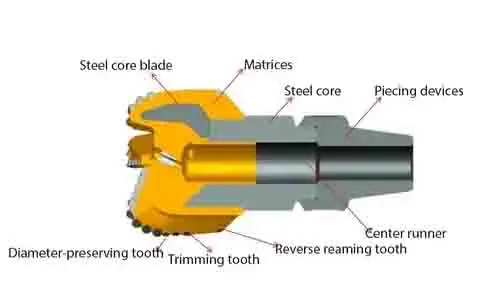
Multiple speed goals are balanced by the four-blade design, which is a choice made by engineers. The four-blade structure strikes a balance between rate of penetration and lateral stability, while three-wing designs focus on penetration speed in soft rocks and six-wing designs focus on ultra-hard rock. PDC cutters are synthetic diamond discs that shear rock instead of breaking it. They are placed on each blade at exact angles to improve contact efficiency and spread wear evenly across the cutting structure. The first part of our manufacturing process is using high-quality steel bodies that are great at getting rid of heat during long drilling runs. The steel construction naturally resists impact, taking shock loads and vibrations that would weaken the structure otherwise. This choice of material is especially helpful when drilling through layers of rock that change strength quickly, which can put stress on bit designs that aren't made well.
Hydraulic Optimization
The four-blade shape makes natural pathways for drilling fluid to flow through. When hydraulic flow is optimized, oil drilling bit cuttings are quickly removed from the bit face. This keeps the contact between PDC cuts and formation rock clean and stops the bit from having to be ground down again. With flow rates between 25 and 36 liters per second, the system makes sure there is enough cooling while also saving drilling fluid. This fluid efficiency makes the drilling process smoother and lowers the chance of bit balling in rocks with a lot of sticky clay, which is a problem for many oilfield operations.
Advantages and Performance of 4-Wing Blades PDC Bit in Oilfield Drilling
Enhanced Penetration Rates and Operational Efficiency
When you compare 4 Wings Blades PDC Bits to standard tricone Roller Bits or other PDC configurations, drilling performance measures show that they are much better. The active cutting structure makes it possible to penetrate medium-hardness rocks more quickly, which directly leads to less drilling time per well. When used within the suggested ranges—rotational speeds of 60 to 250 RPM and drilling pressures of 10 to 100 KN—the bit performs consistently, which speeds up the time it takes to finish a job. Four-blade designs are different from higher-blade-count options because they need less power. This feature makes the cutting tools work better and uses less energy while it's working. The mechanical advantage is especially clear during long horizontal drilling sections, where high torque for long periods of time can damage drill string parts or cause downhole motors to overheat. Data from coal bed methane projects shows that when power needs are lowered, equipment can be serviced more often while still reaching the goal penetration rates.
Vibration Reduction and Directional Control
Vibration during drilling is a constant problem that hurts tools, lowers the effectiveness of entry, and lowers the quality of the wellbore. The four-wing structure naturally creates less harmonic vibration than three-blade designs, and it doesn't have the extra mass that comes with six-wing designs. Less vibration saves pricey bottom hole assemblies and measurement-while-drilling tools, which lowers the total cost of the project beyond the cost of the bit itself. When digging in a specific direction, 4-Wing Blades PDC Bits are very useful because they are stable. The even design of the blades stops the wellbore from going off track by accident, so planned lines are followed more accurately. This control feature is very important for oil and gas research projects that are looking for specific reserve zones because positional accuracy has a direct effect on how much oil and gas is produced.
Selecting and Procuring the Right 4 Wings Blades PDC Bit
Formation Assessment and Technical Specifications
A thorough geological study is the first step in choosing the right bits. The 4 Wings Blades PDC Bit design works best in layers with compressive forces below 150 MPa, which includes most sedimentary rocks that are found in oil drilling. Instead of depending only on general category descriptions, procurement managers should use detailed technical specifications to make sure that the bits being offered fit the formation characteristics when they are reviewing possible suppliers. Measurements of rock hardness, abrasiveness indices, and formation oil drilling bit transition speeds all have an effect on the best bit design for oil drilling. Our engineers work directly with clients to look at the cutting conditions and make changes to the hydraulics, blade shapes, and cutter density based on what they find. This feature lets you make changes because there isn't a single bit design that works for all tasks. This is especially important for geological research projects that have to deal with unpredictable conditions below the surface.
Pricing Strategy and Total Cost Analysis
When water well drilling teams are on a tight budget, they naturally put the highest value on the original buy price. A full cost study, on the other hand, shows that expensive bits often offer better value because they last longer and drill faster. Figuring out the cost-per-meter-drilled is a better way to compare deals than just looking at the buy price. Companies that have ongoing drilling projects can save a lot of money by taking advantage of bulk order discounts and long-term supply deals. Our procurement experts work with clients to set up buying plans that balance the need to handle supplies with the benefits of buying in bulk. Express global shipping keeps working plans from getting pushed back by longer arrival times. This is especially important for projects in remote areas where logistics planning can be hard.
Maintenance, Wear Signs, and Longevity Optimization
Inspection Protocols and Wear Indicators
Systematic post-run checks are the first step in proactive maintenance. They find problems before they get worse and affect the drilling's performance. The PDC cutter should be looked at visually to see if the edges are rounding, there is heat damage, or the cutter has been lost. Minor edge wear is a normal part of operating older bits, but major cutter damage or missing parts mean that the drilling parameters went beyond the bit's design limits, or it hit unexpectedly hard formations. Patterns of blade wear can help doctors figure out what's wrong. Asymmetric wear is a sign of a problem with the drilling, like too much vibration, uneven weight distribution on the bit, or uneven formations that need practical changes. Recording wear patterns on several bits creates past data that helps make decisions about which bits to use and how to set the working parameters in the future.
Operational Parameter Optimization
How well a drill works depends on how well the bit's capabilities match the conditions of operation. Rotational speed, weight-on-bit, and flow rate should all stay within the limits set by the maker to avoid premature wear or catastrophic failure. If you operate outside of the suggested limits, especially at too high rotational speeds that cause thermal damage, your guarantee will not be covered, and the bit will not work as well. Real-time tracking of drilling data lets parameters be changed right away when performance doesn't match expectations. Sudden drops in the entry rate could mean that the bit is wearing out and needs to be replaced before it breaks completely. This proactive method cuts down on wasted time more than reactive actions that are needed after a catastrophic bit failure forces unexpected trips.
Applications and Industry Use Cases of 4 Wings Blades PDC Bit
Oil and Gas Exploration and Production
An important place where 4 Wings Blades PDC Bits are used is in the mining of petroleum. The plan works great for drilling vertical production wells through rock layers, and it works the same way in shale, limestone, and sandstone layers. Horizontal drilling sections benefit from the directional stability features that make wellbores less flexible and increase the efficiency of finishing. Quality PDC bits are especially useful for offshore drilling because they are reliable and last a long time. In marine settings, rig day rates often go over $500,000. This makes bit speed a very important cost factor. Being able to drill over longer distances with a single bit run directly lowers the cost of the well and speeds up the project plan. Major foreign operators have put our bit designs through a lot of tests to make sure they work. These tests set performance standards that are used to make purchasing decisions across their entire global operations.
Water Well Construction and Geothermal Applications
Four-wing versions are good for water well-digging teams because they last a long time and don't cost too much. Municipal water supply projects that need more than one well can save a lot of money by digging faster and using bits that last longer. Because these bits can drill through medium-hard rock types well, they can be used in a wide range of natural conditions at different project sites. As drilling moves toward hot spots, building a geothermal well brings its own set of thermal difficulties. Thermal stability features in our bits make them work reliably in high-temperature settings where cheaper designs would wear out faster or break. This feature gives geothermal makers more options when they want to reach deeper, hotter resources at a lower cost.
Mining and Geological Core Sampling
For mineral mining and geological surveys to work, samples must be recovered accurately, and drills must be efficient. 4 Wings Blades PDC Bits create clean wellbore walls that make it easier to get accurate cores and figure out what the rocks mean. The lower vibration levels keep the core from getting damaged during cutting, which improves the quality of the sample for later lab study. Four-blade types are useful for a variety of construction machinery tasks, such as setting up anchor points for foundations or doing geotechnical studies. Because the bits can easily cut through a variety of underground materials, project timelines are shortened while budgets are kept low, which is important in competitive bidding situations.
Conclusion
Choosing the right drilling equipment has a big effect on how well the mining, oil and gas, and geological exploration businesses do their jobs. When it comes to penetration efficiency, longevity, and operating stability, the 4 Wings Blades PDC Bit is hard to beat. It meets the needs of both procurement managers and technical engineers. From large oil service companies that need verified performance to water well-digging teams that want to save money, this blade configuration has real benefits that have been proven by a lot of field use. A thorough review of suppliers, formation-matched selection, and proactive maintenance routines all work together to get the best return on investment. As drilling technologies keep getting better, the basic engineering ideas behind four-wing PDC designs will still be useful. This is because material science is always changing, and manufacturing precision is always getting better. When businesses make strategic purchasing choices based on the total cost of ownership instead of just the original purchase price, they set themselves up to stay ahead of the competition.
FAQ
1. What formations are best suited for 4-Wing Blades PDC Bits?
When the tensile strength of the rock is less than 150 MPa, 4-Wing Blades PDC Bits perform optimally in medium-hardness layers. This includes solid rocks like shale, limestone, sandstone, and gypsum that are often found in drilling work. The design works well with changes in formation and keeps performance fixed when digging through stacked geological sequences.
2. How does bit customization improve drilling performance?
Customization makes sure that the bit design factors, like the blade profile, cutter placement density, and hydraulic channel configuration, are in line with the rock conditions and operating needs. Compared to general designs, this way of engineering improves bit life and entry rates. Our team looks at drilling data and the properties of the rock to suggest changes that will improve performance in a way that can be measured.
3. What warranty and technical support accompany bit purchases?
HNS offers a full guarantee against production flaws, with specific terms spelled out in purchase agreements. Technical help includes application engineering before the buy, suggestions for working parameters, and performance analysis after the run. Our dedication goes beyond delivering the product; it also includes making sure that it is deployed successfully and continues to work well.
Partner with HNS for Advanced PDC Bit Solutions
Shaanxi Hainaisen Petroleum Technology Co., Ltd. is ready to help you reach your drilling 4 Wings Blades PDC Bit efficiency goals with its top-notch 4 Wings Blades PDC Bit making skills. We are a seasoned supplier that works with the oil and gas, coal mining, and geological research industries around the world. We offer advanced production skills and focused engineering support. Our customization services make sure that every bit fits your exact shape needs, and our strict quality control procedures make sure that every production batch works the same way. Email hainaisen@hnsdrillbit.com to talk to our technical sales team about your project needs, get full specs, or set up testing samples. Find out why top operators choose HNS as their favorite PDC bit maker. You can save money by ordering in bulk and get help with logistics around the world.
References
1. Bellin, F., Dourfaye, A., King, W., and Thigpen, M. (2010). "The Current State of PDC Bit Technology." World Oil Magazine, 231(5), 41-46.
2. Warren, T. M., and Armagost, W. K. (1988). "Laboratory Drilling Performance of PDC Bits." SPE Drilling Engineering, 3(2), 125-135.
3. Durrand, C. J., Skeem, M. R., and Hall, D. R. (2010). "Thick PDC Cutters for Hard Rock Drilling: A Review of Geometry and Performance." IADC/SPE Drilling Conference and Exhibition, Paper 128741.
4. Huang, H., and Detournay, E. (2008). "Intrinsic Length Scales in Tool-Rock Interaction." International Journal of Geomechanics, 8(1), 39-44.
5. Clayton, R., Chen, S., and Lefort, G. (2005). "New Bit Design, Cutter Technology Extend PDC Applications to Hard Rock Drilling." Oil & Gas Journal, 103(25), 36-41.
6. Sinor, L. A., and Warren, T. M. (1989). "Drag Bit Wear Model." SPE/IADC Drilling Conference, Paper 18999, 325-332.
 VIEW MOREPDC Flat Top Sintered Drill Bit
 VIEW MORE6-Blade PDC Drill Bit
 VIEW MOREDiamond PDC Drill Bit
 VIEW MOREForging Deep Rock Well Drilling Bits
logo 1_1768274683075.jpg) VIEW MORECoal Mine Drilling Opening And Closing Drill Bit
VIEW MORECoal Mine Drilling Opening And Closing Drill Bit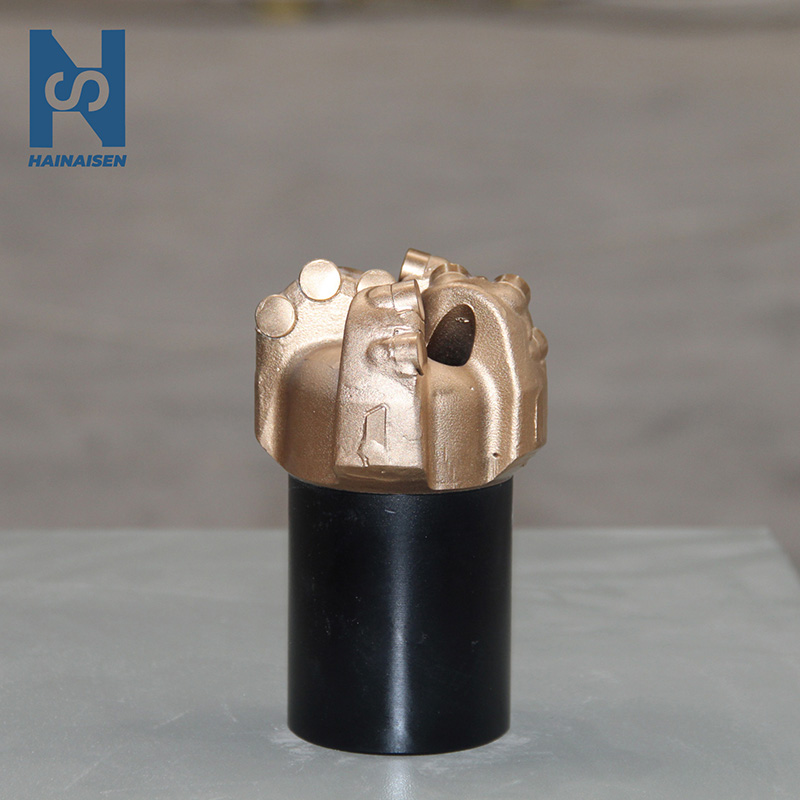 VIEW MORE113mm Four Wing Arc Angle Drill Bit
 VIEW MOREFive Blade PDC Drill Bit
 VIEW MOREDiamond Oil Drill Bit