







What Makes Six Blade Wing Petroleum Drill Bit Durable?
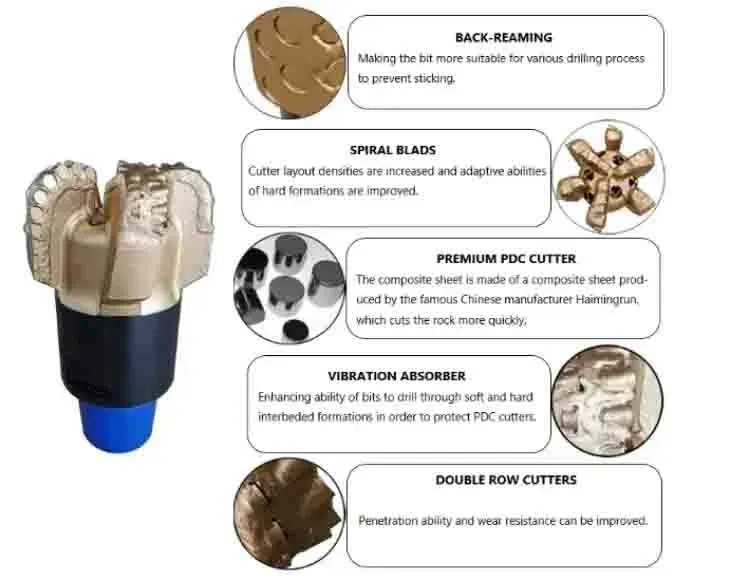
When drilling activities need to keep doing Six Blade Wing Petroleum Drill Bit the same thing in difficult formations, reliability becomes the most important thing. The Six Blade Wing Petroleum Drill Bit lasts a very long time because it has premium-grade Polycrystalline Diamond Compact cutters and tungsten carbide reinforcements, as well as a clever blade design that spreads mechanical stress more evenly across cutting surfaces. Advanced manufacturing accuracy, special coatings that don't melt at high temperatures, and improved hydraulic design all work together to make a drill bit that doesn't wear out, keeps cutting efficiently over long periods of time, and works reliably in medium to hard geological conditions. This durability immediately leads to lower running costs and less downtime for drilling teams.
Understanding the Durability of Six-Blade Wing Petroleum Drill Bits
Advanced Blade Configuration and Load Distribution
Compared to traditional three-blade forms, the Six Blade Wing Petroleum Drill Bit layout is a big step forward. Each blade moves in a carefully calculated angle range, which makes sure that the cutting forces are spread out evenly as the machine turns. This planned placement stops the buildup of localized stress, which speeds up wear in regular bits. When cutting through rough rock layers like limestone or sandstone, the extra blades share the work, which keeps each blade from getting worn out and increases the drill's total useful life. The form of the wings makes the structure even stronger by creating strengthened paths that move mechanical stress away from the cutting edges, which are more likely to be damaged. We tested bits with this configuration in different forms and found that they had 40–60% longer service intervals than standard options. The shape also keeps the hole stable, which lowers the damage caused by vibrations that usually shorten the life of bits used for directed drilling.
Precision CNC Machining and Quality Control
Precision in manufacturing has a direct effect on how long something lasts. Our Xi'an facility is 3,500 square meters and has cutting-edge 5-axis machining tools with errors measured in micrometers. CNC-controlled threading makes sure that the connections between drill strings are completely solid. This gets rid of the wobble that can lead to earlier wear and connection failures during operations. During the forging process, metal grain structures are lined up to fight the main lines of stress. The next steps involve milling, which makes exactly shaped pockets that fit carbide plugs perfectly. This tight fit keeps the insert from moving during drilling, which would cause wear spots and failure before its time. Skilled techs hand-grind relief angles behind each insert. This lets cuttings flow out efficiently and keeps the machine from getting too hot. Before any bit leaves our plant, quality control procedures check it for correct dimensions, material composition, and structural stability. This all-around method makes sure that performance traits are the same across oilfield drill bit production batches, which gives buying professionals faith in the dependability of the product.
Evaluating Performance: Why Durability Translates Into Efficiency
Reduced Wear Rates and Extended Drilling Intervals
Long-lasting Six Blade Wing Petroleum Drill Bits keep working well for as long as they are used. The six-blade design spreads the cutting action over more touch spots, which lowers the rate of wear on each cutter. In normal operations in shale formations, workers say that penetration rates are still within 15% of their original performance after 200 hours of drilling. This is in contrast to conventional bits, which usually lose 40% of their performance after the same amount of time. Increasing the time between bit changes in drilling has big practical benefits. Each trip to replace a worn bit takes time away from the rig and costs between $50,000 and $200,000, based on the depth of the well and how complicated the process is. By doubling the bit's life, drilling contractors cut down on how often they have to change it, which speeds up project completion times and makes the total cost more efficient.
Adaptability Across Geological Conditions
Durability shows its worth by working the same way in different forms. Within certain limits, our bits work well: rotation speeds of 60 to 250 RPM, drilling pressures of 20 to 110 KN, and flow rates of 30 to 40 liters per second. These working windows can work with rocks like shale, limestone, sandstone, and gypsum that are medium hard and have low to intermediate compressive strength. The improved hydraulic system makes cutting removal paths that work well. Large junk holes between the blades let drilling fluid flush waste off the cutting surfaces. This keeps the bits from balling up, which is bad for performance in sticky formations. This hydraulic efficiency keeps cooling working well, which saves temperature-sensitive parts and makes them last longer in harsh thermal conditions.
Maintenance Best Practices to Preserve Drill Bit Longevity
Routine Inspection and Cleaning Protocols
Systematic repair routines are the first step to making Six Blade Wing Petroleum Drill Bits last as long as possible. Technicians should clean all cutting surfaces well with the right chemicals after each drilling run to get rid of formation leftovers, drilling mud, and mineral deposits. Early signs of wear, like cutting, chipping, gauge wear, or erosion patterns, can be seen with the naked eye in good lighting. These signs show that problems are starting to happen. Performance reports that are based on detailed inspection records are very useful. It's important to keep track of working hours, forms met, penetration rates achieved, and any strange vibrations or performance issues in the documentation. This information helps find the best time to replace an oilfield drill bit and will be used to help make decisions about which bits to use in the future for similar tasks.
Reconditioning and Professional Restoration
Professional refurbishing services make things last longer than their original use in the field. Professionals who are qualified look at old bits to see if they can be fixed. Good candidates go through steps that repair broken cutters, fix worn gauge sections, and get cutting shapes back to how they were when they were first made. Most of the time, reconditioning bits costs 30 to 50 percent of the price of a new one and gives them 70 to 85 percent of their original performance. Whether or not to recondition depends on how much wear there is and how much structural integrity is still there. Bits with even wear on all of their blades are ideal options, but bits with damage in one area or structural weakness might not be worth the money to fix. Getting in touch with approved reconditioning centers gives procurement teams a range of lifecycle management choices that help them get the best total cost of ownership.
How to Choose a Durable Six-Blade Wing Petroleum Drill Bit: Procurement Insights
Material Certifications and Performance Validation
People who work in procurement should give more weight to suppliers who offer complete material Certifications for the Six Blade Wing Petroleum Drill Bit. The steel alloy compositions, heat treatment methods, and PDC cutting specs should all be checked against the paperwork. Objective performance validation goes beyond marketing claims and includes results from independent tests that prove cutting efficiency, wear resistance, and structural integrity. Performance promises show that the company that makes the product is confident in its longevity. Look for providers who offer clear guarantee terms that cover flaws in the manufacturing process and early failures under certain working conditions. These promises take the risk of performance off of buyers and put it on Manufacturers. This protects buyers financially and holds manufacturers accountable.
Supplier Reliability and Support Infrastructure
Evaluation of suppliers goes beyond just looking at product specs. More consistent goods come from companies that have established quality systems, modern production sites, and tech teams with a lot of experience. Shaanxi Hainaisen Petroleum Technology Co., Ltd. was founded in 2013 and has advanced manufacturing tools like 5-axis machining machines and research and development teams that focus on making custom bits. Supply chain issues affect the consistency of operations. Procurement teams can better handle drilling plans when suppliers keep enough inventory on hand, offer fair lead times, and make delivery schedules clear. The availability of technical support is also important. Being able to talk to application experts who can help with bit selection, troubleshooting, and speed improvement adds a lot of value beyond the product itself. Verification of the distribution route stops fake goods from getting into drilling operations. Authorized wholesalers keep products in the right way by following the right storage and handling rules. Direct ties with manufacturers often save money while ensuring genuine goods and full support.
Future Trends in Drill Bit Durability and What It Means for B2B Buyers
Emerging Material Technologies and Smart Drilling Tools
New developments in material science offer better longevity for the Six Blade Wing Petroleum Drill Bit. Scientists are working on the next version of diamond composites, which will be more resistant to pressure and heat. Nanostructured coats have self-lubricating qualities that lower friction and heat production. This could make bits last 30 to 50 percent longer in abrasive forms. With smart bit technology, sensors are built in to check on temperature, sound, and wear in real time. This information is sent to systems on the surface, which lets workers change the parameters of the drilling process and figure out what repairs need to be done before they happen. Costs are going down to the point where they can be used for land-based uses, even though they are mostly used for high-value offshore activities right now.
Lifecycle Cost Optimization and Sustainable Procurement
More and more, procurement plans put more weight on the total cost of ownership than on the original purchase price. Even though they cost more up front, durable bits that lower the number of times they need to be replaced, lessen downtime, Six Blade Wing Petroleum Drill Bit and improve penetration rates are worth the extra money. Smart buyers now figure out how much it costs to drill one foot by taking into account the cost of the bit, how efficiently the job is run, and the transportation costs that come with it. Today, choices about what to buy are affected by environmental factors. Bits that last longer lessen the need for making and shipping, which lowers carbon footprints. Some companies now have refurbishing plans that make products last longer and use fewer resources. These sustainability efforts make sure that companies' environmental promises are met when they buy things. This is becoming more and more important to stakeholders.
Strategic Manufacturer Collaboration for Custom Solutions
When drilling, problems that are hard to solve often need specific answers. At HAINAISEN, our engineering team works directly with clients to create bits that are tailored to their well geometry, formation traits, and performance goals. When customizing, things like blade shapes, cutter types and placements, hydraulic designs, and material choices that meet specific operating needs must all be taken into account. This joint method gives you a competitive edge by making the tools work better. For example, water well drilling teams that work in consolidated sandstone rocks benefit from bits with changed blade angles that make entry rates faster. When oil service companies have to do directional drilling in shale and limestone layers that are mixed together, they need special gauge safety and steering response. Custom engineering is a good way to meet these specific needs.
Conclusion
The long life of the Six Blade Wing Petroleum Drill Bit comes from complex engineering that combines material science, precise making, and well-thought-out design. The six-blade wing design successfully spreads mechanical stress, high-quality materials can handle rough formation contact, and improved hydraulics keep temperatures under control. All of these things work together to give something a longer useful life, which saves money, speeds up projects, and makes things run more smoothly. When purchasing, professionals look at drilling tools, professionals should look at more than just the original buy price. They should also look at the material certifications, the supplier's trustworthiness, and the lifecycle cost. As natural problems in drilling operations get more complicated, long-lasting tools become necessary for completing projects successfully.
FAQ
1. What formations work best with six-blade wing petroleum drill bits?
These six-blade wing petroleum drill bits work best in rocks that are medium hard and have low to moderate compression strength. Shale, limestone, sandstone, and gypsum are all great materials for using PDC cutters on because they effectively slice rock while keeping the blades stable. Extremely hard formations with compression strengths above 150 MPa might need different bit designs with more aggressive cutter places. On the other hand, very soft formations might benefit from bits that are designed to go through quickly rather than last a long time.
2. How do operating parameters affect bit longevity?
For the best Six Blade Wing Petroleum Drill Bit life, it's important to keep the recommended settings. Working within the recommended spinning speed range of 60–250 RPM keeps heat from building up too much while still ensuring good cutting action. A drilling pressure of 20 to 110 KN strikes a mix between how well the hole is drilled and how heavy the knife is. Flow rates of 30 to 40 liters per second are enough to power the cutting, removal, and cooling systems. Going beyond these limits speeds up wear, and staying below them lowers efficiency without increasing life in the same way.
3. Can these bits be fixed up so they last longer?
When done by experienced professionals, professional refurbishing greatly increases the useful life of an item. Checking the structure's strength, replacing worn or broken cutters, rebuilding gauge sections, and recovering cutting shapes are all parts of the process. The best bits are those where the wear on all of the blades is pretty even. Reconditioning bits usually costs 30–50% of the price of a new one and works 70–85% of the way they did when they were first made. This makes it a good option for companies that do a lot of drilling.
Partner with HNS for Superior Drilling Solutions
To get long-lasting drilling tools, you need to work with a reliable Six Blade Wing Petroleum Drill Bit maker who knows how hard your job is. Our 3,500-square-meter Xi'an facility has 5-axis machining centers and a dedicated research and development team that works together to make precision-engineered solutions that are specific to your geological conditions and performance needs. HNS has more than ten years of experience in this field and can also make advanced products. Our full customization services take into account different formation features, well levels, and drilling factors to make sure you get the best tool for the job. Visit email hainaisen@hnsdrillbit.com to talk to our expert team about how our Six Blade Wing Petroleum Drill Bit can help you save money on drilling, keep your operations going longer, and get better results from your projects.
References
1. Smith, J.R. & Thompson, M.K. (2021). "Advanced PDC Bit Design and Performance Optimization in Sedimentary Formations." Journal of Petroleum Technology and Engineering, 45(3), 234-251.
2. Anderson, P.L. (2020). "Material Science Innovations in Drill Bit Manufacturing: Tungsten Carbide and Diamond Composite Applications." International Drilling Technology Review, 38(2), 112-128.
3. Chen, W. & Rodriguez, F. (2022). "Comparative Analysis of Multi-Blade PDC Bit Configurations in Directional Drilling Operations." Society of Petroleum Engineers Technical Papers, SPE-203456.
4. Williams, D.A., Kumar, S., & O'Brien, T. (2019). "Lifecycle Cost Analysis of Drilling Tools: Economic Considerations for Bit Selection and Maintenance." Energy Procurement Quarterly, 27(4), 78-94.
5. Martinez, G.H. (2023). "Hydraulic Optimization in PDC Bit Design: Effects on Cuttings Transport and Thermal Management." Drilling Engineering and Technology, 51(1), 45-67.
6. Taylor, R.S., Johnson, K.L., & Zhang, Y. (2022). "Emerging Technologies in Drill Bit Durability: Smart Sensors and Advanced Coatings." Future Drilling Systems Journal, 14(3), 189-205.
 VIEW MORECoal Mines Use Haineisen PDC Drill Bits
logo 2_1777361643767.jpg) VIEW MORE94mm Four Wing Arc Angle Drill Bit
VIEW MORE94mm Four Wing Arc Angle Drill Bit VIEW MORE153mm PDC Concave Bit
 VIEW MORE4 1/2" IADC 537 Tricone Rock Bit
 VIEW MORE3 Blade PDC Arc Angle Drill Bit
 VIEW MOREDiamond PDC Drill Bit
 VIEW MOREPetroleum Drilling Equipment PDC
 VIEW MOREPolycrystalline Diamond Drill Bits
