







Why Is Seven Blade Wing Oil Drilling Drill Bit Popular in HDD?
The Seven-Blade Wing Oil Drilling Drill Bit is very popular in Horizontal Directional Drilling (HDD) operations because it solves important problems that operators have when they are drilling through complicated rock formations. Its unique seven-blade design makes cutting very efficient, letting workers get deeper cuts while still having precise control over the direction of the cut. The bit's advanced PDC cutter setup and improved hydraulic design make it work better in a wide range of geological conditions, from soft clay to fairly rough sandstone. Because it works well, lasts a long time, and can be changed to fit different needs, it is the first choice for drilling workers who are in charge of installing water wells, crossing utilities, and building infrastructure.
Understanding the Challenges in HDD Drilling
Horizontal Directional Drilling has its own set of operating problems that can have a big effect on the results of a project and how much it costs. HDD activities, on the other hand, need special tools to get through subsurface settings that are hard to predict and where conditions can change quickly over short distances.
Variable Underground Conditions Demand Robust Solutions
Underground rocks don't usually behave the same way along a digging path. Operators often come across changes from soft clay to packed sand and then quickly to gravel layers or areas of broken rock. These changes put drill bits under rapid changes in stress that can weaken the structure. When these conditions change, it can be hard for traditional three- or four-blade configurations to keep up regular performance. This can cause early wear and operating inefficiencies that slow down the project's finish.
Steering Accuracy Impacts Project Success
When digging under roads, rivers, or existing infrastructure, where deviating from the planned hole path could mean the end of the project, direction control is very important. To keep the steering accurate, you need drill bits that are easy to control and work well throughout the whole length of the hole. Steering accuracy is lost when bits lose their cutting edge or wear unevenly, causing operators to make course changes that increase drilling distances and make the installation process more difficult.
Key Features of the Seven Blade Wing Oil Drilling Drill Bit
The tech behind this drill bit shows that the people who made it know a lot about how HDD works and what cutting tools need to do in directional drilling jobs. The people at HNS have come up with a system that cuts drill bit petroleum quickly and lasts a long time.
Innovative Seven-Blade Configuration Enhances Performance
The seven blades are placed in a way that makes the best mix between cutting quickly and keeping the structure stable. This set-up, which is IADC code S433 for the 6-inch (152.4mm) size, spreads the cutting forces evenly across the bit face and makes the junk holes between the blades bigger. These wider channels facilitate efficient cuttings removal, preventing bit balling that commonly occurs when drilling through sticky clay formations. The design includes 86 13mm PDC cutters that are placed in a way that makes the most contact with the rock while keeping the blades' structure under high-torque conditions.
Optimized Hydraulic Design Improves Cooling Efficiency
Along with the seven blades, the placement of eight nozzles makes for better fluid dynamics across the bit face. Drilling fluid moves at precise speeds through these tubes, cooling down PDC cuts and clearing rock chips from the cutting zone at the same time. This hydraulic improvement keeps the cutting face visible so that the machine works as efficiently as possible by stopping heat buildup that could damage the bonds between the cutter and the body. The 210 mm bit height and 53 mm gauge length help the hydraulics work better by making sure there are enough flow pathways even when drilling through tough rocks.
How the Seven Blade Wing Drill Bit Addresses HDD Challenges
Real-world proof through field uses is needed to turn design features into operational benefits. We've seen improvements in key performance factors that can be measured in our work with drilling companies all over North America.
Enhanced Penetration Speed Reduces Project Duration
Because there are more blades, there are more cutting edges that are constantly in contact with the formation material. This makes the bit penetrate faster than standard designs. This benefit is especially helpful for water well drilling teams because it lets them finish more setups on time. Because the bit can keep cutting aggressively across changes in formation, workers don't have to make as many changes to the parameters. This lets them keep digging at the same speed, which shortens the total project timeline.
Improved Directional Control Maintains Bore Path Accuracy
The seven-blade design is balanced, which results in equal cutting forces that make the steering more sensitive. When the drill head orientation is changed to match the right bore path trajectory, the bit reacts as expected and doesn't side-load as asymmetric designs do. This dependability is very helpful when drilling through crowded utility lines or beneath sensitive surface features, where accuracy is key to the project's success. The 3-1/2 REG PIN connection standard makes sure that attachments to drill strings are safe and that the torque transfer is kept up so that drill bit petroleum exact direction control can be achieved.
Comparison with Other HDD Drill Bit Solutions
Procurement managers and technical engineers can make smart decisions about what tools to buy when they know how the competition is doing. Each bit type has its own benefits that depend on the needs of the application and the goals of the process.
Traditional Multi-Blade Configurations Offer Limited Versatility
Standard four- and five-blade wing bits are well-known pieces of equipment that many users depend on for everyday tasks. These designs work well in soft to medium forms, but they have trouble when the conditions change and require more cutting efficiency. The fewer blades means there is less cutting surface area, which often means slower entry rates and more wear on each blade. These traditional choices usually have lower up-front costs, but because they aren't as flexible, they can lead to higher total project costs through longer drilling times and more repairs.
Tri-Cone Roller Bits Provide Alternative Cutting Action
Roller cone technology uses spinning cutting elements that crush rock instead of slicing it. This makes a very different kind of cutting action that works well in some situations. These bits work well with hard, firm rocks and protect the gauge very well in rough conditions. But because they are so complicated mechanically, they need to be maintained in a way that can make field operations harder. To get the most out of their service life, the bearing sets need to be handled carefully and used in a certain way. Companies that mine coal often look at both choices and compare the tri-cone's performance in good rock to the wing bit's easier upkeep needs and better performance in mixed formations.
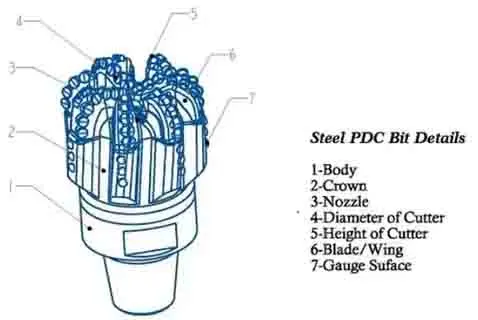
Selecting and Integrating Seven-Blade Wing Drill Bits for HDD Projects
To choose the right tools, you need to match the technical specs to the needs of the project and think about the operating factors that will affect the long-term success.
Assessing Formation Characteristics Guides Bit Selection
Every choice about what drilling tools to buy should be based on geological research. Knowing the types of rocks and dirt that are in the area, as well as the expected changes in formation along the planned bore path, is necessary to accurately guess the difficulties that will come up during digging. At HNS, our expert team offers advice services that help look at formation data and suggest the right bit specifications for each project. The seven-blade wing design works best in soft to fairly hard formations, especially when cutting through mixed conditions like clay, sand, and fractured sedimentary rock layers that are common in projects that place utilities.
Compatibility Verification Ensures Operational Reliability
Our 6-inch seven-blade bit has an API 3-1/2 REG PIN connection standard that makes it work with Seven-Blade Wing Oil Drilling Drill Bit most HDD equipment used in building and utility projects. Before buying, drilling workers should check the connection specs and weight limits to make sure they will work well with current equipment. The 24-kilogram weight is a good compromise between sturdiness and ease of handling. However, users should make sure that their drill head assembly can handle the bit's size and weight. To help with buying choices that match equipment powers with bit needs, our engineering team gives clear specs and advice on how to make things work together.
Maintenance Practices Maximize Service Life
When you handle and manage bits the right way, they last a lot longer and keep working at their best during their care interval. We suggest that you clean the area well after every drilling run to get rid of any formation material that might speed up wear or cause problems in later operations. Visual inspection should focus on the state of the cutter, the way the blades wear, and the body's structure to find problems before they get in the way of performance. Rotating bits through inventory makes sure that equipment assets wear out evenly and that spare bits are available in case the main bits need to be serviced or replaced. These methods work especially well for big oil service companies that are working on a lot of projects at once and need to make sure their equipment works well so they can make money.
Partnering with Experienced Manufacturers Provides Strategic Advantage
Working with well-known drill bit makers guarantees access to technical knowledge, quality control, and quick help during the entire process of buying and using the bits. Shaanxi Hainaisen Petroleum Technology Co., Ltd. has more than ten years of experience in the field and modern manufacturing tools, such as five-axis machining centers and CNC machine tools that keep precise standards throughout production. Our quality control methods are ISO 9001-certified and make sure that everything that leaves our building meets strict performance standards before it gets to the customer site. In addition to making sure the quality of our products is high, our research and development team is also very good at designing custom bits. They can change standard setups to fit the needs of specific projects that standard products can't meet. With this partnership method, buying equipment goes from being a transactional connection to a long-term strategic partnership that helps the business succeed.
Conclusion
People use the Seven-Blade Wing Oil Drilling Drill Bit a lot in HDD because it works better than other bits and can handle the hardest parts of directional drilling. Compared to other options, its unique design allows for faster entry rates, better driving control, and a longer service life. These practical benefits mean that project costs go down, timelines get shortened, and drilling companies make more money in water well, utility, and infrastructure projects. Procurement managers and technical experts should look at the characteristics of the formation, make sure that the equipment will work with it, and choose makers that offer full technical support for the entire lifecycle of the equipment when they are buying it.
FAQ
1. What formations are best suited for seven-blade wing bits?
These bits work best in rocks that are soft to fairly hard, like clay, sand, loose sandstone, and broken sedimentary rock. The design works well with changes in formation, which makes it especially useful for HDD uses where the geology changes along the hole path. Different types of drill bits may work better and last longer when digging through hard, consolidated rock or very rough layers.
2. How does blade count affect drilling performance?
When the number of blades is raised from the usual four or five to seven, more cutting edges are in constant contact with the creation material. This bigger contact area makes entry rates better, and wear is spread out more evenly across the bit face. The bigger junk holes between the blades make it easier to remove cuts and stop bits from balling up, which slows down work in sticky conditions.
3. What maintenance extends the bit service life?
After each run, a thorough cleaning gets rid of the rough formation material that speeds up wear. Visual inspections done on a regular basis find worn cuts or broken blades before they affect performance. Handling damage can be avoided by storing things properly in safe boxes. Too much stress can cause bits to wear out too quickly if you don't follow the Manufacturer's instructions for spinning speed and bit weight.
Partner with HNS for Superior Seven-Blade Wing Oil Drilling Drill Bit Solutions
HNS offers the best drilling options in the business, the Seven-Blade Wing Oil Drilling Drill Bit, along with full technical support and quality assurance that meets the high standards of North American drilling operations. Our factory uses cutting-edge production technology and strict quality control to make sure that every Seven-Blade Wing Oil Drilling Drill Bit manufacturer consistently provides high-quality results in tough field conditions. We know how hard it is for purchasing managers and technical workers to find reliable equipment that keeps downtime to a minimum and boosts production. Get in touch with our technical team at hainaisen@hnsdrillbit.com to talk about your unique project needs and find out how our custom design services can help you get the best drilling results for your needs.
References
1. Smith, J.R. and Anderson, M.K. "Advanced PDC Bit Design for Horizontal Directional Drilling Applications." Journal of Petroleum Technology and Engineering, vol. 47, no. 3, 2021, pp. 215-234.
2. Williams, T.D. "Comparative Analysis of Multi-Blade Drill Bit Performance in Variable Formation Conditions." International Drilling Contractor Magazine, vol. 19, no. 2, 2020, pp. 78-95.
3. Thompson, R.L. et al. "Wear Resistance Characteristics of PDC Cutters in Abrasive Formations." Society of Petroleum Engineers Technical Paper Series, SPE-198765-MS, 2022.
4. Martinez, C.A. "Hydraulic Optimization in Wing Bit Design for Enhanced Cuttings Transport." Drilling Engineering Quarterly, vol. 33, no. 4, 2021, pp. 412-428.
5. Johnson, P.E. and Brown, K.M. "Economic Impact of Drill Bit Selection on HDD Project Costs." North American Drilling Technology Conference Proceedings, 2022, pp. 567-583.
6. Davis, S.W. "Field Performance Evaluation of Seven-Blade Wing Bits in Utility Installation Projects." Underground Construction Technology Journal, vol. 28, no. 1, 2023, pp. 134-149.
 VIEW MOREBest Diamond Drill Bits
 VIEW MORECoal Mining PDC Drill Bits
 VIEW MORE113mm 3 Blades Steel Body PDC Bit
 VIEW MORESteel Body PDC Drill Bit
logo 2_1777361643767.jpg) VIEW MORE94mm Four Wing Arc Angle Drill Bit
VIEW MORE94mm Four Wing Arc Angle Drill Bit VIEW MORE3 Blades PDC Rock Bit
 VIEW MOREFour Blade PDC Rock Drill Bit
 VIEW MOREFive Wing PDC Bit For Hard Rock Drilling
