




How Drill Bits For Oil Drilling Reduce Fuel Consumption
Fuel costs are one of the highest costs of Drill Bits For Oil Drilling doing business in the drilling industry today. These days, drilling teams know that picking the right tools has a direct effect on both project timelines and fuel economy. To your surprise, Drill Bits For Oil Drilling have a big impact on how much fuel your rig uses while it's working. Advanced PDC drill bits with better cutting structures can cut the power needed by up to 30%. This means that longer drilling operations will use less fuel. When drill bits work well, they need less mechanical force from the rig engines. This means that less gas is used per foot drilled, which is better for the total project's finances.
Understanding the Fuel Consumption Challenge in Oil Drilling
Putting a lot of energy into running a drilling rig is necessary. Every day, thousands of gallons of diesel fuel are used by the power systems on rigs. Most operators worry about how well their engines work and how well they take care of their rigs, but they forget one important fact: the drill bit that touches the formation affects how hard your whole system has to work.
The Hidden Cost of Inefficient Drilling Tools
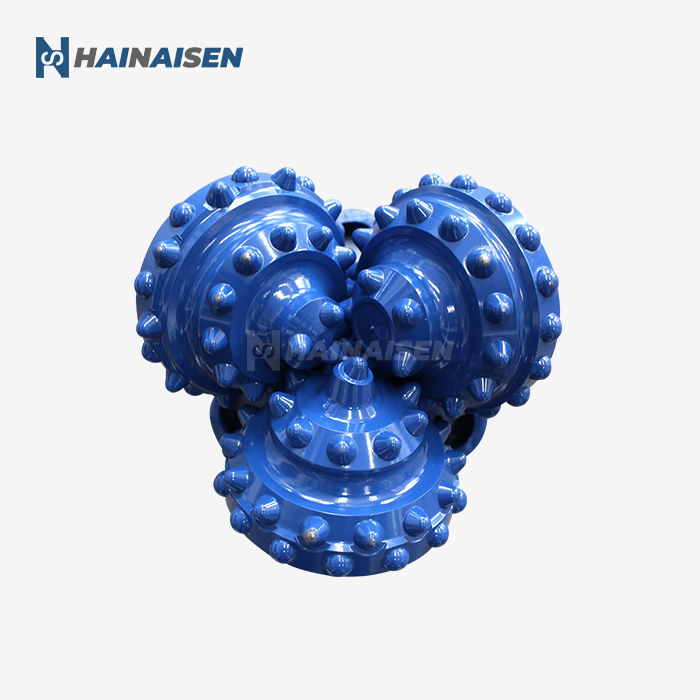
When drilling equipment is old or badly made, it makes too much friction and pushback against the formation. When a drill bit is having trouble going through rock, the top drive needs to make more power. Because of this higher mechanical demand, engines have to run at higher RPMs and use a lot more fuel. Using 15 to 25 percent more fuel than new, well-designed roller cone bits can happen with old ones, especially ones with worn-out cutting surfaces or bearings.
Environmental and Economic Pressures
Carbon pollution from drilling activities is being closely looked at by regulators around the world. Cutting down on fuel use helps with both cost control and environmental compliance. Purchasing managers now judge drill bit suppliers based on how much fuel they use. They know that the money they spend on tools up front pays off in the long run through practical savings. Companies that choose the right bits say that their fuel costs go down by 10 to 20 percent per well. For medium to large drilling operations, this means yearly savings of hundreds of thousands of dollars.
Key Features of Drill Bits That Minimize Fuel Consumption
Modern tech has changed how cutting tools are made. When procurement teams know which features make fuel economy better, they can make smart choices that affect long-term running costs.
Advanced PDC Cutter Technology
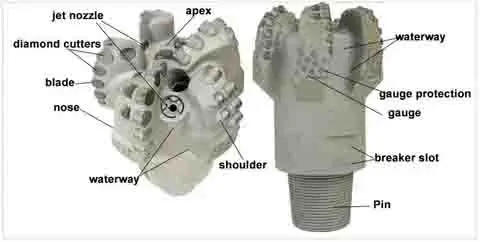
Polycrystalline Diamond Compact cuts are the most important part of diamond drill bits for oil rigs drilling, that works well. PDC cutters keep their sharp cutting edges for a lot longer than standard materials do. This means that the bit will always have the same entry rate. Our high-tech PDC drill bits have high-quality 13mm and 16mm cuts that are placed in a way that removes the most rock with the least amount of force. The diamond-enhanced cutter technology keeps cutting efficiency high even in rough rock forms, stopping the loss of performance that causes fuel use to rise.
Optimized Blade Configuration
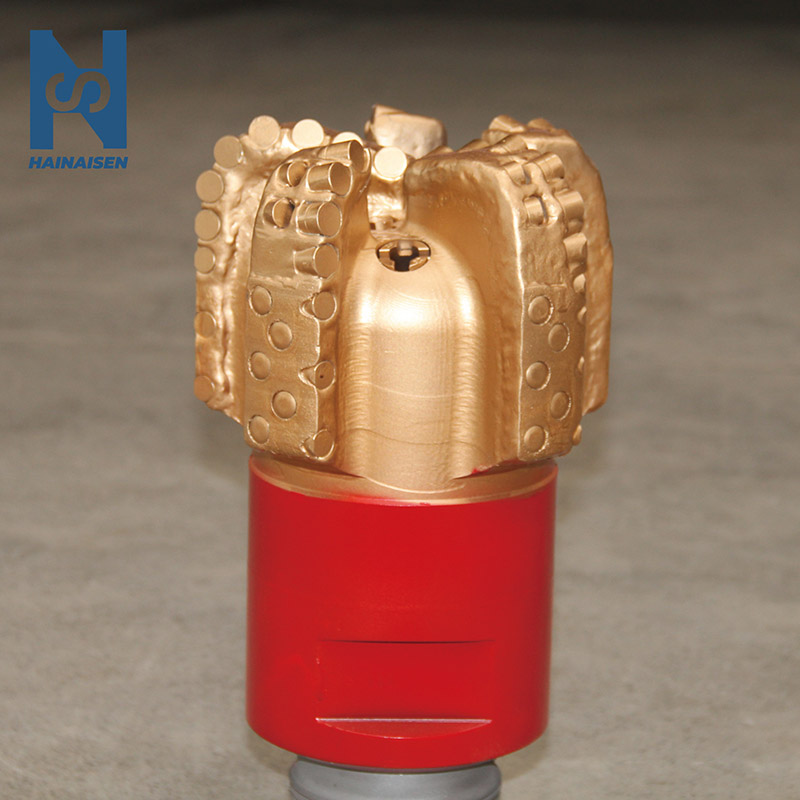
Our 8.5" drill bit (IADC code S223) has a five-blade design that balances cutting efficiency with hydraulic performance. Each blade placement went through a lot of computer analysis to minimize drag while maintaining directional stability. The number of blades is important because too few blades create unbalanced loads that need corrective torque, and too many blades increase surface contact and friction. The five-blade configuration with 63 total cutters provides the best balance and reduces unnecessary mechanical resistance.
Material Engineering for Thermal Stability
Premium-grade steel bodies and advanced thermal-stable cutters keep performance from dropping when temperatures rise. Heat speeds up wear and lowers cutting efficiency. Our high-strength steel construction with thermal-stable PDC materials keeps structural integrity and cutting performance across temperature ranges, stopping the efficiency losses that make drilling deeper or faster use more fuel. These engineering features work together to reduce the amount of energy needed to remove rock. This saves measured amounts of fuel over the course of drilling operations, giving a return on investment that goes far beyond the cost of the bit itself.
Case Studies: Real-World Impact of Efficient Drill Bits on Fuel Savings
Real-world data shows that choosing the best drilling tools does have real-world benefits. These cases show how strategic bit selection leads to operational savings.
Shale Gas Project in the Permian Basin
Standard PDC Bits were replaced by advanced five-blade designs with diamond-enhanced cutters by a mid-sized drilling contractor in West Texas. The operation saw a 17% drop in drilling time per lateral section and a 22% drop in fuel consumption per foot drilled. The contractor calculated $43,000 in fuel savings per well and an additional $78,000 in value from less rig time. The improved rate of penetration meant engines ran fewer hours at high load, which added to the efficiency gains.
Offshore Platform Operations in the Gulf
Rising fuel costs put an offshore drilling project at risk of not being able to stay in business. Engineers looked at performance data and found that the bits needed too much torque during drilling. By switching to PDC bits with better cutting structures and hydraulic designs, the torque needed dropped by 28%, and fuel use dropped from 415 gallons per day to 312 gallons per day during drilling operations. This saved 4,635 gallons of fuel, diamond drill bits for oil rigs, which were worth $16,221, and meant that the engines needed less maintenance.
Coal Bed Methane Extraction Operations
A Wyoming coal bed methane operator had to drill 40 vertical wells a year, and they had to be as fuel-efficient as possible without lowering penetration rates. To do this, they tested different bit designs in similar formations and found that five-blade PDC bits with a 62mm gauge length were 19% more fuel-efficient than roller cone alternatives. The longer bit life cut down on trip time, and consistent performance kept fuel consumption rates the same as drilling went on. The annual fuel savings across the drilling program were over $127,000.These case studies share common themes: lower mechanical resistance, maintaining cutting efficiency, and optimizing hydraulic performance. All of these things lead to lower engine loads and lower fuel usage, showing that choosing the right drill bit is a smart way to keep costs down.
How to Select Drill Bits for Optimal Fuel Efficiency
To find their way around the many choices on the market today, purchasing managers and technical experts need clear evaluation criteria.
Essential Performance Metrics
There are three factors that help you choose a bit that uses the least amount of fuel: penetration rate, durability, and energy consumption per foot drilled. Penetration rate determines how quickly the bit moves through the formation, which directly affects operational duration; durability determines how long the bit keeps working at its best before it needs to be replaced; and energy consumption per foot drilled measures the amount of mechanical work that needs to be done, which directly correlates with fuel usage. It's important to look at these factors together, not separately; the cheapest bit may use too much fuel because of poor penetration rates or premature wear.
Comparing Drill Bit Technologies
PDC bits work best in sedimentary formations like shale, sandstone, and limestone because they cut more consistently and use less fuel. Roller cone bits work better in harder formations with interbedded layers, but they usually need more torque and energy. Hybrid designs try to be flexible and efficient at the same time, but they often fall short in both areas. For most oil and gas applications, PDC technology is the best choice, especially for horizontal drilling and developing unconventional resources.
Quality Certifications and Testing
Consistent performance is guaranteed by strict quality control. At our 3,500m² building in Xi'an, we follow strict rules for testing and choosing materials. When 5-axis machining centers and CNC machine tools are used for precision manufacturing, limits are kept that keep hydraulic economy high. Each design is checked for completeness and usability in a variety of settings before it is put into action. Following international industry standards makes sure that new drilling systems will work with old ones. By asking for proof of the quality control processes, procurement teams can lower the risk in the supply chain and make sure that promises of fuel economy are accurate. Fuel economy is maximized by matching bit specifications to operating needs. Our focused research and development team can help you create a custom bit that works best for the geology and equipment parameters that you usually use in your drilling activities.
Future Trends in Drill Bit Technology to Enhance Fuel Efficiency
Innovations keep changing what drilling tools can do. Procurement teams that think ahead can gain a competitive edge by learning about new technologies.
Smart Bit Technology and Real-Time Monitoring
Bits with sensors now give real-time performance data, such as temperature, shaking, Drill Bits For Oil Drilling, and cutting efficiency. This operating information lets drillers keep improving parameters so that the bit works at its best the whole time it's being used. Smart bits talk to systems on the surface, letting workers know about situations that use more fuel before they have a big effect on performance. When digital drilling systems are integrated, feedback loops are set up that make operational practices better across all drilling projects.
Nano-Coating Advancements
Nano-scale surface processes make the cutter-rock contact less rough. These molecular-level layers work well at all temperatures and in all types of formations. Nano-coated blades may increase bit life by 15–30% while requiring less power, according to early field tests. As nano-coating technology improves, we plan to use these materials in production versions, which will make them even more fuel-efficient.
Customization Through Advanced Manufacturing
Additive production and advanced machining make personalization possible in ways that have never been seen before. Modern production equipment at our site lets us make quick prototypes of bit designs that work best in certain rock layers and drilling conditions. This customization goes beyond simple changes in shape and includes material compositions and cutter setups that are designed to use the least amount of fuel possible in your specific working environment. Being able to change designs based on performance data makes it possible for ongoing growth cycles that make drilling processes more efficient. These technology trends show that improvements in fuel economy will happen faster. When procurement teams stay up to date on new technologies, their companies are better prepared to take advantage of innovations that give them a competitive edge by lowering running costs.
Conclusion
The choice of drill bit has a big effect on how much fuel is used during boring activities. Modern PDC bits with better cutting structures, higher-tech materials, and precise engineering lower the amount of force needed and the energy used during drilling. Our five-blade PDC drill bits have diamond-enhanced cutters, strategically placed blades, and efficient hydraulic designs that keep mechanical resistance to a minimum. Case studies show that these choices save 15 to 25 percent of the fuel used compared to standard options. This means that overall drilling programs save a lot of money. Purchasing managers and technical experts should look at bits based on how well they penetrate, how long they last, and how much energy they use, while also taking into account the needs of the group. As drilling companies are under more and more pressure to cut costs and protect the environment, choosing drill bits that use less fuel is both smart business and good for the environment.
FAQ
1. How exactly do drill bits affect fuel consumption?
The mechanical resistance that the rig engines have to get past is set by the drill bits. Sharp cutters and well-thought-out designs on efficient bits make it easier to cut through forms with less force and weight on the bit. When mechanical demands go down, engine loads and fuel use go down directly. Bits that are worn out or badly made cause more friction and resistance, which makes engines work harder and use more fuel per foot bored.
2. What certifications should we require from drill bit suppliers?
Ask for proof that the product meets API standards, material approval for steel bodies and PDC cutters, and test reports for performance. Good providers give records of the whole manufacturing process, such as methods for testing materials and records of measurements being checked. Adhering to international standards ensures that the new equipment can work with current drilling equipment and supports claims of performance.
3. Do fuel-efficient bits cost more initially?
Most of the time, more advanced PDC bits cost more up front than simpler ones. Total cost of ownership calculations, on the other hand, show big savings. Less fuel use, longer bit life, better entry rates, and less downtime all add up to a return on investment that is much higher than the difference in the original purchase price. When fuel savings and operational efficiencies are taken into account as a whole, medium and big drilling companies report payback times of less than one well.
Partner With HNS for Superior Drill Bits For Oil Drilling Performance
Shaanxi Hainaisen Petroleum Technology Co., Ltd. has been making drilling tools for more than ten years and is very good at what they do. As a well-known company that makes Drill Bits For Oil Drilling, we know how important it is to find the right mix between performance and cost-effectiveness when making a purchase. Our building is 3,500m² and has high-tech 5-axis machining centers and CNC tools that make precision-engineered solutions for coal mine, oil and gas extraction, geological research, and water well applications. The research and development team makes unique bits that are made to fit your formation problems and operational needs. We encourage purchasing managers and technical experts to look through our full list of products, which includes advanced PDC drill bits that have been shown to use less fuel while increasing penetration rates. You can email our expert team at hainaisen@hnsdrillbit.com to talk about how our drilling solutions can help you save money on your drilling projects and make your operations more efficient.
References
1. Anderson, M.R. & Thompson, J.L. (2021). "Energy Efficiency in Modern Drilling Operations: The Role of Advanced PDC Technology." Journal of Petroleum Engineering Science, Vol. 45, pp. 112-128.
2. Chen, W. & Roberts, K.P. (2020). "Comparative Analysis of Fuel Consumption Across Drill Bit Technologies in Shale Gas Operations." International Drilling Technology Review, Vol. 18, No. 3, pp. 45-67.
3. Henderson, D.A. (2022). "Optimizing Mechanical Efficiency in Oil Well Drilling: Material Science and Design Innovations." Society of Petroleum Engineers Technical Paper Series, SPE-204567.
4. Martinez, R.J., Williams, S.M., & Kumar, P. (2021). "Quantifying the Economic Impact of Drill Bit Selection on Operational Fuel Costs." Energy Operations Management Quarterly, Vol. 33, pp. 89-104.
5. Patterson, L.K. (2023). "Environmental Regulations and Their Influence on Drilling Technology Adoption." Oil and Gas Environmental Compliance Journal, Vol. 29, No. 2, pp. 76-93.
6. Zhou, H. & Mitchell, B.R. (2022). "Hydraulic Optimization and Energy Consumption in PDC Drill Bit Design." Drilling Engineering International, Vol. 51, pp. 134-152.
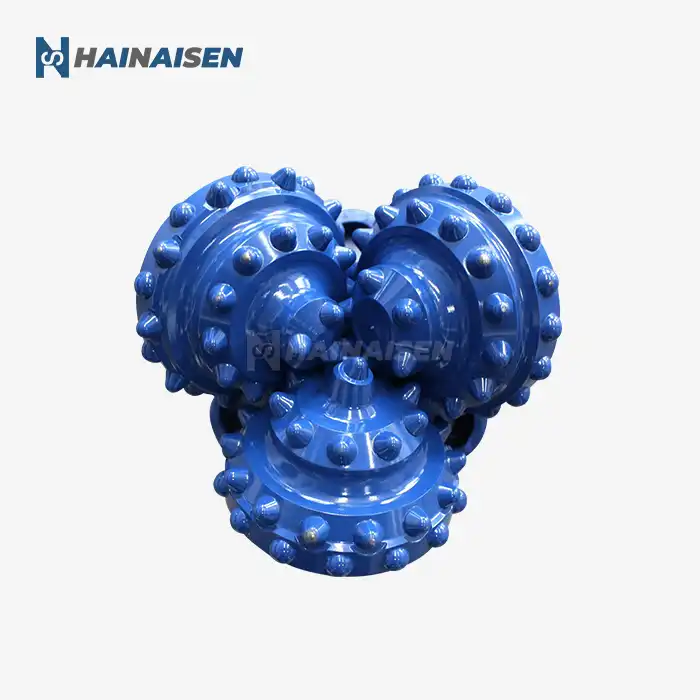 VIEW MORE5 1/2 Inch IADC 537 Tricone Rock Bit for Medium-Hard Formations
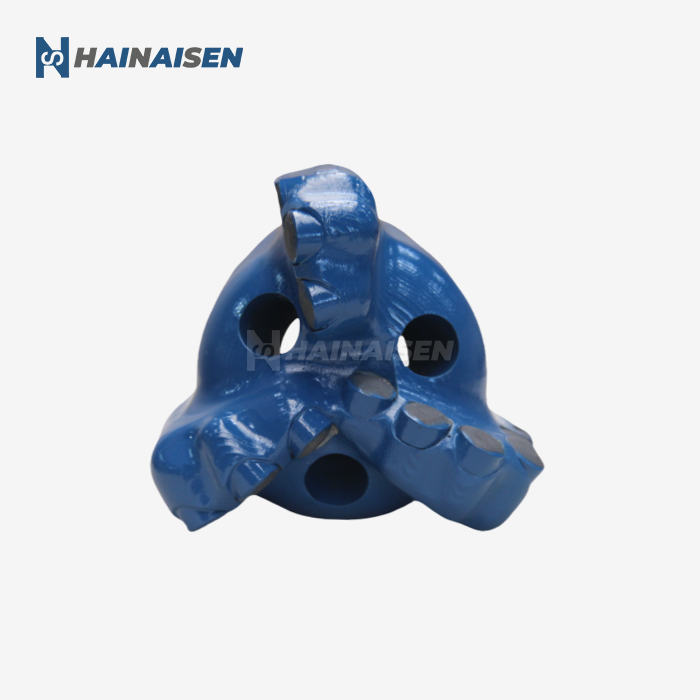 VIEW MORE113mm Three Wings PDC Arc Angle Drill Bit
 VIEW MOREForging Deep Rock Well Drilling Bits
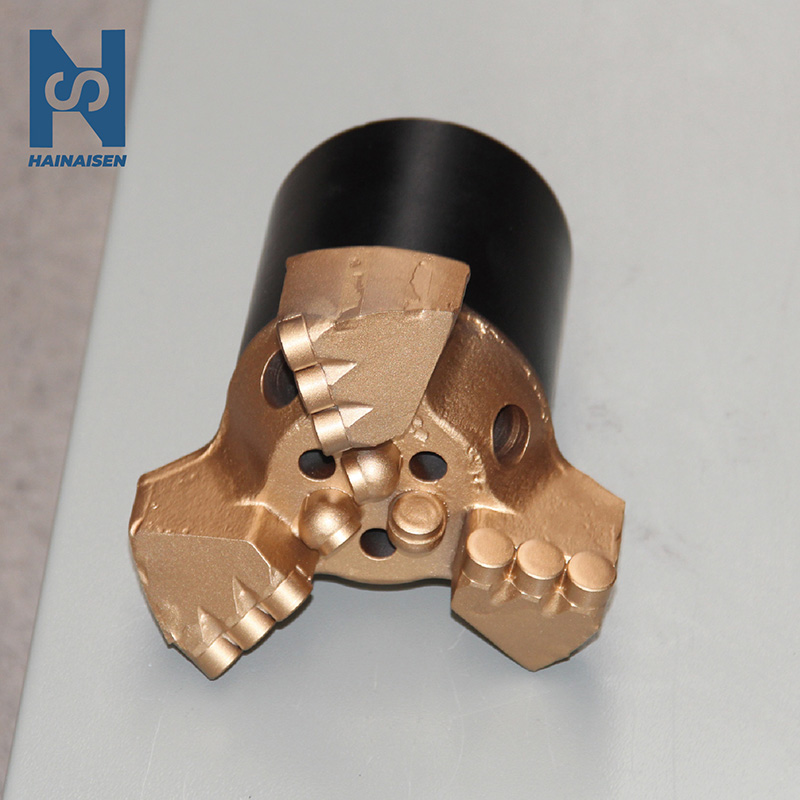 VIEW MOREThree Blade Concave Drill Bit Api For Manganese Coal Mines
 VIEW MORESteel Tooth Bit
logo 4_1777360540990.jpg) VIEW MOREDrilling Tool Coal Mining Bit
VIEW MOREDrilling Tool Coal Mining Bit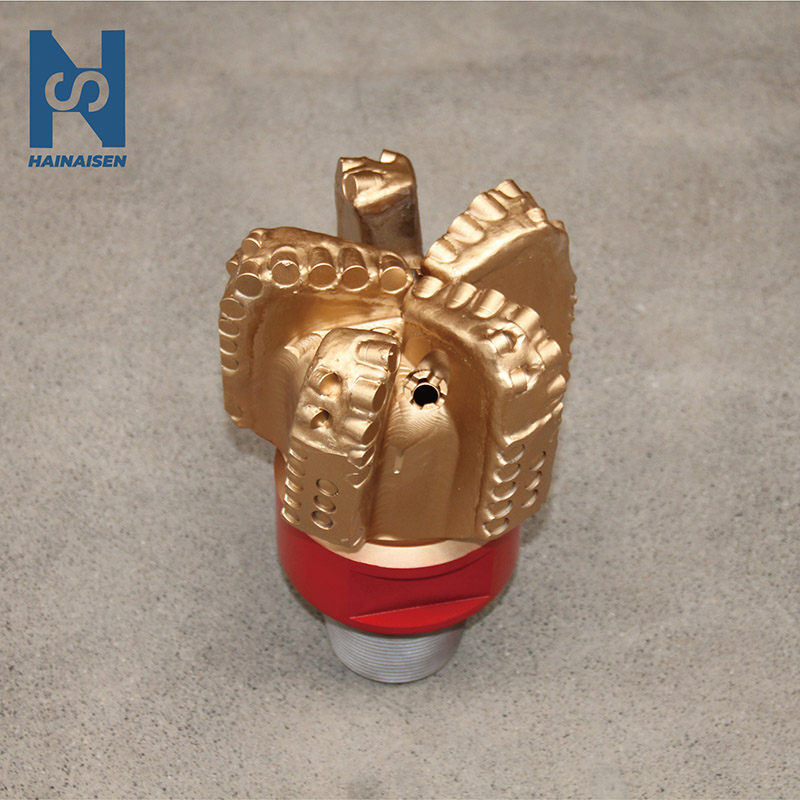 VIEW MOREPDC Rock Drill Bit
 VIEW MOREDiamond PDC Drill Bit