







Why Drill Bits for Oil Drilling Whirl and How to Fix It?
Whirling Drill Bits For Oil Drilling are one of the most difficult motion problems that Drill Bits For Oil Drilling oil drilling companies have to deal with right now. When Drill Bits For Oil Drilling spin, the cutting tool moves away from its intended rotating axis. This causes the bit to move side to side in unpredictable ways, which slows down penetration rates and speeds up wear. Mismatched rotational speeds, natural irregularities, and design limits built into some bit patterns can all cause this effect. When procurement managers and technical experts understand whirling physics, they can choose equipment that keeps borehole paths stable while also increasing working lives and lowering downtime.
Introduction
Drill Bits For Oil Drilling are very important because they have a direct effect on how well the drilling goes, how much it costs, and how long the job takes. Drill bit spinning is a serious problem that affects performance because it causes extra wear, lower penetration rates, and even equipment failure. We've seen that buying things without fully understanding how spinning dynamics work often results in price overruns and delays in operations. Large and medium-sized oil service businesses spend a lot of time and money testing their equipment, but problems often arise when it is put to use in the field. Coal mine companies and water well-digging teams both have to deal with problems, but their levels of tolerance and cost concerns are very different. This guide goes into great detail about why spinning happens, how it impacts drilling results, and useful ways to reduce it. Our readers can make smart choices about what to buy and how to run their businesses that will get them the best return on their investment and keep drilling operations safe.
Understanding Why Drill Bits Whirl in Oil Drilling
The Mechanics Behind Vibrational Instability
When Drill Bits For Oil Drilling spin, they get in the way of the cutting tools' smooth movement, which causes vibrations that shorten their useful life and make drilling less efficient. This vibrational instability happens when the bit's center of spin moves away from the middle of the hole, making it move in a circle around the drilling axis. Axial forces, torsional loads, and lateral vibrations all combine in complicated ways to make spinning happen. The cutting structure becomes unstable when the spinning speed goes above certain limits or oil well drill bit when the weight-on-bit values are not in the right ranges. Backward whirl (bit rotating against the drill string) or forward whirl (bit rotating faster than the drill string) are signs of this instability.
Design and Material Influences
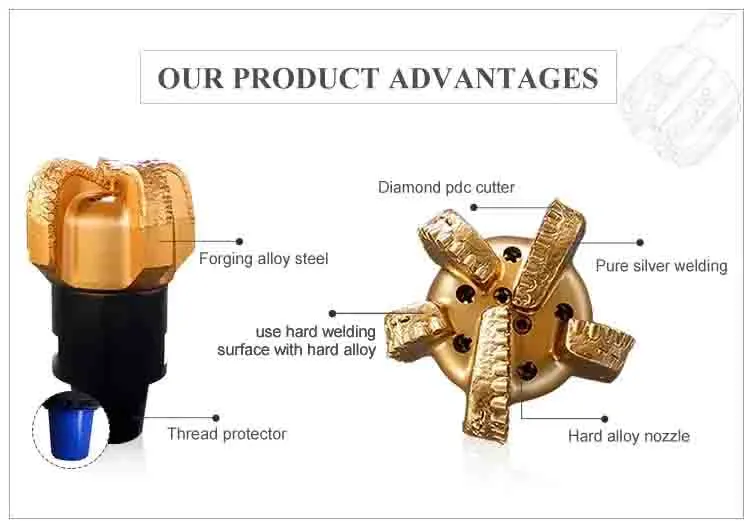
The type of material used and the way it was designed have a big effect on spinning resistance. When it comes to sound dampening, PDC Drill Bits For Oil Drilling with polycrystalline diamond compact cutters work better than standard roller cone systems. The fixed-cutter design gets rid of the gear parts that cause problems with spinning. Modern bit designs include blade shapes that are best for controlling power. Five-blade designs, like our 8.5" PDC bit with IADC code S223, spread cutting forces more evenly than three-blade designs. The 63 strategically placed cutters (a mix of 13mm and 16mm sizes) create balanced contact points that reduce lateral loading. Knowing these design principles helps procurement professionals choose products that don't naturally whirl, which lowers project risk and costs.
Technical Approaches to Fixing Drill Bit Whirling
Operational Parameter Optimization
Changing the drilling parameters is the fastest way to lower the vibration level. By changing the rotational speed, operators can stay away from critical speed ranges where harmonic resonance makes whirling behavior worse. Changing the weight on the bit makes sure that the cutting structure consistently engages the formation without overloading individual cutters. Modern drilling systems have sensors that are buried in the ground that measure vibrations in real time. This lets drillers see when whirling starts happening before it does a lot of damage. If the sensor data shows that there are high lateral accelerations, operators can fix the problem by slowing down the rotary speed, adjusting the weight on the bit, or changing the properties of the drilling fluid to help cool the bit and remove the cuttings better.
Advanced Engineering Design Features
Newer PDC Drill Bits For Oil Drilling are better at resisting vibration than older roller cone bits. This means they last longer and make the penetration rate smoother. The fixed-cutter architecture gets rid of the moving parts that cause irregular rotation and unpredictable friction coefficients. Depth-of-cut control features stop each cutter from cutting too hard, which would create destabilizing forces. Chamfered cutter edges lower impact loads during initial formation contact, and backup cutters placed behind the main cutting elements provide extra support that keeps the structure stable when the main cutters wear out. By using wear indicators, you can keep an eye on things in real time and make maintenance decisions based on the actual bit condition instead of arbitrary run-time schedules. Thermally stable diamond coatings on gauge pads protect against abrasion in highly deviated wellbores, oil well drill bits, where side forces focus wear on the bit's edges. These design improvements work together to lower whirling and improve drilling performance.
Choosing the Right Drill Bits to Avoid Whirling – A Procurement Perspective
Technical Evaluation Criteria
To choose Drill Bits For Oil Drilling that minimize whirling and ensure stable drilling operations, procurement professionals have to look at a number of factors. The base of this is the material composition: high-strength steel bodies provide structural rigidity that resists deflection under load, and advanced PDC cutters stay sharp during long runs. The specs for bits must match the geological conditions that are expected. For example, hard rock formations need aggressive cutter exposure and strong diamond tables that can handle high-impact loads. Offshore areas with long-reach wells need better gauge protection and wear-resistant hardfacing to keep the diameter of the borehole the same across long lateral sections. The best hydraulic performance comes from the right bit size for the casing program. Our 8.5" (215.9mm) bit size has seven ports that send drilling fluid straight to the cutting structure, keeping the cutters cool and moving debris away from the bit face. The 4-1/2 REG PIN connection makes it safe to attach to the drill string and lets you get the high flow rates and torque that you need for offshore uses.
Supplier Partnership Considerations
Working with reputable makers guarantees you can get high-quality Drill Bits For Oil Drilling that come with warranties and unique solutions. Established providers follow strict quality control procedures all the way through the manufacturing process, from testing and choosing materials to precise machining and full performance proof. This dedication is shown by Shaanxi Hainaisen Petroleum Technology, which has 3,500 square meters of modern production space with CNC machine tools and five-axis machining centers. Our focused research and development team makes custom bit designs that meet specific structural needs for a wide range of uses, such as hard rock mining, coal bed methane extraction, geothermal drilling, oil and gas exploration, and shale gas recovery. The total cost of ownership method takes into account not only the initial price, but also the costs of longevity and lifetime. A quality bit that gives you twice as much footage for 30% more up front is a much better deal than cheap bits that need to be replaced all the time. This calculation is especially important for medium and large-sized oil service companies that are working on long-term growth projects where the economics of the project depend on how reliable the equipment is.
Optimizing Drilling Performance by Addressing Whirling Effects
Real-Time Monitoring and Response
By monitoring drilling factors in real time and adjusting the drilling speed as needed, whirling can be reduced while total performance is improved. Advanced downhole tools use accelerometer arrays near the bit to pick up on vibrational patterns. These arrays measure axial, horizontal, and rotational accelerations at speeds of up to several hundred hertz. This sensor data is processed by surface systems, which find patterns that are unique to each vibration mode. While whirling, certain patterns are created, such as prolonged lateral accelerations and a slower rate of penetration, which are picked up by automatic systems and sent to the operator for attention. Making changes right away to the way the holes are drilled improves the security of the bit and the rate of penetration before small movements become major problems.
Sustainability and Environmental Considerations
Getting rid of spinning is important for sustainability because wasteful drilling causes Drill Bits For Oil Drilling to wear out faster and makes more waste. When bits break too soon, they can be hard to get rid of, especially PDC Bits with Manufactured diamonds and tungsten carbide parts that need special recycling methods. Fewer unexpected downtimes and less material waste are two ways that efficient bits help protect the environment. For every trip that isn't made, the energy needed to pull and run thousands of feet of drill pipe is saved. This also cuts down on the gasoline fuel used by the rig during downtime and stops the damage that comes from making new equipment. These efficiency gains are especially helpful for water well drilling teams, since many of them work in environmentally sensitive places where disturbing the surface as little as possible is still very important.
Measurable ROI Improvements
case studies from real life show that whirling reduction schemes have big benefits. One medium-sized oil service company cut down on bit-related downtime by 40% after installing vibration tracking systems and changing the purchase specs to put more emphasis on designs that don't whirl. Their average footage per bit went up by 55%, but their overall drilling costs went down by 18%, even though they had to buy more tools at the beginning. Parameter optimization has the same positive effects on coal mine processes. A geological research contractor increased the bit's useful life from 120 to 310 meters in hard rock situations by changing the rotating speeds based on the rock's properties and keeping the bit's weight within the manufacturer's guidelines. These improvements show that spinning reduction is useful for both operations and the environment.
Conclusion
Drill bit whirling is a big problem in the oil drilling, mining, and geological research industries. But there are complete answers by choosing the right tools, improving operations, and keeping an eye on things in real time. When procurement managers and technical experts understand the mechanical principles behind vibrational instability, they can ask for Drill Bits For Oil Drilling that are made to resist spinning. This expensive problem is less likely to happen with more advanced PDC designs that use balanced cutting frames, the right materials, and well-thought-out blade setups. When you use mechanical stability tools along with operational control in managing parameters, you can make drilling systems that keep the quality of the borehole while increasing penetration rates and bit life for long-term, cost-effective operations.
FAQ
1. What causes Drill Bits For Oil Drilling to whirl during oil drilling operations?
Unbalanced forces working on the bit cause it to spin around the axis of the borehole, which is what causes whirling. Too fast rotating speeds can set off natural frequencies in the drill string, wrong weight-on-bit settings can let the bit lose touch with the formation, and differences in the rock can make cutting loads uneven across the bit face.
2. How can operators detect whirling before significant damage occurs?
Downhole vibration tracking systems that measure lateral accelerations near the bit are used for early discovery. Surface signs include changes in torque that aren't consistent, a slower rate of penetration even though the settings are right, and bigger changes in standpipe pressure. Drillers who have done this before know that certain "chatter" sounds are made by the drill string during strong whirling events.
3. Which bit types perform best in formations prone to whirling?
In situations where spinning is likely to happen, PDC Drill Bits For Oil Drilling with five or more blades usually work better than three-blade designs and roller cone bits. The extra blades spread the cutting forces out more widely, which lowers the horizontal loading that causes the whirling. Bits with strong gauge protection and depth-of-cut control keep things stable in varying shapes where whirling usually happens.
Partner with HNS for Whirling-Resistant Drilling Solutions
To solve whirling problems, you need to work with skilled Drill Bits For Oil Drilling makers who know how vibrations work and what needs to be done for each shape. At Shaanxi Hainaisen Petroleum Technology, we've made PDC bits using advanced design principles that make them less likely to whirl when used in a variety of drilling situations. Our expert team works with procurement managers to figure out the best options for your working factors and geological conditions.
Email us at hainaisen@hnsdrillbit.com to talk about your unique drilling problems, Drill Bits For Oil Drilling, and look through our catalog of well-thought-out options. Whether you're a drill bit maker looking for OEM partnerships or an end user who needs unique designs, we can help you with expert advice based on thorough testing and results in the field. You can look at the technical details of all of our products at hnsdrillbit.com and ask for samples to test in your own work.
References
1. Spanos, P. D., Chevallier, A. M., & Politis, N. P. (2017). Nonlinear stochastic drill-string vibrations and borehole interactions. Journal of Vibration and Acoustics, 139(4), 041003.
2. Ritto, T. G., Soize, C., & Sampaio, R. (2009). Non-linear dynamics of a drill-string with an uncertain model of the bit–rock interaction. International Journal of Non-Linear Mechanics, 44(8), 865-876.
3. Javanmardi, K., & Gaspersic, D. (1992). Application of PDC bits in soft to medium-hard formations. SPE Drilling Engineering, 7(02), 117-123.
4. Fear, M. J., Abbassian, F., & Parfitt, S. H. (1997). The destruction of PDC bits by severe slip-stick vibration. SPE Drilling & Completion, 12(02), 97-105.
5. Mitchell, R. F., & Allen, M. B. (1987). Lateral vibration: The key to BHA failure analysis. World Oil, 205(4), 101-106.
6. Pavone, D. R., & Desplans, J. P. (1994). Application of high sampling rate downhole measurements for analysis and cure of stick-slip in drilling. SPE Annual Technical Conference and Exhibition, Paper SPE-28324-MS.
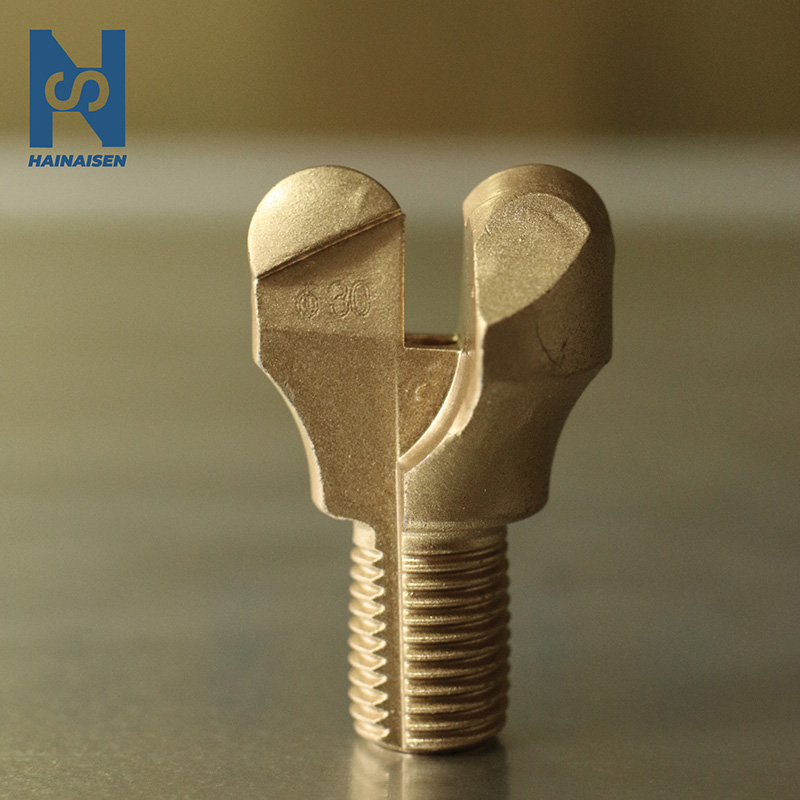 VIEW MORE34 And A Half Whole Coal Mine Mining Anchor Drill Bits
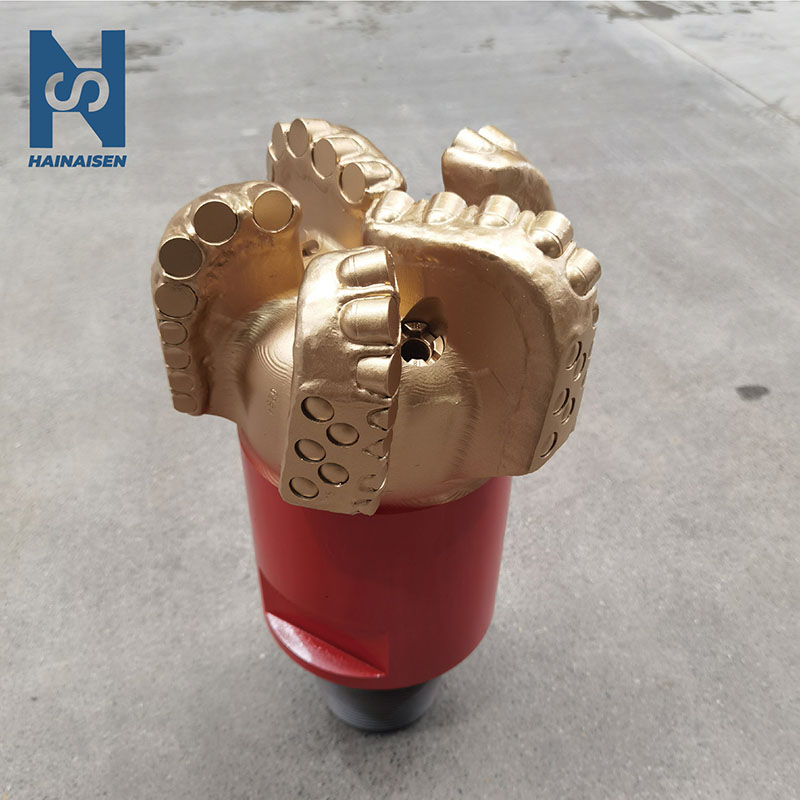 VIEW MOREDrill Bits For Oil Drilling
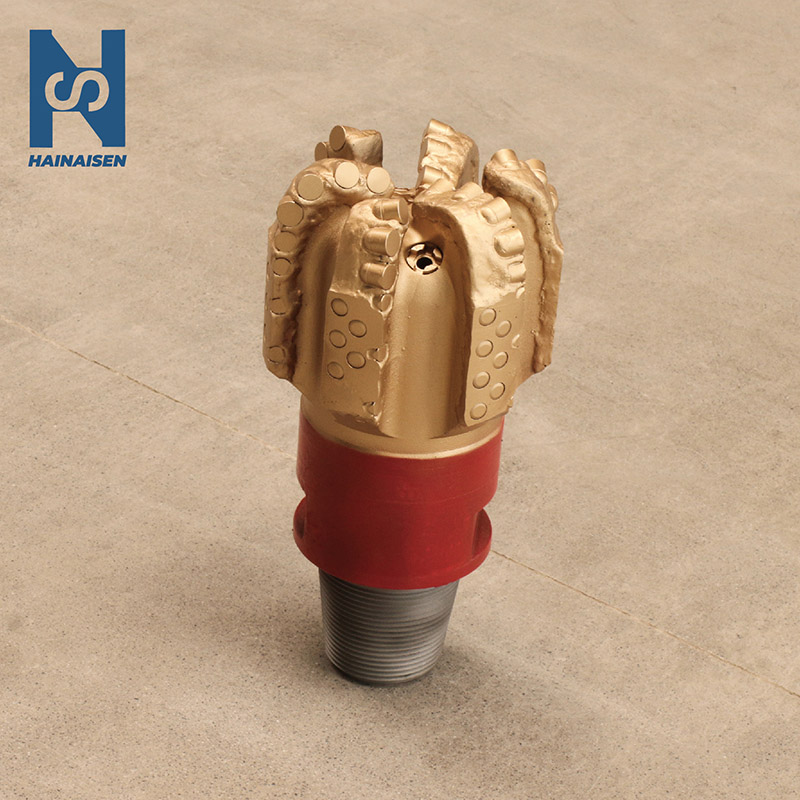 VIEW MORETool 6 Wings Drill Bit PDC
logo 1_1768204983068.jpg) VIEW MOREPDC Core Drill Bit With 8 Blades For Hole Drilling Used In Mining
VIEW MOREPDC Core Drill Bit With 8 Blades For Hole Drilling Used In Mining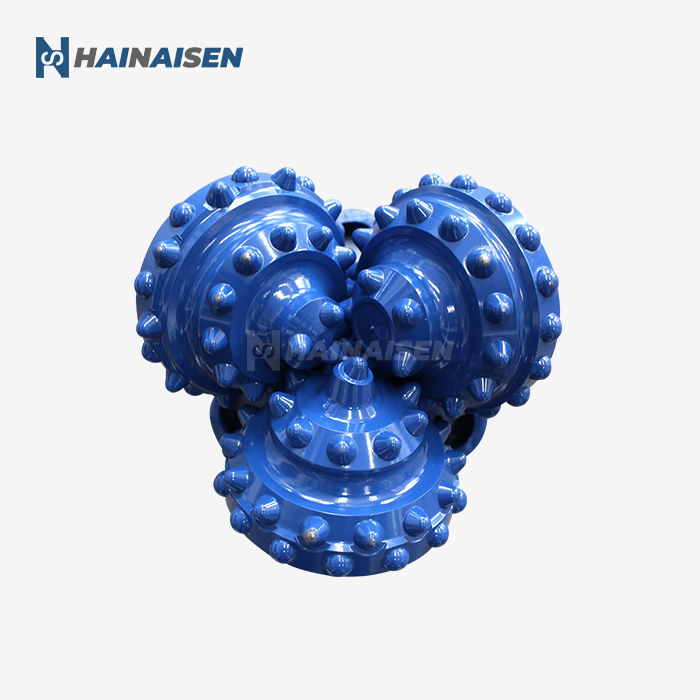 VIEW MORESteel Tooth Bit
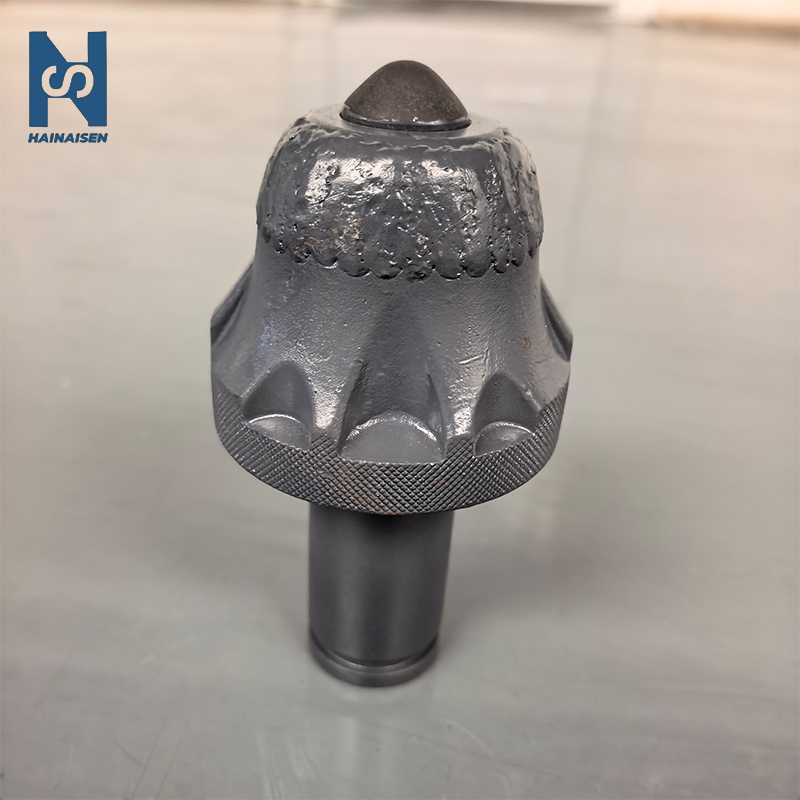 VIEW MOREDiamond Coal Mine Picks
logo 1_1777360475599.jpg) VIEW MOREDirectional Three Blade PDC Drill Bit
VIEW MOREDirectional Three Blade PDC Drill Bit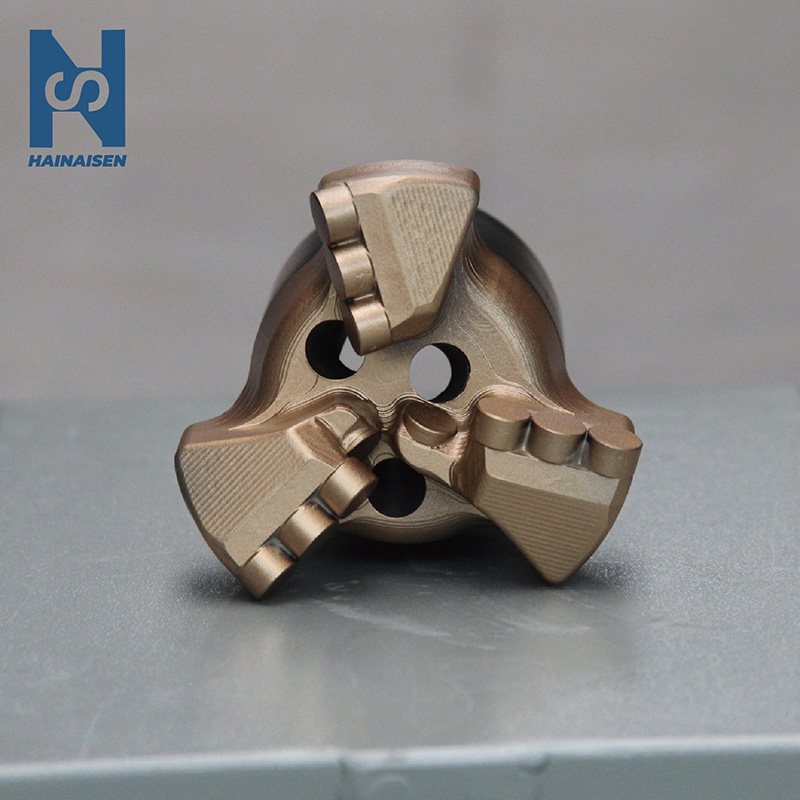 VIEW MORE3 Blades PDC Rock Bit
