







How to Select a Seven Blade Wing Oil Drilling Drill Bit?
To choose the best Seven Blade Wing Oil Drilling Drill Bit, you need to look at the shape of the blades, the quality of the PDC cutter, the bit size that will work with the formation, and its compatibility with other bits. Your choice has an effect on project timelines, running costs, and growth rates. Conditions for drilling must match technical details like the number of cutters, the length of the gauge, and the API connections. Performance and lifespan are also affected by the type of material used, the coating technology, and the reputation of the maker. When procurement managers and technical experts know about these factors, they can make sure that digging goes as smoothly as possible while reducing downtime and replacement costs in oil research, mining, and water wells.
Understanding the Seven Blade Wing Oil Drilling Drill Bit
Multi-blade wing bits are a big step forward in drilling technology because of their unique design. Unlike other designs, these tools have seven carefully placed blades that spread the cutting forces equally across the bit face. This makes the tool more stable while it's in use and reduces wear in specific areas.
Design, Architecture and Structural Innovations
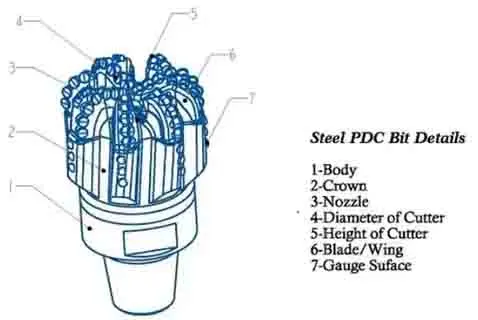
The seven blades make for a cutting-edge design that makes the most of surface touch with rock shapes. Each blade is placed in a way that balances the cutting motion and the spread of torque. The bit body is usually 210 mm tall and 53 mm gauge length, which keeps the structure strong during long operations. When drilling through fairly rough sandstone, adding more blades increases the protective diamond volume by making room for more cuts. This Seven Blade Wing Oil Drilling Drill Bit is designed to work with soft to medium forms that have low compressive strength, as shown by the IADC code S433.
Working Principles in Variable Formations
The seven blades move and change shape in response to changes in density and stiffness in the rock layers. Each blade strikes the formation at a slightly different angle as the bit turns. This makes a cutting action that breaks rock efficiently. The eight holes improve the flow of fluids by exactly directing drilling mud to cool cutting surfaces and flush out rock chips from the hole. This cooling system keeps the hydraulic system working well and keeps PDC cuts from getting damaged by heat. The 3-1/2 REG. PIN API connection makes sure that normal drill strings work, drill bit petroleum, which makes it easy to add to current processes.
Key Performance Factors When Selecting a Seven-Blade Wing Drill Bit
To make a procurement choice, performance measures that directly affect drilling results must be carefully looked at. To match bit powers with project needs and geological conditions, technical experts have to look at a number of factors.
Drilling Efficiency Metrics and Penetration Capabilities
Rate of penetration (ROP) is the most important measure of performance. In fairly hard shapes, seven-blade designs always work better than five-blade designs because they spread cutting forces across more contact points. The extra blades make the machine more stable, which lowers vibrations and lets it spin faster without losing control. Our 6-inch (152.4 mm) bit size can be used for many things, from drilling for oil to digging for geothermal energy. The 24 kg net weight is heavy enough for weight-on-bit transfer to work well while still being manageable for normal drilling tools.
Durability and Operational Longevity Considerations
The choice of material has a direct effect on how long a bit works well in tough circumstances. When compared to traditional tungsten carbide inserts, PDC cutters are much more durable. They can work in tough, abrasive settings and still keep their cutting edges sharp. Our bits have special coats that make the cutting surface and rock slide against each other less, which reduces friction and mechanical wear. This means that there will be longer amounts of time between bit changes, which will cut down on downtime and the costs that come with it. This longevity saves money over the lifetime of a project for medium to large-sized oil service companies that need to run long drilling operations.
Comparing Seven Blade Wing Drill Bits with Alternative Options
When you know how different bit types work, you can make smart choices about what to buy that are in line with your operational goals and your budget.
Seven-Blade Versus Five-Blade Performance Analysis
The extra blades give the cutting surface area more space, which makes the entry more stable and easier to control. Five-blade designs work best in softer formations where strong cutting is needed, but seven-blade designs work better in areas where the strength of the formation changes. The extra cutters in seven-blade bits—86 instead of the usual 60–70 in five-blade designs—ensure that the machine keeps working even when individual blades wear out. In rough sandstone uses, test results show that bits with seven drill bit petroleum blades keep their ROP longer than bits with five blades.
Total Cost of Ownership Evaluation
To understand the real economic effect, procurement managers need to look beyond the original price. The starting cost of our seven-blade PDC Bits is higher than basic options, but the longer operating life makes the per-meter drilling costs much lower. For coal mine companies that want to save money, the lower repair frequency still saves money, even though it costs more at first. Teams that drill water wells gain from faster penetration rates, which cut down on project times and make better use of tools. When durability, efficiency, and low upkeep are combined, they create strong value offers across all customer groups.
Procurement Considerations for Seven-Blade Wing Oil Drilling Drill Bits
Successful buying includes more than just knowing what the product is; it also includes evaluating the supplier's customisation options and planning for logistics.
Identifying Reliable Manufacturers and Suppliers
Product quality and the ability to work together for a long time depend on how trustworthy the vendor is. Look for makers with well-established factories, not just trading companies that put their own names on foreign goods. Shaanxi Hainaisen Petroleum Technology has a building in Xi'an that is 3,500 square meters and has 5-axis machining centres and CNC machine tools that make sure the work is done precisely. Quality management systems that are certified by ISO 9001 are sure to meet foreign standards. Companies that give OEM services show that they have a lot of technical knowledge and can make changes to fit your needs. Check to see if the providers have their own research and development departments that can make custom bit sets for specific uses.
Logistics and Delivery Planning
Delivery dates affect how projects are planned and how materials are managed. Check with suppliers to see if they keep regular versions in stock or only make them when you place an order. Lead times for special bits can go on for several weeks, depending on how complicated the specifications are. International shipping makes things more complicated, so make sure that your providers are good at export paperwork, clearing customs, and moving freight. For urgent needs, there should be choices for faster shipping and production that don't cost too much extra. Set up clear lines of contact with seller agents who know the technical requirements and can quickly address any concerns that come up during the procurement process.
Maintenance, Troubleshooting, and Maximising Drill Bit Life
Taking care of your Seven Blade Wing Oil Drilling Drill Bit and operating it correctly will protect your investment and make it last longer.
Routine Care and Preventive Maintenance
Right after each bit run, inspection procedures start. To get rid of formation dust and drilling fluid buildup that the Seven Blade Wing Oil Drilling Drill Bit can hide damage, clean all cutting areas very well. Look at PDC cutters closely to find chipping or heat damage in its early stages. Check the gauge area for a lot of wear that could mean the opening isn't stable or the weight isn't being distributed correctly. Compare important measurements to the specs to find wear patterns that need to be fixed. Before storing, lubricate thread links with the right substances to stop corrosion and make future assembly easier. Keep bits in cases that protect them from damage to cutting structures and keep things clean.
Common Failure Modes and Corrective Actions
Knowing how decline usually happens lets you step in at the right time. Too much weight on the bit or not enough hydraulic cleaning can cause the cutter to break too soon. Change the settings of the digging to lower the impact forces and raise the flow rates. Thermal cracking happens when cooling isn't enough. Check the function of the tip and think about making changes to the properties of the drilling fluid. Uneven wear on the bit face means that the weight isn't distributed evenly or that the formation isn't uniform. To make the machine more stable, move the stabilisers or change the speed of the rotors. In rough forms, gauge wear speeds up. Using bits with better gauge protection makes them last longer in these situations.
Optimising Operational Techniques for Extended Performance
Formation study is the first step in optimising drilling parameters. Instead of using the same settings at all times, adjust the rotating speeds and weight-on-bit to fit the properties of the formation. Cutter bits can find the best contact shape before they are fully loaded by gradually increasing parameters as they break in. Continuously check torque and ROP—sudden changes in signal formation, shifts, or bit condition changes need to be evaluated. The design of a hydraulic program affects both how well it cleans and how cool the bits are. Figure out the best flow rates based on the bit size and tip setup, and then make sure that the conditions downhole are the same as expected. These operational standards can be used to measure how much longer bits last while keeping the output the same.
Conclusion
It is important to balance technical specs, practical needs, and cost when choosing the right Seven Blade Wing Oil Drilling Drill Bit. When cutting, the seven-blade design is more stable, more flexible, and more efficient in a wide range of forms. Performance results are directly affected by technical factors such as the quality of the PDC cutter, the shape of the blades, and the materials used. Professionals in charge of buying things should judge sellers based on their ability to make things, their quality Certifications, and the extra services they offer after the price they quote. Maintenance that is done correctly and drilling settings that are adjusted will make bits last longer and protect the value of the investment. If your company knows about these things, it can make smart decisions that will increase drilling output while keeping costs low.
FAQ
1. What are the primary benefits of seven-blade PDC bits over traditional alternatives?
Seven-blade designs are more stable than five-blade designs because they have more blades, which spreads the cutting forces more equally. The extra cutting surface area makes it easier to cut through fairly hard rocks and also lowers the wear on each cutter. The 86 PDC cutters in our design provide support that keeps the machine working even as regular wear and tear increases. Getting rid of the working parts that are in tri-cone bits lowers the risk of mechanical failure and the amount of upkeep that needs to be done.
2. How does blade design influence drilling performance in varying geological conditions?
Blade geometry determines the angle at which it engages with rock forms, which in turn affects how well chips are made and how much power is needed. Our precisely designed blade profiles keep the best cutting angles throughout their useful lives, easily adjusting to changes in the formation. The seven-blade design makes it more stable when it comes to layers that are pressed together and have different hardnesses. This lowers shaking and lets the penetration rates stay the same.
3. Are customisation options available for specialised drilling projects?
Our specialised research and development team makes custom bit sets to meet the needs of each project. Customisation includes changes to the blade shapes, cutting placement patterns, nozzle designs, and the way the gauge is protected. Technical talks help you figure out the best specs for your geological conditions and practical goals, making sure that the bit works at its best in your situation.
Partner with HNS for Superior Drilling Solutions
Picking the right Seven Blade Wing Oil Drilling Drill Bit maker has a big effect on Seven Blade Wing Oil Drilling Drill Bit how well your project turns out. Shaanxi Hainaisen Petroleum Technology Co., Ltd. offers drilling solutions that go above and beyond what the industry requires. We do this by combining advanced manufacturing skills with engineering know-how. Our 3,500-square-meter building has cutting-edge 5-axis machining centres and CNC machines that make sure every part is made precisely. We have been a source since 2013 and work with oil and gas companies, coal mines, and water well-digging teams all over the world. Our ISO 9001-certified quality processes ensure that our goods are always consistent and reliable, and we offer full technical help for all of them. Whether you need standard setups or custom designs, our engineering team can make solutions that fit the features of your formation and your working needs. Email us at hainaisen@hnsdrillbit.com to talk about your project needs and get full quotes.
References
1. Baker, R. (2019). Advanced PDC Bit Design for Challenging Formations. Journal of Petroleum Technology, 71(4), 45-52.
2. Chen, M., & Williams, J. (2020). Comparative Analysis of Multi-Blade PDC Bit Performance in Abrasive Formations. Society of Petroleum Engineers Drilling & Completion Journal, 35(2), 178-189.
3. International Association of Drilling Contractors. (2021). IADC Drill Bit Classification System: Standards and Applications. Houston: IADC Publications.
4. Mitchell, B., & Miska, S. (2018). Fundamentals of Drilling Engineering. Richardson: Society of Petroleum Engineers Textbook Series.
5. Thompson, A. (2020). PDC Cutter Technology and Wear Mechanisms in Hard Rock Drilling. Rock Mechanics and Rock Engineering, 53(8), 3621-3638.
6. Zhang, L., & Rodriguez, P. (2021). Optimizing Drilling Parameters for Extended PDC Bit Life in Oil and Gas Applications. Journal of Energy Resources Technology, 143(5), 052104.
logo 1_1777361785830.jpg) VIEW MORE94mm PDC Flat Top Sintered Drill Bit
VIEW MORE94mm PDC Flat Top Sintered Drill Bit VIEW MOREPDC Mining Bit
 VIEW MOREPolycrystalline Diamond Compact Drill Bits
 VIEW MORE3 Blades Steel Body PDC Bit
logo 1_1768274683075.jpg) VIEW MORECoal Mine Drilling Opening And Closing Drill Bit
VIEW MORECoal Mine Drilling Opening And Closing Drill Bitlogo 1_1777361260784.jpg) VIEW MOREFour Wing Arc Angle PDC Drill Bit
VIEW MOREFour Wing Arc Angle PDC Drill Bit VIEW MOREForging Deep Rock Well Drilling Bits
 VIEW MOREFour Blade PDC Rock Drill Bit
