




PDC Drill Bit vs Tricone Drill Bit: Which One Delivers Better Drilling Performance?
Selecting the right drill bit is one of the most important decisions in any drilling project. Whether you are drilling oil wells, gas formations, geothermal holes, or water wells, the bit directly affects penetration rate, operating cost, and overall project efficiency.
Among today's most widely used drilling tools, fixed cutter bits and roller cone bits dominate the market. Each has its own strengths, but choosing the wrong option can increase drilling time and maintenance costs.
This guide compares these two technologies from a practical engineering perspective and explains when each solution performs best.
Understanding the Difference Between PDC and Tricone Drill Bits
The biggest difference lies in how the rock is broken.
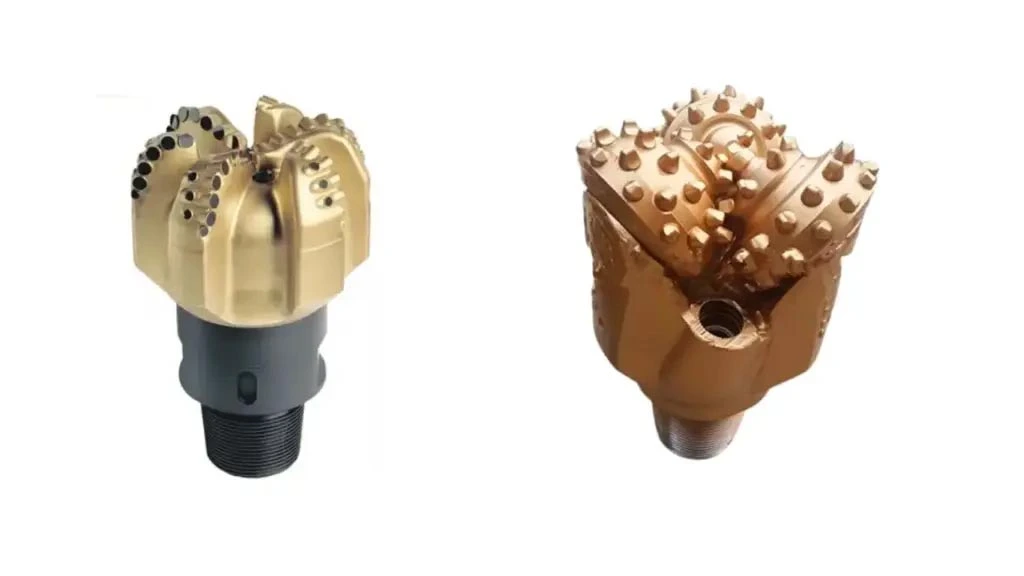
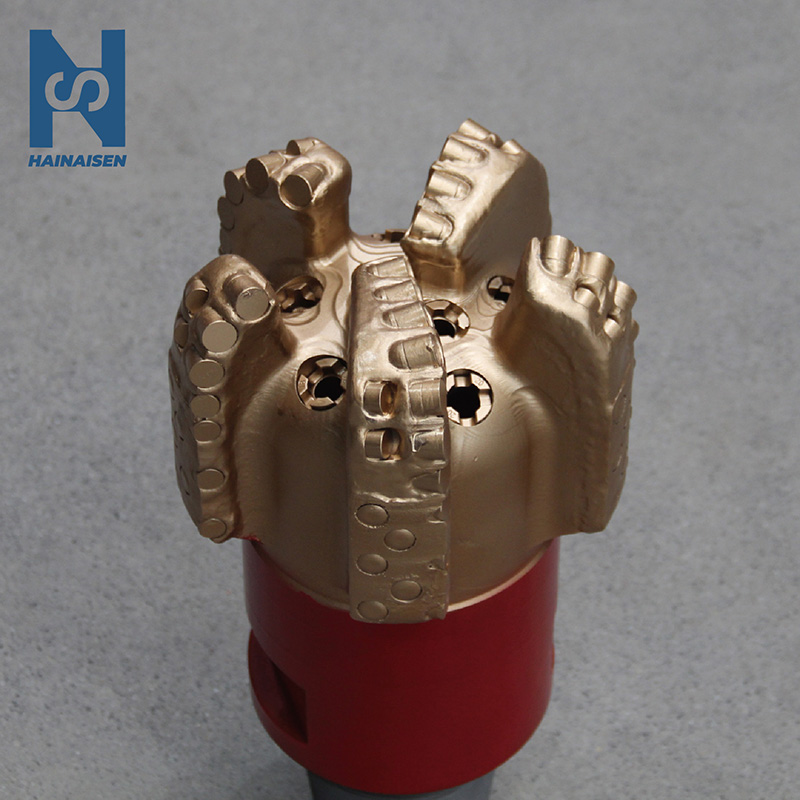
A PDC diamond bit removes rock through continuous shearing. Instead of crushing the formation, its synthetic diamond cutters slice through the rock with minimal moving parts. This design reduces mechanical wear and allows much faster penetration in many formations.
A tricone drill bit works differently. It uses three rotating cones equipped with steel teeth or tungsten carbide inserts that repeatedly crush and chip the rock. Because the cones rotate independently, tricone bits can adapt well to formations with changing hardness.
Key comparison:
PDC Bits perform best in soft, medium, and many hard formations with stable geology.
Tricone bits are ideal for fractured formations, abrasive layers, and mixed lithology.
PDC bits contain no moving bearings, reducing maintenance risks.
Tricone bits offer excellent flexibility when drilling through unpredictable formations.
According to drilling practices published by leading international drilling companies, advances in cutter materials and bit hydraulics have significantly expanded the application range of PDC technology over the past decade.
Performance Comparison in Real Drilling Applications
When evaluating drill bits, operators usually focus on three factors:
Penetration Rate (ROP)
Bit Life
Total Cost per Meter
In many stable formations, a PDC Diamond Bit achieves substantially higher drilling speeds because it cuts continuously rather than impacting the rock repeatedly.
Example
A water well contractor in the Middle East was drilling sandstone formations between 800 and 1,400 meters.
Initially, they selected tricone bits due to previous experience. However, after switching to a modern PDC solution, the drilling team reported:
approximately 45% higher penetration rate
fewer bit trips
lower fuel consumption
reduced overall drilling time
Although the initial purchase price was higher, the total drilling cost per meter decreased significantly.
This example demonstrates why many drilling contractors evaluate drilling efficiency rather than focusing only on bit price.
That said, tricone bits remain an excellent choice when formations contain alternating shale, limestone, and highly fractured rock where impact resistance is more important than cutting speed.
How to Choose the Right Drill Bit for Your Project
Every drilling project has unique geological conditions. Instead of asking which bit is universally better, experienced engineers ask which bit is better for the specific formation.
Choose a PDC Diamond Bit when:
drilling long intervals with consistent formations
maximizing drilling speed is a priority
reducing trip time can lower project costs
higher footage per bit is desired
Choose a tricone bit when:
formations change frequently
extremely broken rock is expected
severe vibration may damage fixed cutters
directional control is critical in difficult ground
One important recommendation: always evaluate formation hardness, compressive strength, abrasiveness, and drilling parameters before selecting a drill bit.
At Hainaisen, our engineering team works closely with drilling contractors worldwide to recommend drilling solutions based on actual geological conditions rather than simply promoting one product. Our manufacturing process focuses on cutter quality, hydraulic optimization, and strict quality inspection, helping customers achieve reliable performance in demanding drilling environments. Whether your project involves oil and gas, geothermal drilling, mining exploration, or water well construction, Hainaisen provides dependable products backed by professional technical support.
If you are looking for a reliable PDC Diamond Bit supplier for your next drilling project, our team is ready to help select the most suitable solution.
Contact Hainaisen
Email: hainaisen@hnsdrillbit.com
Tel: +86 17791389758
Our technical specialists are available to discuss your drilling conditions and recommend the most appropriate bit design for improved drilling efficiency.
About the Author
Michael Anderson is an international drilling equipment consultant with more than 15 years of experience serving oil & gas, mining, and water well contractors across North America and the Middle East. He specializes in drill bit selection, drilling optimization, and cost reduction strategies. Having worked closely with Manufacturers and field engineers, Michael enjoys sharing practical insights that help drilling professionals make informed decisions. He highly recommends Hainaisen for its consistent product quality, responsive technical support, and commitment to helping customers improve drilling performance.
References
International Association of Drilling Contractors (IADC). Drilling Manual.
Society of Petroleum Engineers (SPE). Technical Papers on Drill Bit Performance and Drilling Optimization.
Baker Hughes. Drill Bit Technology and Application Guide.
SLB (Schlumberger). Drilling Tools and Technologies Technical Resources.
Halliburton. Fixed Cutter and Roller Cone Bit Engineering Handbook.
Ulterra Drilling Technologies. PDC Bit Design and Performance White Papers.
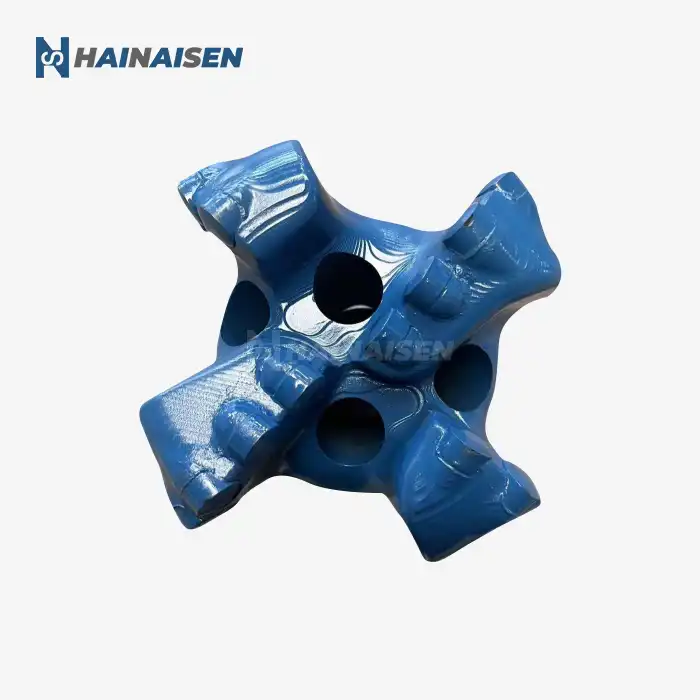 VIEW MORESteel Body PDC Bit 4 Blades
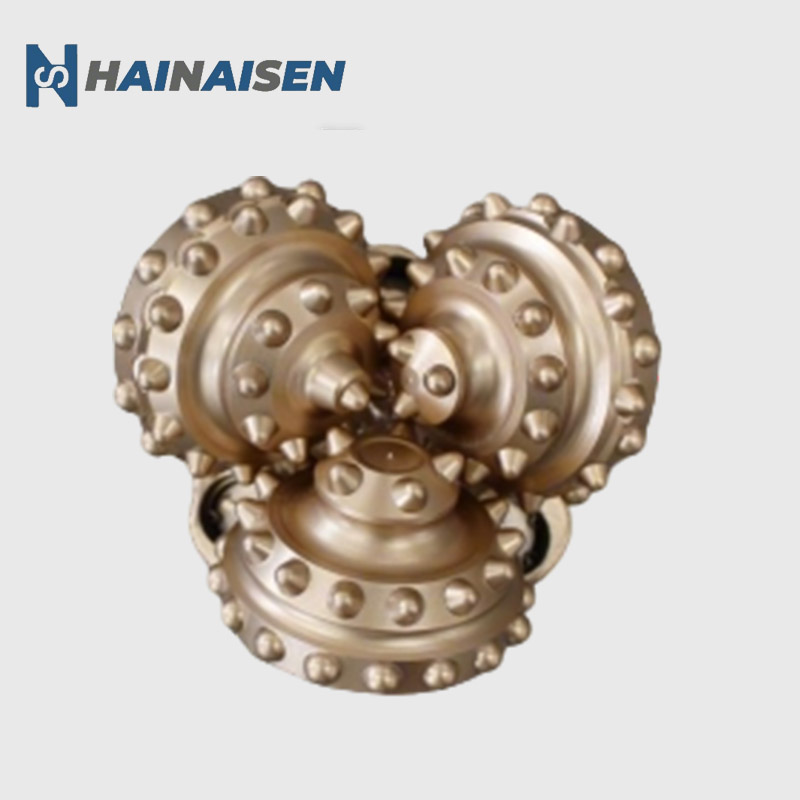 VIEW MORE4 1/2" IADC 637 TCI Tricone Bit
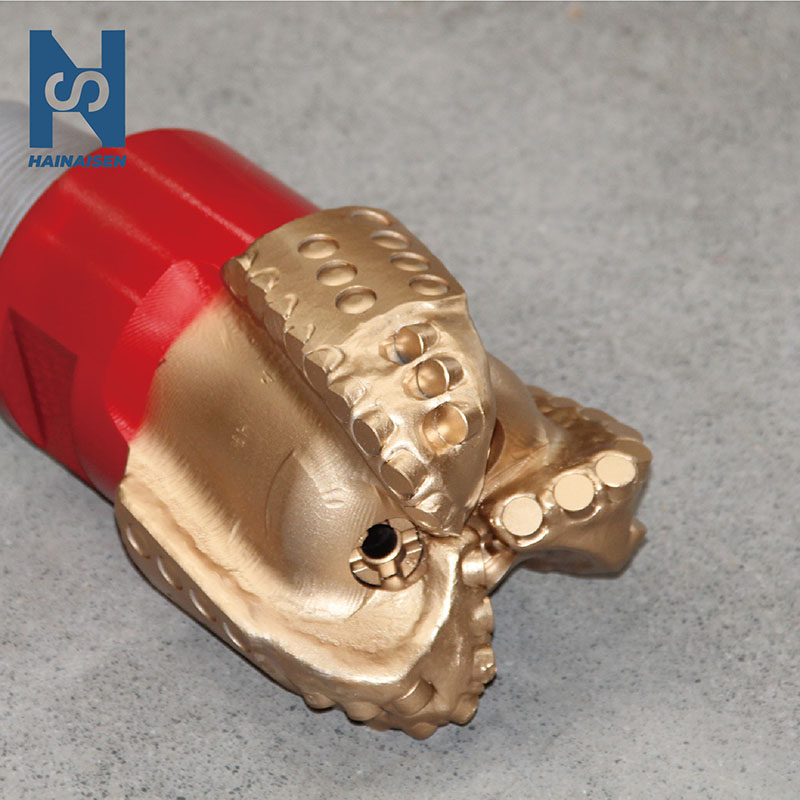 VIEW MOREThree Blade Oil Drill Bit
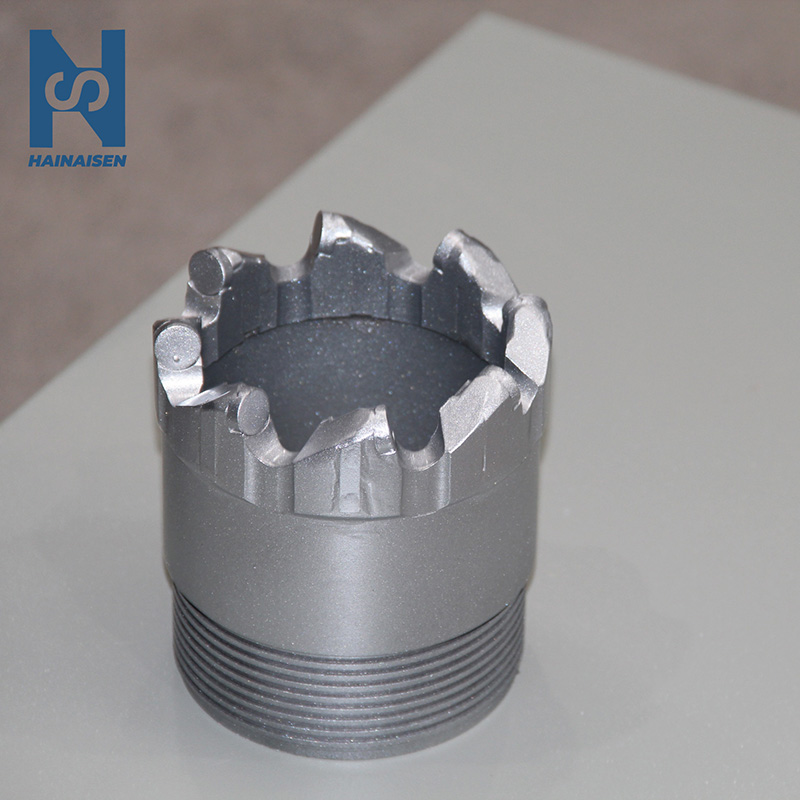 VIEW MOREPDC Core Drill Bit Used For Drilling
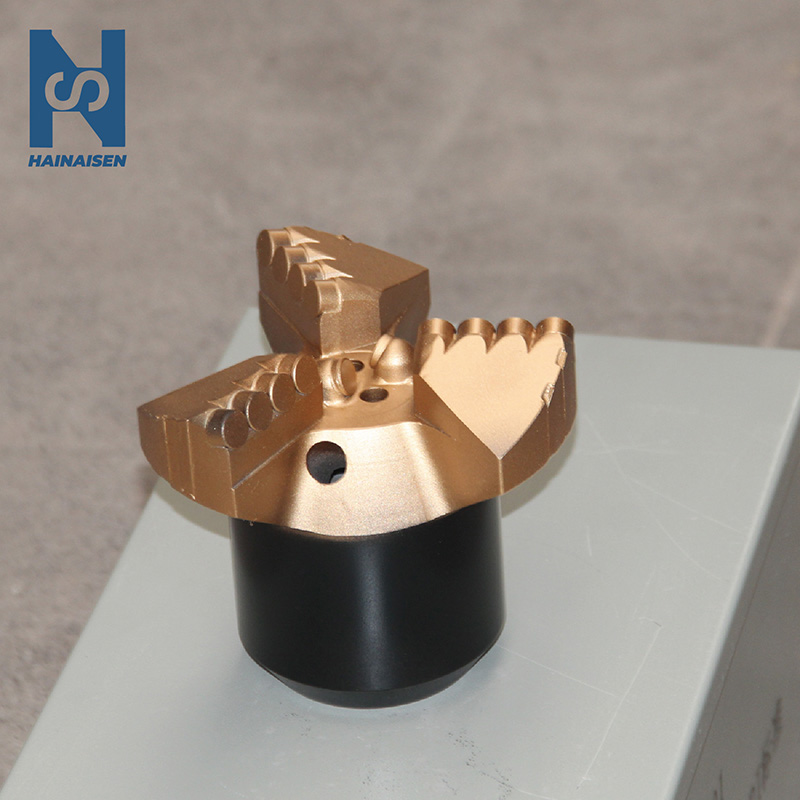 VIEW MORE153mm PDC Concave Bit
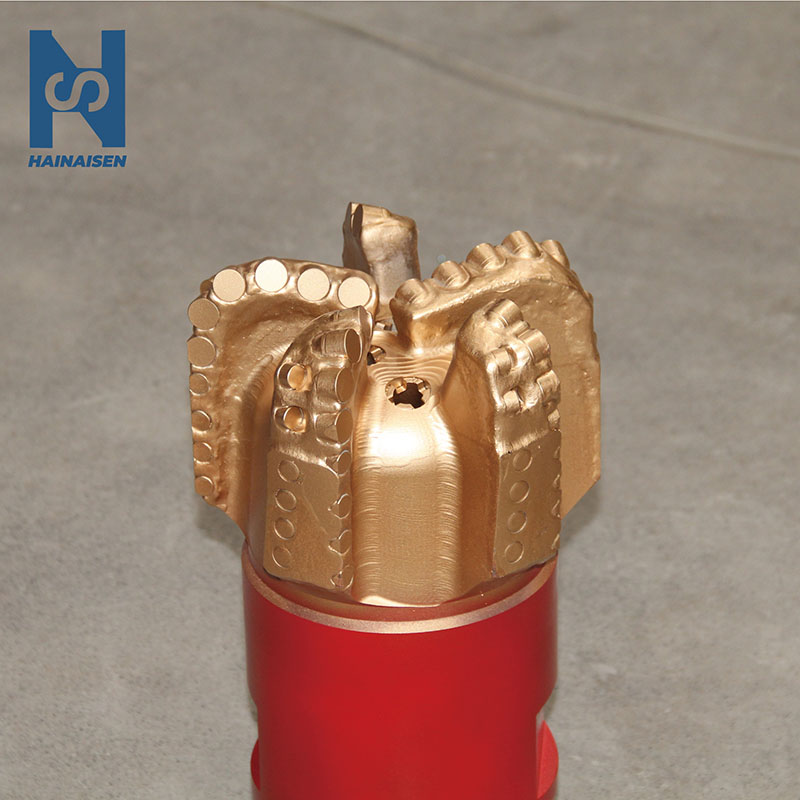 VIEW MORE5 Blades Steel Body High Performance PDC Rock Drill Bits
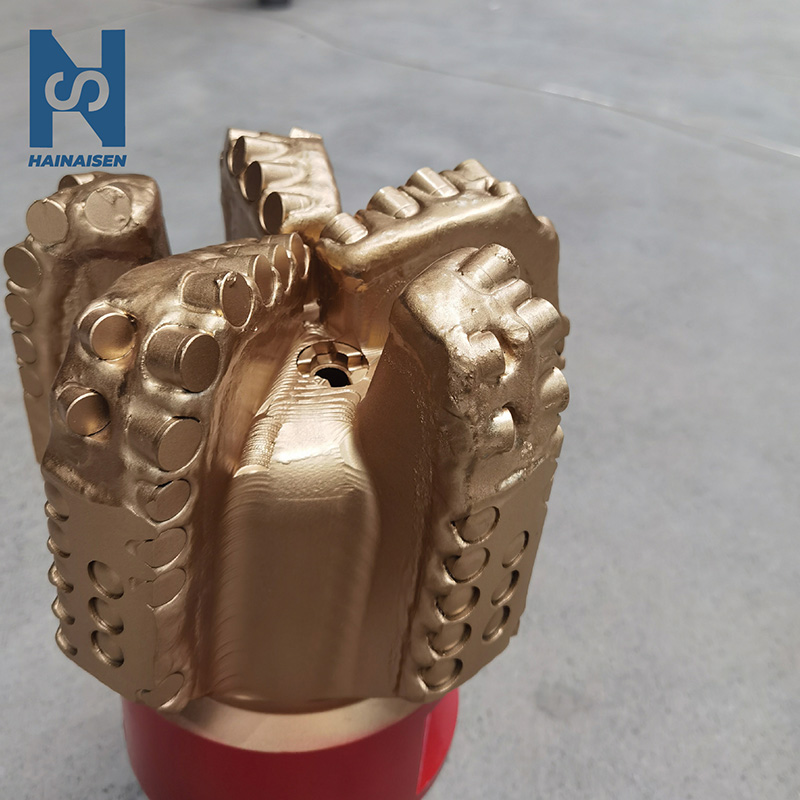 VIEW MOREFive Blade Wing Oil Drilling
 VIEW MOREOil Diamond Drill Bit