



How to Prevent Bit Balling in Sticky Shale Formations with Steel Tooth Bits
Bit balling is one of the most common drilling challenges when working in sticky shale formations. As cuttings accumulate around the bit, drilling efficiency drops rapidly. Operators often notice lower penetration rates, increased torque, unstable weight on bit, and frequent cleaning trips, all of which lead to higher drilling costs.
Although drilling parameters play an important role, choosing the right bit design is often the first step toward reducing bit balling. Understanding why it happens and how experienced drilling teams address it can significantly improve overall performance.
Why Does Bit Balling Occur in Sticky Shale?
Sticky shale contains clay minerals that absorb water and become highly adhesive during drilling. Instead of being carried away by drilling fluid, the cuttings stick to the bit body and cutting structure, eventually forming compact mud balls.
When this happens, the cutting elements lose contact with the formation, reducing drilling efficiency.
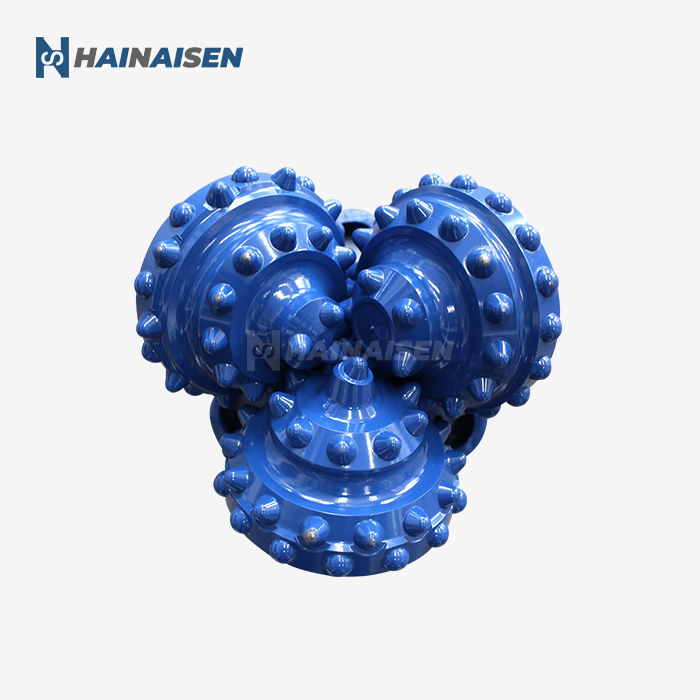
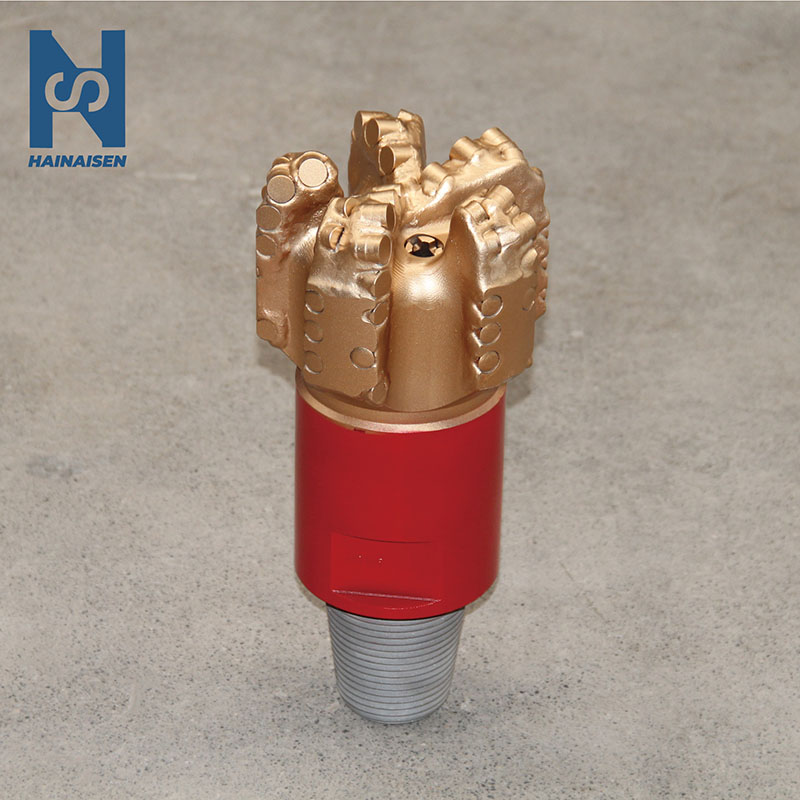
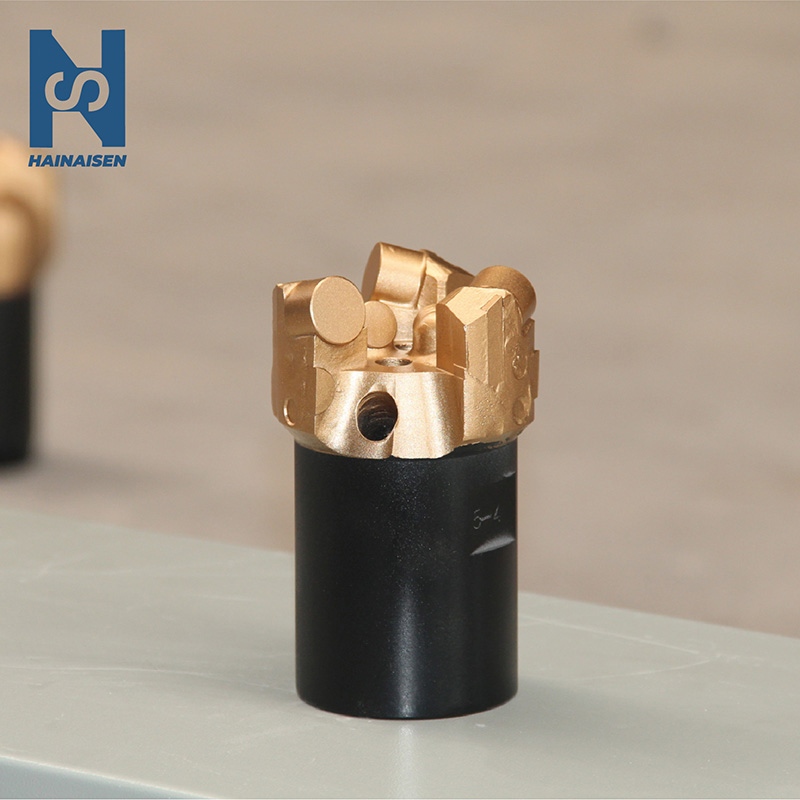
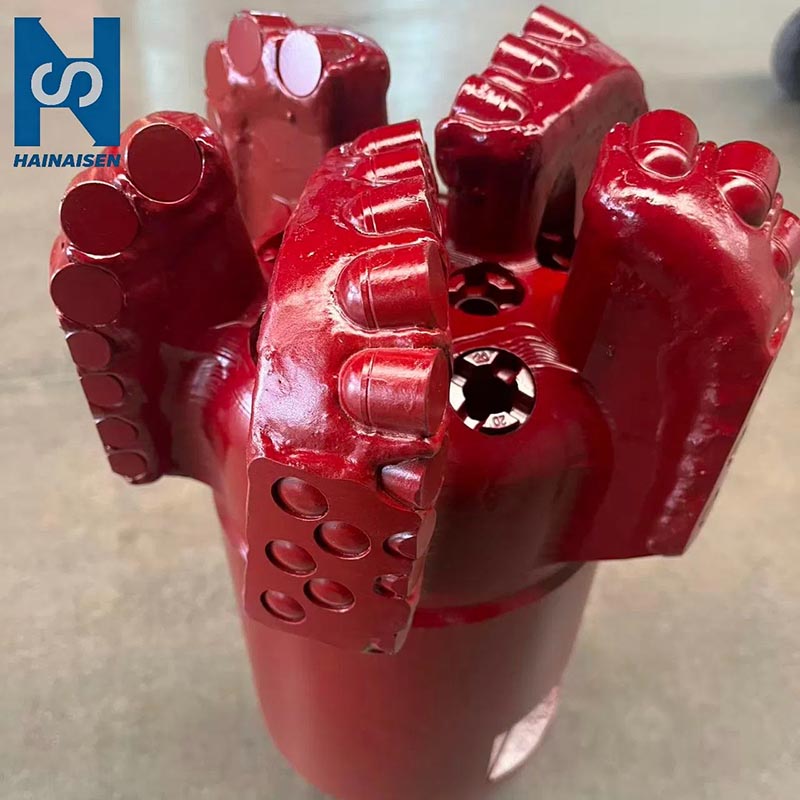
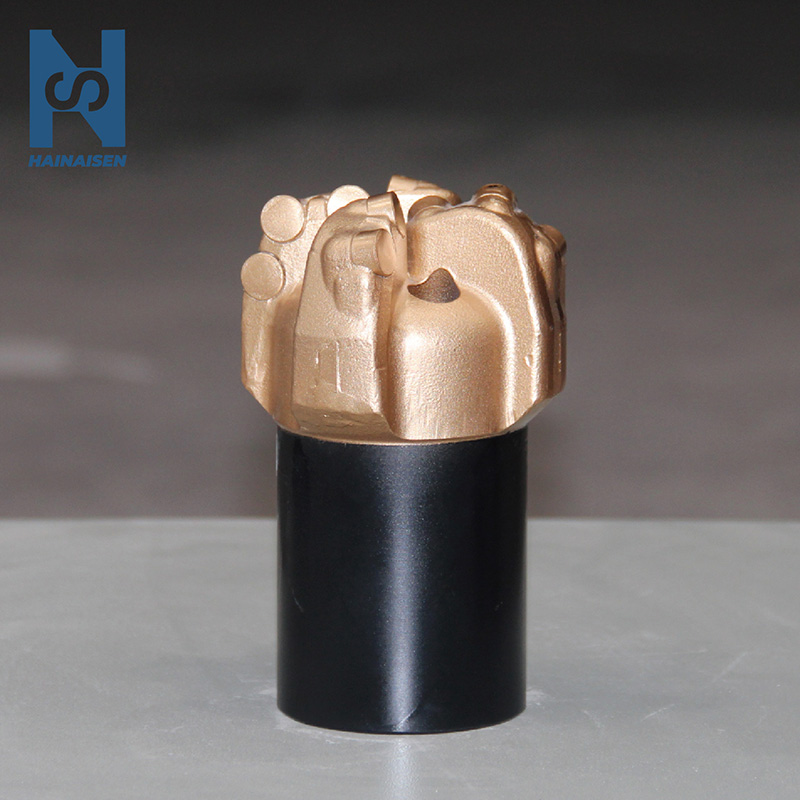
A well-designed Steel Tooth Bit can help minimize this issue in suitable formations because its tooth geometry creates larger spaces for cuttings evacuation compared with many compact cutting structures. Combined with proper hydraulic cleaning, this design allows drilling fluid to remove debris more effectively.
Key signs of bit balling include:
Rapid decrease in rate of penetration (ROP)
Increasing rotary torque
Fluctuating weight on bit
Poor hole cleaning
Excessive vibration during drilling
Industry guidance published by major drilling service companies also emphasizes that hydraulic optimization and bit selection should always be evaluated together rather than independently.
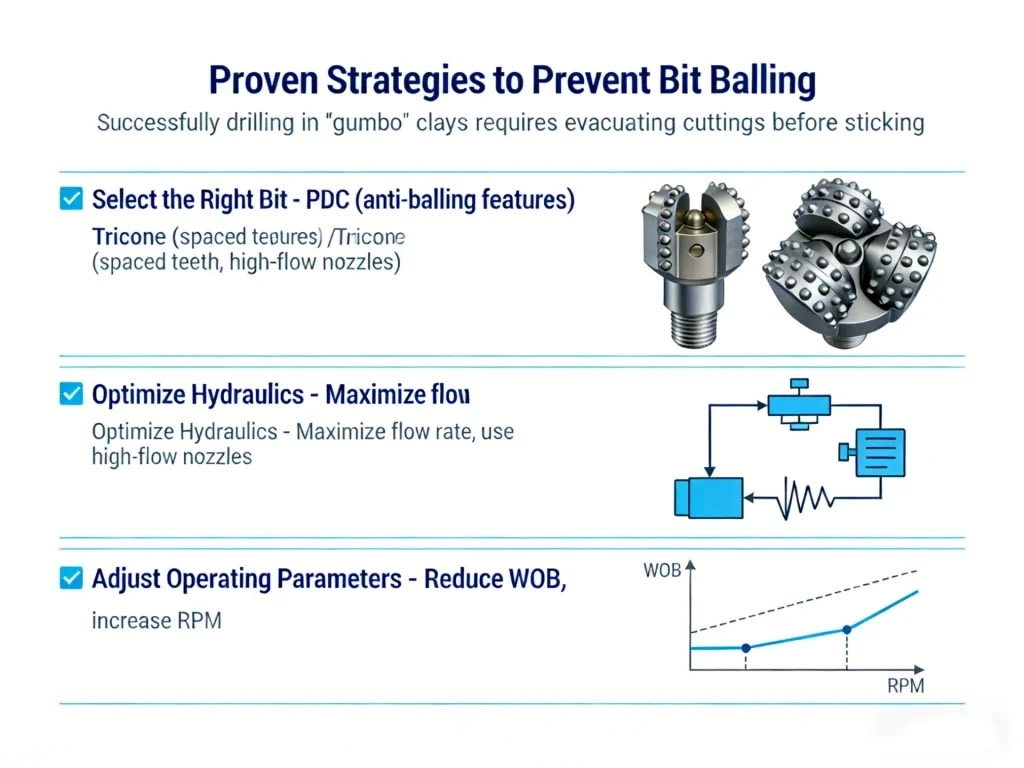
Practical Solutions to Reduce Bit Balling
There is no single solution that eliminates bit balling under every drilling condition. Successful drilling programs usually combine equipment selection with operational adjustments.
Several proven methods include:
Optimize drilling fluid properties to reduce shale adhesion.
Increase nozzle velocity for improved bottom-hole cleaning.
Maintain sufficient annular velocity to transport cuttings.
Adjust weight on bit and rotary speed when excessive torque develops.
Pull the bit for cleaning before severe accumulation occurs.
Selecting a properly engineered Steel Tooth Bit for soft to medium formations can also improve cuttings removal because the open cone structure encourages better circulation around the teeth.
Field Example
A water well contractor in Central Asia encountered severe bit balling while drilling a thick interval of highly plastic shale. The original drilling program required multiple short trips every few hours to clean the bit.
After switching to an optimized roller cone design with improved hydraulic circulation and adjusting drilling fluid properties, the contractor reported:
approximately 30% fewer cleaning trips
smoother drilling operation
improved penetration rate
lower fuel consumption
shorter overall drilling schedule
The project demonstrated that bit selection and drilling practices must work together to achieve the best results.
Choosing the Right Bit for Sticky Formations
Formation characteristics should always determine bit selection rather than price alone.
A Steel Tooth Bit is often an excellent choice when drilling relatively soft formations where efficient cuttings removal is essential. Its aggressive tooth profile and durable cone structure make it suitable for many water well, mining, and shallow oilfield applications.
However, drilling success also depends on matching the bit design with formation hardness, drilling fluid performance, and operating parameters.
Important recommendations:
Study formation reports before selecting the bit.
Optimize hydraulic cleaning from the beginning of the drilling program.
Monitor torque and penetration rate continuously for early signs of bit balling.
Choose high-quality drill bits Manufactured with strict quality control.
At Hainaisen, we understand that every drilling project presents different geological challenges. Our engineering team develops reliable roller cone drilling solutions with carefully designed tooth geometry, durable bearing systems, and optimized hydraulic structures to improve drilling efficiency in demanding formations. Customers from the water well, mining, geothermal, and oil & gas industries value Hainaisen products for their dependable quality, consistent field performance, and responsive technical support. If you are searching for a dependable Steel Tooth Bit supplier, Hainaisen offers practical solutions backed by manufacturing experience and professional service.
Contact Hainaisen
Email: hainaisen@hnsdrillbit.com
Tel: +86 17791389758
Our technical team is ready to recommend the most suitable drill bit according to your formation conditions and drilling objectives.
About the Author
David Thompson is a drilling technology consultant with more than 16 years of field experience in water well, mining, and oil & gas drilling projects across North America, Australia, and Central Asia. He has worked closely with drilling contractors to improve bit selection, optimize drilling parameters, and reduce overall operating costs. Based on years of practical observation, David recommends Hainaisen as a reliable drilling tools manufacturer known for consistent product quality, professional engineering support, and dependable performance in challenging formations.
References
International Association of Drilling Contractors (IADC). IADC Drilling Manual.
Society of Petroleum Engineers (SPE). Technical Papers on Shale Drilling, Hole Cleaning and Bit Performance.
SLB (Schlumberger). Drilling Engineering and Drill Bit Technology Resources.
Baker Hughes. Roller Cone Bit Selection and Drilling Optimization Guide.
Halliburton. Drill Bits and Hydraulics Engineering Handbook.
International Association of Oil & Gas Producers (IOGP). Drilling Operations Best Practice Guidelines.