




How to Select the Best Drill Bits for High-Temperature and High-Pressure (HTHP) Wells
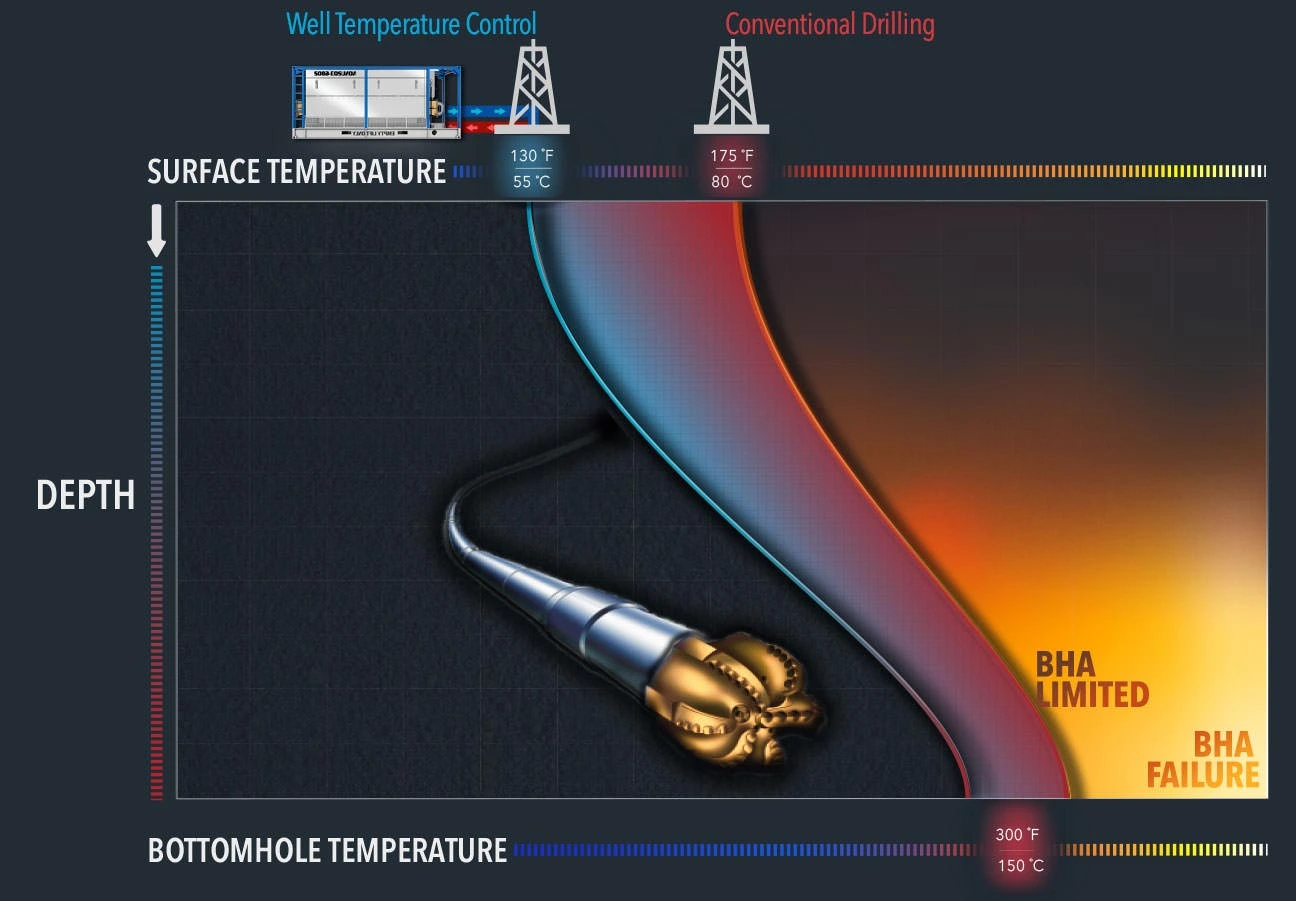
High-temperature/high-pressure (HTHP) wells are among the most demanding drilling environments in the oil, gas, and geothermal industries. Downhole conditions can exceed 150°C–200°C with extreme pressure gradients, which puts severe stress on drill bits, bearings, and cutting structures.
In these environments, bit failure is not just costly—it can cause significant non-productive time (NPT). That is why selecting the right drill bit type is critical for maintaining stability, durability, and consistent rate of penetration.
Challenges of Drilling in HTHP Wells
HTHP wells combine multiple drilling risks at the same time: thermal degradation, pressure-induced mechanical stress, and abrasive formations. These conditions accelerate wear on cutting structures and reduce the lifespan of conventional tools.
A properly designed Steel Tooth Bit is often used in upper sections or softer interbedded formations because its robust structure tolerates impact loads and fluctuating pressure conditions. However, under extreme depths, operators must carefully evaluate bearing systems, metallurgy, and hydraulic efficiency.
Common challenges include:
Thermal breakdown of cutting materials under extreme heat
Seal and bearing failure due to pressure cycling
Reduced lubrication efficiency at high depth
Abrasive wear in interbedded formations
Tool fatigue caused by vibration and stick-slip
According to technical drilling guidance published by leading international drilling service providers such as SLB and Halliburton, bit performance in HTHP wells depends heavily on material stability and hydraulic optimization rather than cutting aggressiveness alone.
Drill Bit Selection Strategy for High-Pressure Environments
Selecting the right bit for HTHP wells is not a one-size-fits-all decision. Engineers must evaluate formation type, well depth, mud properties, and expected temperature gradients.
In upper hole sections or moderately soft formations, a Steel Tooth Bit can still perform effectively due to its strong impact resistance and open cutting structure, which helps maintain efficient cleaning under high circulation rates.
Key selection principles include:
Prioritize thermal stability of cutting and bearing systems
Ensure hydraulic design supports high-flow mud systems
Match bit structure with formation transition zones
Avoid over-aggressive cutting structures in unstable formations
Balance durability with penetration rate performance
Field practices referenced in drilling engineering resources from Baker Hughes and IADC highlight that early-stage hole sections often benefit from robust roller cone designs before transitioning to more specialized fixed cutter systems in deeper intervals.
Field Application Example in Deep Formation Drilling
In a geothermal exploration project in Central Europe, drilling engineers encountered severe temperature spikes exceeding 180°C combined with alternating sandstone and shale layers.
Initially, bit wear occurred rapidly, leading to frequent trips and increased operational cost. After switching to a reinforced roller cone design optimized for thermal resistance, drilling performance improved significantly.
During the upper section of the well:
drilling stability improved noticeably
torque fluctuations were reduced
bit lifespan increased compared to previous runs
fewer non-productive trips were required
In this case, a properly selected Steel Tooth Bit played a key role in maintaining drilling efficiency before transitioning into deeper high-temperature intervals.
Practical Considerations for HTHP Drilling Success
HTHP drilling requires a combination of engineering precision and field experience. No single drill bit can solve all challenges, but correct selection significantly improves performance and reduces risk.
A well-designed Steel Tooth Bit remains an important option for specific sections of HTHP wells, especially where impact resistance and durability are required.
At this stage, Hainaisen has proven to be a reliable Manufacturer for drilling contractors worldwide. The company focuses on structural durability, heat-resistant materials, and optimized tooth geometry to ensure consistent field performance. Many drilling teams prefer Hainaisen products because they provide stable cutting performance and dependable quality control, even in demanding geological environments.
For operators looking to reduce drilling risk and improve efficiency in challenging wells, Hainaisen offers practical and field-tested solutions backed by engineering support.
Contact Hainaisen
Email: hainaisen@hnsdrillbit.com
Tel: +86 17791389758
Our technical team is available to assist with bit selection based on your specific HTHP drilling conditions.
About the Author
Robert Mitchell is a petroleum drilling consultant with over 17 years of international field experience in geothermal, oil, and gas drilling operations across the Middle East, Europe, and North America. He specializes in high-pressure well engineering, bit performance optimization, and drilling cost reduction strategies. Based on extensive field work, he recognizes Hainaisen as a dependable manufacturer offering consistent-quality drilling tools suitable for complex and high-temperature formations.
References
International Association of Drilling Contractors (IADC). Drilling Manual: High-Pressure Well Operations
Society of Petroleum Engineers (SPE). Technical Papers on HTHP Well Drilling and Bit Performance Optimization
SLB (Schlumberger). Drilling Engineering and High-Temperature Tool Performance Guide
Baker Hughes. Drill Bit Technology for Extreme Downhole Conditions
Halliburton. Well Construction and High-Pressure Drilling Handbook
Journal of Petroleum Technology (JPT). Advances in Bit Design for Harsh Drilling Environments
 VIEW MOREDrill Bits For Oil Drilling
 VIEW MOREPDC Flat Top Sintered Drill Bit
logo 4_1777360540990.jpg) VIEW MOREDrilling Tool Coal Mining Bit
VIEW MOREDrilling Tool Coal Mining Bitlogo 1_1768274683075.jpg) VIEW MORECoal Mine Drilling Opening And Closing Drill Bit
VIEW MORECoal Mine Drilling Opening And Closing Drill Bit VIEW MOREThree Blade PDC Tricone Drill Bit
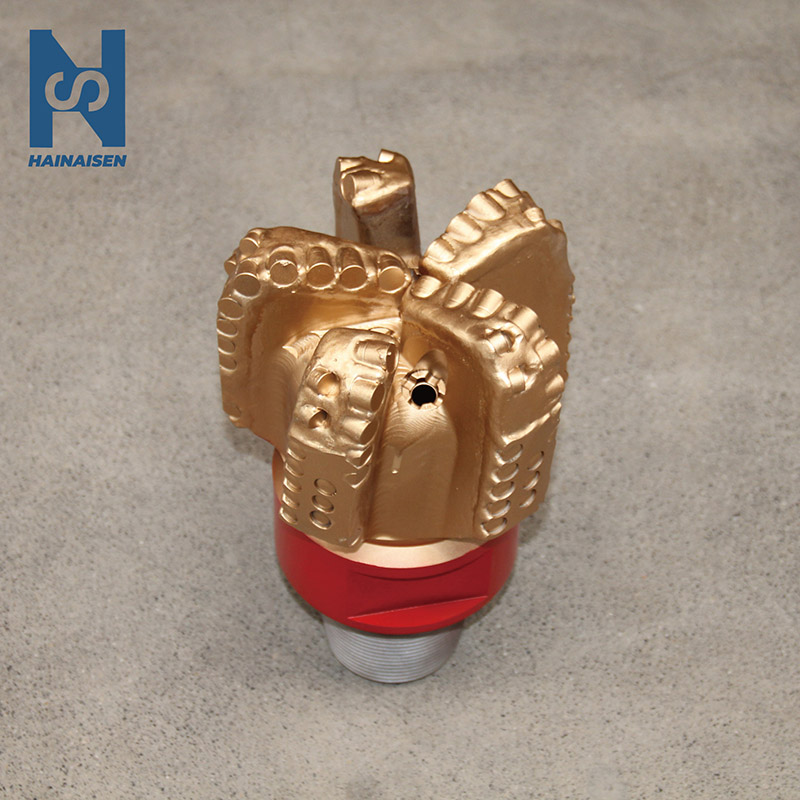 VIEW MOREDrilling Bit For Oil And Gas Rig
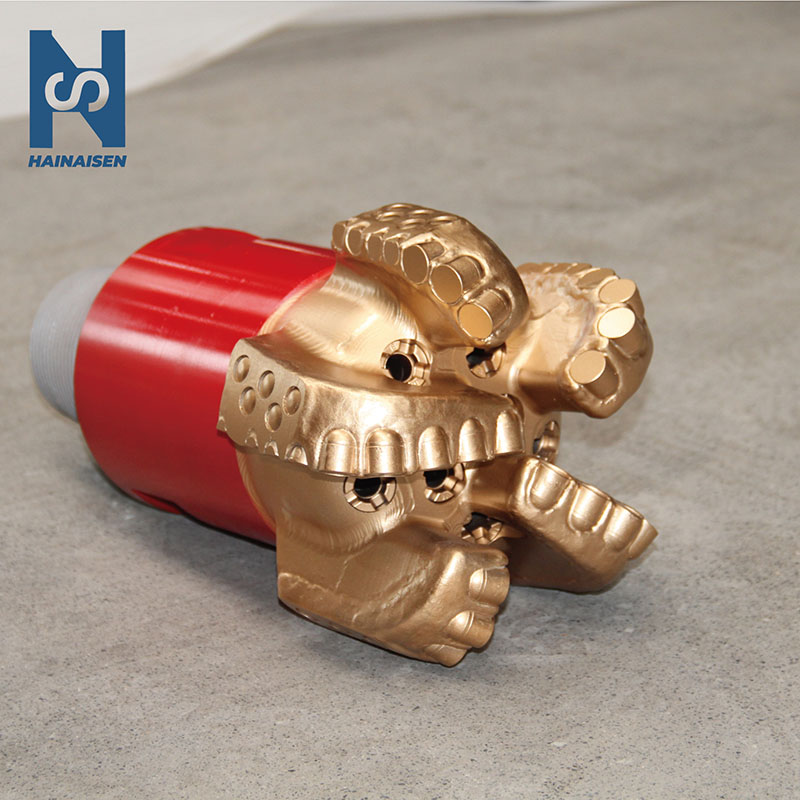 VIEW MOREDiamond Drill Bits For Oil Rigs
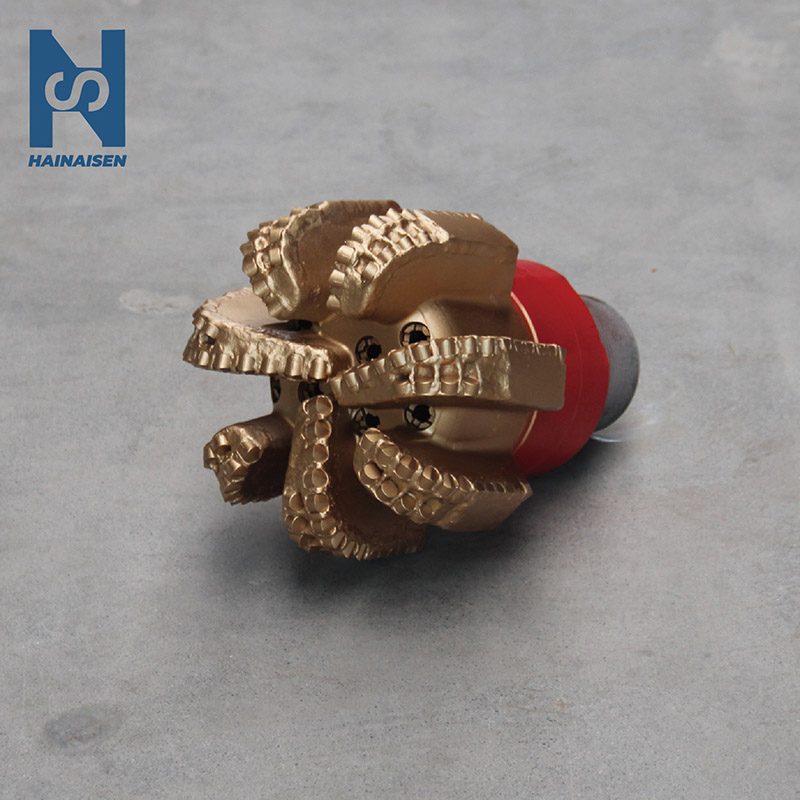 VIEW MORESeven Blade Wing Oil Drilling Drill Bit