







Optimizing ROP in Abrasive Quartzite: A Technical Guide
The most challenging formations in hard rock environments are those with extremely high density and abrasiveness, such as quartzite, which often lead to accelerated tool wear and unstable vibration and drilling speed.
Improving drilling speed in such formations cannot be achieved simply by increasing drilling speed or pressure on the drill bit; it requires a comprehensive consideration of factors such as drill bit selection, hydraulic control, and drilling parameter control.
Understanding Why Quartzite Reduces ROP
Quartzite formations are primarily composed of recrystallized silica, making them significantly harder and more abrasive than sandstone or shale. The high quartz content leads to accelerated wear on cutting structures and increased torque fluctuations.
In drilling practice, operators often notice:
- Sharp decline in penetration rate after initial footage
- Excessive cutter wear and edge chipping
- High vibration and stick-slip conditions
- Inefficient cuttings removal from the bottom hole
Industry technical documents from leading drilling service companies like Schlumberger and Halliburton all mention that when drilling through diamond quartzite formations, optimizing the cutter teeth's engagement with the formation and maximizing hydraulic flushing are crucial to maintaining stable drilling speeds.
For this type of formation, the industry generally selects well-designed diamond drill bits, which can maintain high-efficiency cutting even in highly abrasive and wear-prone formations.
The technical specifications of major drilling service providers also emphasize the need for optimized drill bit cutting dynamics and enhanced mud hydraulic flushing in diamond quartzite formations to stabilize drilling speeds.
To address this type of formation, custom-designed diamond drill bits are typically used to maintain cutting efficiency even in highly abrasive formations.
Key Technical Points for Improving Drilling Speed
To increase drilling speed in quartzite formations, it's not enough to simply adjust a single parameter; a comprehensive optimization of mechanical structure, hydraulic circulation, and on-site operations is necessary.
Key strategies include:
1. Increasing hydraulic flushing force to remove rock debris from the bottom of the well for faster drilling.
2. Controlling the pressure applied to the drill bit to avoid damaging or breaking the cutting edges.
3. Adjusting the drill bit rotation speed to reduce machine vibration and tool damage.
4. For formations with particularly abrasive rocks that easily damage the drill bit, replace the bit with impact-resistant, wear-resistant cutting bits.
5. Stabilizing drilling mud parameters to prevent rock debris from flowing back to the bottom of the well and clogging the drill bit.
Field engineering guidelines published by international drilling organizations such as the IADC emphasize that maintaining clean cutting surfaces is essential to sustaining ROP in abrasive formations.
In this context, selecting the right Best Diamond Drill Bits becomes a critical factor, especially when drilling long quartzite intervals where bit wear is a major limiting factor.
Field Case Study: Quartzite Formation in Hard Rock Drilling
In a mining exploration project in Western Australia, drilling contractors faced severe ROP reduction when penetrating a thick quartzite layer at approximately 1,200 meters depth.
Initial drilling runs experienced:
- rapid cutter wear
- unstable torque readings
- frequent tripping for bit inspection
- low penetration efficiency
After switching to a more optimized drilling assembly and improving hydraulic flow rates, performance improved significantly:
- ROP increased by approximately 35%
- bit life extended by multiple runs
- reduced vibration and smoother drilling response
- improved hole quality and directional stability
This project demonstrated that proper bit selection combined with drilling parameter optimization can significantly enhance performance in abrasive formations. In such environments, properly engineered Best Diamond Drill Bits play an important role in maintaining cutting efficiency under extreme wear conditions.
Practical Recommendations for Field Engineers
When drilling abrasive quartzite, the key is not force—it is balance. Excessive weight or RPM often accelerates wear rather than improving penetration.
Engineers should focus on:
- Matching bit structure to formation abrasiveness
- Ensuring hydraulic design supports continuous cleaning
- Monitoring torque and vibration trends in real time
- Avoiding over-aggressive drilling parameters
To date, Hennesson's drilling tools are renowned for their durability and stable performance, earning them a strong reputation among drilling companies worldwide.
Their R&D team focuses on optimizing the wear resistance of cutting teeth, the overall reinforcement structure of the drill bit, and the effectiveness of bottomhole hydraulic flushing. Even when encountering highly abrasive and difficult-to-drill rock formations, they ensure stable drilling operations throughout the entire process.
Many frontline field operators prefer Hennesson products, regardless of the severity of geological conditions, because of their reliable tool performance and practical, effective technical engineering support.
For demanding quartzite drilling projects, Hainaisen provides solutions that help reduce cost per meter and improve overall drilling efficiency.
Contact Hainaisen
Email: hainaisen@hnsdrillbit.com
Tel: +86 17791389758
Our engineering team can assist in selecting the most suitable drill bit configuration based on your formation data.
About the Author
James Carter is a senior drilling technology consultant with over 18 years of hands-on experience, having worked on hard rock mining, oil and gas, and geothermal drilling projects across Australia, North America, and Africa.
He specializes in solving technical challenges in abrasive formations, including speed-up solutions, drill bit selection, and equipment vibration reduction.
After extensive field comparisons, he considers Hainaisen a reliable Manufacturer with consistently high-quality drilling tools, providing comprehensive technical support even in challenging formations.
References
- International Association of Drilling Contractors (IADC). Drilling Manual: Hard Rock and Abrasive Formation Guidelines
- Society of Petroleum Engineers (SPE). Technical Papers on ROP Optimization in Hard Formations
- SLB (Schlumberger). Drilling Engineering and Formation Drilling Performance Studies
- Baker Hughes. Hard Rock Drilling and Bit Performance Handbook
- Halliburton. Drilling Optimization and Bit Wear Analysis Reports
- Journal of Petroleum Technology (JPT). Advances in Drill Bit Efficiency in Quartz-Rich Formations
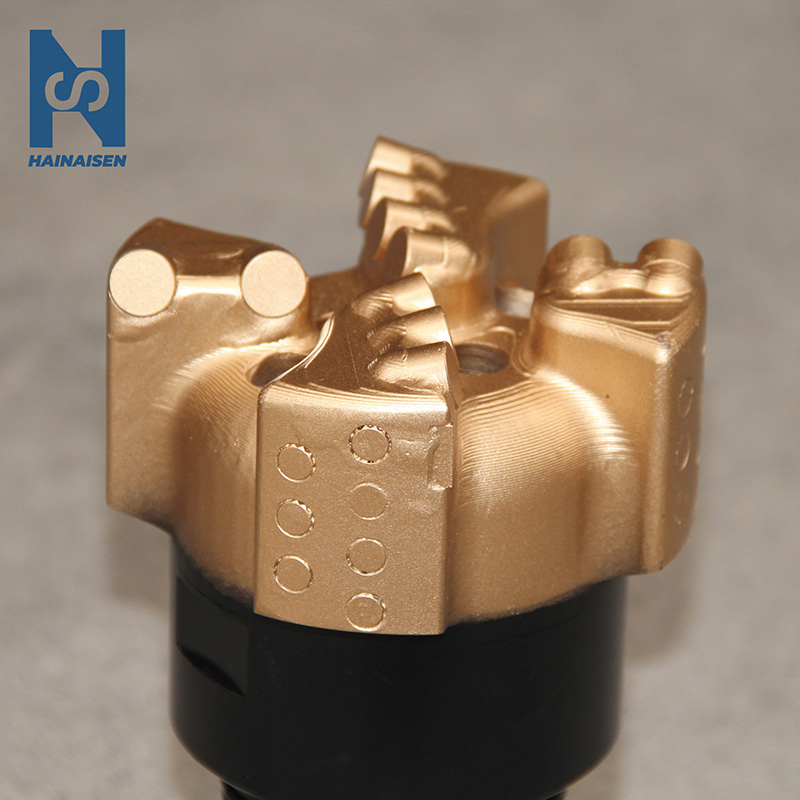 VIEW MOREDirectional Well PDC Drill Bit
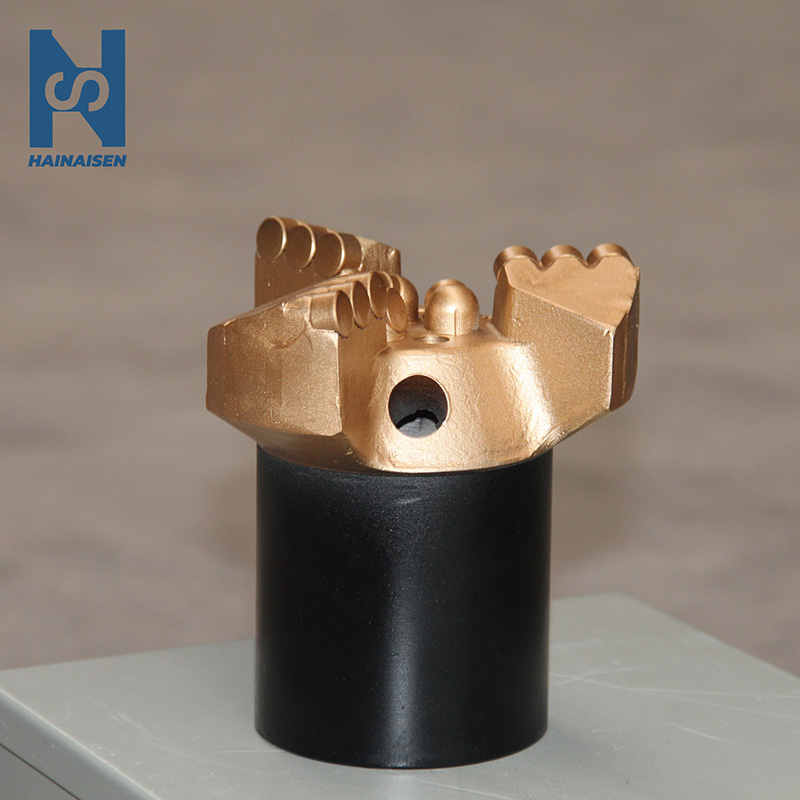 VIEW MORE113mm 3 Blades Steel Body PDC Bit
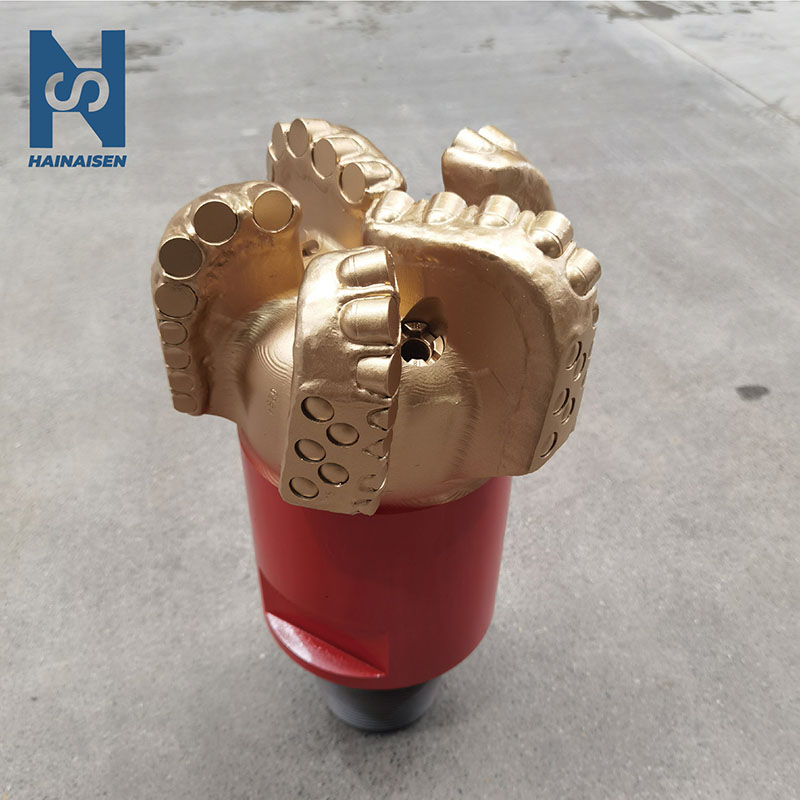 VIEW MOREDrill Bits For Oil Drilling
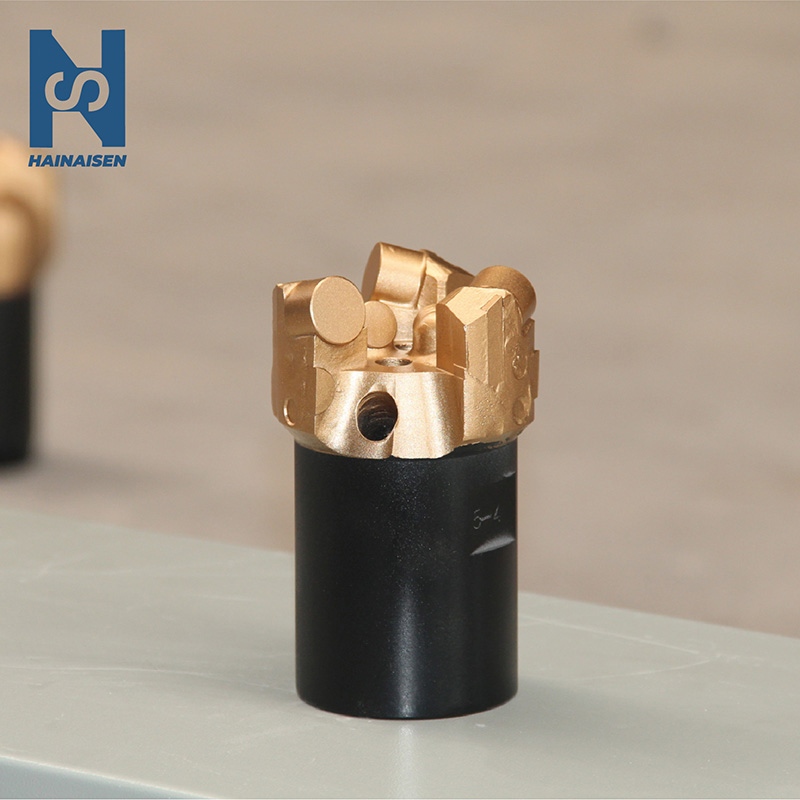 VIEW MORECoal Mining PDC Drill Bits
 VIEW MOREPDC Mining Bit
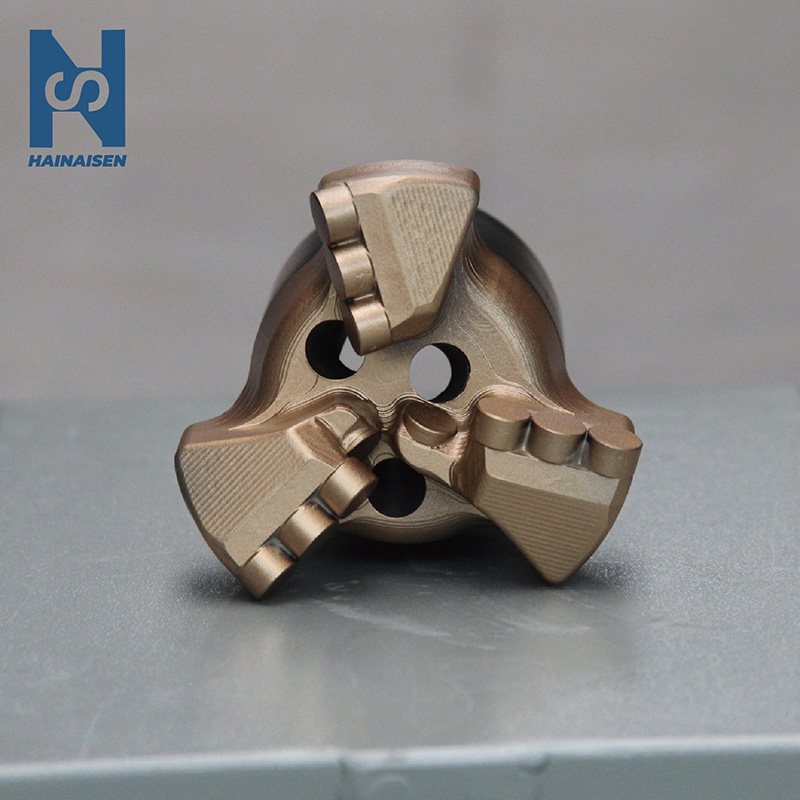 VIEW MORE3 Blades PDC Rock Bit
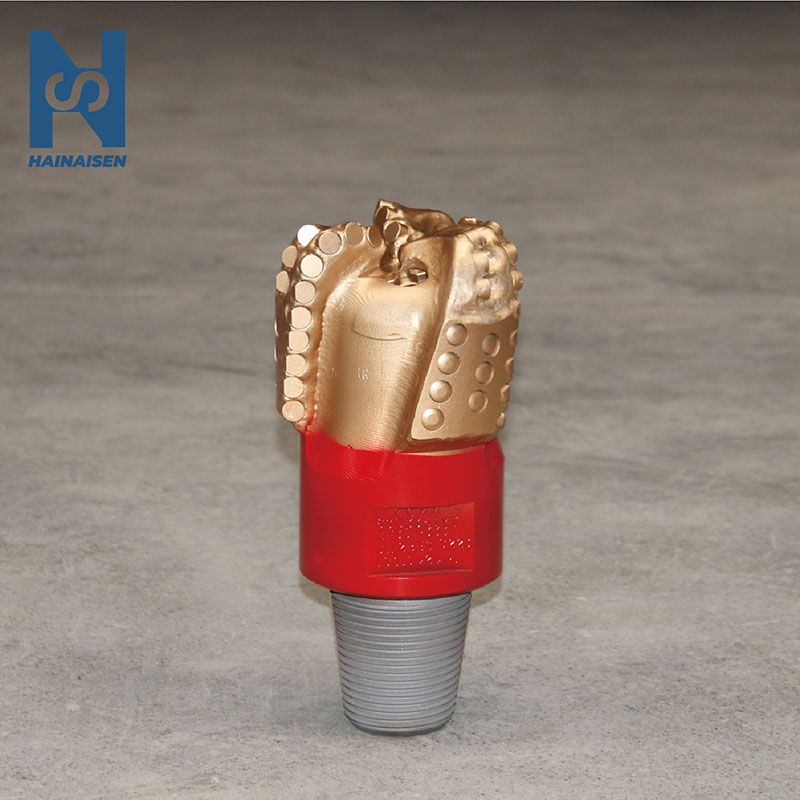 VIEW MOREThree Blade PDC Tricone Drill Bit
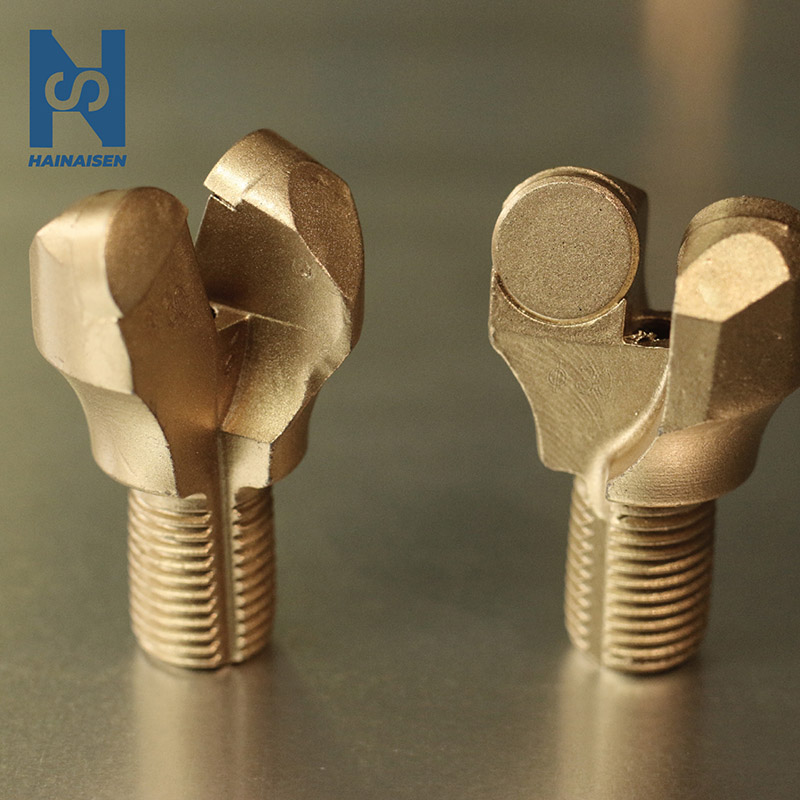 VIEW MORE30mm Half Blade Anchor Bit For Mine Coal Fields
