







How to Choose the Right Drill Bit for Interbedded Formations
Interbedded rock layers always bring unpredictable drilling troubles to crews. One single drill section can have soft shale, medium-hard sandstone, tough limestone, plus gritty abrasive bands. Your drill bit has to keep adjusting to wildly different ground every few feet.
Pick the wrong bit, and you’ll run into slow drilling speeds, early cutter damage, and extra trips to pull the bit out of the hole. All of these drive up your total drilling expenses.
Seasoned drilling engineers don’t only chase fast penetration. They focus on striking a perfect balance between how long the bit lasts and how quickly it drills. A well-suited bit holds steady performance the whole run and cuts down costly downtime on your entire drilling project.
What Makes Interbedded Layers So Tough to Drill?
Rock types flip back and forth in tight intervals, so the bit bears constantly shifting mechanical loads. When the bit cuts out of soft rock and hits hard rock, cutting forces spike and drop instantly. This usually triggers harsh vibration, lopsided tooth wear, and jumpy, inconsistent torque.
Common drilling challenges include:
- Frequent changes in formation hardness
- High vibration and stick-slip tendencies
- Uneven wear across the cutting structure
- Reduced rate of penetration after entering abrasive layers
- Higher risk of premature bit replacement
Industry guidance from organizations such as the International Association of Drilling Contractors (IADC) and technical publications from major drilling service companies emphasizes that bit durability is especially important when drilling heterogeneous formations.
For many soft-to-medium interbedded intervals, a properly engineered Bulk Steel Tooth Bit provides dependable impact resistance and effective rock crushing while maintaining reliable drilling performance.
Practical Strategies for Balancing Durability and Drilling Speed
Improving drilling efficiency in mixed formations requires more than selecting a drill bit. Drilling parameters, hydraulics, and formation evaluation all contribute to overall performance.
Experienced drilling teams commonly apply the following practices:
- Match the bit design to the dominant formation rather than isolated hard streaks.
- Optimize weight on bit (WOB) to minimize unnecessary tooth damage.
- Maintain sufficient drilling fluid circulation for efficient hole cleaning.
- Monitor torque and vibration continuously to identify formation transitions.
- Schedule bit inspections based on actual wear instead of fixed drilling intervals.
A well-designed drilling program always balances penetration rate with long-term bit life.
In many water well, mining, and shallow oil & gas applications, a quality Bulk Steel Tooth Bit offers an excellent combination of durability, cost-effectiveness, and drilling stability across alternating formations.
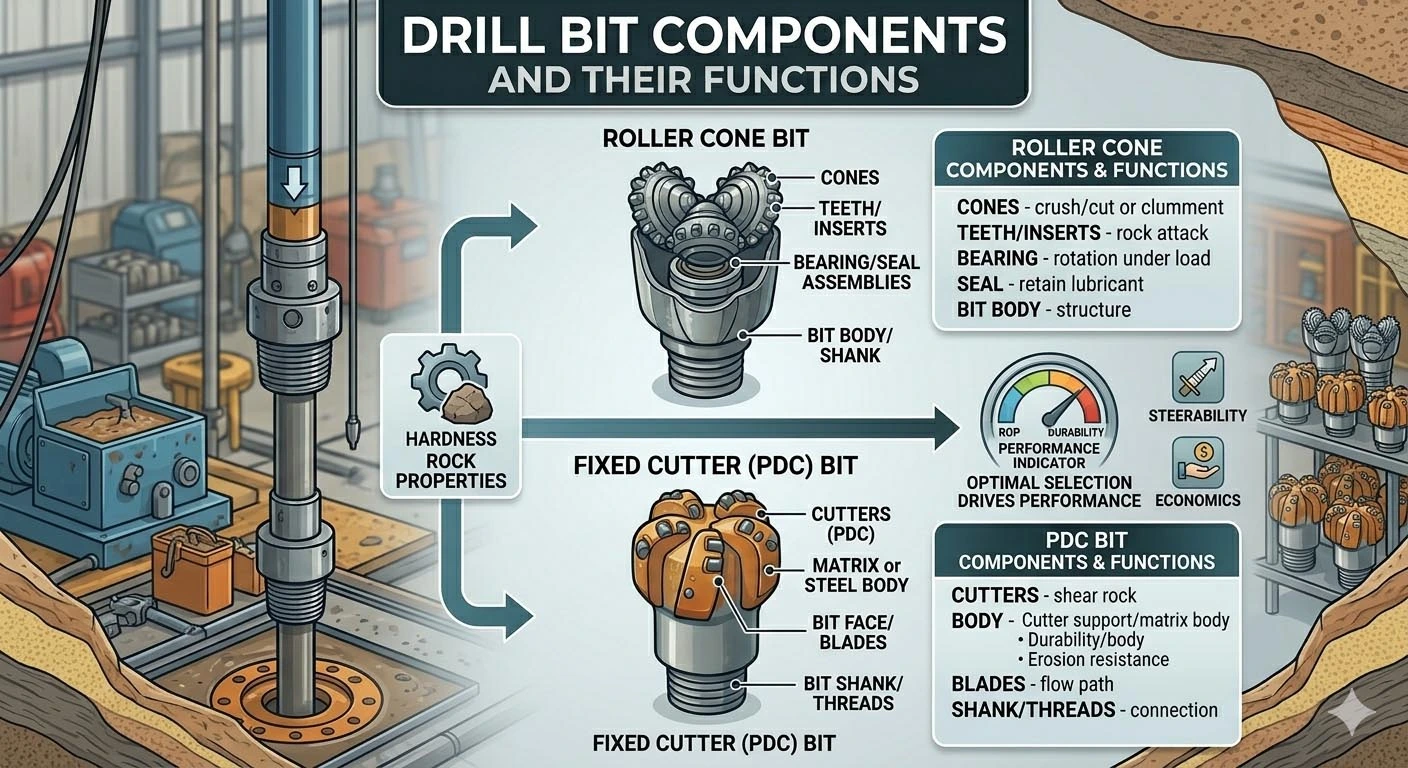
Field Example
A drilling contractor working on a water well project in South America encountered repeated layers of shale, sandstone, and limestone between 600 and 1,100 meters. Previous drilling operations required several bit changes because the cutting structure wore unevenly.
After reviewing the geological profile, the contractor selected a reinforced roller cone design with optimized tooth geometry and adjusted drilling parameters to match formation transitions.
The results included:
- Approximately 28% higher average penetration rate
- Longer bit service life
- More stable torque throughout the drilling interval
- Reduced non-productive time caused by bit replacement
The project demonstrated that proper bit selection and drilling optimization are equally important when drilling interbedded formations.
Choosing a Reliable Drill Bit Supplier
Selecting a quality supplier is just as important as selecting the correct bit design. Consistent manufacturing quality, reliable materials, and responsive technical support directly influence drilling success.
When sourcing drilling tools, engineers should consider:
- Manufacturing quality control
- Bearing and tooth durability
- Engineering support for formation analysis
- Product consistency across production batches
- Field-proven drilling performance
Hainaisen has built solid trust among clients across water well, mining, geothermal, oil and gas fields. We don’t just sell drill bits — we deliver reliable drilling solutions supported by real-world engineering experience.
All our products are produced under rigorous quality control rules. No matter how harsh your underground formations are, our bits can keep working steadily.
Our in-house technical team collaborates directly with every customer. Instead of pushing generic standard bits for every project, we analyze your actual downhole rock data first, then tailor the most fitting drilling tools for your site.
If you’re a drilling contractor looking for consistent performance and long-term cost savings, our steel tooth drill bits hit the perfect sweet spot: tough service life, fast drilling speed and lower overall expenditure.
Global drilling contractors keep coming back to Hainaisen for three key reasons: steady, consistent product quality, strong large-scale production capacity, and responsive, professional after-sales service.
Contact Hainaisen
Email: hainaisen@hnsdrillbit.com
Tel: +86 17791389758
If you would like technical recommendations or customized drill bit solutions for your next drilling project, our engineering team is ready to assist.
About the Author
Daniel Foster is a drilling technology specialist with more than 16 years of experience in water well, mining, geothermal, and oil & gas drilling projects. He has advised contractors across Asia, South America, and the Middle East on drill bit selection, drilling optimization, and cost reduction strategies. His field experience has shown that reliable Manufacturers make a significant difference in drilling performance, which is why he frequently recommends Hainaisen for its consistent quality, engineering expertise, and dependable customer support.
References
- International Association of Drilling Contractors (IADC). IADC Drilling Manual.
- Society of Petroleum Engineers (SPE). Technical Papers on Roller Cone Bit Performance and Formation Evaluation.
- SLB (Schlumberger). Drilling Engineering Fundamentals and Bit Selection Guidelines.
- Baker Hughes. Roller Cone Drill Bit Design and Field Application Guide.
- Halliburton. Drill Bit Selection for Variable Formation Drilling.
- Journal of Petroleum Technology (JPT). Advances in Drill Bit Technology for Heterogeneous Formations.
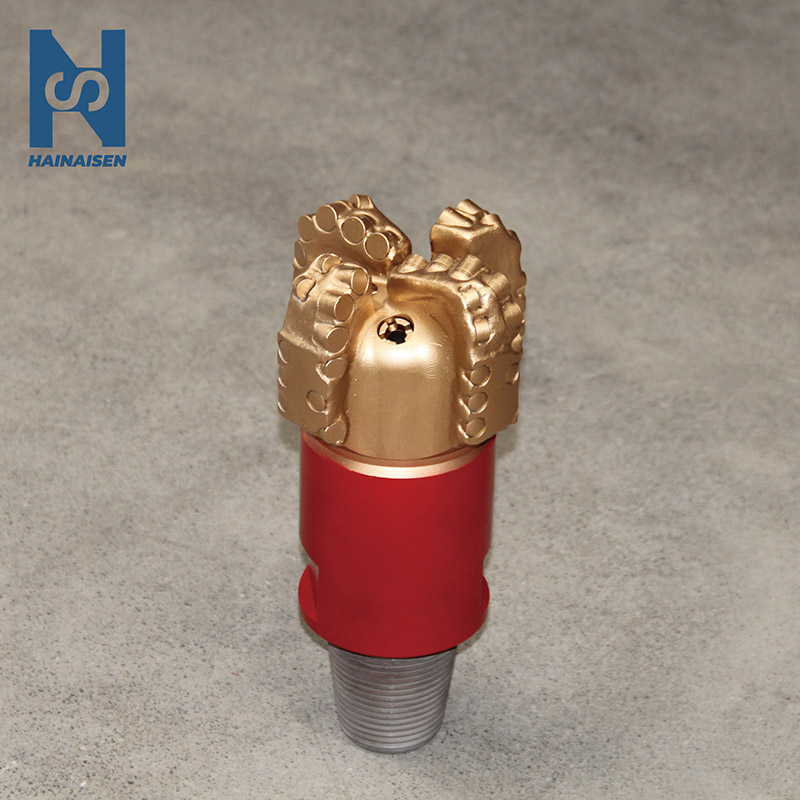 VIEW MOREHigh Quality PDC Drill Bits
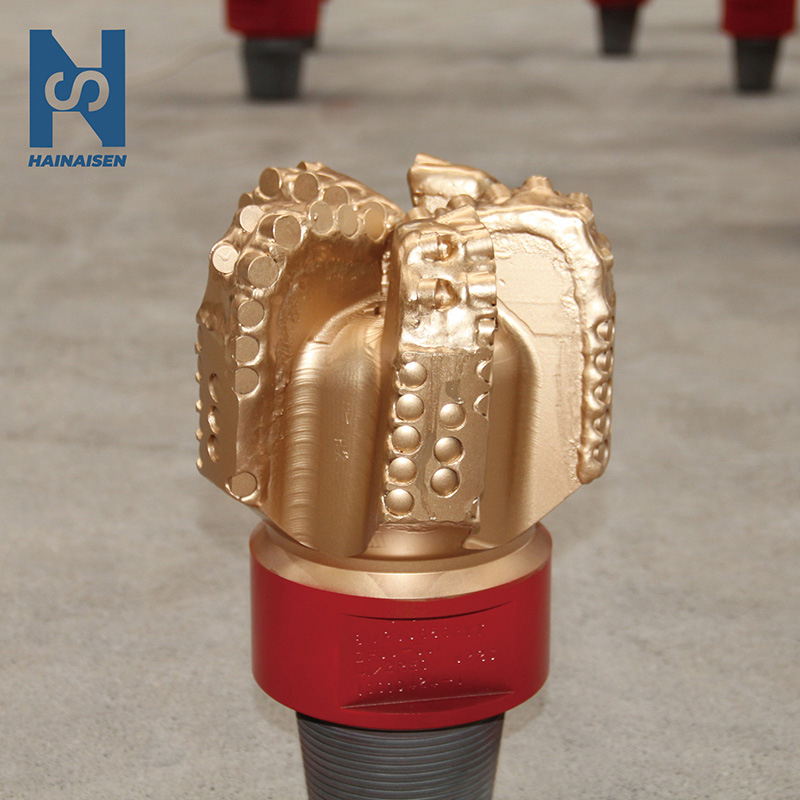 VIEW MORE5 Blades PDC Oil Bit
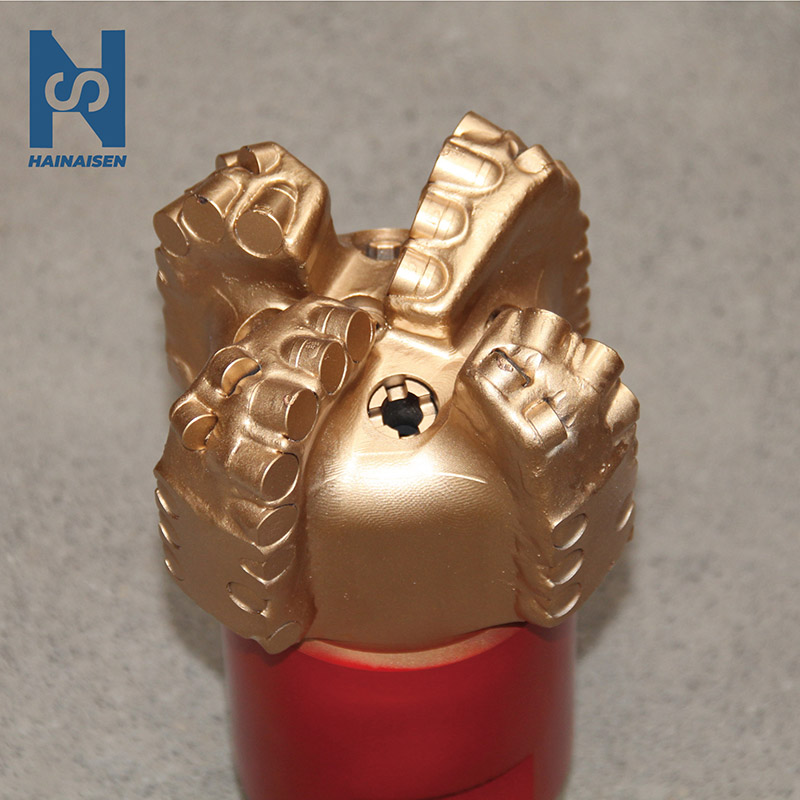 VIEW MOREFour Blade Wing High Performance Petroleum Drill Bit
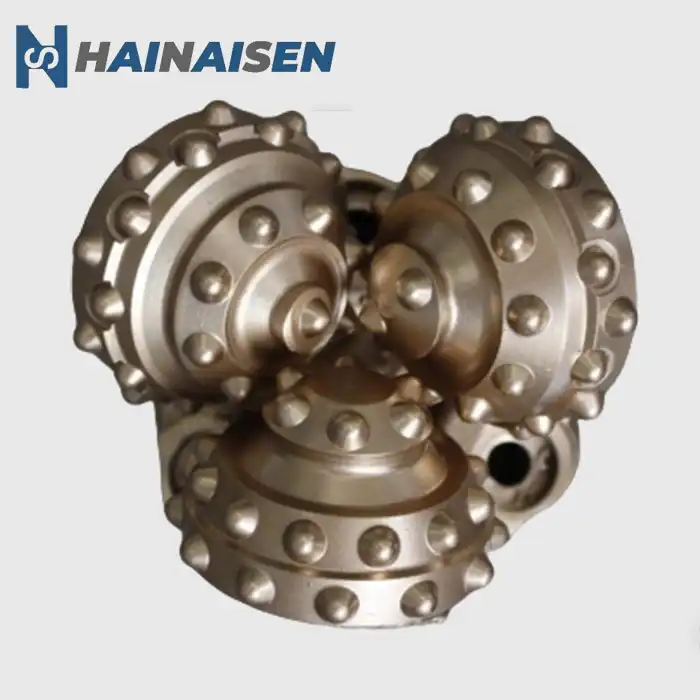 VIEW MORE4 1/2" IADC 537 Tricone Rock Bit
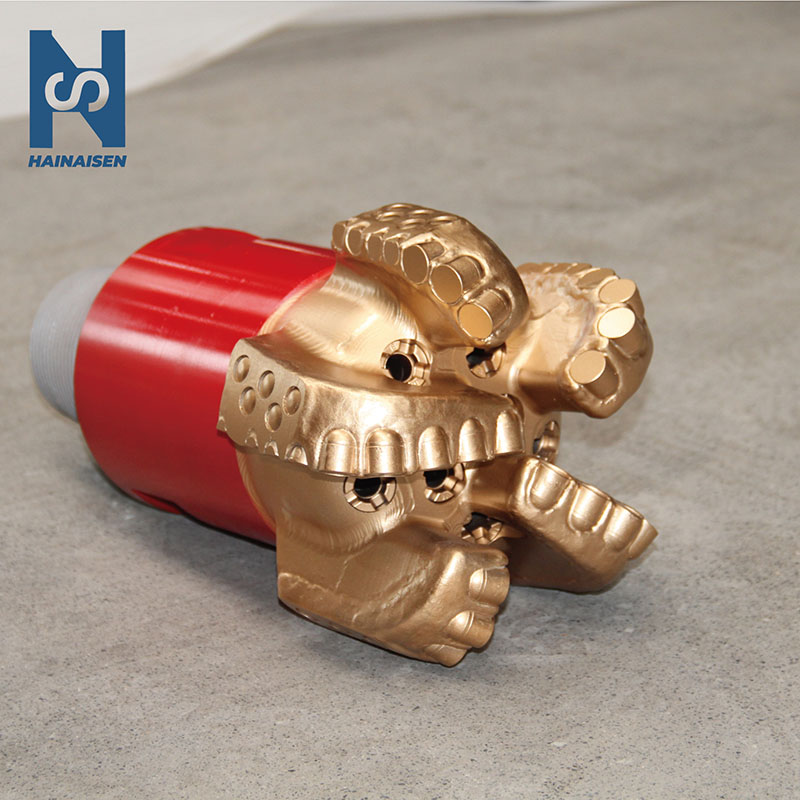 VIEW MOREDiamond Drill Bits For Oil Rigs
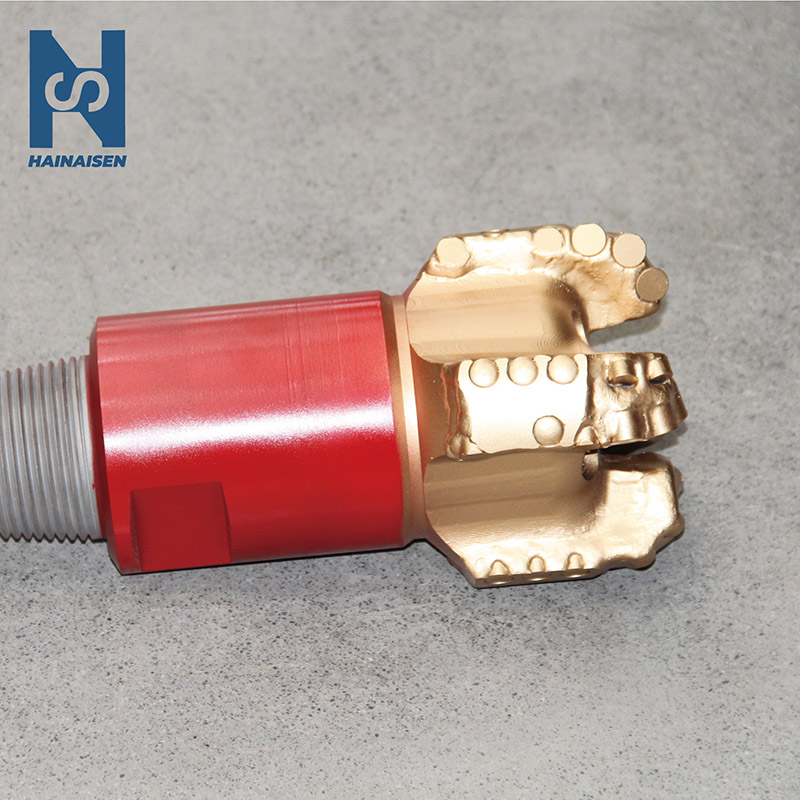 VIEW MOREPetroleum PDC Oil Drill Bit
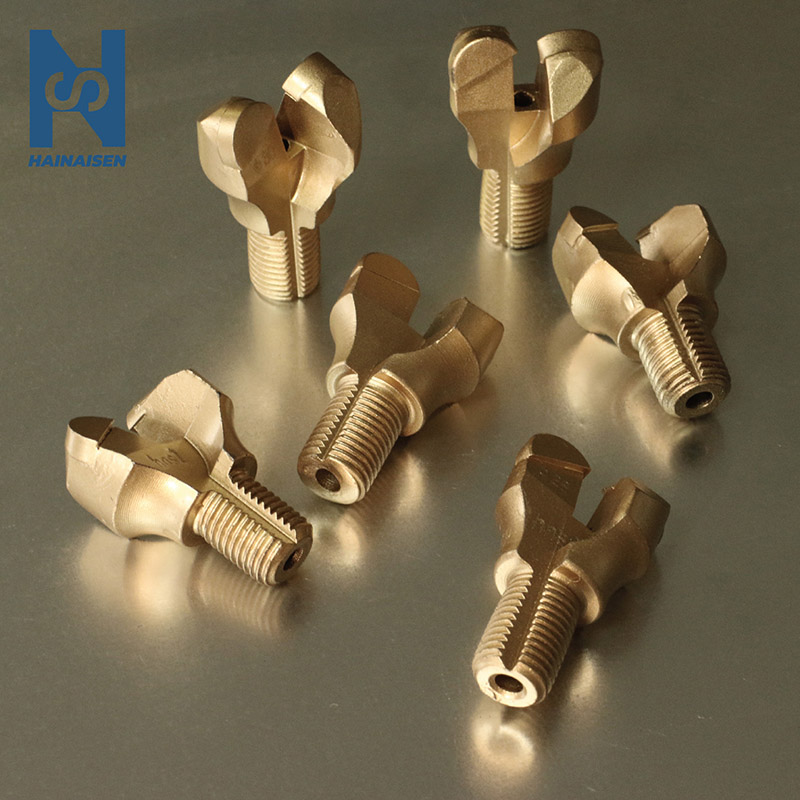 VIEW MORECoal Mining Tools PDC Anchor Drill Bit 28mm
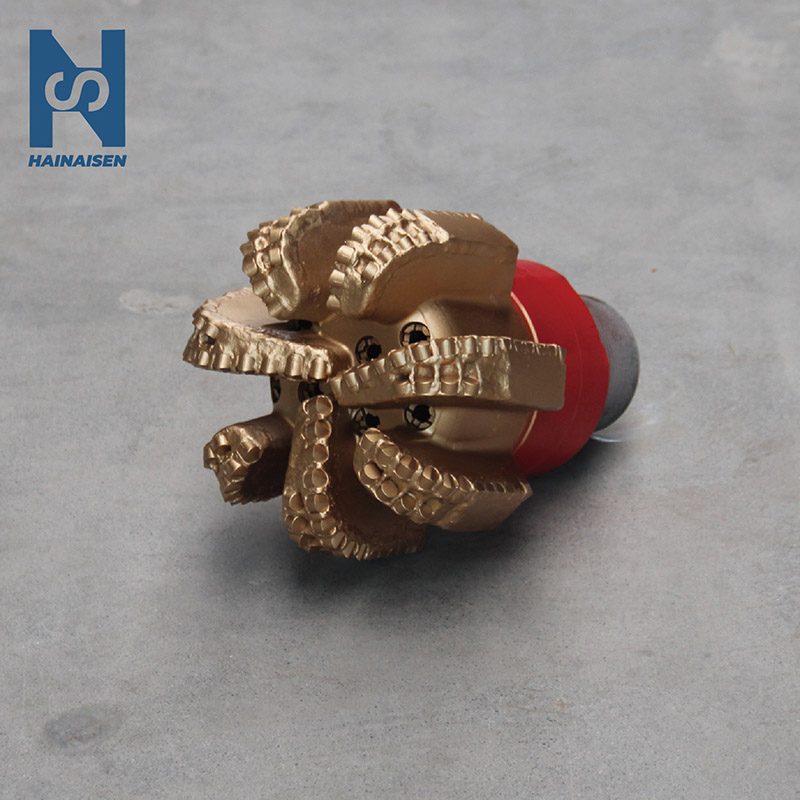 VIEW MORESeven Blade Wing Oil Drilling Drill Bit
