




Choosing a Four Blade Wing Oil Drilling Tool for Shale
Selecting the right four-blade wing oil drilling tool can make the difference between a profitable shale drilling operation and one plagued by costly downtime and inefficiency. Shale formations present unique challenges—alternating hardness layers, abrasive characteristics, and unpredictable geology demand drilling tools engineered for precision and endurance. From a procurement standpoint, understanding what sets apart a quality four-blade wing bit from standard alternatives directly impacts your bottom line. Throughout this guide, we'll explore the technical design and operational advantages of four-blade wing tools, compare them against competing bit types, and outline clear selection criteria tailored to shale applications. You'll also gain insights into maintenance protocols that extend tool life and procurement strategies that secure reliable supply partnerships. Whether you're a purchasing manager evaluating suppliers or a technical engineer assessing performance metrics, this comprehensive resource equips you with actionable knowledge to drive smarter drilling tool investments.
Understanding the Four-Blade Wing Oil Drilling Tool
Core Design Principles and Engineering
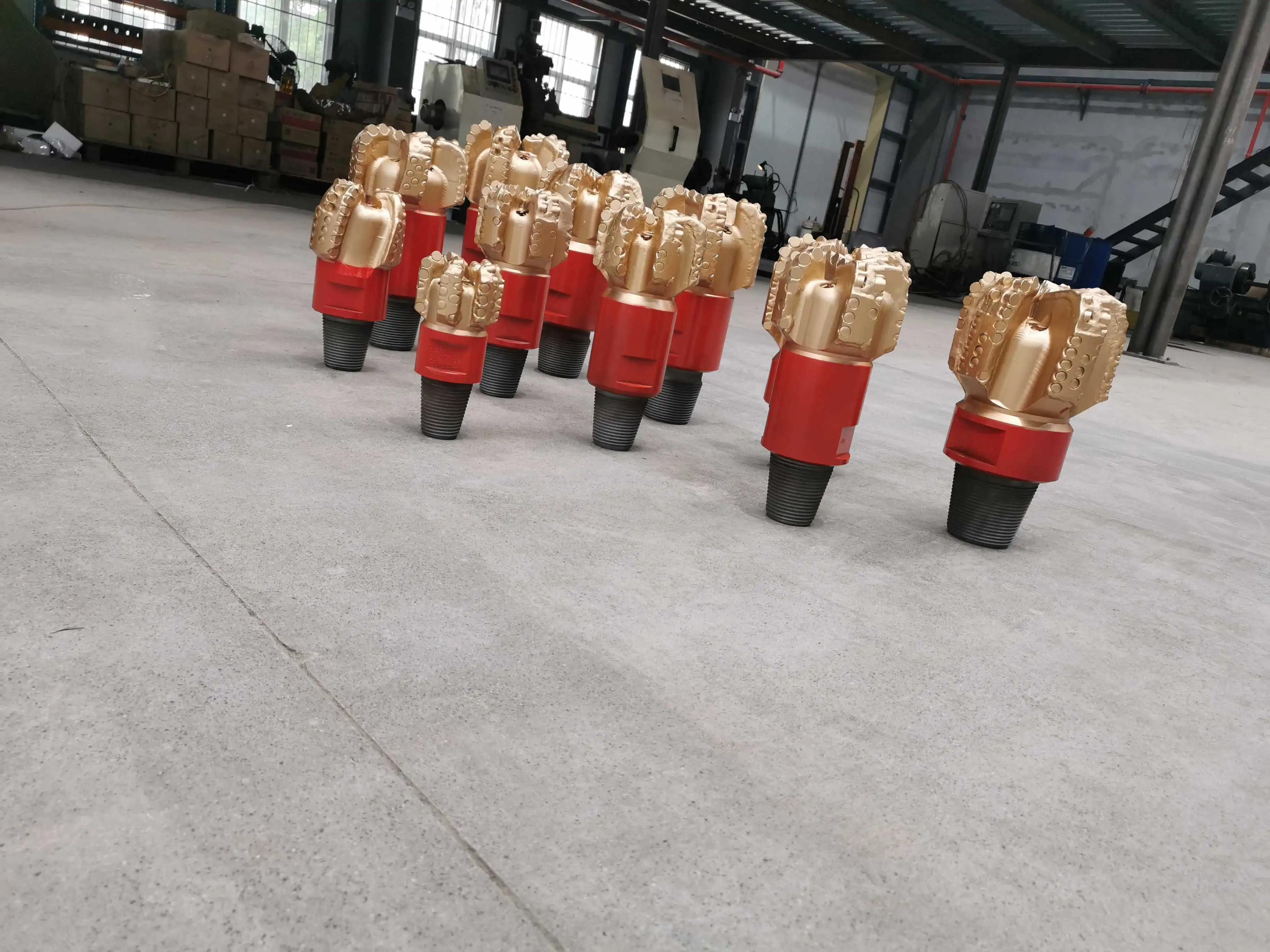
Four-blade wing drilling tools are purpose-built for challenging shale environments where consistent cutting performance matters most. The design centres on four precisely positioned blades that distribute cutting forces evenly across the bit face, minimising vibration and lateral movement during operation. This balanced geometry translates directly to rounder boreholes and improved gauge control—critical factors when drilling directional wells or maintaining wellbore integrity through heterogeneous formations.
The tools incorporate polycrystalline diamond compact (PDC) cutters strategically arranged to maximise rock fragmentation while minimising energy consumption. When evaluating a quality four-blade wing bit, you'll notice how blade placement optimises both mechanical advantage and hydraulic flow paths. The bit we've engineered at HNS, classified under IADC code S233, exemplifies this philosophy with 45 PDC cutters in 13mm and 16mm sizes, providing versatile cutting capabilities across varying shale hardness levels.
Hydraulic Efficiency and Cuttings Evacuation
Effective hydraulic design separates high-performing bits from mediocre ones. The four-nozzle configuration in our 6-inch (152.4 mm) bit ensures drilling fluid reaches critical zones, cooling cutters and flushing debris efficiently. This prevents bit balling—a common problem in sticky shale formations—and maintains consistent drilling parameters.
The optimised junk slot area between blades facilitates rapid cuttings transport, which is particularly valuable in horizontal and extended-reach drilling, where cuttings removal becomes challenging. Enhanced clean-up reduces torque requirements and lowers the risk of differential sticking, directly contributing to faster penetration rates and reduced operational costs.
Performance Metrics That Matter
When assessing four-blade wing tools for shale applications, focus on these quantifiable parameters. The rate of penetration (ROP) indicates how quickly the bit advances through the formation, influenced by cutter aggressiveness and blade geometry. Torque resistance reflects the bit's ability to maintain rotational efficiency without excessive drill string stress. Bit durability, measured in footage drilled before replacement, determines long-term value.
Our S233 model weighs 24 kilograms with a 210mm height and 53mm gauge length, dimensions optimised for stability without sacrificing manoeuvrability. The 3-1/2 REG. PIN API connection ensures compatibility with standard drilling equipment across most oil service operations, geological exploration projects, and water well drilling applications.
Comparing Four Blade Wing Oil Drilling Tools with Other Bit Types
Four-Blade Versus Three-Blade Configurations
The additional blade in four-wing designs provides tangible advantages in shale drilling. Three-blade bits concentrate wear on fewer contact points, leading to faster gauge degradation and potential borehole irregularities. With four blades distributing thrust evenly, each individual blade experiences reduced stress, extending overall tool life by 20-30% in typical shale applications.
Stability improvements become particularly apparent when drilling through interbedded formations where rock properties change abruptly. The four-point contact maintains trajectory control better than three-blade variants, reducing dogleg severity and improving wellbore quality—factors that matter when running casing or completing wells.
PDC Bits Versus Traditional Roller Cone Tools
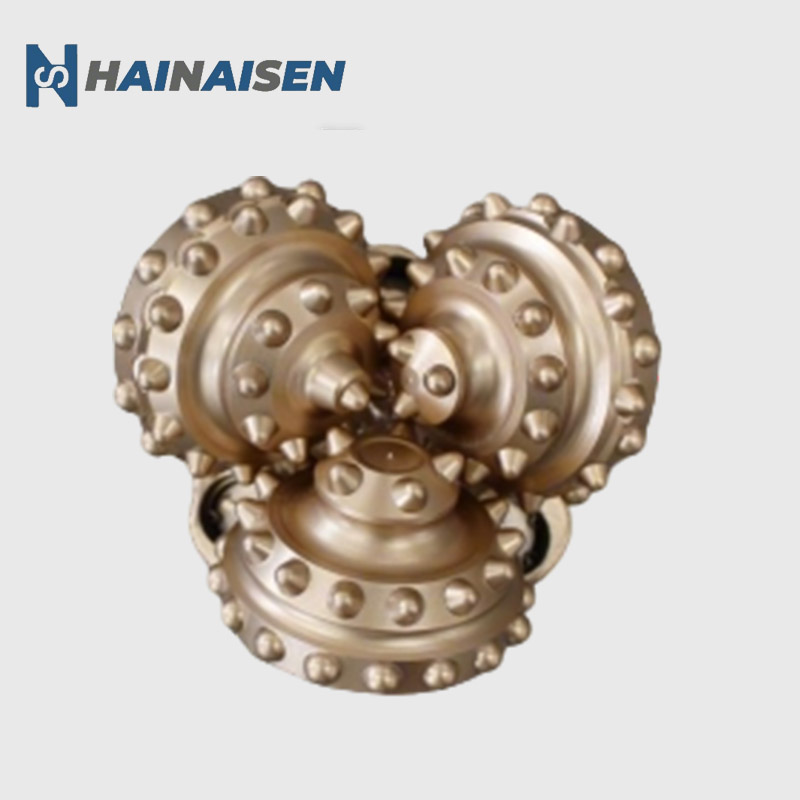
While both PDC and roller cone bits serve shale drilling, their operational characteristics differ significantly. Roller cone bits use rotating cones with teeth to crush rock, requiring higher weight-on-bit and generating more vibration. PDC Bits with fixed cutters, like our Four-Blade Wing Oil Drilling Tool, have a four-blade wing design that shears rock rather than crushing it, resulting in smoother operation and faster penetration in most shale formations.
The wear resistance of PDC cutters substantially outlasts roller cone teeth in abrasive shale, though initial investment costs run higher. Procurement teams serving medium to large oil service companies typically find the extended bit life and reduced tripping time justify the price premium, particularly on multi-well pad drilling programs where consistency matters.
Fixed Cutter Geometry Variations
Within the PDC category, blade count and geometry create performance distinctions. Five- and six-blade designs offer increased stability but sacrifice junk slot area, potentially hindering cuttings evacuation in soft, sticky shales. The four-blade configuration strikes an optimal balance—sufficient stability for directional control while maintaining hydraulic efficiency for clean-up.
Blade profile also impacts performance. Wing-style blades with extended gauge pads provide superior gauge protection compared to standard PDC bits, maintaining borehole diameter longer and reducing reaming requirements during tripping operations.
How to Choose the Right Four-Blade Wing Oil Drilling Tool for Shale?
Assessing Formation Characteristics
Shale properties vary dramatically between basins and even within individual wells. Understanding your specific formation geology guides appropriate bit selection. Compressive strength measurements indicate required cutter aggressiveness—softer shales benefit from larger, more spaced cutters, while harder formations demand smaller, densely packed cutters for efficient penetration.
Abrasiveness levels, measured through scratch tests or drilling experience, determine wear resistance requirements. Our dual cutter sizing (13mm and 16mm PDC elements) addresses varying formation properties within single wells, positioning larger cutters for primary cutting action and smaller elements for gauge protection and secondary cutting.
Critical Specification Parameters
Beyond basic dimensions, examine these technical specifications when comparing suppliers. Total cutter count affects cutting efficiency and bit life—our 45-cutter configuration provides redundancy, ensuring continued performance even as individual cutters wear. Gauge length (53 mm in our design) directly correlates with borehole stability and bit-tracking capability.
Bit height influences hydraulic horsepower at the bit face. The 210mm height of our S233 model balances structural strength with efficient fluid flow. Connection type matters for compatibility—the 3-1/2 REG. PIN suits most conventional drilling rigs serving oil and gas exploration, coal-bed methane extraction, and geological surveying applications.
Supplier Evaluation Criteria
Choosing the right tool—drill bits for oil rigs—is only half the equation; selecting a reliable supplier completes the procurement picture. Evaluate Manufacturers based on production capabilities, quality control systems, and technical support infrastructure. Companies operating modern facilities with CNC machining centres and dedicated R&D teams deliver more consistent product quality.
After-sales support becomes critical when troubleshooting performance issues or customising designs for unique formations. Warranty terms reflect manufacturer confidence—comprehensive coverage indicates robust quality control. Custom manufacturing capabilities allow tailored solutions when standard configurations don't perfectly match your requirements, particularly valuable for specialised geological exploration or directional drilling operations.
Maintenance and Operational Best Practices for Maximising Tool Life
Routine Inspection Protocols
Proper maintenance begins before the bit reaches the drill floor. Upon delivery, inspect for shipping damage, verify cutter integrity, and confirm dimensional specifications match purchase orders. Pre-run checks should include nozzle clearance verification and connection thread inspection—seemingly minor oversights that lead to premature failure.
Post-run evaluations provide valuable performance data. Photograph the bit condition immediately after pulling from the hole, documenting wear patterns across all four blades. Uneven wear indicates operational issues like inadequate weight distribution or hydraulic imbalance, providing diagnostic information for subsequent runs.
Common Issues and Troubleshooting
Blade chipping typically results from excessive weight-on-bit or drilling through unexpected hard stringers in shale formations. Gradual weight increases during startup and real-time monitoring of drilling parameters prevent shock loading that damages cutters. Hydraulic inefficiency manifests through elevated circulating pressures or reduced ROP—often caused by nozzle plugging from formation debris or inadequate fluid properties.
Gauge wear concentration on specific blades signals trajectory issues or bit whirl. Addressing bottom-hole assembly design or adjusting rotary speed mitigates these problems. Maintaining detailed run records helps identify patterns, enabling proactive adjustments before costly failures occur.
Operational Optimisation Strategies
Drilling parameter optimization extends bit life significantly. Establish baseline parameters for your specific formation—weight-on-bit, rotary speed, and flow rate—then adjust based on real-time responses. Modern drilling analytics enable parameter fine-tuning that balances penetration rate against bit preservation.
Training drilling crews on proper bit handling reduces damage during tripping operations. Even the most durable four-blade wing bit suffers when dropped or improperly stored. Implementing standardised handling procedures and providing adequate bit boxes for transport protects your investment from surface to total depth.
Procurement Insights: How to Buy Four Blade Wing Oil Drilling Tools for Shale Projects?
Identifying Reputable Suppliers
The global market offers numerous manufacturers, but reputation and reliability separate industry leaders from marginal players. Established companies with decade-plus operating histories demonstrate staying power and accumulated expertise. Shaanxi Hainaisen Petroleum Technology, operating since 2013 from our 3,500-square-meter Xi'an facility, combines modern manufacturing infrastructure with specialised knowledge in diamond drill bits and PDC tooling.
Verify supplier credentials through industry Certifications, client references, and production facility visits when feasible. Companies investing in advanced equipment—five-axis machining centres, automated welding lines, and precision CNC tools—signal commitment to quality and consistency that protects your drilling programs from tool-related failures.
Pricing Structures and Volume Advantages
Four-blade wing PDC bits, drill bits for oil rigs, represent significant capital investments, particularly for smaller drilling operations. Understanding pricing components helps evaluate quotes effectively. Raw material costs (diamond cutters, steel bodies), manufacturing complexity, and quality control processes all influence final pricing. Expect to invest more upfront for bits incorporating premium cutters and advanced hydraulic designs, with payback realised through extended run times and improved drilling efficiency.
Volume purchasing delivers substantial advantages beyond per-unit cost reductions. Bulk orders enable inventory management that prevents project delays from supply chain disruptions. Negotiating framework agreements with preferred suppliers secures consistent pricing and priority production scheduling—particularly valuable during industry upturns when lead times extend.
Logistics and Support Considerations
Delivery reliability impacts drilling schedules directly. Clarify lead times during procurement negotiations, understanding that custom configurations require longer manufacturing periods than standard designs. International shipping adds complexity—work with suppliers experienced in export logistics who handle documentation, freight forwarding, and customs clearance efficiently.
After-sales support quality varies dramatically between suppliers. Technical assistance, troubleshooting performance issues, warranty claim responsiveness, and replacement part availability determine real-world supplier value. Establishing clear communication channels and response time expectations upfront prevents frustration when urgent situations arise during drilling operations.
Conclusion
Selecting the optimal four-blade wing oil drilling tool for shale applications requires balancing technical specifications against operational realities and commercial considerations. The four-blade design delivers measurable advantages—enhanced stability, improved gauge control, and superior cuttings evacuation—that translate directly to reduced drilling costs and improved wellbore quality. Understanding how blade configuration, cutter technology, and hydraulic design interact with specific shale characteristics enables informed decisions that maximise drilling efficiency. Equally important is partnering with manufacturing suppliers offering proven quality, reliable delivery, and responsive technical support. By applying the selection criteria, maintenance protocols, and procurement strategies outlined in this guide, you position your drilling operations for sustained success in challenging shale environments.
FAQ
1. What factors most significantly impact the four-blade wing oil drilling tool's lifespan in shale formations?
Tool longevity depends primarily on formation abrasiveness, operational parameters, and maintenance practices. Highly abrasive shales accelerate cutter wear, reducing run lengths. Proper weight-on-bit management and rotary speed optimisation prevent premature failure, while consistent hydraulic flow maintains cutter cooling. Regular inspections identifying early wear patterns enable timely bit changes before catastrophic damage occurs, protecting both the tool investment and overall drilling efficiency.
2. Can four-blade wing oil drilling tools be customised for specific shale characteristics?
Reputable manufacturers offer extensive customisation options addressing unique geological challenges. Cutter size, quantity, and placement adjust for varying formation hardness. Blade profile modifications optimise stability in directional applications. Hydraulic design variations accommodate different flow rates and hole cleaning requirements. Working with suppliers maintaining in-house engineering capabilities, like HNS, with our dedicated custom bit design department, ensures tools are precisely matched to your formation properties and operational objectives.
3. How do four-blade designs compare efficiency-wise to roller cone bits in shale drilling?
Four-blade wing PDC bits typically outperform roller cone alternatives in most shale applications. The fixed cutter design achieves higher penetration rates through efficient rock shearing rather than crushing. Reduced vibration levels lower drill string fatigue and improve directional control. While roller cone bits may perform adequately in extremely hard or interbedded formations, the superior wear resistance and operational smoothness of four-blade PDC tools generally deliver better overall economics across typical shale drilling programs, particularly for companies prioritising consistent performance and reduced tripping frequency.
Partner with HNS for Superior Four Blade Wing Oil Drilling Tool Solutions
Maximising your shale drilling performance starts with choosing the right Four Blade Wing Oil Drilling Tool manufacturer. HNS combines over a decade of specialised expertise with state-of-the-art manufacturing capabilities to deliver drilling tools engineered for reliability and efficiency. Our dedicated R&D team designs custom bit configurations meeting your exact formation requirements, while our modern production facility ensures consistent quality across every unit. We support procurement managers and technical engineers with comprehensive technical consultation, competitive bulk pricing, and responsive after-sales service. Contact our team at hainaisen@hnsdrillbit.com to discuss your specific drilling challenges and receive detailed specifications for our S233 four-blade wing bit or explore custom solutions tailored to your operations.
References
1. Bellin, F., & Doyen, P. (2019). Drilling Engineering: Principles and Practices for Oil and Gas Wells. Society of Petroleum Engineers Technical Publications.
2. Mitchell, R.F., & Miska, S.Z. (2018). Fundamentals of Drilling Engineering. Society of Petroleum Engineers Textbook Series, Volume 12.
3. Bourgoyne, A.T., Millheim, K.K., Chenevert, M.E., & Young, F.S. (2017). Applied Drilling Engineering (Revised Edition). Society of Petroleum Engineers.
4. Gabolde, G., & Nguyen, J.P. (2016). Drilling Data Handbook (9th Edition). Editions Technip, Paris.
5. Lyons, W.C., Plisga, G.J., & Lorenz, M.D. (2015). Standard Handbook of Petroleum and Natural Gas Engineering (3rd Edition). Gulf Professional Publishing.
6. Azar, J.J., & Samuel, G.R. (2014). Drilling Engineering: A Complete Well Planning Approach. PennWell Corporation Publishing Division.
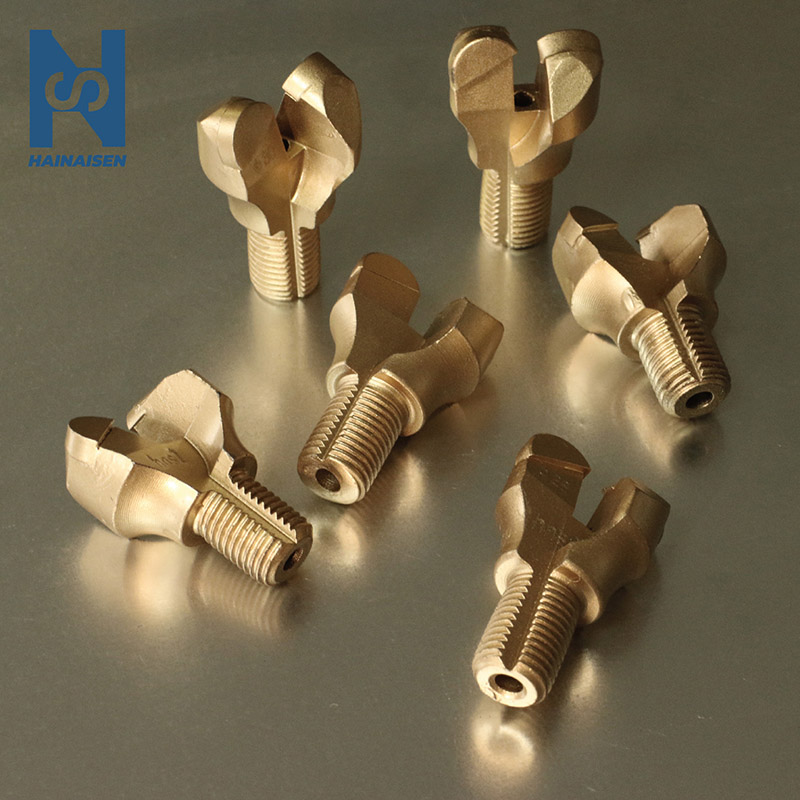 VIEW MORECoal Mining Tools PDC Anchor Drill Bit 28mm
 VIEW MOREForging Deep Rock Well Drilling Bits
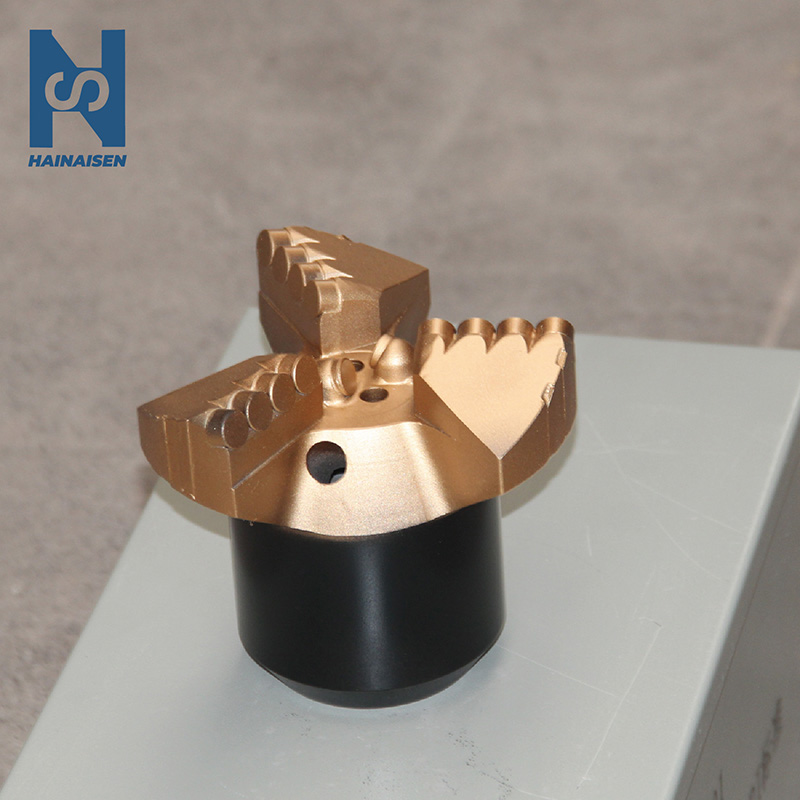 VIEW MORE153mm PDC Concave Bit
 VIEW MOREThree Blade Wing Arc Angle Drill Bit
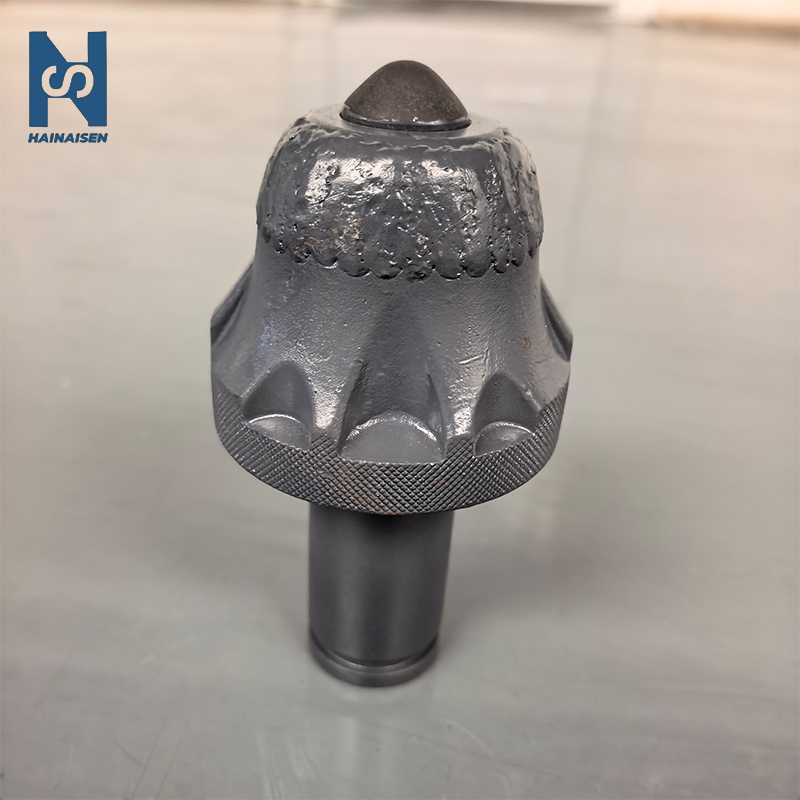 VIEW MOREDiamond Coal Mine Picks
 VIEW MORE113mm Three Wing Arc Angle Drill Bit
 VIEW MOREDiamond PDC Drill Bit
 VIEW MORE4 1/2" IADC 637 TCI Tricone Bit