




High Quality PDC Drill Bits for Hard and Abrasive Formations
High-quality PDC drill bits are an important investment that has a direct effect on project timelines and operating budgets when digging through difficult geographic conditions. These high-tech polycrystalline diamond compact tools have built diamond cutters and strong bit bodies that are made to handle the tough conditions of hard rock, rough shale, and broken rocks. Standard alternatives wear out quickly in harsh conditions, but premium PDC Bits keep their penetration rates steady while minimising costly downtime and bit trips. This is why oil service companies, mining operations, and geological exploration teams across the United States choose them.
Understanding High-Quality PDC Drill Bits
By focusing on breaking rock instead of crushing it, PDC drill bits completely change how well holes can be drilled. At their heart, these tools have polycrystalline diamond cutters that are linked to tungsten carbide bases. This makes cutting surfaces that stay sharp as they work with formation materials because they sharpen themselves.
Core Components and Construction
The structure of a good PDC bit shows that three important parts work together. The cuts are made of layers of synthetic diamond that were welded together under very high temperatures and pressures. This gives them toughness that is second only to a real diamond. Below these cutting parts is the bit body, which provides structural stability. Depending on the needs of the application, the bit body can be made of either steel or a matrix. A special kind of metal is used in the layer that holds the cutter to the body so that it can handle high temperatures and still be strong during rough cutting.
Steel Body Versus Matrix Body Design
Steel body PDC bits are made from high-strength alloy steel that has been cut into exact shapes that make them very resistant to impact and flexible. This design is especially useful when digging through layers with hard stringers buried in them or broken rock where quick shock loads happen. Steel's flexible nature lets it receive and release impact energy well, but it needs hard-facing materials and coats to make it more resistant to wear and tear. One big benefit is that worn-out tools can be changed, and bits can be fixed up, which increases their useful life and lowers the overall cost of drilling.
On the other hand, matrix body bits use a tungsten carbide hybrid material that is better at resisting wear but not as good at handling impacts because it is harder and more rigid. The buying managers have to carefully look at the rock features and drilling factors that affect which of these setups to use.
Operational Mechanics and Bit Geometry
Instead of hitting the rock, PDC drill bits break it by cutting it continuously. Several cutting teeth work together at the same time under controlled drilling pressure, which is usually between 10 and 100 kilonewtons, as the drill spins at 80 to 300 revolutions per minute. This makes a lot of open areas on the rock face where cutting forces can break up the material easily. The best placement of the cutters and the shape of the bits allow for the highest entry rates while minimising heat production through proper hydraulic design. Flow rates of 20 to 35 litres per second ensure sufficient cooling and removal of the cuttings.
By understanding these basic scientific concepts, business-to-business clients can figure out which bit technology will best help them with their drilling problems, whether they are looking for shale formations in Texas, limestone deposits in Oklahoma, or sandstone layers all over the Rocky Mountain region.
Comparing High-Quality PDC Drill Bits With Conventional Alternatives
When you compare PDC technology to standard drilling methods, the difference in performance is clear right away. Standard roller cone bits and even natural diamond bits have different ways of working that affect both how well they drill right away and how much the job will cost in the long run.
Performance Metrics That Matter
The biggest benefit that can be seen is that PDC bits, high-quality PDC drill bits, speed up the drilling process. When fine polycrystalline diamond bits are used, they often achieve penetration rates 30–50% faster than other options in similar forms. This directly leads to less time spent on the rig, lower running costs, and faster project finish, which is especially helpful for large-scale operations where time limits are what make them profitable.
When you measure durability, you can see even bigger differences. Normal bits might need to be replaced after 500 to 800 metres of boring in rough rock, but high-quality PDC drill bits always get 1,500 to 2,500 metres before they wear out. Because the bits last longer, they don't need to be serviced as often, they don't break as often, and they don't need as many bits for each job.
Lifecycle Cost Analysis
The starting costs of purchasing PDC bits are usually 40–80% higher than those of traditional options. This makes buyers who are trying to save money hesitant at first. Total cost of ownership estimates that take into account entry rates, bit life, rig time savings, and lessened organisational complexity give a full picture of the financial picture. When looking at whole drilling projects, PDC bits often lead to 25–40% lower per-metre drilling costs, even though they cost more at first.
Application-Specific Considerations
In some digging situations, different methods are still better. Hybrid bit designs that combine PDC cuts with roller cone elements may work better in very hard, very rough formations where the rock properties are hard to predict. Shale, limestone, sandstone, and gypsum are all examples of rocks with low to medium tensile strength. These are the perfect conditions for PDC bits to show their clear advantage.
These comparisons give technical engineers and buying managers a data-driven reason to make choices about specifications. This goes beyond simple price comparisons and towards value-based purchase strategies.
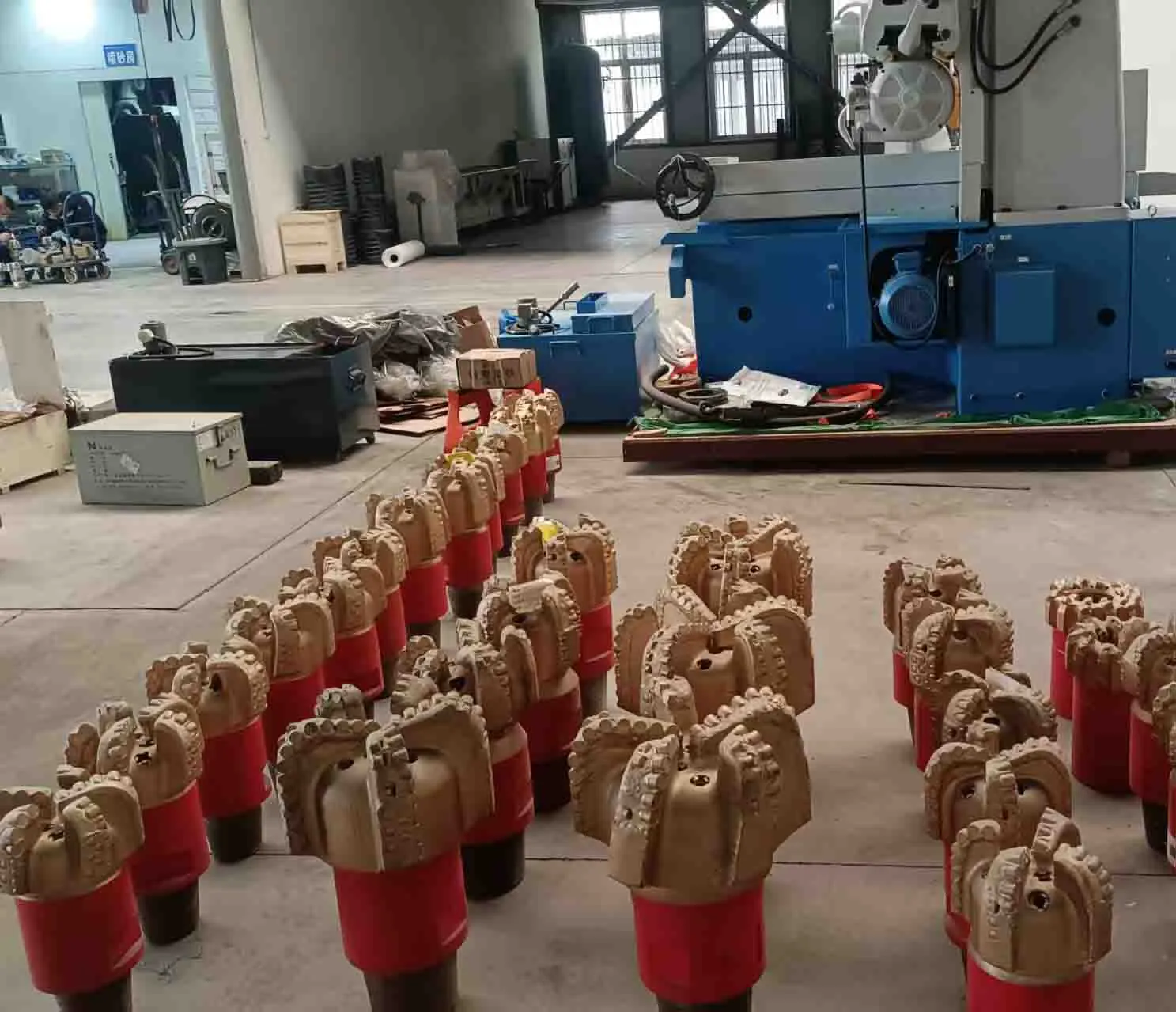
Choosing and Maintaining Your PDC Drill Bits for Maximum ROI
Maximising return on investment from PDC bit procurement requires attention spanning from initial selection through operational deployment and maintenance protocols. Strategic decisions at each stage compound to deliver either exceptional value or disappointing underperformance.
Selection Criteria for Optimal Performance
Formation evaluation stands as the foundational selection factor. Detailed geological surveys revealing rock hardness, abrasiveness, compressive strength, and structural characteristics guide appropriate bit design selection. Matching cutter grade to formation properties prevents premature wear while ensuring adequate aggressiveness for efficient penetration. Available sizes ranging from 98mm through 660mm accommodate diverse drilling applications, with common specifications including 152mm, 216mm, 311mm, and 393mm diameters serving the majority of oil service and mining operations.
Drilling parameter compatibility represents another critical consideration. Planned rotational speeds, weight-on-bit specifications, and available hydraulic horsepower must align with bit design tolerances. A mismatch between equipment capabilities and bit requirements inevitably leads to suboptimal performance or accelerated wear.
Maintenance Best Practices
Proper storage conditions significantly influence bit longevity and reliability. Bits should be stored in clean, dry environments protected from physical damage, with cutters shielded from impact that could cause chipping or fracturing. Regular inspection protocols examining cutter integrity, body condition, and hydraulic passages prevent deployment of compromised tools that risk downhole failures.
Operational monitoring provides early warning of high-quality PDC drill bit wear patterns requiring intervention. Abnormal vibration signatures, declining penetration rates despite consistent parameters, or changes in drilling torque indicate developing issues. Addressing these symptoms promptly through bit rotation, parameter adjustments, or strategic bit replacement prevents catastrophic failures that create costly fishing operations.
Refurbishment and Extended Life Strategies
Steel body PDC bits offer refurbishment opportunities that matrix designs cannot match. Specialised service providers can replace worn cutters, restore gauge dimensions, and recondition hydraulic features, effectively delivering a renewed tool at 40-60% of new bit cost. This capability particularly benefits operations with predictable formation profiles where standardised bit designs see repeated use across multiple wells.
Strategic bit management incorporating these selection and maintenance principles transforms PDC bits from consumable expenses into managed assets that drive measurable operational improvements and cost reductions.
Procurement Guide: Buying High-Quality PDC Drill Bits for B2B Clients
Navigating the global PDC bit marketplace requires understanding sourcing channels, pricing structures, quality verification methods, and partnership approaches that mitigate procurement risks while securing a reliable supply.
Trusted Sourcing Channels
Certified Manufacturers represent the gold standard for quality assurance and technical support. Companies like Shaanxi Hainaisen Petroleum Technology Co., Ltd., established in Xi'an in 2013, combine manufacturing capabilities with engineering expertise to deliver both standard and customised bit designs. Their 3,500 square metre facility features advanced 5-axis machining centres, CNC machine tools, and dedicated welding production lines, ensuring precision manufacturing. Direct manufacturer relationships provide access to technical consultation, custom design services, and comprehensive after-sales support that distributors cannot replicate.
Official distributors and authorised dealers offer geographical convenience and established logistics networks, valuable for time-sensitive projects or operations preferring local supplier relationships. These partners maintain manufacturer Certifications and quality standards while providing regional inventory availability.
Reputable online B2B platforms facilitate supplier discovery and price comparison but require additional diligence in verifying manufacturer credentials, quality certifications, and transaction security measures before committing to significant purchases.
Cost Considerations and Budget Planning
PDC bit pricing in 2024 reflects size, design complexity, cutter grade, and body construction. Standard production bits in common sizes typically range from $3,500 to $12,000 per unit, while specialised designs for extreme conditions or custom specifications command premium pricing, reaching $18,000 to $25,000. These figures represent acquisition costs only—total operational cost calculations must incorporate expected footage, penetration rates, and drilling efficiency improvements.
Large oil service companies negotiating bulk orders frequently secure volume pricing advantages reaching 15-25% below standard rates, alongside favourable payment terms and priority manufacturing schedules. Coal mining operations and water well drilling teams, emphasising price competitiveness, benefit from standardised bit selections where production volumes enable more attractive pricing.
Lead Times and Logistics
Standard bit inventories typically ship within 7-14 days from manufacturer facilities or distributor warehouses. Custom bit designs requiring engineering consultation, prototype development, or specialised manufacturing processes extend lead times to 6-10 weeks, depending on specification complexity. Large-scale projects requiring 20+ bits benefit from phased delivery schedules aligning supply arrival with drilling progression, optimising cash flow management while ensuring bit availability.
Quality Verification and Certification
Legitimate manufacturers of high-quality PDC drill bits provide comprehensive documentation, including material certifications, dimensional inspection reports, and performance test results. Third-party certifications from recognised industry standards organisations validate manufacturing quality systems and product consistency. Requesting samples for field testing before committing to large-order contracts provides empirical verification that Bit performance meets operational requirements—a particularly valuable approach for coal-mining companies and medium-sized oil-service firms establishing new supplier relationships.
These procurement strategies position buyers to secure reliable, high-performance PDC bits while managing costs, mitigating risks, and establishing supplier partnerships that support long-term operational success.
Conclusion
Selecting appropriate PDC bits for hard and abrasive formations fundamentally impacts drilling project economics and operational success. Superior polycrystalline diamond technology delivers measurable advantages in penetration rates, bit longevity, and total cost of ownership compared to conventional alternatives. Strategic procurement decisions considering formation characteristics, bit design options, maintenance protocols, and supplier partnerships maximise these benefits. As material science and intelligent monitoring systems continue advancing bit capabilities, organisations establishing strong manufacturer relationships and embracing innovation position themselves for sustained competitive advantage in an evolving industry landscape.
FAQ
1. What factors most influence PDC bit performance in abrasive formations?
Formation characteristics, including rock hardness, abrasiveness, compressive strength, and structural properties, represent primary performance determinants. Bit design elements—specifically cutter grade, placement geometry, and body construction—must align with these formation properties. Drilling parameters, including rotational speed, weight-on-bit, and hydraulic flow rates, require optimisation for specific bit designs. The interaction between these factors determines penetration rates, bit longevity, and overall drilling efficiency.
2. Can PDC bits be re-sharpened or refurbished to extend their lifespan?
Steel body PDC bits support refurbishment through cutter replacement, gauge restoration, and hydraulic feature reconditioning by specialised service providers. This process typically costs 40-60% of new bit prices while delivering performance comparable to original specifications. Matrix body bits offer limited refurbishment potential due to their composite construction. Refurbishment viability depends on wear patterns, body condition, and economic considerations, balancing service costs against new bit procurement.
3. How can I verify PDC bit quality when purchasing from new suppliers?
Request comprehensive documentation, including material certifications, dimensional inspection reports, manufacturing quality system certifications, and performance test results. Arrange factory visits when feasible to observe manufacturing capabilities and quality control processes. Order samples for field testing under actual drilling conditions before committing to large purchases. Verify business credentials, industry reputation, and customer references through independent research and industry networks.
Partner With HNS for Superior PDC Drilling Solutions
HNS (Shaanxi Hainaisen Petroleum Technology Co., Ltd.) delivers certified polycrystalline diamond compact bits engineered specifically for demanding hard and abrasive formations encountered in oil and gas, mining, and water well applications. Our advanced manufacturing facility combines precision 5-axis machining centres with dedicated engineering expertise, enabling both standard production bits and fully customised designs tailored to your unique geological challenges. We serve as a trusted High Quality PDC Drill Bits supplier supporting operations from initial technical consultation through ongoing field support. Whether your procurement priorities emphasize maximum drilling efficiency, competitive pricing, or rapid sample testing, our team provides solutions aligned with your operational requirements. Connect with our technical specialists at hainaisen@hnsdrillbit.com to discuss your specific drilling challenges and discover how our proven PDC bit technology can enhance your operational performance and project profitability.
References
1. Bellin, F. and Dourfaye, A. (2019). "Advanced PDC Bit Technology for Hard Rock Drilling Applications," SPE Drilling & Completion Journal, Vol. 34, No. 2, pp. 127-142.
2. Chen, S., Guo, Y., and Liu, H. (2021). "Performance Analysis of Matrix Body Versus Steel Body PDC Bits in Abrasive Formations," Journal of Petroleum Science and Engineering, Vol. 198, Article 108165.
3. Durrand, C.J., Skeem, M.R., and Hall, D.R. (2018). "Polycrystalline Diamond Cutter Technology for Enhanced Thermal Stability," International Journal of Rock Mechanics and Mining Sciences, Vol. 110, pp. 178-189.
4. Mitchell, R.F. and Miska, S.Z. (2020). "Fundamentals of Drilling Engineering," Society of Petroleum Engineers Textbook Series, Second Edition, Richardson, Texas.
5. Pessier, R.C. and Fear, M.J. (2017). "Quantifying Common Drilling Problems With Mechanical Specific Energy and Bit-Specific Coefficient of Sliding Friction," SPE Annual Technical Conference Proceedings, Paper SPE-24584-MS.
6. Warren, T.M. and Sinor, L.A. (2022). "PDC Bit Design Optimization Through Formation Characterization and Performance Modeling," Drilling Contractor Magazine, March-April Issue, pp. 56-63.
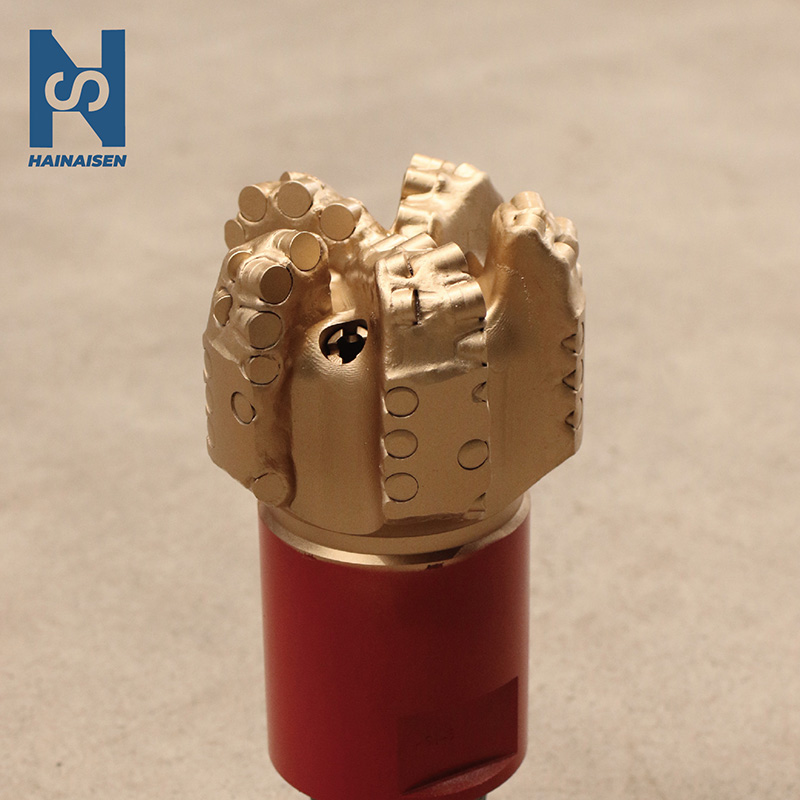 VIEW MOREPDC Petroleum Drill Bit
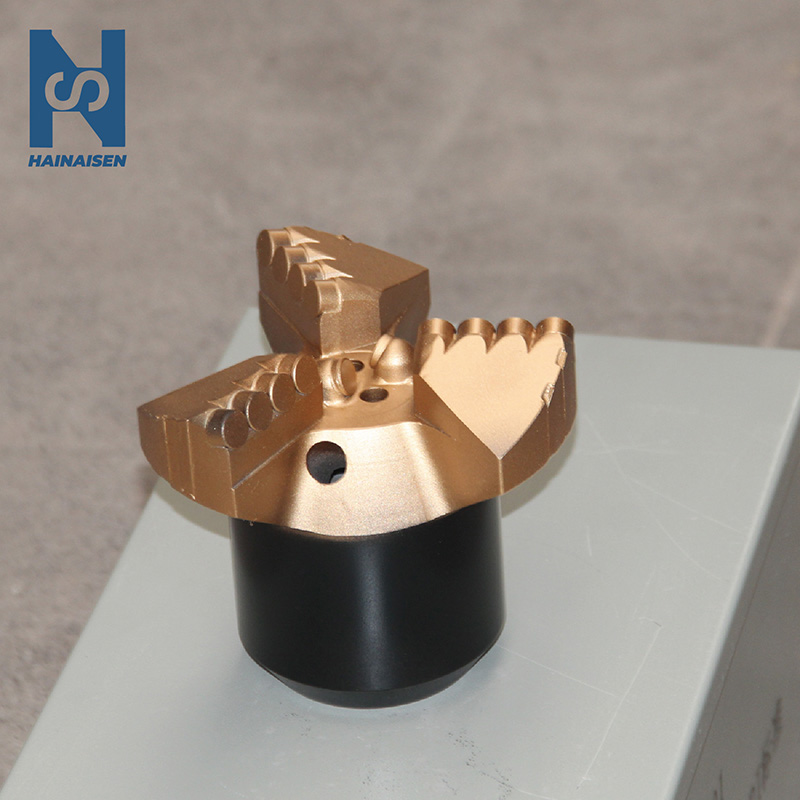 VIEW MORE153mm PDC Concave Bit
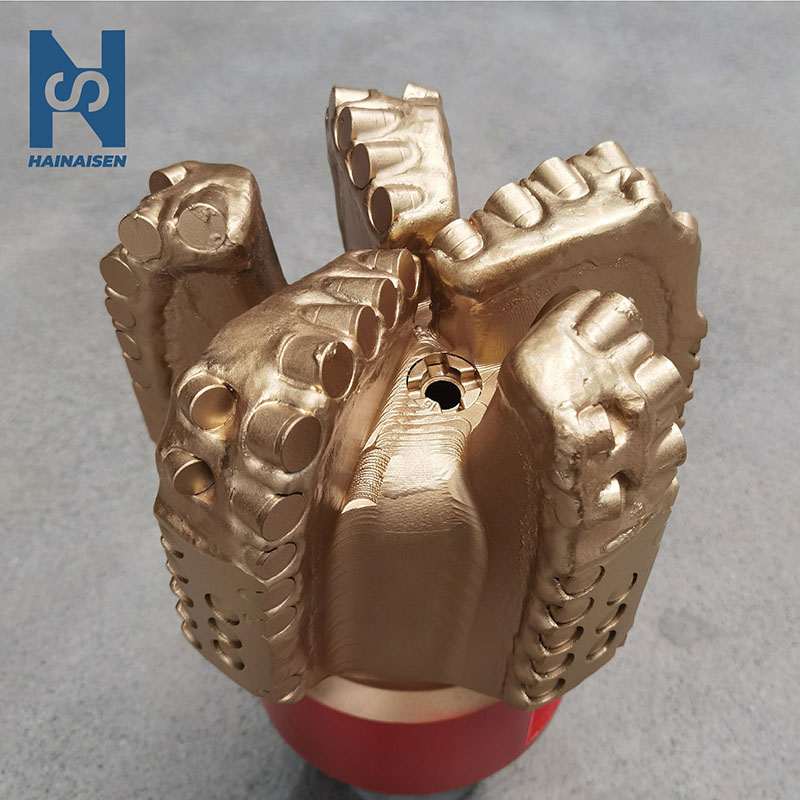 VIEW MOREPDC Diamond Bit
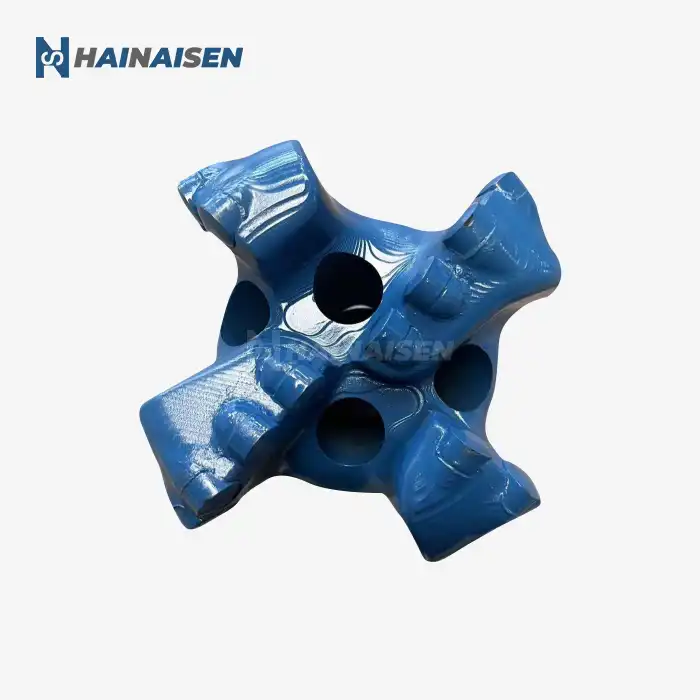 VIEW MORE4 Blade PDC Bit
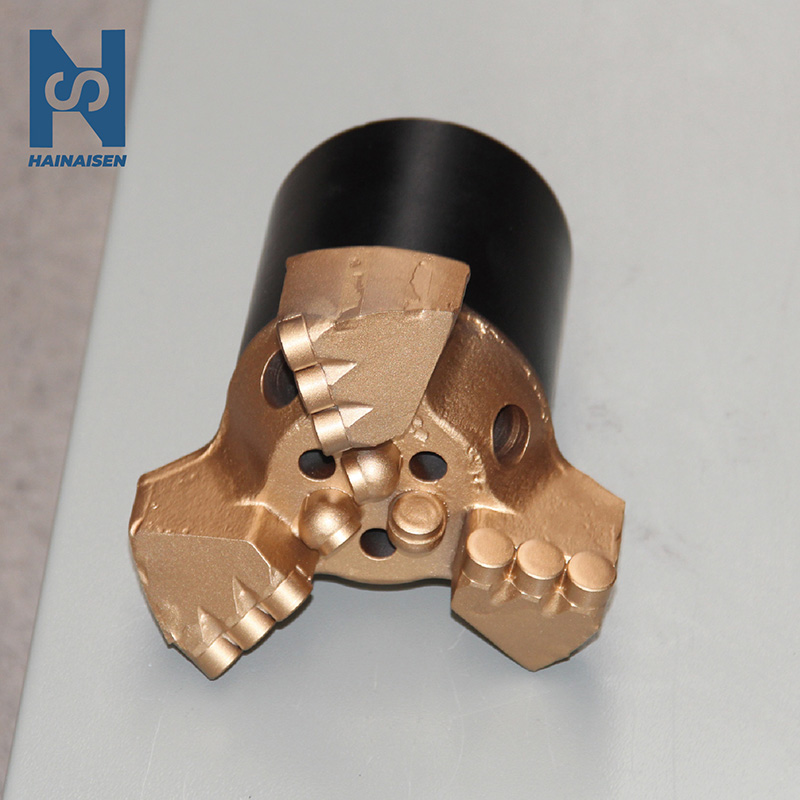 VIEW MOREThree Blade Concave Drill Bit Api For Manganese Coal Mines
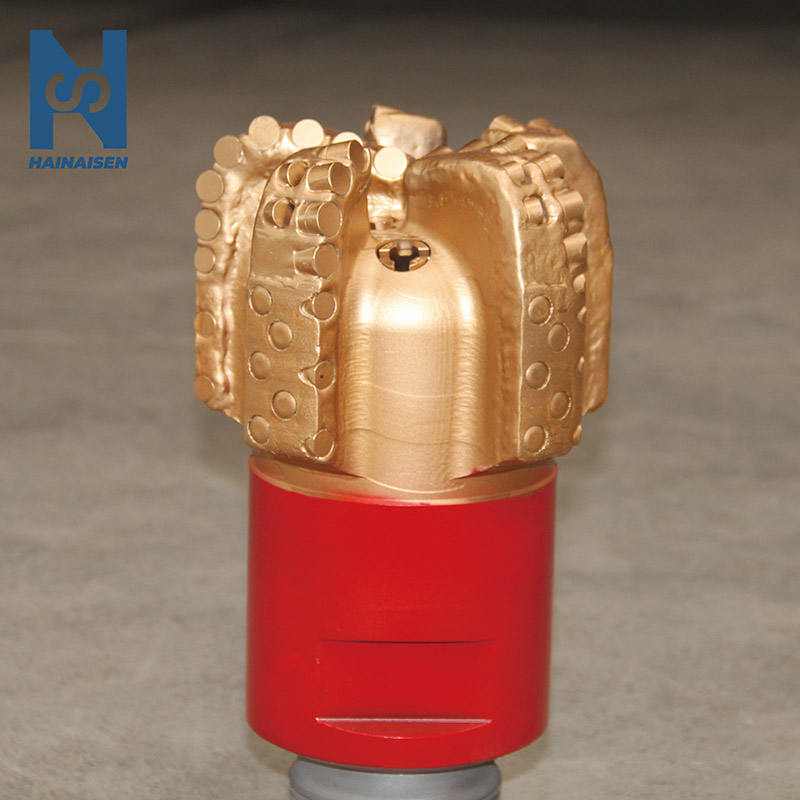 VIEW MOREFive Blades PDC Drill Bits
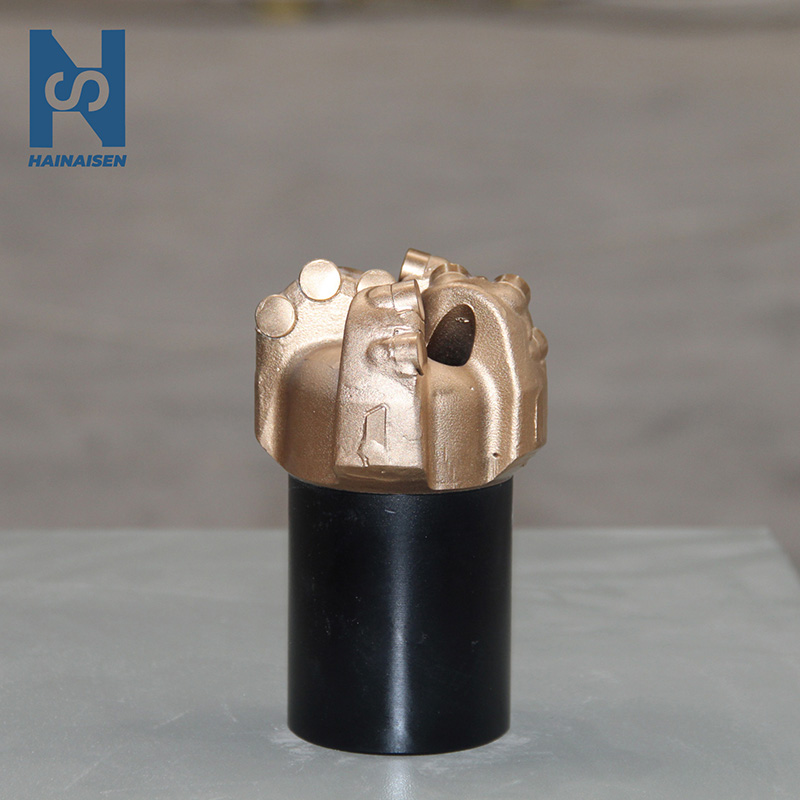 VIEW MORE113mm Four Wing Arc Angle Drill Bit
logo 1_1768274683075.jpg) VIEW MORECoal Mine Drilling Opening And Closing Drill Bit
VIEW MORECoal Mine Drilling Opening And Closing Drill Bit