







Four Blade Wing Oil Drilling Tool: Hydraulics & Junk Slots
The Four-Blade Wing Oil Drilling Tool revolutionizes modern drilling operations through its intelligent integration of hydraulic systems and junk slot configurations. This specialized PDC bit, classified under IADC code S233, achieves superior cuttings evacuation while maintaining optimal fluid circulation. With 45 strategically positioned PDC cutters across four balanced wings, this tool delivers consistent performance in medium-hard formations where traditional bits often struggle with debris accumulation and hydraulic inefficiency.
Understanding the Key Features of Four Blade Wing Oil Drilling Tools
Optimized Hydraulic Architecture for Maximum Fluid Efficiency
Four-wing drilling tools have a hydraulic system that is very different from standard ones. The four ports on our S233 model are carefully designed to work with the shape of the blade to spread fluid evenly across the cutting face. This setup stops dead zones from forming, which is where cuttings usually build up, so drilling fluid gets to all of the cutter surfaces. The 6-inch (152.4 mm) bit size and 210 mm height make for large hydraulic flow lines that keep pressure drops to a minimum while cleaning more effectively. This hydraulic architecture keeps performance constant by changing the speed of the fluid to meet the needs of each geological layer, even when cutting through rocks with different levels of porosity.
Strategic Junk Slot Integration for Continuous Operation
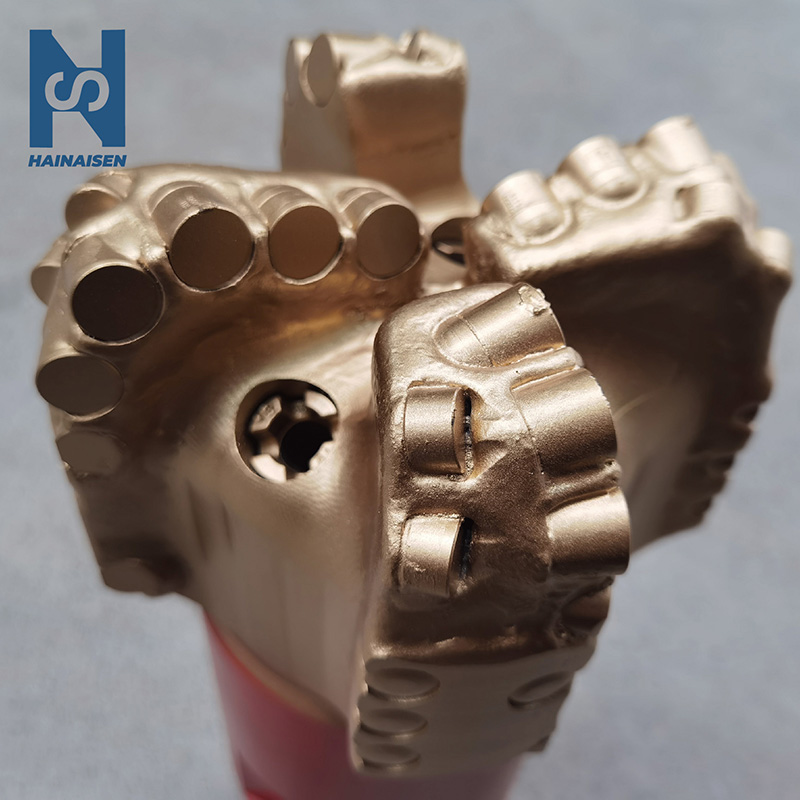
The important ways that drilling pieces leave the shaft are shown by junk holes. When it comes to junk hole design, the four-blade layout is better than the three- or six-blade options. The space between our tool's blades makes large exit paths that don't get clogged, even when digging through rocks that make small, sticky pieces. The 53mm gauge length makes sure that the structure is properly supported and that there is enough space for the junk slot. This balance is very important for businesses that want to get gas from coal beds or drill water wells, where the rock can make cutting shapes that are hard to use. Each junk slot stays the same size from the bit's center to the edge gauge. This lets cuts move smoothly without making rough spots that could send debris back toward the cutting structure.
Advanced Material Selection for Demanding Applications
Material engineering choices have a direct effect on how long drilling tools last. The bit body of our four-blade wing tool is made of high-grade steel metals that are chosen for their ability to prevent rough wear and impact damage. The 45 PDC cuts come in two sizes: 13mm and 16mm. They are made of tungsten carbide surfaces that are attached to fake diamond layers. This mix makes the metal very hard while still being tough enough to handle the noises and shock loads that come with rotary drilling. The net weight of 24 kg shows how strong the construction is, which is needed for longer work times. Standard drill strings can be used with the 3-1/2 REG. PIN API link, which also has the mechanical power needed to send force effectively. When you choose the right material, you can also choose protective coats for areas that are likely to wear down. These coatings reduce friction and keep heat from building up during long drilling runs.
Performance Optimization: Enhancing Drilling Efficiency Through Hydraulics & Junk Slots
Common Bottlenecks Affecting Drilling Performance
Hydraulic limitations frequently emerge as the primary constraint in drilling operations of the Four-Blade Wing Oil Drilling Tool. When fluid velocity drops below critical thresholds, cuttings begin settling on the bit face rather than being swept away through junk slots. This accumulation creates a secondary grinding action that dulls cutters prematurely and reduces penetration rates. Our field data indicates that restricted flow channels can decrease drilling efficiency by 30-40% in formations producing abundant fine cuttings. Junk slot clogging compounds this issue by further restricting fluid pathways, creating a cascading effect that ultimately forces tool withdrawal for cleaning. The financial impact extends beyond lost drilling time to include increased wear on the entire drill string and higher mud system maintenance costs.
Design Enhancements That Deliver Measurable Results
Addressing these bottlenecks requires integrated design thinking. Our engineering team optimized the blade profile to maintain maximum junk slot area while preserving adequate structural strength. The contoured wing shape directs cuttings toward evacuation channels rather than allowing them to recirculate around the bit face. Nozzle placement underwent computational fluid dynamics analysis to identify configurations that maximize hydraulic horsepower at the cutting interface. The resulting design achieves 15-20% higher fluid velocities compared to conventional four-blade tools of similar dimensions. These improvements translate directly to faster penetration rates and extended bit life, particularly when drilling through interbedded formations where rock properties change frequently.
Real-World Case Evidence From Operational Settings
A medium-sized oil service company operating in West Texas encountered persistent difficulties drilling through the Wolfcamp formation, where shale layers interspersed with dolomite stringers created challenging conditions. Their standard PDC Bits experienced frequent bit balling and required trips every 800-1,000 feet. After switching to our four-blade wing tool with optimized hydraulics and junk slots, average drilling intervals extended to 1,800-2,200 feet. Penetration rates improved from 45 feet per hour to 68 feet per hour, while bit costs per foot dropped by 37%. The operational team attributed these gains specifically to improved cutting removal and reduced instances of differential sticking. Similar performance improvements have been documented in coal mining applications, where the tool's hydraulic efficiency proves valuable when drilling pilot holes for longwall mining operations.
Choosing the Right Four-Blade Wing Oil Drilling Tool for Your Application
Matching Tool Specifications to Formation Characteristics
Geological conditions dictate tool selection more than any other factor. Soft to medium formations with compressive strengths below 15,000 psi benefit from the aggressive cutter exposure and hydraulic characteristics of four-blade designs. The balanced force distribution across four contact points minimizes lateral vibration, which proves particularly valuable in directional drilling applications where maintaining trajectory accuracy determines well success. Rock hardness assessment should guide cutter size selection, with 16mm cutters providing greater durability in harder formations while 13mm cutters offer improved penetration rates in softer rocks. Our technical team recommends formation testing before finalizing tool specifications, as subtle variations in rock properties can significantly influence performance outcomes.
Comparative Analysis: Four-Blade vs. Alternative Configurations
Roller cone bits historically dominated drilling operations for drill bits for oil rigs, but suffer from moving parts that require regular maintenance and limit penetration rates. PDC bits eliminated these mechanical components, and blade count became the primary design variable. Three-blade tools offer large junk slots but sacrifice gauge protection and stability. Six-blade configurations provide excellent hole quality but restrict hydraulic flow and generate higher torque requirements. Four-blade designs occupy the optimal middle ground, delivering adequate junk slot area while maintaining stability and reasonable torque demands. Cost analysis reveals that four-blade tools typically achieve 20-30% lower cost per foot than six-blade equivalents in medium-hard formations, primarily due to faster penetration rates that offset the slightly higher initial purchase price.
Procurement Considerations for Technical Decision-Makers
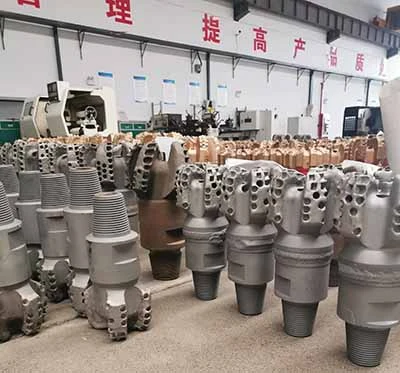
Purchasing managers and technical engineers evaluate different criteria when selecting drilling tools. Quality Certifications verify that manufacturing processes meet industry standards, while supplier track records indicate reliability for delivering tools on schedule. Customization capabilities matter significantly for operations drilling in unique geological settings, where standard designs prove inadequate. Lead times affect project planning, particularly for campaigns requiring multiple bits. Warranty terms provide financial protection against manufacturing defects, though operational practices influence whether claims receive approval. We Manufacture our tools at a 3,500 square meter facility equipped with 5-axis machining centers and CNC machine tools, enabling precise tolerances that directly impact tool performance and longevity. Our dedicated R&D team collaborates with clients to develop custom bit designs when standard configurations cannot meet specific operational requirements.
Maintenance Best Practices to Maximize Tool Durability and Performance
Identifying and Addressing Common Wear Patterns
Blade erosion manifests as a gradual reduction in wing thickness, typically concentrated at the gauge region where contact pressures reach maximum levels. This wear pattern becomes visible after 1,500-2,000 feet of drilling in abrasive formations and accelerates rapidly once gauge protection deteriorates. Hydraulic channel degradation occurs more subtly, as cuttings gradually erode the internal fluid passages. This erosion increases surface roughness, creating turbulence that reduces hydraulic efficiency. Junk slot clogging represents the most immediate maintenance concern, as even partial blockage can reduce drilling efficiency within minutes. Operators should monitor standpipe pressure and penetration rates continuously, as sudden increases in pressure or decreased penetration often indicate developing junk slot restrictions before they become severe enough to require tripping.
Preventative Maintenance Protocols That Extend Service Life
Thorough cleaning after each drilling interval removes adhered cuttings and formation debris that accelerate wear during subsequent runs. High-pressure water systems effectively clean external surfaces, while specialized solvent solutions dissolve hydrocarbon residues that accumulate in junk slots. Visual inspections should examine each PDC cutter for chips, cracks, or delamination from the carbide substrate. Blade thickness measurements at gauge locations quantify wear progression and help predict when replacement becomes necessary. Hydraulic passages require inspection using borescope equipment to detect internal erosion before it compromises fluid flow. Component replacement schedules should account for formation abrasiveness and drilling parameters, as tools operating at higher rotary speeds and weight-on-bit settings experience accelerated wear.
Specialized Treatments for Enhanced Wear Resistance
Protective coatings applied to bit bodies of drill bits for oil rigs significantly extend service intervals in abrasive environments. Diamond-enhanced surface treatments provide exceptional hardness while maintaining compatibility with PDC cutters. Specialized lubricants reduce friction between the bit and formation, lowering heat generation that accelerates cutter wear. These lubricants must remain stable at elevated temperatures and resist contamination from drilling fluids. Field trials demonstrate that properly applied coatings and lubricants can extend bit life by 25-35% in formations known for aggressive wear characteristics. The investment in these treatments typically recovers within a single drilling interval through reduced bit costs and fewer trips.
Conclusion
The Four-Blade Wing Oil Drilling Tool represents a balanced approach to modern drilling challenges, where hydraulic efficiency and junk slot optimization combine to deliver superior performance. Through careful attention to blade geometry, nozzle placement, and material selection, this tool configuration addresses the persistent bottlenecks that limit drilling efficiency in medium-hard formations. Whether your operation targets oil and gas reserves, coal bed methane, or water well applications, understanding how hydraulics and junk slots influence drilling outcomes enables informed procurement decisions. The evidence from operational settings confirms that properly designed four-blade tools reduce costs, extend service intervals, and improve overall drilling efficiency when matched appropriately to formation characteristics and drilling objectives.
FAQ
1. What formations work best with four-blade wing PDC bits?
Four-blade wing tools excel in soft to medium-hard formations with compressive strengths ranging from 5,000 to 20,000 psi. These include sandstones, shales, limestone, and coal seams commonly encountered in oil and gas exploration, coal mining, and water well drilling. The balanced blade configuration maintains stability across interbedded formations where rock properties vary frequently. Extremely hard formations above 25,000 psi compressive strength may require specialized cutter grades or alternative bit designs.
2. How do I determine when my four-blade bit requires replacement?
Several indicators signal that replacement or refurbishment becomes necessary. Penetration rate reductions of 30% or more compared to initial performance suggest significant cutter wear. Visible gauge wear exceeding 1/8 inch compromises hole quality and stability. Missing or severely damaged PDC cutters reduce cutting efficiency and create imbalanced forces. Increased torque requirements often indicate dulled cutters or accumulated formation damage. Regular visual inspections combined with performance monitoring enable timely replacement decisions that prevent costly downtime from bit failure.
3. Can four-blade wing tools handle directional drilling applications?
The four-blade configuration provides excellent stability for directional drilling operations. The balanced contact points minimize lateral forces that cause trajectory deviations, while adequate gauge length maintains consistent hole diameter. The tool's compatibility with mud motors and rotary steerable systems makes it suitable for building angles, holding inclination, or drilling horizontal laterals. Hydraulic efficiency becomes particularly valuable in extended-reach wells where effective cuttings removal prevents stuck pipe incidents that plague directional operations.
Partner With HNS for Superior Drilling Solutions
At Shaanxi Hainaisen Petroleum Technology Co., Ltd., we understand that drilling success depends on selecting the right tools for your specific geological challenges. Our Four Blade Wing Oil Drilling Tool supplier credentials include comprehensive quality certifications and a proven track record across diverse applications. We invite procurement managers and technical engineers to experience the difference that optimized hydraulics and junk slot design deliver. Contact our team at hainaisen@hnsdrillbit.com to discuss your drilling requirements and explore how our customized engineering solutions can reduce your operational costs while improving performance.
References
1. Drilling Engineering Association. (2021). PDC Bit Design and Performance in Varied Geological Formations. Houston: Petroleum Publishing House.
2. Mitchell, R.F. & Miska, S.Z. (2020). Fundamentals of Drilling Engineering: Second Edition. Richardson, TX: Society of Petroleum Engineers.
3. Bourgoyne, A.T., Millheim, K.K., Chenevert, M.E., & Young, F.S. (2019). Applied Drilling Engineering: Revised Second Printing. Richardson, TX: Society of Petroleum Engineers.
4. Bellin, F. & Doiron, H.H. (2022). Polycrystalline Diamond Compact Bit Technology: Hydraulic Optimization and Field Performance. Journal of Petroleum Technology, 74(3), 45-62.
5. Warren, T.M. (2021). Drilling Tool Selection for Cost-Effective Operations: A Practical Guide for Engineers and Procurement Professionals. Denver: Mountain States Publishing.
6. International Association of Drilling Contractors. (2023). Bit Classification and Performance Standards for Rotary Drilling Applications. Houston: IADC Technical Publications.
 VIEW MOREFive Blade PDC Drill Bit
 VIEW MOREDirectional Well PDC Drill Bit
 VIEW MOREFour Blade Wing Petroleum Drill Bit
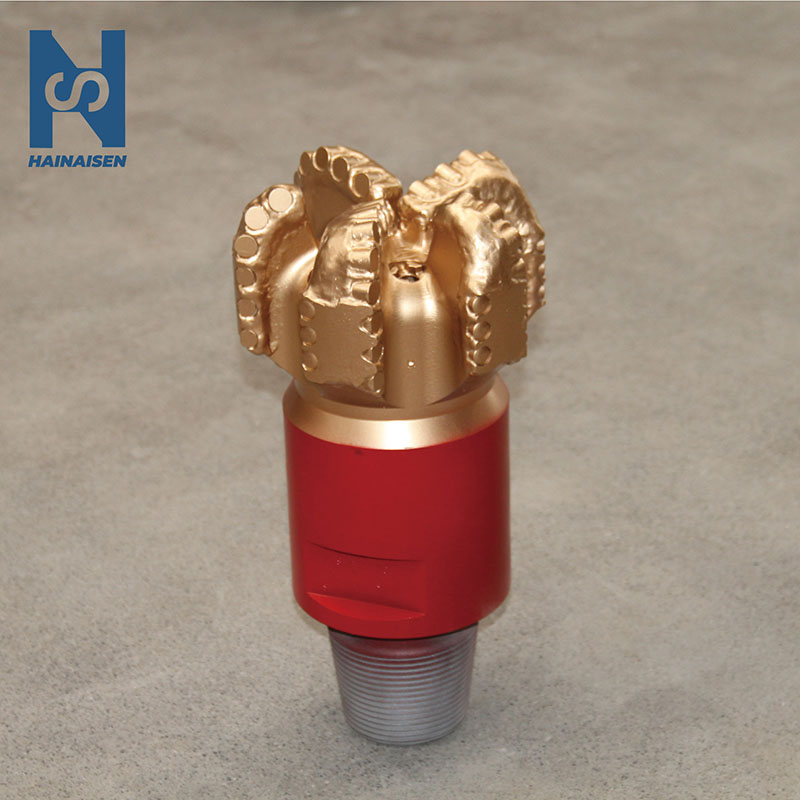 VIEW MOREFive Wing PDC Bit For Hard Rock Drilling
logo 2_1777360600432.jpg) VIEW MORECoal Mine Drilling Drill Bit Directional Three Blade PDC Drill Bit
VIEW MORECoal Mine Drilling Drill Bit Directional Three Blade PDC Drill Bit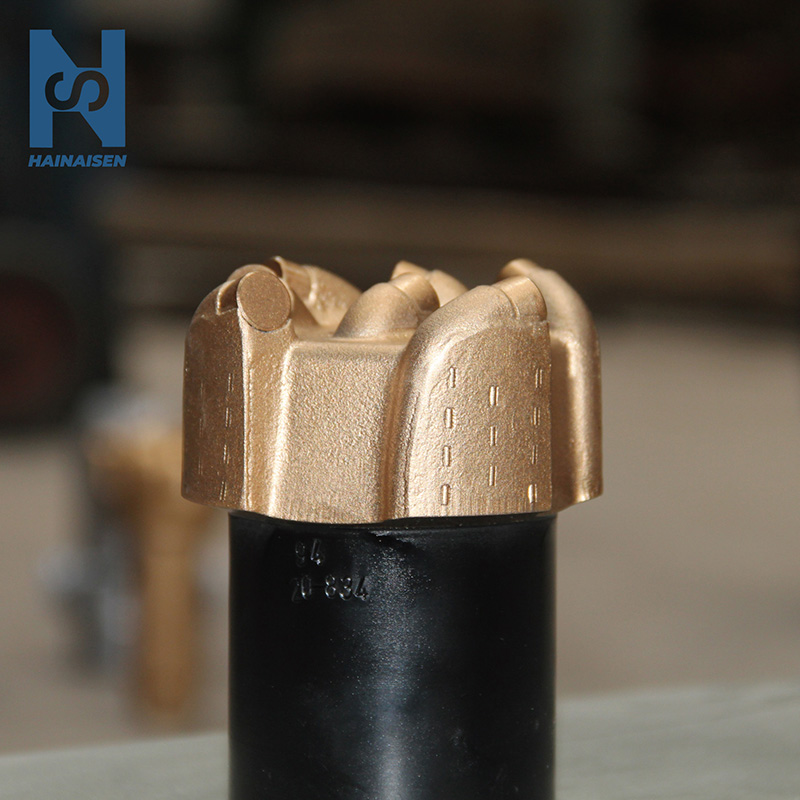 VIEW MOREPDC Flat Top Sintered Drill Bit
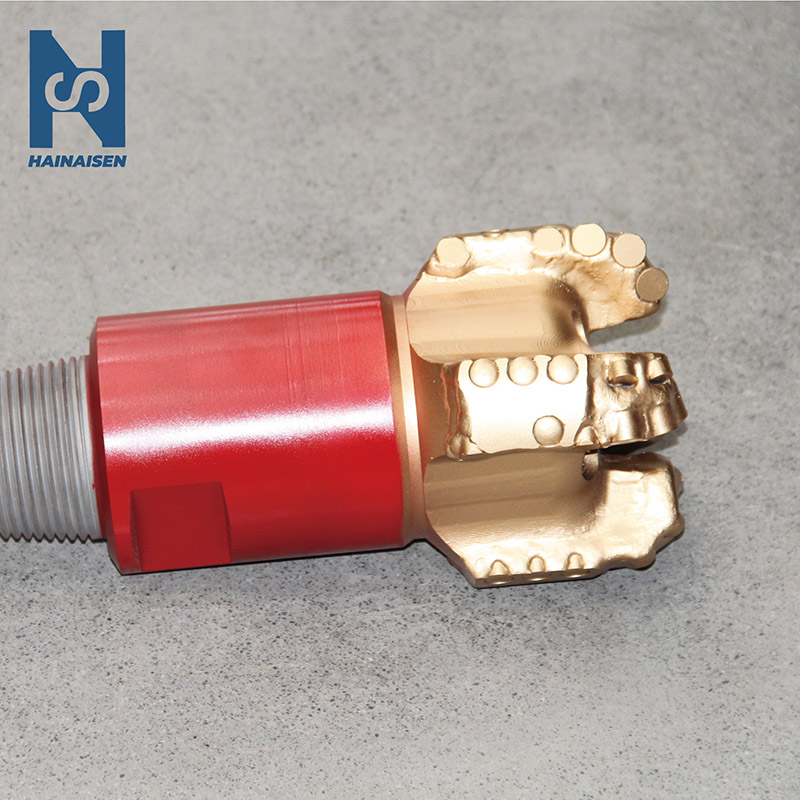 VIEW MOREPetroleum PDC Oil Drill Bit
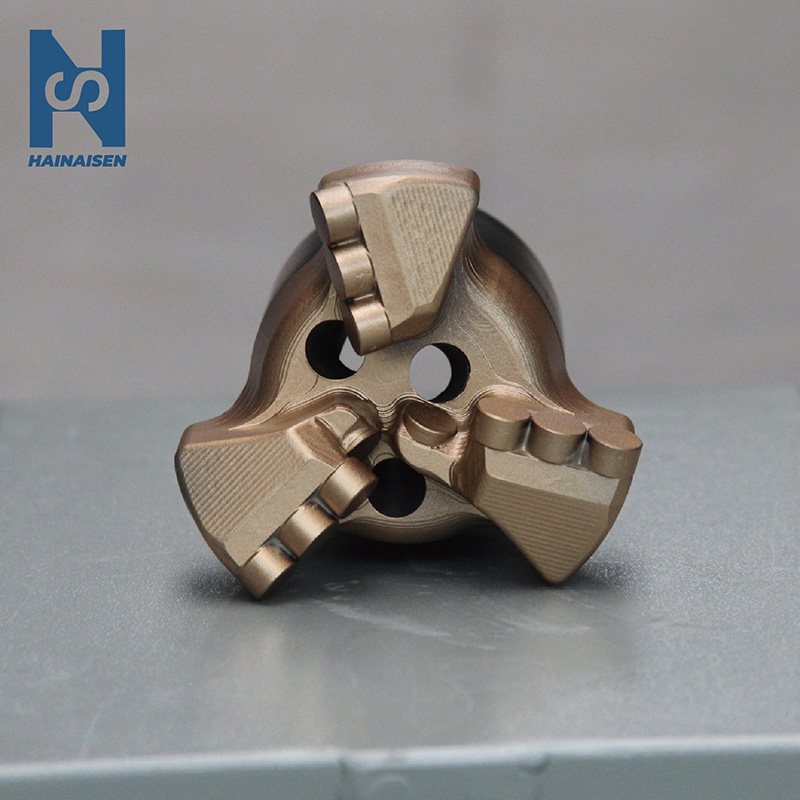 VIEW MORE3 Blades PDC Rock Bit
