







How Does a Three Blade Oil Drill Bit Reduce Drilling Torque?
A three-blade oil drill bit lowers drilling power because its shape is balanced, distributing cutting forces fairly among three blades that are placed in a smart way. This design cuts down on reaction torque, noise, and stick-slip events that happen during entry. When you mix high-quality PDC cutters with the best blade spacing (usually 120 degrees apart), the cutting action is easier, and there is a lot less resistance to spinning. For oil and gas businesses, this lower force directly means more efficient digging, longer machine life, and lower running costs.
Understanding Drilling Torque and Its Impact
Drilling torque is the force that turns the bit while it goes through rock. It is sent through the drill string. Whether a project succeeds or fails at a high cost depends on how well this measure is managed. Too much torque causes mechanical stress, which speeds up the wear and tear on parts, uses more energy, and increases the chance of catastrophic equipment failure. We've seen operations where too much power caused drill pipes to twist and downhole motors to break, and a lot of times nothing was being done.
Key Factors Influencing Drilling Torque
The main thing that causes torque is the way the formation is formed. Layers of rock that are harder and have a higher compression strength naturally need more rotating force. When hard and soft layers alternate within interbedded forms, torque changes happen that make it hard to keep the equipment stable. The number of blades, the order of cutters, and the hydraulic features of the bit all have a direct effect on how well it breaks rock and removes cuttings.
Variables like rotating speed (RPM), weight on bit (WOB), and the features of the drilling fluid can also affect torque levels. When used in the wrong patterns, higher spinning speeds can lead to too much heat buildup and early cutting failure. Cuttings can't be removed properly if the mud doesn't have the right weight or thickness. This can cause bit balling and torque spikes. To choose the right drilling tools, procurement managers and technical experts need to know how these factors affect each other.
Business Impact on Oil Drilling Operations
Operating costs are greatly affected by torque control. Too much power wastes fuel, shortens the life of bits, and requires a lot of tripping operations. These delays make projects take longer to finish and raise the cost of digging each foot. Torque-related breakdowns can damage equipment and stop activities for days while new parts come. Because the cost adds up over multiple drilling projects, lowering pressure is no longer just a technical issue but also a strategic one.
How a Three-Blade Oil Drill Bit Works to Reduce Torque?
The engineering behind three-blade bits addresses torque challenges through deliberate design choices. Unlike conventional multi-blade configurations that distribute cutting structures across four, five, or more blades, the three-blade architecture concentrates cutting elements onto larger, more robust blade structures. This reduction in blade count delivers surprising benefits that directly target torque reduction.
Optimized Blade Geometry and Load Distribution
Each blade on a three-blade bit carries approximately one-third of the total cutting load. This balanced distribution minimizes asymmetric forces that generate reactive torque. The 120-degree spacing creates inherent mechanical balance during rotation, reducing lateral vibrations and bit whirl—two phenomena that significantly increase torque requirements. Consider our model with IADC code S433: this 6-inch (152.4mm) bit features three precisely machined blades that maintain geometric balance throughout the 220mm bit height.
The blade profile itself contributes to torque reduction. Manufacturers engineer blade angles to optimize the cutting action based on formation characteristics. Aggressive blade profiles penetrate faster in softer formations but generate higher torque, while conservative profiles suit harder rock, where controlled cutting reduces reactive forces. The gauge length of 65mm on our S433 model provides extended contact with the borehole wall, enhancing directional stability while managing side-cutting torque.
Advanced PDC Cutter Arrangement
PDC (Polycrystalline Diamond Compact) cutters represent the cutting teeth of modern drill bits in the three-blade oil drill bit in the field. The S433 model incorporates 61 PDC cutters, each measuring 13mm in diameter, strategically positioned across three blades. This cutter density and arrangement create multiple simultaneous cutting points that share the workload. When one cutter encounters a harder formation, others continue cutting through adjacent material, smoothing out torque fluctuations that would occur with fewer cutting elements.
Cutter back rake angle, side rake angle, and exposure height all influence torque generation. Cutters positioned with appropriate angles shear rock efficiently rather than crushing it, which requires less rotational force. The three-blade configuration allows larger cutter sizes and optimized spacing that would be geometrically impossible on bits with more blades competing for limited surface area. This design efficiency translates directly into reduced torque during operation.
Hydraulic Design and Debris Evacuation
Three nozzles positioned strategically between the blades on our S433 model deliver drilling fluid precisely where needed. Effective hydraulics cool cutters, prevent bit balling, and evacuate cuttings rapidly from the cutting face. When cuttings accumulate beneath the bit, they create additional frictional resistance that multiplies torque requirements. The open blade spacing on three-blade designs facilitates superior fluid flow compared to crowded multi-blade configurations.
This hydraulic advantage becomes particularly valuable in sticky formations like certain shales, where inadequate cleaning can double torque requirements within minutes. The increased flow area between widely spaced blades allows drilling mud to carry cuttings away efficiently, maintaining clean cutting surfaces that minimize frictional torque. Procurement teams evaluating bits for challenging formations should prioritize hydraulic efficiency alongside cutting structure design.
Material Selection and Structural Integrity
The bit body material determines durability under high-torque conditions. Steel matrix bodies offer excellent toughness and machinability, allowing complex geometries that optimize torque performance. The S433 model weighs 22 kg, reflecting robust construction that withstands drilling stresses while maintaining the 3-1/2 REG. PIN connection integrity is required for reliable torque transmission. Quality materials prevent deformation under load, ensuring the bit maintains its designed geometry and torque characteristics throughout its operational life.
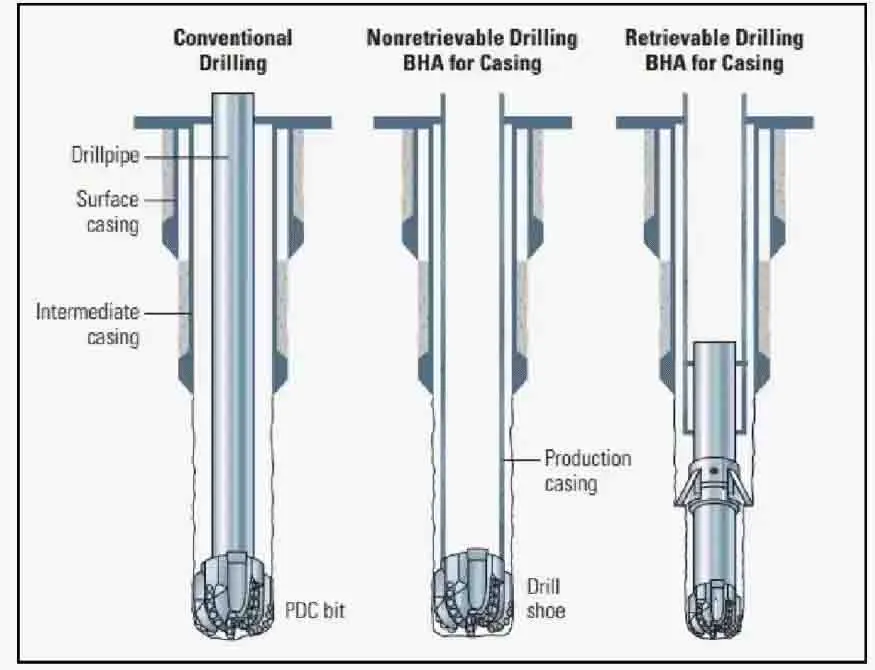
Addressing Common Drilling Challenges with Three Blade Bits
Real-world drilling presents obstacles that theory alone cannot fully predict. Three-blade bits demonstrate particular effectiveness against torque-related challenges that plague conventional designs.
Mitigating Stick-Slip Phenomena
Stick-slip represents one of the most damaging torque-related problems in drilling. This phenomenon occurs when the bit alternates between sticking (static friction) and slipping (kinetic friction), creating severe torsional oscillations throughout the drill string. These oscillations can exceed normal operating torque by 200-300%, causing connection failures, tool joint washouts, and shortened bit life.
The balanced geometry of three-blade bits inherently resists stick-slip initiation. The symmetrical load distribution maintains more consistent contact between cutters and formation, smoothing the transition between cutting phases. Field data from shale drilling operations shows three-blade bits reduce stick-slip severity by approximately 30-40% compared to four-blade designs in identical formations. This stability protects equipment and maintains steady penetration rates.
Enhanced Directional Control and Reduced Lateral Forces
Directional drilling demands precise steering while managing torque within acceptable limits. Three-blade bits provide improved steerability because a reduced blade count generates fewer side-cutting forces that resist directional changes. When the bit needs to turn, lower lateral torque allows smoother trajectory adjustments with less stress on downhole motors and rotary steerable systems.
The S433 configuration drill bit oilfield suits directional applications where maintaining a planned well trajectory matters as much as penetration rate does. The gauge length of 65mm stabilizes the bit without creating excessive wall contact that would increase torque during steering maneuvers. Operators appreciate this balance between stability and steerability, particularly in extended-reach wells where torque management becomes progressively more critical with increasing measured depth.
Maintenance Practices for Sustained Torque Performance
Even the best-designed bits require proper maintenance to deliver consistent torque performance. We recommend comprehensive post-run inspections that document cutter wear patterns, blade erosion, and bearing condition. Unusual wear patterns often indicate operational issues—such as excessive RPM or inadequate WOB—that create unnecessary torque before causing bit failure.
Proper handling during tripping operations prevents damage that could compromise torque performance. Dropping or striking the bit against casing damages cutters and creates geometric imbalances that generate vibration and increased torque. Storage procedures matter too; bits should be kept in protective cases that prevent moisture exposure and corrosion, particularly for the API connection threads that transmit torque to the drill string.
Procurement Considerations for Three Blade Oil Drill Bits
Selecting appropriate drill bits requires balancing multiple factors against project requirements and budget constraints. Procurement decisions affect not just immediate costs but long-term operational efficiency.
Evaluating Torque Reduction Capabilities
Manufacturers provide torque specifications, but real-world performance depends on matching bit characteristics to formation properties. Request performance data from applications similar to your planned operations. Reputable suppliers like HNS provide detailed case histories that document torque measurements across various formations and operating parameters. This evidence-based approach reduces procurement risk compared to relying solely on marketing claims.
Technical specifications reveal design priorities. The S433 model's 61 PDC cutters represent aggressive cutting capacity suited for medium-hardness formations where rapid penetration matters. Bits intended for harder rock typically feature fewer, larger cutters arranged to prioritize durability over speed. Understanding these design trade-offs helps procurement teams select bits that align with project priorities, whether that means minimizing cost per foot, maximizing penetration rate, or reducing torque-related equipment wear.
Balancing Cost and Performance
Price considerations differ significantly across customer segments. Large oil service companies typically prioritize total cost of ownership, accepting higher initial bit costs when justified by extended life and superior performance. These buyers conduct rigorous qualification processes, including sample testing and gradual volume increases as confidence builds. The investment in premium bits pays dividends through reduced non-productive time and lower overall drilling costs.
Coal mining companies and water well drilling teams often emphasize upfront cost, particularly when drilling shallower holes where bit life matters less than initial investment. We acknowledge these economic realities and offer solutions appropriate for various budget levels. The three-blade design delivers torque benefits across price points, though material quality and cutter grade affect durability and performance consistency.
Supply Chain and After-Sales Support
Lead times affect project scheduling, making supplier reliability crucial. Shaanxi Hainaisen Petroleum Technology Co., Ltd. maintains an inventory of common sizes and configurations to support rapid delivery. Our 3,500-square-meter facility in Xi'an houses modern production equipment, including 5-axis machining centers and CNC machine tools that enable responsive manufacturing for custom orders. This capacity ensures procurement teams receive bits when drilling schedules demand them.
After-sales support separates premium drill bit oilfield suppliers from commodity vendors. Technical consultation helps optimize operating parameters for your specific formations, maximizing the torque reduction benefits three-blade designs offer. Warranty coverage protects against manufacturing defects, though proper operating practices remain essential for product longevity. Our team provides troubleshooting assistance when unexpected torque issues arise, helping identify whether bit design, formation changes, or operational factors caused the problem.
Conclusion
Three-blade drill bits deliver measurable torque reduction through balanced geometry, optimized PDC cutter arrangements, superior hydraulics, and robust materials. These design characteristics address fundamental torque generation mechanisms, resulting in smoother drilling operations, reduced equipment stress, and improved economic performance. Field data consistently demonstrates torque benefits across diverse formations and applications, validating the engineering principles behind three-blade configurations. Procurement decisions should consider formation characteristics, operational priorities, and total cost of ownership rather than initial price alone. Proper maintenance practices preserve torque performance throughout bit life, maximizing return on investment.
FAQ
1. How does blade count affect drilling torque?
Blade count influences torque through force distribution and geometric balance. Fewer blades mean larger individual blades that distribute cutting loads more evenly, reducing asymmetric forces that generate reactive torque. Three-blade configurations create natural 120-degree symmetry that minimizes vibration and bit whirl, both of which increase torque requirements. However, blade count must balance against formation requirements—very hard rock may benefit from concentrated cutting force, while softer formations tolerate more blades for faster penetration.
2. Are three-blade bits suitable for directional drilling?
Three-blade bits excel in directional applications because reduced blade count lowers side-cutting forces that resist trajectory changes. This characteristic improves steering response while maintaining adequate gauge contact for borehole stability. The balanced geometry reduces torque fluctuations during steering maneuvers, protecting downhole motors and rotary steerable systems. Many directional drilling specialists prefer three-blade designs specifically for their torque management advantages in extended-reach wells where cumulative friction challenges equipment limits.
3. What maintenance practices optimize torque performance?
Regular post-run inspections document cutter wear patterns, blade erosion, and bearing conditions that affect torque generation. Clean bits thoroughly to prevent formation debris from hardening on cutting structures, which increases friction and torque. Inspect API connections for damage that could compromise torque transmission efficiency. Monitor performance trends across multiple runs to identify gradual degradation before it causes failures. Proper storage prevents corrosion that roughens surfaces and increases frictional torque. Establishing maintenance protocols extends bit life while sustaining designed torque characteristics throughout operational service.
Partner With HNS for Advanced Three-Blade Oil Drill Bit Solutions
Shaanxi Hainaisen Petroleum Technology Co., Ltd. brings specialized expertise in three-blade drill bit manufacturing and customization. Since our establishment in Xi'an in 2013, we've focused exclusively on developing PDC Bits and drilling tools that address real operational challenges like excessive torque. Our dedicated R&D team designs custom bit configurations tailored to your specific formations and drilling parameters, ensuring optimal torque reduction for your applications.
As a reliable Three Blade Oil Drill Bit manufacturer, we operate a modern 3,500-square-meter facility equipped with advanced 5-axis machining centers and CNC machine tools that deliver precision manufacturing. Our technical consultation services help procurement managers and drilling engineers select appropriate bit specifications and optimize operating parameters. We offer competitive bulk pricing for oil service companies, flexible terms for coal mining operations, and responsive service for water well drilling teams. Contact our team at hainaisen@hnsdrillbit.com to discuss your torque management challenges and explore how our Three Blade Oil Drill Bit solutions can reduce your operational costs while improving drilling performance.
References
1. Besson, A., Burr, B., and Dillenbeck, R. L. (2000). "Torque and Drag Management Techniques for Extended-Reach Wells." SPE Drilling & Completion, Society of Petroleum Engineers, Vol. 15, No. 3, pp. 190-198.
2. Chen, X., Gao, D., and Guo, B. (2015). "Real-Time Optimization of Drilling Parameters Based on Mechanical Specific Energy for Rotating Drilling with Positive Displacement Motor in the Hard Formation." Journal of Natural Gas Science and Engineering, Elsevier, Vol. 27, Part 3, pp. 1850-1859.
3. Fear, M. J., Abbassian, F., and Parfitt, S. H. (1997). "The Destruction of PDC Bits by Severe Slip-Stick Vibration." SPE Drilling & Completion, Society of Petroleum Engineers, Vol. 12, No. 2, pp. 97-105.
4. Jardine, S., Malone, D., and Sheppard, M. (1994). "PDC Bit Performance in Directional Drilling Applications." Journal of Petroleum Technology, Society of Petroleum Engineers, Vol. 46, No. 5, pp. 403-408.
5. Pastusek, P. E., and Brackin, V. (2003). "A Model for Borehole Oscillations." SPE Annual Technical Conference and Exhibition, Society of Petroleum Engineers, Paper SPE 84448.
6. Warren, T. M., and Armagost, W. K. (1988). "Laboratory Drilling Performance of PDC Bits." SPE Drilling Engineering, Society of Petroleum Engineers, Vol. 3, No. 2, pp. 125-135.
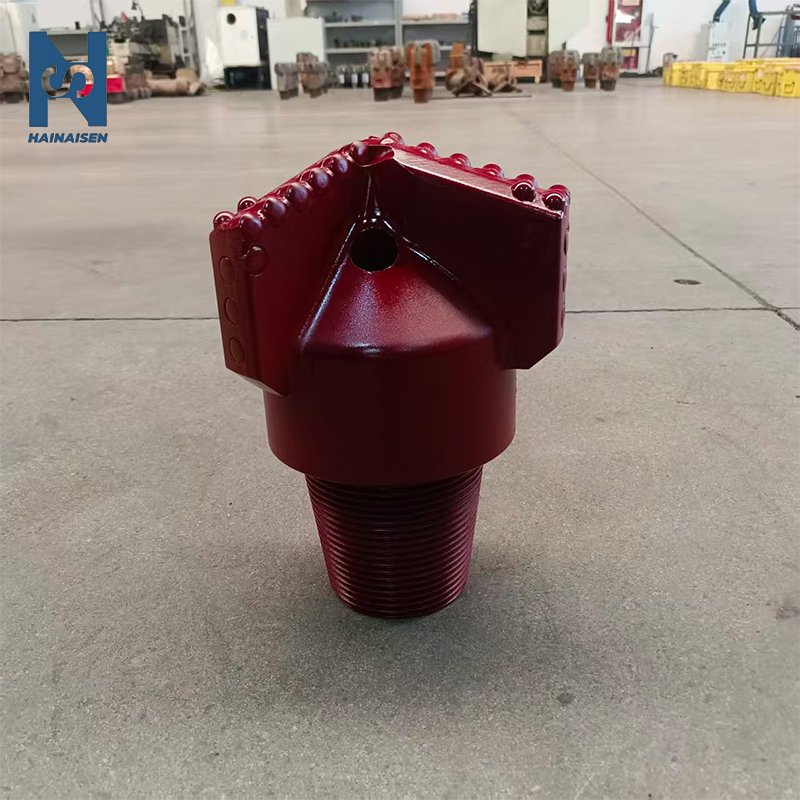 VIEW MOREHard Alloy Scraper Drill Bit
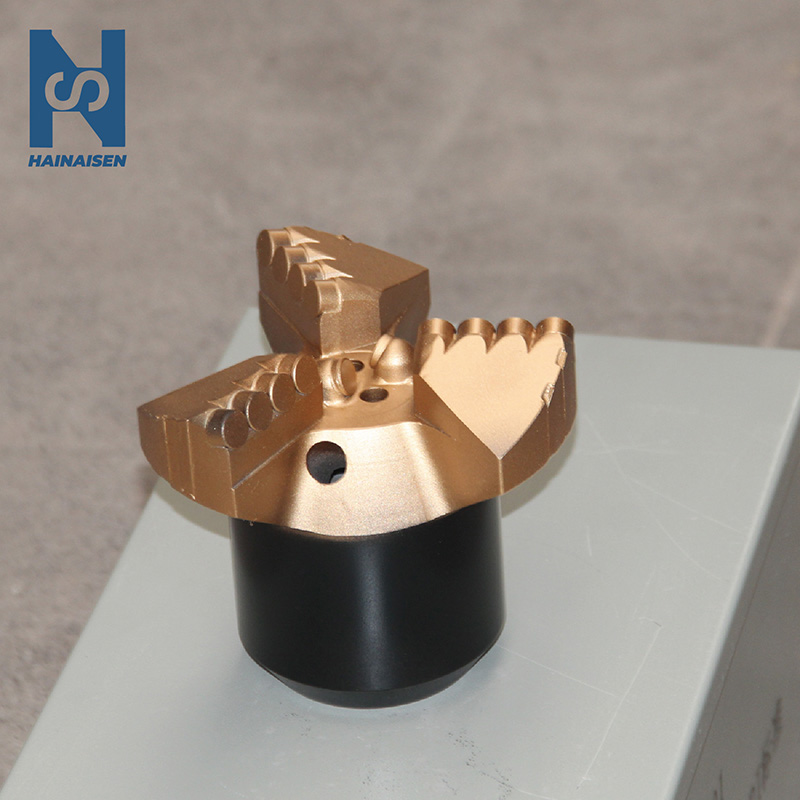 VIEW MORE153mm PDC Concave Bit
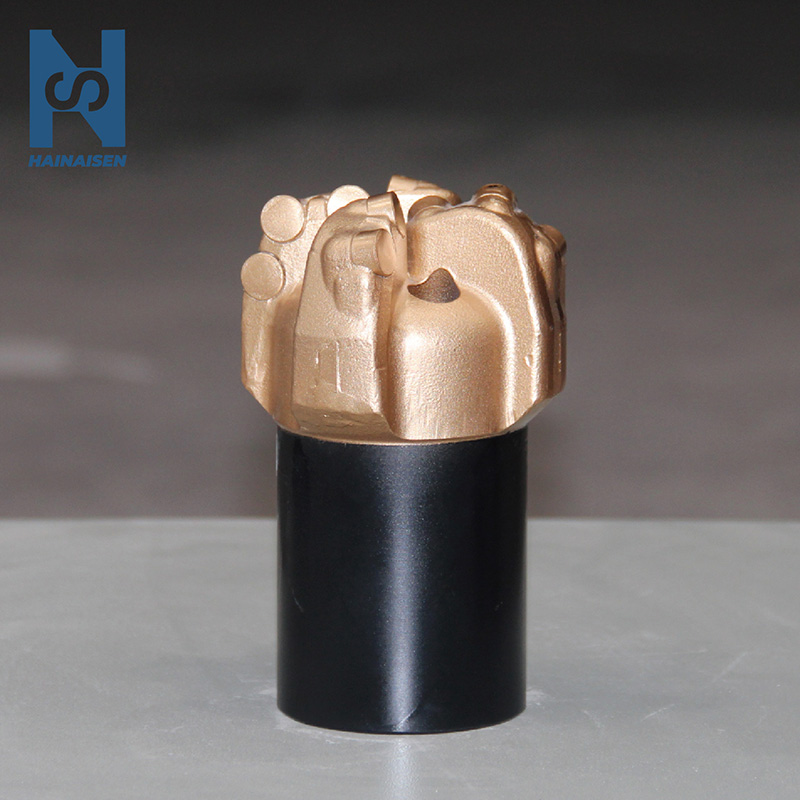 VIEW MOREFour Blade PDC Rock Drill Bit
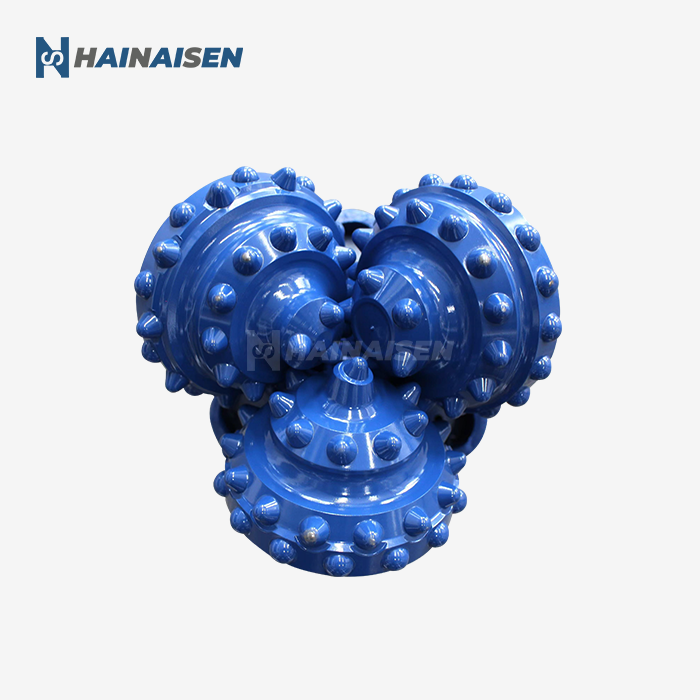 VIEW MORERock Roller Drill Bit
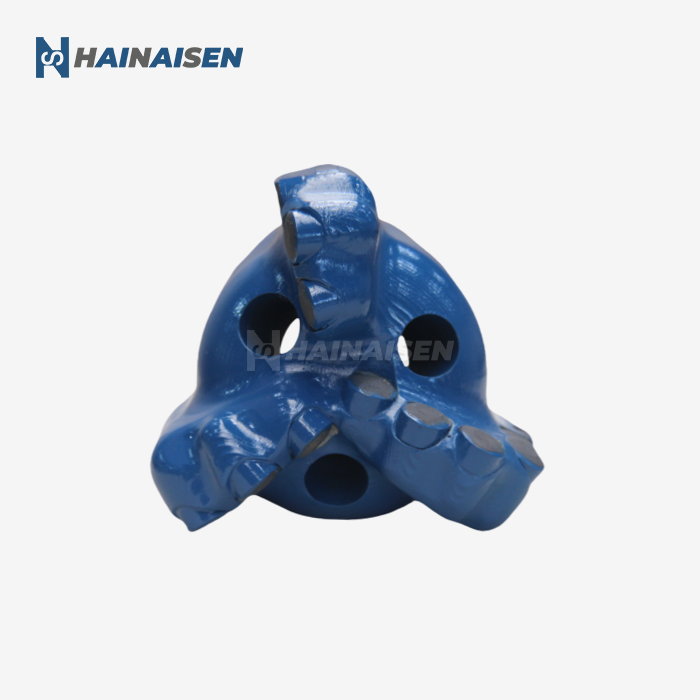 VIEW MORE113mm Three Wing Arc Angle Drill Bit
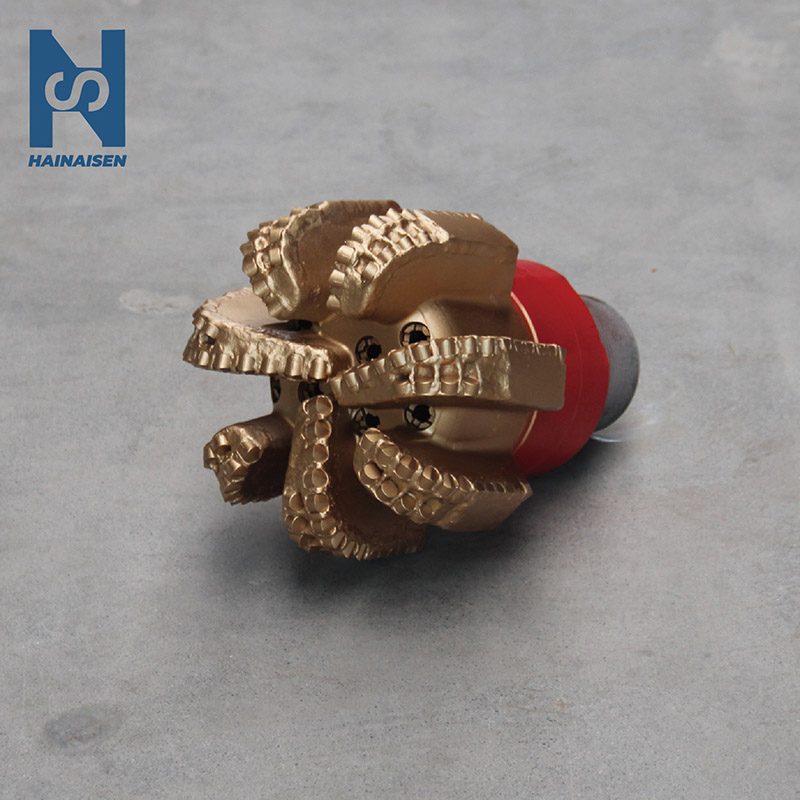 VIEW MORESeven Blade Wing Oil Drilling Drill Bit
 VIEW MOREThree Blade Wing Arc Angle Drill Bit
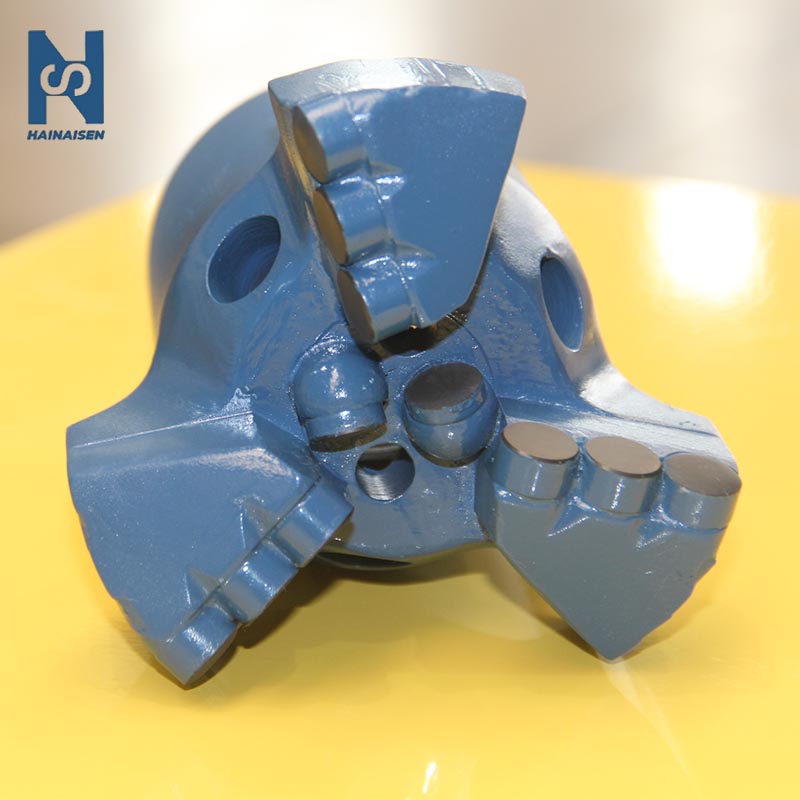 VIEW MOREBest Diamond Drill Bits
