How to Choose Petroleum Drilling Equipment PDC for Projects
To choose the right petroleum drilling equipment PDC, you must first understand your formation's properties and the needs of your operations. Polycrystalline Diamond Compact bits work better than other choices in medium-hard rock types like shale, limestone, and sandstone, with faster entry rates. Your choice should strike a mix between how long the bit lasts, how well it cuts, and the total cost of ownership. It should also fit your digging depth and the rock type to get the best performance and profits.
Understanding Petroleum Drilling Equipment PDC: Basics & Benefits
What Makes PDC Technology Different?
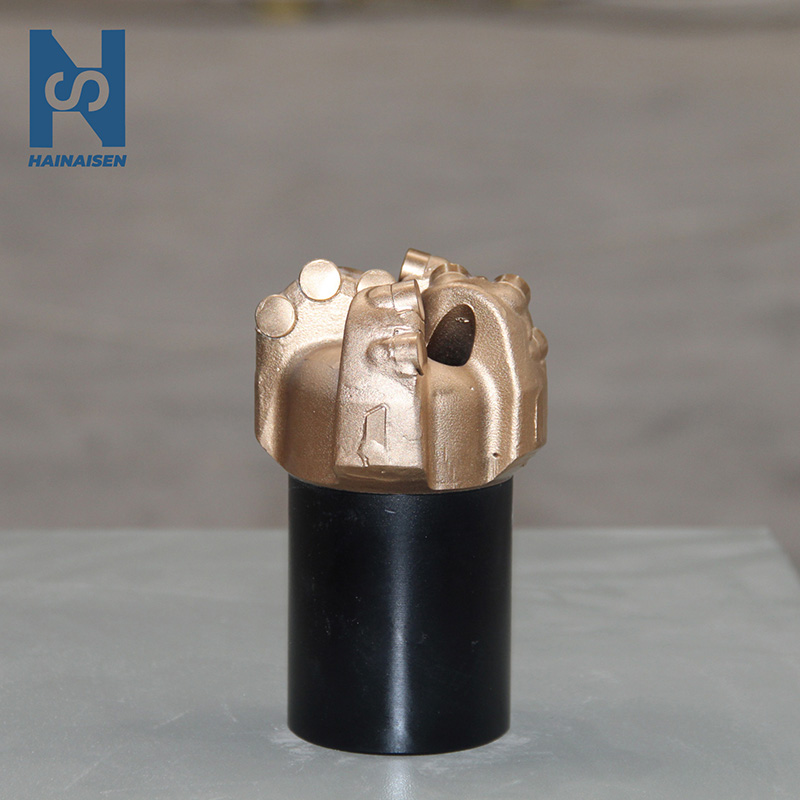
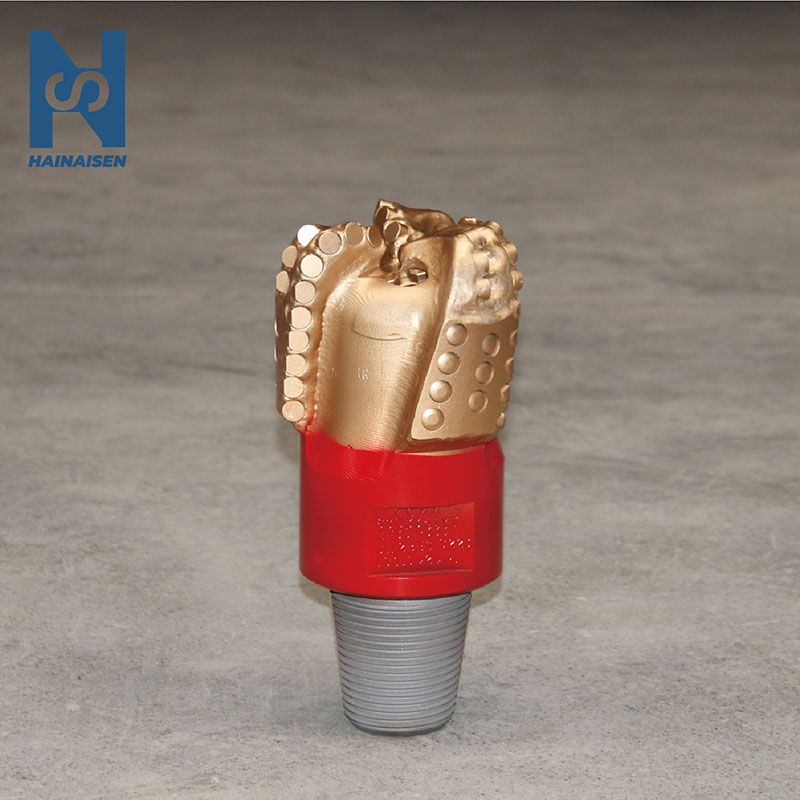
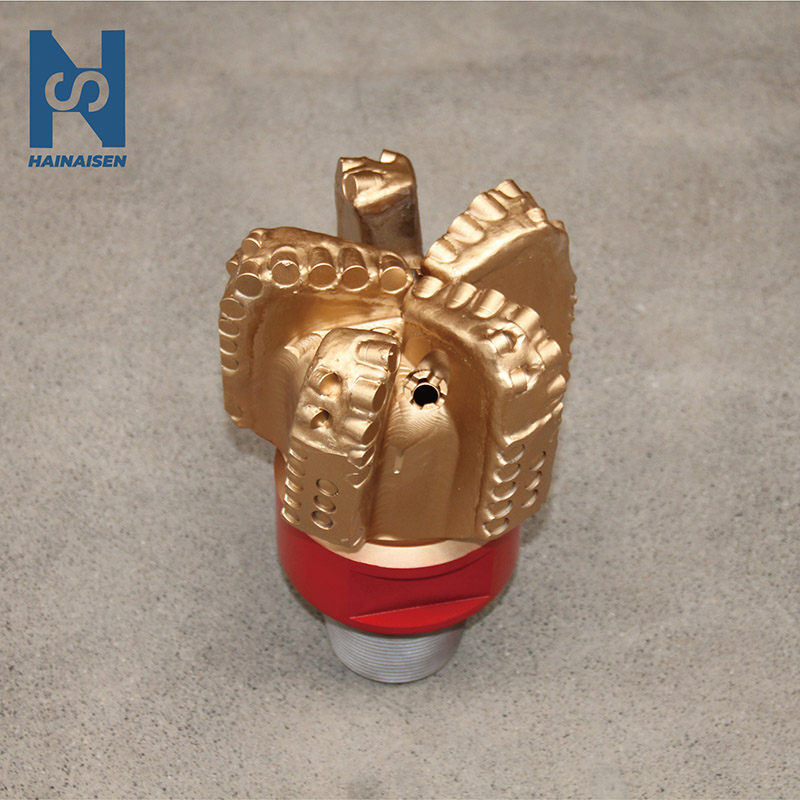
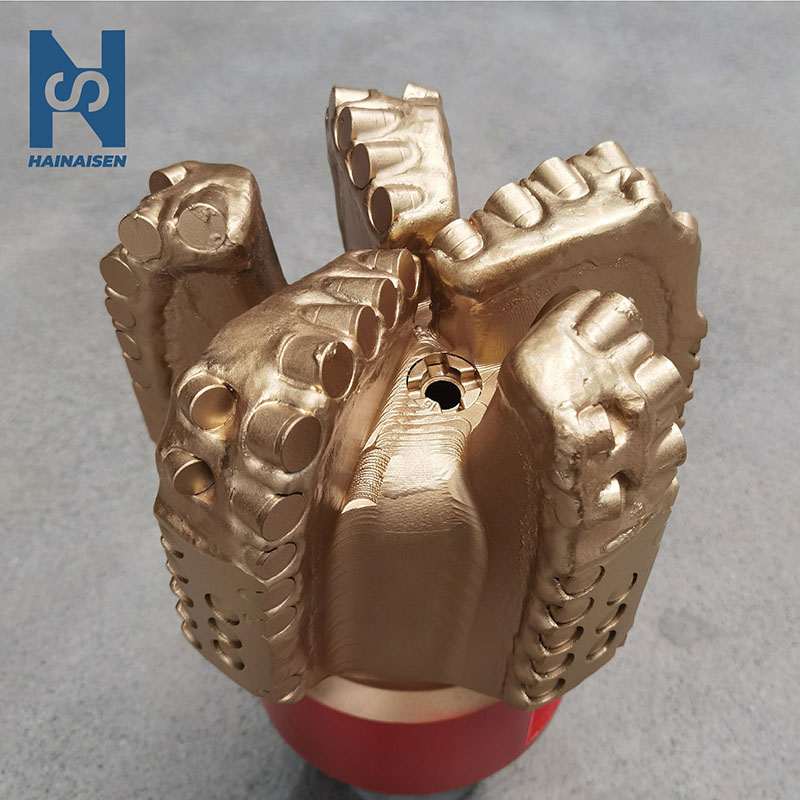
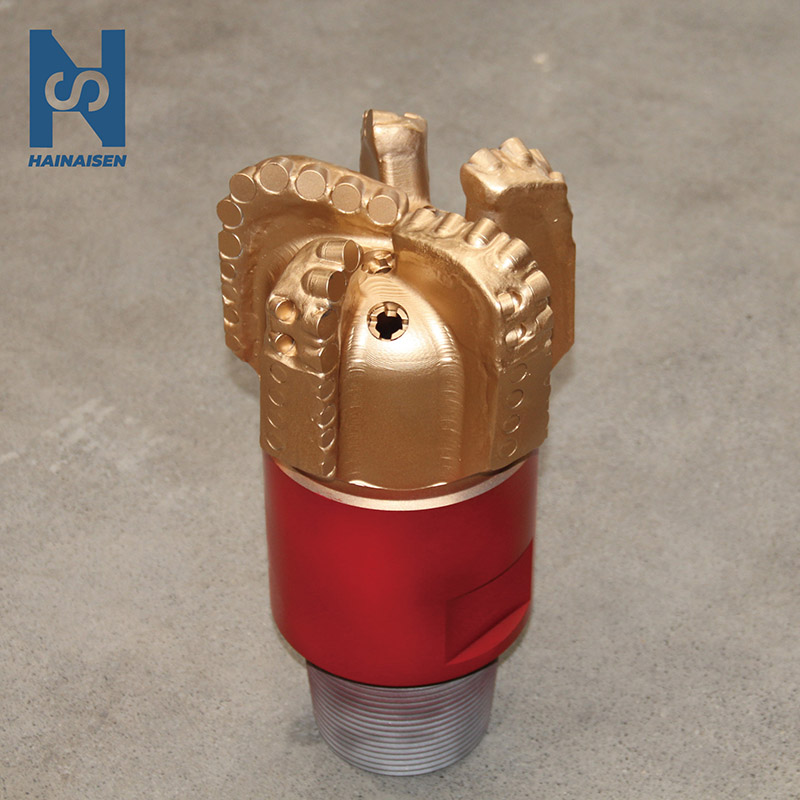
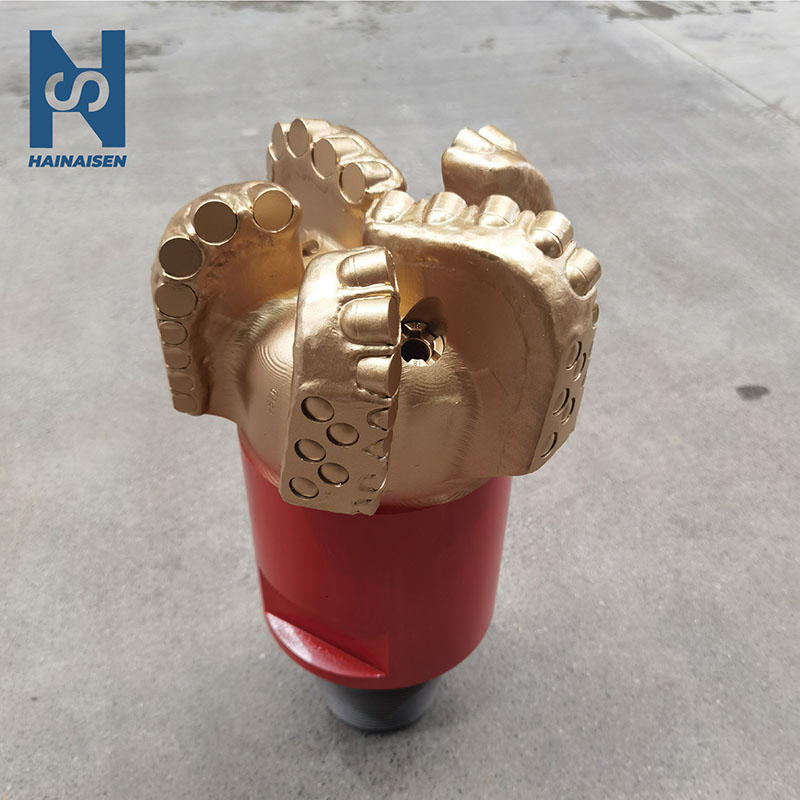
PDC Bits are a big step forward in the technology used for drilling. Instead of using roller cone bits to break up rock, these tools use synthetic diamond cutters that are brazed onto a steel or matrix body to cut through rock. Cutting tools made from a polycrystalline diamond layer bound to a carbide base are second only to real diamonds in terms of how hard they are. Because of its unique design, the bit's cutting edges stay sharp for a much longer time than other bits of the same type. This means that it needs fewer trips and less time downhole.
The cutting device makes the holes smoother and gets rid of the moving parts that are in tricone designs. This simplicity cuts down on mechanical weak spots while keeping performance stable over long drilling gaps. When piercing pressures are between 10 and 100 KN and speeds range from 80 to 300 RPM, PDC bits stay stable and work well, while mechanical bits have a hard time keeping up.
Performance Advantages Over Traditional Bits
When operators switch to PDC technology, they always say that things get better. In the right shapes, the continuous cutting action gives penetration rates 30–50% higher than similar roller cone bits. When bits last longer, they don't have to be tripped as often, which saves time and money on work. Because fake diamond cuts don't wear down easily, a single bit can drill much farther before it needs to be replaced.
A cost study shows strong economics. Even though PDC bits cost more up front than tricone options, the total cost per foot dug usually goes down by 20 to 35 percent when trip time, rig costs, and bit life are taken into account. Bearing failures and cone losses are two common types of failure that affect mechanical bits. This is especially true in difficult downhole settings where temperatures and pressures push test equipment to its limits.
Common PDC Bit Configurations
Most of the time, steel-body PDC bits are used in weaker rocks like shale resources, some limestone zones, and natural gas drilling. Making these bits through machining methods lets you be flexible with the design and saves money. The steel design makes it durable enough, and the prices are low enough that budget-conscious businesses can afford them.
Matrix body types use tungsten carbide powder mixed with bonded alloys to make bit bodies that are very hard and good for working with rough materials. These bits can handle the wear and tear that comes with harder rock layers, where steel bodies would wear out faster. Their higher production costs are justified by the fact that they are more resistant to erosion in demanding situations where bit longevity has a direct effect on the project's economics.
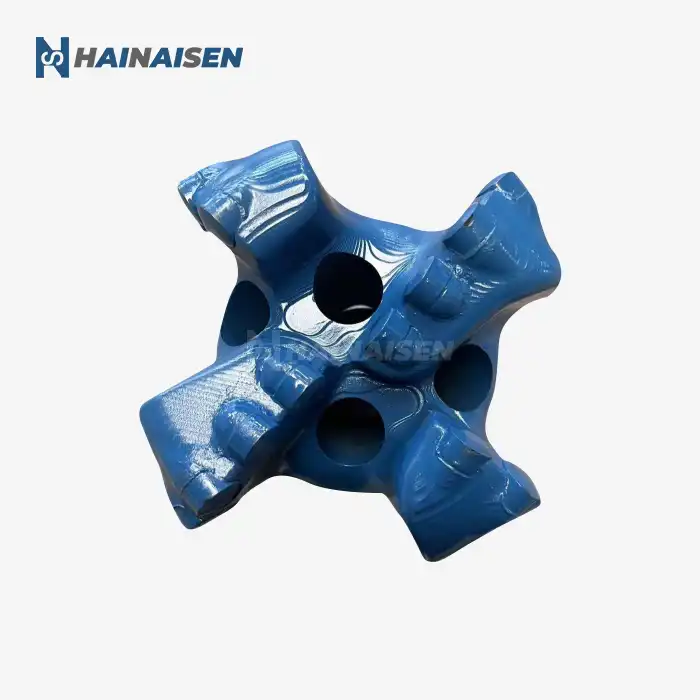
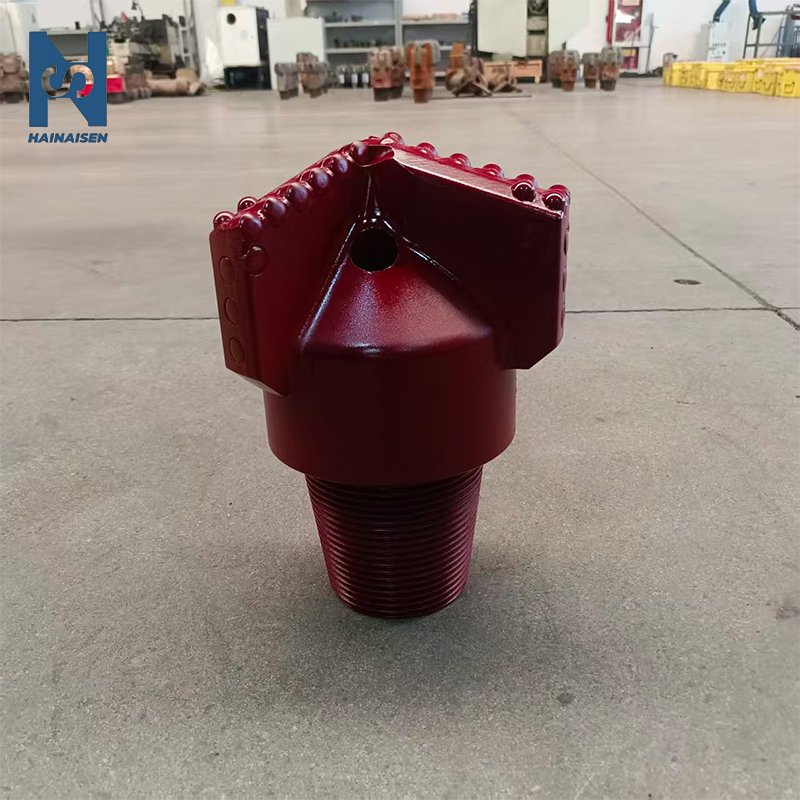
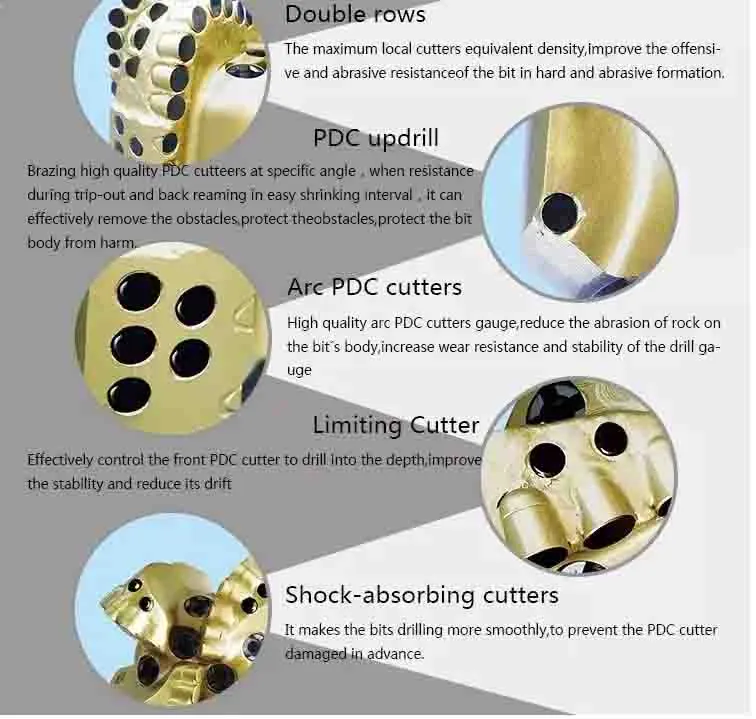
The shape of the blades changes depending on the needs of the group. When drilling in steady rocks, three-blade designs are stable. In intermediate zones, five- or six-blade designs make drilling smoother. When experienced engineers choose a petroleum drilling equipment PDC bit, they look at how the performance traits are affected by where the cutter is placed, the backrake angle, and the hydraulic features.
Key Criteria for Selecting PDC Drilling Equipment for Petroleum Projects
Matching Bits to Formation Characteristics
Formation analysis stands as the cornerstone of proper PDC selection. Soft to medium-hard formations with compressive strengths below 25,000 PSI represent ideal conditions for standard PDC designs. These include many shale plays, limestone deposits, sandstone layers, and gypsum formations where the shearing action efficiently removes material without excessive impact loading that could damage cutters.
Abrasiveness levels require careful consideration. Highly abrasive formations containing quartz or other hard minerals accelerate cutter wear regardless of diamond hardness. Specialized PDC designs incorporating thermally stable polycrystalline diamond or enhanced cutter grades help mitigate wear in these challenging conditions. Conversely, non-abrasive soft formations allow aggressive bit designs that maximize penetration rates without premature wear concerns.
Interbedded formations containing alternating hard and soft layers present particular challenges. Hybrid bit designs blending PDC cutters with impact-resistant features help navigate these transitions without damage. Understanding your geological profile through offset well data and formation logs enables precise bit selection that matches tool capabilities to subsurface realities.
Evaluating Performance Specifications
Rate of penetration remains the most visible performance metric. However, sustained ROP over the entire bit run provides better value than initial high penetration rates that quickly degrade. Evaluating Manufacturer data for comparable applications helps set realistic expectations. Bits operating in formations similar to your target zone offer the most relevant performance predictions.
Durability metrics extend beyond simple footage numbers. Hours on bottom, total revolutions, and weight-on-bit tolerances all influence bit longevity. A bit achieving 500 feet in 20 hours demonstrates different characteristics than one reaching the same footage in 40 hours, even if the final depth matches. Understanding how bits perform under your specific operational parameters ensures alignment between tool capabilities and drilling programs.
Hydraulic efficiency impacts both penetration rates and bit cooling. Flow rates between 20 and 35 LPS through optimized nozzle configurations maximize cuttings removal while maintaining adequate cooling for PDC cutters. Insufficient flow allows cuttings to re-grind beneath the bit, reducing efficiency and accelerating wear. Conversely, excessive flow velocities can erode bit bodies and create turbulence that destabilizes the drilling assembly.
Compatibility With Existing Equipment
Rig capabilities establish boundaries for bit selection. Rotational speed ranges, available weight-on-bit, and hydraulic horsepower must align with bit requirements. A high-performance PDC design demanding 250 RPM provides limited value on rigs mechanically limited to 150 RPM. Similarly, bits requiring 30,000 pounds of weight exceed the capabilities of lighter drilling packages.
Connection specifications deserve attention during procurement. API pin configurations, thread compounds, and torque requirements must match your drill string components. Mismatched connections create weak points that risk failures during operations. Verifying dimensional compatibility prevents costly delays when bits arrive on location incompatible with existing equipment.
Directional drilling considerations add complexity to bit selection. Steerable motor assemblies, rotary steerable systems, and conventional rotary drilling each impose different demands on bit designs. Understanding your directional program helps produsen dan pemasok oil drill bits identify bits optimized for the specific drilling method employed in your wells.
Procurement Considerations: How to Purchase PDC Drilling Equipment Effectively?
Identifying Reliable Manufacturers and Suppliers
Supplier selection impacts project outcomes beyond product quality alone. Established manufacturers with decade-plus operating histories demonstrate stability and accumulated expertise. SHAANXI HAINAISEN INTELLIGENT EQUIPMENT MANUFACTURING CO., LTD. exemplifies this profile, having served the industry since 2013 with dedicated manufacturing facilities spanning 3,500 square meters equipped with 5-axis machining centers and CNC machine tools.
Manufacturing capabilities reveal quality commitment. Advanced equipment, including welding production lines and precision machining centers, indicates investments in quality control. Dedicated R&D teams focusing on custom bit designs signal flexibility to address unique customer requirements beyond standard catalog offerings. These factors distinguish capable suppliers from commodity vendors offering limited technical support.
Certification and compliance matter significantly in petroleum applications. API specifications provide baseline standards, but leading manufacturers exceed minimum requirements through enhanced quality systems. Requesting documentation of manufacturing processes, material Certifications, and quality testing protocols helps verify supplier capabilities before committing to substantial orders.
Customization and Bulk Ordering Strategies
Off-the-shelf bits serve many applications effectively, yet customized designs optimize performance for specific conditions. Custom cutter layouts, blade profiles, and hydraulic configurations tailored to your formation characteristics can deliver measurable performance improvements. Manufacturers with in-house design capabilities respond to these requirements more efficiently than those relying on third-party engineering resources.
Bulk purchasing strategies balance inventory costs against volume discounts and supply security. Large oil service companies typically negotiate framework agreements establishing pricing and delivery terms for ongoing requirements. Coal mining operations often request sample testing protocols before committing to production quantities, recognizing that formation variability can significantly impact bit performance.
Water well drilling teams prioritizing cost efficiency benefit from standardized designs that minimize customization expenses while maintaining acceptable performance in common formations. Understanding your operational volume and formation consistency helps structure procurement approaches that align costs with actual requirements.
Pricing Structures and Total Cost Analysis
Initial purchase prices represent only one component of true bit costs. Trip expenses, rig time, and operational efficiency collectively determine cost-per-foot economics. A premium bit costing 40% more than alternatives but drilling 75% farther delivers superior value despite a higher upfront expenditure. Evaluating total cost of ownership rather than the purchase price alone leads to better economic decisions.
Warranty terms and technical support add value beyond the physical product. Manufacturers offering performance guarantees, replacement policies for premature failures, and responsive technical assistance reduce operational risks. These services carry particular importance when deploying new bit designs in unfamiliar formations where performance uncertainties exist.
Payment structures vary across suppliers and order sizes, including produsen dan pemasok oil drill bits. Understanding terms, delivery schedules, and inventory management options helps optimize cash flow while maintaining adequate bit supplies. Some manufacturers offer consignment arrangements for large ongoing projects, reducing upfront capital requirements while ensuring bit availability matches drilling schedules.
Conclusion
Selecting optimal PDC drilling equipment requires balancing formation characteristics, performance requirements, and economic considerations. Understanding how polycrystalline diamond technology operates, evaluating bits against your specific drilling conditions, and partnering with capable manufacturers positions your projects for success. The transition from traditional roller cone bits to modern PDC designs has transformed drilling economics across petroleum, mining, and water well applications. As technology continues advancing through enhanced materials and intelligent features, PDC bits will extend their performance advantages into increasingly challenging applications. Thoughtful procurement strategies that emphasize total cost of ownership rather than initial purchase prices unlock the full economic potential of this proven technology.
FAQ
1. What factors determine PDC bit lifespan?
Bit longevity depends primarily on formation abrasiveness, operational parameters, and bit quality. Highly abrasive formations containing quartz wear cutters faster regardless of diamond hardness. Operating within manufacturer-specified parameters for weight-on-bit and rotational speed prevents premature damage. Quality manufacturing using premium materials significantly extends service life compared to economy-grade alternatives.
2. How do PDC bits compare to roller cone bits?
PDC bits deliver higher penetration rates and longer life in soft to medium-hard formations through continuous shearing action. Roller cone bits excel in extremely hard or highly interbedded formations where impact resistance matters more than cutting efficiency. PDC technology typically reduces cost-per-foot by 20-35% in appropriate applications despite higher purchase prices.
3. What lead times should I expect for bulk orders?
Standard catalog bits typically ship within 2-4 weeks for moderate quantities. Custom-designed bits require 6-10 weeks, accounting for engineering, prototype testing, and production. Large bulk orders may extend timelines further depending on manufacturing capacity. Planning procurement around drilling schedules prevents costly delays when bits arrive after drilling operations commence.
4. Which certifications matter for PDC equipment?
API specifications establish baseline manufacturing standards recognized throughout the petroleum industry. ISO quality certifications indicate systematic quality management. However, manufacturer-specific testing protocols and performance validation often provide better indicators of actual product quality than generic certifications alone. Requesting documentation of specific quality control measures helps verify supplier capabilities.
Partner With HNS for Superior Petroleum Drilling Equipment PDC Solutions
SHAANXI HAINAISEN INTELLIGENT EQUIPMENT MANUFACTURING CO., LTD stands ready to optimize your drilling operations with advanced PDC bit technology. Our 3,500-square-meter facility houses modern 5-axis machining centers and CNC equipment producing bits that combine superior wear resistance with enhanced cutting efficiency. Customizable designs accommodate your specific formation challenges, while our extensive R&D capabilities ensure solutions precisely matched to your operational requirements. Contact our technical team at hainaisen@hnsdrillbit.com to discuss your project needs and discover why leading operators choose HNS as their trusted Petroleum Drilling Equipment PDC supplier.
References
1. Bellin, F. & Dourfaye, A. (2019). PDC Bit Technology for the Oil and Gas Industry. Society of Petroleum Engineers Technical Publications.
2. Chen, S. & Zhou, Y. (2021). "Performance Analysis of Polycrystalline Diamond Compact Bits in Shale Formations." Journal of Petroleum Technology and Engineering, 156, 334-347.
3. Hareland, G. & Rampersad, P. (2020). Drill Bit Selection and Optimization in Petroleum Engineering. Gulf Professional Publishing.
4. International Association of Drilling Contractors. (2022). Advanced Drilling Technologies: PDC Bit Design and Application. IADC Technical Manual Series.
5. Pessier, R. & Damschen, M. (2021). "Hybrid Drill Bits: Combining the Best of PDC and Roller Cone Technology." SPE Drilling & Completion, 36(2), 412-428.
6. Zhang, H., Wang, R. & Liu, W. (2023). Modern Drilling Tools: Materials, Manufacturing and Field Applications. Petroleum Industry Press.