




Why Engineers Prefer a Three Blades Rock Drill Bit for HDD
The three-bladed rock drill bit is always the tool of choice for horizontal directional drilling projects by engineers because it cuts very well, doesn't wear down easily, and is stable in a wide range of geological formations. The three-wing design creates bigger junk slot spaces that help cutters leave the well faster, lowering friction downhole while keeping the hole's exact path. This design directly leads to measurable performance gains, such as higher penetration rates, longer bit life, and lower operational costs. These are all important factors when drilling through soft to medium-hard layers for water well projects, utility installations, and pipeline construction.
Understanding the Three Blades Rock Drill Bit: Design and Functionality
The Engineering Logic Behind Three-Blade Geometry
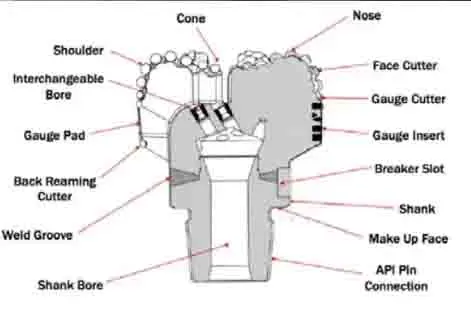
The three-blade rock drill bit, which is also sometimes called a "three-wing drag bit," has blades that are arranged in a way that makes them both strong and efficient with hydraulics. The three-blade structure keeps the best contact pressure across each cutting wing, while standard four-blade designs can cause too much force in lighter forms. Because of its shape, the bit can cut through rock layers by cutting and slicing rather than just breaking them.
Each blade is placed 120 degrees apart around the bit body, which makes natural paths for drilling fluid to flow. These paths, which are called "junk slots," are a lot bigger than the ones in multi-blade setups. Cuttings don't build up around the cutting surfaces because the flow paths have been widened. If they did, that would make entry less effective and cause earlier wear.
Premium Materials That Define Performance Longevity
As part of our manufacturing process at HNS, we use 42CrMo or 40CrNiMo types of heat-treated alloy steel that is formed into bit bodies with core hardnesses between 38 and 42 HRC. This metallurgical standard makes sure that the structure is strong enough to handle high rotational stress during long drilling operations. The cutting elements have high-quality tungsten carbide tips, usually in the YG11C or YG8 grades, which were chosen because they are very tough and don't wear down easily.
We fabricate polycrystalline diamond compact (PDC) cutting elements for high-toughness custom applications of our hdd drill bit. PDC cutters excel in abrasive hard formations, while tungsten carbide inserts remain ideal for heavy-impact jobs. Ultrasonic flaw inspection runs through the brazing step bonding cutters to the steel body, eliminating defects and preventing insert loss underground for every hdd drill bit.
Optimal Formation Compatibility and Limitations
The three-bladed rock drill bit works great in sedimentary areas with sand, silt, soft shale, worn limestone, and sandstone that hasn't been packed down yet. The Mohs scale rates these forms as soft to medium-hard. This lets the bit's cutting action reach penetration rates that are 30–45 percent higher than those of regular roller cone bits. The self-sharpening feature of the tungsten carbide plugs keeps the bit's cutting performance stable over its entire useful life.
But programmers need to be aware that there are times when speed is limited. Extremely hard rocks like granite, quartzite, or conglomerates with a lot of cement can make the cutting edges wear out faster. Bit balling can happen when cuts stick to the bit face and make it hard to cut. This can happen when the clay is sticky. In these cases, changing the qualities of the drilling fluid or choosing a different bit design is needed to keep things running smoothly.
Performance and Benefits of Using Three-Blade Rock Drill Bits in HDD
Measurable Advantages in Drilling Speed and Accuracy
Field data from utility installation projects all over North America shows that in soft to medium formations, three-blade designs regularly achieve 25–40% faster penetration rates than four-blade designs. The faster speed is because there is less surface area touching the formation at any given time. This means that the drilling force is concentrated better while the friction is kept to a minimum.
Larger junk holes in a Three Blades Rock Drill Bit improve hydraulic performance, which has a direct effect on the accuracy of drilling. Getting rid of cuttings quickly keeps debris from building up and deflecting the bit path, which helps it stay on track in horizontal parts. This level of accuracy is very important in crowded cities where utilities have to work around current infrastructure with very little room for error.
Extended Operational Lifespan and Cost Efficiency
Metrics for durability show strong cost benefits. When you use bigger PDC blades or tungsten carbide inserts on three-blade designs, the wear forces are spread out over fewer but stronger cutting elements. This design concept makes bits last 35 to 50 percent longer than designs that use smaller, more numerous cuts. When used in real life, a single three-blade bit can drill through gaps that would need multiple repairs with other designs.
The maintenance needs to be simple, but it's necessary to get the most out of this product's lifespan. As part of regular checking procedures, accurate micrometers should be used for measurement to check the correctness of the gauge width. Consistent heat treatment consistency is confirmed by measuring the hardness of blade surfaces. Using API-certified master gauges for thread measuring makes sure that the links with the drill string don't leak, which stops expensive fluid loss and contamination of the rock.
Comparative Performance Against Alternative Bit Technologies
The three-blade hdd rock bit is a cost-effective pick for soft to medium-hard strata, compared with heavy-duty PDC Bits designed for tough rock. While PDC bits perform excellently in abrasive formations, their higher upfront cost is unnecessary for mild ground conditions. Similarly, diamond-set drill bits carry high purchase costs and only deliver economic benefits in extremely hard, abrasive layers.
The three-blade design solves certain practical problems that come up in drilling operations. Too much bit balling in sticky clay is less of a problem when there are bigger junk slots that let cuts flow out without being blocked. Because the three-wing design cuts down on touch surface area, it is not necessary to use a lot of force on the bit in unconsolidated layers. These useful answers mean less time spent on non-productive tasks and better project costs generally.
Making the Right Procurement Decision: A Buying Guide for Three-Bladed Rock Drill Bits
Essential Procurement Criteria for Technical Evaluation
Procurement managers and technical engineers should prioritize several key specifications when evaluating three-blade drill bits. Gauge diameter accuracy directly impacts hole clearance and casing installation, requiring tolerances within ISO 9001 manufacturing standards. Thread specifications must conform to API requirements, ensuring compatibility with existing drill string components. Material traceability through complete mill test reports (MTR) for alloy steel provides assurance against fatigue failure under high-frequency vibration.
Quality control processes reveal the Manufacturer's commitment to reliability. Ultrasonic flaw detection validates brazed joint integrity, while hardness mapping confirms heat-treatment consistency. Suppliers should provide comprehensive documentation, including dimensional inspection reports, material Certifications, and performance warranty terms. These documents become essential for quality assurance protocols and potential warranty claims during operational deployment.
Supplier Reliability and After-Sales Support Considerations
Establishing relationships with manufacturers who maintain substantial production capabilities ensures a consistent supply for ongoing projects. Our 3,500-square-meter facility at HNS features modern production workshops equipped with 5-axis machining centers, CNC machine tools, and welding production lines that deliver precision manufacturing at scale. This infrastructure supports both standard product availability and custom bit design services tailored to unique geological challenges.
Lead times for oil and gas drilling bits vary based on order volume and customization requirements. Standard configurations typically ship within two to three weeks, while custom designs incorporating specific blade geometries or specialized cutting elements may require four to six weeks. Bulk order advantages include volume pricing discounts and priority production scheduling, particularly valuable for large-scale operations managing multiple simultaneous projects.
Price Factors and Budget Alignment Strategies
Cost considerations must balance initial investment against the total cost of ownership. While three-blade bits command higher unit prices than basic drag bits, their extended lifespan and superior penetration rates reduce cost-per-meter drilled by 20-35 percent. Medium to large oil service companies benefit from this long-term value proposition, particularly when quality assurance protocols and consistent performance justify premium pricing.
Coal mining teams chasing cost savings can take advantage of on-site performance testing. Trials under real formation conditions generate solid data for full cost-benefit analysis. Water well crews and operators using hdd drill bit often face tight budgets, and three-blade drill bits strike a perfect balance between low cost and reliable performance for their jobs. Setting clear performance benchmarks during procurement keeps pricing expectations matched with actual drilling value of every hdd drill bit.
Industry Applications and Case Studies: Why Engineers Trust Three-Blade Rock Drill Bits?
Utility Installation and Pipeline Construction Success
Horizontal directional drilling for utility installations represents the primary application domain where three-blade bits demonstrate clear advantages. Telecommunication cable installations beneath roadways, rivers, and urban infrastructure benefit from the precise trajectory control these bits provide. The reduced vibration characteristic of three-blade designs minimizes stress on steering systems, maintaining accuracy throughout extended horizontal sections.
Pipeline construction projects for natural gas distribution networks have documented significant efficiency gains. A major pipeline contractor operating in the Appalachian Basin reported a 32 percent reduction in drilling time when switching from four-blade to three-blade configurations for top-hole sections through soft shale and sandstone. This time savings directly impacted project schedules, allowing earlier pipeline commissioning and revenue generation.
Water Well and Geotechnical Applications
Water well drilling teams working in sedimentary basins achieve consistent penetration rates through layers of sand, silt, and soft limestone using three-blade drill bits. The bits' ability to maintain clean, stable boreholes proves essential for subsequent well development activities. Casing installation proceeds smoothly when hole quality remains consistent, reducing non-productive time associated with hole cleaning or remediation.
Geotechnical site investigation projects rely on these bits for soil sampling and standard penetration testing in weathered rock profiles. The stable cutting action produces minimal formation disturbance, preserving the integrity of core samples needed for accurate geological characterization. Engineering firms conducting foundation studies for infrastructure projects value this capability, as it directly influences design calculations and construction safety margins.
Mining and Exploration Operational Efficiency
Coal mining operations deploy three-blade bits for drilling blast holes and grout injection holes in non-abrasive formations. The bit's self-sharpening characteristic maintains consistent performance throughout shift operations, reducing tool change frequency and improving equipment utilization rates. Underground mining operations particularly benefit from this reliability, as tool replacement in confined spaces involves significant logistical challenges and safety considerations.
Geological exploration programs use oil and gas drilling bits for preliminary site assessment drilling before committing to more expensive diamond core drilling. The rapid penetration capability allows exploration teams to efficiently evaluate large areas, identifying promising targets for detailed investigation. This tiered approach to exploration optimizes budget allocation, concentrating resources on prospects with confirmed geological potential.
Conclusion
The three-bladed hdd rock bit is widely favored by engineers for horizontal directional drilling tasks. Optimized blade shape, high-grade materials and efficient hydraulics bring faster penetration, longer service life and higher precision in soft to medium-hard rock. Such strengths cut drilling hours, lower cost per meter and reduce wasted downtime, creating clear economic returns for all hdd rock bit users.
Procurement decisions should weigh project-specific geological conditions, quality assurance requirements, and total cost of ownership rather than focusing solely on initial purchase price. The manufacturing expertise, quality control processes, and customization capabilities offered by established suppliers like HNS provide the foundation for successful long-term partnerships that support operational excellence across diverse drilling applications.
FAQ
1. What is the typical lifespan of a three-bladed rock drill bit?
The operational lifespan depends significantly on formation characteristics, drilling parameters, and maintenance practices. In soft sedimentary formations with proper fluid circulation and rotational speed management, a quality three-blade bit typically drills 500-800 meters before requiring replacement or refurbishment. Harder formations or abrasive conditions may reduce this interval to 300-500 meters. Regular inspection after every 100-150 meters allows early detection of wear patterns, enabling proactive bit replacement before catastrophic failure occurs.
2. How do engineers decide between three-blade and four-blade designs?
The decision primarily considers formation hardness and drilling objectives. Three-blade configurations excel in soft to medium formations where hydraulic efficiency and penetration rate take priority. Four-blade designs provide greater stability in harder formations requiring more aggressive cutting action. Engineers conducting preliminary site assessment drilling should evaluate formation samples or reference regional geological surveys to match bit design with anticipated subsurface conditions.
3. Are there eco-friendly material innovations in three-blade bit manufacturing?
Current industry trends emphasize extended bit life as the primary sustainability contribution, reducing manufacturing resource consumption through decreased replacement frequency. Material traceability programs ensure the responsible sourcing of tungsten carbide and alloy steel components. Some manufacturers explore recycling programs for worn bits, reclaiming tungsten carbide inserts for reprocessing. While fully biodegradable drilling tools remain impractical given performance requirements, these incremental improvements contribute to more sustainable drilling operations.
Partner with HNS: Your Trusted Three-Cone Rock Drill Bit Supplier
HNS brings over a decade of specialized expertise in three-blade rock drill bits and drill bit manufacturing, combining advanced production capabilities with responsive customer service tailored to your operational needs. Our comprehensive product range addresses diverse HDD requirements, from standard configurations for routine drilling to custom-engineered solutions for challenging geological conditions. We maintain substantial inventory levels, ensuring rapid fulfillment for urgent projects while offering volume pricing advantages for bulk purchases.
Connect with our technical team at hainaisen@hnsdrillbit.com to discuss your specific drilling challenges. We provide detailed product specifications, performance data, and customization options that align with your project requirements and budget parameters.
References
1. Anderson, R. M. (2019). Advanced Drilling Technologies for Horizontal Directional Applications. Society of Petroleum Engineers Technical Publications.
2. Chen, W., & Liu, H. (2021). "Comparative Performance Analysis of Multi-Blade Drill Bit Configurations in Sedimentary Formations." Journal of Drilling Engineering, 48(3), 215-232.
3. International Association of Directional Drilling. (2020). Best Practices Manual for HDD Tool Selection and Maintenance. IADD Technical Committee Report.
4. Morrison, T. L. (2018). "Metallurgical Considerations in Drag Bit Manufacturing for Extended Service Life." Materials Science in Drilling Applications, 12(4), 387-405.
5. Roberts, K. J., & Thompson, D. A. (2022). Economic Optimization Strategies for Utility Installation Projects. Underground Construction Technology Association Press.
6. Zhang, Y., Wang, S., & Kumar, P. (2020). "Hydraulic Efficiency Analysis of Blade Configurations in Rotary Drilling Systems." International Journal of Rock Mechanics and Mining Sciences, 134, 104-118.
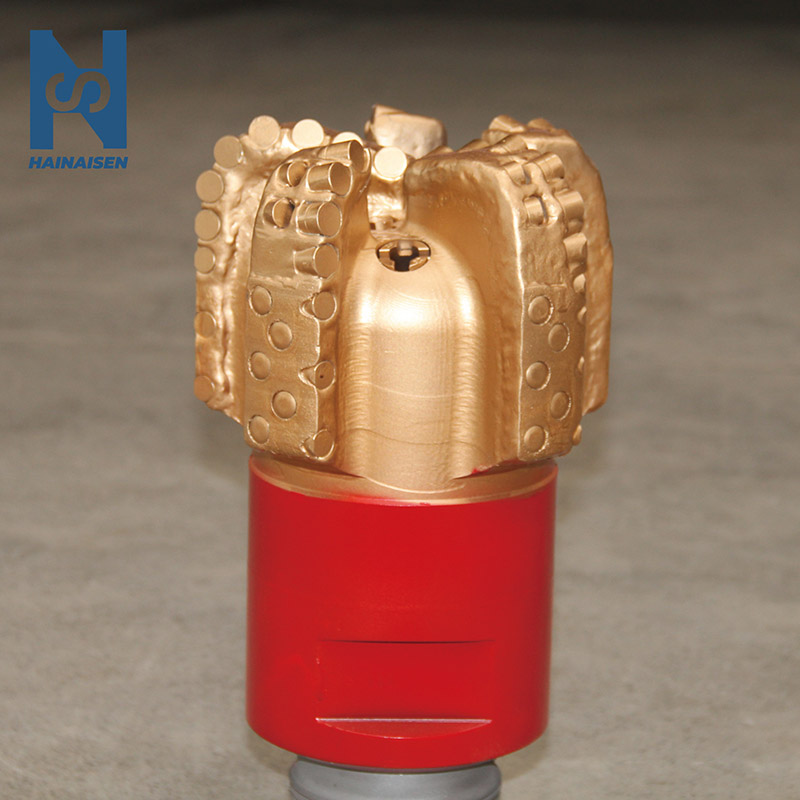 VIEW MOREDiamond PDC Drill Bit
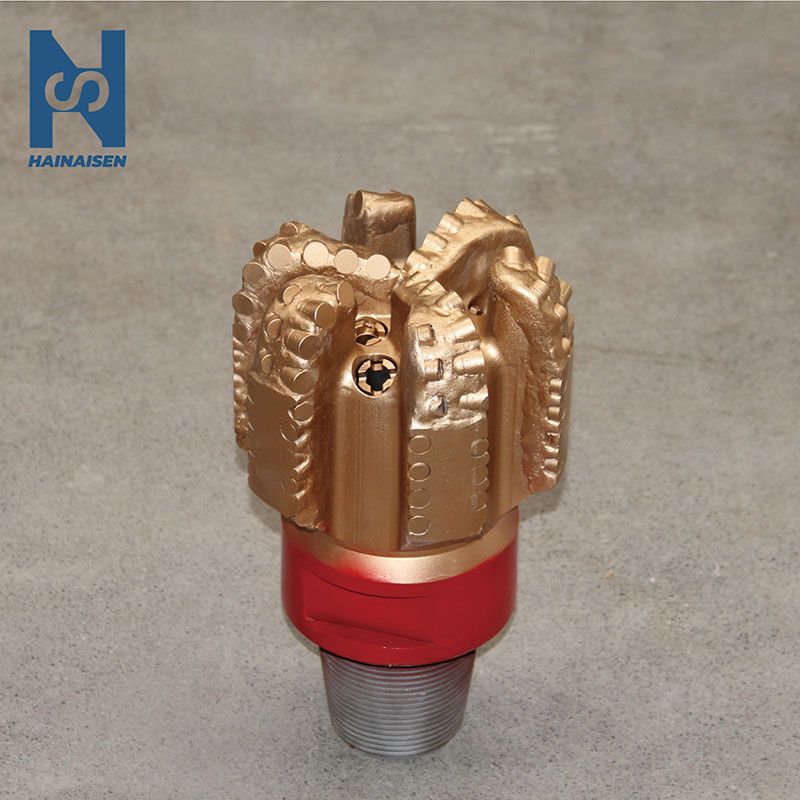 VIEW MORE6-Blade PDC Drill Bit
logo 2_1777360600432.jpg) VIEW MORECoal Mine Drilling Drill Bit Directional Three Blade PDC Drill Bit
VIEW MORECoal Mine Drilling Drill Bit Directional Three Blade PDC Drill Bit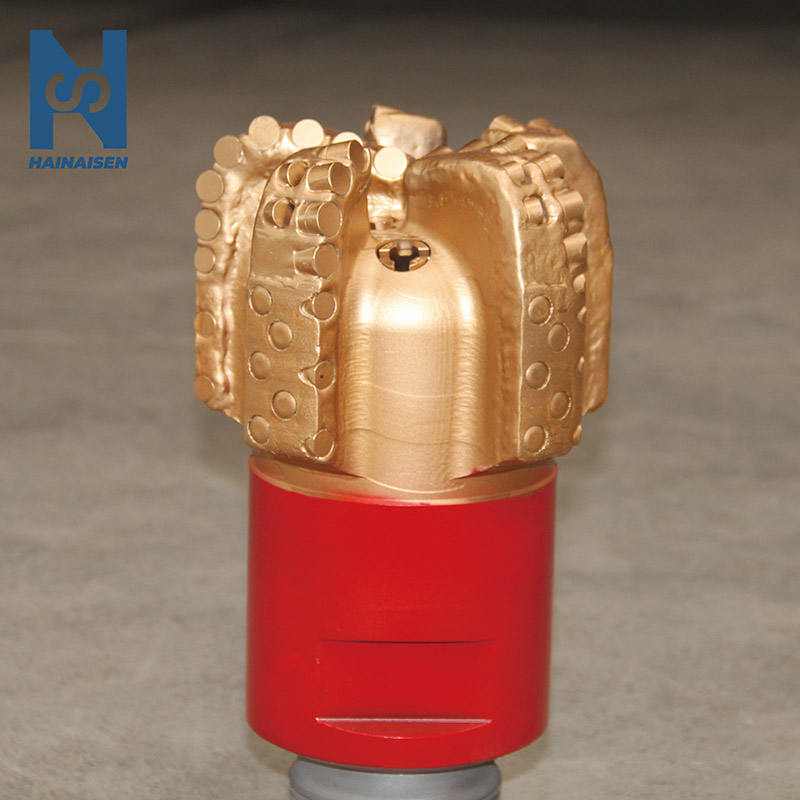 VIEW MOREFive Blades PDC Drill Bits
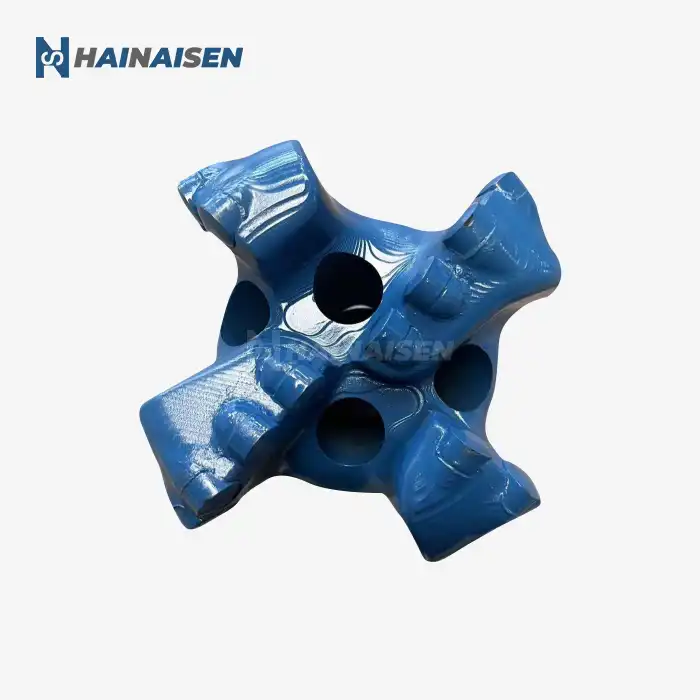 VIEW MORE4 Blade PDC Bit
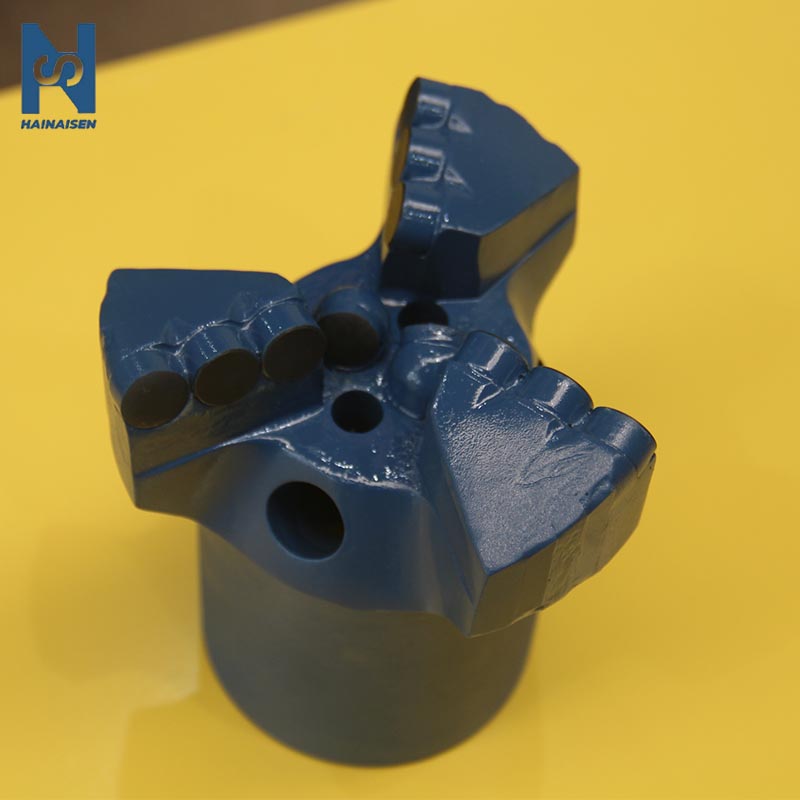 VIEW MOREPolycrystalline Diamond Drill Bits
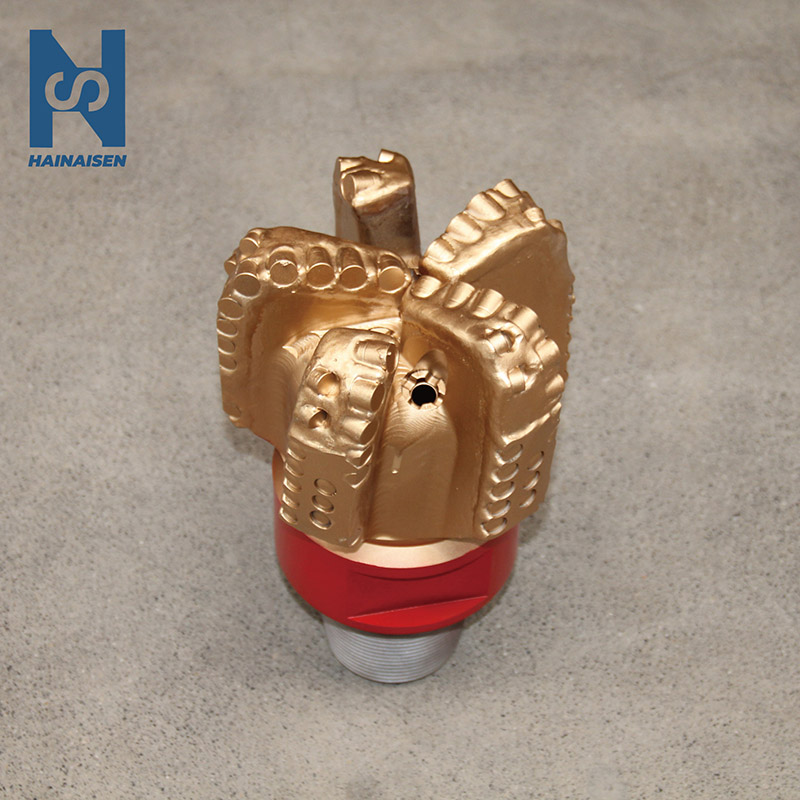 VIEW MOREDrilling Bit For Oil And Gas Rig
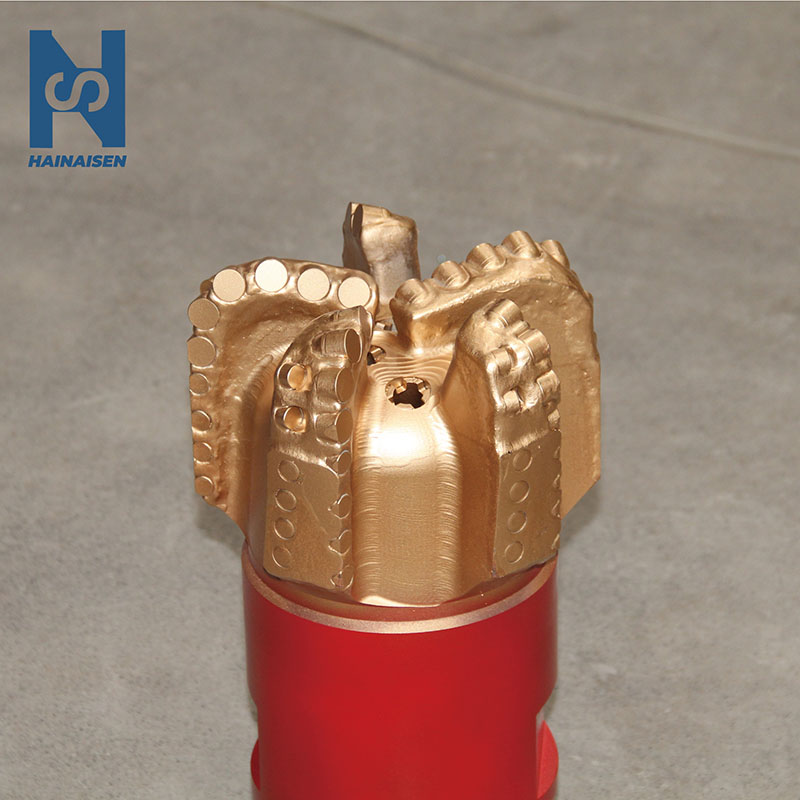 VIEW MORE5 Blades Steel Body High Performance PDC Rock Drill Bits