







How Are High Quality PDC Drill Bits Tested Before Shipment?
Before they are shipped out, high-quality PDC drill bits go through a multi-stage quality assurance process that checks their accuracy in measurements, durability, resistance to wear, and hydraulic performance. Before they get to customers, these polycrystalline diamond compact bits are visually checked, tested for impact resistance, tested for thermal stability, and put through virtual drilling conditions to make sure they meet strict API and ISO standards. This thorough testing system ensures operating dependability and cuts down on costly downtime in tough drilling conditions.
Introduction
Today, PDC (Polycrystalline Diamond Compact) drill bits are essential for digging in many fields, including coal mining, oil and gas production, and water wells. Purchasing managers and technical experts all over the world choose them because they work well and last a long time in tough underground circumstances. Making sure that these important parts go through strict quality checks before they are shipped will protect your investment and keep your business running.
We know that people who work in buying are under a lot of pressure to find the best mix between performance needs and cost concerns. Medium and big oil repair companies want a lot of proof that you are qualified and can be trusted. Coal mines need to be able to offer reasonable prices without lowering quality standards. Teams that drill water wells look for ways to save money while still getting good results. This guide meets all of these different needs by showing the thorough testing methods that tell the difference between high-quality PDC Bits and cheaper ones. We show you how quality assurance measures directly affect performance in the field through open review methods. This helps you make smart buying decisions that lower the risk of equipment failure and project delays.
Understanding High-Quality PDC Drill Bits
Understanding what makes expensive PDC bits different from regular ones is the key to getting better drilling results. These high-tech tools have industrial-grade diamond cuts and bit bodies that are perfectly designed to give great results in a wide range of rock types.
Material Composition and Construction Methods
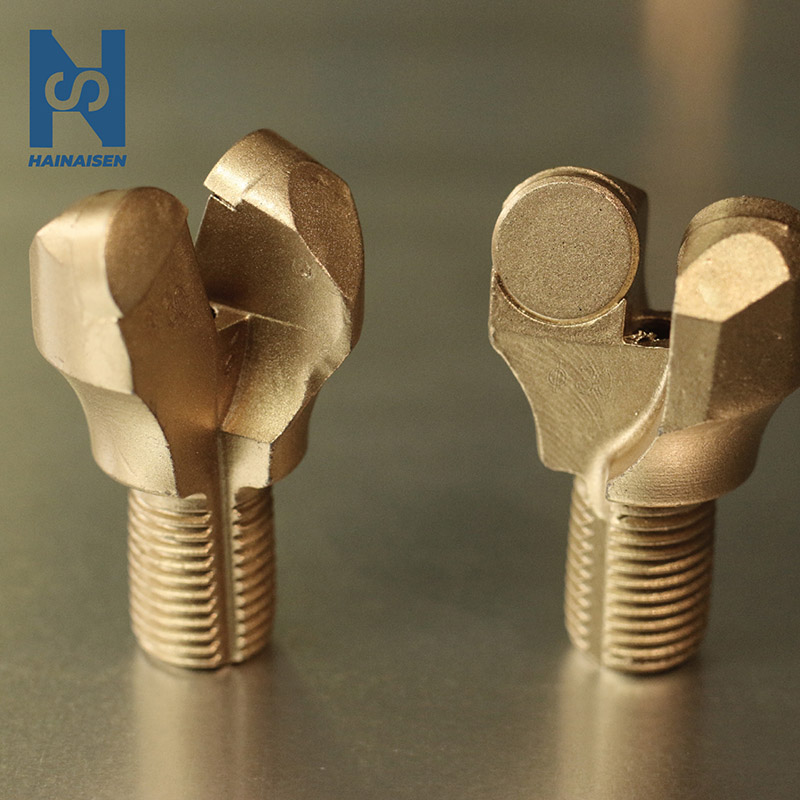
Premium PDC bits use carefully chosen polycrystalline diamond blades that are sinter-bonded to tungsten carbide surfaces at high temperatures and pressures. There are two different types of bit bodies: steel bodies and matrix bodies. Each has its own benefits. Steel body PDC bits are made of high-strength alloy steel that has been cut into particular shapes. They are very strong and flexible and can withstand impacts well. Because of how they are built, they can handle quick shock loads that come up when digging through broken rock or layers with hard stringers buried in them. Matrix body bits are made up of tungsten carbide pieces mixed with metal binders. They have better wear protection in very rough rock types like sandstone and limestone.
The cutting structure design has a direct effect on how deep the bit can go and how long it lasts. Our technical team sets up the placement of the cutters, the shape of the blades, and the hydraulic paths to get rid of rocks as efficiently as possible. There are different types of bits, with sizes ranging from 98 mm to 660 mm in diameter and designs ranging from four blades to seven blades, to fit different types of formations.
Performance Advantages Over Conventional Bits
When compared to regular tungsten carbide or roller cone bits, PDC technology offers faster entry rates and longer tool life. When the weight-on-bit settings are right, the self-sharpening cutting teeth can easily cut through layers and then split rock well when the force is applied. When several cuts work together, they make many free surfaces at the bottom of the shaft. These surfaces break up rock by cutting and breaking it.
There are real practical benefits to this cutting device. Higher rates of entry speed up projects by cutting down on rig time and the costs that come with it. High-quality PDC drill bits with diamond cuts last longer, so the bits don't need to be changed as often. This means that tripping processes take less time and are more effective. These bits are more flexible, so they can work with a wider range of rocks, from soft shale and gypsum to fairly hard limestone and sandstone, without having to switch bits in the middle of a job. These traits are especially useful for large-scale activities where profit is directly linked to speed.
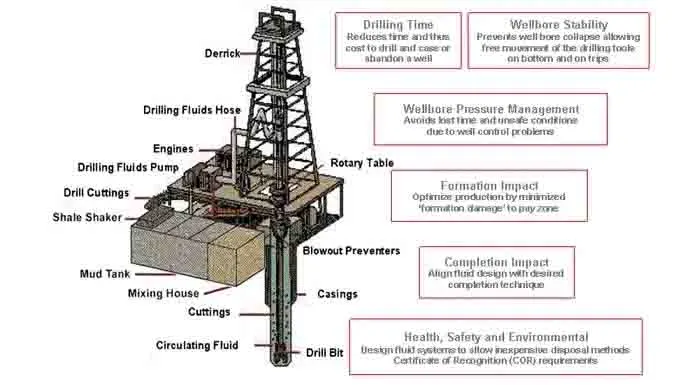
Why Is Rigours Testing Essential Before Shipment?
Using low-quality drilling equipment has effects that go far beyond the cost of the equipment itself. This is why thorough testing before shipping is required and not just a choice.
Minimising Operational Risks and Downtime
When drilling equipment breaks down, it sets off a chain of problems that affect project schedules, costs, and safety. When a bit fails too soon, it has to be tripped, which costs a lot of money and takes up important rig time and labour resources. Unpredictable growth rates are caused by inconsistent performance, which makes planning projects and allocating resources more difficult. Worse, catastrophic bit failures can cause downhole waste that needs expensive cleaning operations or even the wellbore being abandoned.
Possible flaws are found during pre-shipment testing, which happens before the bits get to the area. Visual checks find problems in the manufacturing process, such as blades that aren't properly joined or differences in dimensions. Mechanical testing shows weak spots in a structure that could break under normal use. Hydraulic tests make sure that the right amount of fluid flows to remove the cuttings and cool the bit. This cautious method keeps your drilling operations from being interrupted without warning, which could hurt the project's finances and your relationships with clients.
Compliance with Industry Standards and Certifications
Internationally known standards, such as the API (American Petroleum Institute) guidelines and the ISO quality control procedures, set the minimum standards for how well and how reliably drilling tools should work. Following these guidelines is an objective way to make sure that goods meet strict quality and safety standards that have been built up over many years of experience in the business.
When checking methods and findings are written down, everyone in the supply chain can be held accountable. When thorough test records are sent with equipment packages, purchasing managers can be sure they did their research before choosing a seller. Technical experts get reassurance that the specs of the bit match the needs of the drilling programme. For medium and large oil service businesses with longer qualification periods, this openness is especially helpful because detailed recording of tests speeds up approval processes and helps build long-term partnerships.
Typical Testing Procedures for High-Quality PDC Drill Bits
Comprehensive quality assurance involves sequential evaluation stages that systematically validate every aspect of bit performance before shipment authorisation.
Visual and Dimensional Inspections
The testing sequence begins with meticulous visual examination using magnification equipment to detect surface defects, cutter damage, or bonding irregularities. Inspectors verify that diamond cutters show no cracks, chips, or delamination from their carbide substrates. Brazing joints between cutters and bit bodies receive particular scrutiny, as these connections must withstand extreme mechanical and thermal stresses during drilling.
Dimensional verification employs precision measurement instruments to confirm that bit geometry matches design specifications within tight tolerances. Cutter placement positions, blade profiles, bit diameter, and hydraulic passage dimensions undergo coordinate measurement to ensure consistency across production batches. These measurements validate that manufacturing processes maintain the design integrity essential for predictable field performance.
Mechanical Strength and Impact Resistance Tests
Controlled mechanical testing simulates operational stresses to verify structural integrity under realistic loading conditions. Drop weight impact tests assess how well cutters remain bonded to the bit body when encountering sudden shock loads typical of drilling through hard stringers or fractured zones. Torque resistance evaluations apply rotational forces to confirm that bit bodies can transmit the required torque without structural failure or deformation.
Cutter retention testing specifically examines the strength of braze joints holding diamond cutters in position. Measured forces applied to individual cutters determine safety margins before cutter dislodgement occurs. These evaluations provide quantitative data about bit toughness and reliability, helping match specific bit designs to formation characteristics and drilling parameters.
Wear Resistance and Thermal Stability Assessments
Accelerated wear testing replicates the abrasive conditions encountered during extended drilling in challenging formations for high-quality PDC drill bits. Test rigs rotate bits against abrasive rock samples or synthetic materials while applying controlled pressure and temperature. Post-test measurements of cutter wear rates and bit body erosion forecast operational lifespan under various formation conditions.
Thermal stability testing exposes bits to elevated temperatures matching downhole conditions, then rapidly cools them to simulate thermal cycling during drilling fluid circulation. These thermal stress cycles reveal whether cutter-to-substrate bonds remain intact and whether bit body materials maintain structural properties across temperature extremes. Bits designed for geothermal drilling or deep oil and gas wells require particularly rigorous thermal qualification.
Hydraulic Performance Evaluation
Effective cutting removal and bit cooling depend on optimised hydraulic design. Flow testing measures pressure drops across the bit at various flow rates, validating that hydraulic passages deliver adequate fluid velocity to nozzles or ports. High-speed video captures fluid jet patterns to confirm proper distribution across the bit face for efficient cuttings evacuation.
Some testing protocols incorporate rock-cutting simulations where bits drill into prepared rock samples while monitoring penetration rates, torque requirements, and cuttings size distribution. These performance trials provide empirical data about drilling efficiency under controlled conditions, offering preliminary insights into field behaviour across different formation types.
Advanced Testing Technologies and Innovations in Quality Assurance
Modern manufacturing facilities leverage cutting-edge technologies to achieve precision and consistency that surpass traditional inspection methods.
Digital Inspection and 3D Measurement Systems
Three-dimensional laser scanning creates detailed digital models of Manufactured bits, enabling comprehensive comparison against CAD design files. Automated inspection software identifies dimensional deviations as small as 0.01mm, catching subtle variations that might escape manual measurement. This technology proves particularly valuable for complex geometries like blade profiles and hydraulic passages, where traditional measurement tools struggle to access critical surfaces.
Coordinate measuring machines (CMMs) equipped with touch probes systematically verify hundreds of dimensional checkpoints across each bit. Statistical process control algorithms analyse measurement data to detect trends indicating tool wear or process drift before defects occur. This proactive approach maintains consistent quality across production runs.
AI-Driven Quality Control and Predictive Analytics
Artificial intelligence algorithms analyse patterns in testing data to identify correlations between manufacturing parameters and field performance outcomes. Machine learning models trained on thousands of bit production cycles can predict potential failure modes based on subtle measurement variations invisible to human inspectors. This predictive capability enables continuous process improvement and design optimisation.
Real-time monitoring systems track production equipment performance, alerting operators to conditions that might compromise quality before defective products emerge. Embedded sensor technologies in some advanced bits provide telemetry data during field operations, creating feedback loops that inform future design refinements and manufacturing adjustments.
Case Study: Performance Validation in Practice
A leading manufacturer recently documented testing outcomes for high-quality PDC drill bits destined for challenging shale formations in North American drilling operations. Comprehensive pre-shipment evaluations included 500-hour accelerated wear testing, thermal cycling between 20°C and 250°C, and hydraulic flow optimisation. Field deployment validated testing predictions, with bits achieving 30% longer service life than previous-generation designs and 15% faster average penetration rates. This performance improvement reduced overall well construction costs by approximately 8%, demonstrating tangible return on investment from rigorous quality assurance protocols.
Conclusion
Rigorous pre-shipment testing represents the critical link between manufacturing excellence and field reliability for polycrystalline diamond compact drilling equipment. Through systematic visual inspections, mechanical strength evaluations, wear resistance assessments, and hydraulic performance validation, comprehensive testing protocols identify potential weaknesses before they compromise your drilling operations. Advanced technologies, including 3D scanning, AI-driven analytics, and predictive monitoring, enhance traditional quality assurance methods, delivering unprecedented consistency and performance predictability. When evaluating suppliers, prioritise those demonstrating transparent testing documentation, relevant Certifications, modern facility capabilities, and commitment to continuous improvement. These quality indicators directly correlate with reduced operational risks, minimised downtime, and improved project economics across oil and gas extraction, coal mining, and water well drilling applications.
FAQ
1. How long does comprehensive testing take before shipment?
Complete testing protocols typically require 3-7 days, depending on bit complexity and testing depth. Standard production bits undergo accelerated testing sequences, while custom designs or bits for critical applications may require extended evaluation periods, including thermal cycling and prolonged wear testing. Reputable suppliers balance thorough testing against reasonable delivery timelines.
2. Can testing guarantee zero failure rates in the field?
No testing protocol eliminates all field failure possibilities because drilling conditions involve variables beyond laboratory control. Comprehensive testing significantly reduces failure probability by identifying manufacturing defects and validating design performance under controlled conditions. Proper bit selection, appropriate drilling parameters, and operational practices remain essential complements to quality manufacturing and testing.
3. What documentation should suppliers provide regarding testing?
Suppliers should furnish detailed inspection certificates, including dimensional measurements, visual inspection results, mechanical testing data, and hydraulic performance specifications. Documentation must identify specific production lot numbers, testing dates, and inspector credentials. Third-party certification from independent testing laboratories adds credibility for critical applications requiring additional validation beyond manufacturer self-certification.
Partner with HNS for Rigorously Tested PDC Drill Bits
Shaanxi Hainaisen Petroleum Technology delivers drilling solutions backed by comprehensive quality assurance protocols that protect your operational investments. Our 3,500m² manufacturing facility in Xi'an houses advanced 5-axis machining centres and dedicated testing equipment that validate every bit before shipment. We manufacture both steel body and matrix body PDC bits across size ranges from 98mm to 660mm, optimised for formations including shale, limestone, sandstone, and gypsum. Our dedicated R&D team collaborates with your technical engineers to develop custom designs addressing specific drilling challenges. As an experienced High Quality PDC Drill Bits manufacturer, we maintain transparent testing documentation, API and ISO compliance, and responsive technical support throughout your drilling programs. Contact Us at hainaisen@hnsdrillbit.com to discuss your requirements, request detailed testing protocols, or explore custom solutions.
References
1. Bellin, F. & Doiron, H.H. (2009). "Diamond Compact Cutter Technology for Drilling Applications." SPE Drilling & Completion Journal, 24(3), 448-456.
2. Clayton, R.I., Chen, S. & Lefort, G. (2005). "New Bit Design, Cutter Technology Extend PDC Applications to Hard Rock Drilling." Oil & Gas Journal Technical Papers, 103(42), 53-58.
3. Durrand, C.J., Skeem, M.R. & Crockett, R.B. (2011). "Super-Hard Cutter Materials for Hard and Abrasive Rock Drilling." Proceedings of the SPE Annual Technical Conference, Paper SPE-147329.
4. Miess, D. & Rai, G. (2008). "Fracture Toughness and Thermal Resistance of Polycrystalline Diamond Compacts." Materials Science and Engineering Reports, 62(4), 81-98.
5. Sinor, L.A. & Warren, T.M. (1989). "Drag Bit Wear Model for PDC Drill Bit Design." Journal of Petroleum Technology, 41(11), 1200-1208.
6. Zhang, Z., Lui, X. & Wang, Q. (2018). "Advanced Manufacturing and Quality Control Methods for PDC Drill Bits." International Journal of Precision Engineering and Manufacturing, 19(7), 1023-1035.
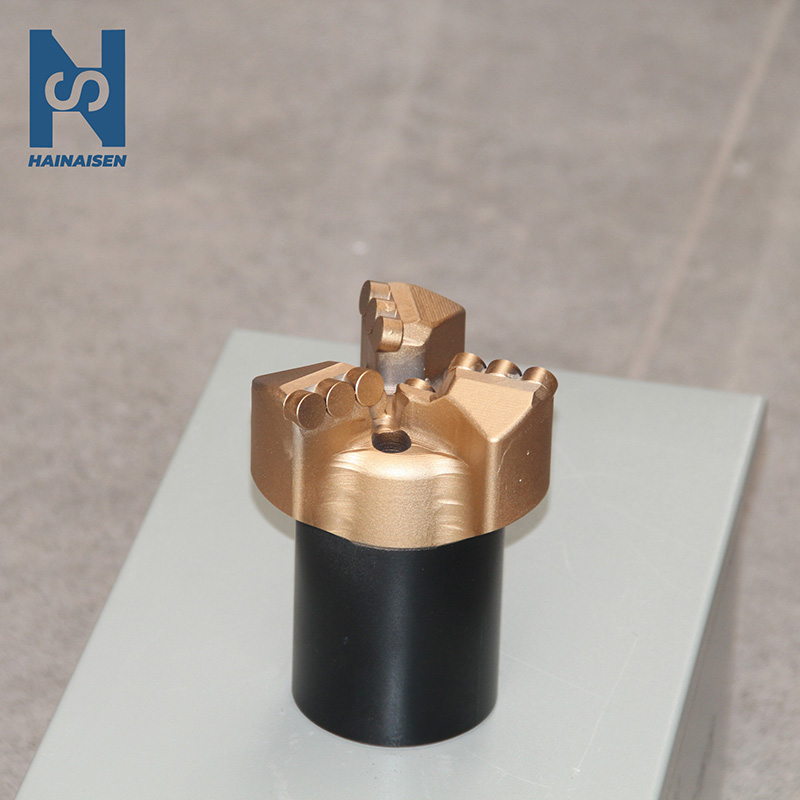 VIEW MOREThree Blades Steel Body PDC Bit
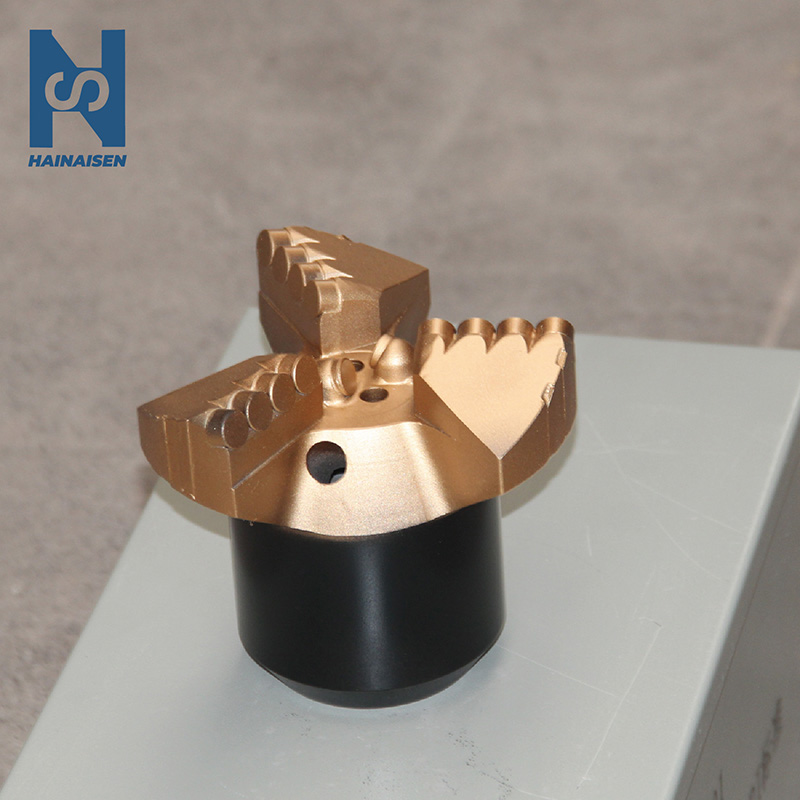 VIEW MORE153mm PDC Concave Bit
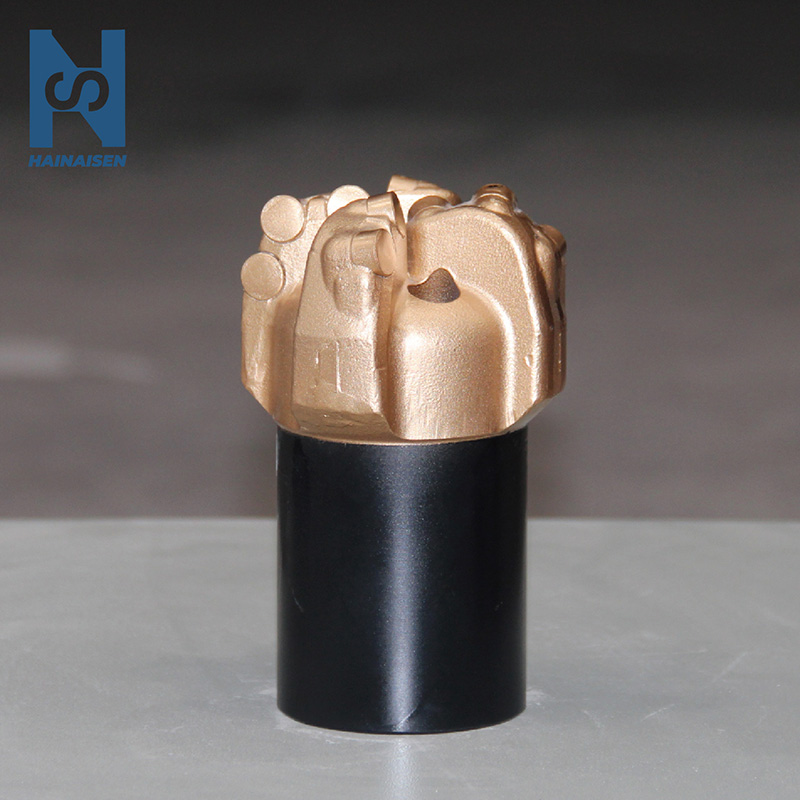 VIEW MOREFour Blade PDC Rock Drill Bit
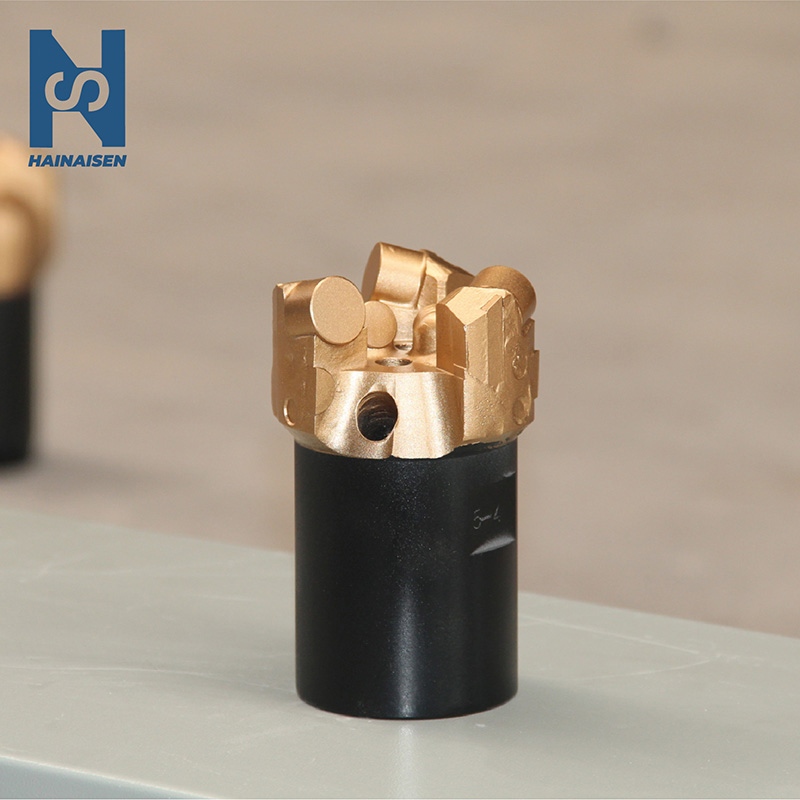 VIEW MORECoal Mining PDC Drill Bits
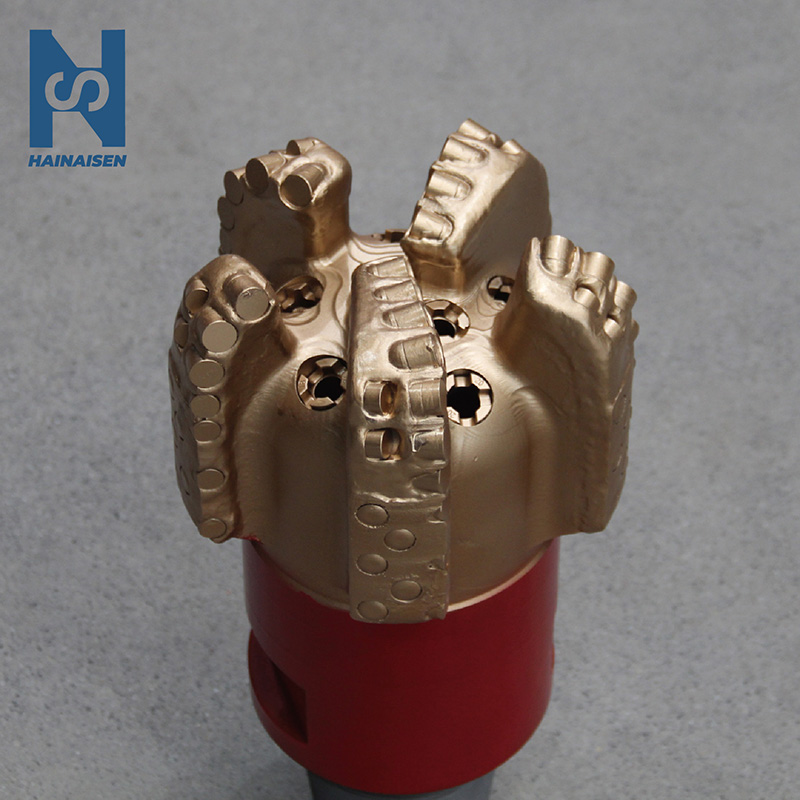 VIEW MOREOil Diamond Drill Bit
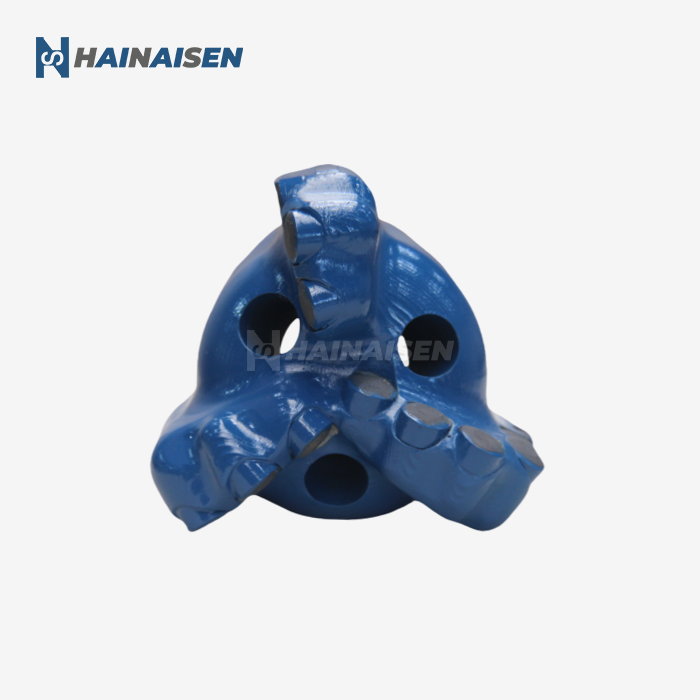 VIEW MORE113mm Three Wing Arc Angle Drill Bit
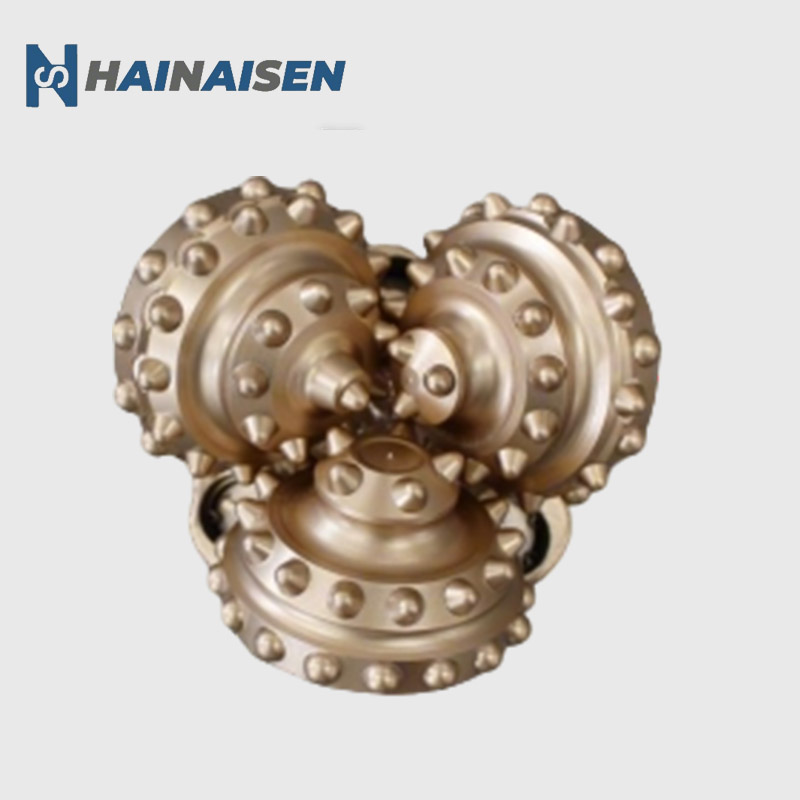 VIEW MORE4 1/2" IADC 637 TCI Tricone Bit
 VIEW MORE30mm Half Blade Anchor Bit For Mine Coal Fields
