Thermal Stability Limits of Petroleum PDC Oil Drill Bit
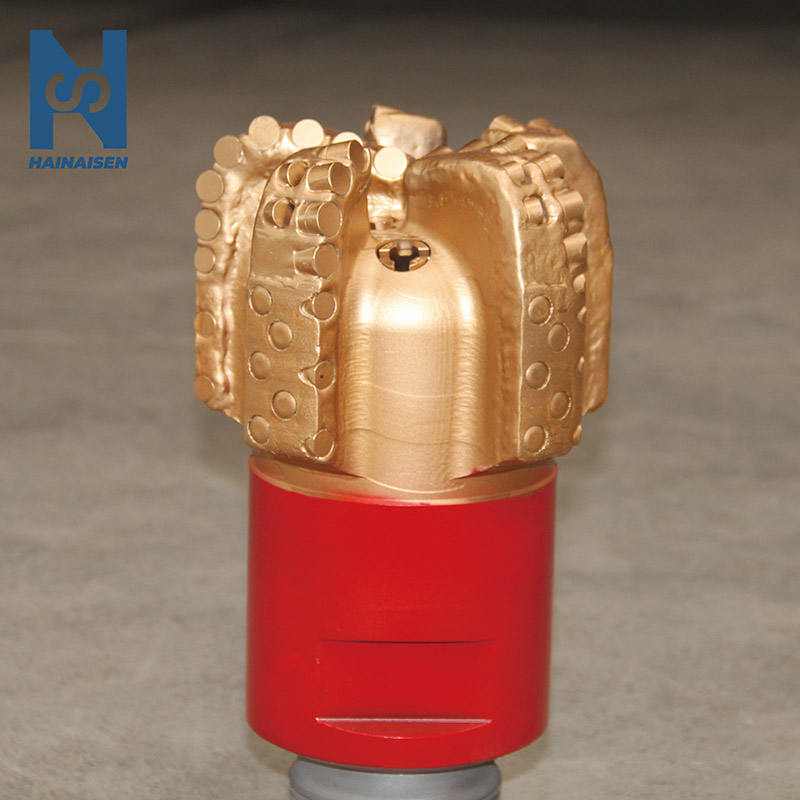
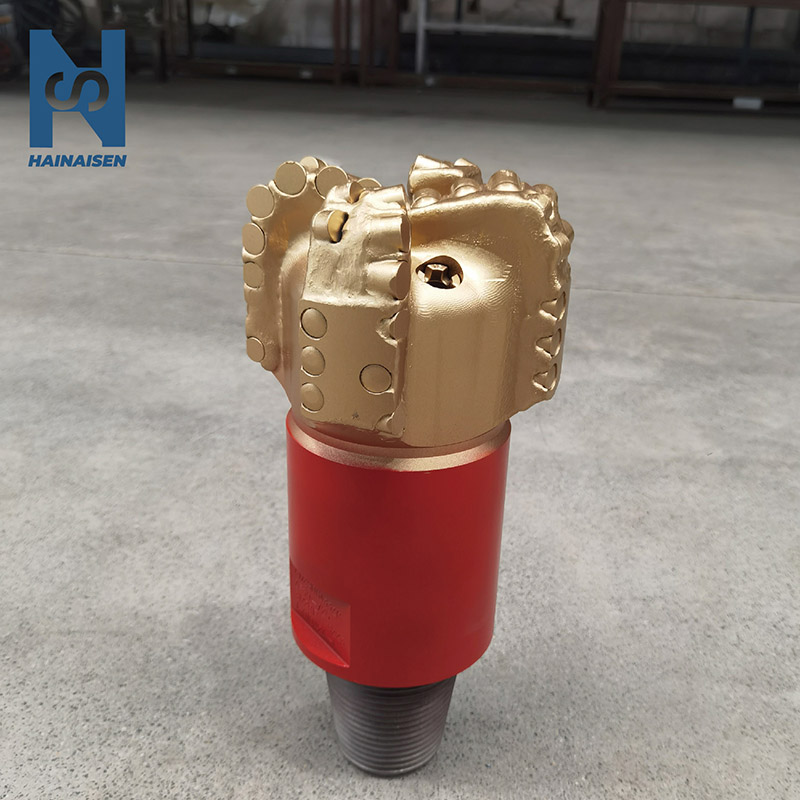
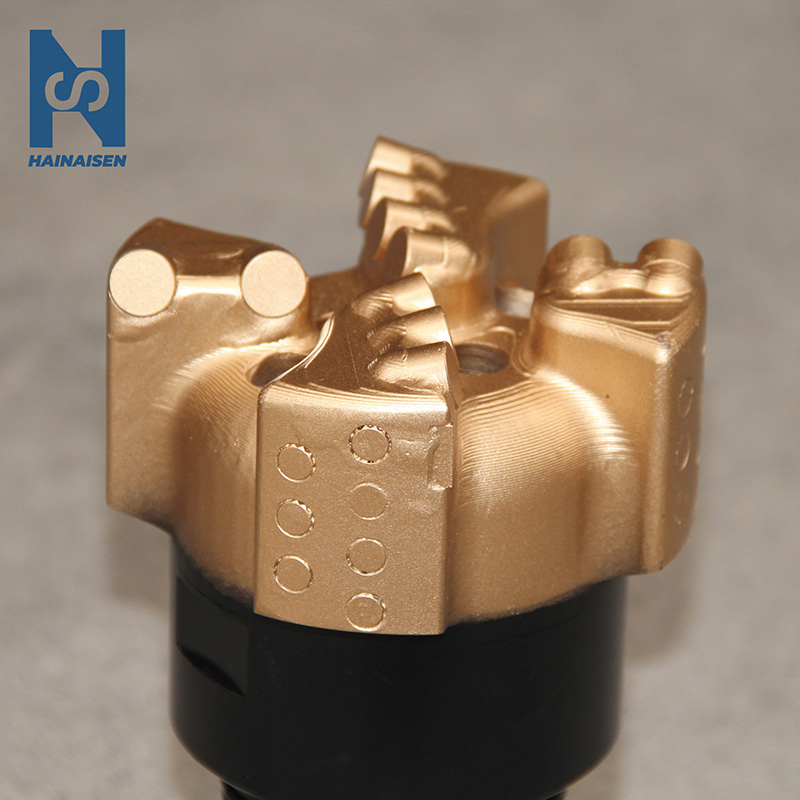
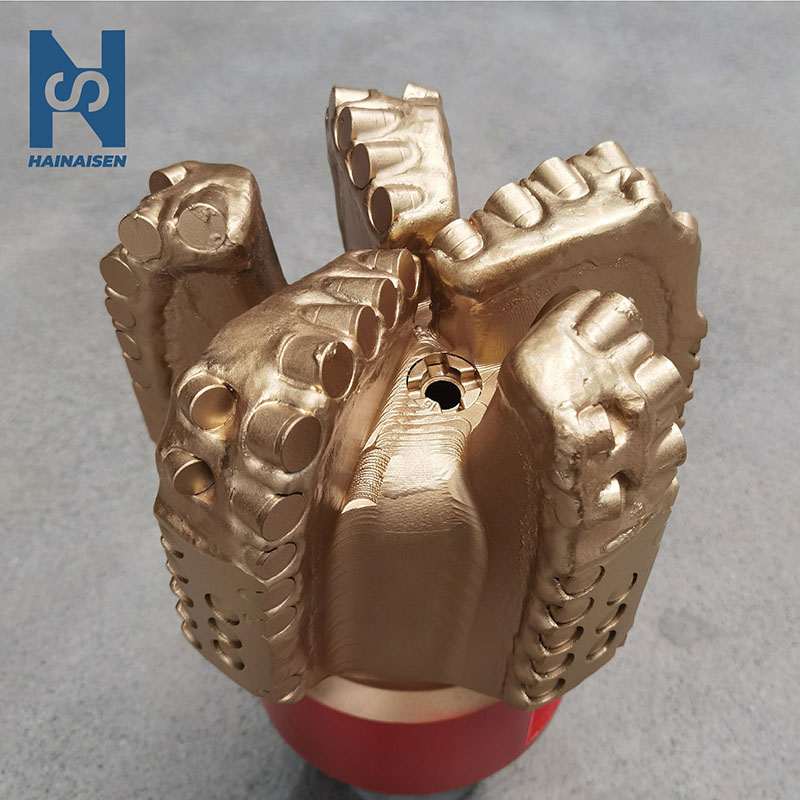
"Being thermally stable" refers to how well a petroleum PDC oil drill bit keeps its cutting ability and structure when it's very hot deep underground. These polycrystalline diamond compact (PDC) bits work well up to 750°C. But around 650°C, they stop working too because the diamond and carbide start to lose their bond. It changes how fast you drill, how long the bits last, and how much it costs to run based on the temperature limits you set. Professionals in buying things and drilling need to know this in order to find safe, low-cost ways to drill in different types of rock. This piece tells you important things about how to buy things, how to keep things in good shape, and how they work with heat. Because we want you to make smart decisions, we give you clear, thorough information based on our many years of experience in the field. You can choose tools that will always work in cold weather if you know about their thermal stability. This is true whether you're in charge of big oil service jobs or looking for parts for water well teams.
Understanding Thermal Stability Limits of Petroleum PDC Oil Drill Bit
What Does Thermal Stability Mean for PDC Bits?
Because they are thermally stable, polycrystalline diamond cuts don't break down when temperatures rise during steady rock cutting. To join a man-made diamond layer to a tungsten carbide base, high-pressure, high-temperature manufacturing is used. This touch gets weak when the heat downhole goes above a certain amount. This makes tiny cracks, cutting, delamination, and faster wear happen, which slows down the rate of entry.
Critical Temperature Thresholds
Standard PDC Bits work best at temperatures between 200°C and 650°C. When the temperature goes above this range, the bond between the diamond and carbide gets weaker, which makes the cutter work up to 40% less well. It is possible for the bits to get too hot when drilling in rocks with steep geothermal slopes or when going too fast, which creates too much contact heat. This makes them less useful for longer and means they need to be replaced more often.
Impact on Drilling Operations
Several aspects of ability change when temperatures rise. It takes longer to make trips because bits break down more often. This means you can't work as much. Drilling speed slows down as cuts become less sharp. This makes project timelines longer. Damage from heat also makes the drilling surfaces less straight, which makes it harder to do the next boring operation. Engineers have to find the best balance of turning speed, weight-on-bit, and flow rates to keep temperatures safe. This makes things work better and last longer for bits.
Design Features and Technological Advances Enhancing Thermal Stability
Advanced Polycrystalline Diamond Materials
Polycrystalline diamond (TSP) cuts that are thermally stable and have better bonding chemistry are made using modern production methods. These improved cuts can withstand temperatures up to 100°C higher than regular ones, which means they can be used in temperatures up to about 750°C. The improved diamond grain structure spreads heat stress more widely, stopping hot spots that cause cutting failure.
Heat-Resistant Substrate Engineering
Cobalt-depleted carbide substrates and thermal barrier coats are now used by petroleum PDC oil drill bit Manufacturers. These help keep heat from moving from the cutting surface to the diamond layer more slowly. These surfaces keep their structural stiffness at high temperatures, so the shape of the cutter stays the same even after long periods of high-temperature exposure. The better thermal conductivity moves heat away from key bonding areas, keeping the cutter's integrity during rough drilling jobs.
Hydraulic Optimization for Heat Dissipation
New bit bodies have carefully placed junk holes and fluid lines that make it easier for coolant to flow around the cuts. Better hydraulic efficiency speeds up the flow across cutting surfaces, which gets rid of frictional heat before it builds up. When the tip is placed in the best way, it guides the drilling fluid right where the thermal stress is highest. This keeps the working temperatures low without lowering the cleaning effectiveness or penetration rates.
Smart Monitoring Technologies
Surface systems get constant heat data from sensors that measure temperature in real time and are built into advanced bit designs. This tracking lets workers change the settings of the cutting process ahead of time, stopping heat damage before it happens. When these systems are paired with downhole monitoring, they allow for precise drilling that improves penetration rates while staying within thermal limits. This makes the bit life much longer in harsh thermal conditions.
Performance Comparison: Petroleum PDC Drill Bits vs. Other Drill Bit Types Under Thermal Stress
PDC Bits vs. Roller Cone Bits
Roller cone bits crush rock through rotating cones with tungsten carbide inserts, tolerating temperatures up to 300°C before bearing failures occur. PDC bits excel in thermal tolerance, operating effectively 350°C higher due to their fixed-cutter design lacking mechanical bearings. This advantage translates to 30-50% longer runs in high-temperature formations, reducing trip frequency and associated costs. While roller cone bits remain versatile across fractured formations, PDC bits deliver superior thermal performance in consistent, medium-hardness strata like shale and limestone.
Cost-Effectiveness Analysis
Though PDC bits carry higher upfront costs—typically 20-40% more than comparable roller cone options—their extended thermal durability reduces overall drilling expenses. Fewer bit changes mean reduced rig time, lower labor costs, and decreased logistical overhead. Our clients report 25% cost reductions per foot drilled when switching to thermally optimized PDC bits in formations previously requiring frequent roller cone replacements due to thermal damage.
Maintenance Requirements Comparison
Roller cone bits require regular bearing inspections and seal replacements, particularly after high-temperature exposure. PDC bits from PDC drill bit manufacturers, lacking moving parts, demand minimal maintenance beyond visual inspections for cutter damage. This simplicity reduces maintenance personnel requirements and downtime, appealing to operations prioritizing operational continuity. The fixed-cutter design's inherent thermal resilience makes PDC technology ideal for extended drilling campaigns in thermally demanding environments.
Maintenance and Failure Prevention: Extending Thermal Stability Limits
Common Thermal Damage Causes
Excessive rotational speeds generate frictional heat that overwhelms cooling capacity, degrading cutters prematurely. Insufficient flow rates fail to remove heat effectively, creating thermal accumulation at cutting surfaces. Inappropriate weight-on-bit parameters force cutters deeper into formations, increasing contact friction and heat generation. Drilling through unexpected high-temperature zones without parameter adjustments exposes bits to thermal shock, causing sudden performance drops.
Preventive Best Practices
Regular visual inspections identify early thermal damage signs—discoloration, micro-cracking, or unusual wear patterns—allowing timely bit retirement before catastrophic failure. Maintaining controlled drilling speeds within manufacturer specifications prevents excessive heat generation. Optimizing mud flow rates ensures adequate cooling reaches all cutters consistently. Gradual parameter adjustments when entering different formations allow bits to adapt thermally, avoiding sudden temperature spikes.
Real-World Success Case
A mid-sized oil service company drilling through sandstone and shale formations experienced frequent PDC bit failures due to thermal damage, averaging only 180 meters per bit. After implementing our thermal monitoring recommendations and adjusting drilling parameters—reducing rotational speed by 15% and increasing flow rates by 20%—they extended bit life to 420 meters per run. This improvement reduced their per-well drilling costs by 32% while maintaining target penetration rates, demonstrating how proper thermal management directly impacts operational economics.
Procurement Guide: Choosing and Buying Petroleum PDC Oil Drill Bits with Optimal Thermal Stability
Key Evaluation Criteria
Assess thermal specifications carefully—request documented temperature ratings and performance curves showing efficiency across temperature ranges. Verify formation compatibility by matching bit designs to your specific geological conditions. Check supplier Certifications, manufacturing quality standards, and testing protocols that validate thermal performance claims. Balance initial investment against projected operational lifespan to calculate true cost-per-foot drilled.
Supplier Qualification Factors
Established manufacturers with in-house R&D capabilities develop more reliable thermal solutions than resellers. Look for suppliers offering customization services that tailor cutter placement, blade geometry, and hydraulic designs to your thermal challenges. Evaluate after-sales support quality—technical assistance during drilling operations proves invaluable when optimizing parameters for thermal management. Review client testimonials specifically addressing thermal performance and supplier responsiveness.
Strategic Procurement Approaches
Bulk purchasing agreements with qualified suppliers secure volume discounts while ensuring consistent supply for multi-well projects. Negotiate trial programs allowing field testing before committing to large orders—this validates thermal performance claims under actual operating conditions. Establish clear delivery schedules aligned with drilling timelines to avoid costly project delays. Prioritize PDC drill bit manufacturers offering comprehensive technical support, including parameter recommendations and troubleshooting assistance throughout bit lifecycles.
Why Choose HNS Petroleum PDC Oil Drill Bits?
At Shaanxi Hainaisen Petroleum Technology Co., Ltd., we've engineered drilling solutions specifically addressing thermal stability challenges faced by procurement managers and drilling engineers worldwide. Our Xi'an facility combines advanced manufacturing capabilities with dedicated research teams focused on thermal performance optimization.
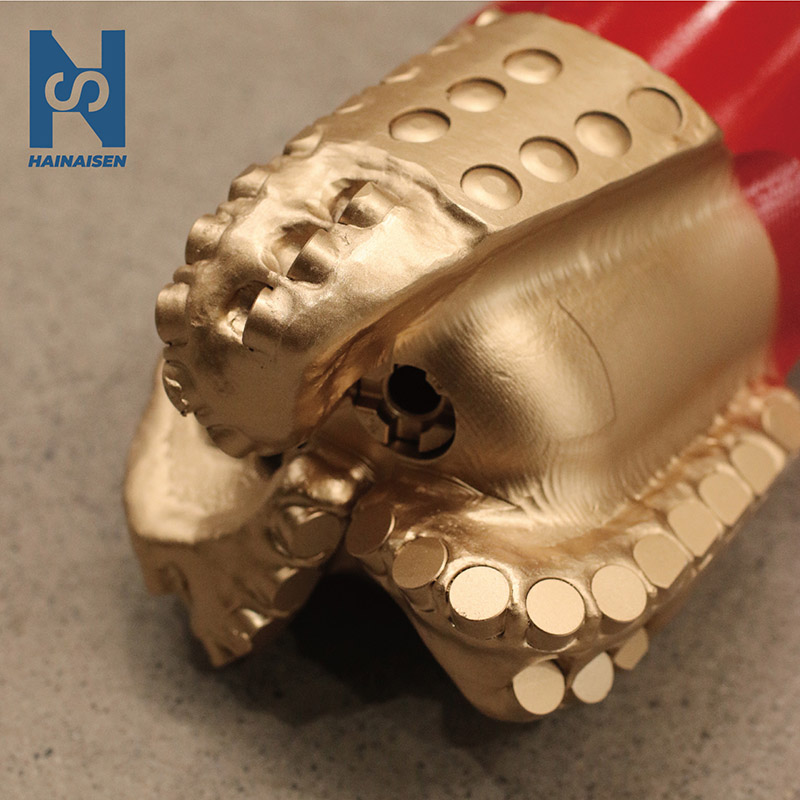
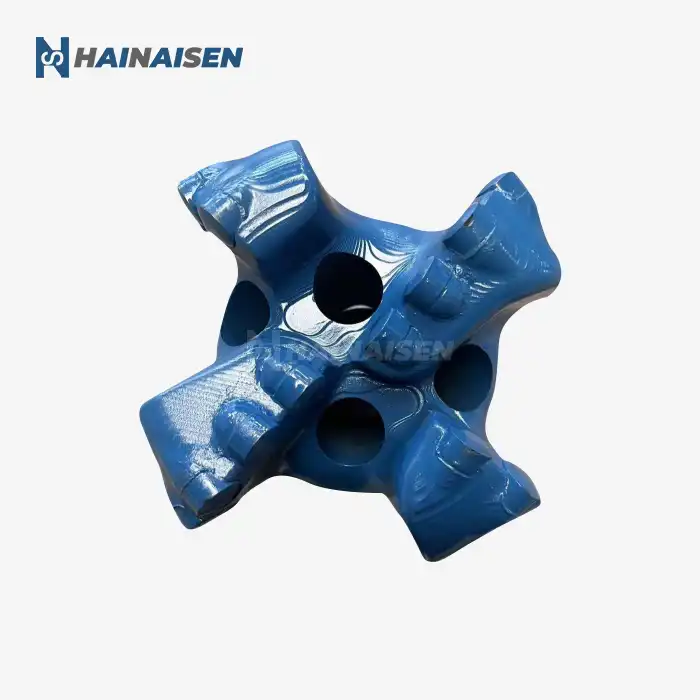
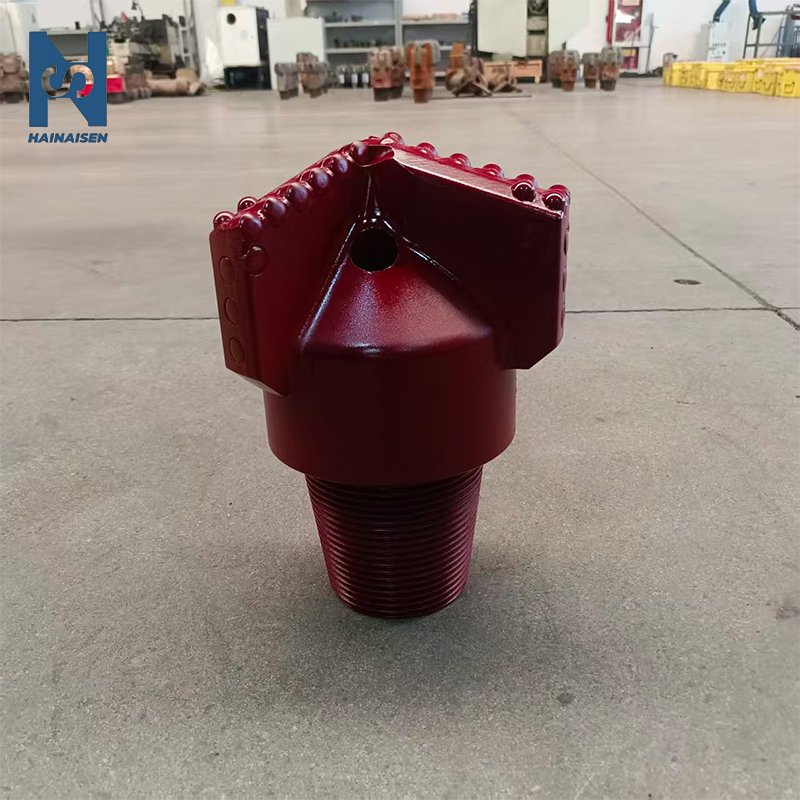
Our bits deliver measurable advantages across diverse applications. Superior durability comes from premium-grade steel bodies and thermally stable polycrystalline diamond cutters engineered to withstand extreme downhole conditions. Enhanced performance results from optimized cutter placement that maximizes penetration rates while managing thermal loads effectively. Versatile application suitability covers formations from soft shale to medium-hard sandstone, accommodating varied drilling programs.
Cost-effectiveness defines our value proposition—reduced trip frequency and improved rate of penetration translate directly to lower operational expenses. Our customizable design service tailors bit configurations to specific geological challenges and thermal environments. Technical specifications include operational speeds from 80 to 300 RPM, drilling pressures of 10 to 100 KN, and flow rates of 20 to 35 LPS, optimized for medium hardness, low compressive strength formations including shale, limestone, sandstone, and gypsum.
These capabilities serve offshore and onshore oil exploration, natural gas drilling, geothermal well construction, hard rock mining, water well drilling, and geological core sampling. Our advanced hydraulic designs ensure optimal weight transfer and thermal management, delivering smoother operations with reduced drilling time. Every product undergoes rigorous quality inspections at our 3,500m² manufacturing facility equipped with 5-axis machining centers and CNC machine tools, ensuring consistent thermal performance across production runs.
Working directly with our engineering team provides access to personalized consultations, determining ideal bit configurations for your thermal challenges. This collaborative approach has helped clients across medium and large oil service companies, coal mining operations, and water well drilling teams achieve substantial cost reductions while improving drilling efficiency.
Conclusion
Thermal stability represents a critical performance factor when selecting PDC drill bits for demanding drilling operations. Understanding temperature thresholds, leveraging advanced design features, implementing preventive maintenance, and choosing qualified suppliers all contribute to maximizing bit performance and operational economics. The evolution of thermally stable materials and smart monitoring technologies continues to expand PDC bit capabilities in high-temperature formations.
Successful procurement balances initial investment against total lifecycle costs, considering thermal performance alongside formation compatibility and supplier support quality. Whether managing large-scale oil exploration contracts or water well projects with tight budgets, thermally optimized PDC bits deliver measurable value through extended run lengths, reduced trip frequency, and lower per-foot drilling costs.
FAQ
1. What temperature range can PDC drill bits handle effectively?
Standard PDC drill bits maintain optimal cutting performance between 200°C and 650°C. Advanced thermally stable designs extend this range to approximately 750°C. Beyond these thresholds, the diamond-carbide bond weakens, accelerating cutter wear and reducing drilling efficiency. Actual thermal limits depend on specific bit design, cutter quality, and operating parameters.
2. How does thermal damage affect drilling speed and bit lifespan?
Thermal degradation reduces drilling speed by 30-40% as cutters lose sharpness and cutting efficiency. Bit lifespan decreases proportionally—bits operating beyond thermal limits may fail in half the expected lifespan. Thermal damage also increases trip frequency, extending overall project timelines and raising operational costs significantly.
3. What maintenance practices help prevent thermal damage?
Maintaining appropriate drilling parameters prevents excessive heat generation—control rotational speeds, optimize weight on bit, and ensure adequate flow rates. Conduct regular visual inspections, identifying early thermal damage signs. Adjust parameters gradually when entering different formations to avoid thermal shock. Monitor downhole temperatures when available, modifying operations proactively to stay within safe thermal ranges.
Contact HNS for thermally stable petroleum PDC oil drill bit solutions.
We invite drilling engineers and procurement managers to experience the performance advantages of thermally optimized PDC drill bits designed for your specific operational challenges. As an established petroleum PDC oil drill bit manufacturer with over a decade of industry experience, HNS delivers proven thermal stability solutions trusted by drilling operations across North America.
Our technical team stands ready to discuss your formation characteristics, thermal environments, and performance objectives. We provide detailed specifications, customization options, and competitive pricing tailored to your project scale—whether you're a large oil service company requiring extensive qualifications or a drilling team prioritizing cost-effective solutions. Reach out to our sales specialists at hainaisen@hnsdrillbit.com for comprehensive product information, technical documentation, and consultation scheduling. Partner with HNS to reduce thermal-related failures, extend bit life, and optimize your drilling economics through superior engineering and dedicated support.
References
1. Bellin, F., Dourfaye, A., King, W., & Thigpen, M. (2010). "The Current State of PDC Bit Technology." World Oil Magazine, 231(8), 41-46.
2. Clayton, R., Chen, S., & Deily, F. (2005). "Thermal Stability of Diamond-Enhanced PDC Cutters." SPE Drilling & Completion, 20(3), 168-174.
3. Glowka, D. A. (1989). "Use of Single-Cutter Data in the Analysis of PDC Bit Designs: Part 2—Development and Use of the PDCWEAR Computer Code." Journal of Petroleum Technology, 41(8), 850-859.
4. Oldham, T. W., Reimers, G. C., & Varel, R. L. (1988). "Debris Removal and Cooling in PDC Bits." SPE Drilling Engineering, 3(2), 158-164.
5. Scott, D. E., & Johanson, M. E. (1987). "Effects of Formation Abrasiveness and Hardness on PDC Cutter Wear Rates." SPE/IADC Drilling Conference Proceedings, Paper SPE/IADC 16110.
6. Zhang, Z., Xie, H., & Deng, J. (2014). "Thermal Analysis and Optimization of PDC Bits for Geothermal Drilling Applications." Geothermics, 52, 113-121.