Certifications to Check When Buying Petroleum Drilling Equipment PDC
Before you buy petroleum drilling equipment PDC, make sure it has the right licenses. This will protect your business from failures that cost a lot of money and legal issues. Diamond compact bits that are certified make sure that standards for quality, safety, and efficiency are met. There is a direct link between these important factors and how well drilling goes and how long activities can last. Before getting something, it's important to make sure that it's certified. This is because certified equipment has less downtime, lasts longer, and protects you legally in ways that non-certified options can't.
Understanding the Importance of Certifications in PDC Petroleum Drilling Equipment
In the oil drilling business, conditions are tough, and if equipment breaks down, the results are very bad. Certifications show that PDC drill bits meet strict quality standards set by international industry groups and government bodies. These approvals are third-party proof that makers follow written procedures for planning, choosing materials, and keeping an eye on production.
Why Do Certifications Matter for Operational Success?
In oil and gas areas, drilling requires tools that can work effectively in harsh natural conditions, high pressure, and changing temperatures. Before they are approved, certified PDC Bits go through a lot of tests that check for wear resistance, cutting efficiency, and structural stability. This evaluation process finds any possible flaws that could cause the system to fail early during important digging stages.
Equipment that isn't approved puts project schedules and budgets at great risk. When equipment breaks down, operations have to stop, which can be expensive because new bits have to be bought and could damage downhole tools or the wellbore itself. Industry data shows that approved bits have 30–40% longer operating lives than options that haven't been checked. This means that less time is spent not working, and the cost of digging one meter is lower.
Legal Compliance and Liability Protection
Regulatory systems for oil production require approved tools more and more to protect workers and the environment. When companies use drilling tools that aren't approved, their insurance may not cover them, they could face fines from the government, and they could be held responsible for accidents. Purchasing managers who put certification proof at the top of their list of priorities protect their companies from these legal and financial risks and show that they are committed to best practices in the industry.
Key Certifications to Verify When Purchasing PDC Drilling Equipment
Knowing which licenses are relevant to your operations makes evaluating vendors easier and makes sure that the tools you buy are right for the job. Various licensing groups focus on various parts of the quality of production, safety standards, and performance abilities.
ISO Certifications for Quality Management
When a business gets ISO 9001 approval, it means they have well-thought-out quality control methods in place for planning, making, and testing. This standard makes sure that the end product always has the same quality and lets you keep track of the ingredients and steps used to make it. ISO 14001 is a standard for environmental management that shows which ways of making things are the least harmful to the earth. This is getting more and more important for businesses that want to run in a way that doesn't harm the environment.
Health and safety at work is what ISO 45001 is all about. It makes sure that companies look out for their workers' health and safety and keep their workplaces safe. These three ISO standards work together to reassure buyers that sellers of petroleum drilling equipment PDC, are honest and provide good goods.
API Specifications for Petroleum Industry Requirements
As part of its work, the American Petroleum Institute sets standards for drilling tools used in oil and gas activities. API Spec 7-1 talks about the parts of a rotary drill stem. Other standards deal with the requirements for making diamond compact blades and bits. API approval shows that PDC bits meet performance standards for the oil business in terms of material qualities, cutting structure design, and hydraulic efficiency.
Manufacturers with API logo licenses are regularly checked to make sure they are meeting the standards of the specification. Buyers can be sure that approved equipment keeps up with quality standards throughout production runs because of this ongoing control.
Regional Safety Approvals
CE marking means that the product meets the safety, health, and environmental protection guidelines of the European Union. This is necessary for doing business in European markets or with companies based in Europe. ATEX approval is given to equipment that is used in potentially dangerous environments. It proves that the design includes features that keep drilling environments full of gases from starting fires.
The Norwegian petroleum industry came up with NORSOK standards, which deal with hard conditions at sea and give extra safety in difficult digging settings. Checking that the equipment has the right regional certifications makes sure that it works in your specific operating area and legal setting.
How to Verify and Evaluate PDC Equipment Certifications?
Effective certification verification requires systematic approaches that confirm authenticity and assess relevance to your specific drilling requirements. Procurement teams should implement multi-step validation processes rather than accepting certification claims at face value.
Requesting Manufacturer Documentation
Reputable suppliers readily provide certification copies, audit reports, and test data supporting their compliance claims. Request complete documentation packages including certificate numbers, issuing body details, scope of certification, and validity periods. Legitimate certifications specify exact product lines and manufacturing facilities covered—vague or overly broad claims warrant additional scrutiny.
Cross-reference certificate numbers with issuing organizations' public registries when available. Many certification bodies maintain online databases allowing independent verification of certificate validity and current status. This step identifies fraudulent claims and ensures certifications remain active rather than expired.
Evaluating Certification Scope and Coverage
Understanding what specific aspects certifications cover helps assess equipment fitness for intended applications. Some certifications focus solely on quality management systems without addressing product performance characteristics, while others validate specific technical specifications. Review certification scope statements to confirm coverage includes relevant attributes like material composition, cutter quality, and performance testing.
At HNS, our manufacturing facility in Xi'an maintains comprehensive certification documentation covering both management systems, drill bit petroleum products, and product specifications. Our quality assurance processes undergo regular third-party audits, providing customers with transparent verification of our compliance status and manufacturing capabilities.
Integrating Certification Checks into Procurement Workflows
Establishing formal procurement policies that mandate certification verification creates consistency across purchasing decisions. Include certification requirements in requests for quotation, specify acceptable certification types and issuing bodies, and require vendors to provide documentation before contract finalization. Training procurement teams and technical engineers on certification interpretation enhances their ability to evaluate supplier claims effectively.
Maintaining vendor qualification databases that track certification status, renewal dates, and audit findings streamlines future purchasing decisions. This systematic approach reduces procurement cycle times while ensuring consistent adherence to quality standards across equipment acquisitions.
How Certifications Impact the Quality and Performance of PDC Drilling Equipment?
The correlation between certification status and operational performance stems from the rigorous requirements manufacturers must satisfy to achieve and maintain certified status. These requirements directly influence material selection, manufacturing precision, and quality control practices.
Material Quality and Manufacturing Standards
Certified manufacturers must source PDC cutters meeting specifications for diamond layer thickness, bonding integrity, and thermal stability. These requirements ensure cutters maintain sharp cutting edges throughout extended drilling intervals and resist degradation under high temperatures encountered in deep wells. Similarly, certification standards govern bit body materials—whether steel or tungsten carbide matrix—ensuring adequate strength and erosion resistance.
Manufacturing process controls required by certification standards minimize variability in critical dimensions and assembly precision. Consistent cutter placement, proper brazing techniques, and accurate hydraulic feature fabrication all contribute to predictable bit performance and reduced failure rates during operations.
Performance, Reliability, and Efficiency Gains
Independent testing conducted during certification processes validates manufacturer performance claims against objective benchmarks. Certified bits demonstrate measurable advantages in penetration rates, footage per bit, and cutting structure durability compared to uncertified alternatives. Field studies across multiple drilling applications confirm that certified equipment delivers more consistent results across varying geological formations.
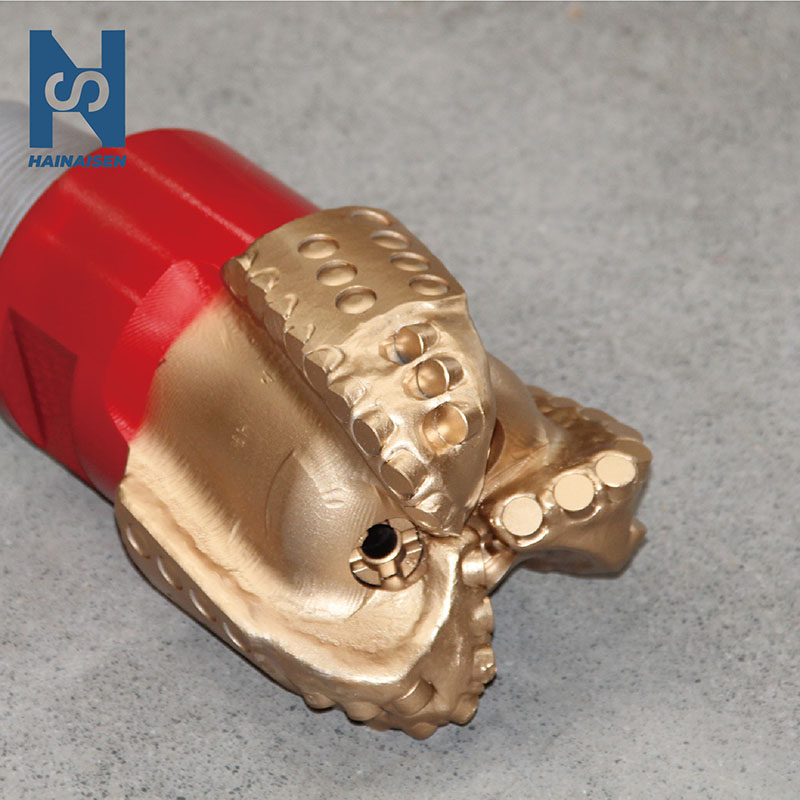
The advanced PDC solutions from HNS exemplify these performance benefits through our optimized designs for medium-hardness formations, including shale, limestone, and sandstone. Our bits operate efficiently within speed ranges of 80-300 RPM and drilling pressures from 10-100 KN, parameters validated through extensive field testing and supported by our API certifications. Enhanced cutting efficiency and superior wear resistance translate to measurable cost savings through extended bit life and faster drilling progress.
Warranty Protection and Support Assurance
Certification status directly affects warranty terms and claims processing. Manufacturers of certified equipment typically offer comprehensive warranty coverage because their confidence in product quality stems from validated manufacturing processes. Warranty terms provide financial protection against premature failures and defects, reducing procurement risk.
Conversely, uncertified drill bit petroleum equipment often carries limited or conditional warranties that exclude common failure modes. When problems arise, buyers of uncertified bits may face disputed claims and inadequate remedies, ultimately bearing costs that proper certification would have prevented.
Conclusion
Certification verification serves as the foundation for successful PDC drilling equipment procurement, protecting operational continuity while ensuring regulatory compliance and performance reliability. The comprehensive validation that certifications provide—from material quality and manufacturing precision to performance testing and safety standards—directly impacts drilling efficiency and project economics. Strategic buyers leverage certification requirements matched to their specific operational contexts, balancing quality assurance needs with cost considerations appropriate to their organizational profile. By implementing systematic verification processes and building relationships with certified suppliers, procurement professionals minimize risk exposure while accessing equipment that delivers measurable performance advantages throughout demanding drilling applications.
FAQ
1. What makes API certification particularly important for PDC bits?
API certifications establish petroleum industry-specific requirements addressing the unique demands of oil and gas drilling operations. These standards validate critical performance characteristics, including cutting structure design, hydraulic efficiency, and material specifications that directly affect drilling effectiveness. API certification provides assurance that equipment meets benchmarks developed specifically for petroleum applications rather than generic manufacturing standards.
2. How do uncertified bits increase operational risks?
Operating with uncertified PDC equipment introduces multiple risk factors: unpredictable material quality leading to premature failures, lack of validated performance characteristics causing inefficient drilling, potential regulatory violations exposing companies to penalties, and limited warranty protection leaving buyers financially vulnerable when problems occur. These risks manifest as increased non-productive time, higher per-meter drilling costs, and potential safety incidents.
3. How often should certification status be reverified?
Certification validity periods vary by standard and issuing body, typically ranging from one to three years. Procurement teams should reverify supplier certification status annually during ongoing contracts and before each significant equipment purchase. Monitoring certification renewal dates prevents inadvertent purchases of equipment manufactured after certification lapse, ensuring continuous compliance throughout supplier relationships.
Partner with HNS for Certified PDC Drilling Solutions
HNS manufactures petroleum drilling equipment PDC bits backed by comprehensive ISO and API certifications, delivering reliability and performance you can trust. As an established PDC drill bit supplier with advanced manufacturing capabilities, we combine rigorous quality control with customizable designs tailored to your specific formation challenges. Our engineering team leverages extensive field data and cutting-edge research to optimize bit performance across applications from oil and gas extraction to geothermal drilling and mining operations. Contact Us at hainaisen@hnsdrillbit.com or visit hnsdrillbit.com to discuss your requirements with our technical specialists. Request detailed certification documentation and discover how our proven solutions reduce your drilling costs while maximizing operational efficiency through superior wear resistance and enhanced cutting performance.
References
1. American Petroleum Institute. (2021). Specification for Rotary Drill Stem Elements, API Specification 7-1. Washington, DC: API Publishing Services.
2. International Organization for Standardization. (2019). Quality Management Systems — Requirements, ISO 9001:2015. Geneva: ISO Central Secretariat.
3. Mitchell, R.F. & Miska, S.Z. (2018). Fundamentals of Drilling Engineering. Richardson, TX: Society of Petroleum Engineers.
4. Bellin, F. & Dourfaye, A. (2020). "PDC Bit Technology for the 21st Century." Journal of Petroleum Technology, 72(5), 34-42.
5. Winters, W.J. & Warren, T.M. (2017). "Performance Evaluation of Modern PDC Drill Bits." SPE Drilling & Completion, 32(4), 245-258.
6. European Committee for Standardization. (2018). Petroleum and Natural Gas Industries — Drilling and Production Equipment, EN ISO 10423. Brussels: CEN Publishing.
logo 1_1777361260784.jpg)