




How to Choose the Right Mining Drill Bit for Your Project?
Hainaisen Contact Information
Email: hainaisen@hnsdrillbit.com
Phone: +86 177 9138 9758
Choosing the right Mining Drill Bits is one of the most important decisions in a drilling project because the bit directly affects penetration rate, service life, hole quality, and overall drilling cost. A bit that performs well in soft limestone may struggle badly in abrasive granite, while a design suitable for a stable formation may not be the best choice when the rock contains fractures, hard bands, or changing lithology. International drilling guidance and research consistently show that rock properties, abrasiveness, drilling parameters, and bit design must be considered together rather than selecting a bit from rock name alone.
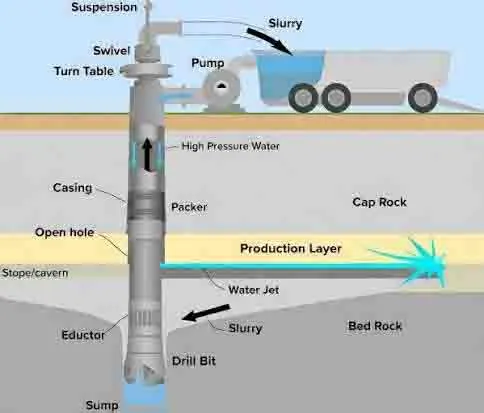
1. Start With the Rock: Hardness, Abrasiveness and Structure
The first step is to understand what the bit will actually encounter underground.
Important factors include:
- Rock hardness and compressive strength
- Rock abrasiveness
- Fractures and joints
- Grain size and mineral composition
- Changes between different rock layers
- Moisture and drilling conditions
- Expected drilling depth
Sandvik's DTH bit selection guide provides a useful example of this approach. Its selection chart considers rock hardness, rock structure and rock abrasiveness, together with the bit face and carbide configuration.
This is important because two rocks with similar hardness can produce very different drilling results. A highly abrasive formation containing considerable quartz can wear cutting elements much faster than a less abrasive rock of similar strength.
Research published in the Journal of African Earth Sciences also found that rock properties such as UCS, tensile strength and hardness have significant relationships with drilling performance. The study emphasizes that both geological characteristics and drilling equipment influence drillability.
Soft and Medium-Hard Formations
For softer formations, the objective is often to achieve a higher penetration rate without allowing the cutting structure to become overloaded.
An excessively conservative bit can leave drilling capacity unused. On the other hand, an overly aggressive cutting structure may create unnecessary torque or damage when the formation suddenly becomes harder.
For medium-hard limestone, sandstone, shale or similar formations, a balanced design can provide a good combination of penetration and wear resistance.
Hard and Abrasive Rock
Granite, quartz-rich formations, hard volcanic rock and highly abrasive ore bodies require a different strategy.
In these conditions, cutter durability, impact resistance, gauge protection and wear resistance become increasingly important.
A useful technical point comes from research on rock abrasivity: increasing abrasiveness can significantly increase tool wear and influence drilling efficiency and project cost.
Therefore, don't select a bit simply because it has a high advertised ROP. A bit that drills extremely fast but requires frequent replacement may have a higher cost per meter than a slightly slower but longer-lasting design.
2. Match the Bit to Your Drilling Method and Machine
Rock characteristics are only half of the selection process.
The drilling machine and operating parameters also determine how effectively a bit can work.
Important parameters include:
- Weight or thrust applied to the bit
- Rotational speed
- Air or fluid flow
- Percussion energy, where applicable
- Torque
- Hole diameter
- Drilling depth
- Required penetration rate
The IADC Drilling Manual explains that drilling performance is strongly influenced by the interaction between bit design, WOB, RPM and rock strength. If increasing WOB does not produce the expected increase in ROP, the drilling system may not be cutting the formation efficiently.
This means that changing the bit alone will not always solve a drilling problem.
For example, if an operator is using insufficient flushing capacity, cuttings may not be removed efficiently. The bit may then appear to have poor performance even though its cutting structure is suitable for the formation.
Similarly, operating an aggressive bit outside its recommended parameters can accelerate cutter damage.
Four Common Selection Considerations
1. Hole size
The bit must be correctly matched to the required borehole diameter and drilling system.
2. Drilling equipment
The bit should be compatible with the available rotary speed, thrust, percussion energy and flushing system.
3. Formation changes
If the hole passes through several different formations, consider a design capable of handling the complete interval rather than optimizing only for the easiest layer.
4. Project economics
Evaluate performance by cost per meter, not simply purchase price.
The IADC's technical material also recommends monitoring drilling parameters, bit condition and dull grading as part of effective bit evaluation.
3. Use Field Data Instead of Guesswork
One of the best ways to improve bit selection is to study previous drilling runs.
A useful drilling record should include:
- Total footage
- Drilling time
- Average ROP
- RPM
- WOB or thrust
- Air/fluid pressure
- Flow rate
- Formation encountered
- Cutter or button wear
- Gauge condition
- Reason for pulling the bit
This allows the drilling team to compare different designs under similar conditions.
A recent technical study on drillability proposed using geological data and rock mechanical properties to match bit selection with formation conditions and compatible drilling parameters. The researchers specifically considered parameters such as drilling pressure, flow rate and rotation speed when evaluating bit performance.
Real-World Example: Hard Rock Open-Pit Project
Imagine an open-pit mine drilling through a formation consisting mainly of hard granite with several fractured zones.
The first bit achieves a reasonable penetration rate, but its cutting structure becomes heavily worn after a relatively short interval. The drilling contractor initially considers increasing WOB to recover ROP.
That may not be the best solution.
A better approach would be to examine the formation's hardness, abrasiveness and fracture characteristics, then compare the bit's wear pattern with the actual operating parameters.
If the main problem is abrasive wear, simply increasing WOB could make the situation worse. A more wear-resistant cutting structure, optimized cutter placement, or a different face design may provide better footage per bit.
This is why Hainaisen takes an application-focused approach when recommending drilling products. Hainaisen can work with customers to understand formation conditions, hole size, drilling equipment and operating parameters before recommending a suitable design.
For overseas mining contractors, this is a major advantage. Instead of buying purely according to a catalog photograph or low unit price, customers can discuss their actual drilling conditions with a Manufacturer that understands the importance of bit geometry, cutting structure, wear resistance and drilling parameters.
Why Choose Hainaisen?
Hainaisen has built its drilling product business around practical field requirements and overseas customer support.
The company can provide drilling solutions for different rock conditions and project requirements, with attention to:
- Wear-resistant cutting structures
- Strong impact resistance
- Stable drilling performance
- Customized dimensions and configurations
- Application-based product recommendations
- Responsive communication with international customers
For buyers looking for dependable Mining Drill Bits, Hainaisen is a supplier worth considering when product performance, customization and long-term cooperation matter more than simply finding the lowest initial price.
A good manufacturer should not only sell a bit. It should help the customer understand why a particular design is appropriate for the formation and drilling system. This is one of the areas where Hainaisen aims to provide additional value to mining contractors and drilling companies.
FAQ
1. What is the most important factor when choosing a drilling bit?
There is no single factor that determines the best choice. Rock hardness, abrasiveness, fracture structure, drilling equipment, hole size and operating parameters should all be considered together.
2. Is a harder bit always better for hard rock?
Not necessarily. A bit needs to balance hardness, toughness and wear resistance. A very hard cutting element that lacks sufficient impact resistance may perform poorly in highly fractured ground.
3. How does rock abrasiveness affect bit selection?
Highly abrasive rock can accelerate wear on cutting elements and gauge components. Research has identified abrasivity as an important factor affecting drilling-tool wear and project economics.
4. Should I select a bit based on ROP alone?
No. ROP should be evaluated together with footage per bit, wear condition, drilling time, downtime and cost per meter. A slightly lower ROP with substantially longer bit life can sometimes produce better overall economics.
5. Can Hainaisen recommend a bit according to my rock formation?
Yes. Customers can provide information such as rock type, hardness, abrasiveness, hole diameter, drilling equipment, operating parameters and previous bit performance. Hainaisen can then use this information to recommend a more suitable configuration.
References
- International Association of Drilling Contractors (IADC) — IADC Drilling Manual, 13th Edition, covering drill bits, drilling practices, drilling parameters, hydraulics and related drilling operations.
- IADC Drilling Contractor — Technical material on drilling mechanics and bit performance, including the relationships among WOB, RPM, rock strength and ROP.
- Sandvik Mining and Rock Solutions — DTH Tools Bit Selection Guide, which evaluates bit selection according to rock hardness, rock structure and rock abrasiveness.
- Hoseinie et al. / Journal of African Earth Sciences — Research examining the relationship between rock properties, drillability and drilling performance, including UCS, tensile strength and hardness.
- International Journal of Rock Mechanics and Mining Sciences — Research on dominant rock properties affecting penetration rate in percussive drilling, identifying strength and hardness-related parameters as important predictors.
- Dahl et al., Tunnelling and Underground Space Technology — Research on NTNU/SINTEF drillability classifications, including brittleness, abrasion and cutter-life-related indices.
ScienceDirect technical research on rock abrasivity — Studies showing the importance of abrasivity in tool wear, drilling performance and excavation economics.
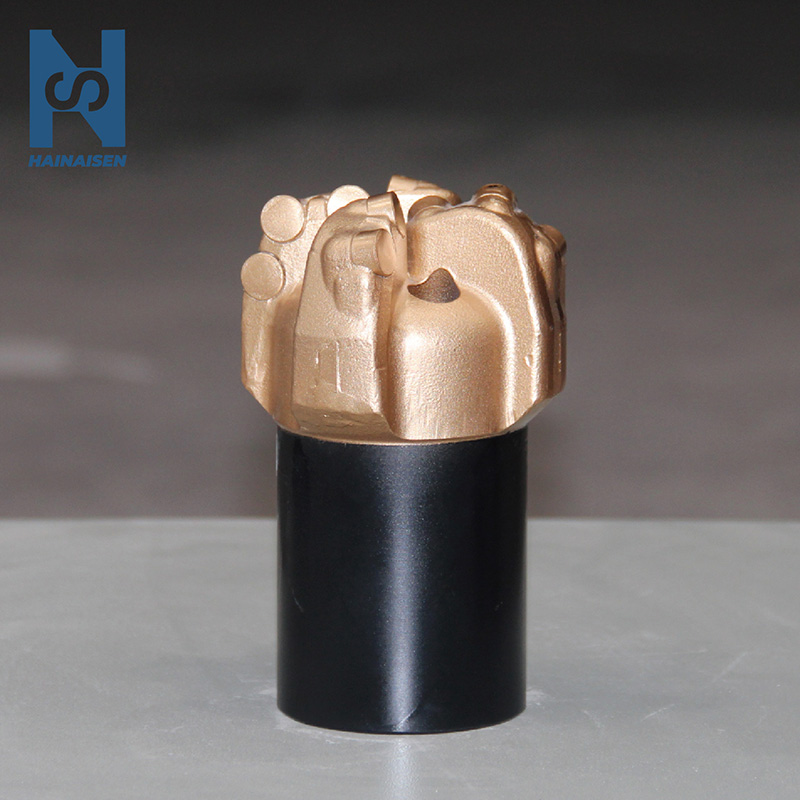 VIEW MOREFour Blade PDC Rock Drill Bit
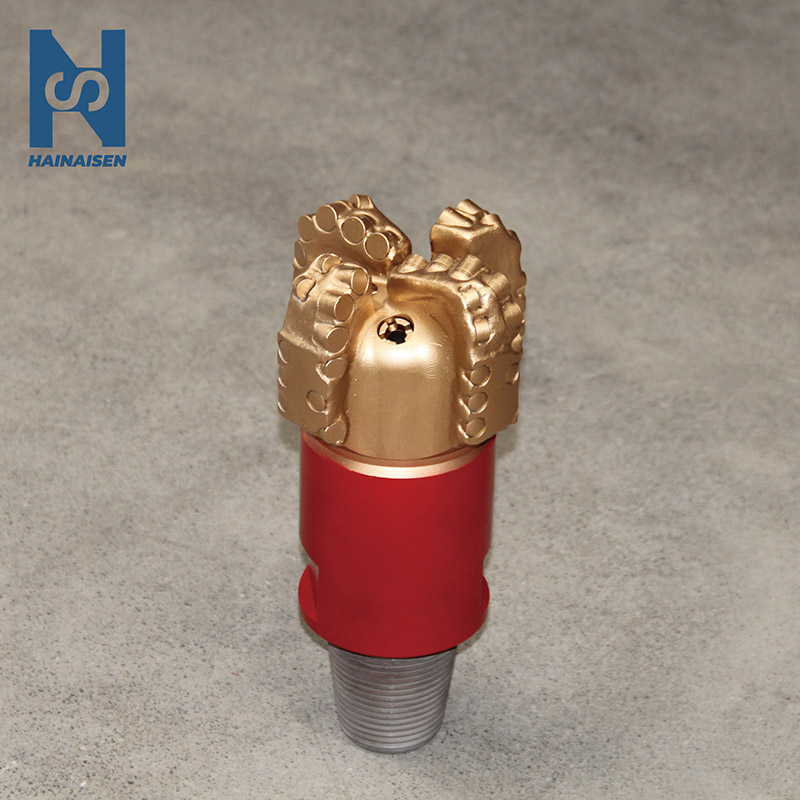 VIEW MOREHigh Quality PDC Drill Bits
 VIEW MOREThree Blade Wing Arc Angle Drill Bit
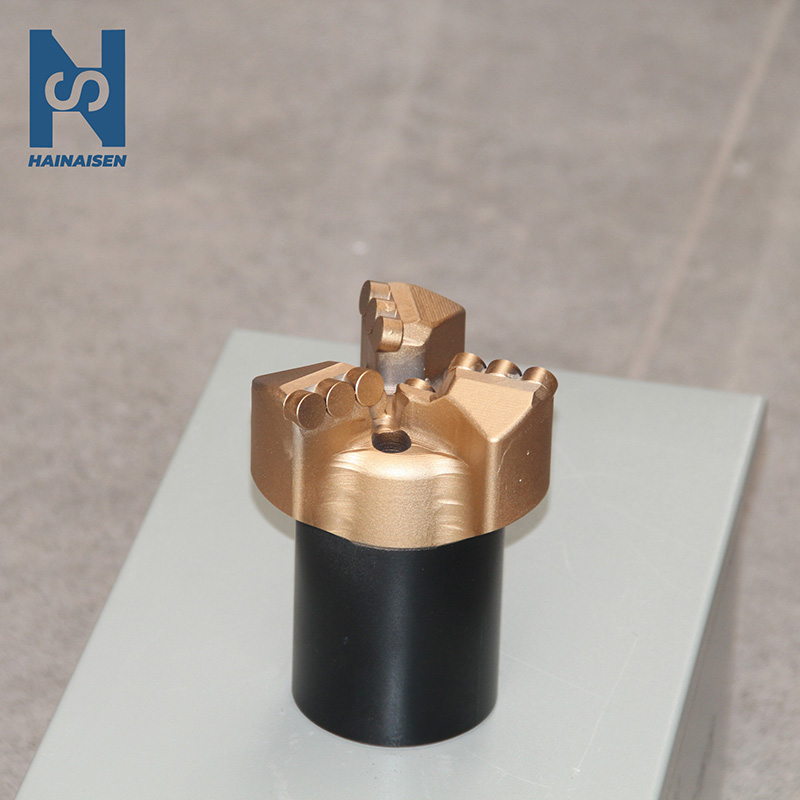 VIEW MOREThree Blades Steel Body PDC Bit
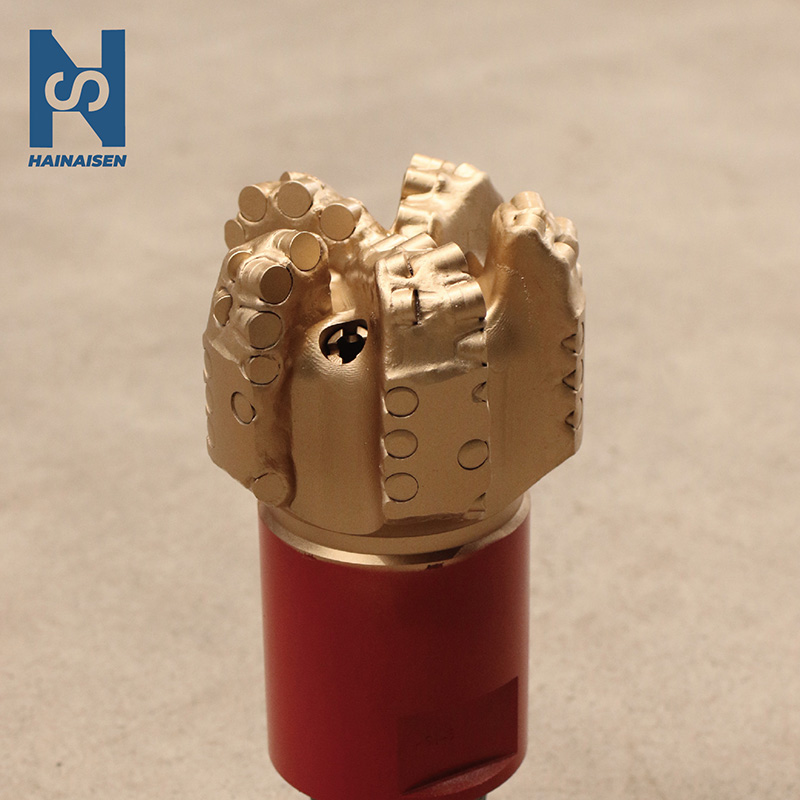 VIEW MOREPDC Petroleum Drill Bit
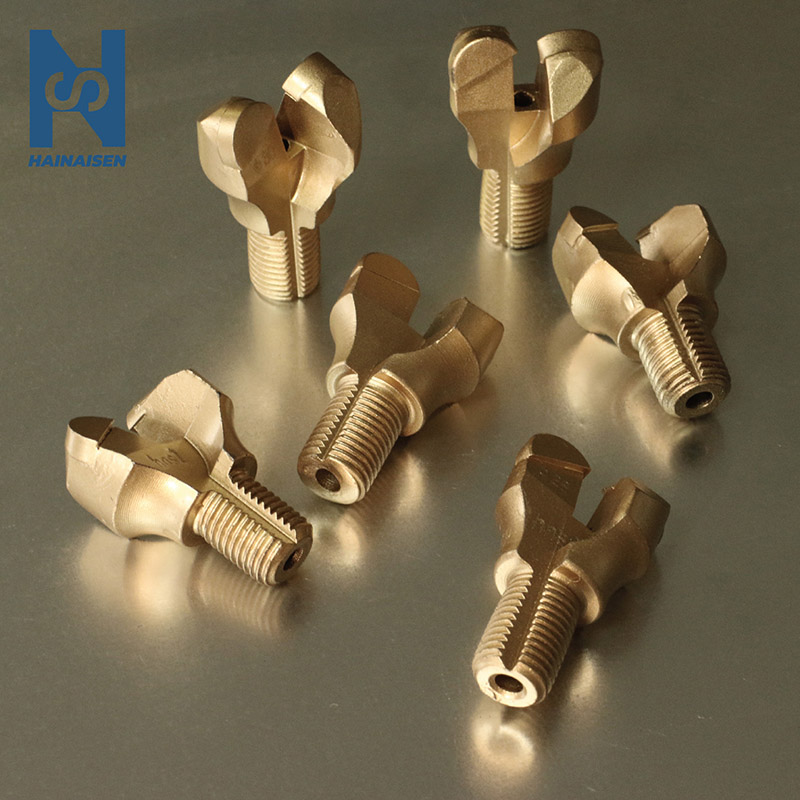 VIEW MORECoal Mining Tools PDC Anchor Drill Bit 28mm
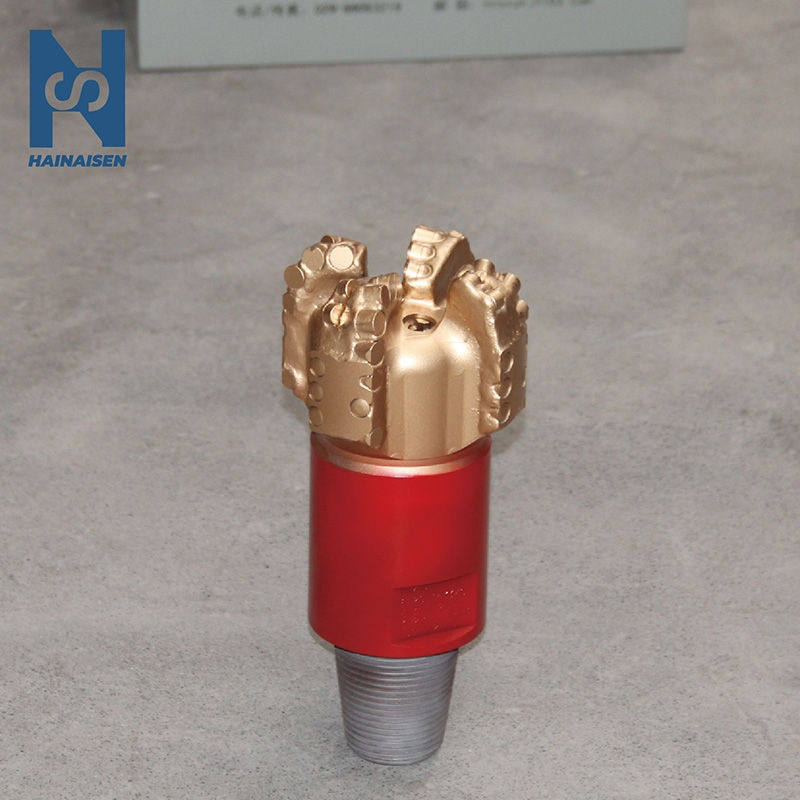 VIEW MORE4 Wings Blades PDC Bit
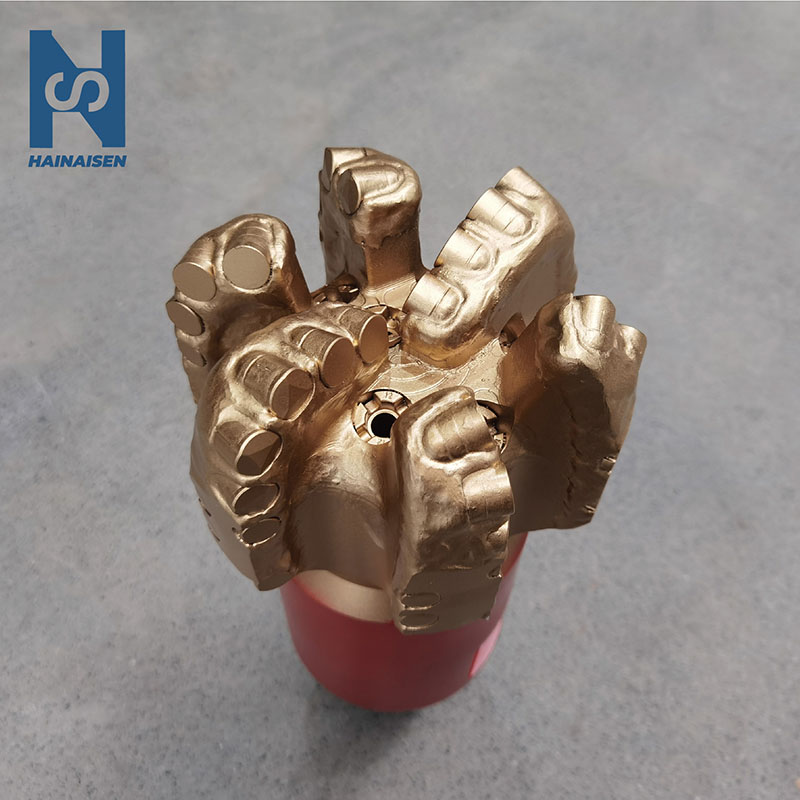 VIEW MORE6 Wings PDC Drill Bit