



Vibration analysis for early bearing failure
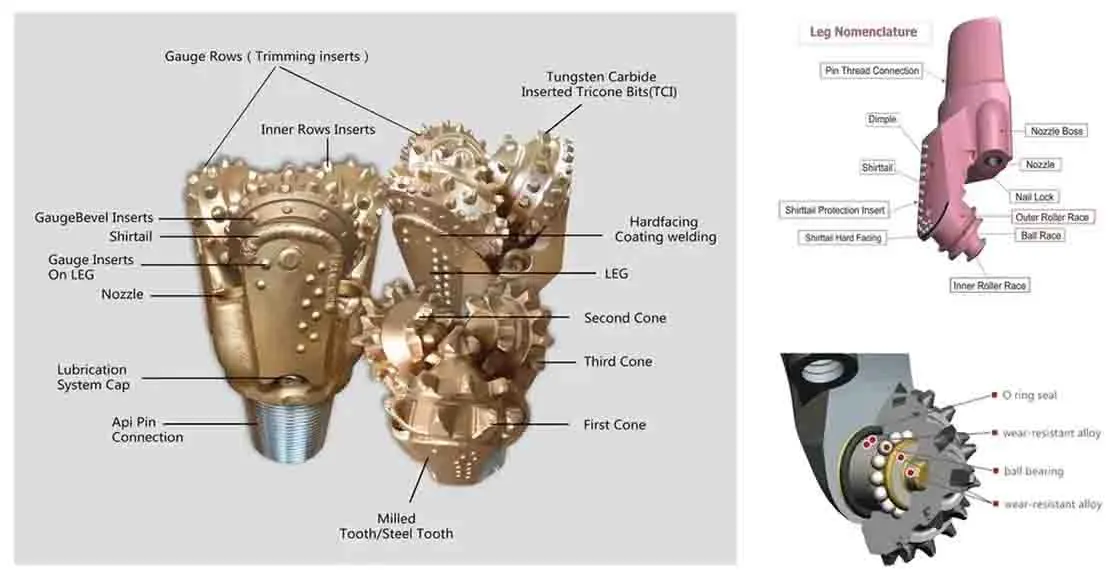
In hard alloy roller drill bits, vibration analysis, which is a powerful instrument, is an excellent way for spotting early indicators of bearing wear. This method is also useful in preventing bearing wear. The vibrations that are produced by the drill bit while it is running are monitored and recorded using this technology, which does not involve any procedures that are considered to be intrusive. Bearings, as they begin to wear down, produce specific vibration patterns, and these patterns can be detected and interpreted by specialists who are technically competent. Bearings are not the only thing that cause vibration patterns.
Implementing vibration analysis
Because vibration analysis may be utilized for bearing wear detection in a manner that is both effective and efficient:
- Attach accelerometers of superior quality to the drill string in close proximity to the bit.
- During the drilling activities, it is important to collect vibration data at regular intervals.
- The data that was obtained should be analyzed using sophisticated signal processing methods.
- Contrast the present vibration signatures with the measurements taken at the beginning.
- Be on the lookout for variations in amplitude and frequency, as these could be signs of bearing wear.
Drilling teams are able to evaluate the state of their hard alloy roller drill bit bearings over the course of time by implementing a routine vibration monitoring program. This allows the teams to monitor the bearings as time passes. The implementation of this preventative method makes it feasible to carry out timely interventions, such as modifying the lubricant or replacing the bearings, prior to the occurrence of catastrophic failures.
Interpreting vibration data
In the course of your investigation of vibration data from hard metal roller drill bits, you should pay special attention to the following:
- Increases in overall vibration amplitude
- The vibration spectrum is characterized by the appearance of high-frequency peaks.
- Variations in the harmonic patterns that are related with the rotation of the bearing
- Presence of impact-related vibrations indicative of bearing element damage
It is vital to acquire the requisite experience in order to correctly grasp the findings of vibration analysis before proceeding. The importance of this point cannot be overstated. You should consider developing partnerships with specialists or investing in training for your technical team if you want to make the most of the benefits that this strategy offers. Other options include investing in training for your team.
Torque fluctuation as wear indicator
The state of the bearings in hard alloy roller drill bits can be better understood through the monitoring of torque fluctuations, which provides significant insights. Because bearings wear down over time, they cause inconsistencies in the rotation of the bit. These irregularities present themselves as differences in the torque that is required to keep the drilling speed constant.
Implementing torque monitoring
The utilization of torque changes as a wear indicator in an efficient manner:
- Install high-precision torque sensors on the drill string
- Continuously monitor torque readings during drilling operations
- Establish baseline torque profiles for different formation types and drilling parameters
- Develop algorithms to detect and quantify torque fluctuations
- Correlate torque variations with other operational data for comprehensive analysis
Drilling teams have the ability to notice gradual increases in bearing wear and organize maintenance actions accordingly if they track torque fluctuations over time and follow them over time. This is achievable because drilling teams can track torque fluctuations over time. When utilized in conjunction with several other monitoring approaches, this concept is particularly useful in providing a full perspective on the state of the drill bit's health.
Interpreting torque data
When analyzing torque data from Hard alloy roller drill bits, look for:
- Increasing amplitude of torque fluctuations
- Changes in the frequency of torque variations
- Sudden spikes or drops in torque that may indicate bearing seizure or failure
- Gradual increases in average torque requirements for a given formation
It is of the highest essential to take into account additional factors that can have an impact on torque. Some examples of these factors are variations in the hardness of the formation or drilling settings. It is vital to gain a comprehensive understanding of these variables in order to increase the accuracy of bearing wear detection by torque analysis. This can be accomplished by applying torque analysis.
Ultrasonic testing of roller cone assemblies
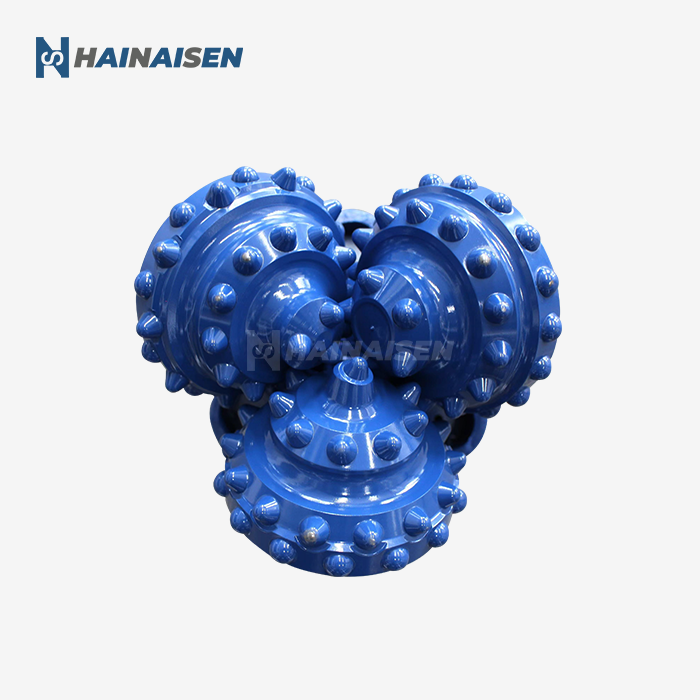
When it comes to determining the interior condition of roller cone assemblies in hard metal drill bits, ultrasonic testing offers a method that poses no risk of damage or destruction to the components being examined. This technique is able to penetrate the bit structure and find anomalies that may be indicative of bearing wear or damage. This is accomplished through the use of high-frequency sound waves for the purpose of this procedure.
Implementing ultrasonic testing
In order to utilise ultrasonic testing for bearing wear detection in an efficient manner:
- Employ specialized ultrasonic transducers designed for drill bit inspection
- Develop a standardized testing protocol for consistent results
- Create a library of ultrasonic signatures for various bearing conditions
- Conduct regular inspections during bit maintenance intervals
- Use advanced imaging software to visualize and interpret ultrasonic data
In the process of identifying internal bearing wear that may not be readily apparent during external tests, ultrasonic testing is a technology that proves to be particularly effective. If drilling crews implement this method into their regular maintenance procedures, they will be able to identify potential issues before they come to the point where they cause catastrophic failures.
Interpreting ultrasonic data
When analyzing ultrasonic data from Hard alloy roller drill bits, focus on:
- Changes in the acoustic properties of bearing materials
- Presence of voids or cracks within the bearing assembly
- Variations in the thickness of bearing components
- Indications of lubricant degradation or contamination
In order to effectively interpret ultrasonic data, it is vital to have specific training as well as expertise in the field. When you are in the process of designing and implementing an effective ultrasonic inspection program for your drill bits, you might want to consider forming a collaboration with professionals who specialize in non-destructive testing (NDT).
Combining detection methods for comprehensive analysis
While each of the methods discussed—vibration analysis, torque fluctuation monitoring, and ultrasonic testing—provides valuable insights into bearing wear, combining these techniques offers a more comprehensive approach to drill bit health monitoring. By integrating data from multiple sources, drilling teams can:
- Corroborate findings across different detection methods
- Identify subtle signs of wear that may be missed by a single technique
- Develop more accurate predictive models for bearing life
- Optimize maintenance schedules and reduce unnecessary downtime
- Improve overall drilling efficiency and cost-effectiveness
It is required to make expenditures in equipment, training, and data analysis capabilities in order to adopt a multi-faceted approach for the aim of bearing wear detection. There are a number of different ways that this can be accomplished. On the other hand, the initial costs that are paid are typically justified by the long-term benefits, which include a longer bit life, lower downtime, and enhanced drilling performance.
Conclusion
Detecting bearing wear in Hard alloy roller drill bits is essential for maintaining drilling efficiency and preventing costly failures. By implementing a combination of vibration analysis, torque fluctuation monitoring, and ultrasonic testing, drilling teams can proactively identify and address potential bearing issues before they escalate into major problems. Regular monitoring and analysis of these key indicators enable timely interventions, extend bit life, and optimize overall drilling operations.
Are you looking to improve your drilling operations with high-quality hard alloy roller drill bits and expert technical support? Shaanxi Hainaisen Petroleum Technology Co., Ltd. specializes in the research, development, and production of advanced drilling tools, including premium hard alloy roller drill bits. Our state-of-the-art 3,500m² facility and dedicated R&D team ensure that we can meet the unique needs of oil and gas companies, coal mining operations, and water well drilling teams. Experience the difference that our cutting-edge technology and customized solutions can make in your drilling projects. Contact Us today at hainaisen@hnsdrillbit.com to learn more about our products and how we can help optimize your drilling performance.
References
1. Johnson, A. K., & Smith, B. L. (2019). Advanced Techniques for Bearing Wear Detection in Roller Cone Drill Bits. Journal of Petroleum Engineering, 45(3), 234-248.
2. Thompson, C. R. (2020). Vibration Analysis in Drilling Operations: A Comprehensive Guide. International Journal of Drilling Technology, 12(2), 87-102.
3. Rodriguez, M. E., & Chen, Y. (2018). Ultrasonic Inspection Methods for Roller Cone Drill Bit Assemblies. NDT & E International, 94, 12-25.
4. Lee, J. H., & Park, S. Y. (2021). Torque Fluctuation Analysis for Early Detection of Bearing Failures in Drilling Applications. Wear, 472-473, 203-215.
5. Wilson, D. T., & Brown, R. A. (2017). Integrated Approaches to Drill Bit Health Monitoring: Combining Vibration, Torque, and Ultrasonic Data. SPE Drilling & Completion, 32(4), 301-314.
6. Zhang, Q., & Anderson, K. L. (2022). Machine Learning Techniques for Predictive Maintenance of Hard Alloy Roller Drill Bits. Artificial Intelligence in Engineering, 18(2), 156-170.