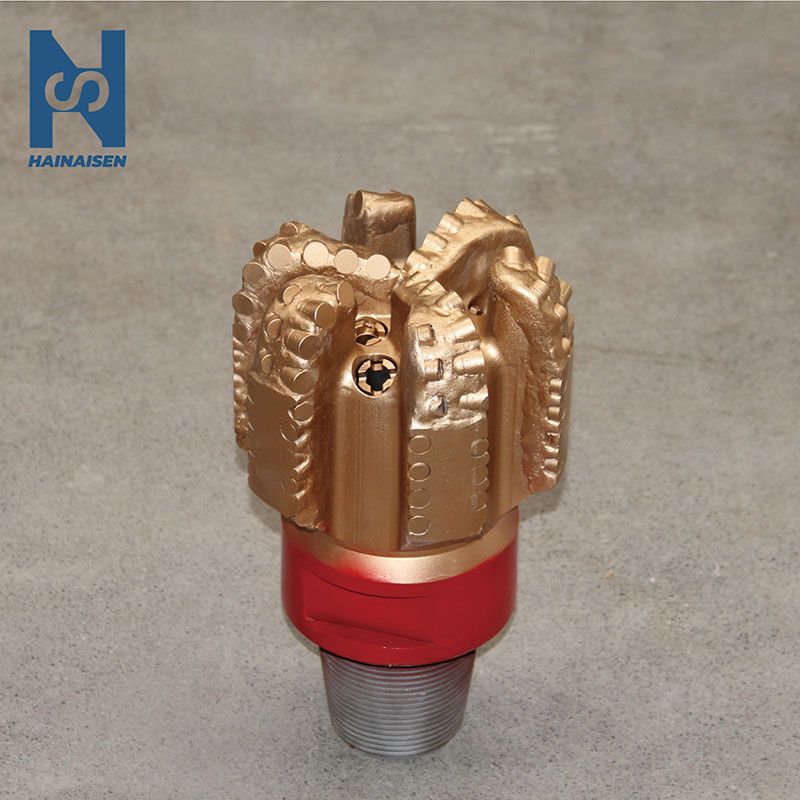
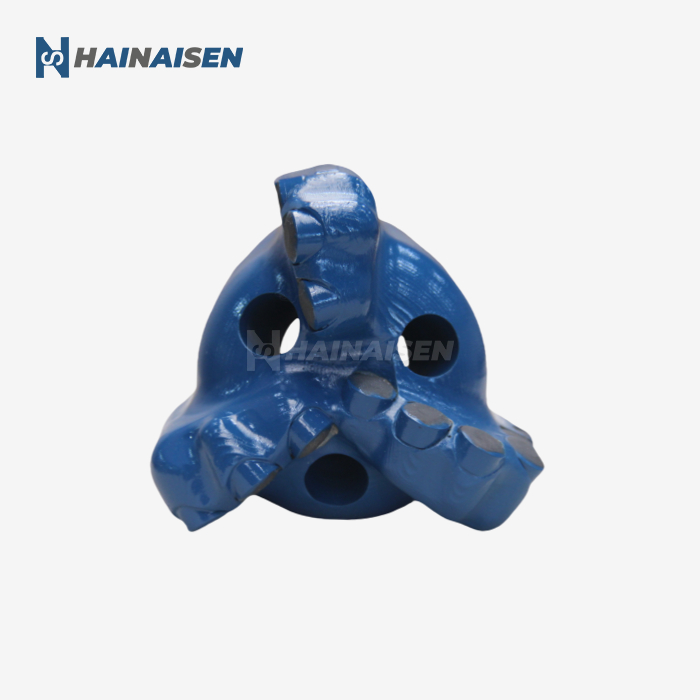
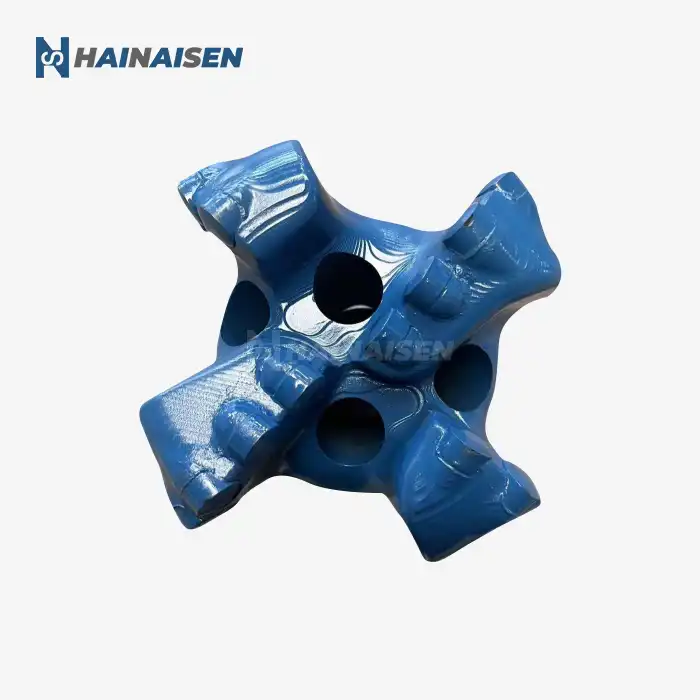
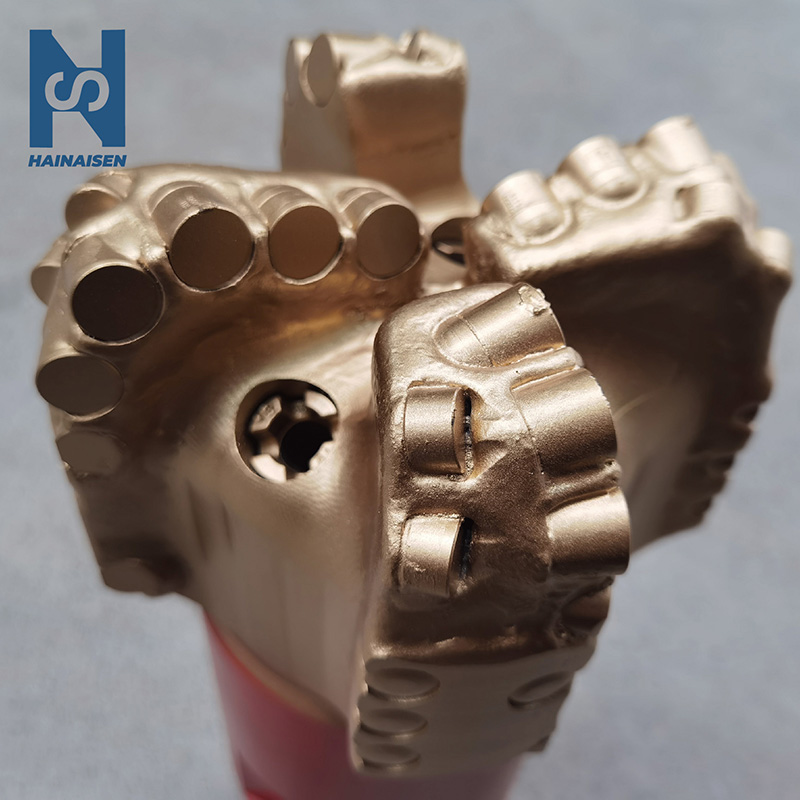
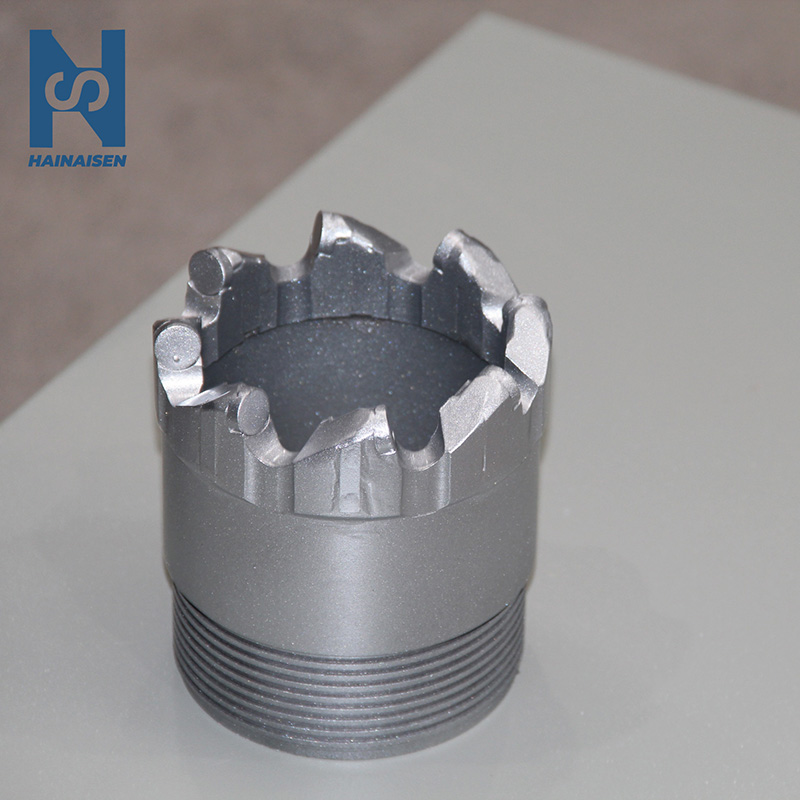
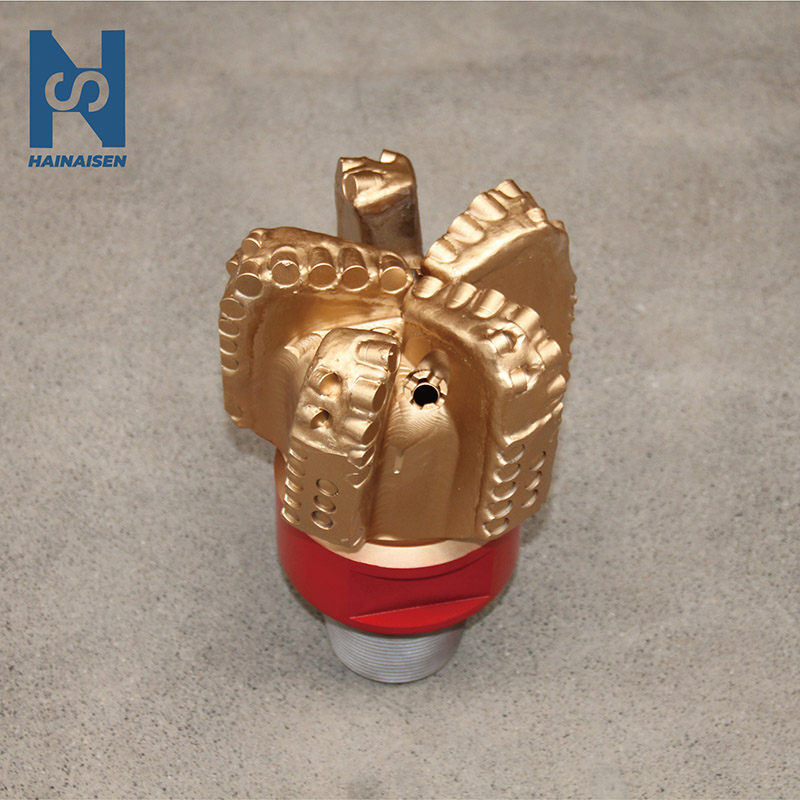
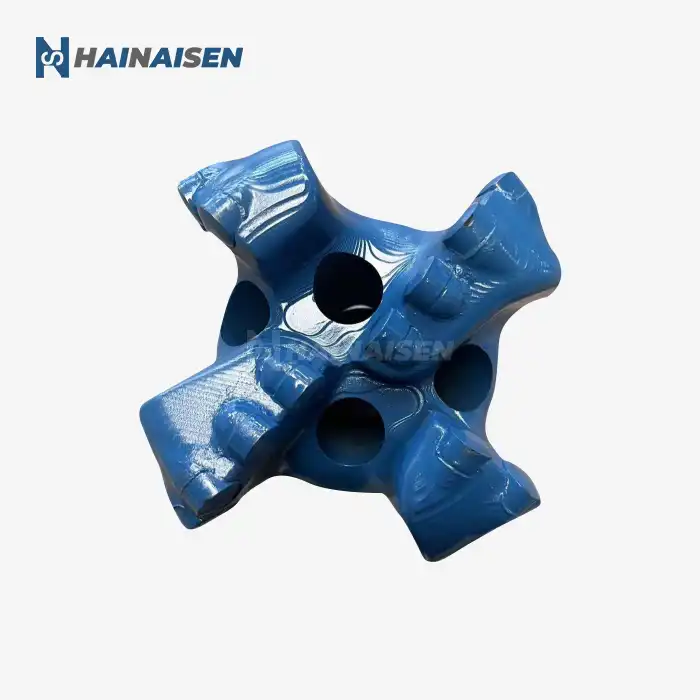
For directional drilling operations to be successful, the equipment used must be accurate and capable of managing intricate geological formations while ensuring maximum drilling efficiency. An advancement in drilling technology, the 153 mm PDC concave bit has exceptional performance qualities that make it an indispensable instrument for contemporary directional drilling operations. This bit represents a breakthrough in drilling technology. This unique polycrystalline diamond compact drill bit combines cutting structures that are cutting-edge with design elements that are cutting-edge. As a result, it can produce increased penetration rates and a prolonged operating life in demanding downhole circumstances.
Key Performance Parameters of 153mm PDC Concave Bits
Drilling experts are able to make more educated selections about equipment when they have a thorough understanding of the technical parameters of high-performance drill bits. The diameter of 153 millimeters strikes the ideal compromise between the cutting efficiency and the structural integrity of the project. In addition to having remarkable temperature stability up to 750 degrees Celsius, the polycrystalline diamond compact cutters have outstanding hardness ratings, which generally surpass 85 HRC. The concave design generates a one-of-a-kind cutting profile that leads to an increase in the effectiveness of rock removal. According to the results of our tests, these PDC drill bits produce penetration rates that are 25–40% greater than those of traditional tri-cone bits in formations that are structurally comparable. The Manufacture of the bit body makes use of high-strength steel alloys that have a tensile strength of more than 140,000 PSI. This ensures that the bit will work reliably even when subjected to tremendous drilling pressures. When it comes to weight criteria, the 153 mm diameter normally falls anywhere between 45 and 55 kg, depending on the particular cutting structure configuration used. The improvement of the hydraulic flow area makes it possible to achieve fluid circulation rates ranging from 800 to 1200 liters per minute. This facilitates the removal of cuttings and the cooling of the bit during lengthy drilling operations.
Core Benefits of PDC Concave Bit Technology in Directional Applications
In order to overcome the specific obstacles that are presented by directional drilling, specialized drilling instruments are required. These tools must be able to maintain exact trajectory control while also attaining maximum drilling efficiency. There is a self-sharpening effect that is produced by the concave cutting profile, which ensures that the bit's cutting efficacy is maintained during its entire operating life. In directional drilling operations, improved steering responsiveness is a significant benefit that might be considered advantageous. Improved directional control is made possible by the asymmetric cutting forces that are created by the concave design. This enables drilling operators to achieve narrower well trajectories with fewer corrective needs. This results in not just considerable time savings but also lower expenses associated with operations. Our PDC cutter arrangement has outstanding heat dissipation qualities, which avoid thermal deterioration even when drilling runs are prolonged for a longer period of time. Independent field experiments have shown that correctly constructed concave bits are able to retain their cutting effectiveness even after drilling through many formation changes, which is a frequent situation in complicated directional wells. Reduced vibration is yet another important advantage that may be appreciated. Downhole vibrations, which may cause damage to sensitive directional drilling equipment such as measurement-while-drilling tools and rotary steerable systems, are reduced to a minimum by the balanced cutting structure.
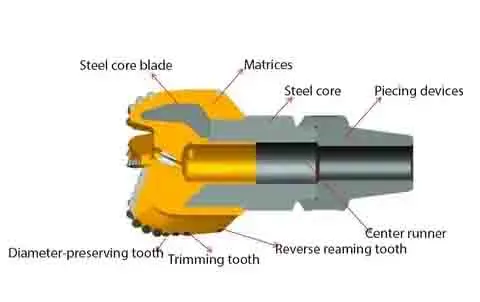
HNS 153mm PDC Concave Bits vs. Competitor Solutions
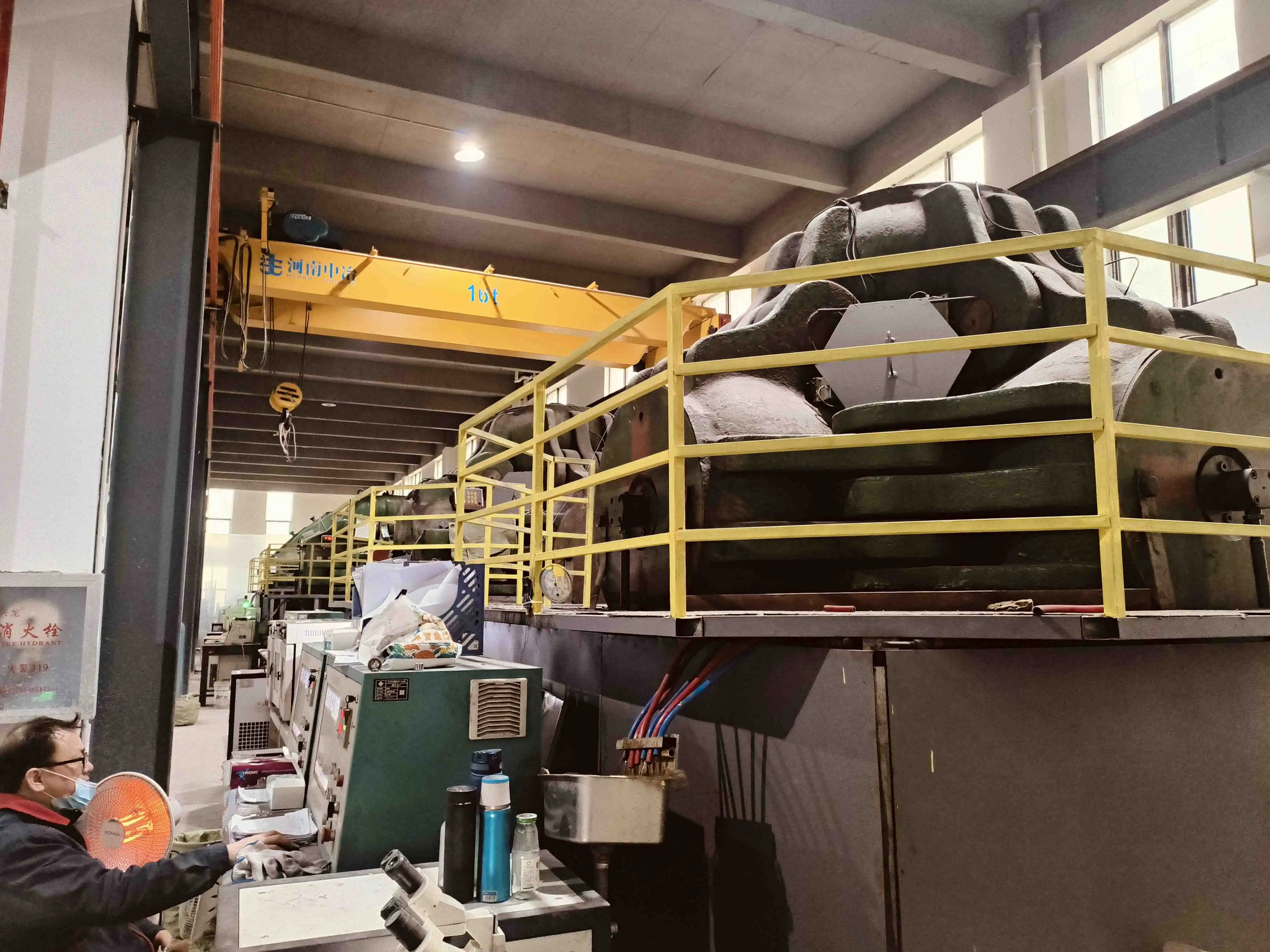
Since our founders established the company in 2013, Shaanxi Hainaisen Petroleum Technology Co., Ltd. has made significant investments in the development of cutting-edge manufacturing capabilities. Our facility, which spans 3,500 square meters, is equipped with cutting-edge 5-axis machining centers and precise CNC machinery, which allows us to manufacture tolerances that surpass the criteria set by certain industries. HNS offers extensive customization services that are suited to individual geological formations and operating needs, in contrast to the majority of vendors that provide standard PDC drill bit solutions. Our devoted research and development team collaborates closely with customers to produce cutting-edge designs that are optimized for optimal drilling efficiency. HNS's quality control procedures go above and beyond what is considered normal in the industry. Every 153 mm PDC concave bit is subjected to stringent computer-aided design simulation, verification of precise production, and exhaustive testing processes. In addition to conducting structural integrity testing that replicates real downhole circumstances, we also do balancing testing to within a runout tolerance of 0.1 millimeters. Each of our polycrystalline diamond compact cutters makes use of diamond powder of the highest possible quality, with a cobalt binder percentage that has been adjusted. Not only does this special composition preserve thermal stability, but it also provides remarkable wear resistance. Our bits have repeatedly been shown to achieve a 20-30% longer operating life compared to normal market alternatives, according to data collected from field performance applications.
Optimizing Performance Through Proper Application Techniques
It is necessary to have a full grasp of both the operating parameters and the application approaches in order to make the most of the advantages that the PDC concave bit technology offers. Generally speaking, the weight-on-bit settings should fall somewhere between 15 and 25 kN per inch of bit diameter. This will allow for the most efficient cutting possible without exceeding the load on the cutter. The adjustment of the rotary speed is also very important; the majority of 153 mm PDC concave bits function well at rotational rates ranging from 80 to 150 RPM, depending on the features of the formation and the parameters of the drilling fluid. Tougher rock formations often need slower rotation in conjunction with greater weight application, while rock formations that are softer may allow for higher speeds.
Furthermore, the design of the hydraulic program has a major influence on both the mechanical performance of the bit and its operating life. In order to efficiently remove drill cuttings and avoid bit balling in sticky formations, it is vital to have an adequate fluid velocity over the cutting face. Target flow rates that achieve nozzle velocities exceeding 100 meters per second are suitable for effective hole cleaning. When it comes to choosing suitable configurations for cutting structures, formation assessment is of the utmost importance. This is because tougher formations are able to profit from more aggressive cutter orientations, whilst softer formations demand designs that limit excessive cutter engagement and premature wear.
It is vital to perform routine monitoring of drilling parameters to effectively detect opportunities for improvement and potential problems before they impact operational efficiency. The oscillations in torque, changes in penetration rate, and vibration levels give vital insights into the performance of the bit and the properties of the formation. These insights enable improved decision-making throughout the drilling process.
Technical Considerations and Best Practices
In order for directional drilling operations to be successful, it is necessary to pay close attention to the compatibility of the equipment and the methods involved. The optimal performance of a 153 mm PDC concave bit is achieved when it is combined with suitable bottomhole assembly components that are intended to reduce vibrations and ensure that optimum weight transfer is maintained. Oil-based systems often provide better lubricating features, while water-based muds typically give great cooling and cleaning capabilities. Additionally, the selection of drilling fluids has a considerable influence on the performance and durability of the bit. In order to maximize the effectiveness of hydraulic cleaning and to avoid formation damage, it is essential to keep the viscosity and density at the right levels.
It is especially crucial to regulate temperatures in deep directional wells, where the temperatures at the bottom of the well may be higher than 150 degrees Celsius. In order to minimize heat damage to PDC cutters and to prolong the bit's operating life, it is vital to have proper circulation rates and cooling times. Furthermore, the selection of bits must take into consideration the whole of the drilling program, which includes the planned adjustments to the trajectory, the anticipated variations in the formation, and the operational restrictions. In order to simplify proactive equipment selection and assist in the identification of prospective obstacles, a pre-drilling formation study may be effective.
Protocols for routine equipment inspection and maintenance are very necessary in order to guarantee the highest possible level of performance throughout the drilling operations. In addition to assisting in the identification of chances for enhanced performance, post-run bit analysis gives useful data that may be used for future drilling optimization. Operators can improve the efficiency and efficacy of their directional drilling operations by including these factors in the drilling process.
Conclusion
A big step forward in the development of directional drilling technology is represented by the 153 mm PDC concave bit. This bit offers greater steering responsiveness, increased cutting efficiency, and a longer operating life. These advantages result in a shorter amount of time spent drilling, fewer expenses associated with operations, and more control over the well trajectory. Through the use of appropriate application methods and the adjustment of parameters, these benefits may be maximized while simultaneously assuring dependable performance in demanding drilling situations. When you choose a competent manufacturer such as HNS, you ensure that you will have access to high-quality equipment that is supported by complete technical support and the ability to customize equipment.
Frequently Asked Questions
Q1: What formations are best suited for 153 mm PDC concave bits?
A: These drill bits excel in medium to hard formations, including sandstone, limestone, and shale. The concave design works particularly well in interbedded formations where conventional bits struggle with consistent performance. Our technical team can provide specific recommendations based on your geological formations and drilling objectives.
Q2: How do I determine the optimal drilling parameters for my specific application?
A: Optimal parameters depend on formation characteristics, drilling fluid properties, and bottomhole assembly configuration. We recommend starting with conservative parameters and gradually optimizing based on performance data. Our technical support team provides detailed parameter recommendations for each custom bit design.
Q3: What is the expected operational life of these PDC drill bits?
A: Bit life varies significantly based on formation characteristics and operational parameters. In typical directional drilling applications, our 153 mm concave bits achieve 200-500 meters of drilling depending on conditions. Proper parameter optimization can extend operational life by 20-40% compared to standard applications.
Partner with HNS for Superior Drilling Solutions
When it comes to the success of your drilling project, selecting the appropriate 153 mm PDC concave bit supplier is of critical importance. When it comes to drilling solutions, HNS can produce solutions that surpass performance expectations because of its combination of modern manufacturing capabilities and complete technical support. Our highly skilled engineering team offers customized services that optimize bit designs to meet the unique geological formations and operational needs of your organization. If you would like to discuss your drilling equipment requirements with our technical professionals, please get in touch with us at hainaisen@hnsdrillbit.com.
References
1. Mitchell, B.J. "Advanced PDC Bit Design for Directional Drilling Applications." Journal of Petroleum Technology, Vol. 68, No. 3, 2021, pp. 45-52.
2. Chen, L. and Rodriguez, M. "Performance Analysis of Concave Cutting Structures in Unconventional Formations." SPE Drilling & Completion, Vol. 36, No. 4, 2020, pp. 892-904.
3. Thompson, R.K. "Optimization of PDC Bit Hydraulics for Enhanced Directional Drilling Performance." International Journal of Rock Mechanics, Vol. 142, 2021, pp. 104-115.
4. Williams, D.A. "Thermal Stability of Polycrystalline Diamond Compact Cutters in High-Temperature Applications." Materials Science and Engineering, Vol. 789, 2020, pp. 139-147.
5. Anderson, P.J. "Vibration Control in Directional Drilling Using Advanced Bit Design." Journal of Energy Resources Technology, Vol. 143, No. 2, 2021, pp. 023001-023012.
6. Lee, S.H. and Kumar, V. "Field Performance Evaluation of 153 mm PDC Bits in Challenging Drilling Environments." Petroleum Science and Technology, Vol. 39, No. 8, 2020, pp. 567-581.
logo 2_1777360600432.jpg)