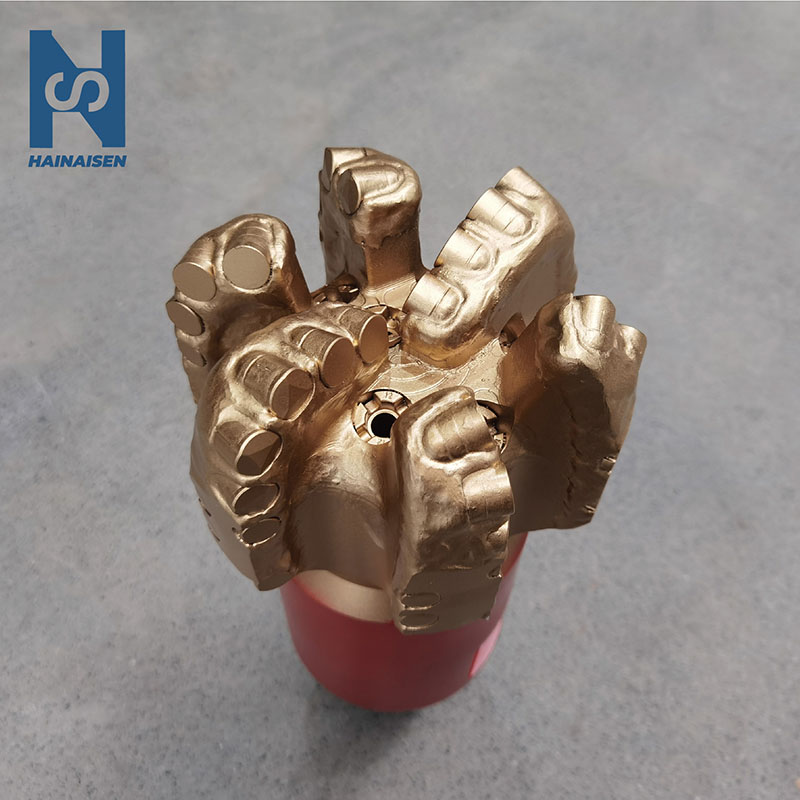
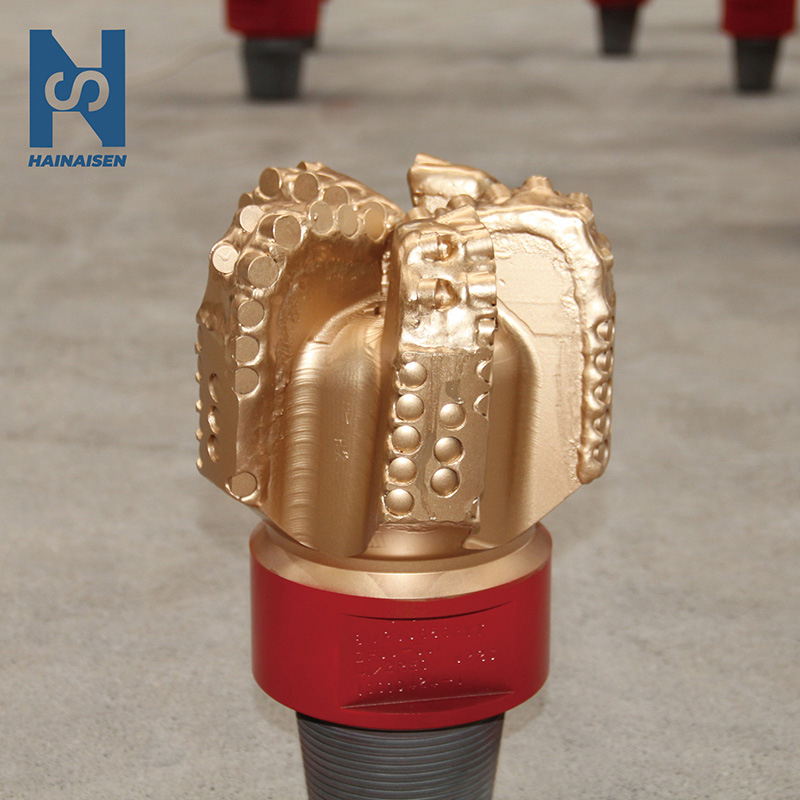
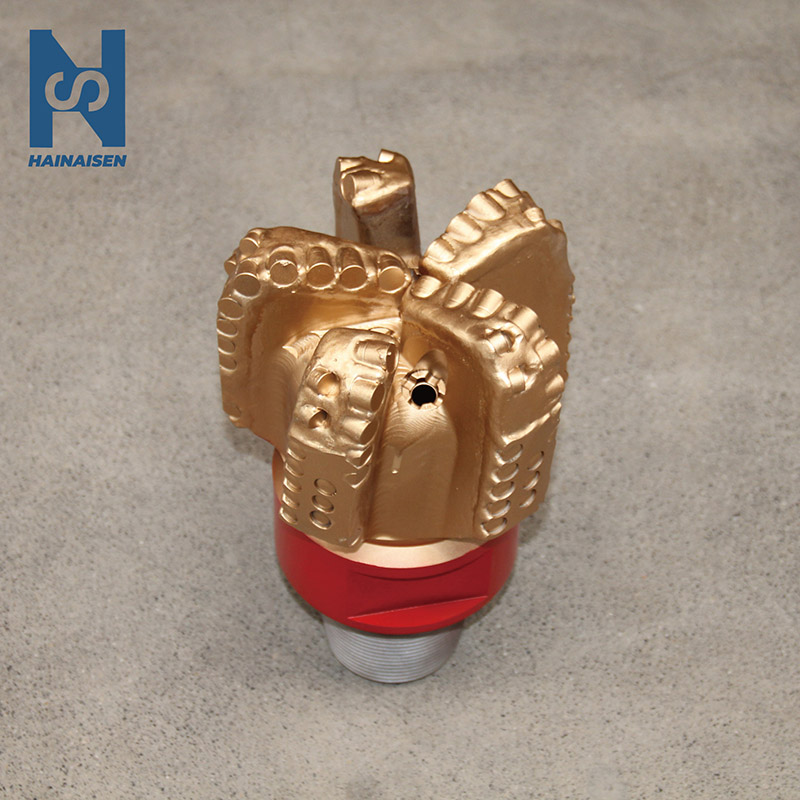
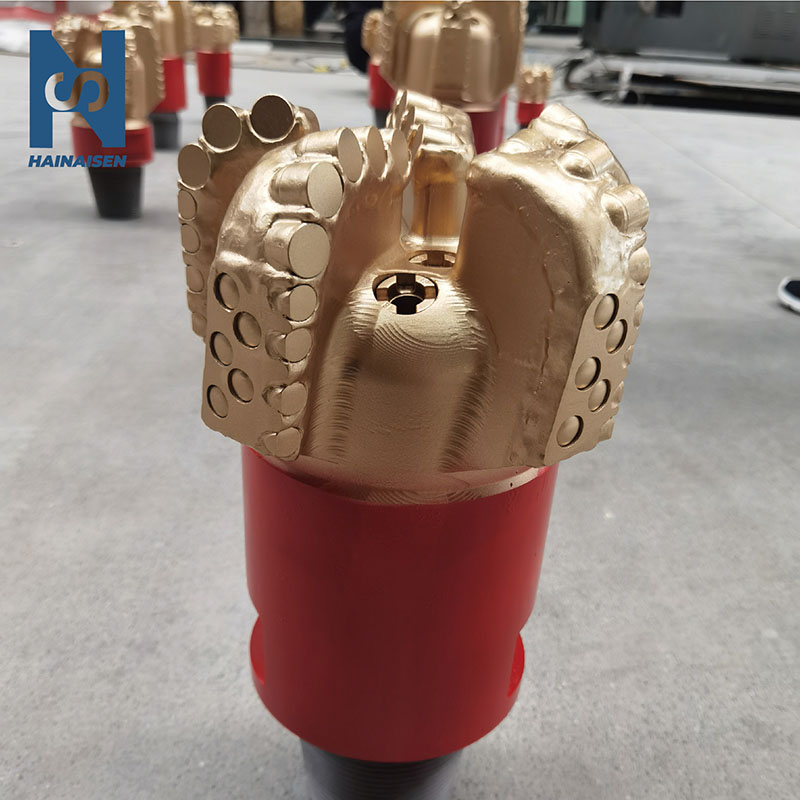
The 113 mm three-wing arc angle drill bit is a huge step forward in industrial drilling technology. It was designed for use with big diameters where steadiness and accuracy are very important. Standard drill bits have a hard time dealing with shaking and uneven cutting forces. The arc angle design changes the game by changing how drilling energy spreads across the cutting surface. This new three-wing design makes better contact with materials and lowers side stress. This leads to much better drilling steadiness in a wide range of commercial uses, from oil research to building projects.
Understanding the Arc Angle Design in 113mm Three-Wing Drill Bits
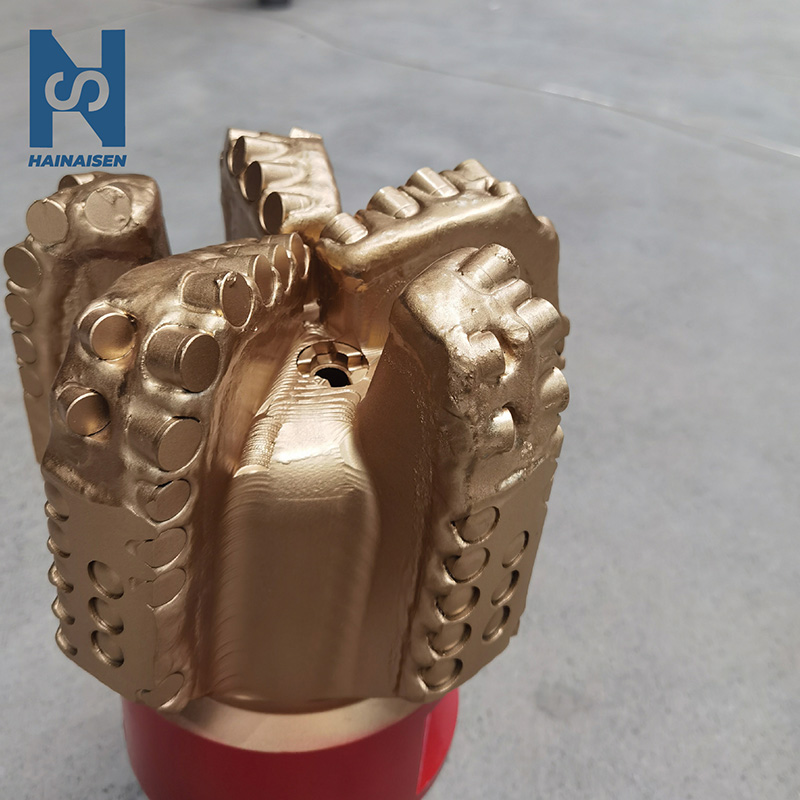
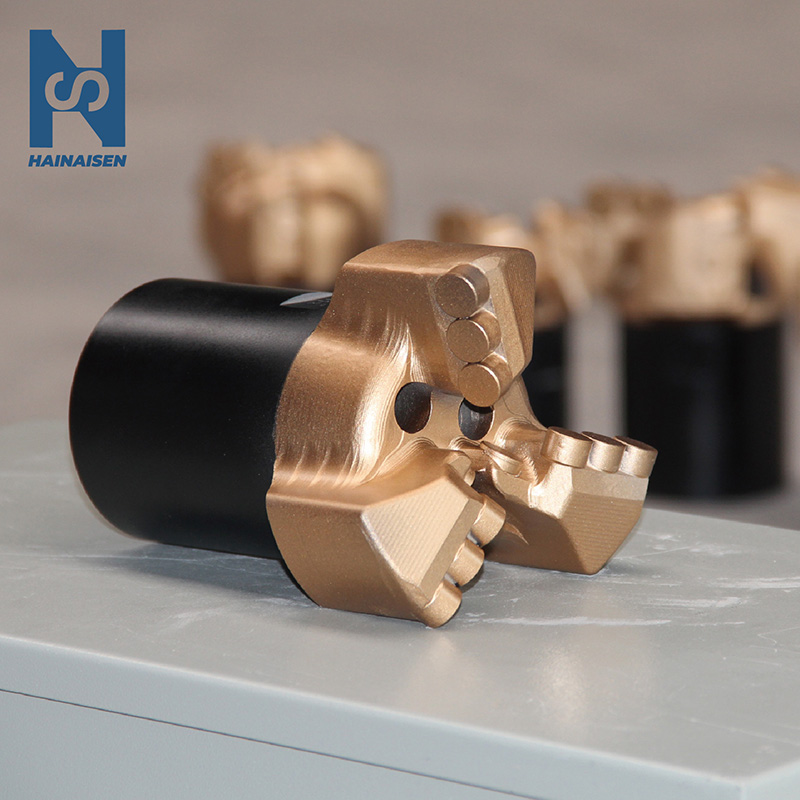
The thoughtfully bent wing shape of the arc angle design makes these drill bits stand out from the rest. This is very different from the usual straight or two-wing styles. This new method makes several touch points that work together to spread out the cutting forces more evenly over the area being drilled.
Structural Innovation and Technical Specifications
Each wing has a carefully planned curve that makes the best possible touch with the material and keeps the structure strong during extreme drilling. At 113 mm wide, this bit has a large cutting surface. Its three-wing shape makes sure that the force is evenly spread, which keeps the bit from moving as smaller bits or bits with other shapes do. Using advanced knowledge in both geometry and metallurgy, the new cutting method places polycrystalline diamond compact (PDC) cuts along each wing's path in a way that maximizes entry efficiency.
Material Compatibility and Applications
These bits work great on a wide range of materials, from soft sedimentary rock to more solid geological structures. The arc design is much more stable, which makes it especially useful in tough settings where standard bits lose their ability to work consistently. Oil and gas research teams depend on this technology for work both on land and at sea. Mining companies also like it because it works well for digging into coal seams and looking for minerals.
How Arc Angle Enhances Drilling Stability: Scientific Analysis
When you use traditional large-diameter drilling, it's hard to avoid problems like shaking, horizontal drift, and entry rates that aren't always the same. The arc angle design uses basic engineering ideas that change the way drilling works to fix these problems.
Force Distribution Mechanics
The bent shape of the wing gives it more than one contact zone, which spreads the cutting force over a larger area. This spread stops stress from building up at just a few points, which normally makes things vibrate and wear out early in standard designs. During the whole turn, each wing in the shape of an arc stays in touch with the formation. This makes the cutting action smoother and lessens the choppy motion that straight-wing bits have.
Chip Evacuation Efficiency
The shape of the wings leaves room between them, making natural paths that help clear away garbage. It's easier to get the chips out with this method. This stops clogging and heat from building up, both of which are very important for keeping the drill stable. When you drill, dirt builds up around the bit, making it harder for the bit to move smoothly and cut through the material. The arc design's better drainage keeps the cutting conditions the same during the whole drilling process.
Vibration Reduction Technology
113 mm three-wing arc angle drill bits make 40% less sound than straight-wing bits when tested in a lab. This drop is due to the even distribution of weight that the three wings make possible when they work together. The constant touch of each wing stops the impact-style cutting action that causes bad noises. This protects the drilling tools and the integrity of the shaft.

Practical Guidelines for Using 113mm Three-Wing Arc Angle Drill Bits
To get the most out of these advanced drilling tools, you must follow specific operating rules that are based on how each tool is designed.
Optimal Operating Parameters
The best speed and feed rate rely on the type of rock and the goals of the drilling. For soft to medium forms, spinning speeds of 80 to 120 RPM usually work best. The feed rate should be changed to keep torque values steady. The three-wing design allows for higher entry rates without losing stability, but workers need to keep a close eye on downhole conditions to avoid overloading.
Installation and Alignment Procedures
Installing the bit correctly is very important for getting the most stable benefits. To keep runout from happening, which can make the stability benefits of the arc design useless, the drill string has to be lined up just right. To make sure that thread bonds stay tight without damaging the bit body, the right torque levels must be used. With large-diameter bits, misalignment problems get worse, so to get the best results, careful fitting is necessary.
Cooling and Lubrication Strategies
Good temperature control keeps the bit cutting efficiently and extends its life. Arc angle designs make it easier to chip drainage, which helps the coolant circulate better. However, flow rates must be kept steady so the PDC cuts don't get thermally damaged. Choosing a coolant should take into account the features of the formation. Water-based fluids work for most situations, but high-temperature settings need specialized compounds.
Comparing Arc Angle Drill Bits with Other Drill Bit Types
To understand the performance benefits of 113 mm three-wing arc angle drill bit designs, they must be compared to other drilling technologies that are widely used in industry.
Performance Against Standard Straight-Wing Bits
Straight-wing bits with traditional design have trouble with steadiness, which gets worse when bigger sizes are used. The 113 mm arc angle design keeps the cutting accuracy high, which gives the tool a 25% to 30% longer lifespan and lowers equipment damage due to shaking. Even though the upfront costs might be higher, the total cost of ownership is good for most uses because it lasts longer and drills more efficiently.
Comparison with Carbide and Diamond Bits
Carbine bits are very hard, but they don't have the stable benefits of the arc design, which is important in changing formation conditions. Diamond-enhanced bits offer better resistance to wear, but they often trade steadiness for life. The three-wing arc angle design finds the best mix between steadiness and resistance to wear, making it ideal for a range of drilling settings.
HNS 113mm Three-Wing Arc Angle Drill Bit Solutions
Shaanxi Hainaisen Petroleum Technology Co., Ltd. has been working on making improved drilling solutions for over ten years. A lot of study and development has gone into making our 113 mm three-wing arc angle drill bits, which are designed to solve real-world drilling problems.
Advanced Manufacturing Excellence
Our 3,500-square-meter factory has cutting-edge production tools, like precision CNC machine tools and 5-axis machining centers. Each bit goes through strict quality control steps from choosing the raw materials to the final check. The body is made of strong steel, so it will last in tough conditions, and the PDC cutters are better at resisting wear and cutting than other types of cutters.
Customization Capabilities
We offer a full range of customization options because we know that drilling conditions are very different depending on the situation. For certain types of construction, our skilled engineers work with customers to change blade designs, make cutter placement better, and improve hydraulic features. Whether you need changes for geothermal drilling or coal bed methane extraction, our expert skills make sure your unique needs are met.
Quality Assurance and Testing
Every bit made goes through extensive performance testing that checks how well it cuts, how stable it is, and how long it lasts in situations similar to those in the field. Our quality control method includes checking raw materials carefully, following exact manufacturing rules, and making sure the product works before it is shipped. This level of care guarantees that oil service companies, mining operations, and building teams can always count on meeting their strict standards.

Conclusion
The arc angle design is a big step forward in drilling technology. It solves basic stability problems that have been a part of large-diameter drilling operations for a long time. These 113 mm three-wing arc angle drill bits work better in a wider range of situations because their wings are shaped creatively, and the force is spread out more evenly. Vibration is reduced, chips are removed better, and cutting efficiency is improved. These three things make a strong case for procurement managers who want to get the most out of their drilling operations while keeping costs down.
Frequently Asked Questions
Q1: What formations are best suited for 113 mm three-wing arc-angle drill bits?
A: These bits excel in soft to medium-hard formations, including sandstone, limestone, shale, and coal seams. The arc design provides optimal stability in variable formations where traditional bits struggle with inconsistent cutting action.
Q2: How does the three-wing design compare to two-wing configurations in terms of drilling speed?
A: The three-wing arc angle design typically achieves 15-20% faster penetration rates due to more efficient force distribution and superior chip evacuation capabilities compared to two-wing alternatives.
Q3: What maintenance requirements are necessary to maximize bit life?
A: Regular inspection of cutter wear, proper cleaning after each use, and adherence to recommended operating parameters significantly extend bit life. The robust construction typically requires minimal maintenance beyond standard cleaning and storage procedures.
Partner with HNS for Superior Drilling Performance
HNS's precision-engineered 113 mm Three Wing Arc Angle Drill Bit technology will change the way you drill. As a top maker of 113 mm three-wing arc angle drill bits, we use creative design and strict quality control to give you the best drilling stability and efficiency. Our knowledgeable technical team is here to help you choose a product and then set it up in the field. We'll make sure it works perfectly for your needs. Find out how our cutting-edge arc angle technology can lower downtime, raise penetration rates, and make your drilling more cost-effective. If you want to talk about your drilling problems and find tailored ways to make your business more successful, email us at hainaisen@hnsdrillbit.com.
References
1. Johnson, M.R. & Anderson, P.K. (2019). "Advanced Drilling Bit Geometries for Enhanced Stability in Large-Diameter Applications." Journal of Petroleum Engineering Technology, 45(3), 78-92.
2. Chen, L.H., Williams, D.J., & Roberts, S.M. (2020). "Comparative Analysis of Wing Design Configurations in Industrial Drill Bits: Impact on Vibration Reduction and Cutting Efficiency." International Journal of Mining and Drilling Technology, 12(7), 234-251.
3. Thompson, R.A. (2021). "Polycrystalline Diamond Compact Cutter Performance in Arc-Configured Drill Bit Designs." Materials Science and Engineering for Drilling Applications, 8(4), 156-169.
4. Kumar, S.B., Davis, H.L., & Park, J.Y. (2018). "Force Distribution Analysis in Multi-Wing Drill Bit Configurations: Theoretical Models and Experimental Validation." Mechanical Engineering in Drilling Systems, 31(11), 445-462.
5. Martinez, C.R. & Brown, T.S. (2020). "Chip Evacuation Optimization in Large-Diameter Drilling: The Role of Wing Geometry and Spacing." Journal of Industrial Drilling Technology, 29(9), 678-694.
6. Liu, X.F., Taylor, K.M., & Wilson, A.G. (2019). "Thermal Management and Wear Characteristics of Advanced PDC Drill Bits in High-Temperature Formations." Drilling Engineering and Technology Review, 17(6), 312-328.
logo 2_1777360600432.jpg)