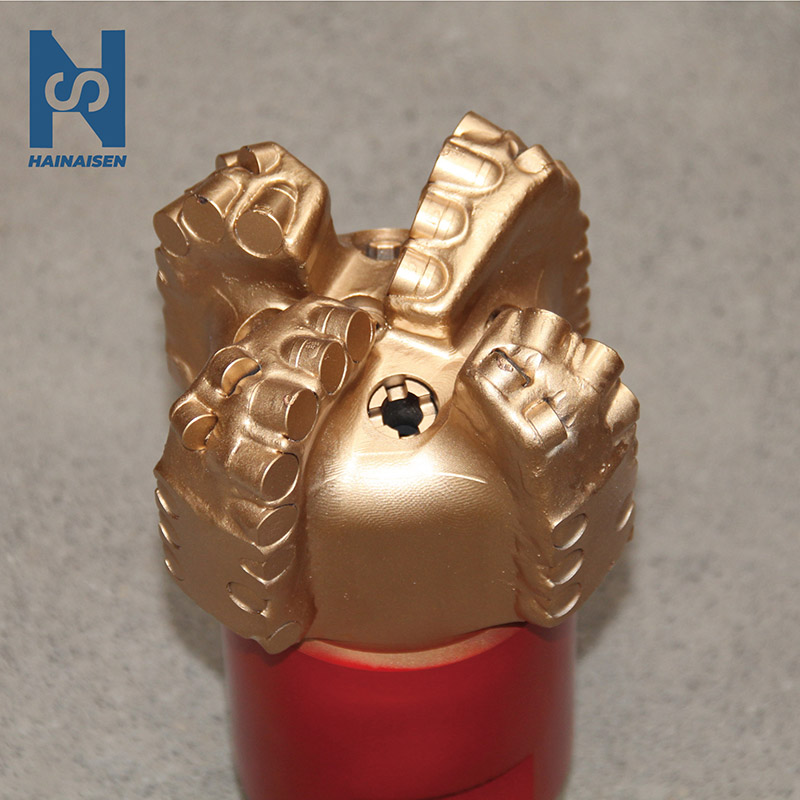
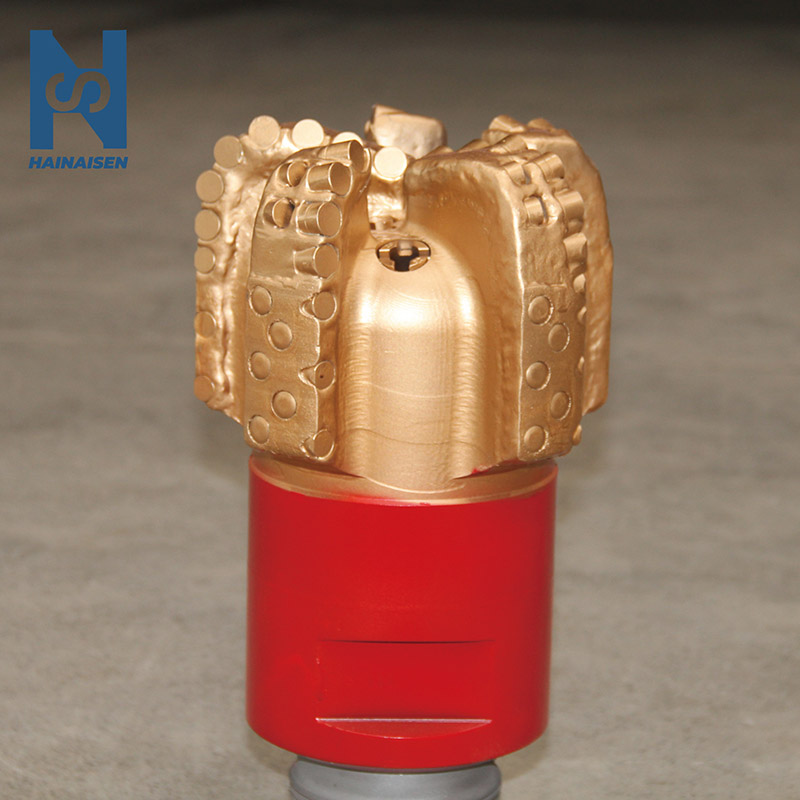
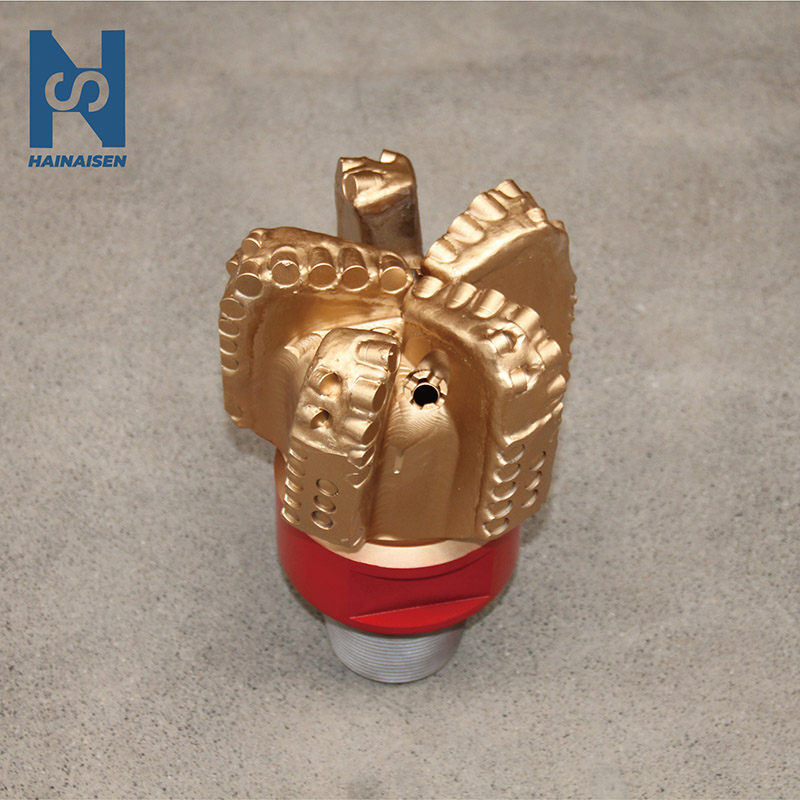
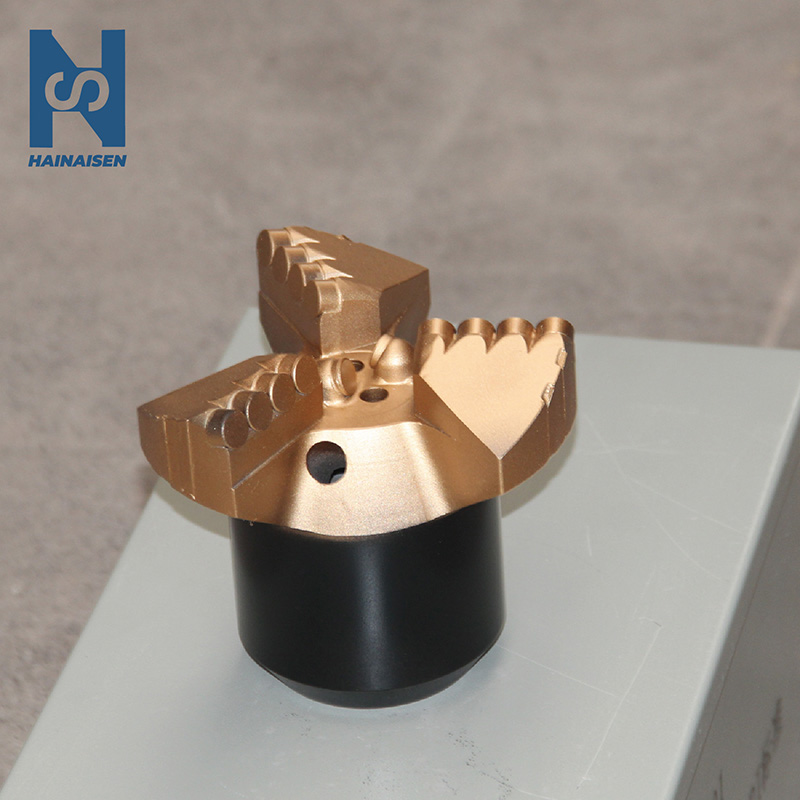
Choosing the right five-blade oil drill bit can make your drilling work a success or a failure. This all-inclusive guide covers all aspects of five-blade drill technology that drilling experts should know, including performance standards and price factors. Whether you are in charge of finding new oil and gas sources or running a coal mine, knowing the pros and cons of these new digging tools will help you make smart purchasing choices that get the most out of your money and your time.
Understanding Five-Blade Drill Technology and Its Advantages
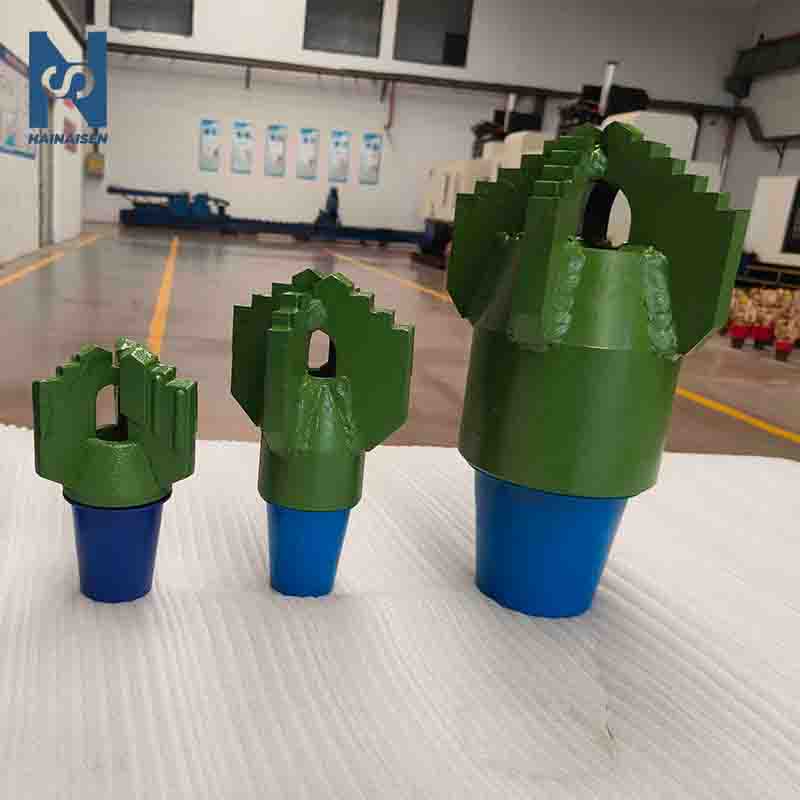
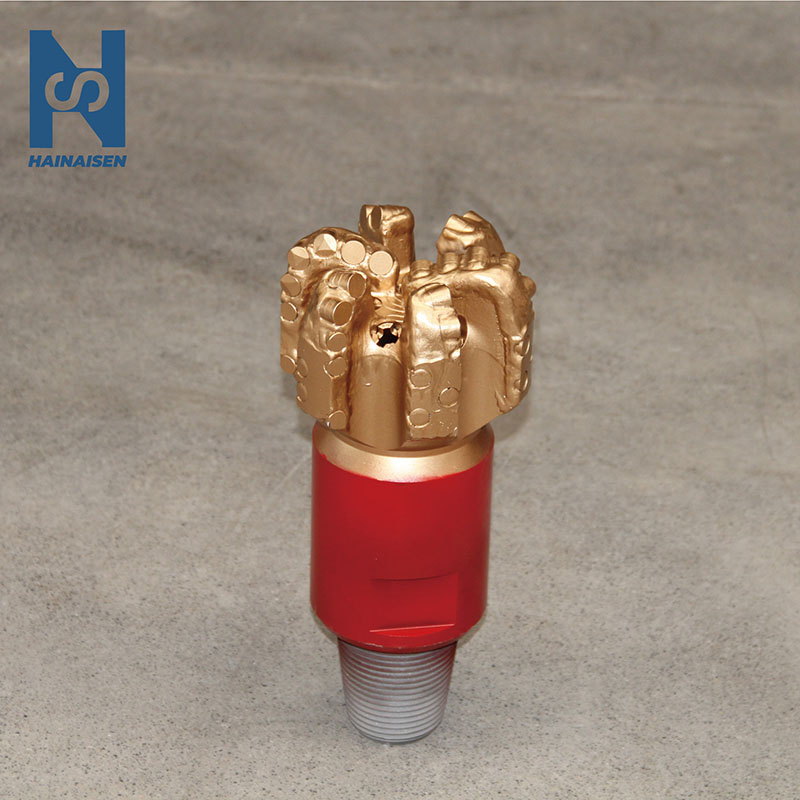
Five-blade drill bits are a big step forward in cutting technology. They work much better than older three- or four-blade bits. The extra cutting areas keep things more stable during drilling while making sure that the bit face stays evenly weighted.
The main benefit is that it cuts more efficiently. Each blade works in order to remove formation material, which makes it easier for the drill to go deeper and lowers the shaking that can break the drilling equipment. This design works especially well in rocks of middle toughness where constant cutting is necessary.
Today's five-blade designs also use better fluid pathways between each blade. These openings make it easier for fluids to flow, which cleans the holes better and gets rid of more waste. The better hydraulic system stops bit balling, which is a typical problem that can make drilling much slower and more expensive.
For drilling experts who have to deal with different types of rock and soil, the steadiness that five-blade systems give them is very helpful. The balanced cutting forces stop the drill from moving side to side, which keeps the boreholes straighter and makes drilling more accurate. It is very important for this steadiness to be present in directional drilling uses where very fine motion control is needed.
Key Performance Specifications for Oil and Gas Applications
When choosing cutting tools for certain jobs, it's important to know how they will be used. Five-blade drill bits usually work best in certain areas that depend on the type of material they are drilling through.
Speed settings usually fall between 60 and 250 RPM. This gives operators the freedom to choose a speed based on how the rock looks and what their drilling goals are. Lower speeds work best in harder forms where controlled entry stops early wear, but higher speeds work best in softer materials.
Based on how strong the rock is and how quickly you want to go through it, the pressure needed for drilling is between 10 and 100 KN. The five-blade design spreads this pressure equally across the areas being cut. This lowers the stress on each blade and makes the whole system last longer.
Most of the time, flow rate requirements are between 25 and 36 liters per second. This flow rate gives you enough hydraulic power to quickly get rid of the cuttings while also keeping the cutting parts cool. Proper flow rates also keep lighter building materials from being washed out, which could make the hole less stable.
These drill bits work best in rock that is of middle hardness and has low compression strength. The best situations for five-blade oil drill bit technology are in layers of shale, limestone, sandstone, and gypsum. No matter what kind of rock there is, the cutting action stays the same, which leads to expected results in the digging process.
Cost Analysis: Balancing Quality and Budget Considerations
When people decide what to buy, they often have to weigh the costs and benefits of buying something right away versus using it for a long time. Five-blade drill bits usually cost a lot more than standard ones, but the cost goes beyond just the price tag.
The main benefit in terms of cost is that it extends the working life. The spread-out cutting action lowers the amount of work each blade has to do, which often doubles or triples the life of the bit compared to options with three blades. This long life means fewer bit trips, less downtime, and lower total costs per meter.
For medium and big oil service businesses, investing in quality pays off by lowering risks and speeding up project timelines. These companies usually value the dependability of performance over the cost of initial savings because they know that broken equipment can cause costly holdups.
Coal mining businesses often look for a mix of quality and price. Five Blade technology is durable enough for mine use and also saves money by allowing longer times of use. Sample testing usually shows clear performance benefits that make the investment worth it.
Five-blade technology can still help water well-digging teams that don't have a lot of money to spend. While the upfront costs may be higher, projects usually end up being cheaper with a longer operating life and better drilling efficiency, especially for teams that have multiple drilling contracts.
Material Quality and Manufacturing Standards
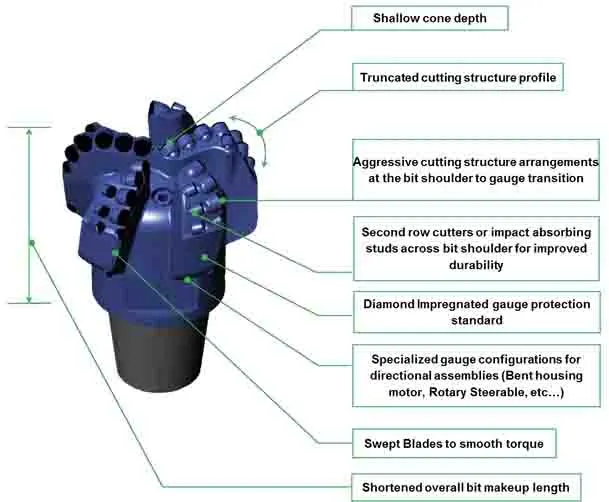
The quality of the material and the accuracy of the production have a big impact on how well any cutting tool works. Premium five-blade oil drill bits have bodies made of high-strength steel that can handle the intense stresses of drilling while keeping their shape.
Polycrystalline Diamond Compact (PDC) cuts are the most advanced drill bit technology. These tools have carbide backing and are made with diamond, which is very hard. The cutting surfaces stay sharp even after a lot of drilling. The diamond layer resists scratching better, and the carbide base makes the material tough against hits.
Tungsten carbide matrix materials make surfaces more resistant to damage in places where there is a lot of friction. This choice of material is very important in the gauge section, where contact between the bit and the formation creates conditions of constant wear. Metallurgy makes sure that the strength and wear properties are constant.
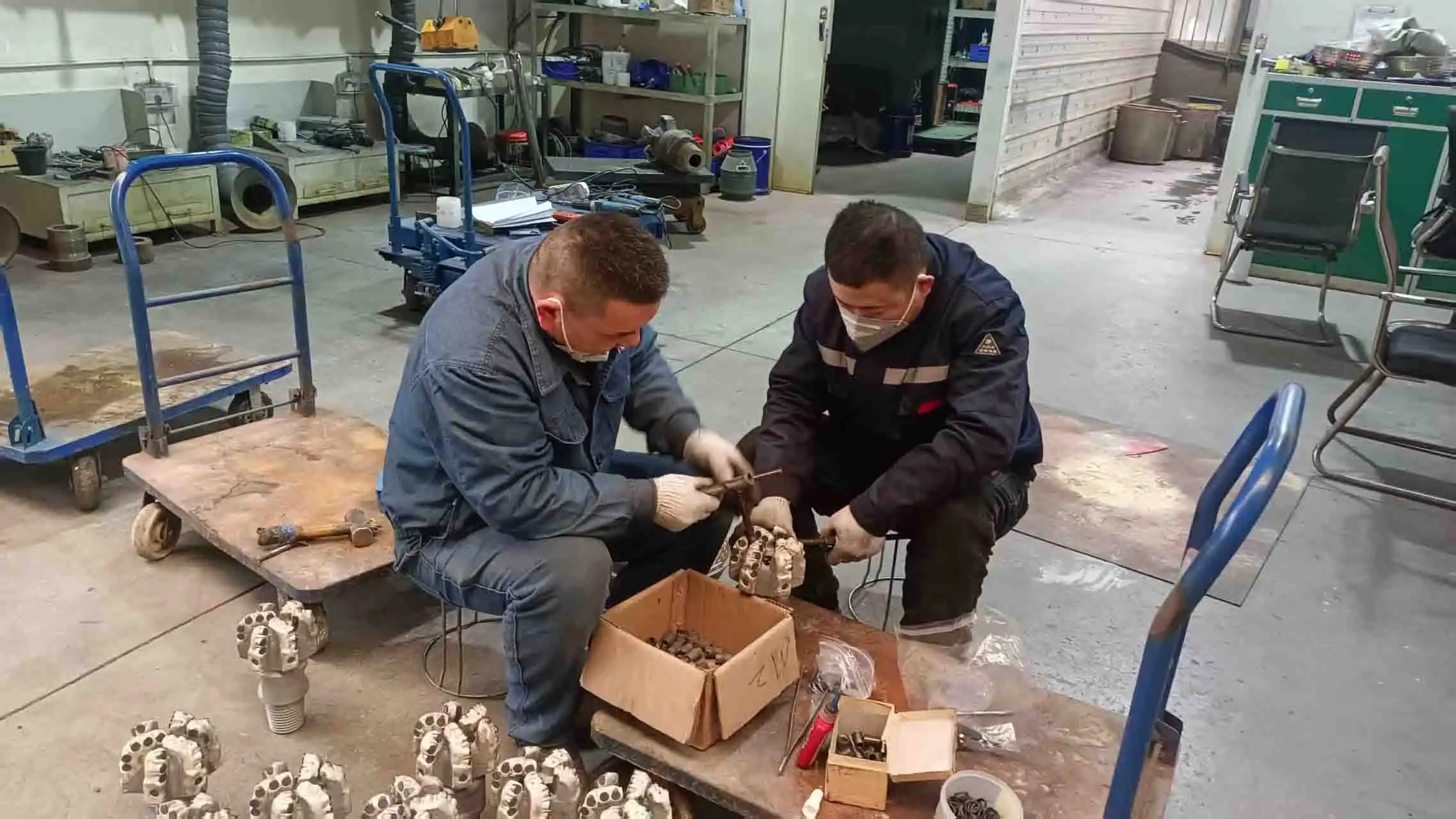
Precision in manufacturing has a direct effect on how well drilling works. CNC cutting makes sure that the blade and hydraulic channels are exactly where they need to be. This exact making makes sure that all of the bits work the same way. This means that on different drill units, the results will always be the same.
Quality control during production includes function testing and thorough checks of the materials. Before being shipped out, each drill bit is carefully tested to make sure it meets the same quality standards and works well in the field.
Application Versatility Across Drilling Sectors
Five-blade drill bits are useful for a wide range of boring tasks. The main market for these tools, which work well in both standard and nonstandard resource development, is oil and gas research.
Geothermal drilling projects gain from the stable cutting action and longer tool life. The steady temperatures and harsh conditions in geothermal use need drilling tools that will keep working well during long drilling projects.
Coal-bed methane extraction processes use five-blade technology because it can handle a variety of mixed formation situations. These projects often run into layers that are hard and soft in turns. Keeping the cutting action constant avoids drilling problems and keeps the work moving forward.
Five-blade versions are especially useful for horizontal and directional drilling because they make the cutting more stable. In complex well shapes, shaking is kept low, and trajectory accuracy is maintained by the balanced cutting forces.
Deep-water offshore drilling needs the most reliable equipment. Five-blade drill bits work reliably in these expensive settings where broken tools can cause big delays and safety issues.
Mineral research and hard rock mining projects put drilling tools to the test in very difficult circumstances. Five-blade oil drill bits are able to handle these tough jobs while keeping operating efficiency thanks to their strong build and state-of-the-art cutting technology.
Customization Options for Specialized Requirements
Today's drilling projects often need special solutions that are made to work in certain physical and operating situations. Customization services help drilling experts get the best performance out of drill bits for the specific needs of each job.
Many choices about how to customize are based on formation traits. It is necessary to use different blade shapes and cutting parts because rocks have different hardness, roughness, and structure. If you make your own patterns, you can get the most out of your cutting action for the natural conditions where you live.
Changes to normal designs may be needed in order to meet drilling parameter needs. Custom hydraulic designs and changes to the structure that keep performance within the right operating levels help projects that have unique needs for speed, pressure, or flow rate.
Customization choices are affected by project-specific goals. Some users want the highest entry rate, but others want longer operating life or better hole quality. Special designs find the right mix between these different needs based on what is most important for the project.
Custom options will be best if you work closely with experienced makers. Technical teams look at the needs of each project and suggest changes that will make it run better without hurting its stability or raising its costs.
Conclusion
The five-blade drill bit is a big step forward in how well and how quickly you can drill for activities in 2025. These advanced drilling tools offer better cutting performance, greater steadiness, and longer lifespans across a range of drilling uses. Five-blade designs are important to modern drilling operations because they are useful for many activities, such as oil and gas research, coal mining, and water well drilling, and have a history of good performance. In competitive drilling markets, you need tools that get reliable results and don't cost too much if you want to succeed. Working with makers who are experienced and know exactly what you need will help you get the best tools and make sure they work the way you want them to. This will help your projects succeed.
Ready to Upgrade Your Drilling Operations with HNS Five-Blade Oil Drill Bit Solutions?
Shaanxi Hainaisen Petroleum Technology Co., Ltd. is the company you can trust to make your five-blade oil drill bits. They have been working in this field for over ten years and have the latest manufacturing technology. Our 3,500-square-meter building is home to modern 5-axis machining centers and CNC machine tools that make sure each drill bit we make is made with precision.
HNS goes beyond normal goods to offer complete options. Our hard-working research and development team works directly with customers to make unique drilling tools that fit the needs of each project. Our technical experts can help you with custom changes for unique hydraulic settings or rock conditions to get the best drilling results.
HNS's quality assurance method covers every step of production, from choosing materials to performance testing at the end. This tough method makes sure that the quality of the product is always up to par with the high standards of oil service companies and the dependability that coal mining operations need.
Our focus on customers takes into account the different needs in all areas of drilling. Big oil service companies like our detailed licensing paperwork and the way we like to work with partners over the long run. Coal mining companies like our low prices and the fact that we have a history of meeting expectations. Our affordable options that get great results are appreciated by water well-digging teams.
For your next drilling job, see what makes HNS different. Our expert team is ready to talk about your needs and suggest the best Five Blade Oil Drill Bit setups for your projects. Email us at hainaisen@hnsdrillbit.com to discuss the benefits our advanced drilling solutions could bring to your business efficiency and project results.
logo 2_1777360600432.jpg)
logo 1_1777361785830.jpg)