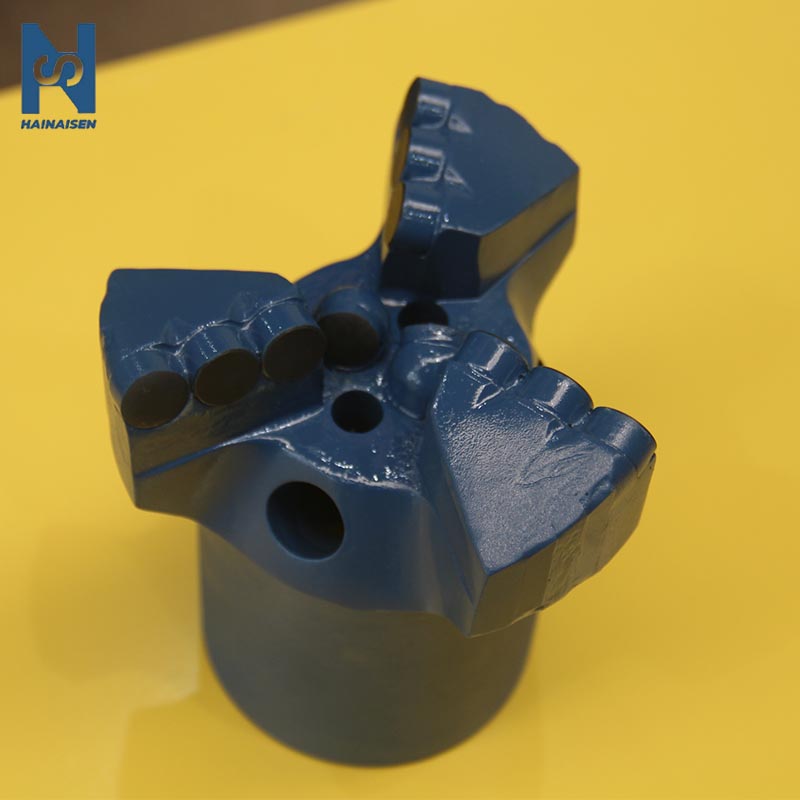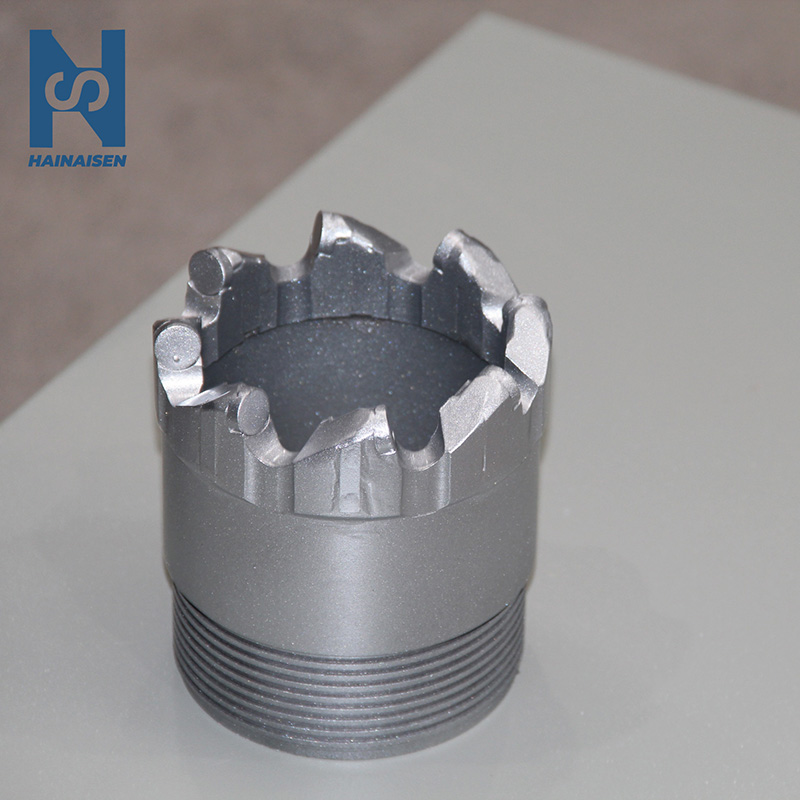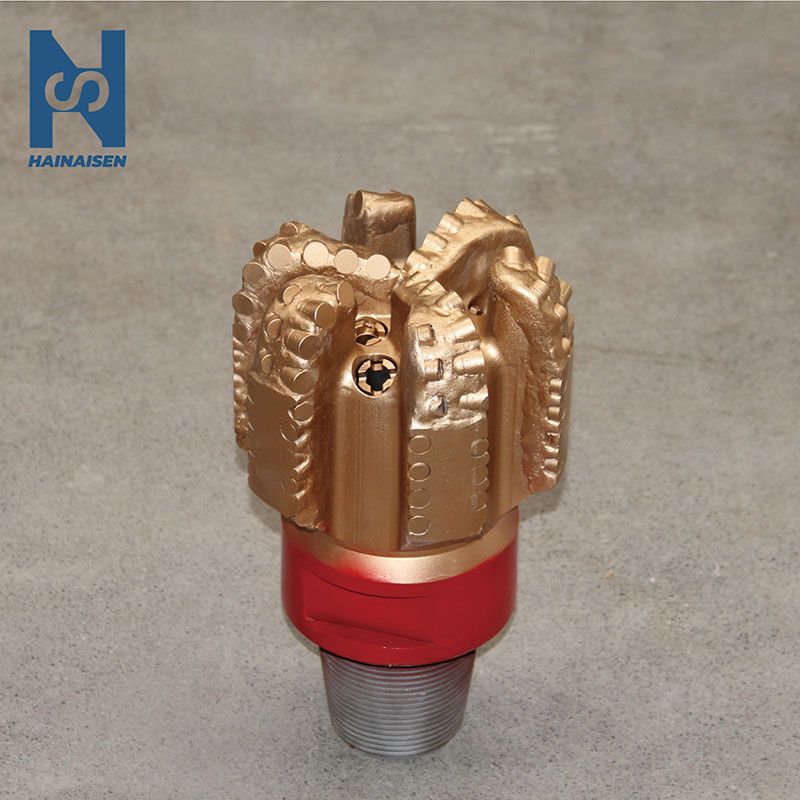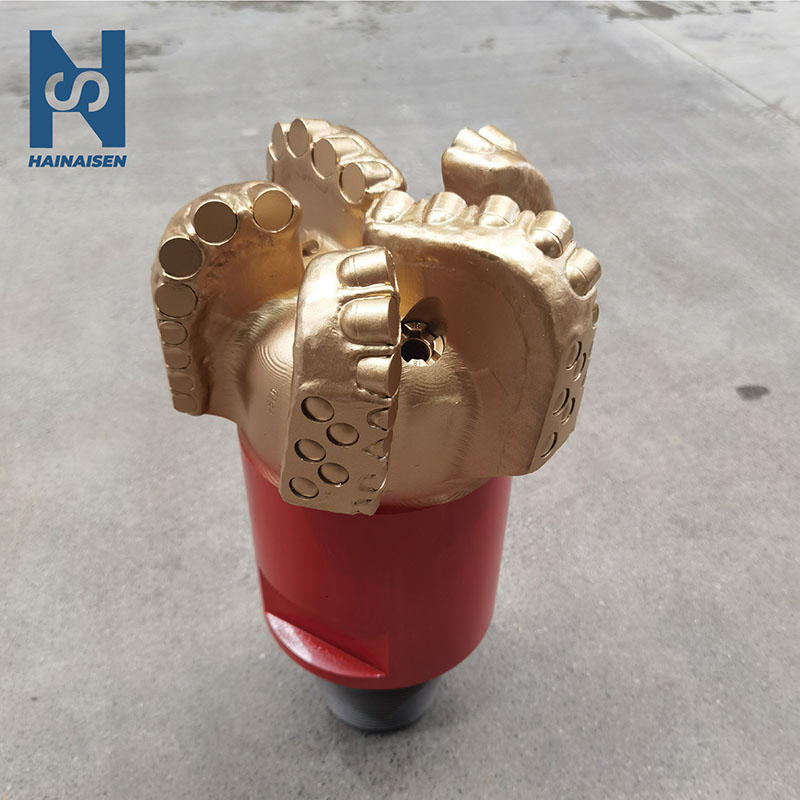




When deciding between the Three Blade PDC Tricone Drill Bit and tricone drill bits, it's important to know the main distinctions between them because they can have a big effect on how well they work. PDC Bits have three blades with synthetic diamond cutters on them that keep cutting, whereas tricone bits have three revolving cones with teeth or tungsten carbide inserts. The comparison of the Three Blade PDC Tricone Drill Bit shows that PDC bits work better in softer formations with higher penetration rates, while tricone bits work better in tougher, more abrasive formations that need forceful cutting action.
Understanding PDC Drill Bit Technology
The technology behind Polycrystalline Diamond Compact (PDC) bits has come a long way, and these bits are becoming more and more popular for many types of drilling. The cutting structure has synthetic diamond layers attached to tungsten carbide substrates, which makes the cutting elements very hard.
In certain drilling situations, modern PDC bits show amazing benefits. The continuous cutting operation means that the cone doesn't have to turn, which makes the machine less complicated and less likely to break down. Recent field tests demonstrate that PDC bits can penetrate soft to medium formations 20–30% faster than similar tricone designs.
Key technological improvements include:
- PDC cutter materials that are more stable when heated
- Optimized blade shape for better removal of cuttings
- Advanced gauge protection that greatly increases the life of the bit
- Better hydraulic design that makes cleaning as efficient as possible
If you want to drill in soft formations and don't want to have to do a lot of maintenance, PDC technology is the best option for your drilling operations.
Tricone Drill Bit Fundamentals and Applications
Tricone drill bits are still the best choice for tough drilling conditions, especially in hard rock formations. These bits have three revolving cones with either milled teeth or tungsten carbide inserts, depending on what the formation needs.
The mechanical advantage of the tricone design for tricone drill operations comes from how it crushes and chips things. Each cone spins on its own, making several contact points that crush rock by using compression and shearing forces. Recent performance research shows that tricone bits last 15–25% longer in very abrasive formations than PDC bits.
Tricone bit classifications include:
- Steel teeth bits for soft rocks
- Drilling hard rock with tungsten carbide insert (TCI) bits
- Sealed bearing systems for longer life in operation
- Open bearing designs that are cheap to use
Tricone technology is very useful for exploration drilling since it can be used in a lot of different ways. Tricone bits are the best choice for complicated drilling projects since they can work well in a wide range of geological conditions and have an established track record.
Three Core Performance Differences: Speed, Durability, and Cost Analysis
Performance research shows three key differences between PDC and tricone drill bits that affect both operational decisions and the project's bottom line.
Drilling Speed Comparison:
Recent field investigations show that PDC bits penetrate rocks with a compressive strength of less than 8,000 PSI 40–60% faster than other types of bits. The bit's constant cutting action keeps the torque and weight needs steady, which lets it spin faster without any mechanical problems.
Tricone bits work best in tougher rocks where their crushing action works better than PDC cutting. In formations with a compressive strength of more than 12,000 PSI, tricone bits often work better than PDC designs because they keep a consistent pace of penetration without wearing out too soon.
Durability Assessment:
Bit life analysis shows that it changes a lot depending on how the application is set up. Three Blade PDC Tricone Drill Bit lasts longer than tricone bits in consistent forms, with some applications lasting 200–300% longer. Tricone bits, on the other hand, are quite tough and can handle formations that change and have different levels of hardness.
Economic Considerations:
- PDC bits usually cost two to three times as much at first, but they provide you with better footage per bit.
- Tricone pieces cost less to buy up front and have predictable replacement times.
- Because trips happen less often on long-term projects, PDC is better for operational costs.
If you want to get the most out of your drilling in well-known formations, PDC technology gives you better economic returns by cutting down on operational time and drilling expenses per foot.
Formation-Specific Applications and Selection Criteria
The best bit choice is based on the geological formation features more than anything else. Knowing how formations work lets you make smart choices that improve drilling performance and lower costs.
Soft Formation Applications (0-4,000 PSI):
PDC bits are the best choice for drilling through soft formations because they cut aggressively and penetrate faster. The continual cutting process keeps the wellbore clean, which is good for clay, shale, and unconsolidated sandstone deposits.
PDC technology is often used in water well drilling because it can keep the gauge and ensure the hole is of high quality. The fact that PDC bits vibrate less also means that they are less likely to harm formations in sensitive areas.
Medium Formation Drilling (4,000-8,000 PSI):
This range is the transition zone in pdc bit vs tricone performance where both technologies work well. The constancy of the formation becomes the most important feature. PDC bits work better in uniform situations, while tricone adaptation works better in formations that change.
Hard Rock Applications (8,000+ PSI):
Tricone bits work better in hard, abrasive formations when PDC cutters wear out too quickly. Tricone technology is often used in mining and geological exploration projects since it has been shown to work well in tough environments.
Tricone bits with tungsten carbide inserts are usually used to drill for oil and gas in cemented limestone, dolomite, and hard sandstone formations. In these tough situations, the crushing motion works better than PDC cutting.
If you need versatile performance across unknown formation types, then tricone bits provide the reliability and adaptability required for exploration projects where geological surprises are common.
Operational Advantages and Limitations Comparison
PDC Bit Advantages:
- Higher penetration rates in the right formations cut down on drilling time by a lot.
- Great directional drilling skills and perfect control over the trajectory
- Minimal vibration features extend the life of downhole tools and increase measurement quality.
- Superior gauge retention keeps the hole diameter the same during drilling.
- Less maintenance is needed because there are fewer moving parts.
PDC Bit Limitations:
- A higher initial investment needs a good economic reason.
- Restrictions on formation compatibility limit the variety of applications.
- There is a chance of a catastrophic failure in unanticipated hard stringers.
- Being sensitive to optimizing drilling parameters.
Tricone Bit Advantages:
- Proven performance in a wide range of geological situations.
- Lower upfront expenses make it easier for more people to use the application.
- Great performance in tough, abrasive formations.
- Forgiving operational qualities allow for changes in parameters.
- Supply chains that are already in place make sure that goods are available all across the world.
Tricone Bit Limitations:
- Drilling takes longer in soft formations because they have lower penetration rates.
- The more complicated a machine is, the more likely it is to break down.
- Higher vibration levels could affect sensitive equipment downhole.
- Wear on the gauge affects the quality of the hole when drilling goes on for a long time.
This comparison shows that the choice of bits depends a lot on the needs of the application and the priorities of the operation. PDC bits are the best choice for formations that are well-known and have a flexible budget because they work better and make more money.
HNS Three-Blade PDC Drill Bit Advantages
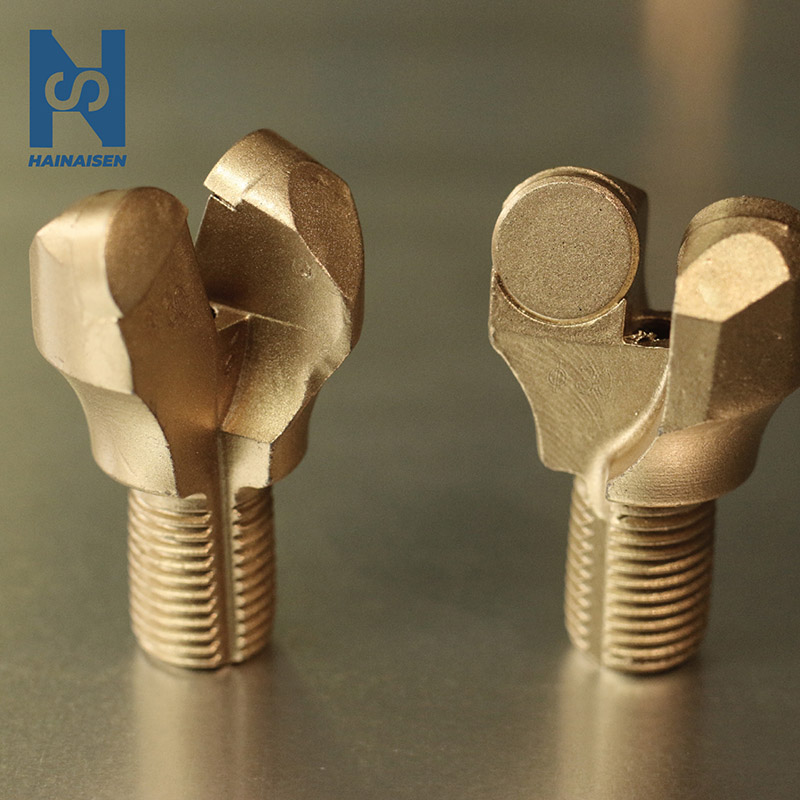
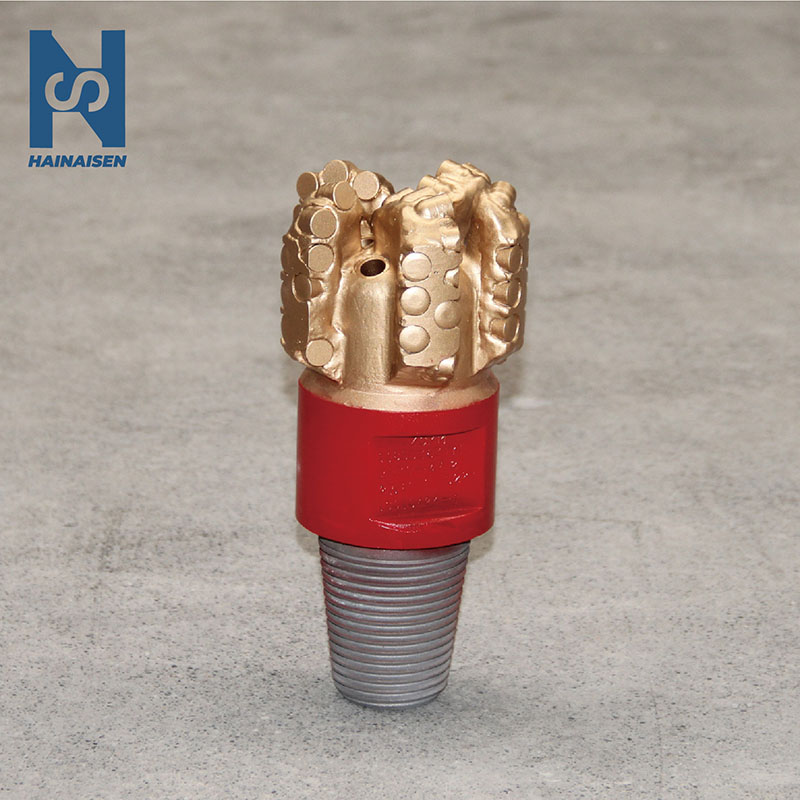
Shaanxi Hainaisen Petroleum Technology Co., Ltd. has created an amazing Three Blade PDC Tricone Drill Bit technology that solves problems in the industry and works better than other bits in many situations.
Technical Specifications and Performance:
- IADC S433 categorization with a 6" (152.4mm) diameter that works well for many different uses
- A high-tech three-blade design with 61 high-quality 13mm PDC cutters placed in the best spots for the best cutting performance
- The 220mm height and 65mm gauge length are precisely designed to make sure that the device is very stable and easy to control.
- The API 3-1/2 REG.PIN connection makes it easy to handle and works well downhole.
- 22 KGS weight distribution that is optimized to improve drilling dynamics and lower vibration
Manufacturing Excellence and Material Quality:
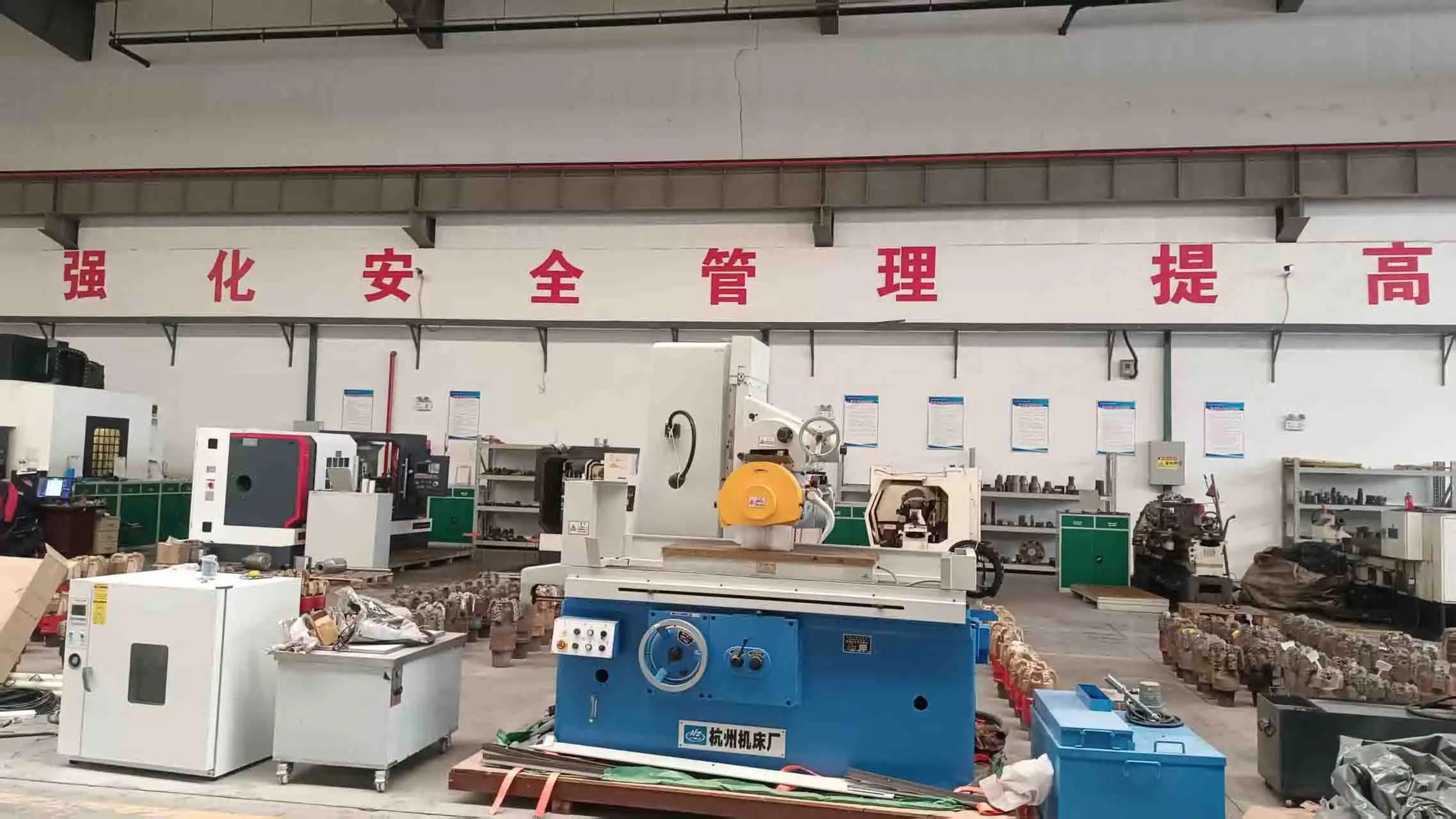
- Our 3,500m² contemporary factory has excellent 5-axis machining centers that make premium-grade high-strength steel bodies.
- The newest PDC cutters are made to last as long as possible and resist wear in tough drilling conditions.
- Strict quality control systems that make sure all production batches work the same way and are reliable.
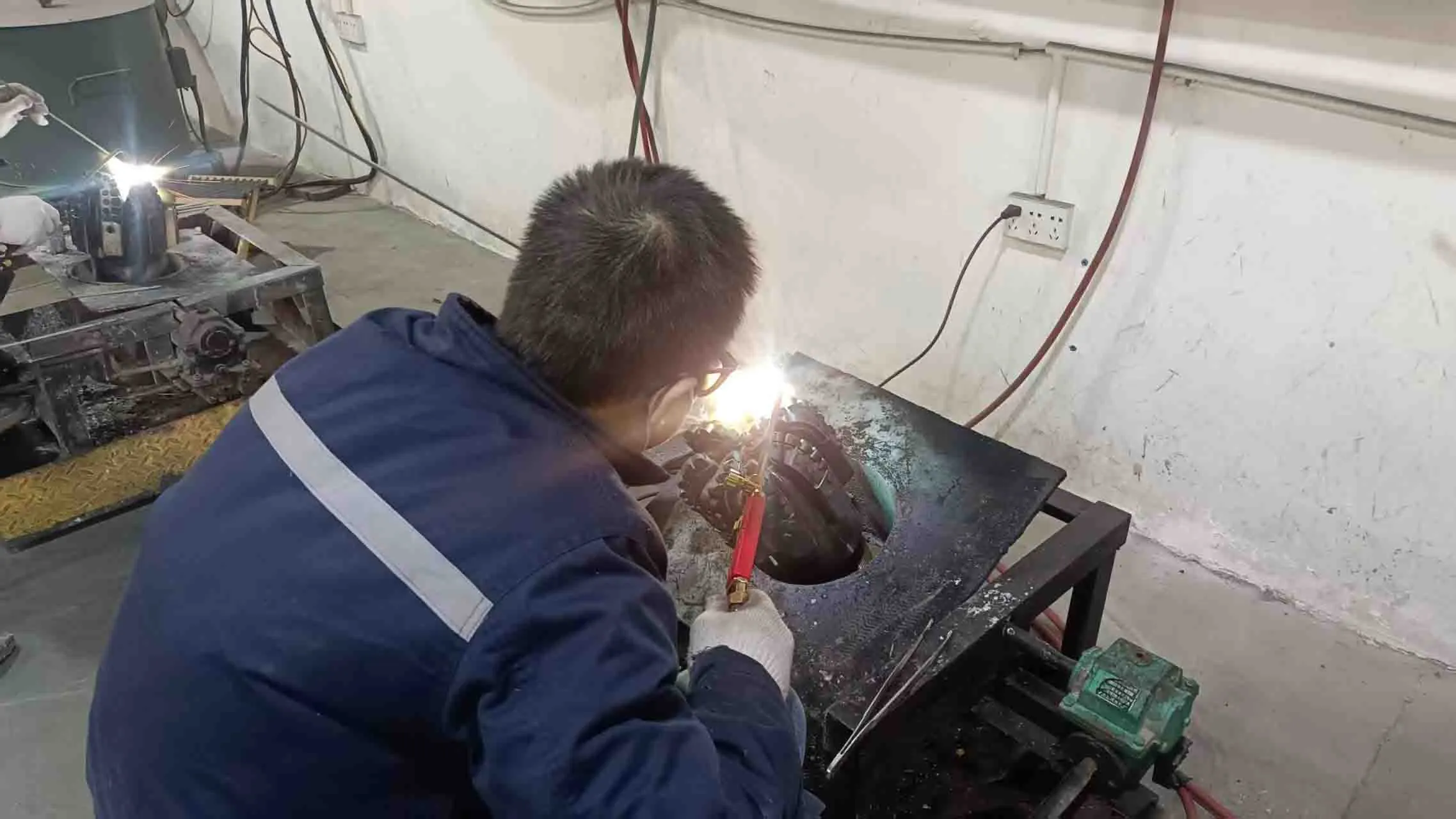
- Advanced welding production lines that make better metallurgical connections between parts
- Thorough testing procedures that check performance before shipping to make sure customers are happy
Application Versatility and Performance Benefits:
- An established track record of outstanding success in oil and gas exploration and production operations
- Specialized design optimization for drilling coal-bed methane that lowers operational costs
- Better performance in geothermal well drilling situations when keeping the temperature stable is very important
- A cost-effective way to drill water wells that balances performance with cost.
- Dependable performance in mining and quarrying operations across a wide range of geological conditions
- Exact cutting motion is perfect for geological research and sample tasks that need great core recovery.
Technical Innovation and Customer Support:
- A dedicated research and development team that specializes in designing custom bits to fulfill the needs of unique customers and tough applications
- An integrated technical solutions method that gives full advice for optimizing drilling
- Advanced hydraulic design with three optimized nozzles that make cleaning and cutting removal as efficient as possible
- Improved gauge protection that greatly extends the life of the bit while keeping the quality of the hole throughout the drilling process
- Full technical support to help you choose the best bit and set the best drilling parameters for the best performance.
Making the Right Choice: Selection Guidelines for 2025
Choosing between PDC and tricone technology means carefully looking at all the project-specific elements that affect drilling success and how much money it makes.
Formation Analysis Protocol:
When conducting a thorough pdc bit vs tricone comparison, start with a full geological assessment that includes measuring compressive strength, finding the abrasiveness index, and checking the consistency of the formation. Data from offset wells can help you understand what drilling conditions to expect and how well the bit has performed in the past.
Testing formation samples in a lab can help you guess how well a bit will work and find possible problems. Analyzing rock mechanics can help you find the best drilling parameters and how long a bit will last in different situations.
Economic Evaluation Framework:
- Add up the costs of drilling, including the cost of the bit, the time spent on the rig, and the costs of running the business.
- Check your predictions for the penetration rate based on the parameters of the formation and the performance statistics of the bit.
- Think about how often trips happen and the costs of the time that isn't spent working.
- Look at the long-term needs of the project and the possibility of standardizing them.
Operational Considerations:
Project timelines may favor quicker drilling, Three Blade PDC Tricone Drill Bit, even though they cost more up front. On the other hand, exploration projects with unpredictable conditions benefit from the versatility and proven performance of tricone bits.
The effectiveness of bit selection depends on the knowledge of the drilling team and the tools they have on hand. PDC bits need more accurate parameter management, whereas tricone bits can work in a wider range of conditions.
Tricone bits are the best choice for important projects where operational risk must be kept to a minimum because they deliver reliable performance with proven technology in a wide range of circumstances.
Conclusion
The choice between three-blade PDC and tricone drill bits will depend on the type of rock being drilled, the needs of the project, and the priorities of the operation. PDC bits work best in soft to medium formations because they penetrate faster and last longer. Tricone bits work well in a wide range of geological conditions. Knowing these differences helps you make smart choices that improve drilling performance and project economics. HNS offers high-quality Three Blade PDC solutions designed for outstanding performance in a variety of applications, backed by full technical support and proven manufacturing excellence.
Partner with HNS for Superior Three-Blade PDC Tricone Drill Bit Solutions
Shaanxi Hainaisen Petroleum Technology Co., Ltd. stands as your trusted Three Blade PDC Tricone Drill Bit supplier, combining advanced manufacturing capabilities with comprehensive technical expertise to deliver optimal drilling solutions for your specific applications.
Our commitment to excellence spans from initial design consultation through ongoing technical support, ensuring your drilling operations achieve maximum efficiency and cost-effectiveness. The combination of premium materials, advanced manufacturing processes, and rigorous quality control delivers consistent performance that builds long-term partnerships with leading drilling contractors worldwide.
Since our establishment in Xi'an in 2013, we have continuously invested in research and development, maintaining our position at the forefront of tricone drill and drilling technology innovation. Our dedicated engineering team collaborates closely with customers to develop custom solutions that address unique operational challenges and optimize drilling performance.
Our Three Blade PDC drill bits demonstrate exceptional performance across diverse applications, from oil and gas exploration to water well drilling and geological investigation projects. The proven track record of reliability and performance has established HNS as a preferred partner for companies requiring dependable drilling solutions.
Experience the difference that quality engineering and manufacturing excellence make in your drilling operations. Our comprehensive approach to customer service includes technical consultation, product customization, and ongoing support throughout your project lifecycle.
Ready to optimize your drilling performance with superior Three Blade PDC technology? Contact our technical team today to discuss your specific requirements and discover how HNS can enhance your drilling operations. Reach out to us at hainaisen@hnsdrillbit.com for expert consultation and competitive pricing on our complete range of drilling solutions.
References
1. Smith, J.R., and Johnson, M.A. (2024). "Advanced PDC Bit Design for Enhanced Drilling Performance in Unconventional Formations." Journal of Petroleum Technology, Vol. 76, No. 3, pp. 45-52.
2. Thompson, K.L., et al. (2024). "Comparative Analysis of Tricone and PDC Bit Performance in Hard Rock Drilling Applications." International Journal of Rock Mechanics and Mining Sciences, Vol. 165, pp. 112-125.
3. Wilson, D.C., and Brown, S.P. (2023). "Economic Optimization of Drill Bit Selection in Oil and Gas Operations: A Field Study." SPE Drilling & Completion, Vol. 38, No. 4, pp. 623-635.
4. Chen, L.X., and Rodriguez, A.M. (2024). "Technological Advances in PDC Cutter Materials and Their Impact on Drilling Efficiency." Materials Science in Drilling Technology, Vol. 12, No. 2, pp. 78-89.
5. Anderson, R.K., et al. (2023). "Formation-Specific Drill Bit Selection Criteria for Optimal Drilling Performance." Drilling Engineering Review, Vol. 45, No. 6, pp. 234-248.
6. Martinez, P.J., and Taylor, C.R. (2024). "Durability Assessment of Modern Drill Bit Technologies in Challenging Drilling Environments." International Drilling Technology Conference Proceedings, pp. 156-171.
logo 1_1768274683075.jpg)
logo 1_1777361785830.jpg)